Europe
Europe has no eastern edge that anyone can walk to, and the catalogue still has to pick one. The 57 countries filed here include Türkiye, Cyprus and the three states of the South Caucasus, each of which another convention would place in Asia, and Greenland, which the roster records as a dependency of Denmark and files with the Faroe Islands.
57 countries
- ÅlandA Swedish-speaking, demilitarised region of Finland with its own parliament, a regional citizenship and a tax border, home to 30,836 people at the end of 2025.
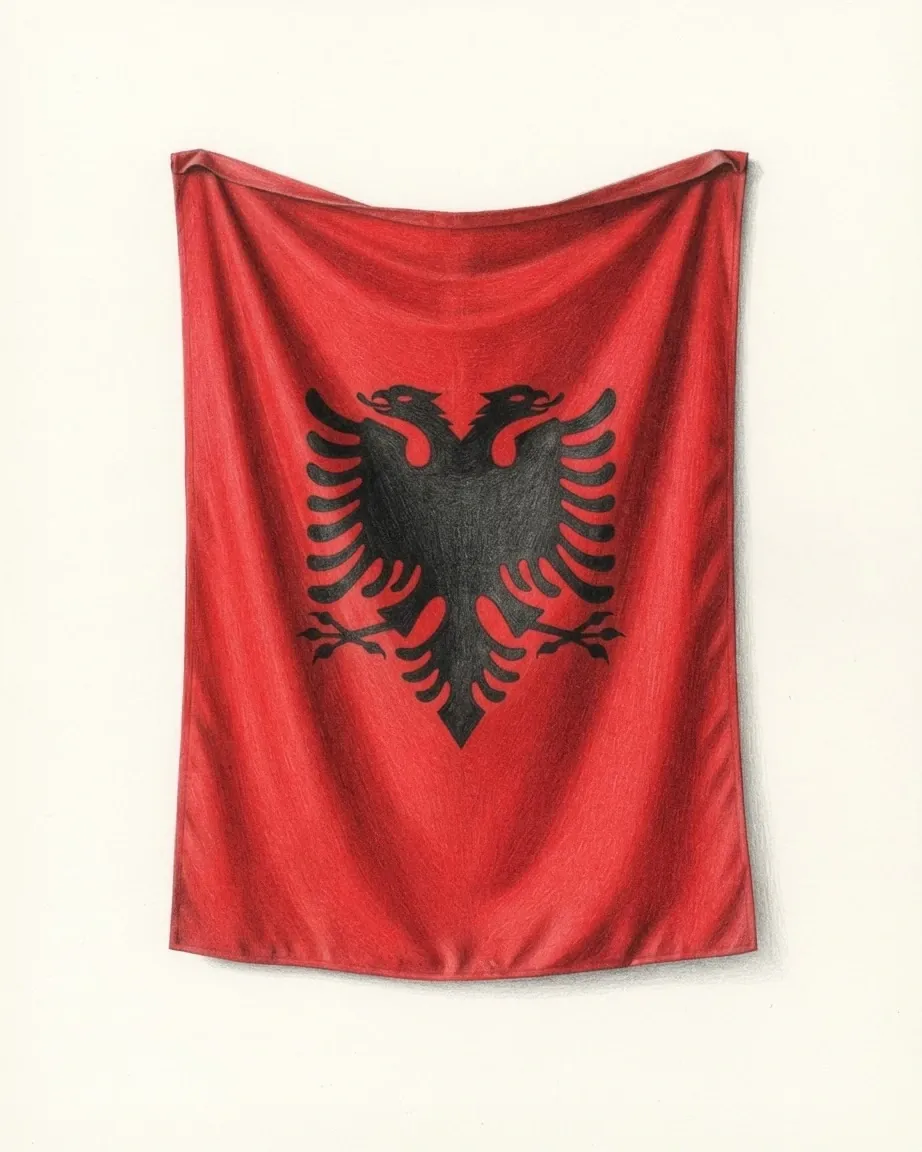
- AlbaniaThe 2023 census counted 2,402,113 people in Albania and the voter roll of April 2025 held 3,713,761 names. The land, the history and the economy, each figure dated.
- AndorraA Pyrenean co-principality made sovereign by referendum on 14 March 1993, with a euro agreement from 2011 and 89,752 residents on 30 June 2026.
- Armenia29,743 square kilometres on a high plateau, a diaspora of five million or more, and a constitution whose coat of arms shows a mountain across the border.
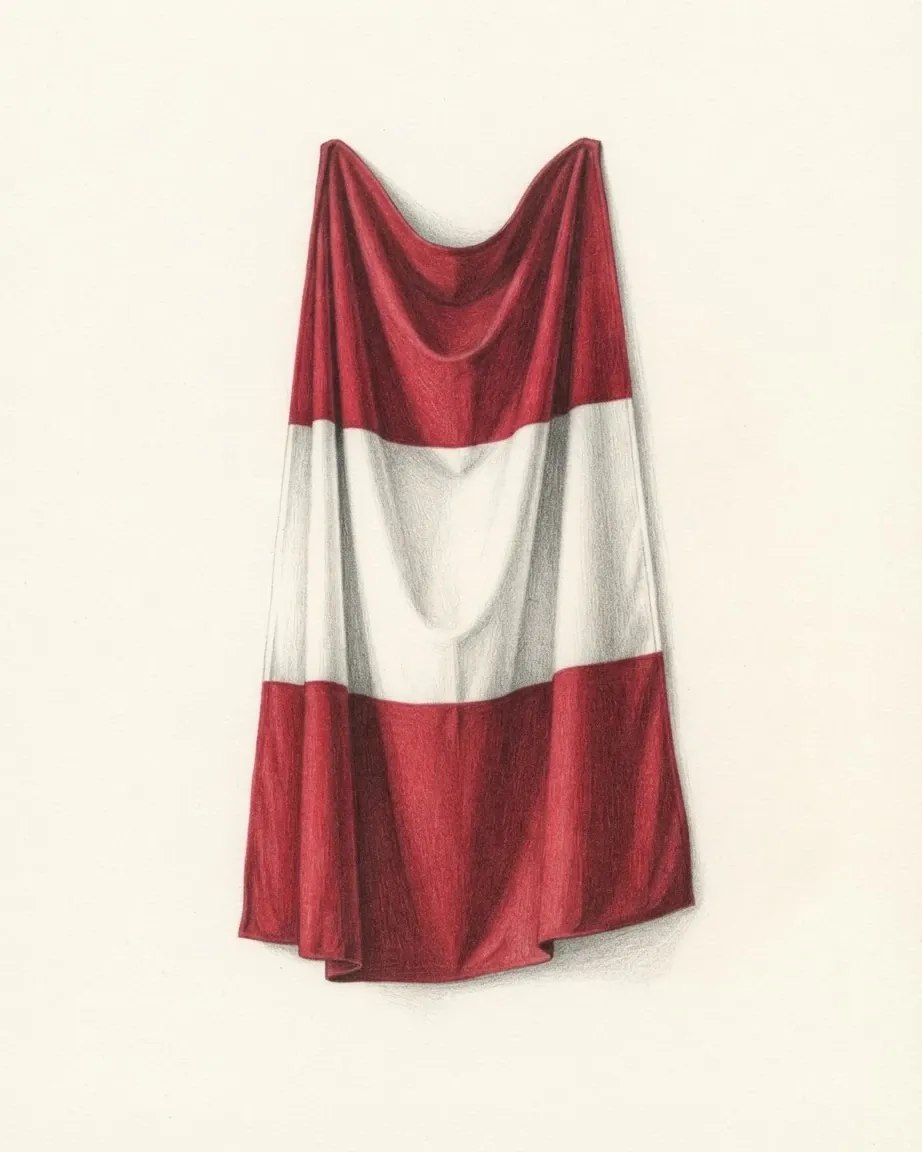
- Austria9 million people on 83,879 landlocked square kilometres with eight borders. A republic from 1918 in a capital built for an empire, neutral since 1955.
- Azerbaijan86,600 square kilometres between the Caucasus and the Caspian, with a capital built on an oil peninsula, a republic first proclaimed in 1918 and restored in 1991.
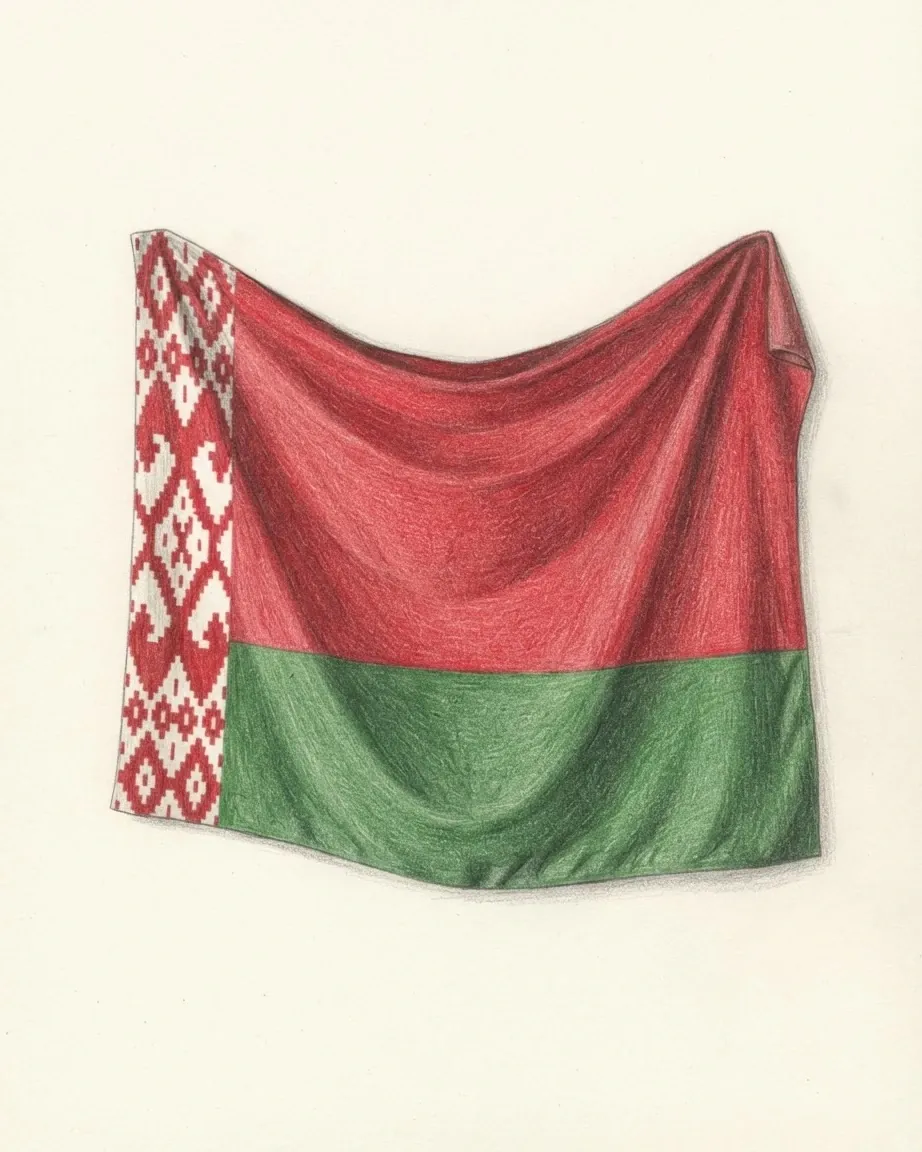
- Belarus9,056,080 people on 207,600 square kilometres as of 2026, independent since 1991 and bound to Russia by the Union State treaties of 1996 to 1999.
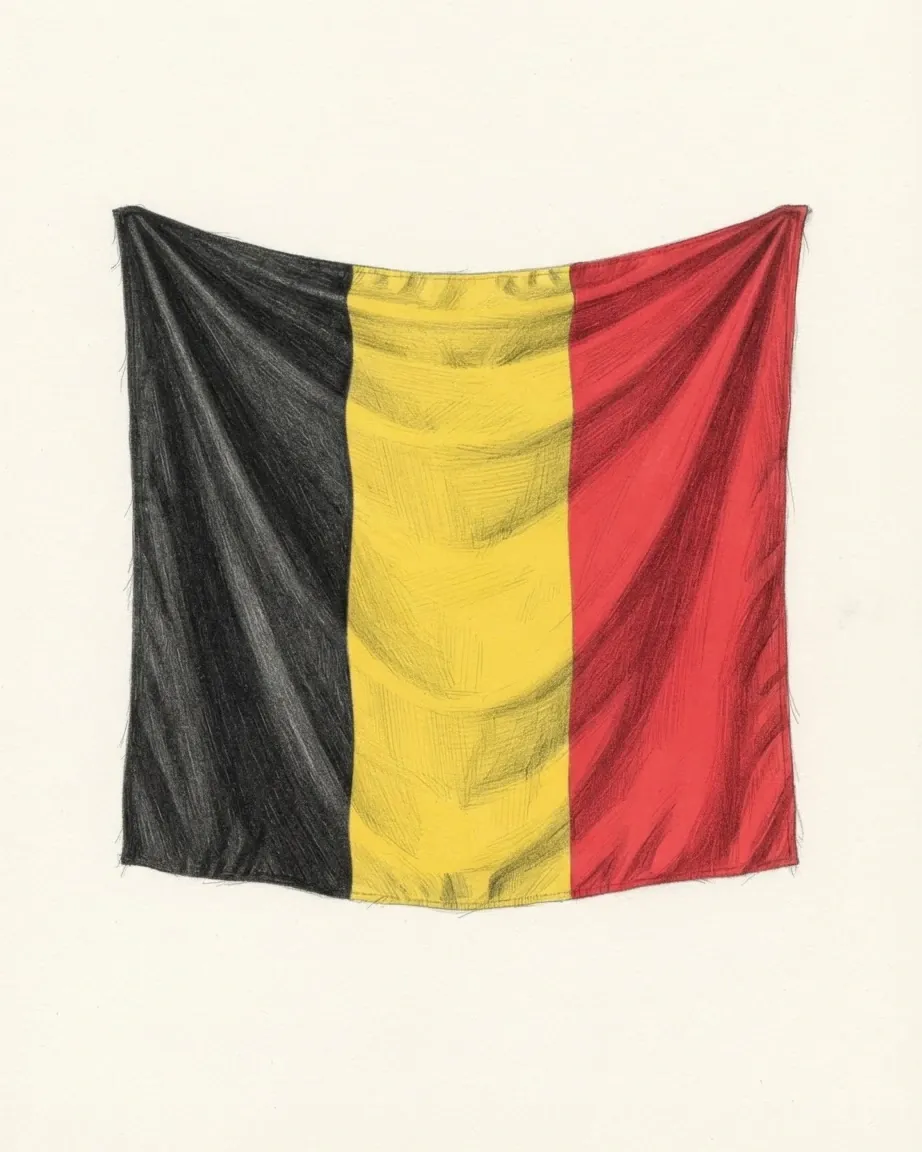
- Belgium11.8 million people on 30,688 square kilometres, three official languages and six governments. A federal structure built around a language border, and 16 heritage sites.
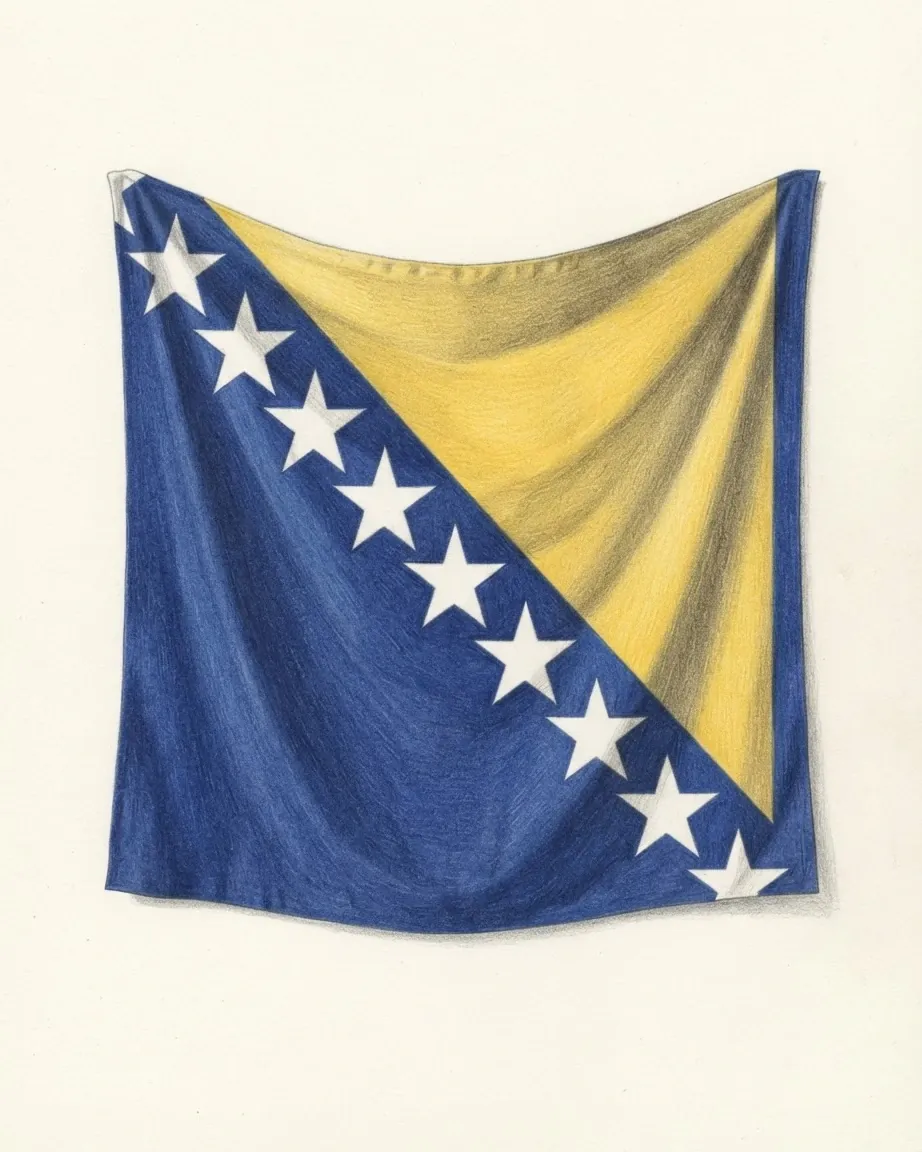
- Bosnia and HerzegovinaBorders set in 1718 and 1739, a state divided by the 1995 peace agreement into two Entities, and 3,531,159 people counted in October 2013.
- BulgariaFounded by treaty in 681 and rebuilt by another in 1878, Bulgaria is a country of 6.4 million in the eastern Balkans, in the EU since 2007 and the euro since 2026.
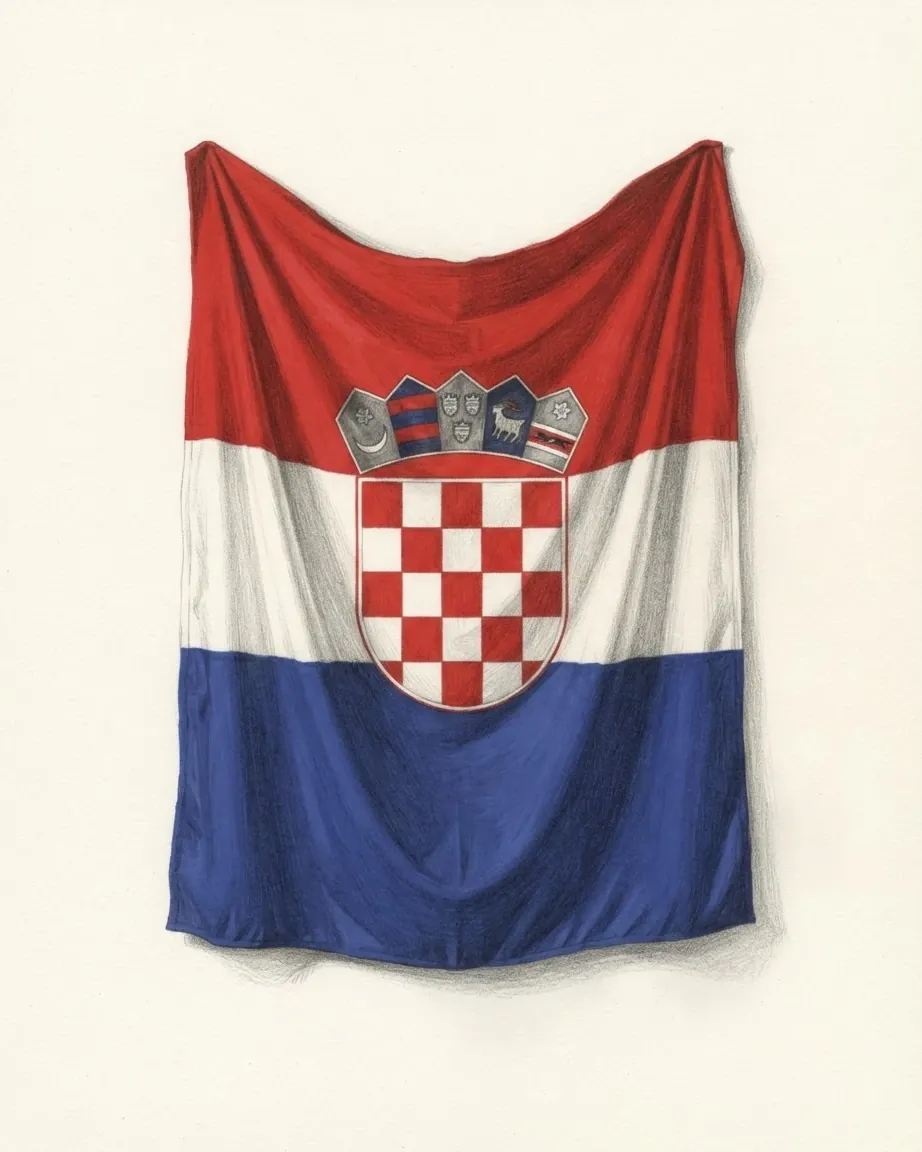
- CroatiaCroatia counted 3,871,833 residents in 2021, 9.64% fewer than in 2011, and registered 94.8 million tourist nights in 2025, 94.3% of them on the Adriatic.
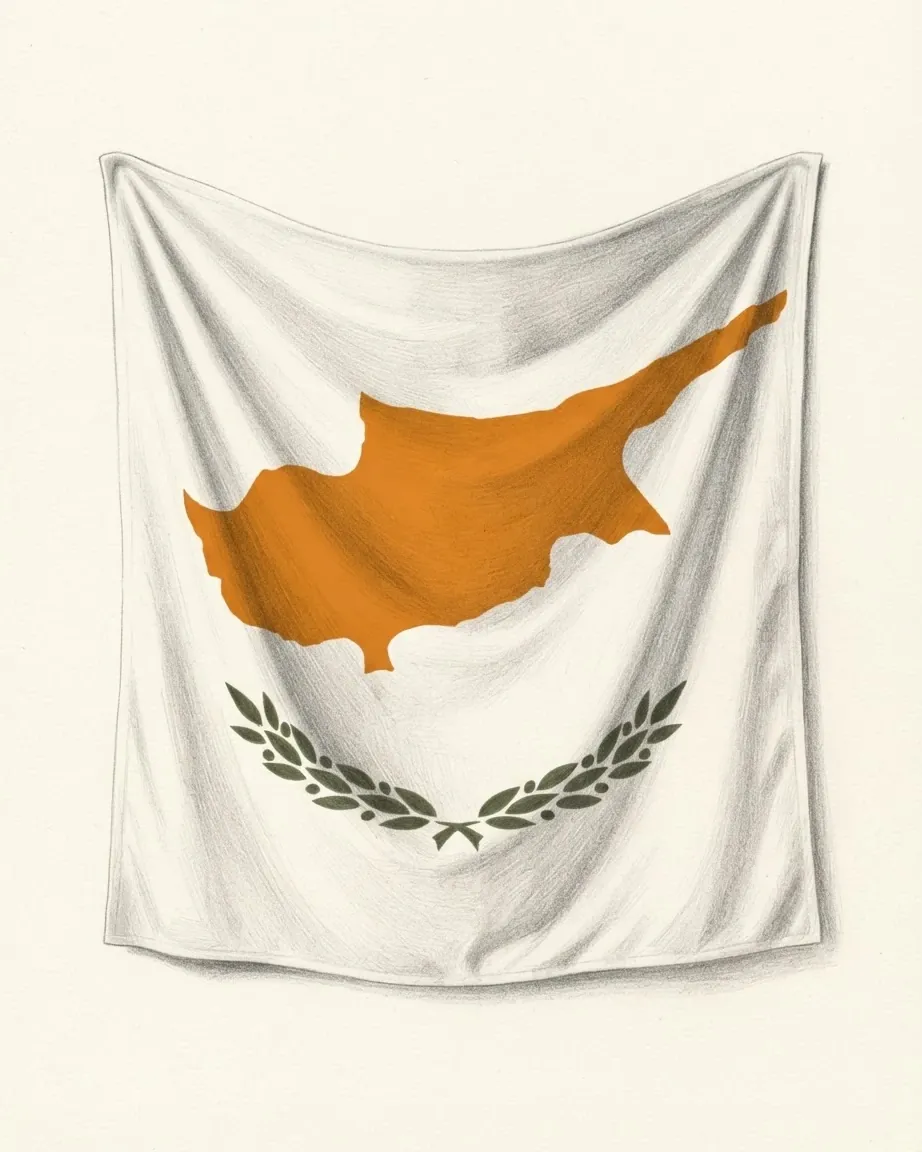
- CyprusCyprus has been independent since 16 August 1960 and in the European Union since 2004, and its government controls about 59% of an island administered in four pieces.
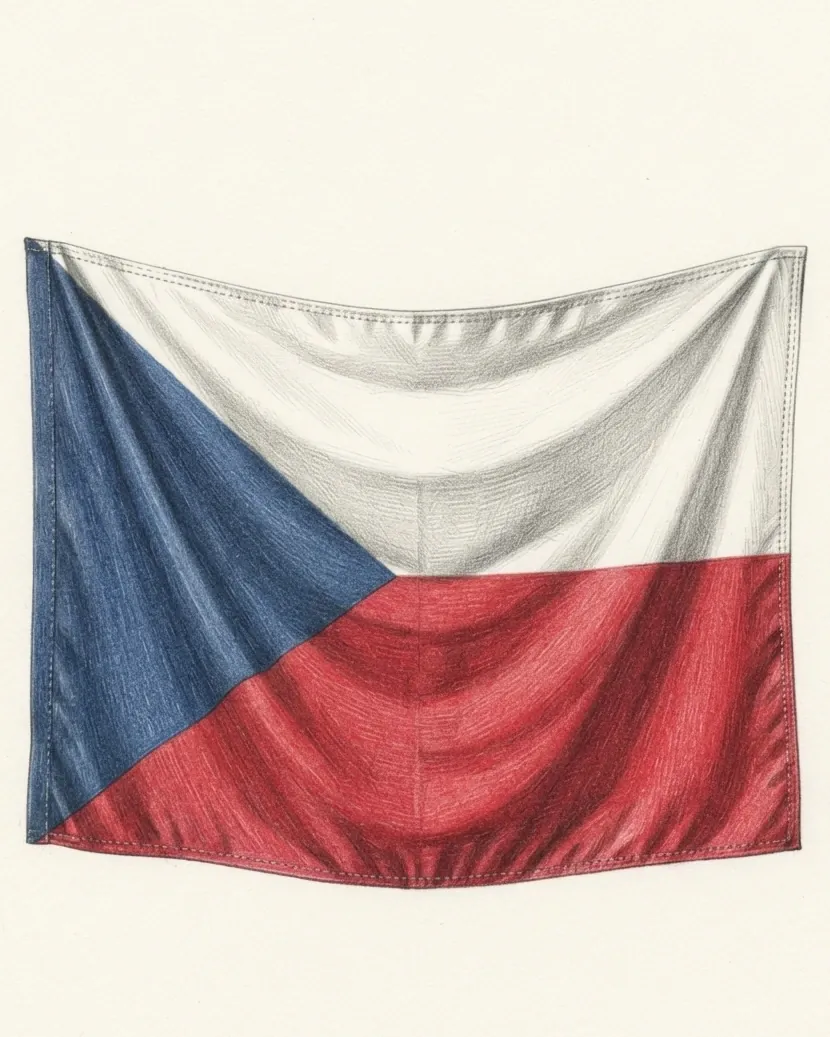
- Czechia10.9 million people on 78,871 landlocked square kilometres. A state created by negotiation in 1993, an industrial economy tied to Germany, and 17 World Heritage properties.
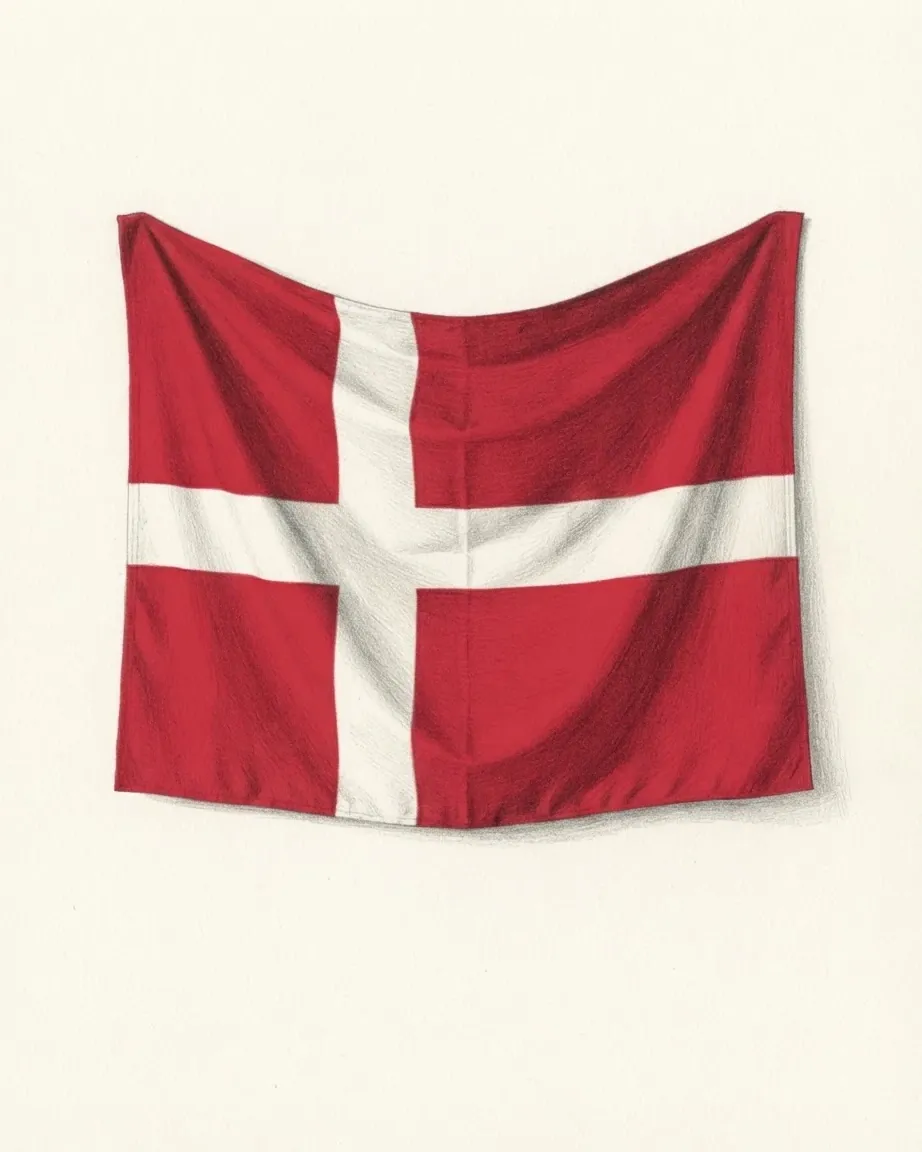
- Denmark5.8 million people on 42,925 square kilometres of peninsula and islands, highest point 171 metres. A 179-seat parliament, four of whose seats sit in the Arctic.
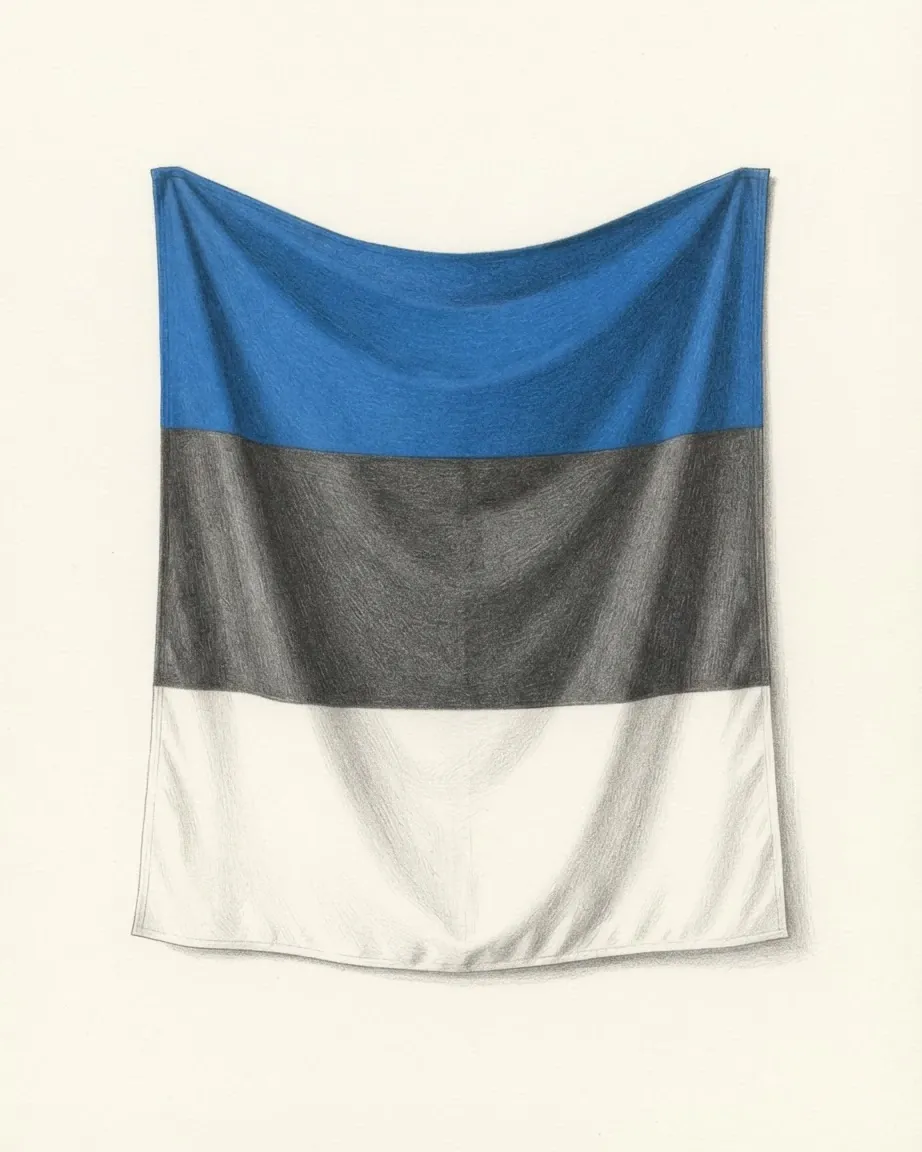
- EstoniaA Baltic republic of 1,369,995 people as of 1 January 2025 whose statehood survived occupation as a legal record, and whose voting and company registry now run the same way.
- Faroe Islands54,149 people in 2023 on 18 islands that run their own fisheries, taxes and trade while Denmark keeps nationality, defence and the currency.
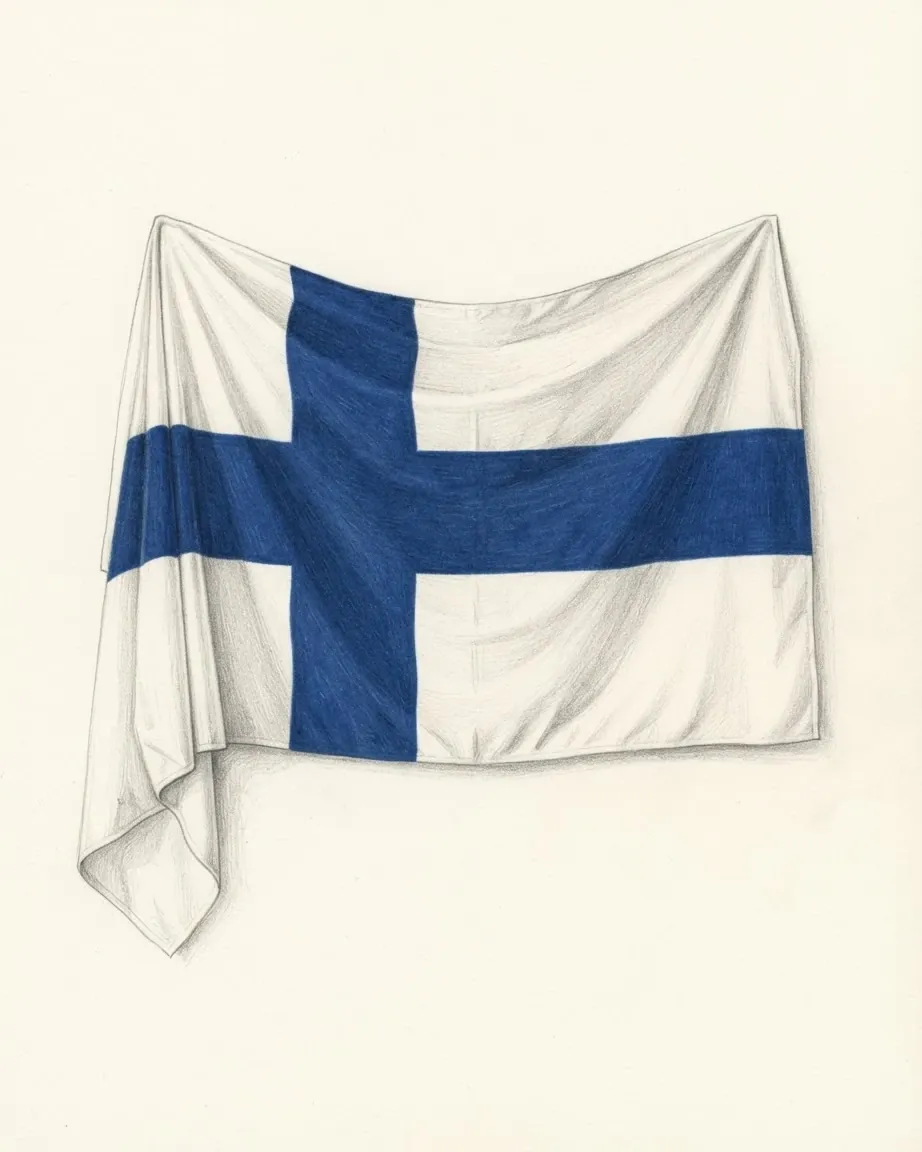
- Finland5.7 million people on 390,905 square kilometres of forest and lake. Independent since 1917, in the EU since 1995, and in NATO since April 2023.
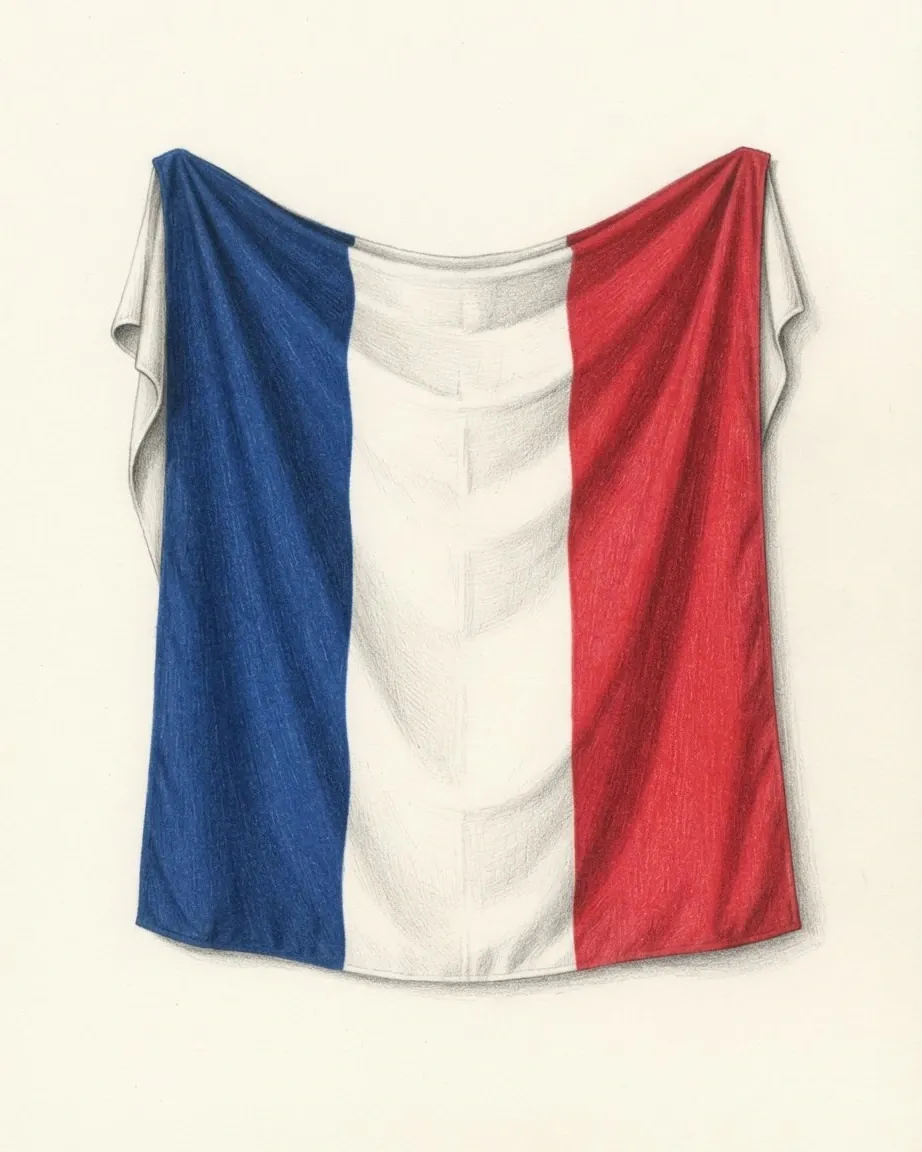
- France68.6 million people and 643,801 square kilometres across three oceans. Five republics since 1789, 56 nuclear reactors, and public debt at 115.5% of output.
- GeorgiaSakartvelo to Georgians, Gruzia in Russian: 3,929,581 people counted on 14 November 2024, in a census that leaves out Abkhazia and South Ossetia.
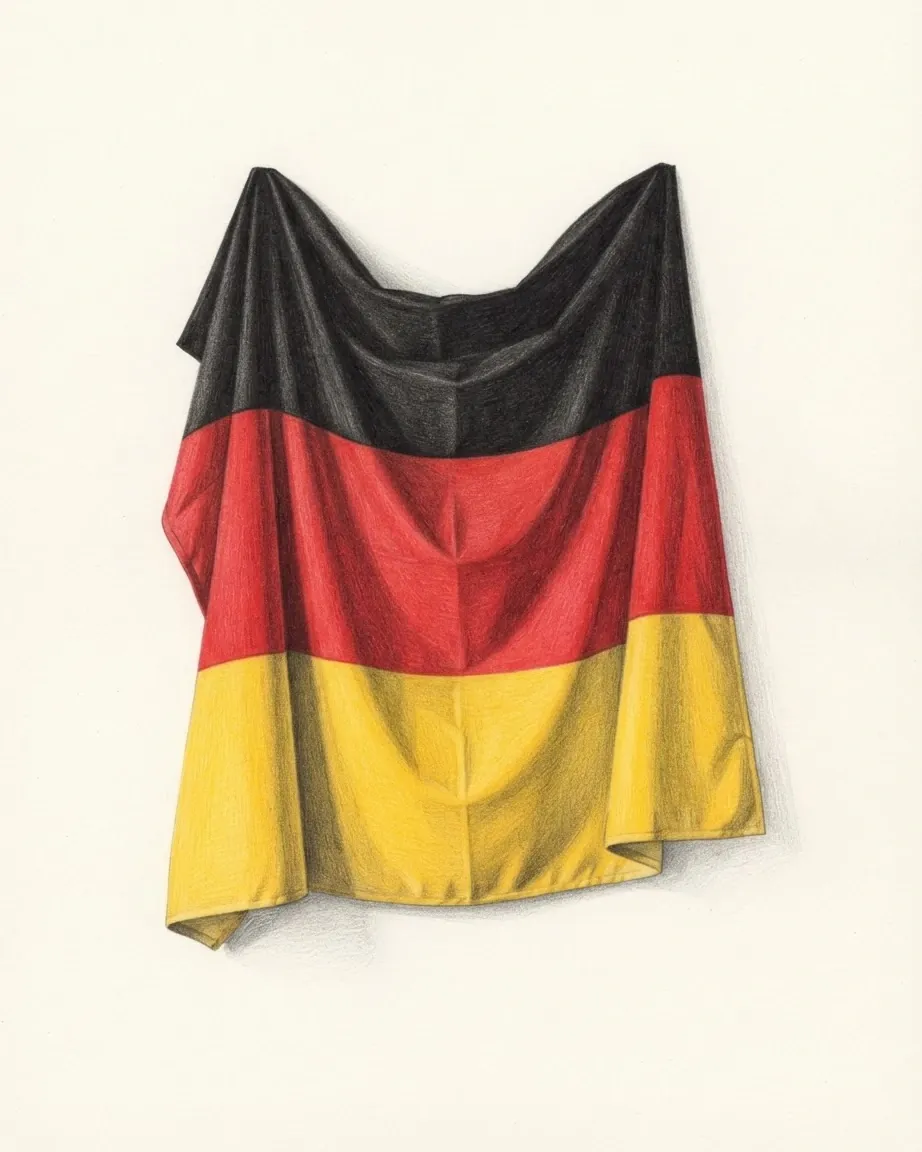
- Germany83.6 million people on 357,588 square kilometres with nine land borders. A constitution written to be temporary in 1949, and an export economy that grew 0.2% in 2025.
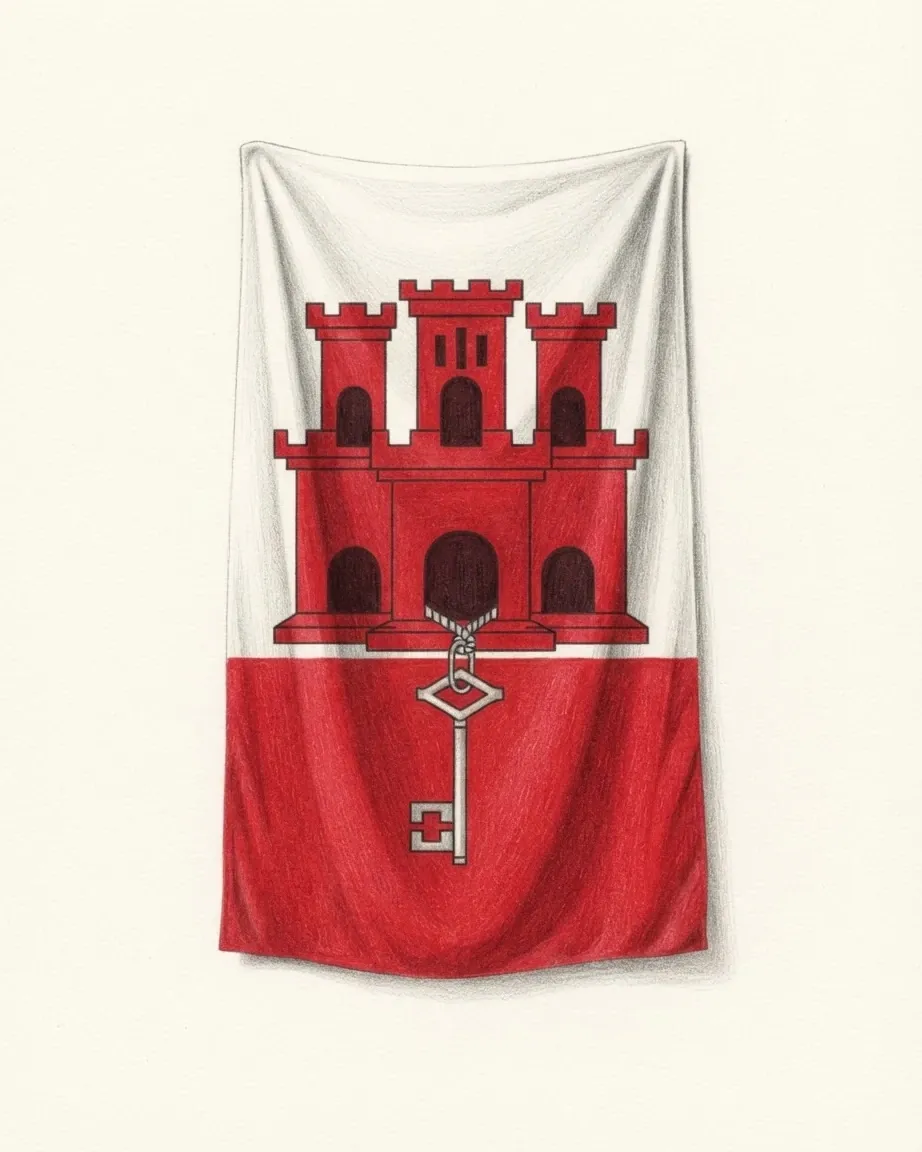
- GibraltarA British Overseas Territory of 37,936 residents at the 2022 census, assembled after 1704 and claimed by Spain, whose sovereignty rests on its people's wishes.
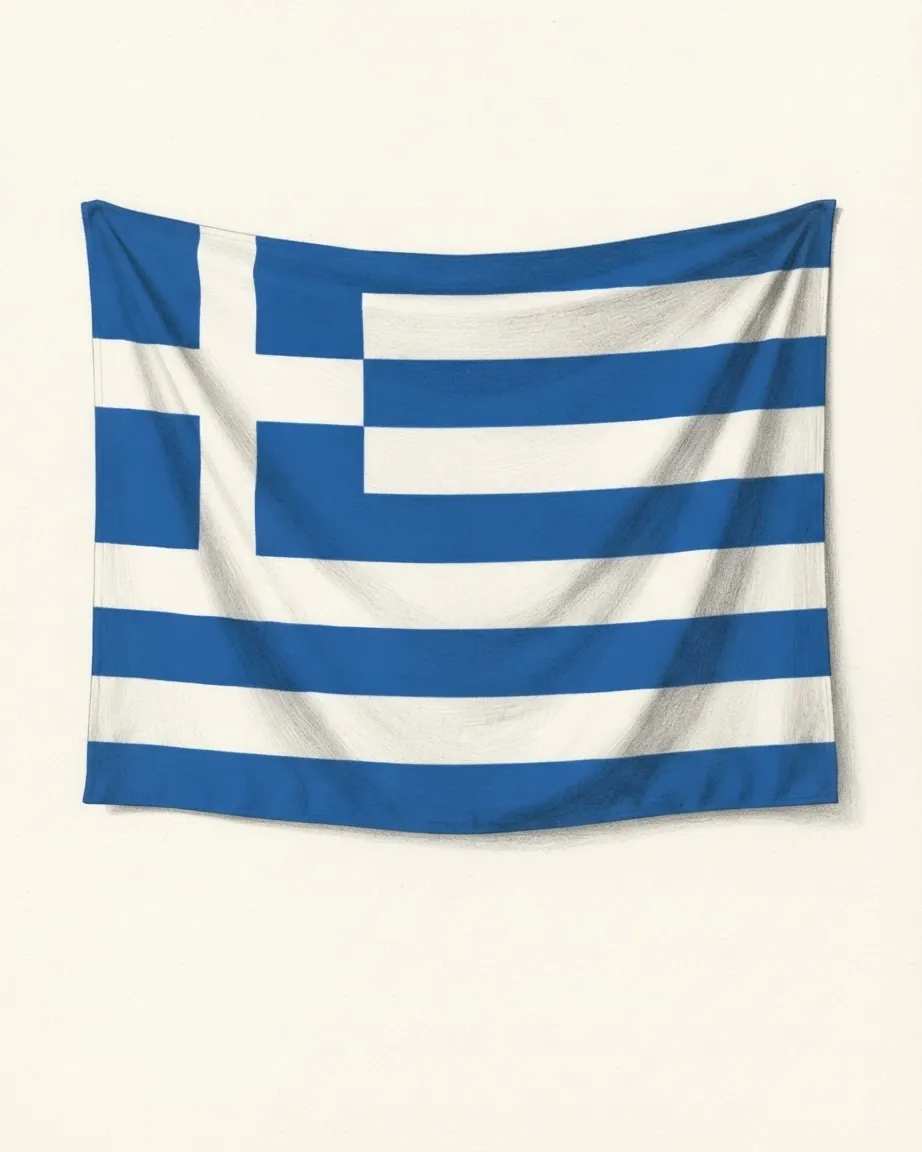
- Greece10.6 million people on 131,957 square kilometres of mountain and archipelago. A state founded in 1821, a constitution from 1975, and 21 World Heritage properties.
- Greenland56,740 people on 1 January 2026, more than a third in Nuuk. A self-governing part of Denmark since 2009, on an island mostly under ice.
- GuernseyA Crown Dependency of 67,787 people as of 1 January 2024: its own laws, taxes and housing rules, with defence and immigration law left to the UK.
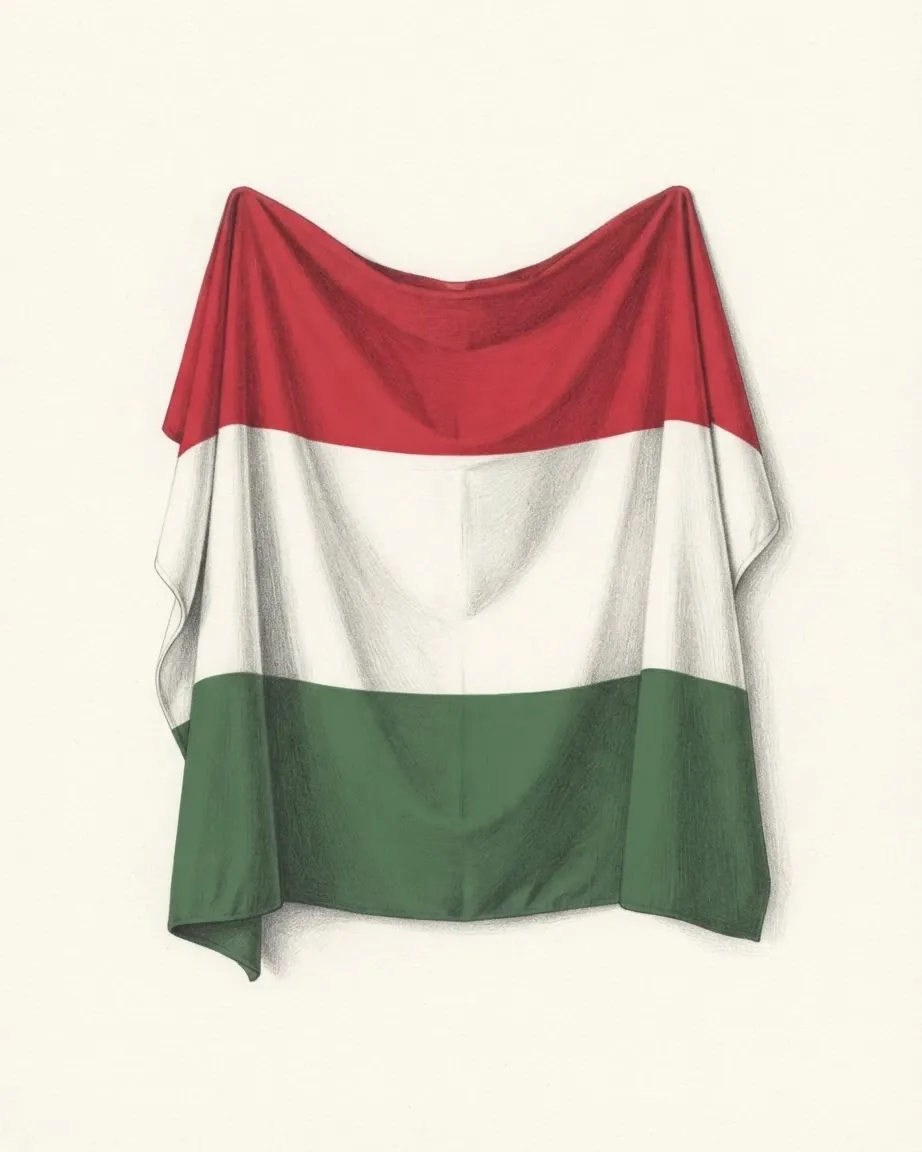
- Hungary9.5 million people on 93,030 landlocked square kilometres with seven neighbours. A treaty in 1920 took 72% of the territory, and the question has never closed.
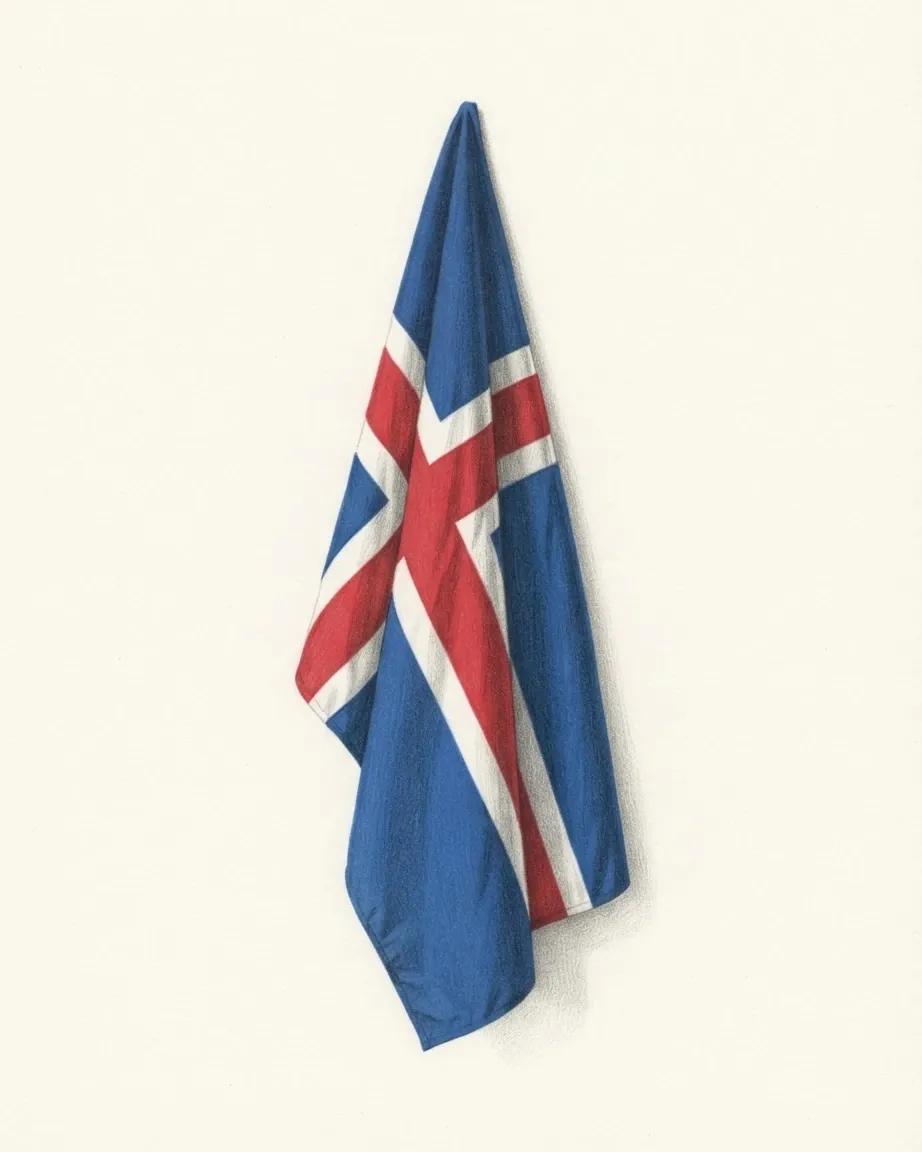
- IcelandAn empty island claimed in sixty years and written down as it happened: 376,248 people counted in 2022, on crust the Mid-Atlantic Ridge pulls apart by 19 millimetres a year.
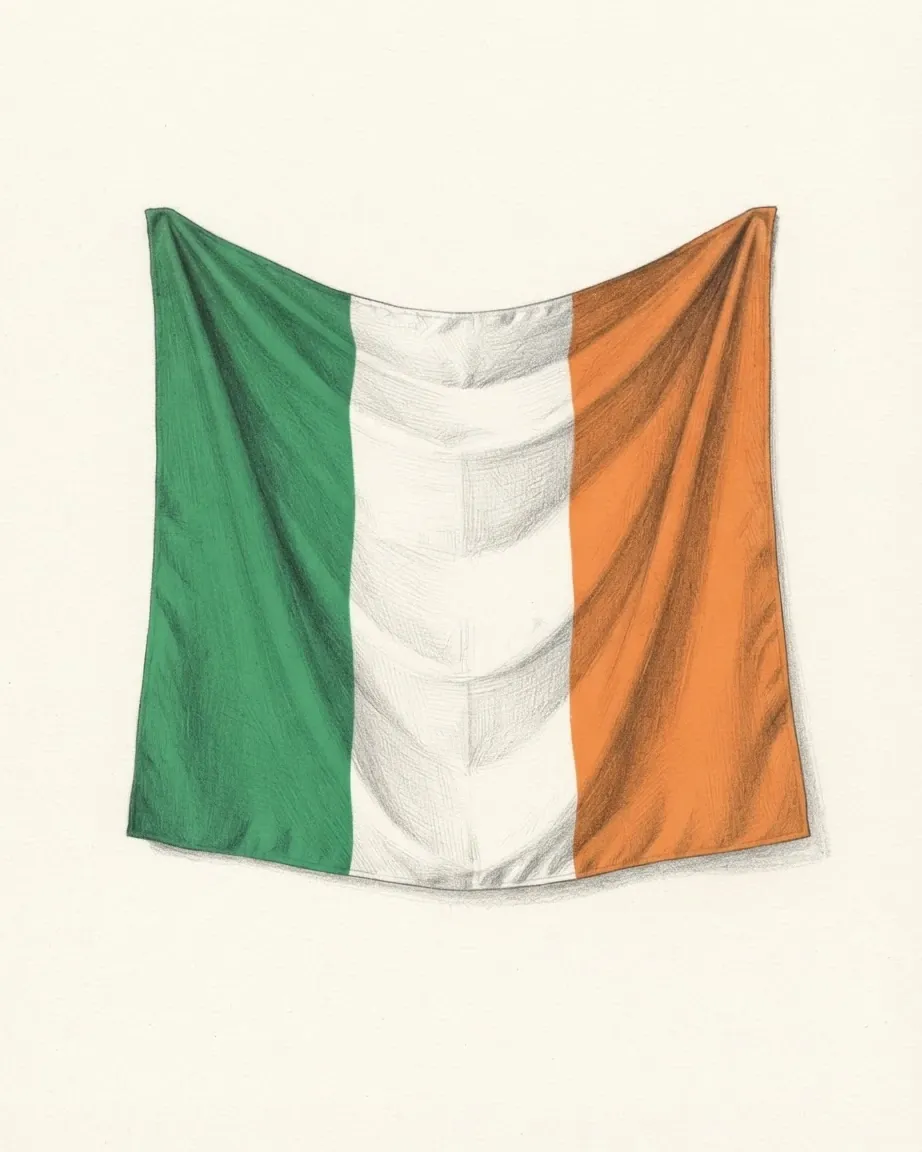
- Ireland5.1 million people on 69,797 square kilometres. A constitution changed only by referendum, and an economy whose own statisticians publish a second measure of its size.
- Isle of Man84,523 people as of 1 January 2024, governed by Tynwald under the Crown as Lord of Mann, outside the United Kingdom and the EU, with laws of its own making.
- ItalyItaly holds about 58.9 million people, was proclaimed a single state on 17 March 1861 and became a republic in 1946. Its cities, regions and districts still do the work.
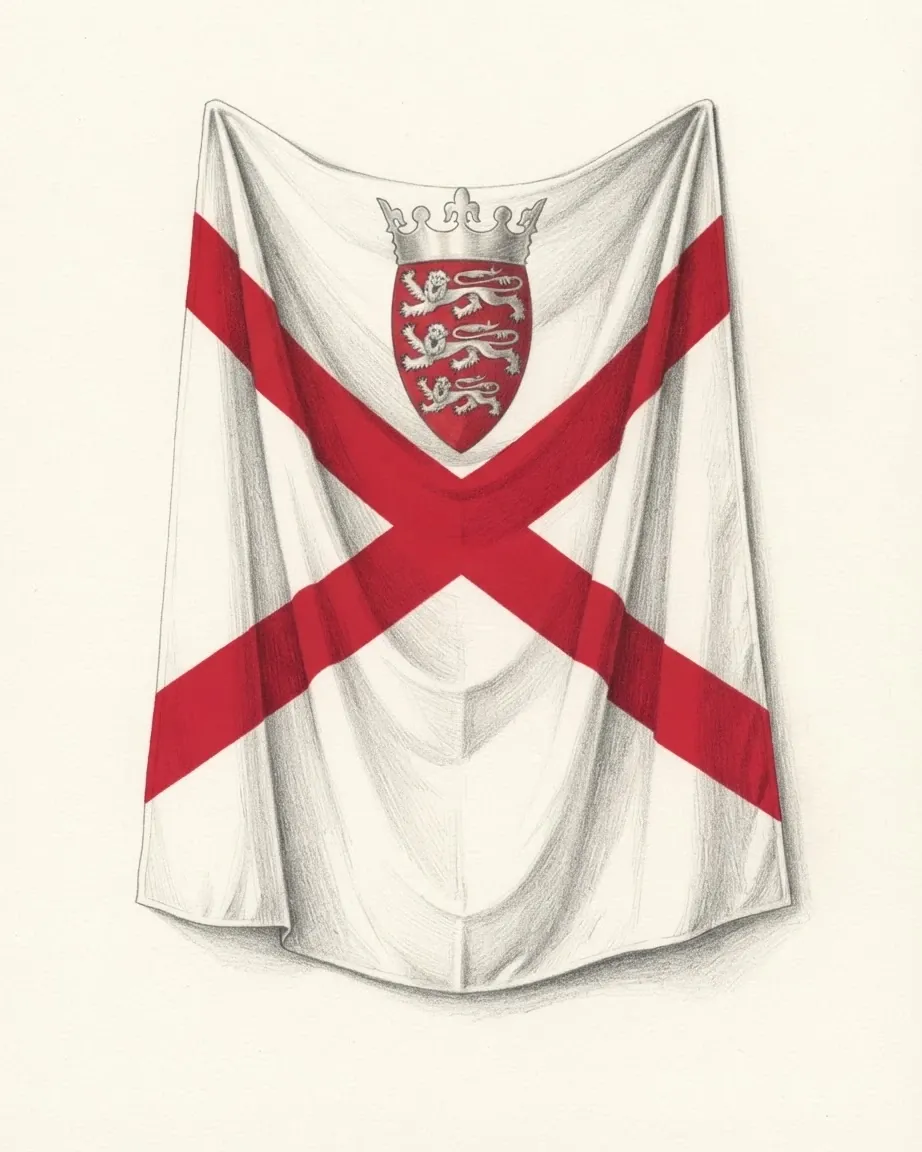
- Jersey103,267 people in 2021 on an island 22 km off Normandy, owing allegiance to the Crown and never part of England or the United Kingdom.
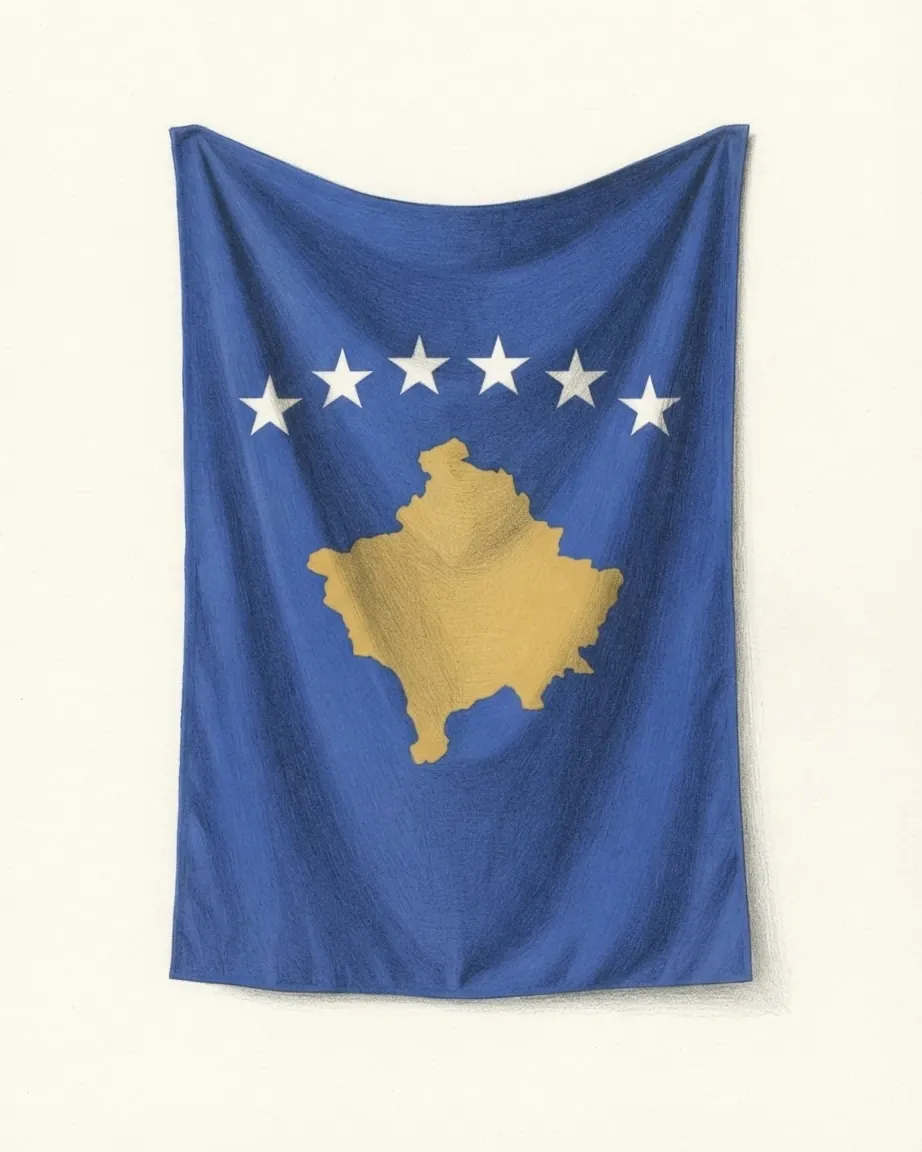
- KosovoLandlocked, 10,909 square kilometres, independent since 17 February 2008 and recognised by 110 UN members as of 2025. Kosovo was governed for nine years first.
- LatviaLatvia holds 1,845,096 people as of 1 January 2026 on flat, wet ground on the Baltic, under a constitution of 1922 restored in 1991 after two rewritings of its population.
- Liechtenstein160 square kilometres bought by a Viennese family in 1699 and 1712, in a Swiss customs union since 1924, with more jobs than residents since 2017.
- LithuaniaThree ultimatums between 1938 and 1940 ended Lithuania's first republic. The state restored on 11 March 1990 has spent since then rearranging its connections westward.
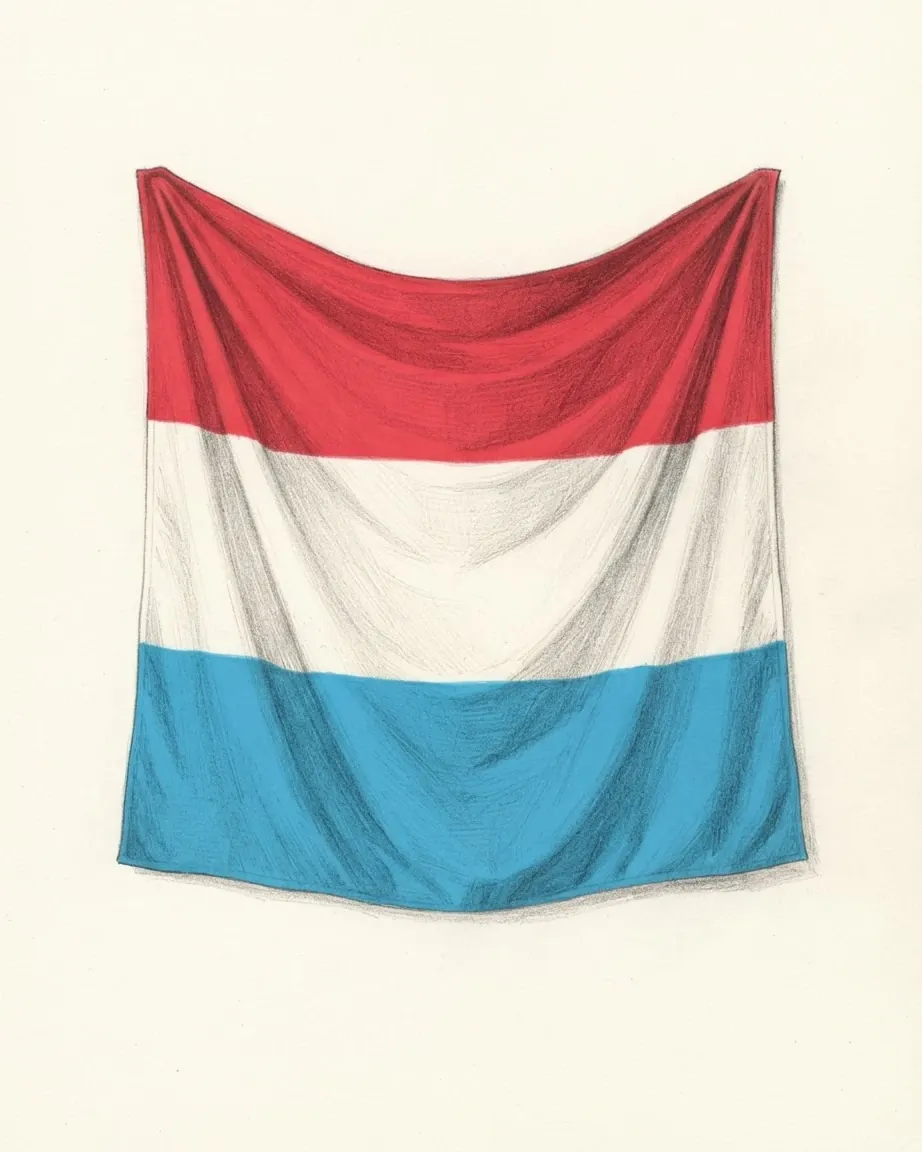
- Luxembourg681,973 residents in 2025, 47% of them foreign nationals, and 223,000 more crossing a border to work. A grand duchy of 2,586 square kilometres with three languages and 8.2 trillion euros of fund assets.
- Malta553,214 people on 316 square kilometres between Sicily and North Africa. A Semitic language in Latin script, Catholicism in Article 2 of the constitution, and a Westminster parliament.
- Moldova2,409,207 residents counted in 2024 on the land between the Prut and the Dniester. Romania across one river, Transnistria across the other, and an EU bid since 2022.
- MonacoMonaco is one commune of 208 hectares: a prince, a 24-seat parliament, 65,680 workers in 2024 and 38,857 residents on 1 January 2025.
- Montenegro617,213 people in 2022 on 13,883 square kilometres. A state named for a mountain above Kotor that reached the sea in 1878 and now earns much of its living there.
- Netherlands17.9 million people on 42,201 km2, a fifth of it water and much of the rest below sea level. What the Dutch earn from, how they are governed and what there is to see.
- North Macedonia1,836,713 people counted in 2021, a name agreed with Greece in 2018, EU talks tied to Bulgaria, and exports led by development zones that shipped €3.18bn in 2025.
- NorwayA Nordic monarchy of 5.6 million that wrote its constitution before it was independent and claimed its seabed six years before anyone found oil under it.
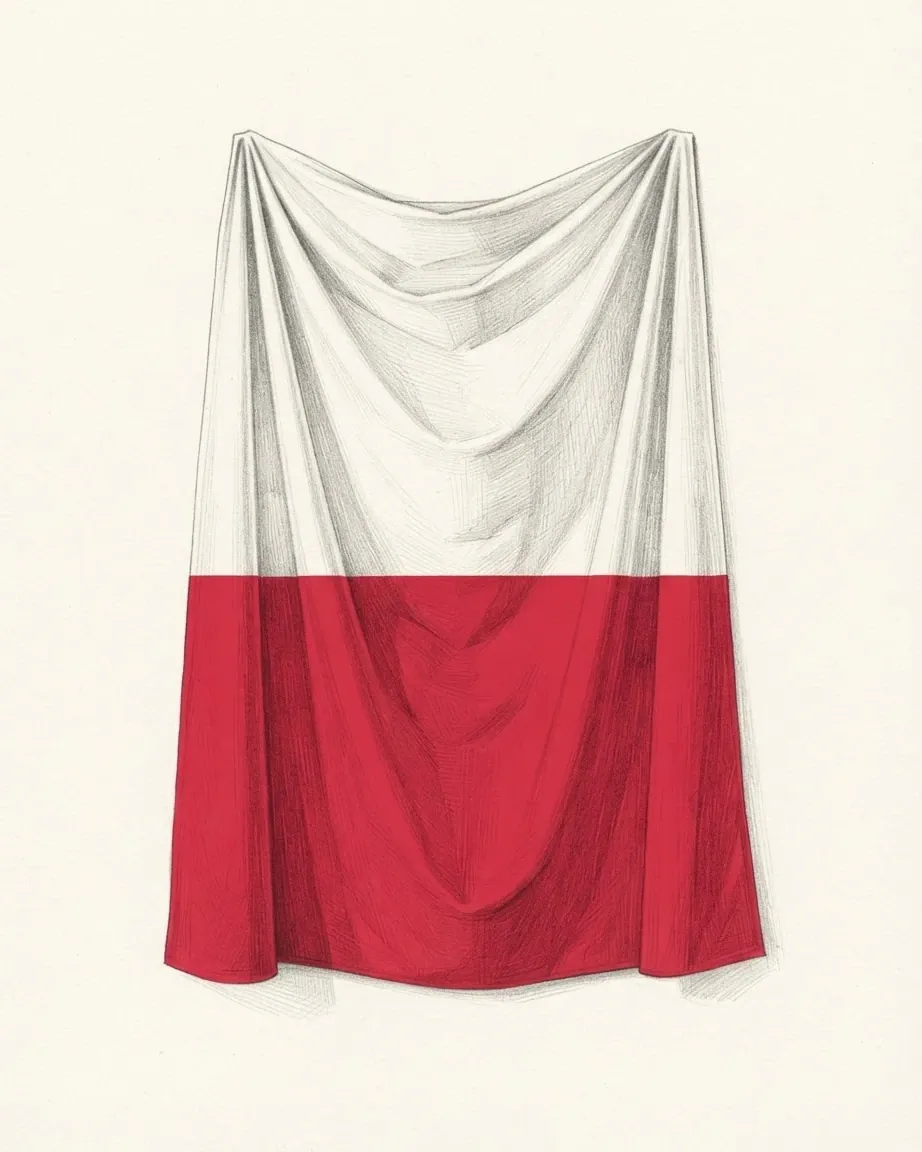
- Poland37.5 million people between the Baltic and the Carpathians. A state that vanished for 123 years, moved west after 1945, and now runs the EU's most coal-dependent grid.
- Portugal10.3 million people on 92,225 km2, a language spoken by 250 million, a border unchanged since the 13th century, and close to three foreign visitors a year for every resident.
- RomaniaA country of 19 million on the lower Danube, made in 1859 out of a gap in a treaty, enlarged in 1918, cut apart in 1940, and in the European Union since 2007.
- Russia146,119,928 people on 1 January 2025 across eleven time zones, in a federation whose name uses rossiiskiy, the Russian word for the state and all its citizens.
- San Marino34,059 residents in March 2025 on 61 km² fixed in 1463, inside one 39 km border with Italy: judges from outside, a bishop in Pennabilli, and sovereignty kept by treaty.
- SerbiaTwo empires split this ground along the Danube and the Sava. The country of 6.6 million that grew back across the line still shows the join, north and south.
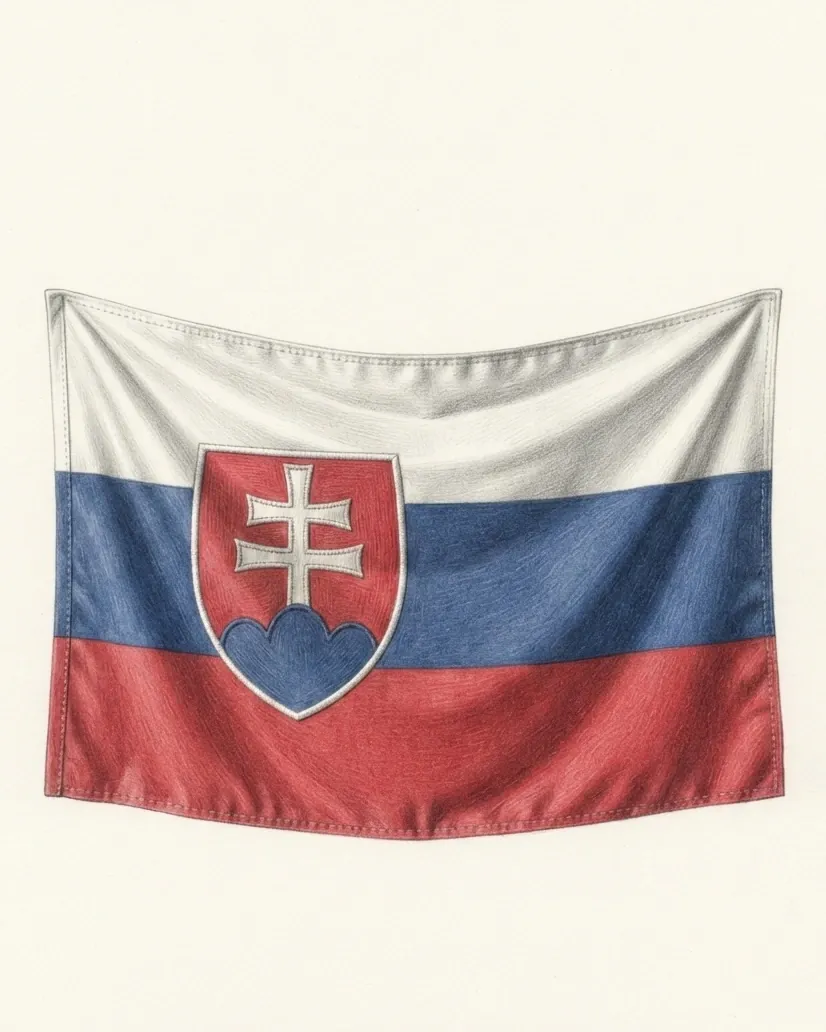
- SlovakiaA landlocked Central European country of five and a half million, independent since 1993, whose four car plants built 1,040,000 vehicles in 2016.
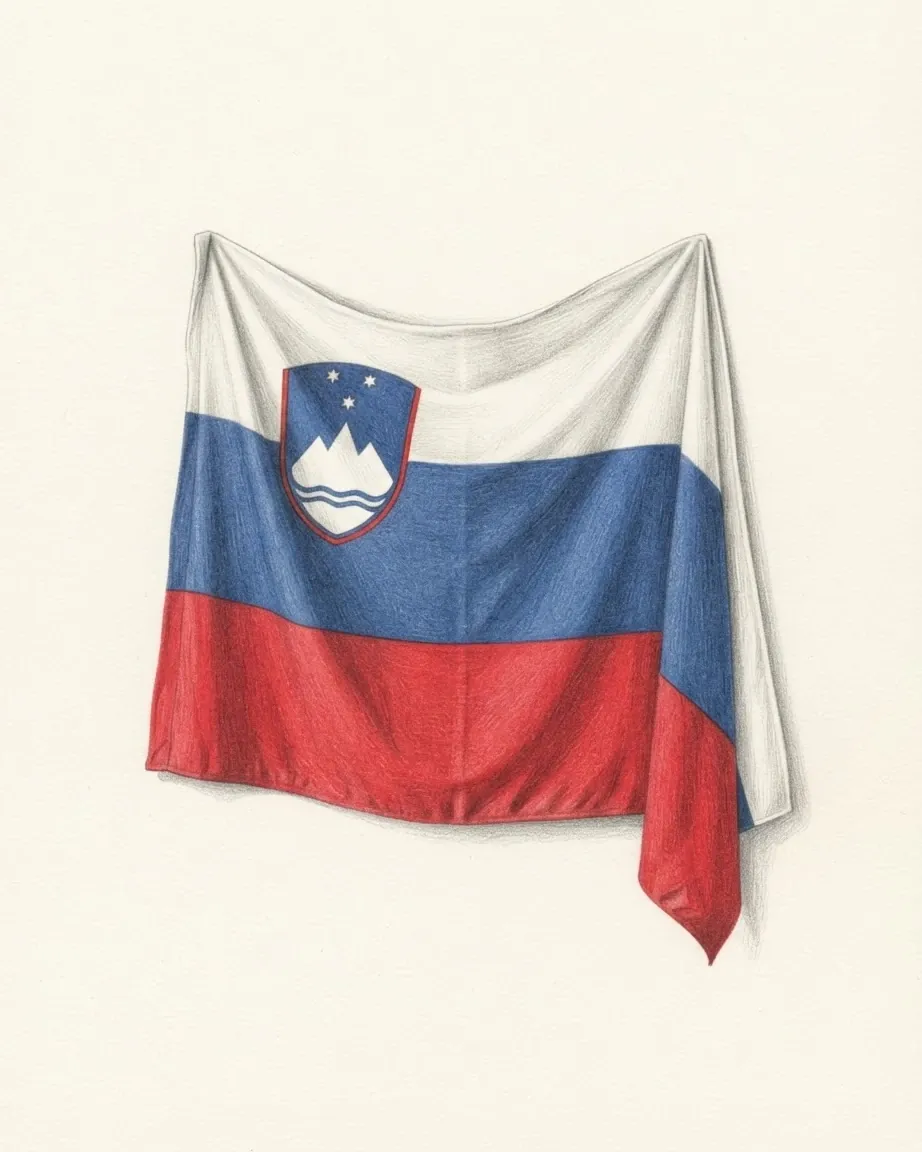
- SloveniaA Central European country of 2,133,852 people as of October 2025, independent since 1991, with borders drawn by other people's treaties and a state its voters authorised.
- Spain48.6 million people on 505,990 km2, five official languages, seventeen governments and 97 million visitors a year. What Spain is, how it is run and what is worth seeing.
- Sweden10.6 million people on 528,861 square kilometres from the Baltic to the Arctic. A monarchy whose 1974 constitution left the crown no power, and which kept its own currency.
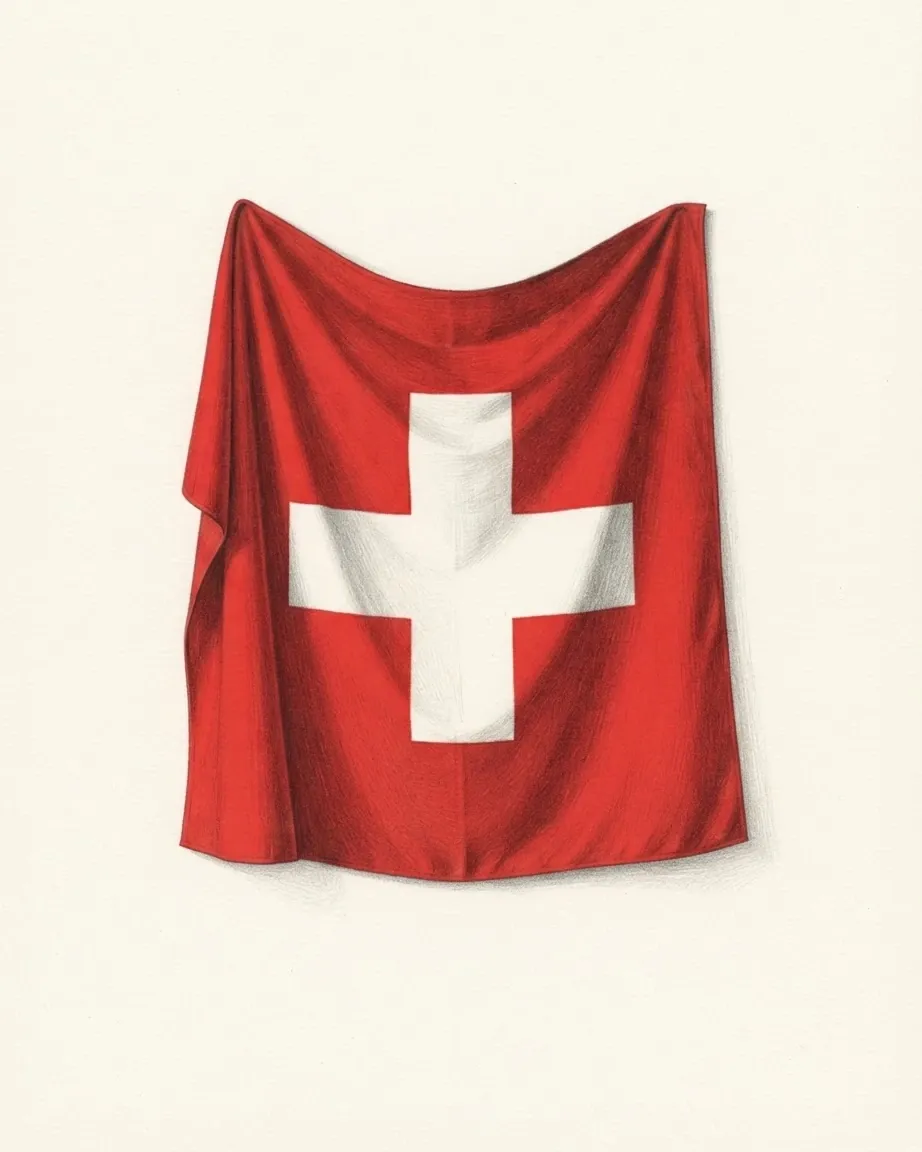
- SwitzerlandA landlocked federal republic of 26 cantons and four national languages, with no legal capital, no single head of government and no constitutional court.
- Türkiye85.4 million people at the end of 2023, a capital, alphabet, clock and English name each fixed by statute, on a plate driven west between two faults.
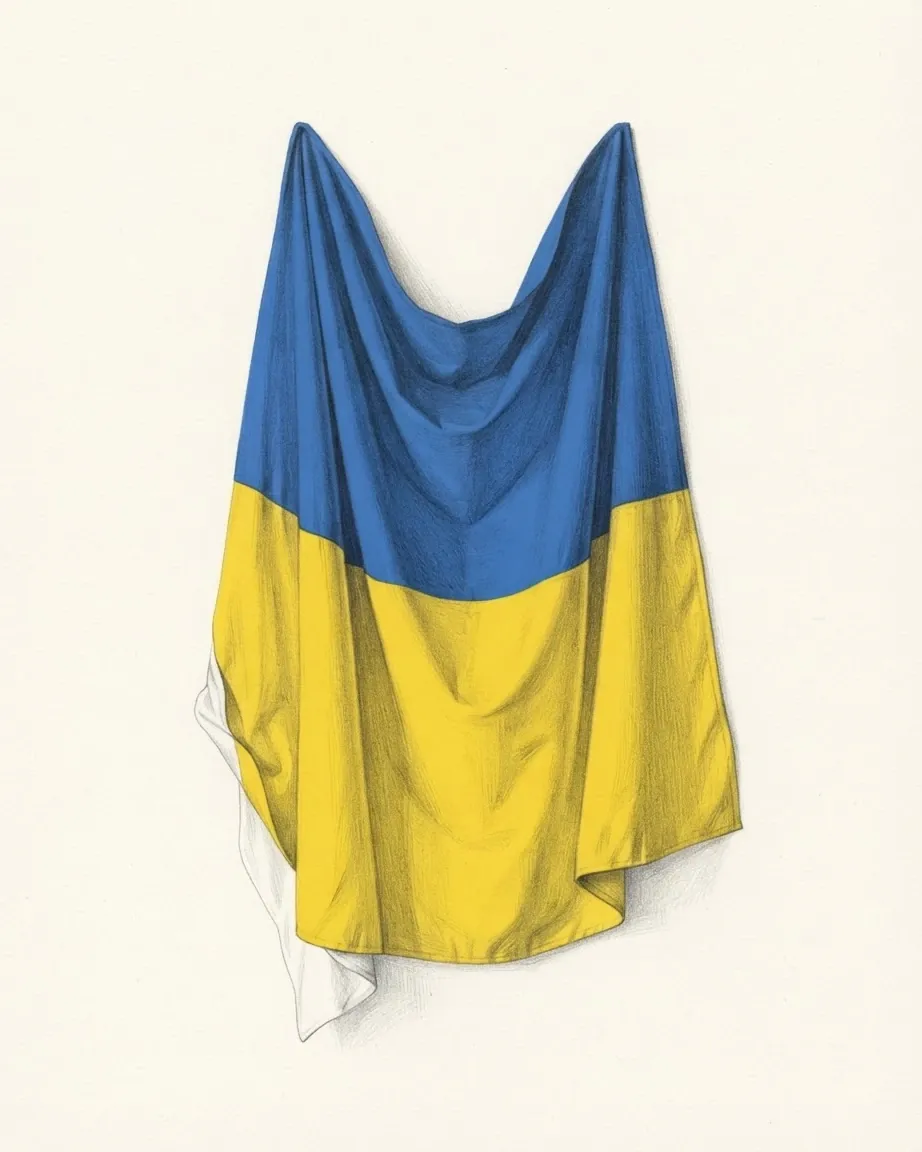
- UkraineAn Eastern European country of 41.17 million people on 1 January 2022, independent since 1991, whose borders were assembled between 1939 and 1954.
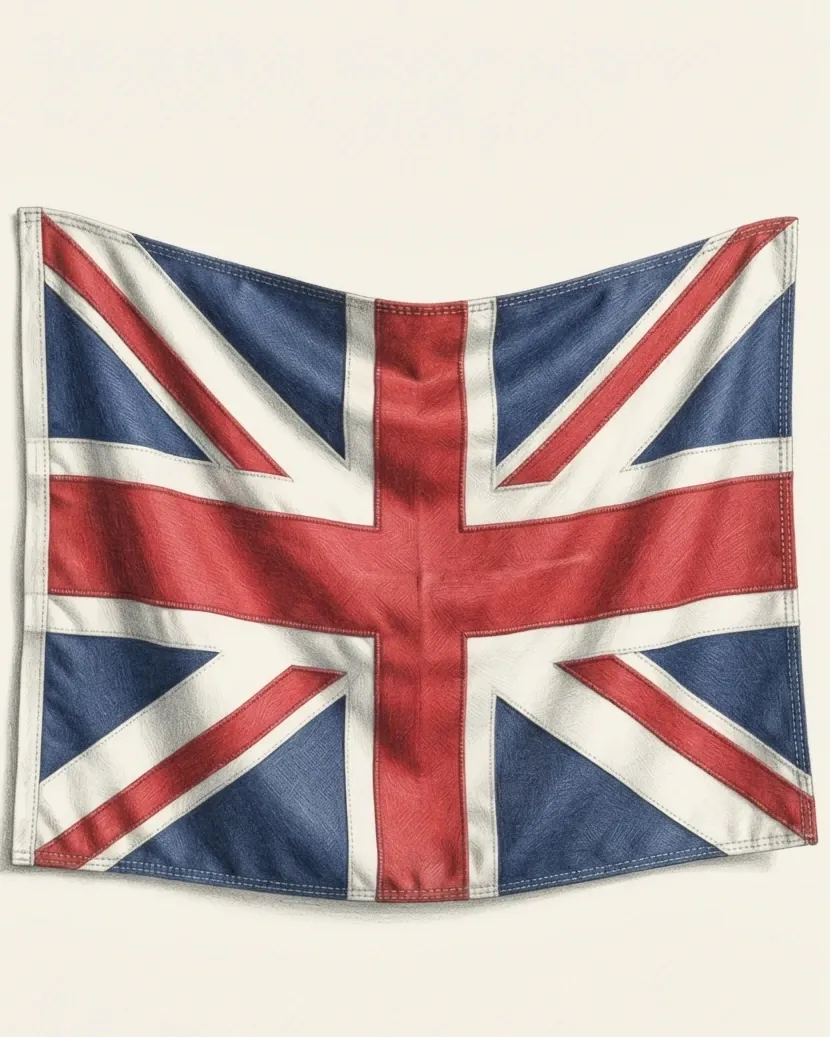
- United Kingdom67.3 million people across four countries on 242,495 square kilometres. An uncodified constitution, an economy four fifths services, and 35 World Heritage properties.
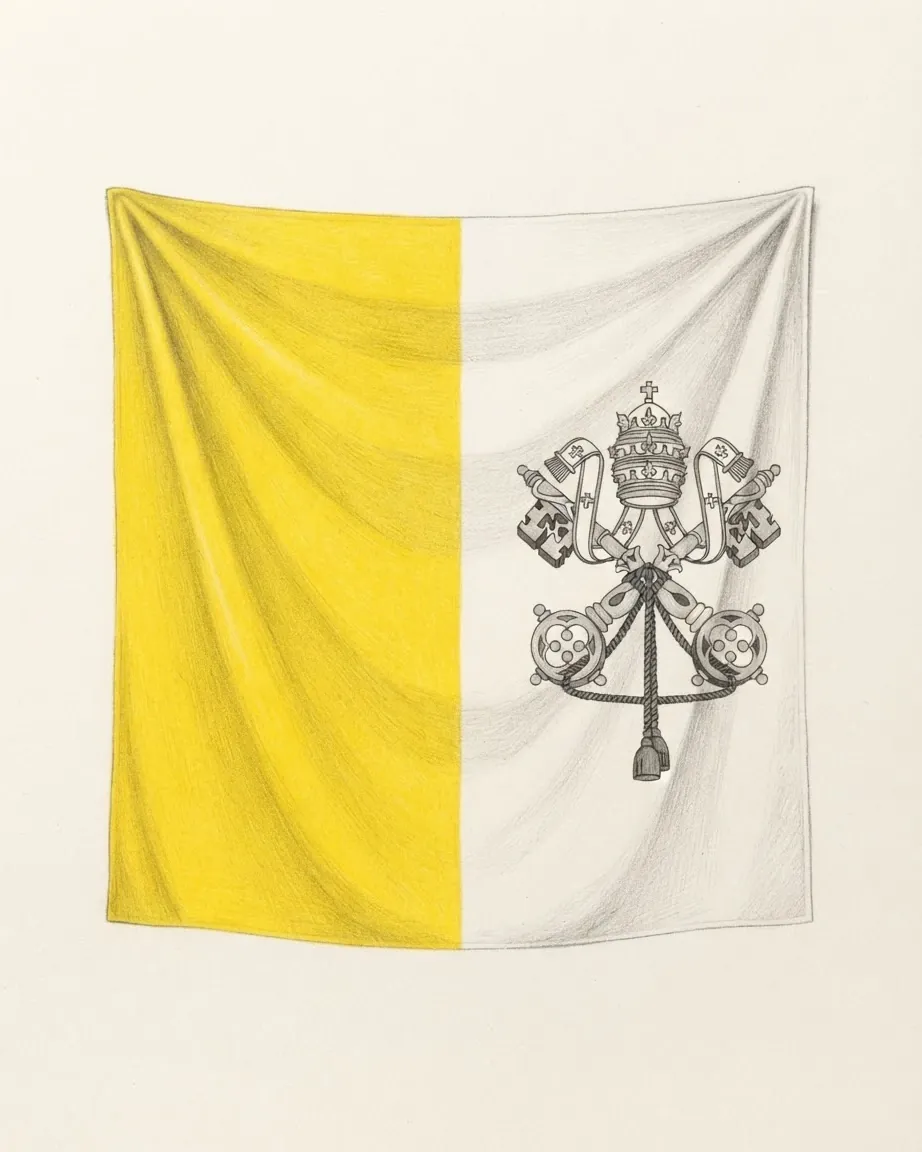
- Vatican City44 hectares drawn by the Lateran Treaty in 1929 as the territorial base of the Holy See: its sovereign, its citizens, its money and its visitors.
Common questions
Questions about Europe
Where is the boundary between Europe and Asia?
By convention it follows the Ural Mountains and runs southwest along the Emba River to the northern Caspian coast. No physical feature marks it, and the boundary has been debated for as long as it has been drawn.
Why are Armenia, Azerbaijan and Georgia filed under Europe?
Transcaucasia is conventionally split between the two continents, so the filing has to be decided rather than observed. The catalogue places a country under the continent of the institutions it belongs to.
Which European countries are not sovereign states?
Seven. The roster records Greenland and the Faroe Islands under Denmark, Åland under Finland, and Gibraltar, Guernsey, Jersey and the Isle of Man under the United Kingdom.