Between the Danube and the Tatras the land climbs in the space of two hundred kilometres, and almost everything distinctive about the country follows from that. Slovakia holds about five and a half million people on landlocked ground in Central Europe, independent since 1 January 1993 and a member of the European Union, NATO and the eurozone. It is the oldest continuously settled part of the Kingdom of Hungary, and its four foreign-owned assembly plants built 1,040,000 passenger cars in 2016.
At a glance
Where it is
Where Slovakia is, and what is around it
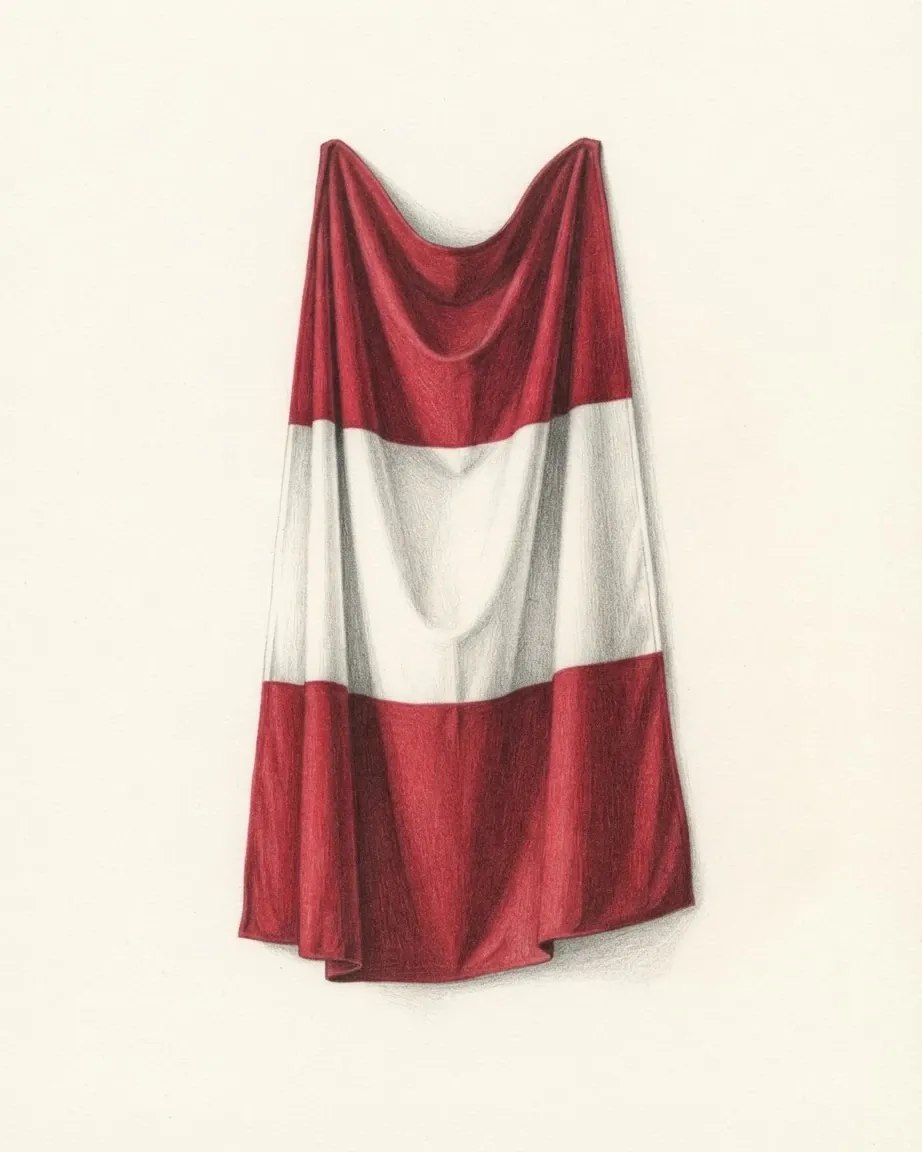
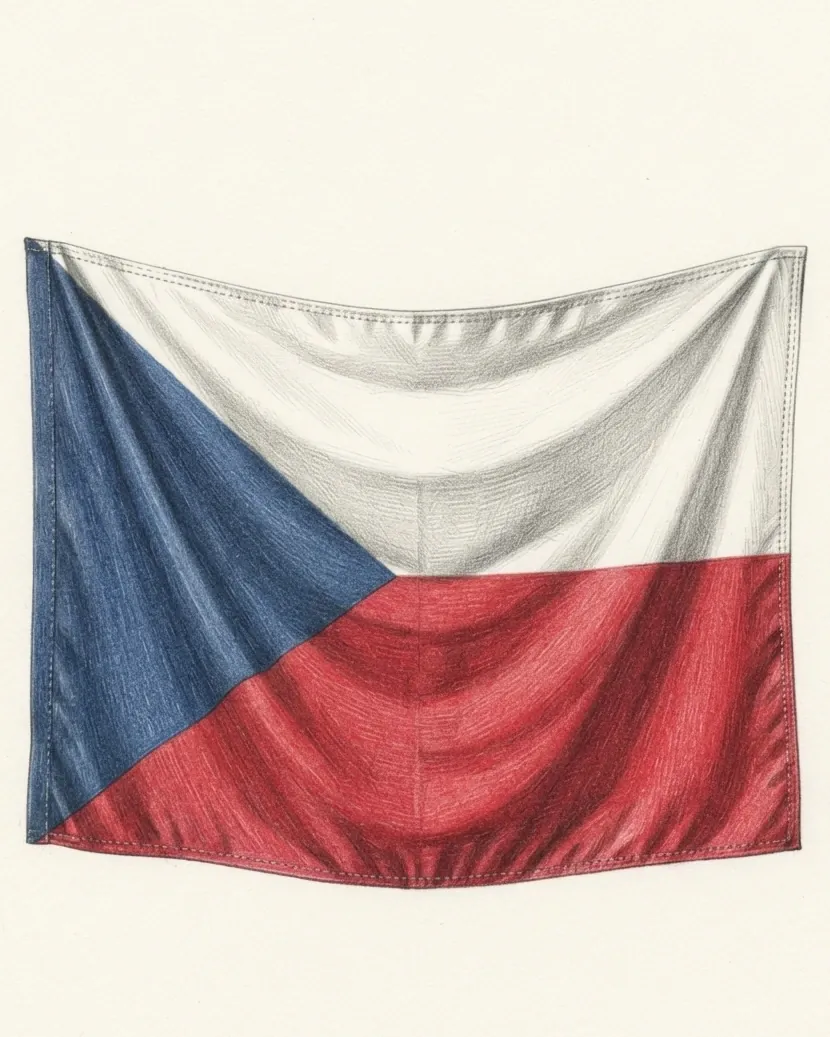
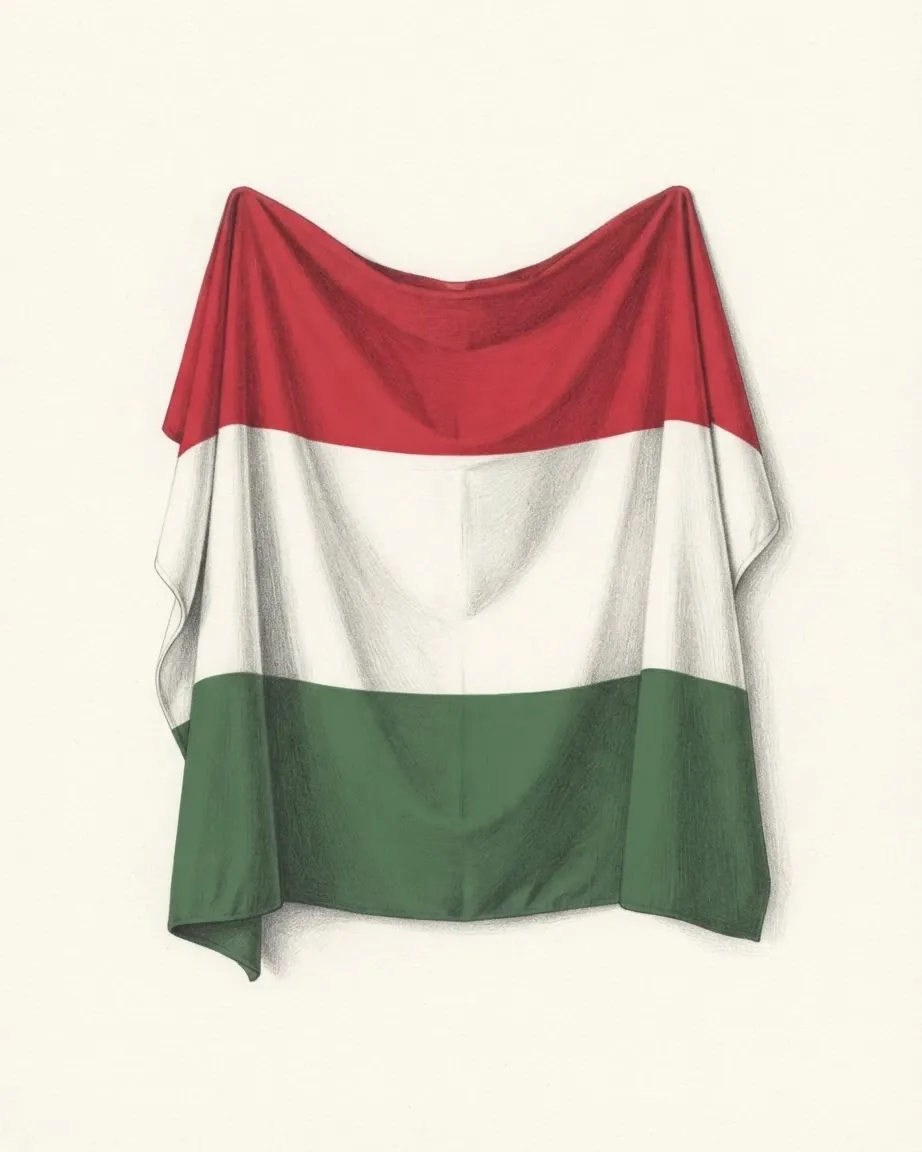
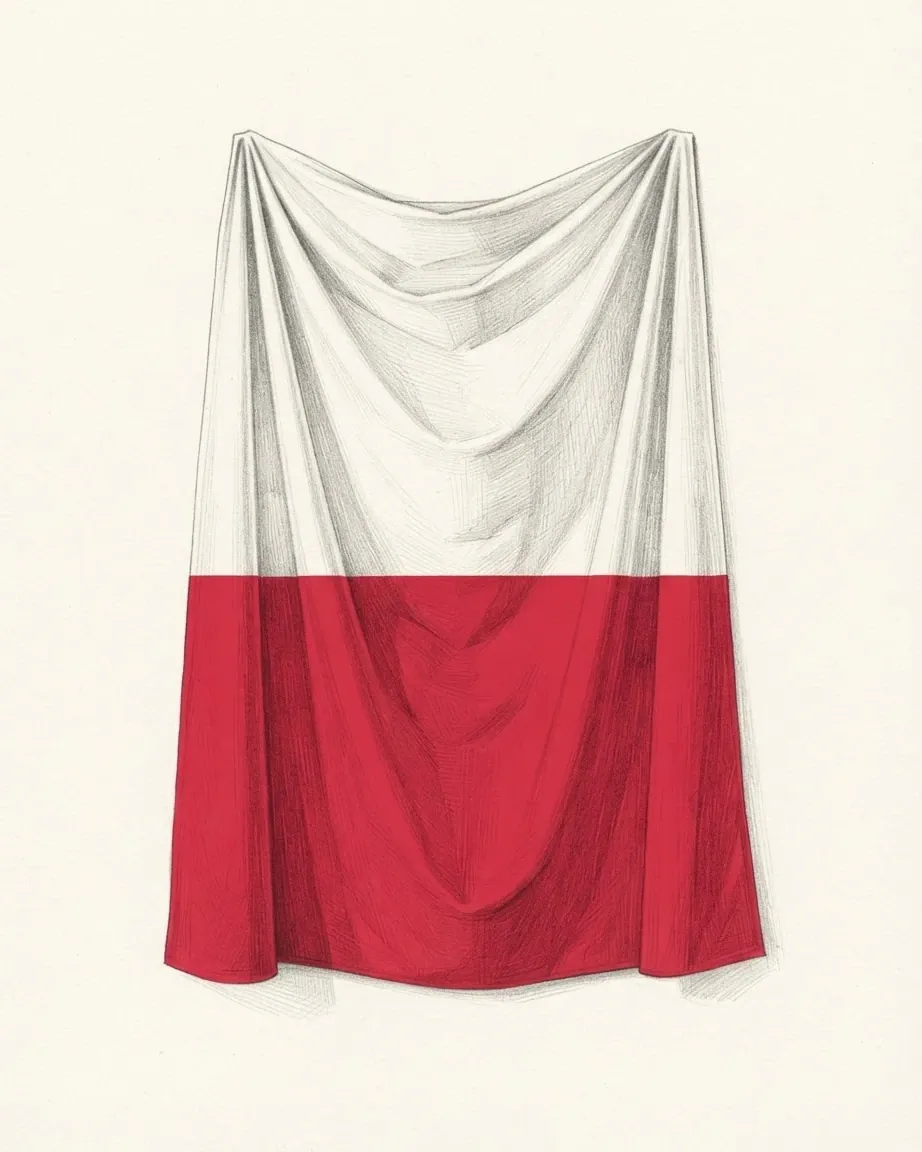
Slovakia is landlocked. It shares a border with 5 countries, counted as shared borders, which includes neighbours across water.
 Austria
 Czechia
 Hungary
 Poland
 Ukraine
Why Bratislava sits on the border
Slovakia occupies the northern rim of the Carpathian basin, bounded by five countries and no coast. Bratislava, the capital, sits in the extreme south-west corner within sight of Austria and a short drive from Hungary, which makes it one of very few capitals on a border and the only one bordering two other states.
The country is small, mountainous and recent. It has existed under its own name since 1993, and the territory it occupies has been continuously inhabited since the Palaeolithic and continuously governed by somebody else for most of the last thousand years.
That combination, ancient place and young state, is the thread running through everything below.
Why the state is younger than the language
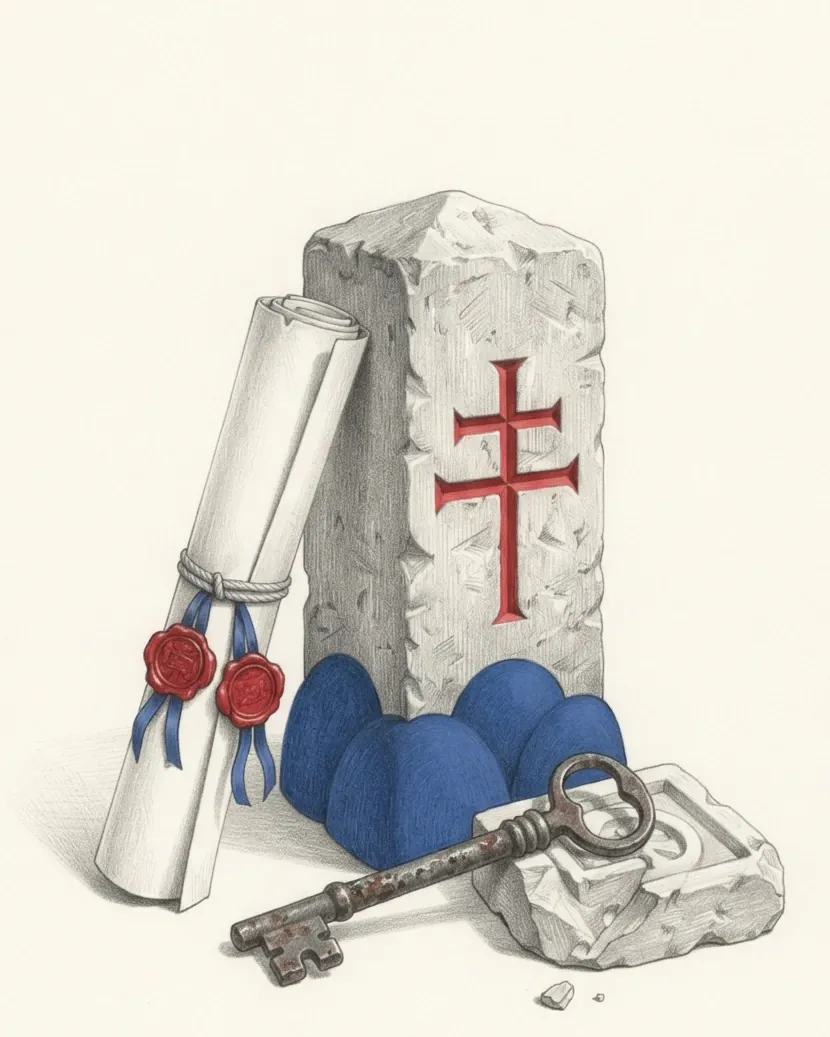
Slovakia had no state of its own between the collapse of Great Moravia around 907 and independence in 1993. The territory spent roughly nine centuries inside the Kingdom of Hungary, seventy years inside Czechoslovakia, and six as a client of Nazi Germany.
The consequence is an unusual order of events. The Slovak language was standardised by Ľudovít Štúr in the 1840s and accepted by both confessions in 1847, seventy-one years before Czechoslovakia existed and ninety-two before independence. The national movement was linguistic and cultural before it was political, because there was no political institution for it to be anything else in.
When the state finally arrived it did so without a shot and without a referendum. The June 1992 elections produced Václav Klaus in the Czech lands and Vladimír Mečiar in Slovakia, constitutional talks deadlocked over Slovak self-rule, and the two agreed to dissolve the federation. Both republics came into existence simultaneously on 1 January 1993.
The fuller account, from the Cyrillo-Methodian mission through the wartime state and the Slovak National Uprising to the Velvet Revolution, is in the history of Slovakia.
How the land decides where people live
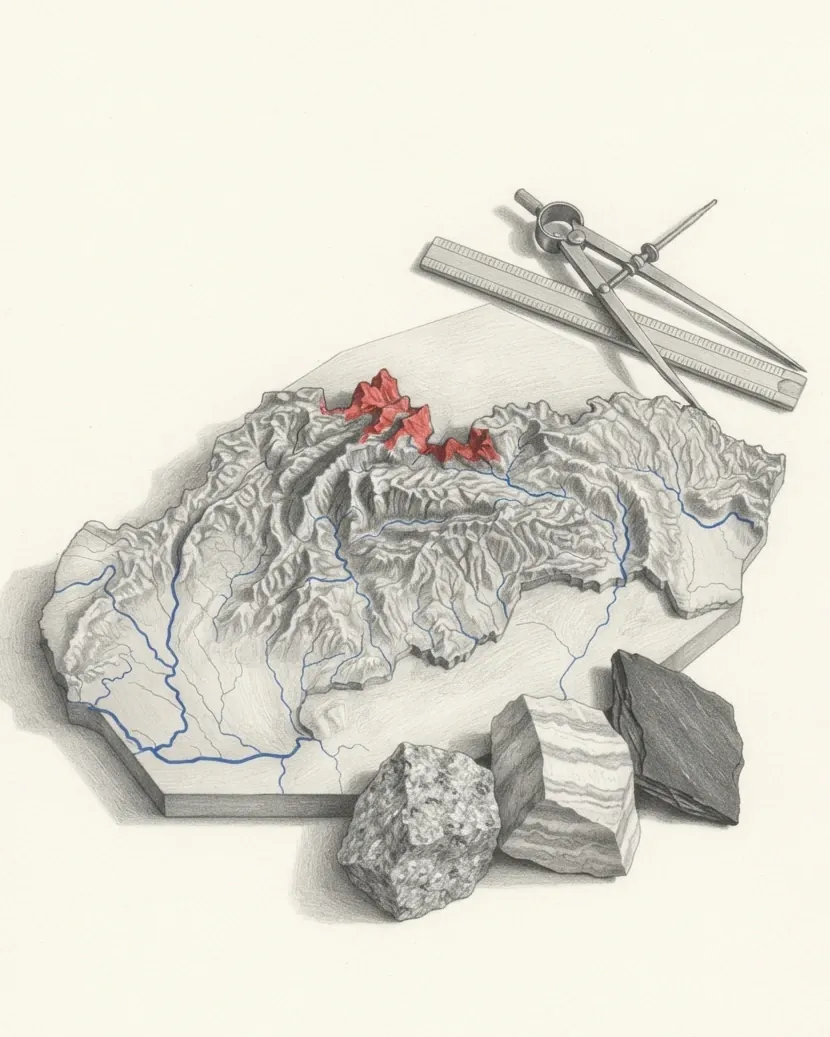
The land rises almost continuously from south to north, from the Danube floodplain at 94 metres to Gerlachovský štít at 2,655 metres in the High Tatras.
That tilt organises the country. The southern lowlands are warm, flat and fertile, and they hold the cities and the wine. The northern two thirds are Carpathian ranges separated by basins, and they hold the forests and all nine national parks. Every major river runs the same way, out of the mountains and down to the Danube.
The basins also explain the shape of Slovak life: roads and railways follow the valleys because there is nowhere else to put them, each basin was historically its own small world, and the dialects vary across a country a person can drive in five hours. Štúr's standard was a central compromise rather than the speech of a capital, for exactly that reason.
The terrain, the climate, the caves and the river system are set out in the geography article.
What the country runs on
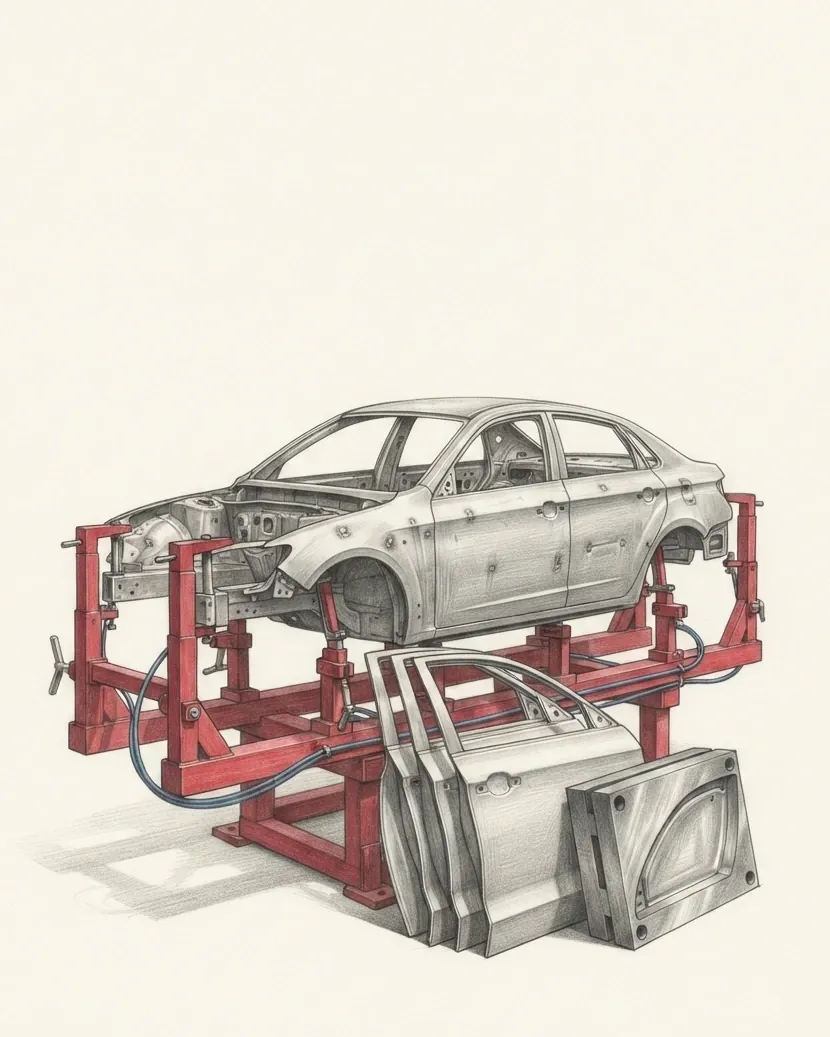
Four foreign manufacturers assembled 1,040,000 passenger cars in Slovakia in 2016, in a country of about five and a half million people. Four foreign manufacturers assemble here, and the arrangement made a poor post-communist republic wealthy inside twenty years.
| Manufacturer | Where | Since |
|---|---|---|
| Volkswagen | Bratislava | 1991 |
| Stellantis | Trnava | 2006 |
| Kia | Žilina | 2006 |
| Jaguar Land Rover | Nitra | 2018 |
The consequences run both ways. Exports are worth around 85% of GDP, the highest ratio in Central Europe, which leaves almost no domestic cushion when German demand slows. GDP per head runs at 188% of the European Union average in Bratislava and 54% in the east, one of the widest internal gaps in the Union.
The growth run from 2000 to 2008 earned the country the name Tatra Tiger, and national GDP regained its 1989 level only in 2007, which measures how deep the transition cost was. The full account, including the flat tax and what it bought, is in the economy article.
How it governs itself
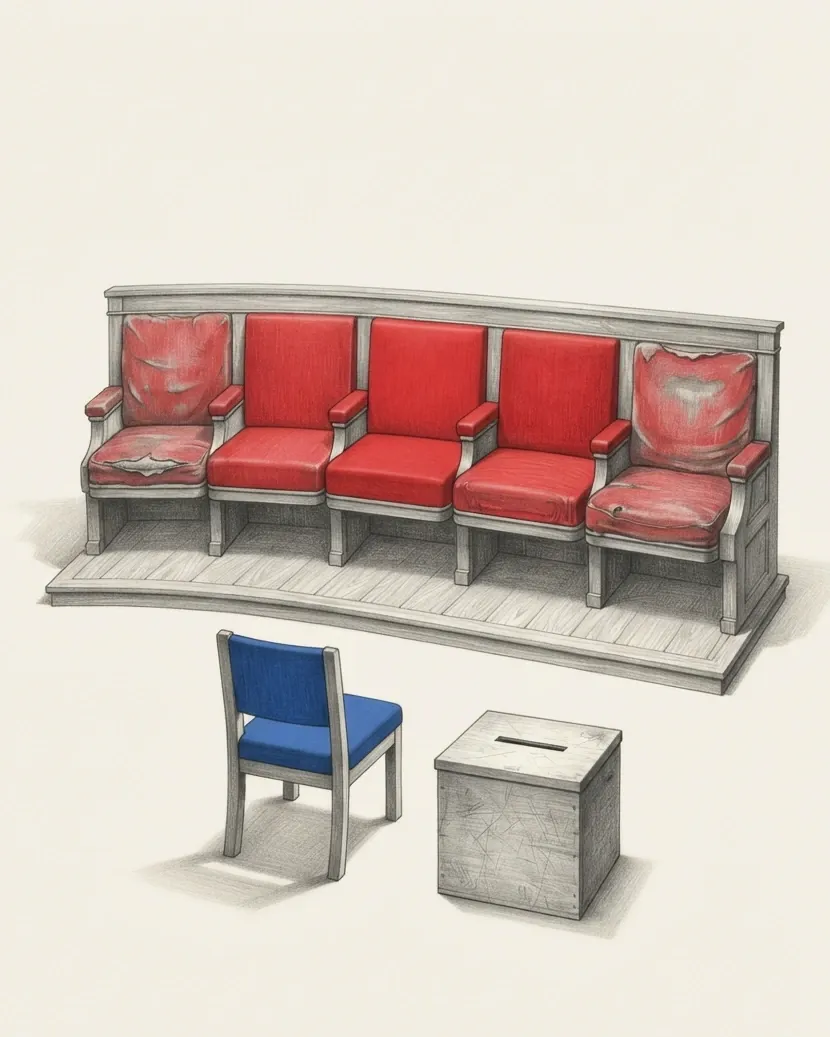
Slovakia is a parliamentary republic with a single chamber of 150 seats, a directly elected president holding narrow powers, and an electoral system in which the entire country is one constituency. There are no local seats and no local members of parliament.
The constitutional machinery has been stable since 1992. The party system has not: only two parties competing today trace back to the 1990s, and a new force with a national message can clear the 5% threshold in a single cycle. That is what a single national constituency produces.
The country joined NATO on 29 March 2004 and the European Union on 1 May 2004, entered Schengen in December 2007 and adopted the euro in 2009. It is a member of the Visegrád Group with Czechia, Poland and Hungary, a grouping that reads as a bloc from outside and is four governments that agree on some things from inside.
The politics article works through the institutions, the party system and where the country stands now.
What people here make and eat
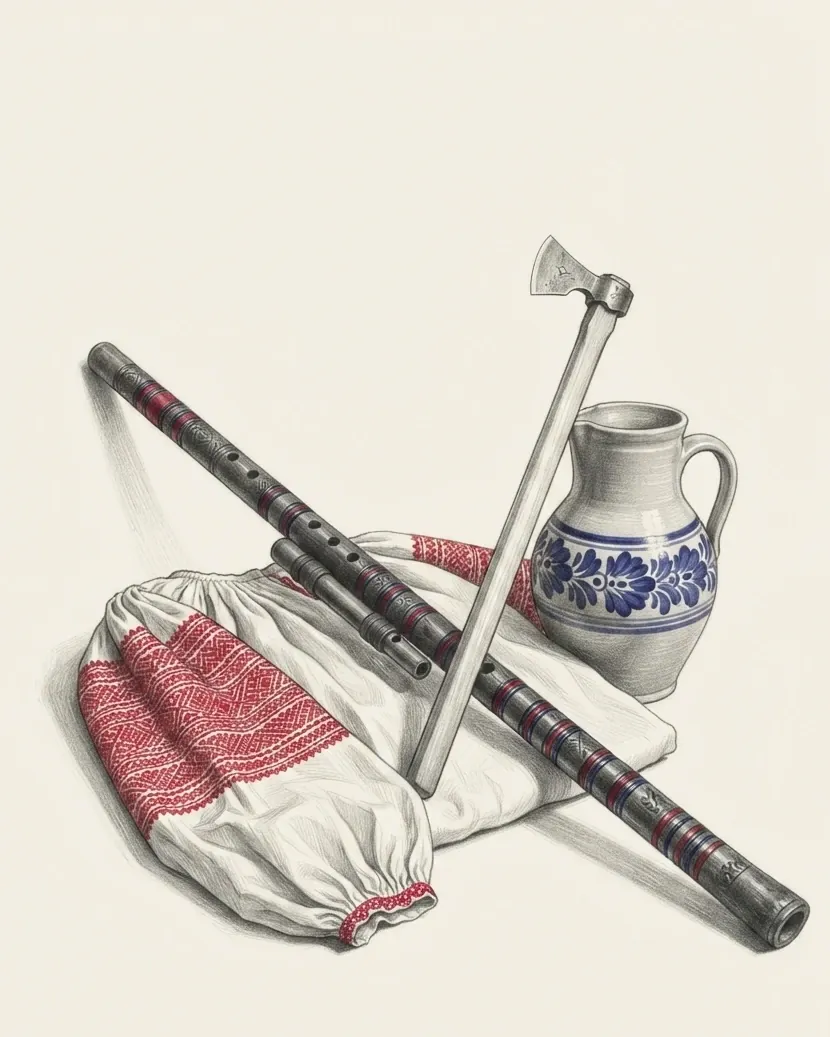
Slovak culture rests on a folk tradition that stayed load-bearing rather than becoming decoration, because for most of the modern period it was the only national institution available. The national anthem is built on a folk song. The buildings worth protecting are wooden and rural: Vlkolínec is a complete wooden village on the UNESCO list, and around forty wooden churches survive in the north-east, four of them listed.
The national dish is bryndzové halušky, potato dumplings with a salty sheep's milk cheese, which is shepherd food that became a national symbol. Wine comes from the south because the north is too cold for vines, and the split between a mountain cuisine and a Pannonian one follows the same line as everything else.
Ice hockey carries the country's international results and football carries its participants. The culture article covers the language, the architecture, the food and the music.
What it is like to visit
Slovakia took more than 2.2 million visitors in 2024, roughly what Prague takes in a good quarter, and three in five of them were Slovaks travelling at home. Most foreign arrivals came from Czechia, Poland and Germany.
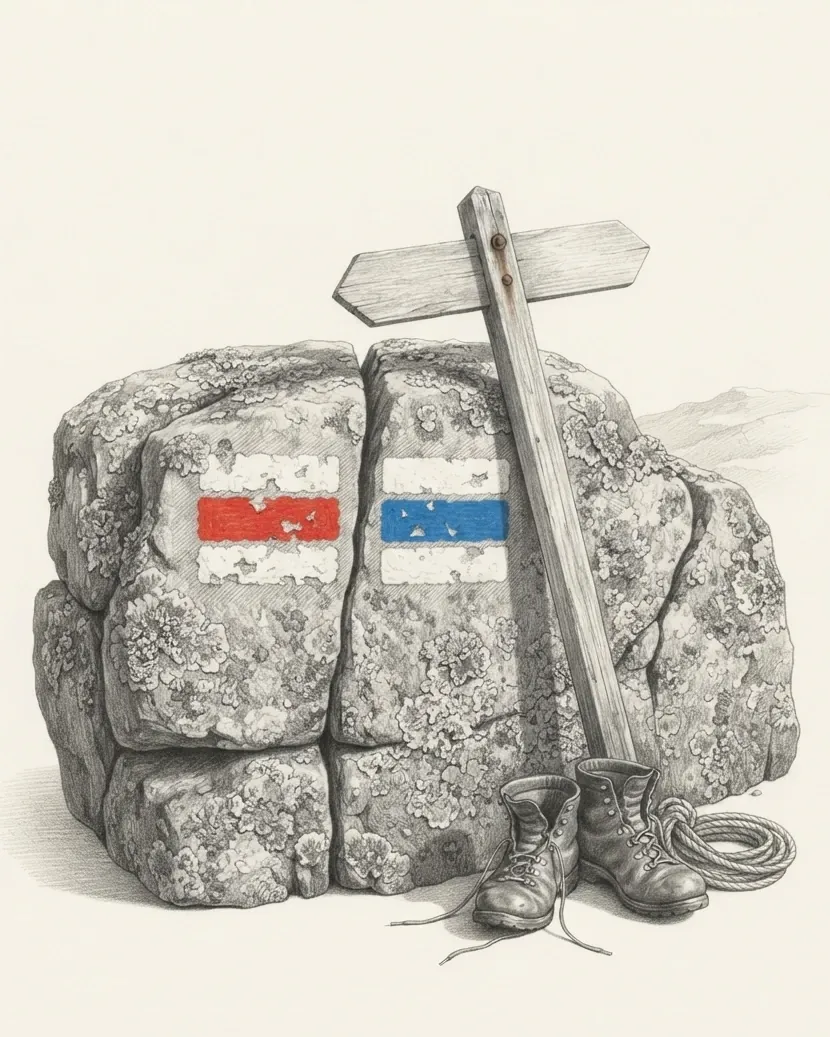
That leaves alpine terrain, medieval towns, eighteen show caves and around 180 castles at a fraction of the traffic the neighbours get. Late September into early October is the best walking season rather than August, and the high Tatra trails close for the wildlife season from 1 November to 15 June.
The travel article goes into the seasons, the regions and what to expect on the ground.
What it all comes down to
A small mountain country that spent a thousand years inside other people's states, standardised its language before it had a government, gained independence peacefully in 1993, and built an economy in the thirty years since that is unusually open and unusually concentrated. Everything above has its own article.
Read
Everything about Slovakia
Six articles, each answering one question and each written to be read on its own.
The record
What is measured about Slovakia
Pages that nobody writes, built from the record and from the data files beside it.
Common questions
Questions about Slovakia
Where is Slovakia?
In Central Europe, on the northern rim of the Carpathian basin, bordered by Poland, Ukraine, Hungary, Austria and Czechia and with no coast. The capital, Bratislava, sits in the extreme south-west corner within sight of Austria and a short drive from Hungary, which makes it the only national capital bordering two other countries.
Is Slovakia the same as Czechia?
No. The two were joined as Czechoslovakia from 1918 until 31 December 1992 and separated on 1 January 1993, when both republics came into existence simultaneously. The languages remain mutually intelligible and the separation was negotiated between the two winning parties of the June 1992 elections without a referendum and without violence.
What is Slovakia known for?
Four foreign-owned assembly plants that built 1,040,000 passenger cars in 2016 for a country of five and a half million, the High Tatra mountains, a very high concentration of castles, and the wooden churches of the north-east. Exports come to around 85% of output.
What language is spoken in Slovakia?
Slovak, a West Slavic language standardised by Ľudovít Štúr on the central dialect in the 1840s and accepted by both Catholic and Lutheran writers in 1847, seventy-one years before Czechoslovakia existed. It remains mutually intelligible with Czech. Hungarian is the first language of communities along the southern border.
Is Slovakia in the European Union?
Yes. Slovakia joined NATO on 29 March 2004 and the European Union on 1 May 2004, entered the Schengen Area in December 2007 and adopted the euro in 2009. It is also a member of the Visegrád Group with Czechia, Poland and Hungary, and of the OECD.
Nearby in the catalogue