The Treaty of Trianon in 1920 drew the borders Hungary still has, and it cost the country 72% of its historical territory, 58% of its population and 32% of its ethnic Hungarians. Hungary holds 9,489,000 people as of 1 January 2025 on 93,030 square kilometres of landlocked plain and low hills in the Carpathian Basin.
At a glance
Where it is
Where Hungary is, and what is around it
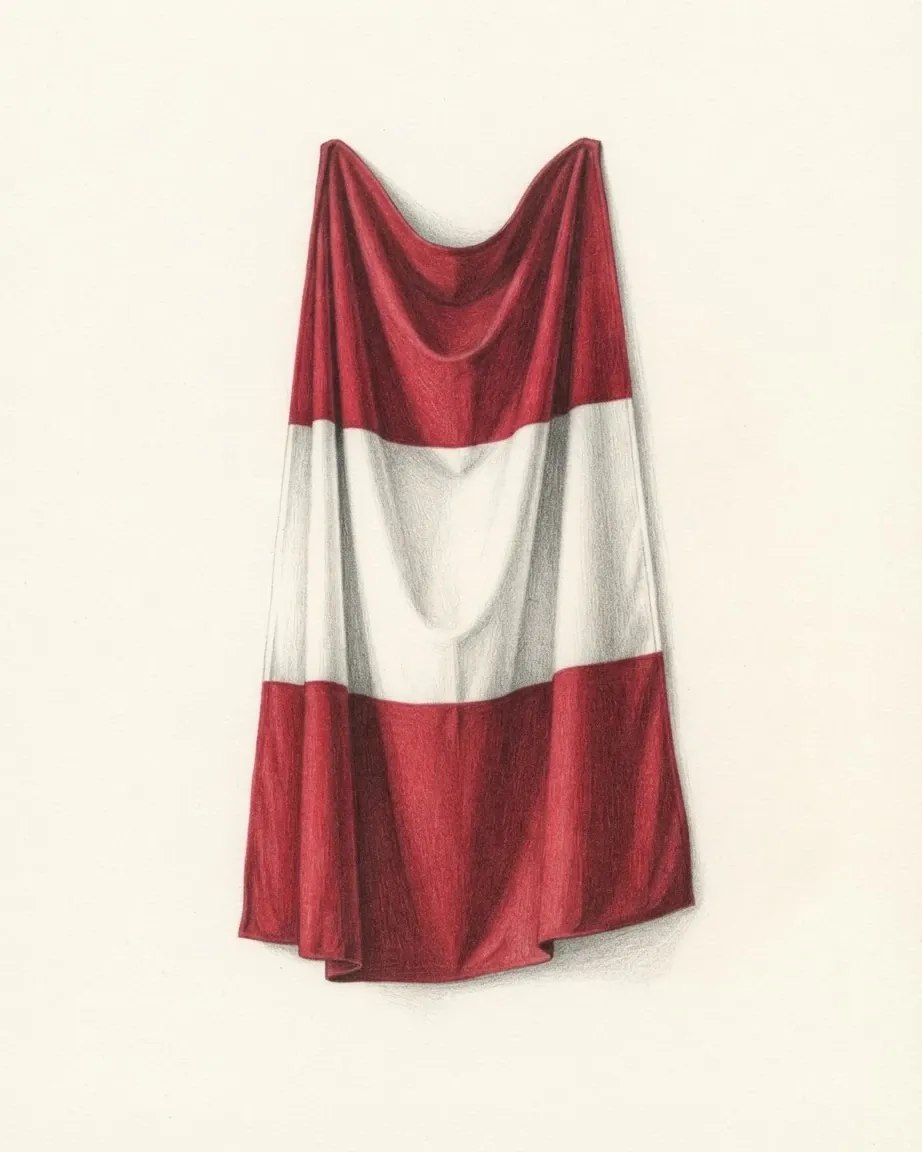
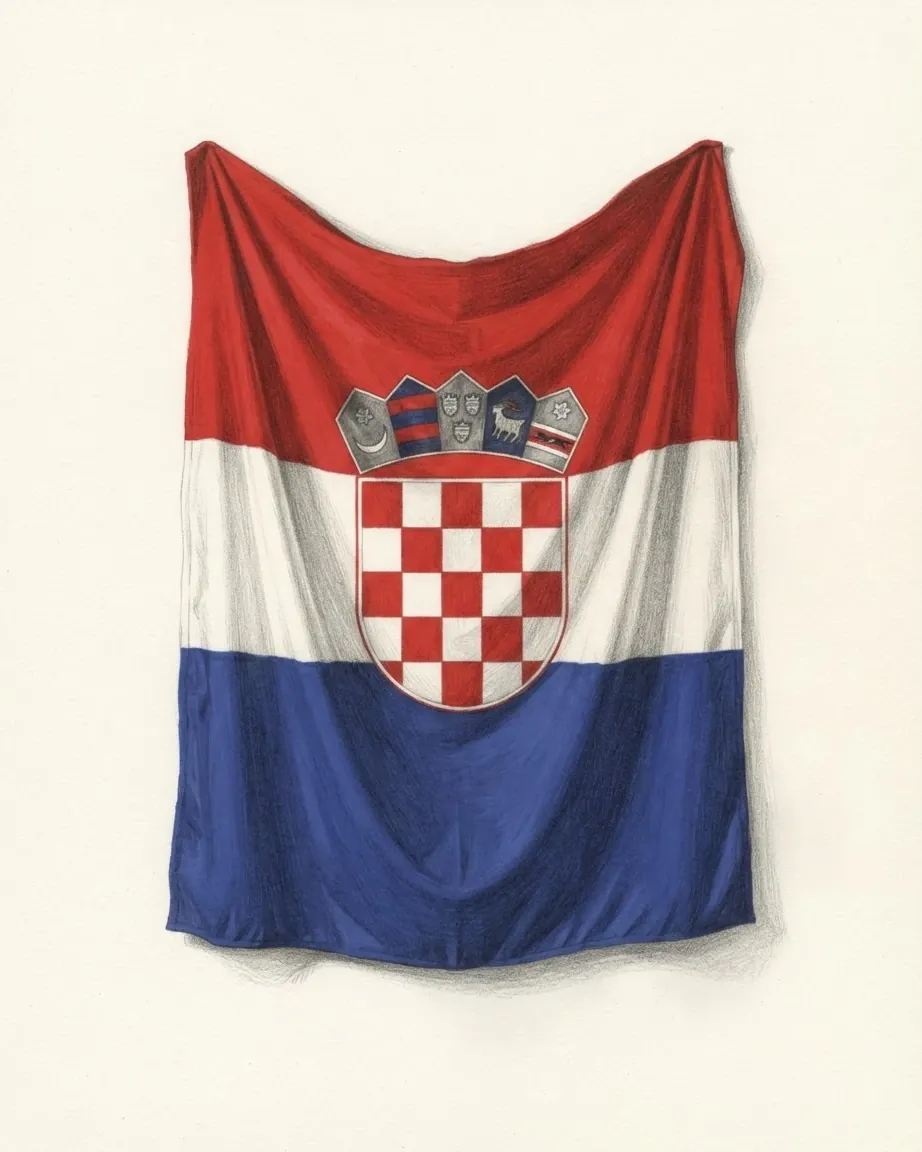
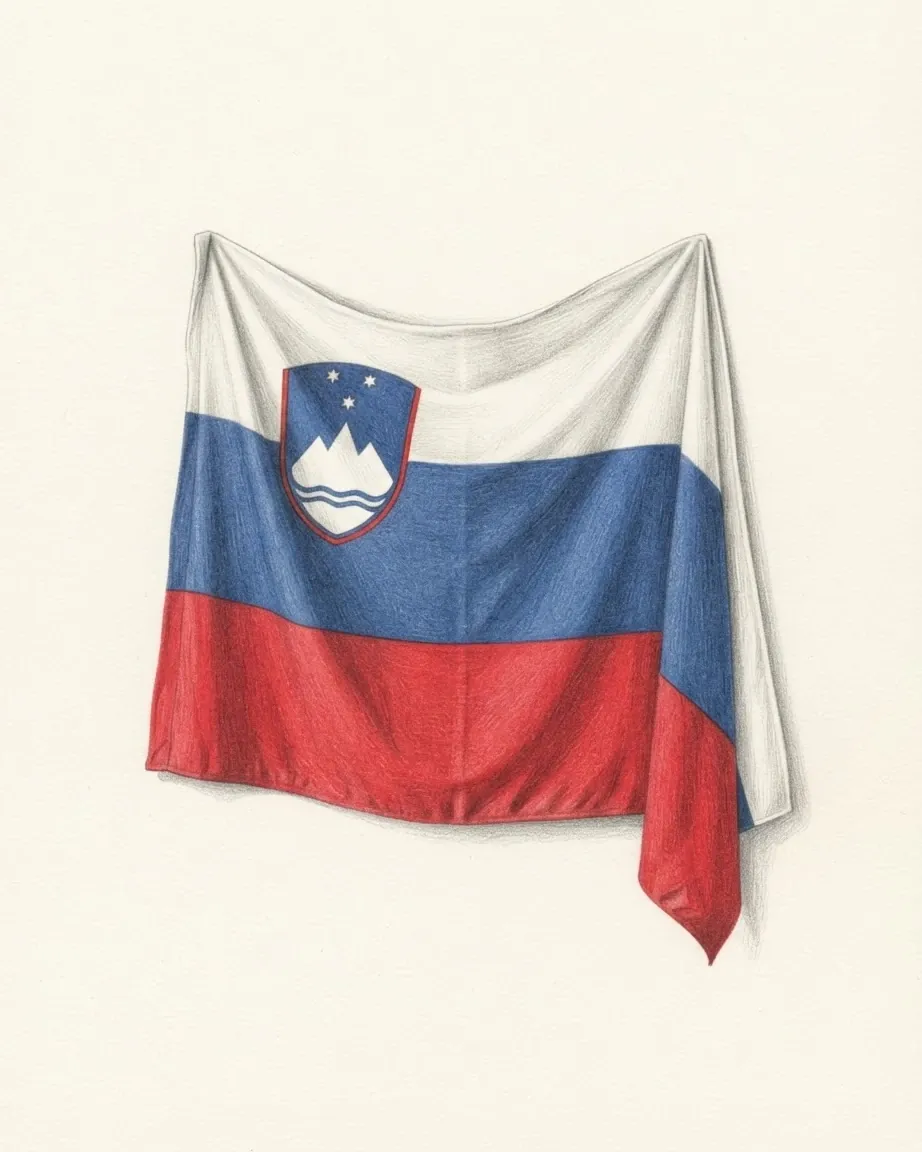
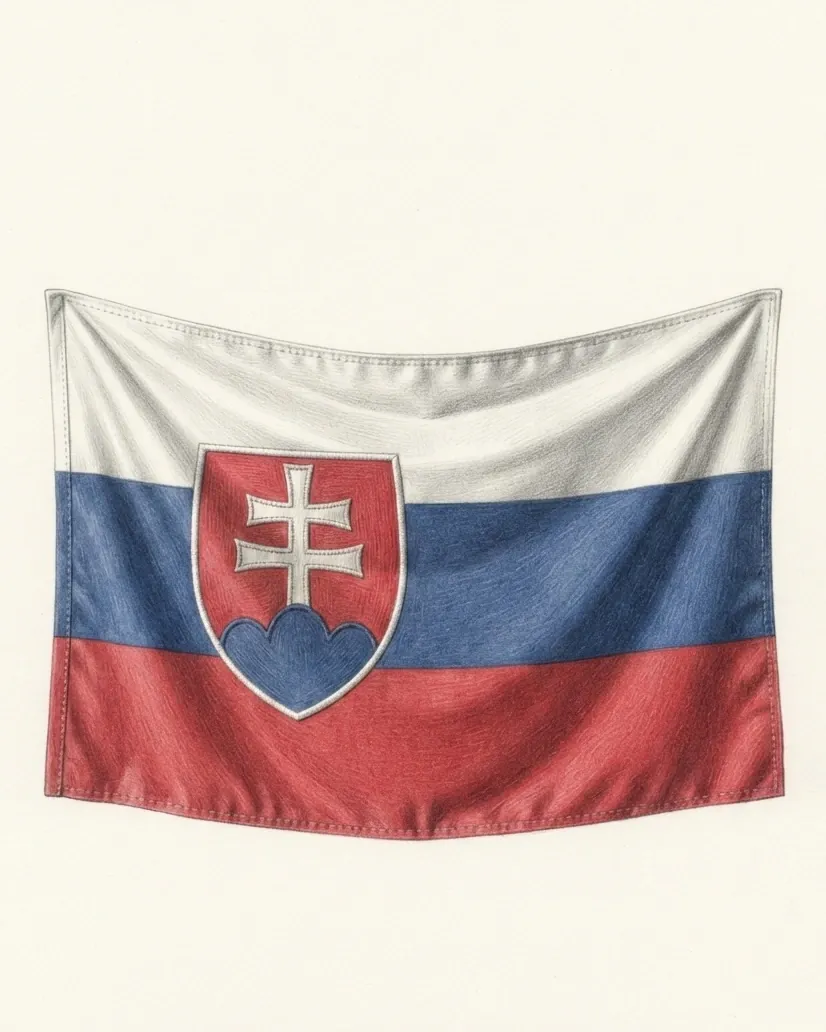
Hungary is landlocked. It shares a border with 7 countries, counted as shared borders, which includes neighbours across water.
 Austria
 Croatia
 Romania
 Serbia
 Slovenia
 Slovakia
 Ukraine
Why Hungary sits inside a basin
Hungary sits on the floor of the Carpathian Basin, landlocked, with seven neighbours around the rim: Austria, Slovakia, Ukraine, Romania, Serbia, Croatia and Slovenia. That is more neighbours than almost any state of its size, and the 9,489,000 people counted on 1 January 2025 hold 93,030 square kilometres of the basin.
Budapest, the capital, held 1,685,209 people as of 1 January 2025, straddling the Danube and holding close to a fifth of the national population. The land is low: more than half the country is the Great Alföld, the plain east of the Danube, and the highest point, Kékes, reaches only 1,014 metres.
The language is the outlier. Hungarian is Uralic, related to Finnish and Estonian at a great distance and to nothing else nearby, and it is surrounded on every side by Slavic, Germanic and Romance languages it has no connection to.
| The record in short | |
|---|---|
| Population | 9,489,000 as of 1 January 2025 |
| Area | 93,030 km², landlocked |
| Capital | Budapest, 1,685,209 people as of 1 January 2025 |
| Highest point | Kékes, 1,014 m |
| Currency | Hungarian forint |
| Language | Hungarian |
| Statehood from | around 1000 |
| European Union | joined 1 May 2004 |
Hungary: geography goes into the plain, the rivers and the hills around them.
Why the borders are the national question
Before the Hungarian state existed the territory was settled by Celts, Romans, Huns, Germanic peoples, Avars and Slavs. Statehood began in the late ninth century with the Principality of Hungary, which became a medieval Christian kingdom, and the country then spent centuries as a large power in central Europe, later joined to the Habsburg monarchy and finally as one half of Austria-Hungary.
That ended in 1920. Austria-Hungary collapsed after the First World War, and the Treaty of Trianon established Hungary's current borders, costing it 72% of its historical territory, 58% of its population and 32% of its ethnic Hungarians.
Those three figures are the single most important fact in modern Hungarian public life. Large Hungarian-speaking populations were left in Romania, Slovakia, Serbia and Ukraine, where their descendants remain, and the question of what a Hungarian state owes to Hungarians outside it has never stopped being political.
The century that followed was turbulent. Interwar Hungary settled into the national-conservative regime of the regent Miklós Horthy, joined the Axis powers in the Second World War and suffered significant damage and casualties, and after a brief Soviet occupation became a communist people's republic until 1989. Hungary: history follows the sequence.
How the republic is arranged
Hungary has been a parliamentary republic since 1989 and a member of the European Union since 2004. Legislative power is exercised by a unicameral National Assembly of 199 members elected for four-year terms.
The constitutional framework is the Fundamental Law, most recently and heavily reformed in 2012, and amending it typically requires a parliamentary supermajority of two thirds. That threshold is the central fact of Hungarian constitutional politics: a governing coalition that holds two thirds of the seats can change the constitutional order, and one that does not cannot.
The country is a unitary state rather than a federal one, and its foreign policy is described in terms of four commitments: Atlantic cooperation, European integration, international development and international law. Hungary has been a member of the United Nations since December 1955, of NATO since 1999 and of the European Union since 2004. Hungary: politics deals with the institutions and the constitutional settlement.
Why two measures of Hungarian output differ
Hungarian output in 2025 was 246.5 billion United States dollars, 25,907 dollars a head at market rates and 49,838 at purchasing power parity, and the gap between those two figures is the widest this catalogue has recorded so far. Growth came to 0.5%. Inflation ran at 4.4% and unemployment at 4.5%.
The country kept its own currency. The forint remains in circulation, and Hungary meets the Maastricht convergence criteria with the exception of public debt, whose ratio to output stood at 66.4% in 2019, below the European Union average.
The OECD projects growth of 1.6% in 2026 and 2.0% in 2027, after 0.5% in 2025. Investment fell by 16% over 2022 to 2025 and is expected to rebound, private consumption growth will temporarily slow as fuel price caps are phased out by mid-2026, and exports will be held back by weak euro area growth in 2026 before recovering. Hungary: economy takes up the sectors and the fiscal position.
What the culture holds
Hungarian culture is carried by a language nobody else speaks and by a musical tradition that reached far beyond it. The composers include Franz Liszt, Béla Bartók, Zoltán Kodály, Ernő Dohnányi and György Ligeti, and Bartók and Kodály in particular built a national school out of systematically collected folk material.
The oldest written record of the language is a fragment in the founding charter of the abbey of Tihany from 1055, which is mostly in Latin and contains several Hungarian phrases, and a documented written history of nearly a thousand years is a substantial inheritance for a language with no relatives in the region.
Hungary holds 8 properties on the UNESCO World Heritage List, seven cultural and one natural, and it has a wealth of thermal springs supplying baths and spas across the country, with good-quality thermal water available in quantity beneath more than 80% of the territory. Hungary: culture sets out the language, the music, the baths and the food.
Who visits and where
Budapest is the destination for most visits and it works on the Danube, the thermal baths, the nineteenth-century city and a nightlife economy that grew in the ruins of the old Jewish quarter.
Lake Balaton is the domestic summer destination and the largest lake in central Europe, and the thermal spa towns are the third element, drawing a health tourism that is a mass activity supported by the health system rather than a luxury sector.
The wine regions, the Great Plain with its horse and puszta traditions, and the historic towns of the north and west are what a visitor finds after leaving the capital, and the country is small enough that all of them are within a few hours of it. Hungary: travel works through the regions and the practicalities.
Read
Everything about Hungary
Six articles, each answering one question and each written to be read on its own.


The record
What is measured about Hungary
Pages that nobody writes, built from the record and from the data files beside it.
Common questions
Questions about Hungary
How big is Hungary?
93,030 square kilometres, with 9,489,000 people on it as of 1 January 2025. It is landlocked and borders seven countries: Austria, Slovakia, Ukraine, Romania, Serbia, Croatia and Slovenia.
What was the Treaty of Trianon?
The 1920 settlement that established Hungary's current borders after the collapse of Austria-Hungary. It cost the country 72% of its historical territory, 58% of its population and 32% of its ethnic Hungarians, leaving large Hungarian-speaking populations in neighbouring states.
What language do Hungarians speak?
Hungarian, a Uralic language distantly related to Finnish and Estonian and unrelated to the Slavic, Germanic and Romance languages spoken all around it. Its oldest written record is a fragment in the founding charter of the abbey of Tihany from 1055.
Does Hungary use the euro?
No. The Hungarian forint remains in circulation. The economy meets the Maastricht convergence criteria with the exception of public debt, whose ratio to output was 66.4% in 2019, below the European Union average.
Nearby in the catalogue