Two counts describe Croatia and they are moving in opposite directions. The 2021 census found 3,871,833 residents, 413,056 fewer than in 2011, a fall steepest in the eastern counties and shallowest in Zagreb and along the coast, while the same country registered 94.8 million tourist nights in 2025, of which 94.3% were spent in the Adriatic region. Croatia is a country of about 3.9 million people counted in the 2021 census, on the eastern shore of the Adriatic, independent from Yugoslavia since 1991, in the European Union since 1 July 2013 and in the eurozone and the Schengen Area since 1 January 2023. The distance between who lives in Croatia and who comes to it runs through almost everything below.
At a glance
Where it is
Where Croatia is, and what is around it
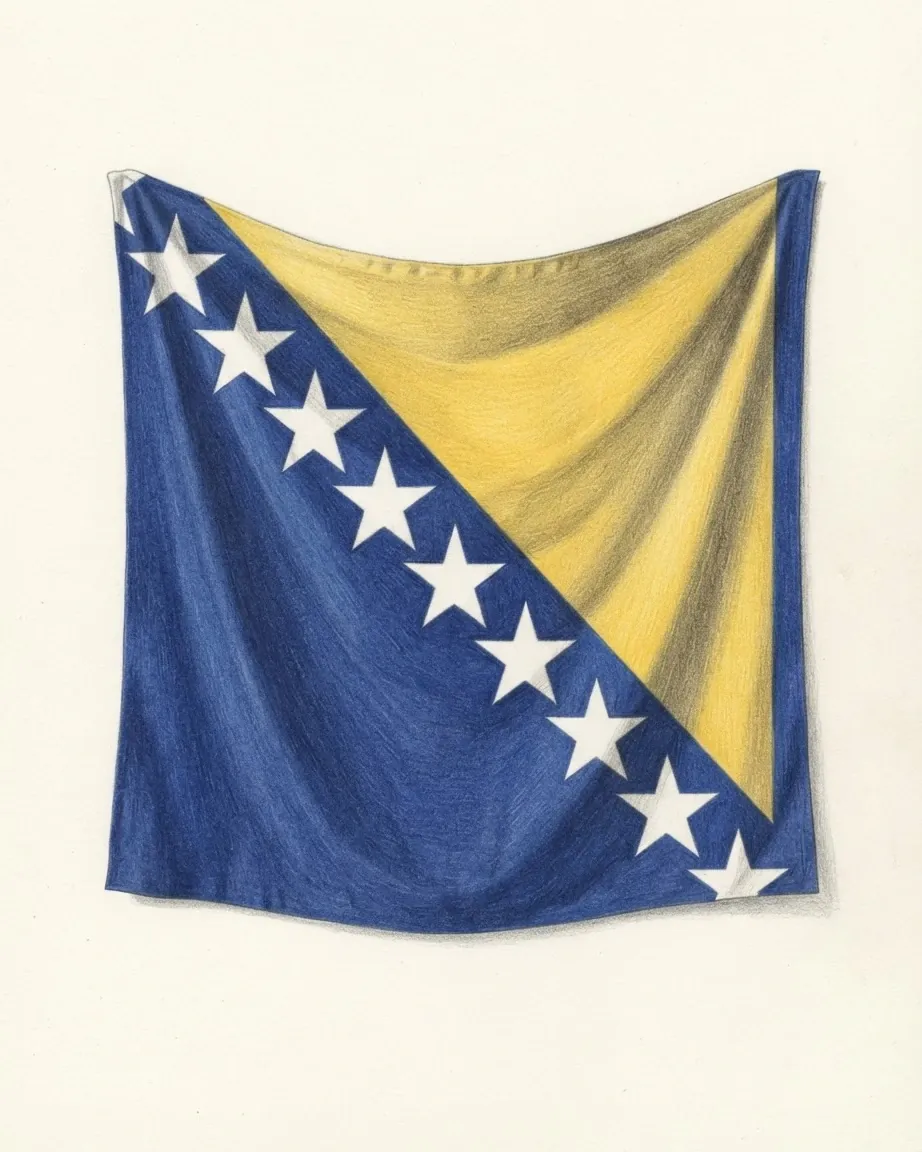
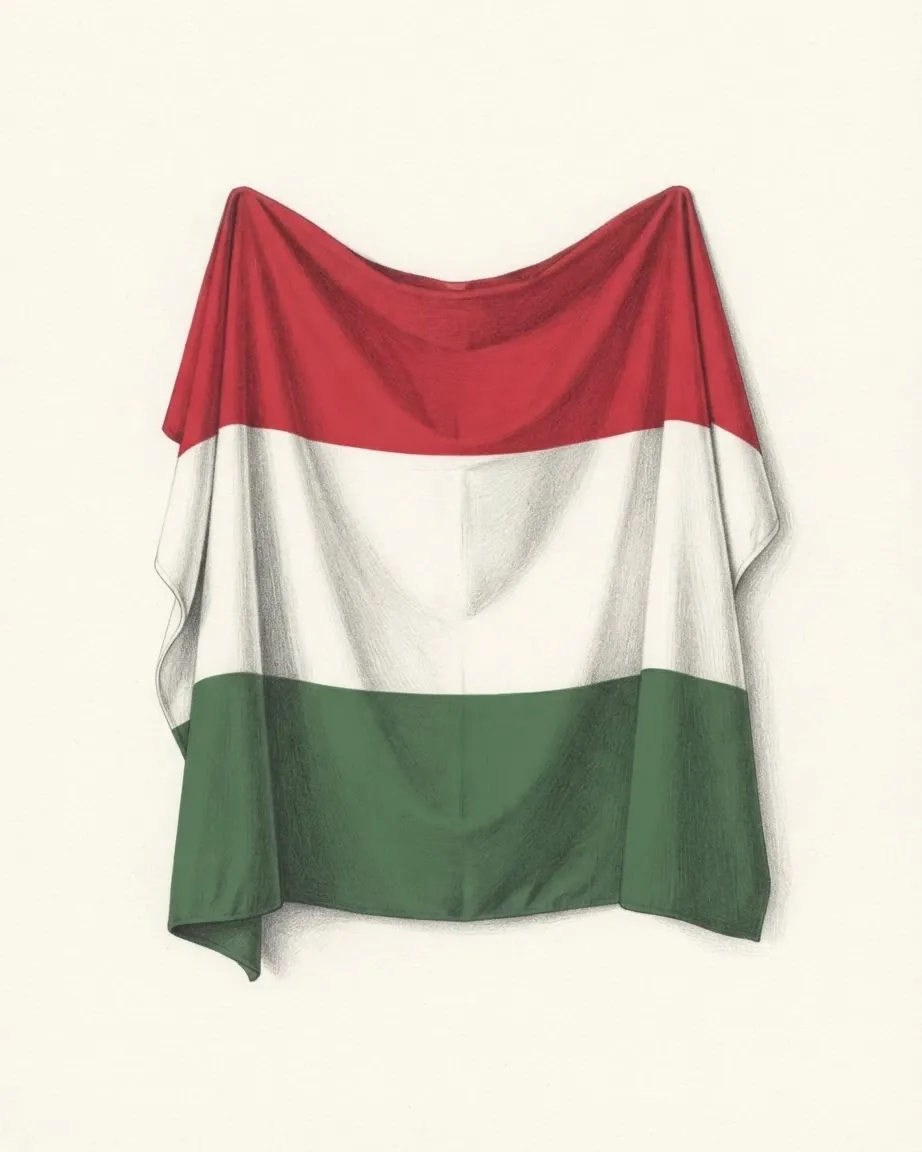
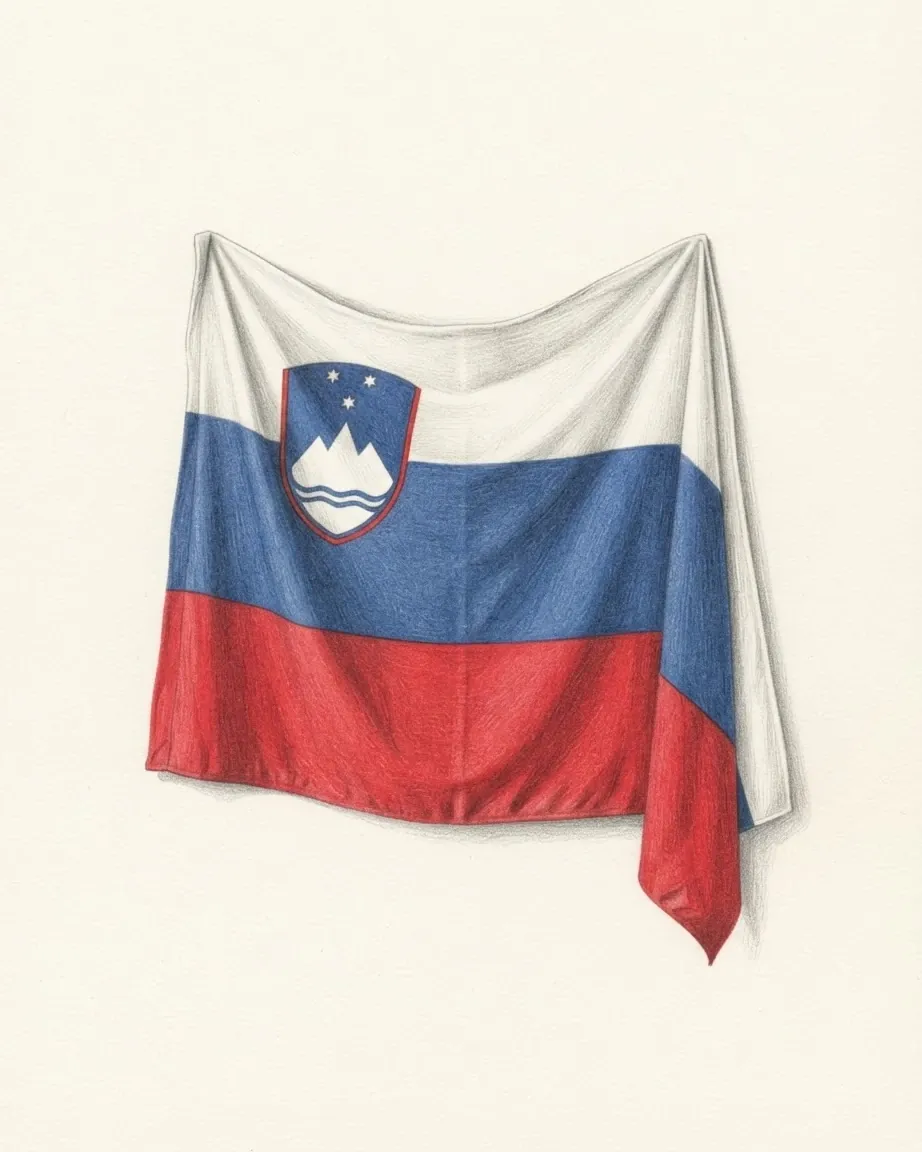
Croatia has a coast. It shares a border with 5 countries, counted as shared borders, which includes neighbours across water.
 Bosnia and Herzegovina
 Hungary
 Montenegro
 Serbia
 Slovenia
Why the census decides more than population
The 2021 census counted 3,871,833 residents. That was 413,056 fewer than the 2011 census had found, a fall of 9.64% in ten years, and the loss was not spread evenly. Vukovar-Srijem County lost 20.28% of its residents between the two counts, Sisak-Moslavina 19.04% and Požega-Slavonia 17.88%. The City of Zagreb lost 2.90%, Zagreb County 5.55% and Dubrovnik-Neretva County 5.71%. What emptied fastest was inland and eastern. What held was the capital and the coast.
| County | Change in residents, 2011 census to 2021 census |
|---|---|
| Vukovar-Srijem | down 20.28% |
| Sisak-Moslavina | down 19.04% |
| Požega-Slavonia | down 17.88% |
| Dubrovnik-Neretva | down 5.71% |
| Zagreb County | down 5.55% |
| City of Zagreb | down 2.90% |
The census does more than describe. It allocates. The 2021 count put the share of Serbs in the city of Vukovar below 30%, and with that the city stopped being obliged to give Serbian equal official use in language and script. The same count recorded Croats at 91.63% of the population nationally, Serbs at 3.20%, Bosniaks at 0.62% and Roma at 0.46%, with Italians and Albanians each at 0.36%. Residents over 65 were 22.45% of the 2021 population and those under 15 were 14.27%. The politics article sets out how parliamentary seats and language rights are made to follow from those shares.
What shape the country actually has
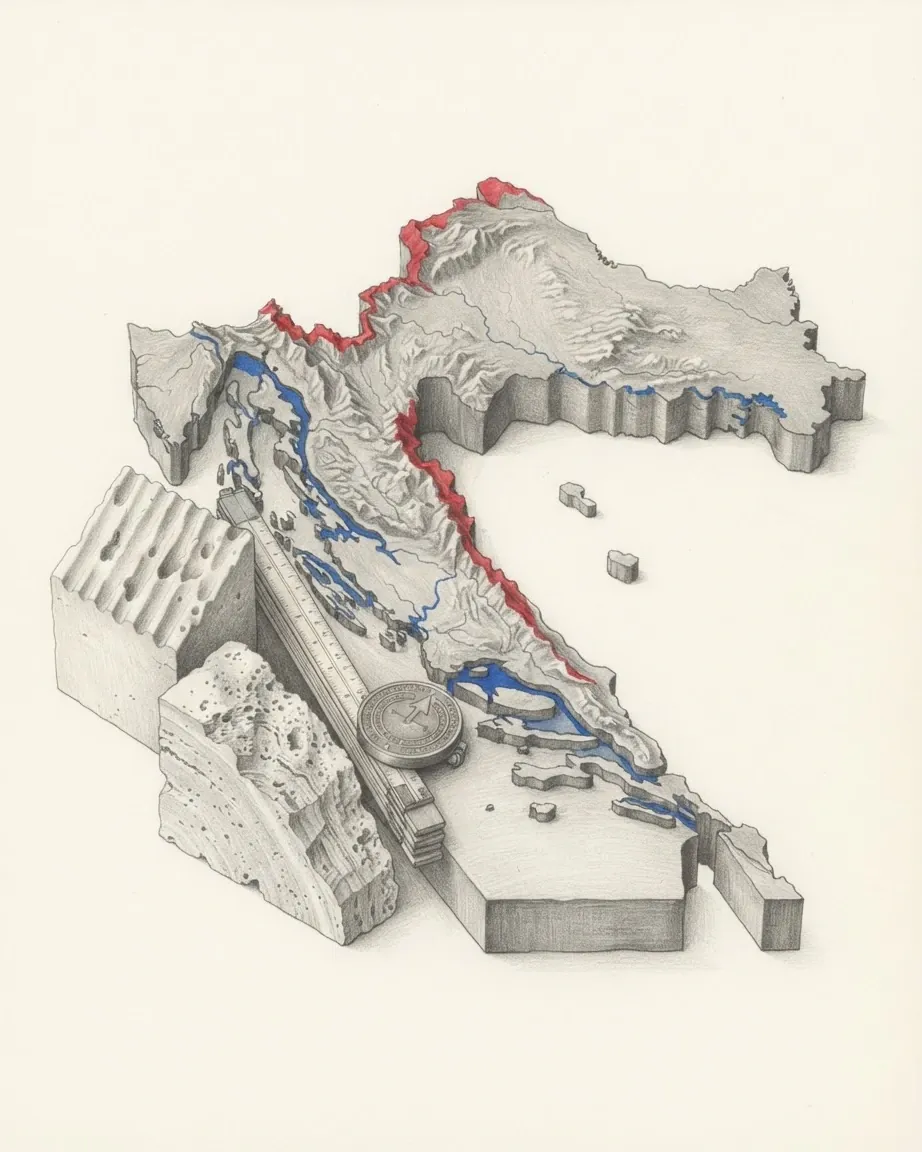
The territory covers 56,594 square kilometres and is bent into a horseshoe, potkova in Croatian, around Bosnia and Herzegovina. The bend is a medieval inheritance, and it is why the border with that single neighbour runs 1,009.1 kilometres while the borders with Hungary, Serbia and Montenegro together come to 695.7. A short strip of Bosnian coast at Neum separates the far south, Dubrovnik included, from the rest of the mainland. The 2.4-kilometre Pelješac Bridge, opened in July 2022, put a road across the gap and cut more than 32 kilometres from the route to the peninsula and to the islands of Korčula and Lastovo.
Laid along that arc are a plain, a mountain belt and a coast. Ground below 200 metres accounts for 53.42% of the country, most of it in the Pannonian north and east; karst covers about half the territory and dominates the Dinaric middle, where Dinara reaches 1,831 metres. The mainland shore measures 1,777.3 kilometres, and 1,246 islands and islets add a further 4,058 kilometres of coastline, of which 47 islands carry a permanent population. The geography article follows the arc from the Slavonian plain to the last inhabited island.
Who governed the pieces before they were joined
Croatia entered a personal union with Hungary in 1102 and kept its own assembly, the Sabor, inside it. Dalmatia was lost to Venice by 1420 and stayed Venetian until the Napoleonic wars, while Dubrovnik ran itself as the Republic of Ragusa under a succession of nominal overlords and kept that autonomy until 1806. After the Ottoman defeat of Hungary at Mohács, the Sabor elected a Habsburg to the Croatian throne in 1527, and the war council in Vienna took the land facing the Ottomans out of Croatian hands as the Military Frontier. Vienna ran it directly, granted land there in exchange for military service, drew an Orthodox population into it from Ottoman territory, and returned its Croatian and Slavonian sectors to Croatia in 1881.
The pieces were joined late. Croatia and Slavonia were bound to Hungary by the settlement of 1868 while Dalmatia remained under Austrian administration, and the parts first came under a single government in the Kingdom of Serbs, Croats and Slovenes in 1918. Socialist Yugoslavia followed the Second World War.
On 19 May 1991 a referendum returned 93.24% for independence on a turnout of almost 80%, boycotted in the Serb-held Krajina, which had voted a week earlier to stay in Yugoslavia. The Sabor declared independence on 25 June 1991 and the decision took effect on 8 October 1991 after a three-month moratorium. The war ran until August 1995. Between 400,000 and 500,000 Croats and other non-Serbs were expelled or displaced from occupied territory from 1991, and estimates of the Serbs who left before, during and after the Croatian offensive of August 1995 range from 90,000 to 200,000. The United Nations High Commissioner for Refugees has registered around 125,000 returns, of which about 55,000 remain permanent. Most sources put the dead at around 20,000. The last Serb-held area, in eastern Slavonia, was reintegrated under United Nations administration by 1998 under the Erdut Agreement of November 1995. The history article carries the long version.
What kind of state Croatia built
The constitution was adopted on 22 December 1990, six months before the declaration of independence, and has been amended in 1997, 2000, 2001 and 2010. The semi-presidential arrangement it created lasted until 2000, when the country moved to a parliamentary system. A second chamber, the Chamber of Counties, was set up in 1993 and abolished in 2001. The Sabor sits as a single chamber whose membership can range from 100 to 160 for a four-year term, with 140 members returned from multi-seat constituencies, up to six elected by citizens living abroad, and seats reserved for national minorities.
Counties were legislated back into existence in 1992, after the Kingdom of Yugoslavia had replaced them with oblasts and banovinas in the 1920s and communist Yugoslavia with roughly a hundred municipalities. There are twenty, plus the city of Zagreb, which holds the legal status of a county and a city at once. County borders were last revised in 2006, and the counties subdivide into 127 cities and 429 municipalities.
Accession negotiations with the European Union closed on 30 June 2010 and membership took effect on 1 July 2013. Croatia joined NATO on 1 April 2009 and the United Nations on 22 May 1992, and entered the eurozone and the Schengen Area on the same day, 1 January 2023. The politics article works through the institutions and what has been argued about them.
What the country earns between June and September
Hotel beds were 18.2% occupied in January 2025 and 97.3% occupied in August of the same year. Tourism was worth about 8.2 billion euro in 2022, or 12.2% of GDP, and 15 billion euro in 2024, which was 65.8% of every service export the country sold. The Croatian National Bank recorded 15.3 billion euro of receipts from foreign tourists in 2025. Tourism employed 105,700 people in 2024, 7.1% of everyone in work.
The rest of the year has other work in it. Industry accounts for around 20% of output, on a base of food processing and wine making that goes back to the agricultural economy of the Habsburg period, with petroleum refining, chemicals, building materials, metallurgy, wood and paper, machine engineering, electronics and textiles beside it. Shipbuilding, an industry on this coast since the sailing yards of the 1850s, is heavily dependent on state subsidies. GDP per head stood at 27,104 US dollars in 2025, output grew 3.4% that year, and unemployment was 5%. The economy article works through what the seasonal calendar does to all of it.
How Croatia writes itself down
Croatian is a South Slavic language written in the Latin alphabet, and the standard rests on the Shtokavian dialect, with Chakavian and Kajkavian spoken beside it. In the 2021 census 95.25% of residents gave Croatian as their mother tongue and 1.16% gave Serbian.
The written record begins in a different alphabet. The Baška tablet, cut on the island of Krk around 1100 in Glagolitic script, holds the earliest mention of a Croatian royal title in the language. The Missale Romanum Glagolitice of 1483 was printed in that script, and a Glagolitic press worked at Senj between 1494 and 1508. Latin stayed the language of government until the nineteenth century, when the Illyrian movement, whose Matica ilirska was founded in 1842, pressed Croatian into its place.
Croatia has 23 elements inscribed on the UNESCO intangible heritage lists and 10 properties on the World Heritage List, and most of the intangible entries name the island, town or district they belong to. The culture article takes the lists apart and explains why they read that way.
Where the visitors actually go
The country registered 20.7 million tourist arrivals and 94.8 million tourist nights in 2025, an average of 4.6 nights each. The Adriatic region absorbed 89.4 million of those nights, 94.3% of the total, against 2.7 million in the city of Zagreb, 1.4 million in Pannonian Croatia and 1.3 million in North Croatia.
Most of the beds are not in hotels. Of the 1.2 million permanent beds available in 2025, 718,000 were in holiday and other short-stay accommodation and 266,000 on campsites, against 175,000 in hotels and similar accommodation. Nights followed capacity: 46.7 million in short-stay lettings, 26.3 million in hotels and 21.9 million on campsites. Capacity itself fell in 2025, by 1.4% in accommodation units and 1.6% in beds, interrupting years of growth in tourist capacity. The travel article describes what that arrangement means on the ground.
What the two counts add up to
Fewer than four million residents in the 2021 census, 9.64% down on 2011, and 94.8 million tourist nights in 2025 on a coast holding most of the country's 1.2 million beds. Each part of that has its own article: the history, the geography, the politics, the economy, the culture and the travel article.
Read
Everything about Croatia
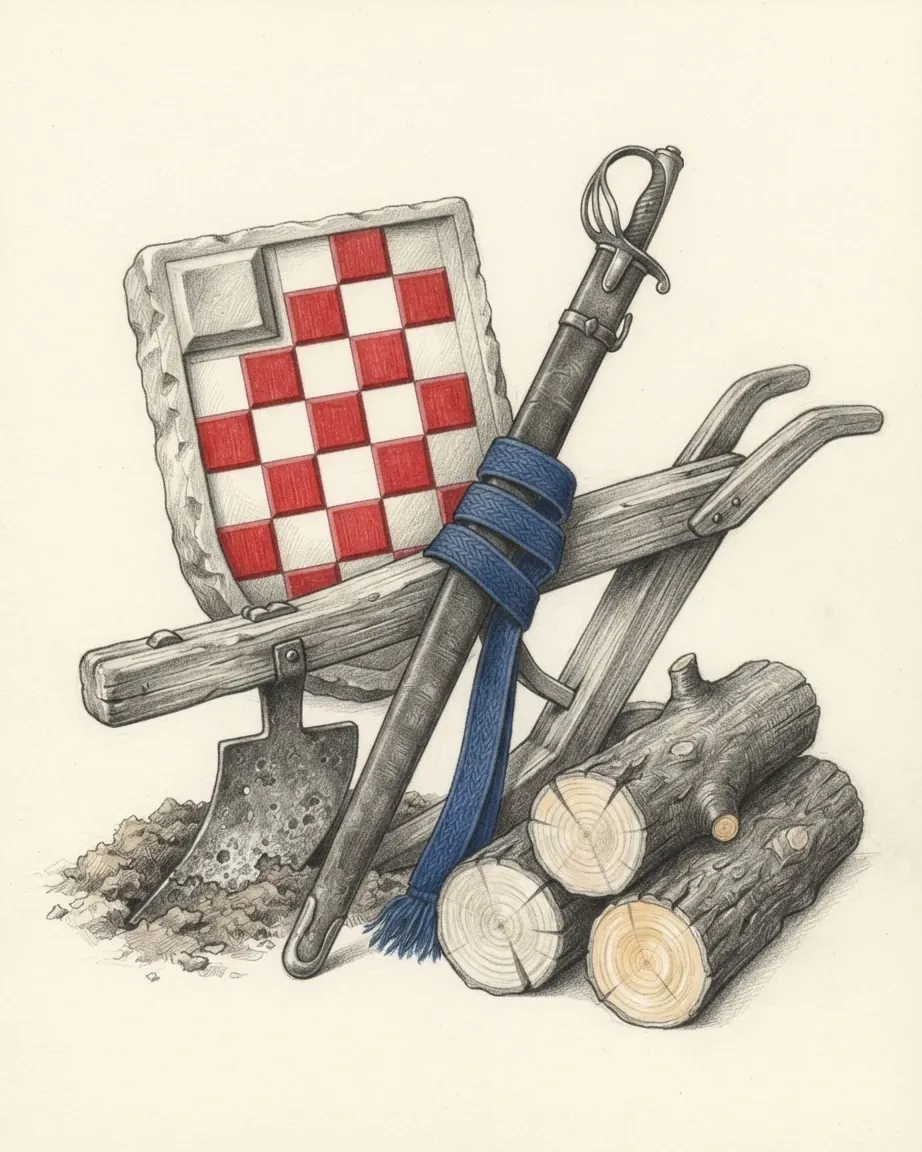
Six articles, each answering one question and each written to be read on its own.
The record
What is measured about Croatia
Pages that nobody writes, built from the record and from the data files beside it.
Common questions
Questions about Croatia
How many people live in Croatia?
The 2021 census counted 3,871,833 residents, 413,056 fewer than the 2011 census, a fall of 9.64% in ten years. The decline was steepest in the eastern counties, where Vukovar-Srijem lost 20.28% of its residents, and shallowest in the City of Zagreb, which lost 2.90%. Residents over 65 made up 22.45% of the 2021 population.
When did Croatia become independent?
The Sabor declared independence from Yugoslavia on 25 June 1991, after a referendum on 19 May 1991 returned 93.24% in favour on a turnout of almost 80%. A three-month moratorium delayed the decision, which took effect on 8 October 1991. The European Economic Community extended recognition on 15 January 1992 and United Nations membership followed on 22 May 1992.
Why is the south of Croatia cut off from the rest of the country?
A short strip of coast at Neum belongs to Bosnia and Herzegovina and separates the Dubrovnik end of the country from the rest of the mainland. The 2.4-kilometre Pelješac Bridge, opened in July 2022, carries a road across the gap and shortened the route to the Pelješac peninsula and the islands of Korčula and Lastovo by more than 32 kilometres.
Is Croatia in the European Union and the eurozone?
Yes to both. Accession negotiations closed on 30 June 2010 and Croatia became a member state of the European Union on 1 July 2013. It joined NATO on 1 April 2009, and it entered the eurozone and the Schengen Area on the same date, 1 January 2023, so the currency is the euro.
What language do Croatians speak?
Croatian, a South Slavic language written in the Latin alphabet, with a standard based on the Shtokavian dialect and Chakavian and Kajkavian spoken alongside it. In the 2021 census 95.25% of residents named Croatian as their mother tongue and 1.16% named Serbian. The oldest surviving prose in the language is Glagolitic, on a tablet cut around 1100 on the island of Krk.
Nearby in the catalogue