The euro
Currency · EUR · € · 36 countries and territories
Since Bulgaria switched on 1 January 2026, twenty-one of the European Union's twenty-seven member states use the euro. Places outside the union use it too: four microstates under monetary agreements, Kosovo and Montenegro without one. It started as an accounting currency on 1 January 1999, and notes and coins followed on 1 January 2002.
The sign
The European Commission presented the sign on 12 December 1996. It is drawn from the Greek letter epsilon, for the first letter of Europe, and the EU says the two parallel strokes stand for stability. The Commission holds its copyright. Arthur Eisenmenger, once chief graphic designer of the European Economic Community, said he had the idea twenty-five years earlier.
- ISO code
- EUR
- ISO number
- 978
- Subunit
- cent, 1/100
An amount, written out
€1,234.50
- €1,234.50EnglishIreland, Malta
- 1 234,50 €Swedish, Finnish +3Åland, Finland +10
- 1234,50 €Bulgarian, Estonian +6Bulgaria, Estonia +8
- 1.234,50 €Catalan, Croatian +3Andorra, Croatia +3
- € 1.234,50German, DutchAustria, Belgium +1
In English the sign comes before the amount. Where the euro is used, it comes after in 27 countries and before in 5.
The sign in code
HTML, CSS, JavaScript, UTF-8
- HTML
€€€- CSS
content: "\20AC";- JavaScript
"\u20AC"- UTF-8
0xE2 0x82 0xAC- UTF-16
0x20AC- UTF-32
0x000020AC
Where the euro is the official currency
Twenty-one EU members use it as the euro area. Andorra, Monaco, San Marino and Vatican City use it under agreements with the EU, Kosovo and Montenegro without one, and France's overseas regions as part of France.
- ÅlandA Swedish-speaking, demilitarised region of Finland with its own parliament, a regional citizenship and a tax border, home to 30,836 people at the end of 2025.
- AndorraA Pyrenean co-principality made sovereign by referendum on 14 March 1993, with a euro agreement from 2011 and 89,752 residents on 30 June 2026.
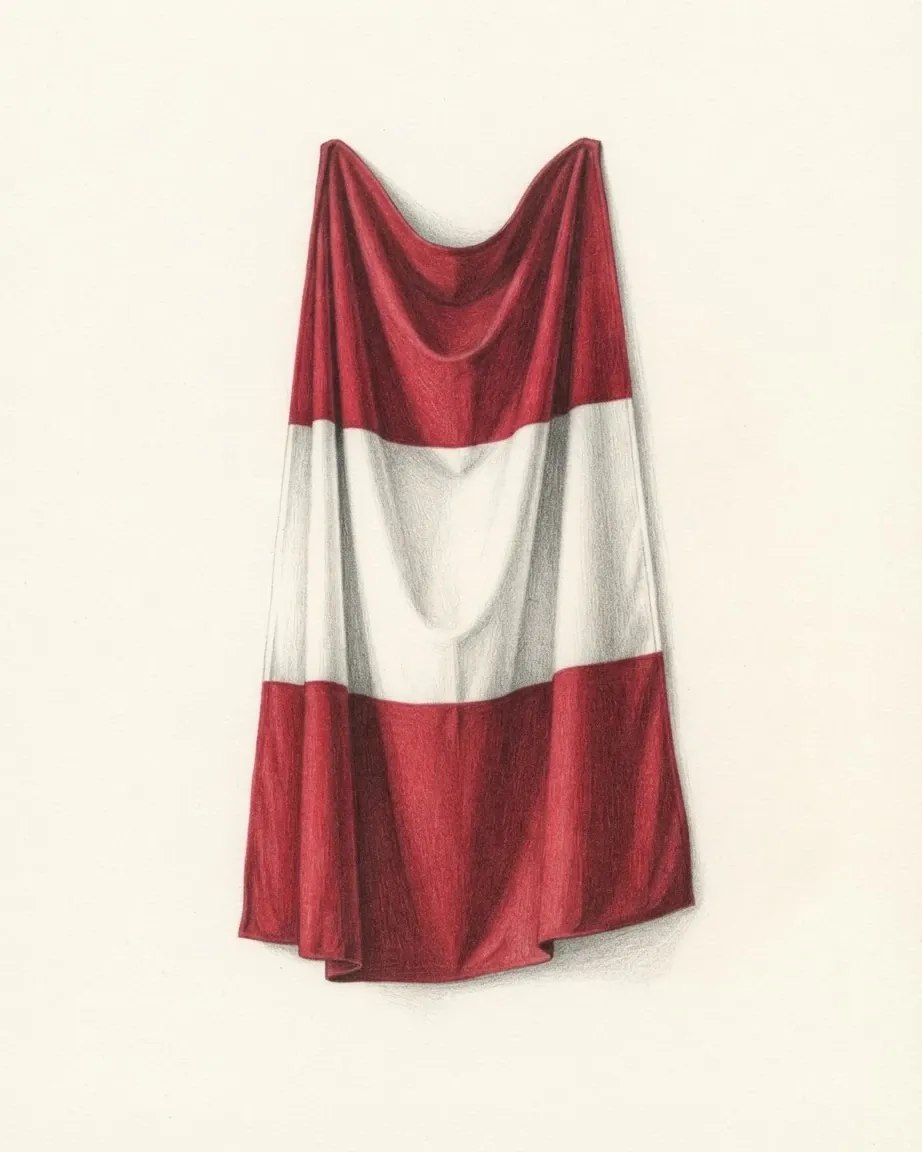
- Austria9 million people on 83,879 landlocked square kilometres with eight borders. A republic from 1918 in a capital built for an empire, neutral since 1955.
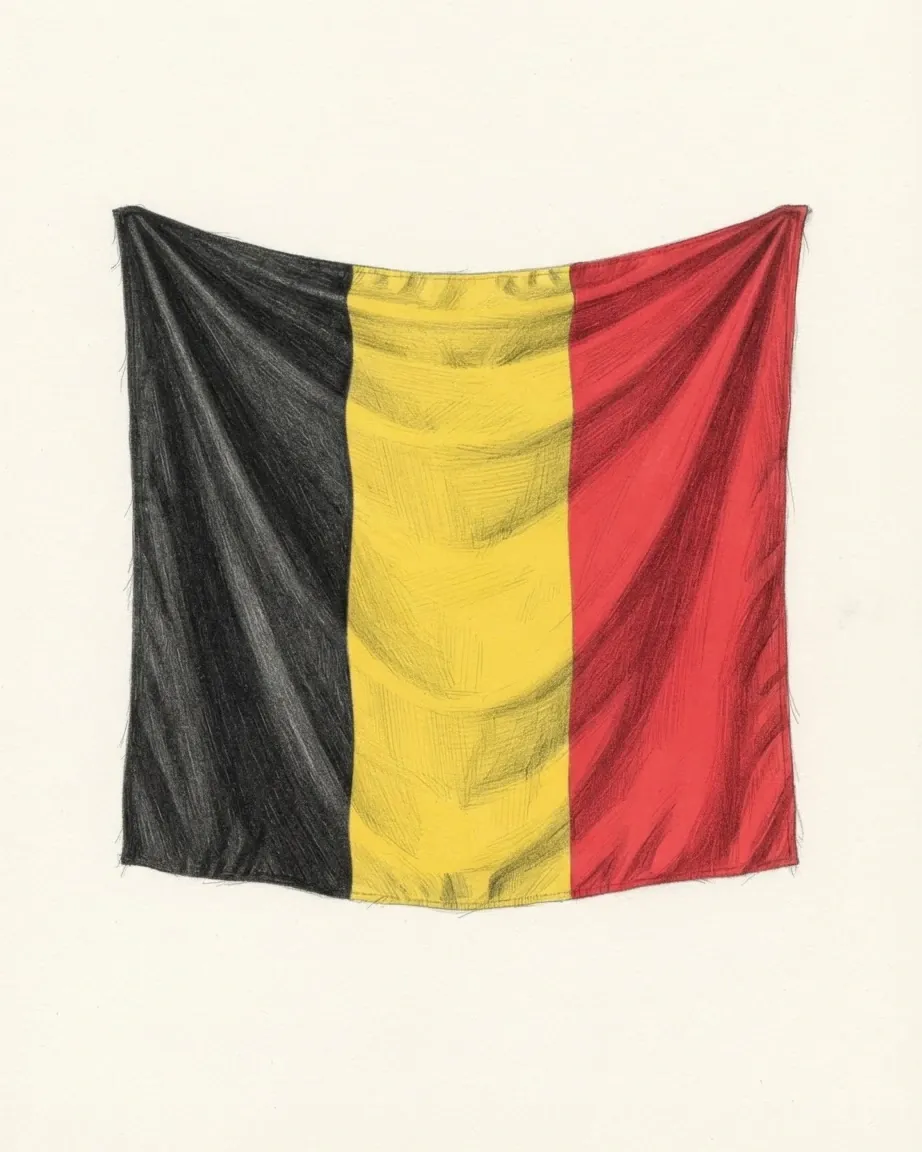
- Belgium11.8 million people on 30,688 square kilometres, three official languages and six governments. A federal structure built around a language border, and 16 heritage sites.
- BulgariaFounded by treaty in 681 and rebuilt by another in 1878, Bulgaria is a country of 6.4 million in the eastern Balkans, in the EU since 2007 and the euro since 2026.
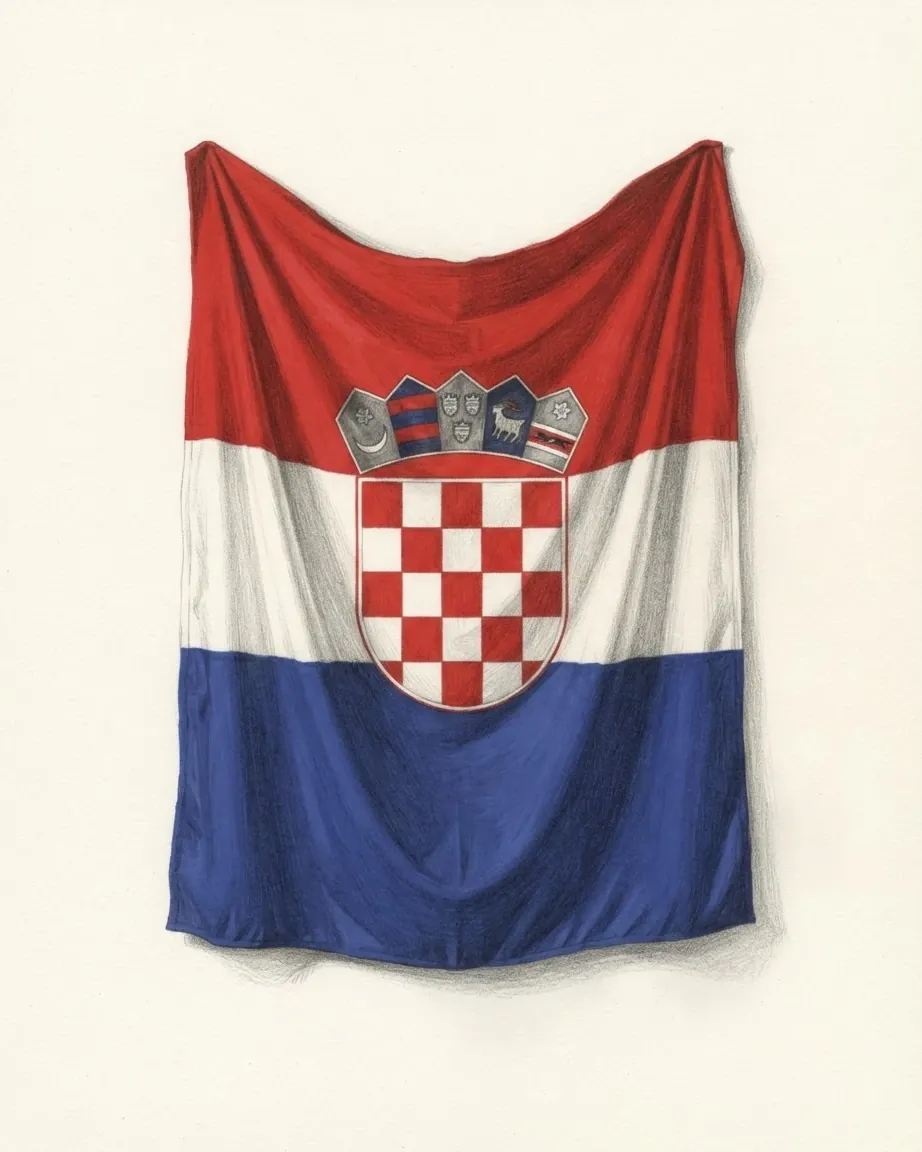
- CroatiaCroatia counted 3,871,833 residents in 2021, 9.64% fewer than in 2011, and registered 94.8 million tourist nights in 2025, 94.3% of them on the Adriatic.
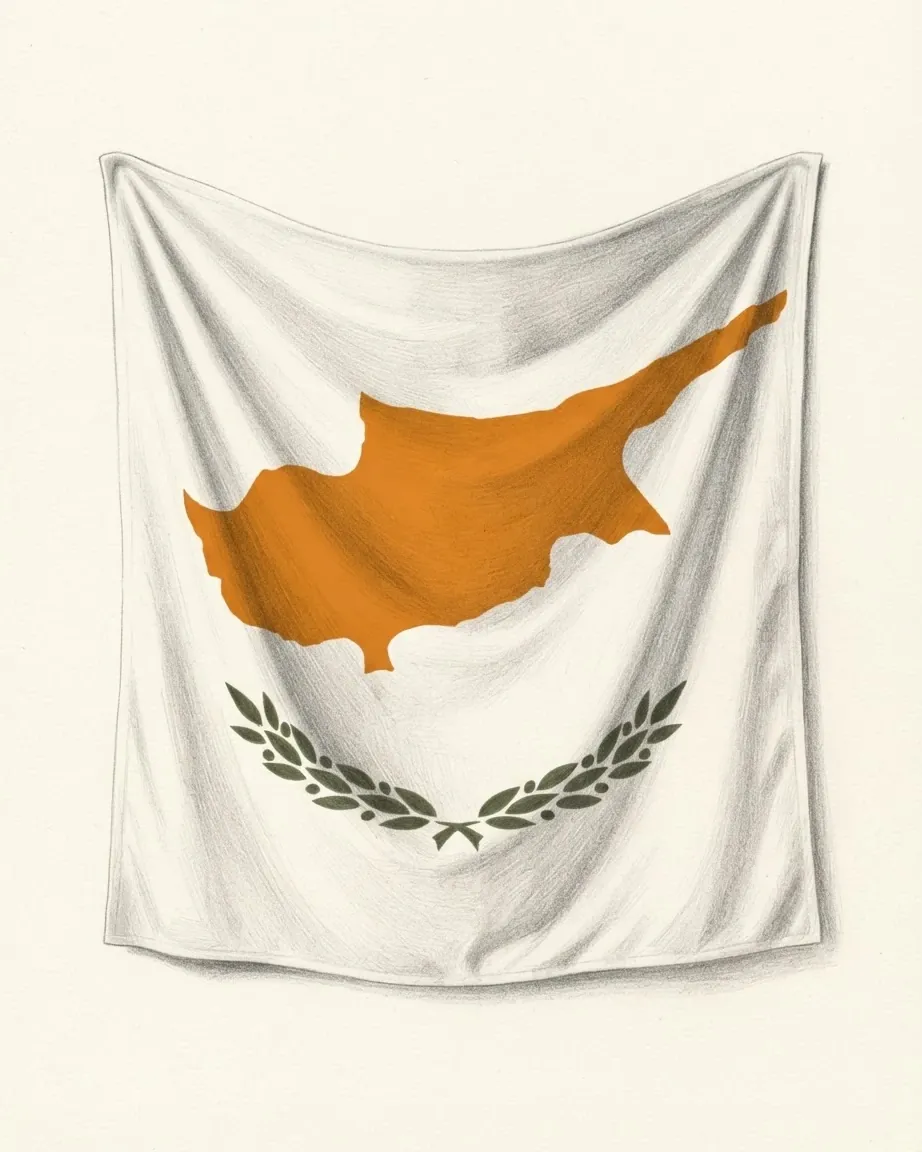
- CyprusCyprus has been independent since 16 August 1960 and in the European Union since 2004, and its government controls about 59% of an island administered in four pieces.
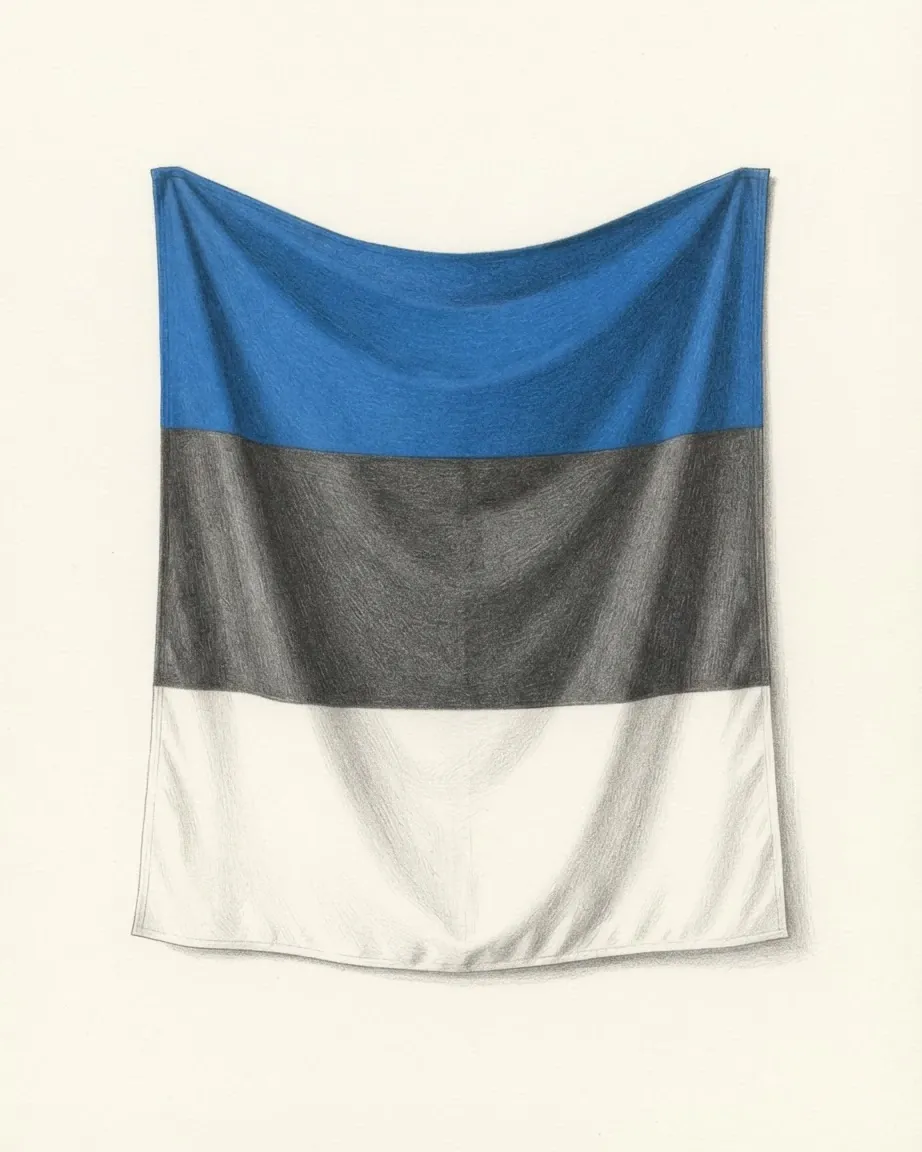
- EstoniaA Baltic republic of 1,369,995 people as of 1 January 2025 whose statehood survived occupation as a legal record, and whose voting and company registry now run the same way.
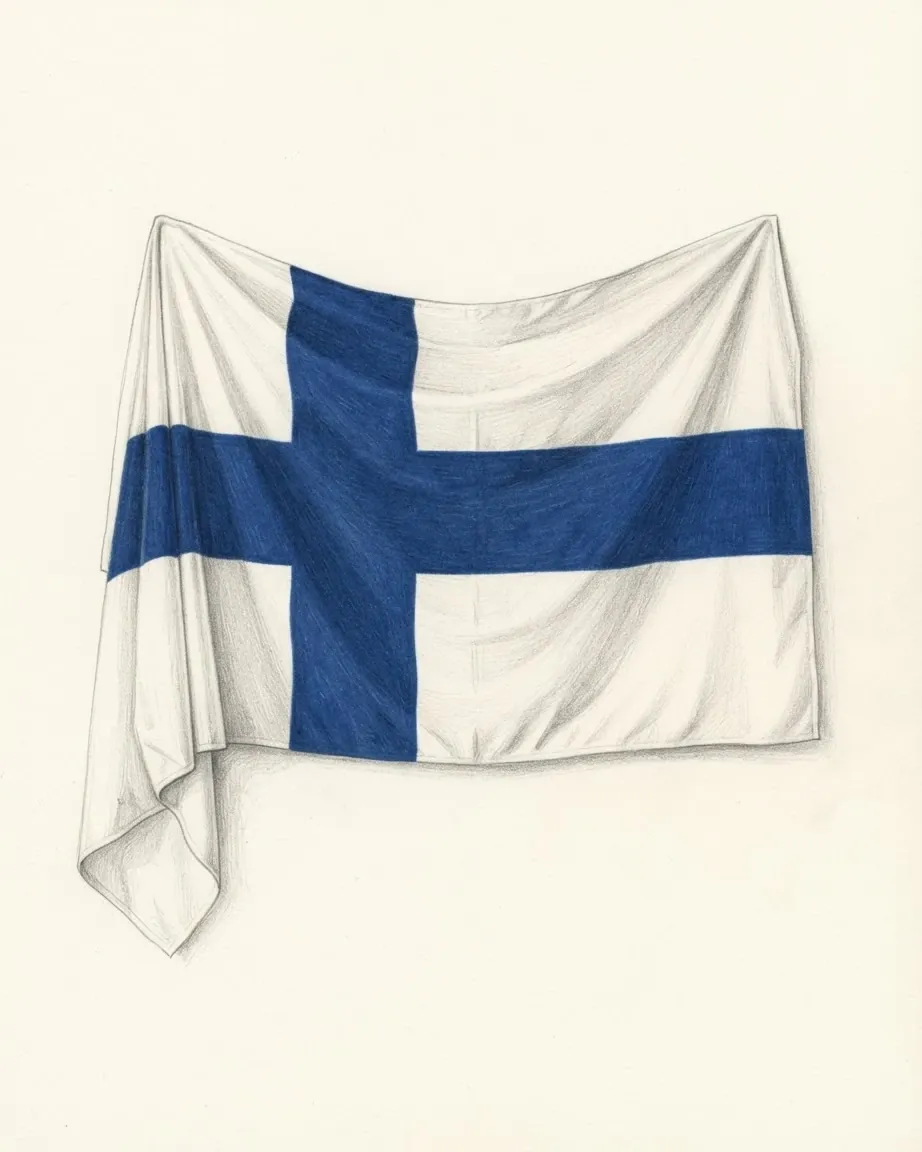
- Finland5.7 million people on 390,905 square kilometres of forest and lake. Independent since 1917, in the EU since 1995, and in NATO since April 2023.
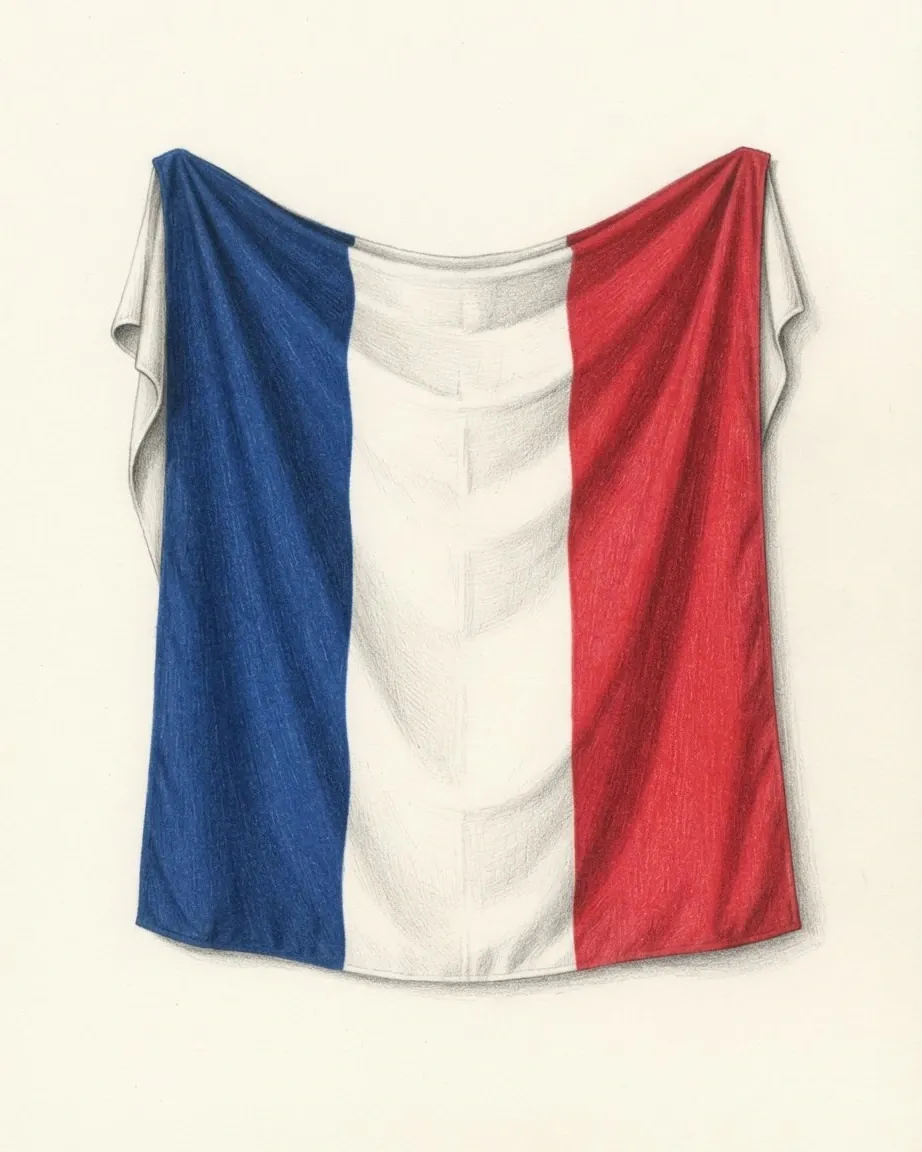
- France68.6 million people and 643,801 square kilometres across three oceans. Five republics since 1789, 56 nuclear reactors, and public debt at 115.5% of output.
- French GuianaGuyane
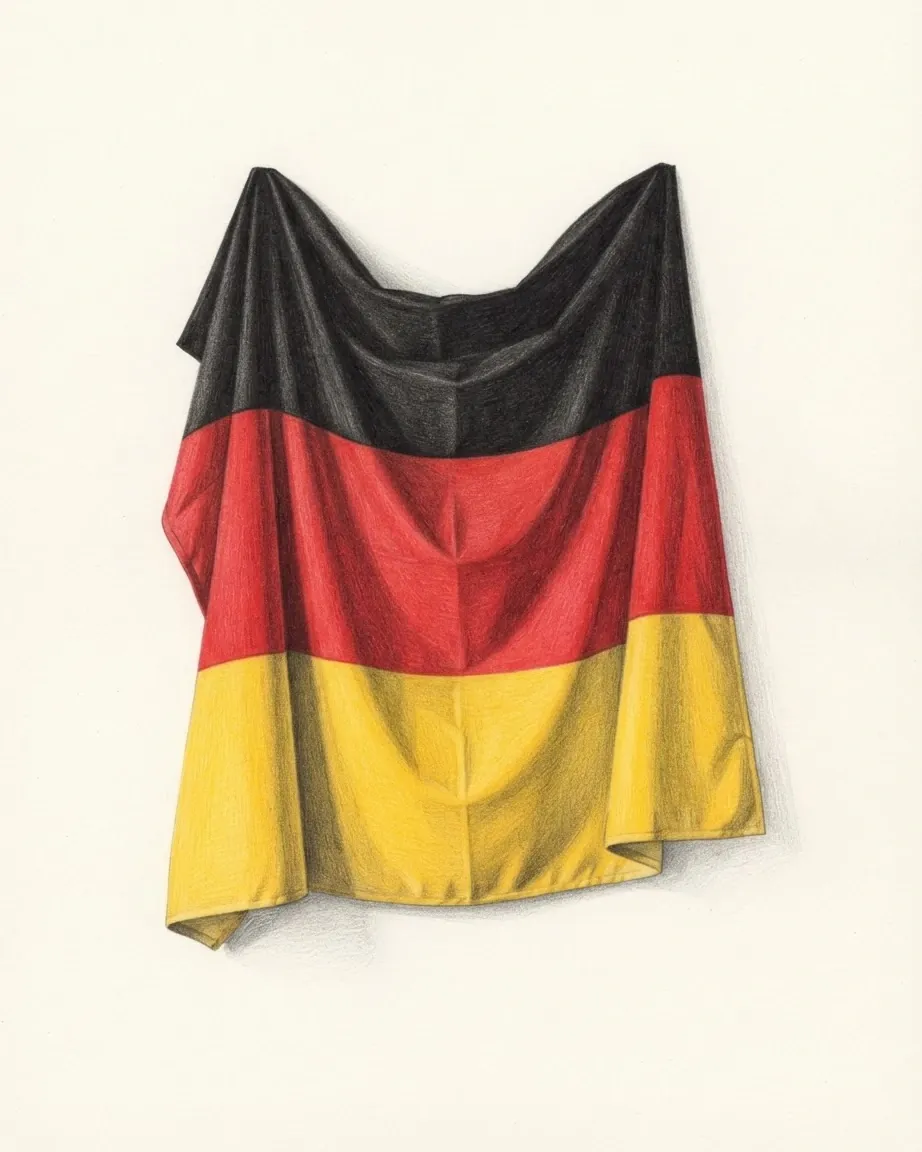
- Germany83.6 million people on 357,588 square kilometres with nine land borders. A constitution written to be temporary in 1949, and an export economy that grew 0.2% in 2025.
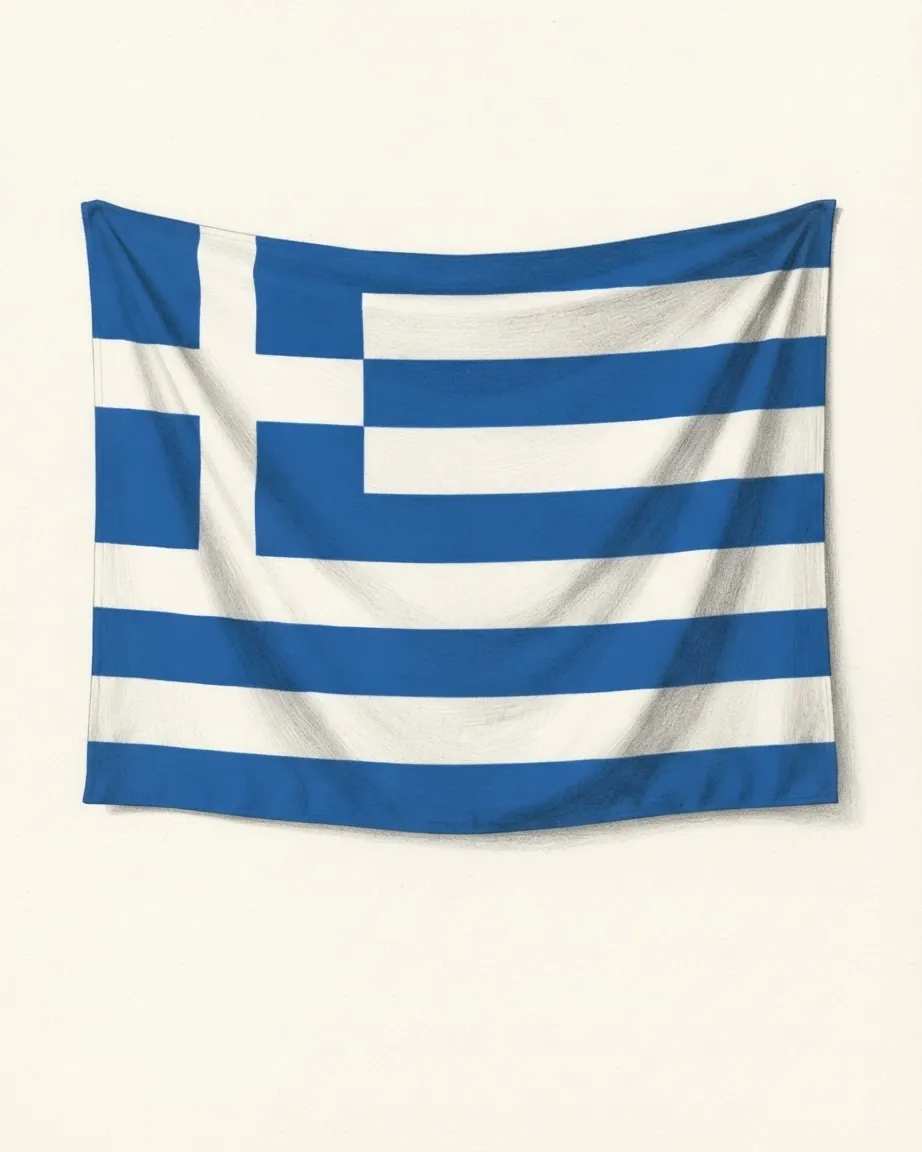
- Greece10.6 million people on 131,957 square kilometres of mountain and archipelago. A state founded in 1821, a constitution from 1975, and 21 World Heritage properties.
- Guadeloupe
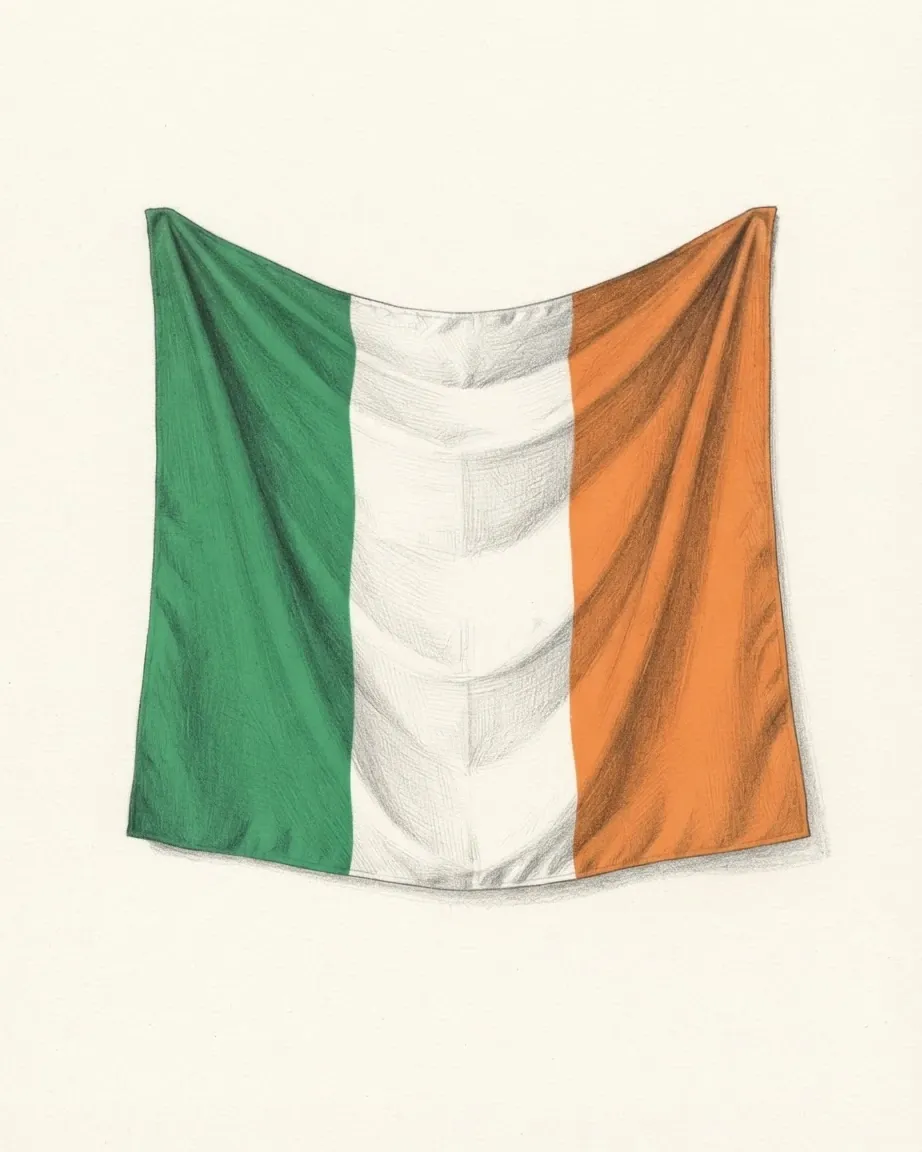
- Ireland5.1 million people on 69,797 square kilometres. A constitution changed only by referendum, and an economy whose own statisticians publish a second measure of its size.
- ItalyItaly holds about 58.9 million people, was proclaimed a single state on 17 March 1861 and became a republic in 1946. Its cities, regions and districts still do the work.
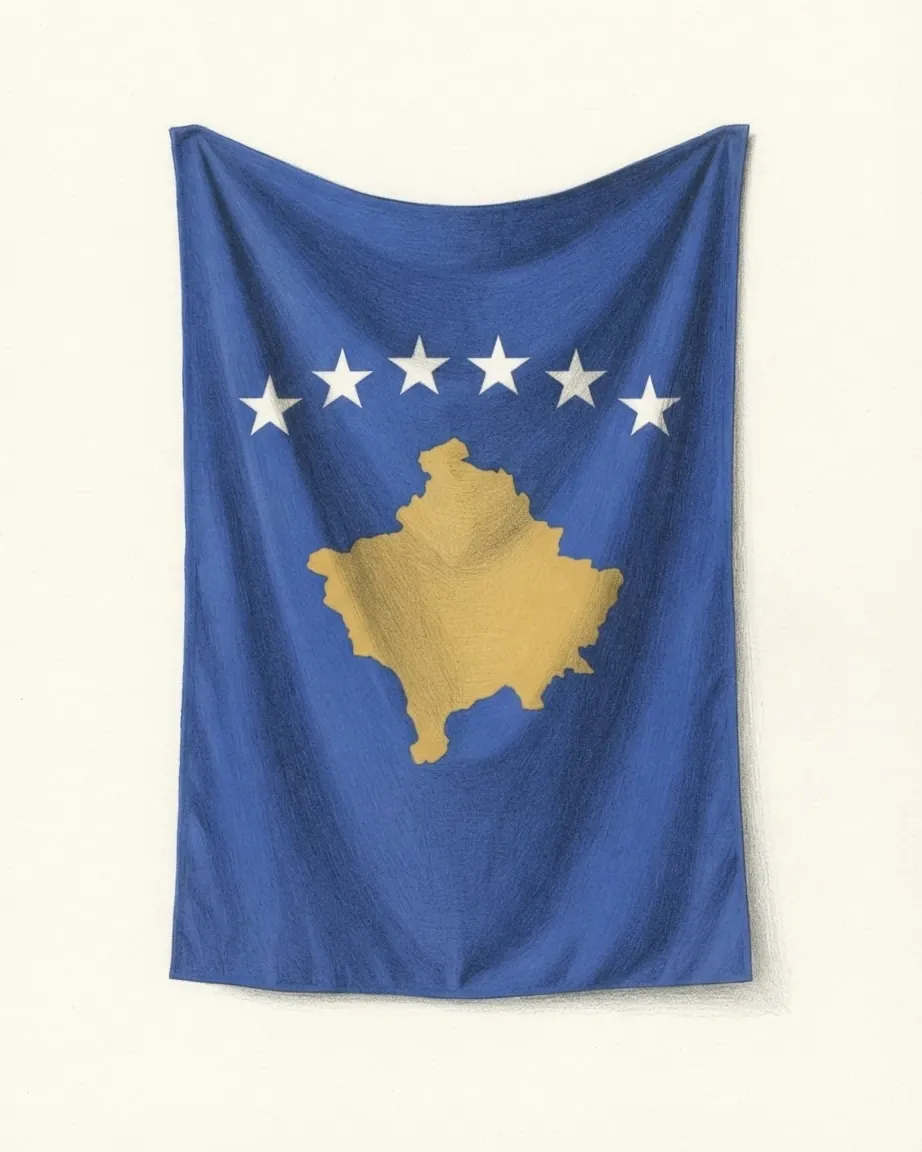
- KosovoLandlocked, 10,909 square kilometres, independent since 17 February 2008 and recognised by 110 UN members as of 2025. Kosovo was governed for nine years first.
- LatviaLatvia holds 1,845,096 people as of 1 January 2026 on flat, wet ground on the Baltic, under a constitution of 1922 restored in 1991 after two rewritings of its population.
- LithuaniaThree ultimatums between 1938 and 1940 ended Lithuania's first republic. The state restored on 11 March 1990 has spent since then rearranging its connections westward.
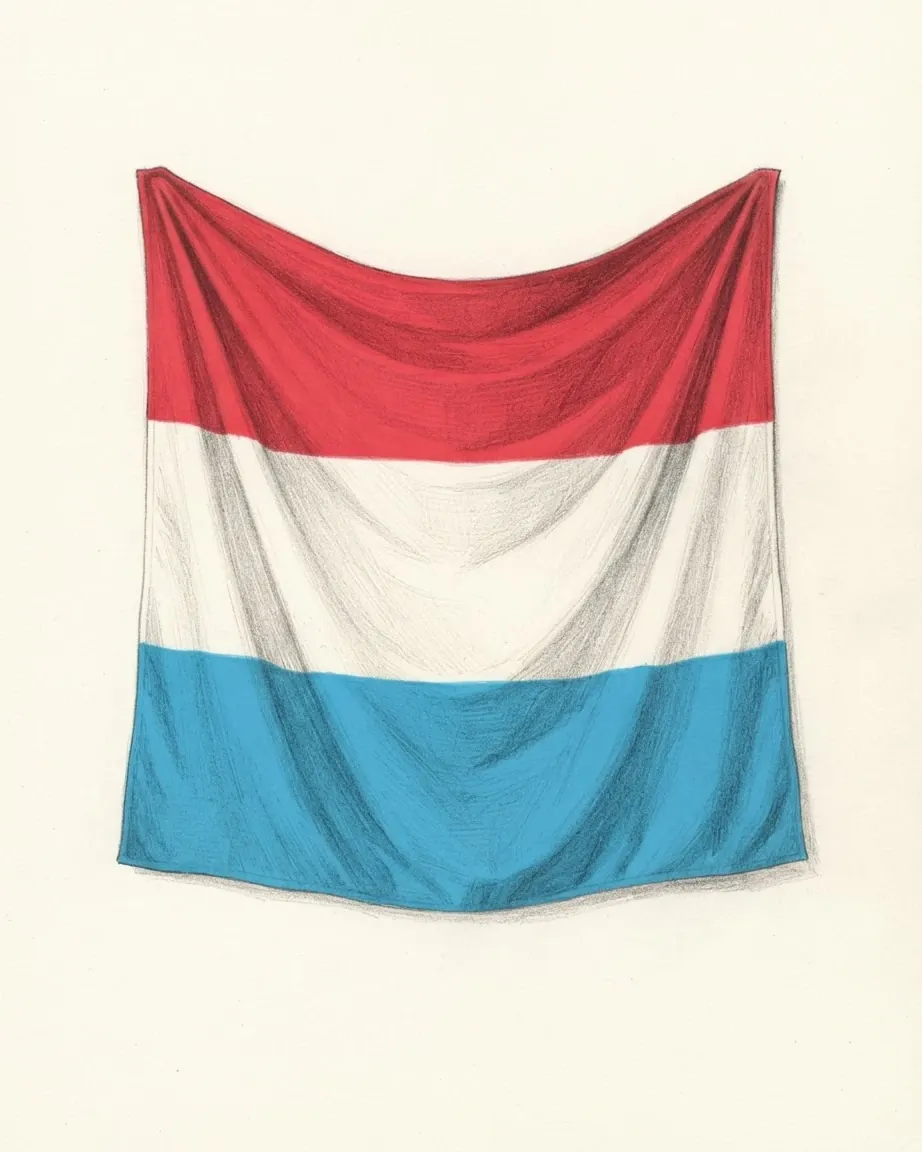
- Luxembourg681,973 residents in 2025, 47% of them foreign nationals, and 223,000 more crossing a border to work. A grand duchy of 2,586 square kilometres with three languages and 8.2 trillion euros of fund assets.
- Malta553,214 people on 316 square kilometres between Sicily and North Africa. A Semitic language in Latin script, Catholicism in Article 2 of the constitution, and a Westminster parliament.
- Martinique
- Mayotte
- MonacoMonaco is one commune of 208 hectares: a prince, a 24-seat parliament, 65,680 workers in 2024 and 38,857 residents on 1 January 2025.
- Montenegro617,213 people in 2022 on 13,883 square kilometres. A state named for a mountain above Kotor that reached the sea in 1878 and now earns much of its living there.
- Netherlands17.9 million people on 42,201 km2, a fifth of it water and much of the rest below sea level. What the Dutch earn from, how they are governed and what there is to see.
- Portugal10.3 million people on 92,225 km2, a language spoken by 250 million, a border unchanged since the 13th century, and close to three foreign visitors a year for every resident.
- RéunionLa Réunion
- Saint BarthélemySaint-Barthélemy
- Saint MartinSaint-Martin
- Saint Pierre and MiquelonSaint-Pierre-et-Miquelon
- San Marino34,059 residents in March 2025 on 61 km² fixed in 1463, inside one 39 km border with Italy: judges from outside, a bishop in Pennabilli, and sovereignty kept by treaty.
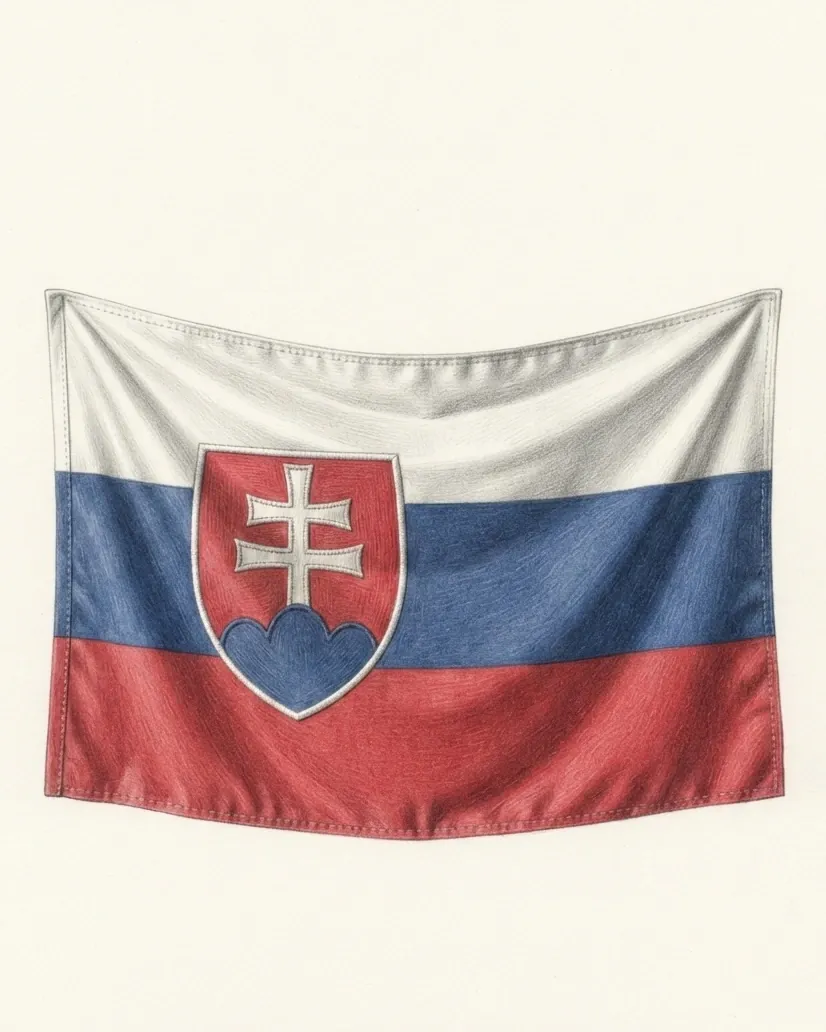
- SlovakiaA landlocked Central European country of five and a half million, independent since 1993, whose four car plants built 1,040,000 vehicles in 2016.
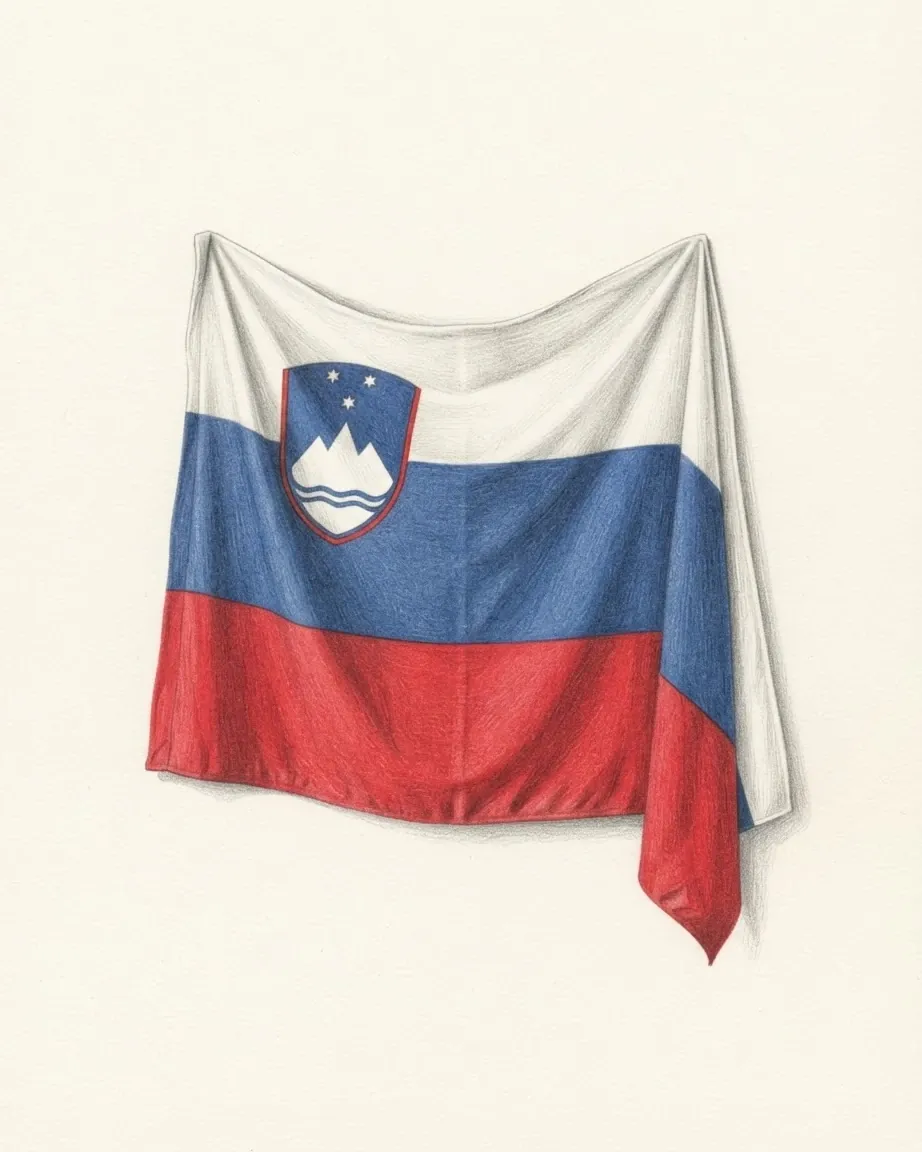
- SloveniaA Central European country of 2,133,852 people as of October 2025, independent since 1991, with borders drawn by other people's treaties and a state its voters authorised.
- Spain48.6 million people on 505,990 km2, five official languages, seventeen governments and 97 million visitors a year. What Spain is, how it is run and what is worth seeing.
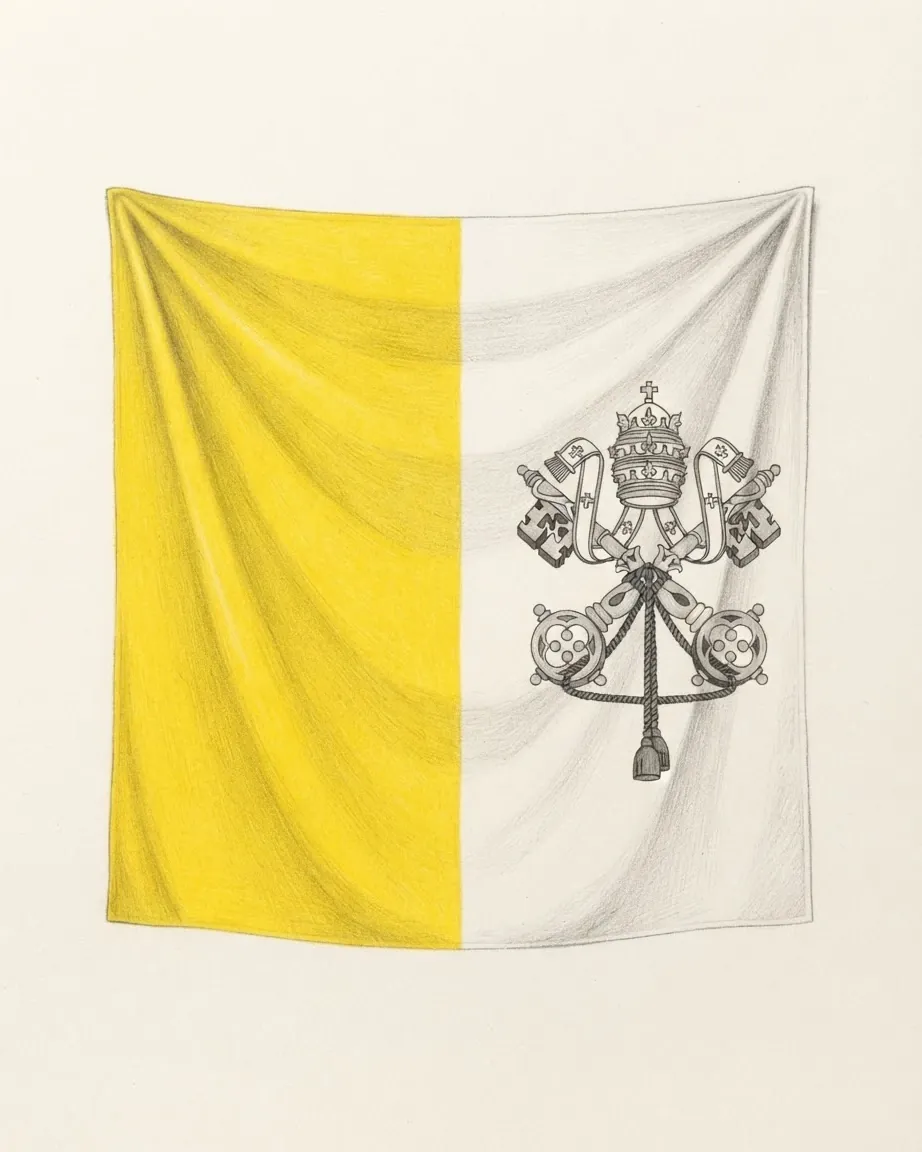
- Vatican City44 hectares drawn by the Lateran Treaty in 1929 as the territorial base of the Holy See: its sovereign, its citizens, its money and its visitors.
About the euro
Who issues the notes and the coins
The European Central Bank and the national central banks of the euro area have issued euro banknotes jointly since 1 January 2002. The notes carry one design everywhere. A Europa series, with a portrait of the mythological Europa and stronger security features, has been brought in gradually to replace the first one.
Coins stay national. Each coin has a common side, with the value and a map, and a national side that the issuing state designs for itself. For the launch the issuers produced seven banknotes and eight coins.
How the national currencies were locked in
The Maastricht Treaty of 1992 created the currency, and the name was adopted in Madrid on 16 December 1995. At midnight on 1 January 1999 the national currencies of the first eleven members stopped existing on their own. Their rates were fixed against each other, and one euro was set equal to one European Currency Unit, the EU's old accounting basket.
The Council of the European Union fixed the rates from market prices on 31 December 1998. One euro became 1.95583 German marks, 6.55957 French francs and 1,936.27 Italian lire. The old notes kept circulating until euro cash arrived, and the swap ran until 28 February 2002. Bulgaria's lev was fixed on 8 July 2025, also at 1.95583, and gave way on 1 January 2026.
Why places outside the union use it
Andorra, Monaco, San Marino and Vatican City use the euro under monetary agreements with the EU. Kosovo and Montenegro adopted it on their own, as their only currency, with no agreement behind it.
The rest of the list belongs to member states. Åland is part of Finland. French Guiana, Guadeloupe, Martinique, Mayotte, Réunion, Saint Barthélemy, Saint Martin and Saint Pierre and Miquelon belong to France. The ECB counts the overseas departments, territories and islands that are part of, or associated with, a euro area country as inside the euro area.
Which member states keep their own money
Six EU members still issue their own currency. Denmark negotiated an opt-out in the Maastricht Treaty and keeps the krone. The ECB expects every other member to adopt the euro once it meets the treaty's convergence criteria.
How the name is written
EU legislation in English uses "euro" and "cent" for singular and plural alike, and the Commission's English Style Guide writes the name in lower case. Dropping the s departs from the usual English habit with currency names, and most writers outside EU law add it. The sign goes before or after the amount by national convention, so €10 and 10 € are both correct. The one-cent and two-cent coins see little use in Belgium, Estonia, Finland, Ireland, Italy, Lithuania, the Netherlands, Slovakia and Kosovo.
Common questions
Questions about the euro
Which countries use the euro without being in the EU?
Andorra, Monaco, San Marino and Vatican City use it under monetary agreements with the EU. Kosovo and Montenegro adopted it on their own, with no agreement, as their only currency. Farther away it is the money of French territories such as Réunion, Martinique and Saint Pierre and Miquelon, which belong to France and count as part of the euro area.
Why does the euro sign have two lines?
The European Commission based the sign on the Greek epsilon, the first letter of Europe, and says the two parallel lines stand for stability. It presented the design on 12 December 1996, picked from a shortlist of ten out of about thirty proposals. The Commission first prescribed one fixed shape. Type designers drew the sign to fit each typeface instead, and that is the form it takes in fonts today.
Is the plural euro or euros?
EU legislation in English uses “euro” and “cent” for both singular and plural, and the Commission's style guide keeps that rule. Outside EU law most English writing adds the s, as it does for other currencies.
Does Denmark use the euro?
No. Denmark secured an opt-out in the Maastricht Treaty of 1992 and keeps the Danish krone. The ECB expects the other member states outside the euro area to join once they meet the treaty's convergence criteria. Bulgaria was the latest to do so, on 1 January 2026.
Why do euro coins look different from country to country?
Every euro coin has two faces. The common side shows the value and a map and is the same wherever the coin was struck. The national side is designed by the state that issues the coin, so a single coin purse in the euro area can hold the same denomination with several different backs. The banknotes carry one design throughout.