The civilisation people picture is two and a half thousand years old and was never a single country. The state governing the territory today dates from a revolt begun in 1821 and a constitution written in 1975. Greece's 10,566,531 people as of 1 January 2022 occupy 131,957 square kilometres at the southern end of the Balkan peninsula.
At a glance
- Population
- 10 413 962
- Capital
- Athens
- Area
- 131 957km²
- Currency
- €EUR
- Official language
- Greek
- Local time
- UTC+02:00
Where it is
Where Greece is, and what is around it
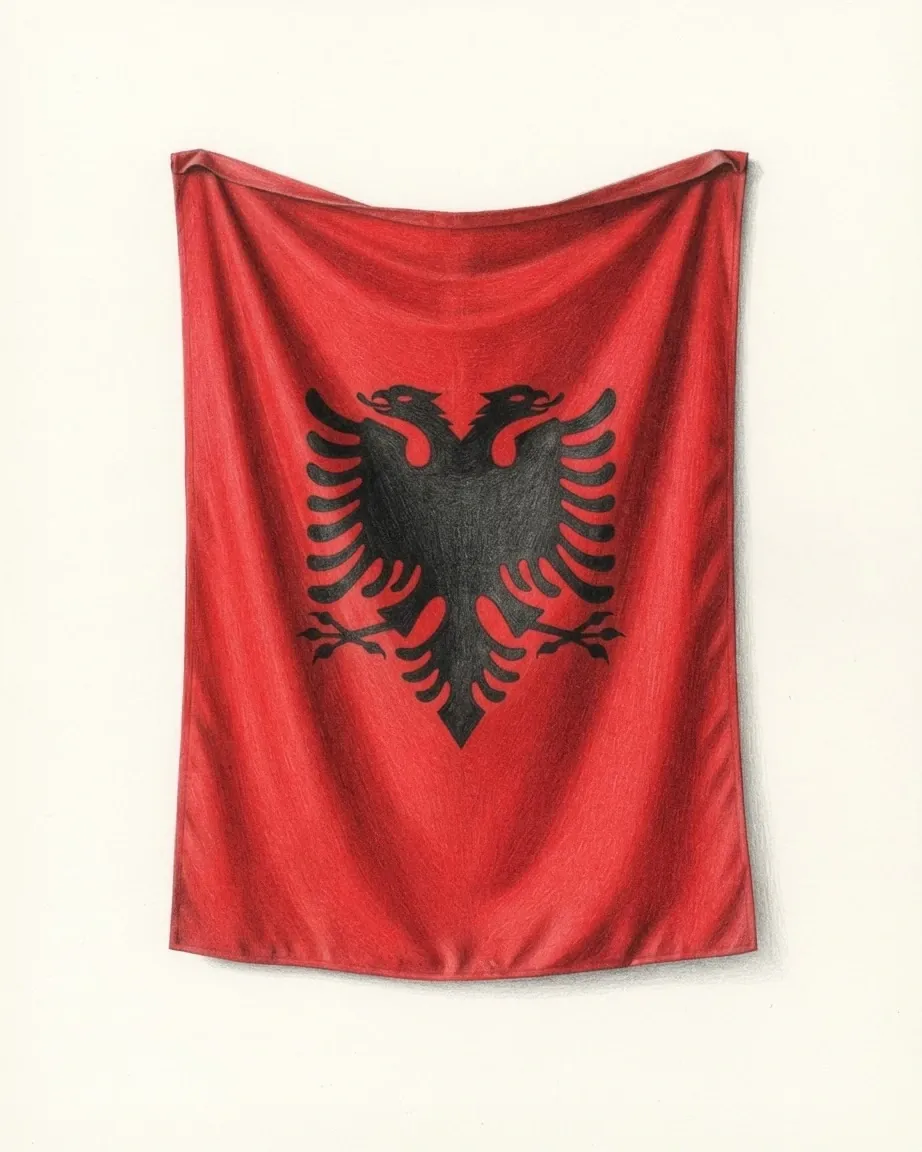
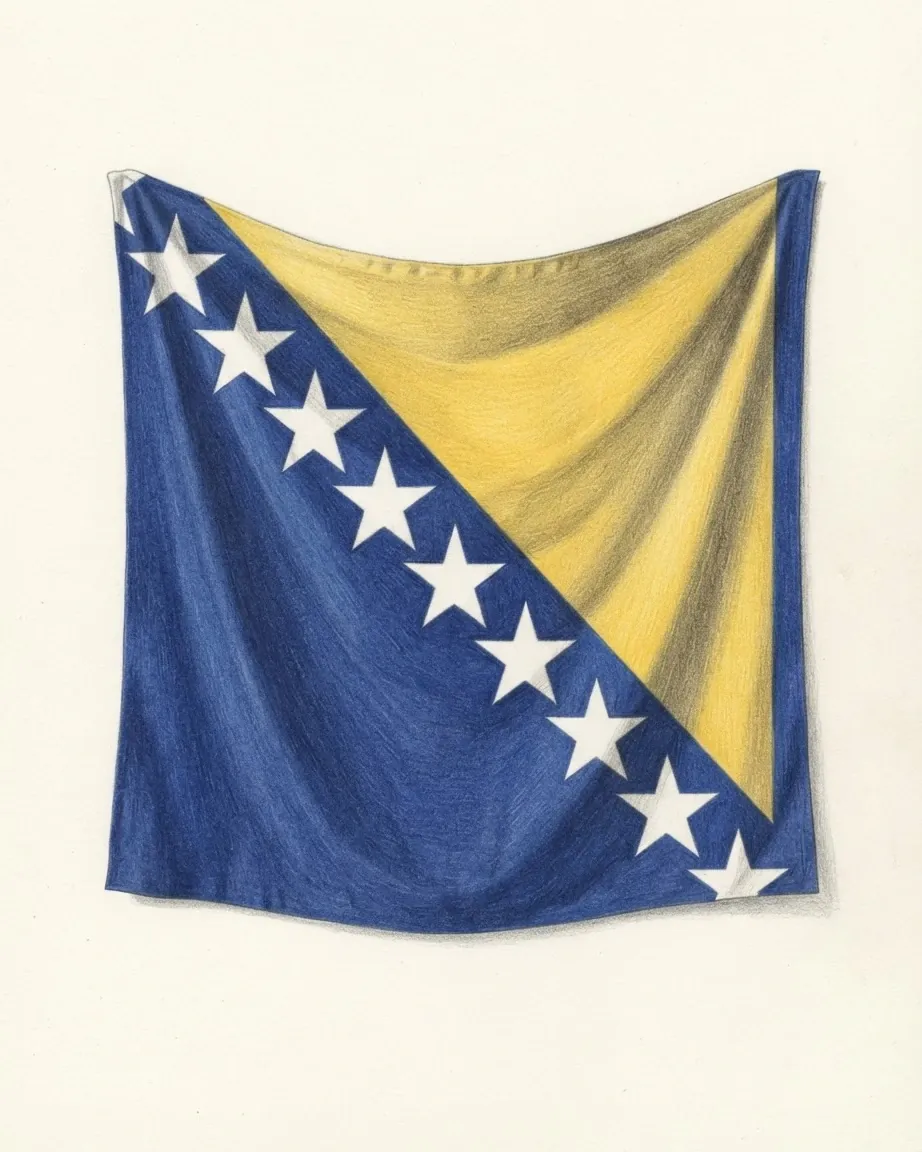
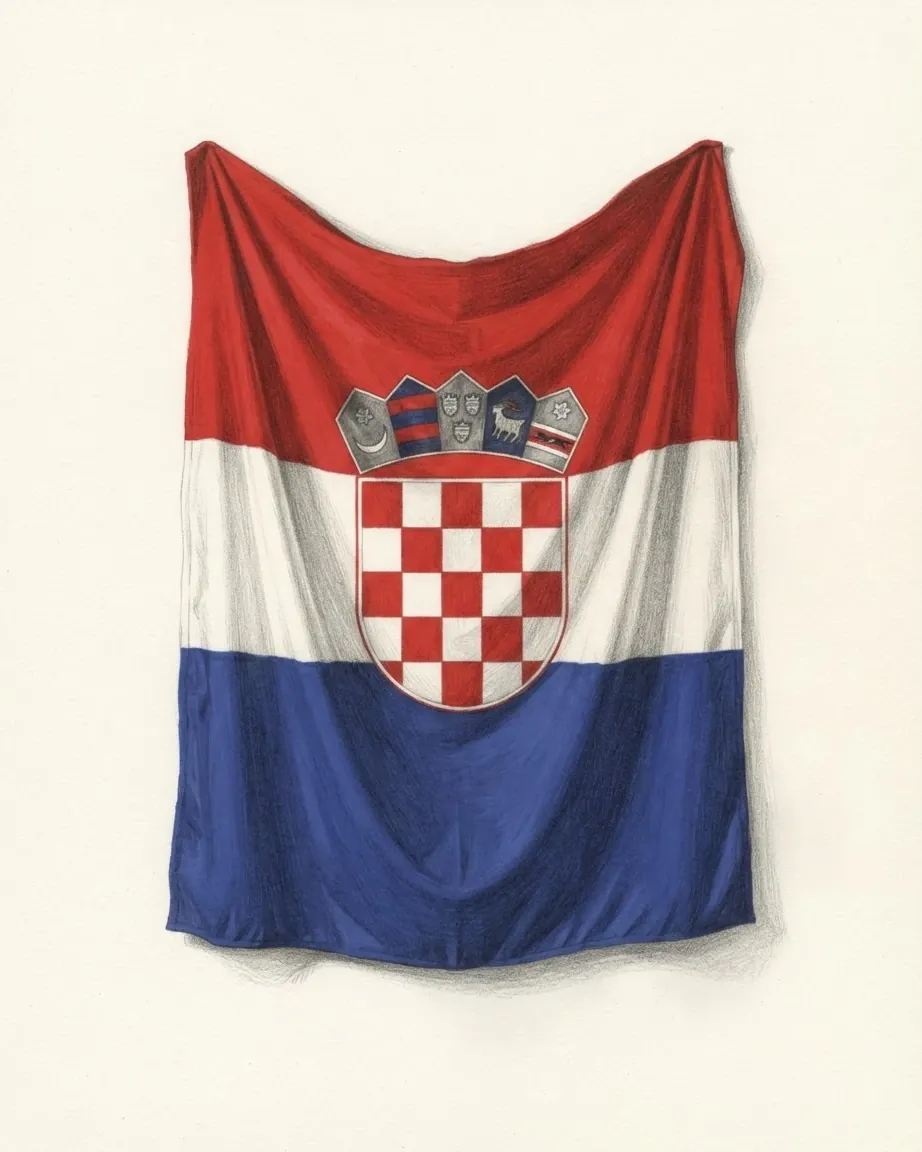
Greece has a coast. It shares a border with 4 countries, counted as shared borders, which includes neighbours across water.
 Albania
 Bulgaria
 North Macedonia
 Türkiye
Why the land area of Greece misleads
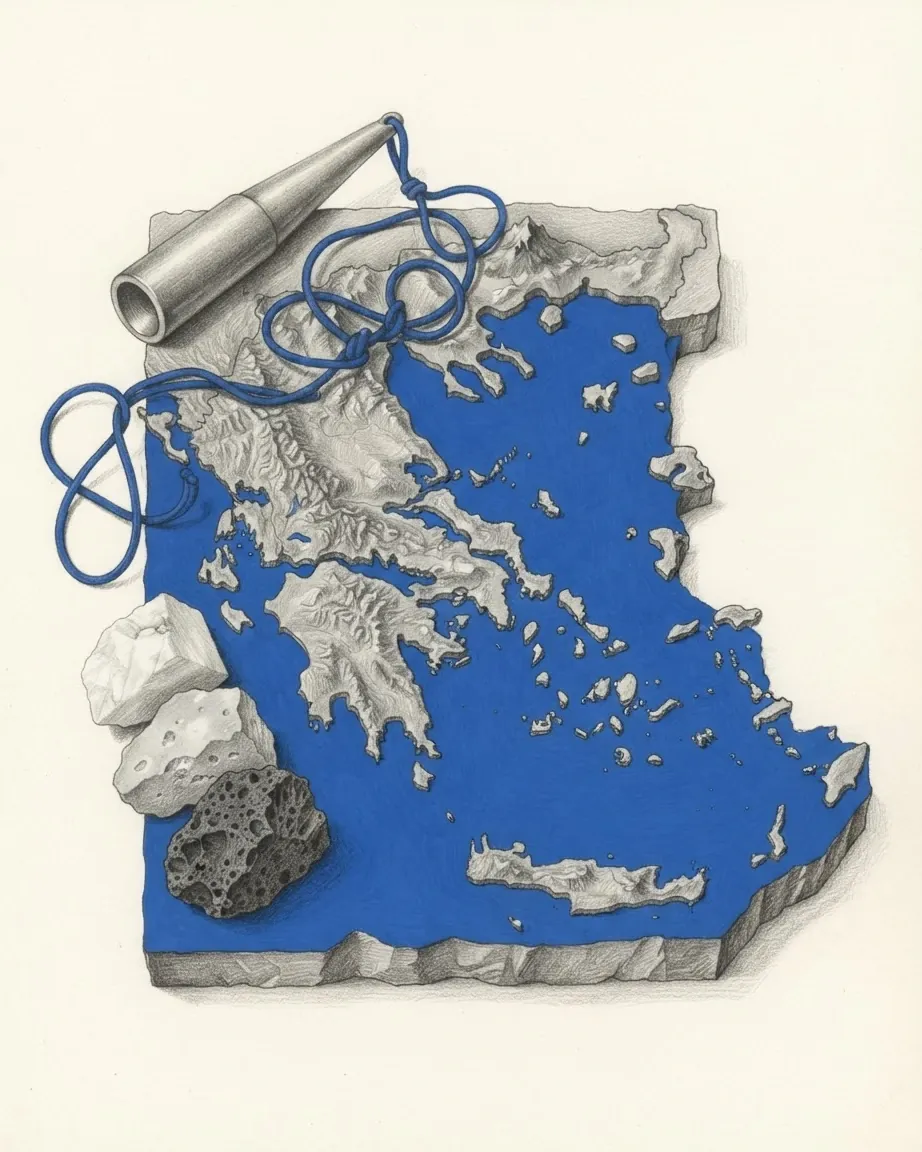
The land area of Greece, 131,957 square kilometres, is a poor guide to its shape, because the coastline and the archipelago do most of the work. The 10,566,531 people counted on 1 January 2022 live at the southern end of the Balkan peninsula and on the islands off it. Greece borders Albania, North Macedonia and Bulgaria to the north and Türkiye to the north-east, and everything else is Mediterranean, Aegean or Ionian sea.
The capital is Athens, a municipality of 643,452 people as of 1 January 2021 inside a metropolitan region several times larger. The country is mountainous almost throughout, and its highest point, Mount Olympus, reaches 2,918 metres. Nearly four fifths of the population lives in urban areas.
| The record in short | |
|---|---|
| Population | 10,566,531 as of 1 January 2022 |
| Area | 131,957 km² |
| Capital | Athens, 643,452 people as of 1 January 2021 |
| Highest point | Mount Olympus, 2,918 m |
| Currency | euro |
| Language | Greek |
| Independence declared | 1821 |
| European Communities | joined 1 January 1981 |
Greece: geography deals with the mountains and the seas between them.
Why the modern state is younger than it looks
The country most people picture when they hear the name existed two and a half thousand years ago and was not a country. Classical Greece was a set of competing city states with a shared language and religion, and the political unit that governs the territory today dates from a revolt that began in 1821 against Ottoman rule.
Almost everything about the modern state was contested after that. Its borders grew in stages through the nineteenth century and the Balkan wars, its form alternated between monarchy and republic, and the twentieth century brought occupation, a civil war, and a military dictatorship that lasted from 1967 to 1974. The present constitution dates from 1975, immediately after the colonels fell, and it was revised several times thereafter.
The country joined the United Nations in 1945, the Council of Europe in 1949, NATO in 1952, the Organisation for Economic Co-operation and Development in 1961 and the European Communities on 1 January 1981, which is when the westward alignment became irreversible. Greece: history follows the sequence.
How the republic is arranged
Greece is a parliamentary republic under the constitution of 1975. Parliament has a single chamber, whose size is fixed by statute within limits the constitution sets: not fewer than two hundred members and not more than three hundred. Members are elected for four consecutive years.
The president is head of state and is elected by parliament rather than by the electorate, for a term of five years, by a roll-call vote requiring a two-thirds majority of all members. The office is largely ceremonial, and the government is the executive: it must ask parliament for a vote of confidence within fifteen days of the prime minister being sworn in, and must retain that confidence to remain in office.
The constitution also names a religion. It states that the prevailing religion in Greece is that of the Eastern Orthodox Church of Christ, while requiring that ministers of all known religions be subject to the same state supervision and obligations. Greece: politics takes up the institutions and what that clause means in practice.
What the economy has been through
Greek output reached 280.6 billion United States dollars in 2025, which is 26,948 dollars a head, or 45,264 dollars at purchasing power parity. Growth reached 2.1% with inflation at 2.5%, and unemployment stood at 8.5%, the last of those far below where it stood a decade ago.
The reason those figures are read against a decade rather than a year is the government debt crisis that ran from 2010 to 2018. Budget deficits reached 10.2% of output in 2008 and 15.1% in 2009 once the figures were corrected, and the collapse in confidence that followed produced a sequence of bailout programmes and austerity measures. Output fell about 25%, which by itself pushed the debt ratio from 127% in 2009 to roughly 170% without a euro being added to the debt.
The recovery has been real and slow. Greece repaid its International Monetary Fund loans two years early in 2022 and has continued repaying bailout creditors ahead of schedule since. The OECD projects growth of 1.9% in 2026 and 2.0% in 2027, with sizeable primary surpluses, and treats rapid debt reduction as the standing priority. Greece: economy works through the crisis and what came after.
What the culture holds on to
Greece holds 21 properties on the UNESCO World Heritage List, of which eighteen are cultural and three are mixed, which is a high count for a country of this size and still understates the archaeology. The Acropolis, Delphi, Olympia, Delos, Mycenae, Epidaurus and the Minoan palaces of Crete are on the list, along with the Byzantine monuments of Thessaloniki, the medieval city of Rhodes and the monastic communities of Meteora and Mount Athos.
The language has been written continuously for some three thousand years, written since the Bronze Age with a break, and the Orthodox Church is woven through the calendar, the place names and the family customs of a country where formal religious identification remains high and practice has thinned in the usual way.
The other half of Greek culture is maritime and diasporic. Emigration has been a constant since the nineteenth century, shipping is a genuinely global Greek industry, and the islands each carry a distinct dialect, cuisine and building tradition. Greece: culture sets out the language, the church, the food and the music.
Who comes and what it earns
Greece received 38.0 million arrivals excluding cruise passengers in 2025, an increase of 5.6% on 2024 and 21.2% on 2019, generating revenue of 22.6 billion euros including cruise passengers, up 9.8% on the year. The balance of travel services posted a surplus of 20,287.8 million euros, up 8.0%, with receipts rising 9.4%.
Two patterns are worth noting before planning a trip. Attica, meaning Athens and its surroundings, has grown from 16.2% of total visits in 2019 to 23.2% in 2025, because the city has established itself as a short-break destination rather than a place to change planes. And the average stay has been falling, to 5.6 overnight stays in 2025 from 5.9 the year before, while spending per night has risen to 97 euros.
The Southern Aegean, meaning the Cyclades and the Dodecanese, takes the largest share of both receipts and overnight stays. Greece: travel works through the islands and the practicalities.
Read
Everything about Greece
Six articles, each answering one question and each written to be read on its own.

The record
What is measured about Greece
Pages that nobody writes, built from the record and from the data files beside it.
Common questions
Questions about Greece
How big is Greece?
131,957 square kilometres, carrying 10,566,531 people as of 1 January 2022. It borders Albania, North Macedonia, Bulgaria and Türkiye by land, and the rest of its frontier is coastline and islands across the Aegean, Ionian and Mediterranean seas.
When did modern Greece become independent?
The revolt against Ottoman rule began in 1821 and the state that emerged from it grew its borders in stages through the nineteenth century and the Balkan wars. The present constitution dates from 1975, written immediately after the military dictatorship of 1967 to 1974 collapsed.
How is the Greek president elected?
By parliament, not by the electorate. The vote is taken by roll call in a special sitting, and a candidate needs a two-thirds majority of all members to be elected. The term is five years and the office is largely ceremonial, with executive power resting on a government that must hold parliament's confidence.
How many tourists visit Greece?
38.0 million arrivals excluding cruise passengers in 2025, up 5.6% on 2024 and 21.2% on 2019, producing 22.6 billion euros of revenue including cruise passengers. The balance of travel services showed a surplus of 20,287.8 million euros for the year.
Nearby in the catalogue