The Balkans
Balkan is the Turkish word for one mountain range in Bulgaria, the Stara Planina, which reaches east from the Serbian border to Cape Emine on the Black Sea. A German geographer moved the name to the whole peninsula in 1808, believing the chain crossed it from sea to sea. Every land border here was drawn or redrawn after the Congress of Berlin in 1878.
10 countries
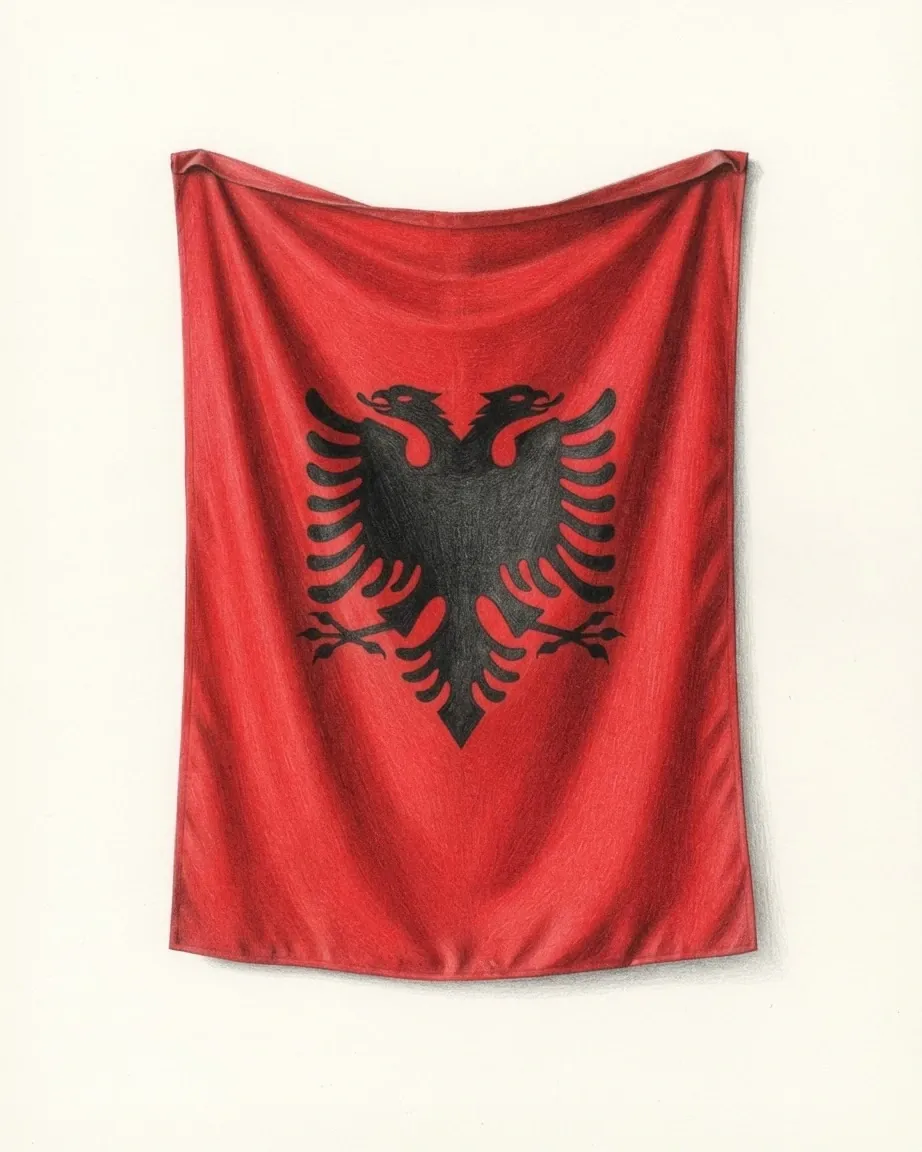
- AlbaniaThe 2023 census counted 2,402,113 people in Albania and the voter roll of April 2025 held 3,713,761 names. The land, the history and the economy, each figure dated.
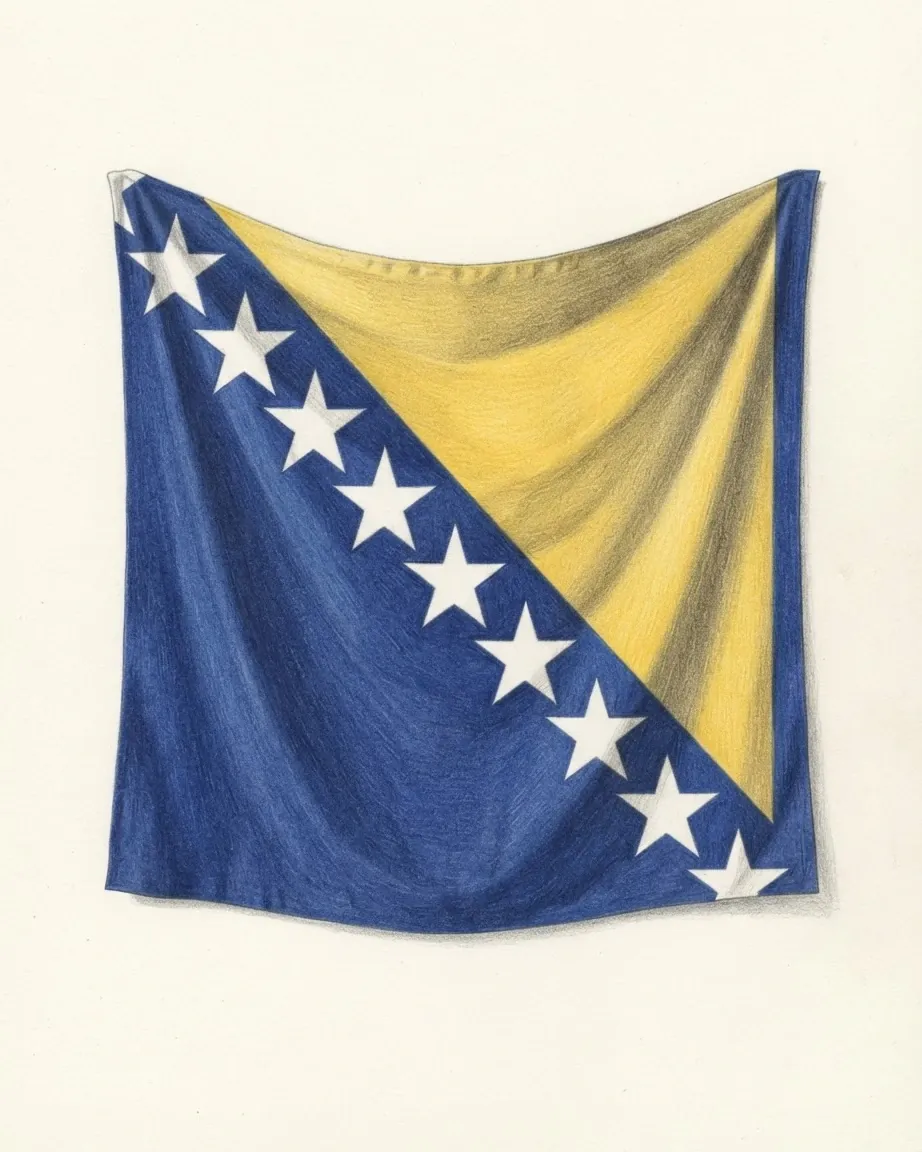
- Bosnia and HerzegovinaBorders set in 1718 and 1739, a state divided by the 1995 peace agreement into two Entities, and 3,531,159 people counted in October 2013.
- BulgariaFounded by treaty in 681 and rebuilt by another in 1878, Bulgaria is a country of 6.4 million in the eastern Balkans, in the EU since 2007 and the euro since 2026.
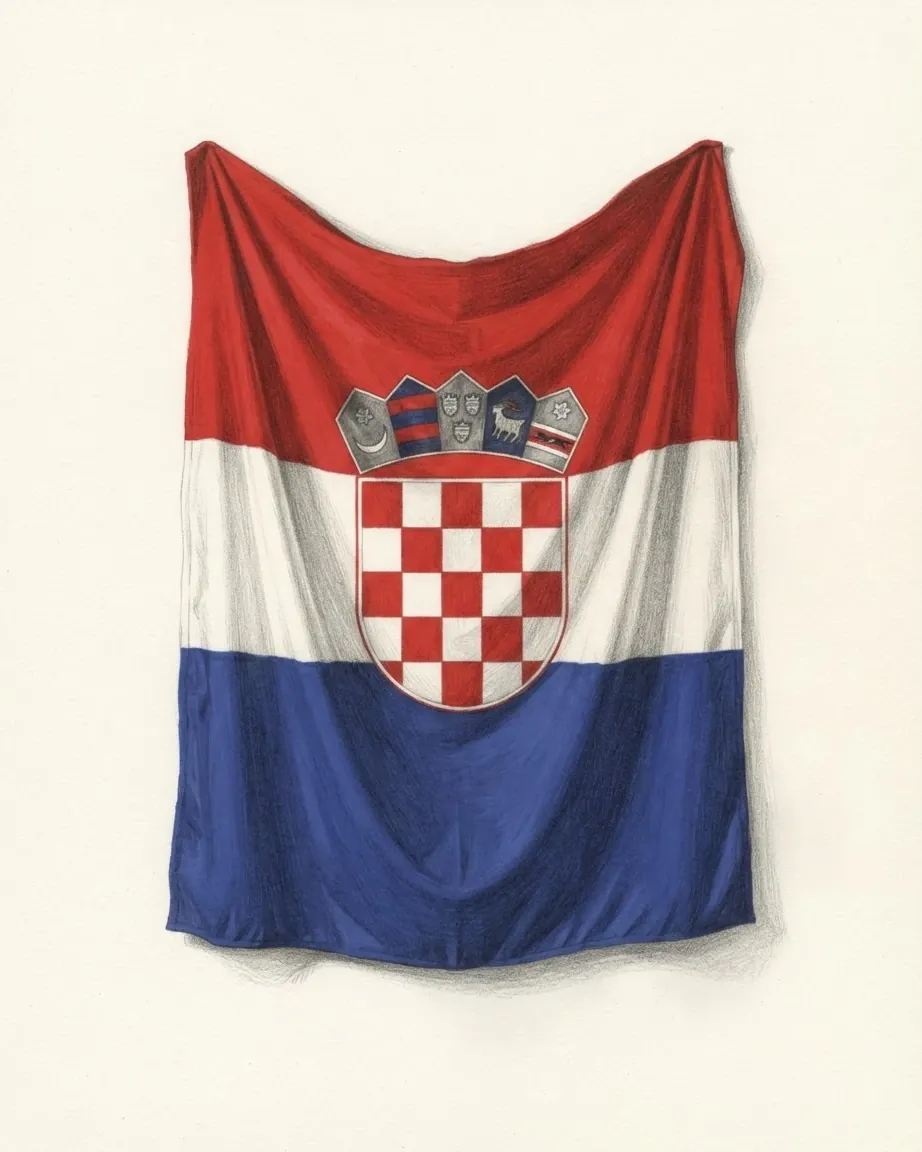
- CroatiaCroatia counted 3,871,833 residents in 2021, 9.64% fewer than in 2011, and registered 94.8 million tourist nights in 2025, 94.3% of them on the Adriatic.
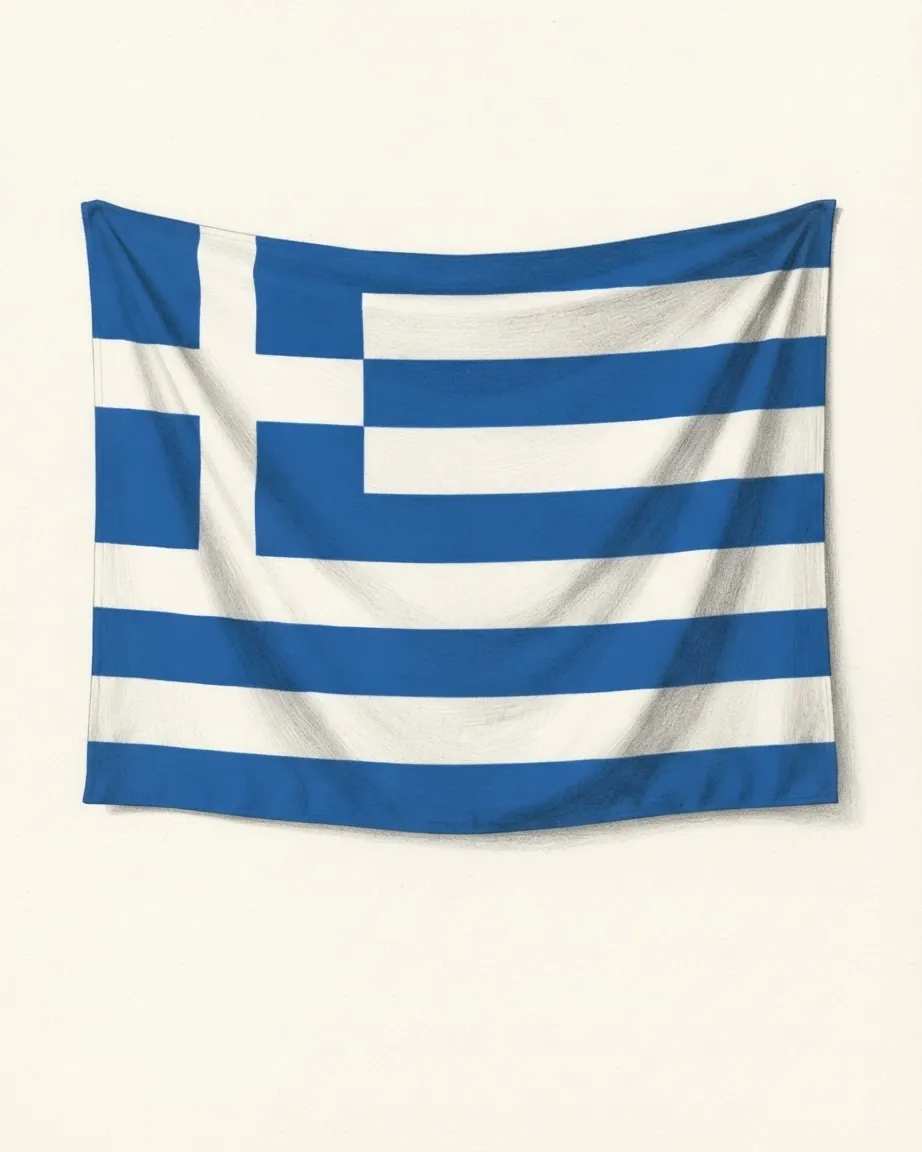
- Greece10.6 million people on 131,957 square kilometres of mountain and archipelago. A state founded in 1821, a constitution from 1975, and 21 World Heritage properties.
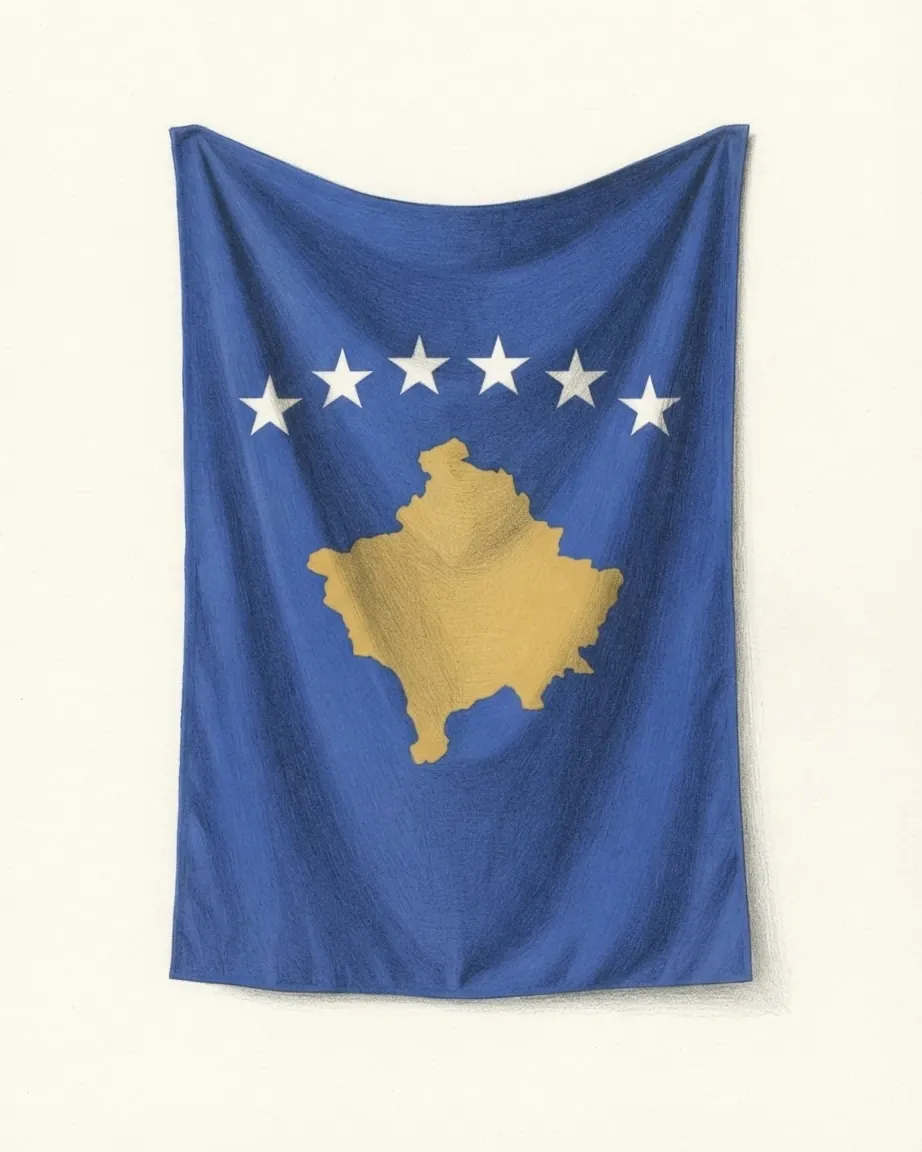
- KosovoLandlocked, 10,909 square kilometres, independent since 17 February 2008 and recognised by 110 UN members as of 2025. Kosovo was governed for nine years first.
- Montenegro617,213 people in 2022 on 13,883 square kilometres. A state named for a mountain above Kotor that reached the sea in 1878 and now earns much of its living there.
- North Macedonia1,836,713 people counted in 2021, a name agreed with Greece in 2018, EU talks tied to Bulgaria, and exports led by development zones that shipped €3.18bn in 2025.
- RomaniaA country of 19 million on the lower Danube, made in 1859 out of a gap in a treaty, enlarged in 1918, cut apart in 1940, and in the European Union since 2007.
- SerbiaTwo empires split this ground along the Danube and the Sava. The country of 6.6 million that grew back across the line still shows the join, north and south.
Common questions
Questions about Balkans
Which countries are in the Balkans?
Albania, Bosnia and Herzegovina, Bulgaria, Croatia, Greece, Kosovo, Montenegro, North Macedonia, Romania and Serbia, on the reading this catalogue applies. Many lists add Slovenia, filed here under Central Europe, and some include the European part of Türkiye. The M49 statistical standard recognises no Balkans at all and splits these records between Eastern Europe and Southern Europe.
Why is the region called the Balkans?
After a single mountain range. Balkan is the Turkish word for a wooded mountain chain, and it was the name for the Stara Planina, which crosses Bulgaria from the Serbian border to Cape Emine on the Black Sea. The geographer August Zeune applied it to the whole peninsula in 1808, in the belief that the range ran on to the Adriatic. It does not: the Adriatic coast is backed by the Dinaric ranges instead.
Is Greece part of the Balkans?
Geographically the mainland is inside the peninsula by any definition drawn on the ground. Statistically it is filed elsewhere: the M49 codes of the UN Statistics Division place Greece in Southern Europe beside Italy, Spain and Portugal, and use no Balkan grouping at any level. Greek institutions themselves more often say Southeast Europe. Both readings are in print, and this catalogue records both and chooses neither.
What is the difference between the Balkans and the Western Balkans?
One is a peninsula and the other is an enlargement policy. Western Balkans is a European Union term for Albania, Bosnia and Herzegovina, Kosovo, Montenegro, North Macedonia and Serbia, and Croatia left the category by acceding to the Union on 1 July 2013 rather than by moving. Greece, Bulgaria and Romania have never been in it. All six members of the category are filed in this group, and Albania among them holds candidate status, with accession negotiations opened on 19 July 2022.
Why do so many countries here use the euro without being in the euro area?
Because two of them adopted it outside the process. Montenegro made the Deutsche Mark sole legal tender on 1 January 2001 and moved to euro cash in March 2002, under no agreement with the European Central Bank. Kosovo took the same route after UNMIK Regulation No. 1999/4 of 2 September 1999 permitted any currency to be used. Greece, Croatia and Bulgaria joined the euro area by treaty, on 1 January 2001, 1 January 2023 and 1 January 2026.