The parts were famous long before the whole existed. Venice, Genoa, Florence, Milan, Rome and Naples were separately governed, separately rich and separately known across Europe for centuries, and no single state held them until the nineteenth century. Italy is a country of about 58.9 million people in southern Europe, counted on 1 January 2023, proclaimed as a single state on 17 March 1861 and a republic since 2 June 1946. What it has done with the time since is stay a country run by its parts: twenty regions, a hundred and forty-one industrial districts counted in 2011, a kitchen indexed by province, and a constitution written to stop any one centre holding the rest.
At a glance
- Population
- 58 915 656
- Capital
- Rome
- Area
- 302 068km²
- Currency
- €EUR
- Official language
- Italian
- Local time
- UTC+01:00
Where it is
Where Italy is, and what is around it
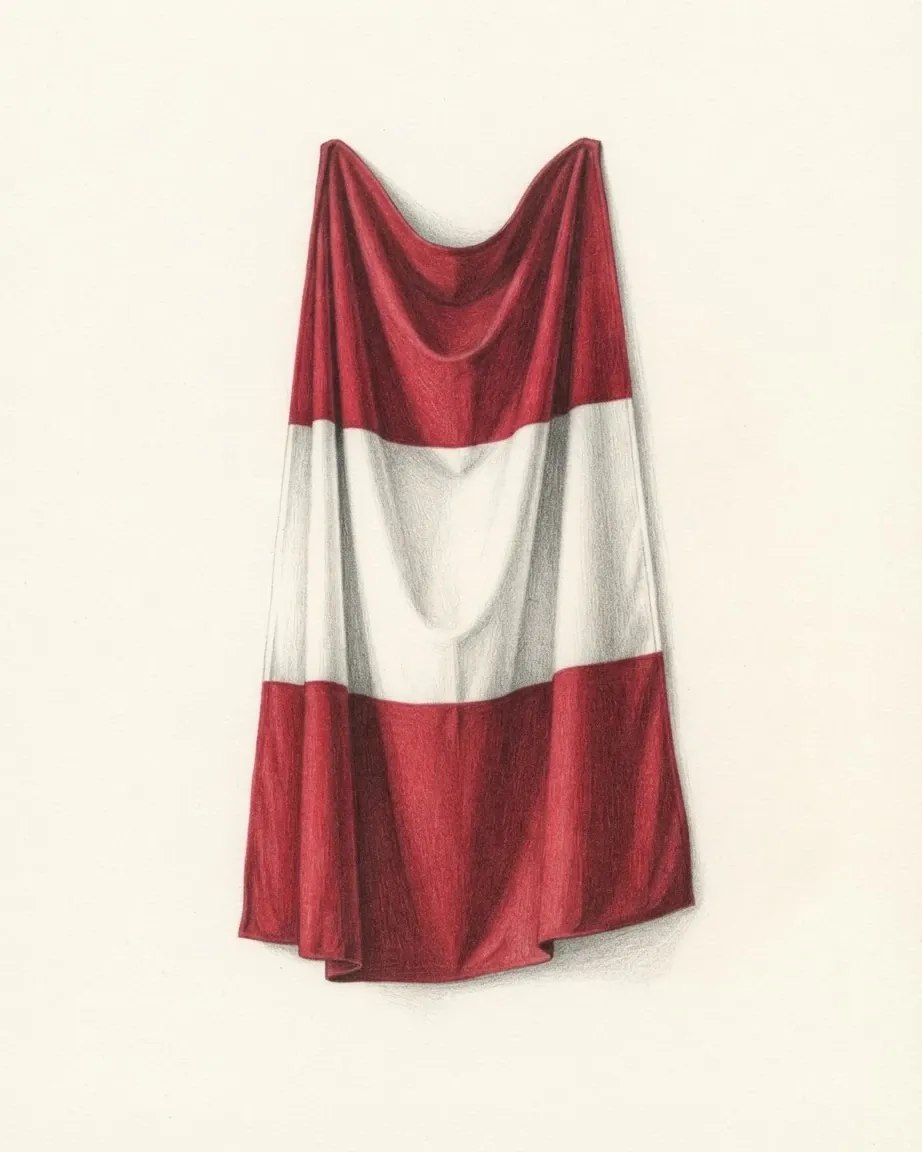
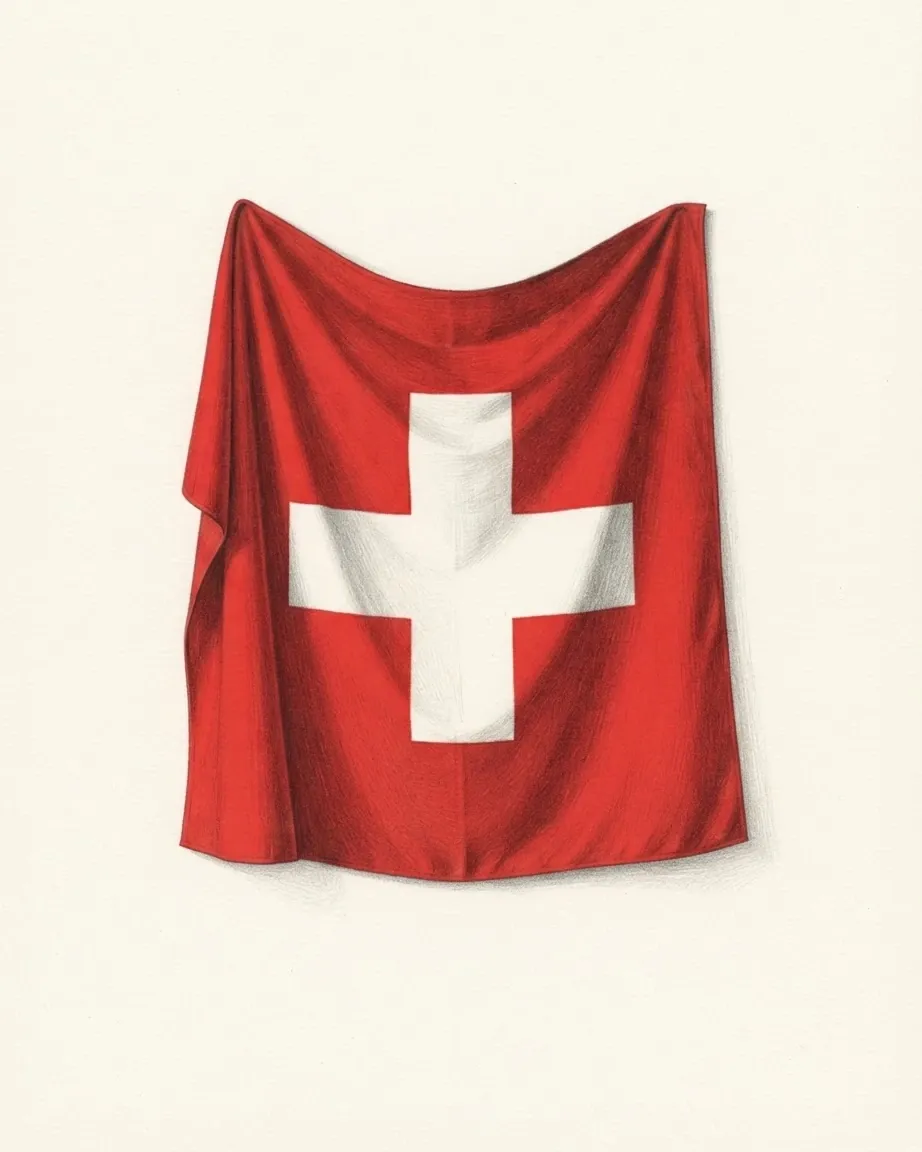
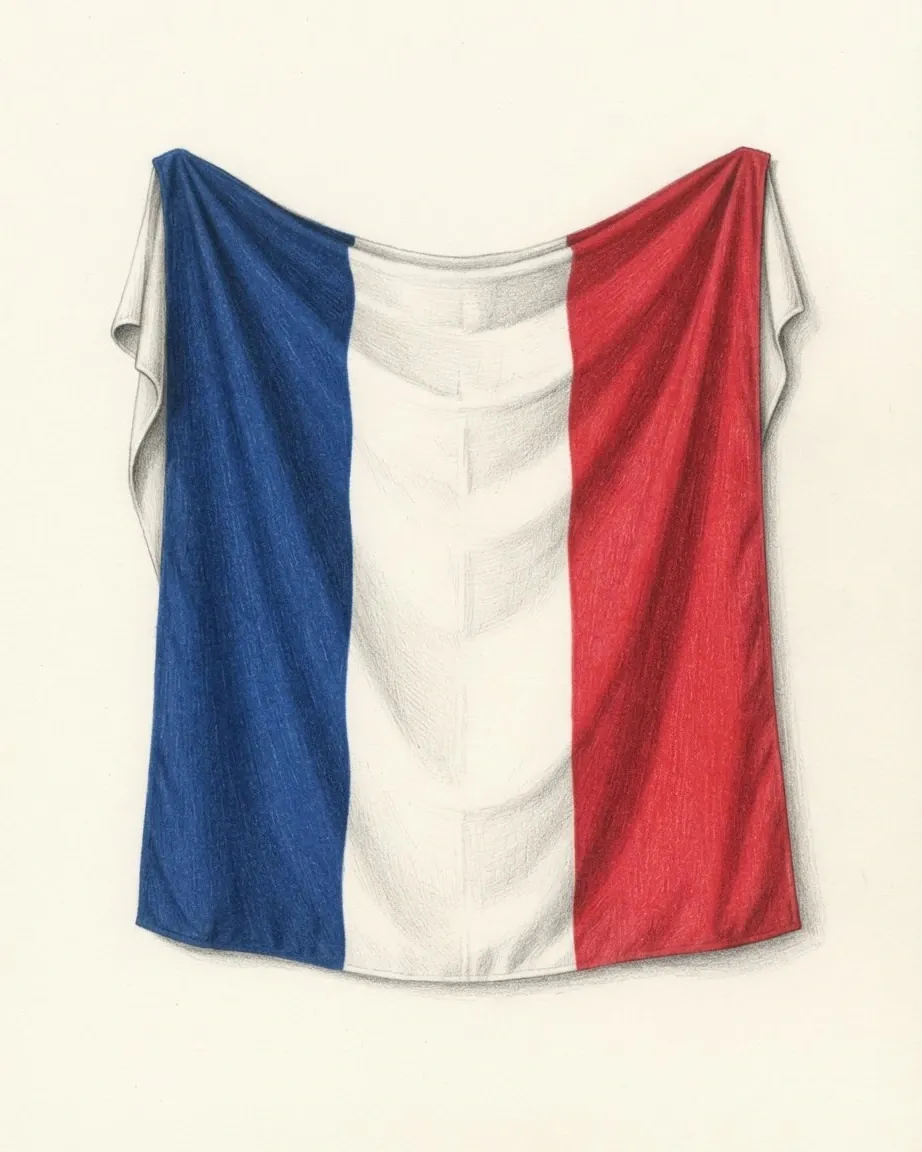
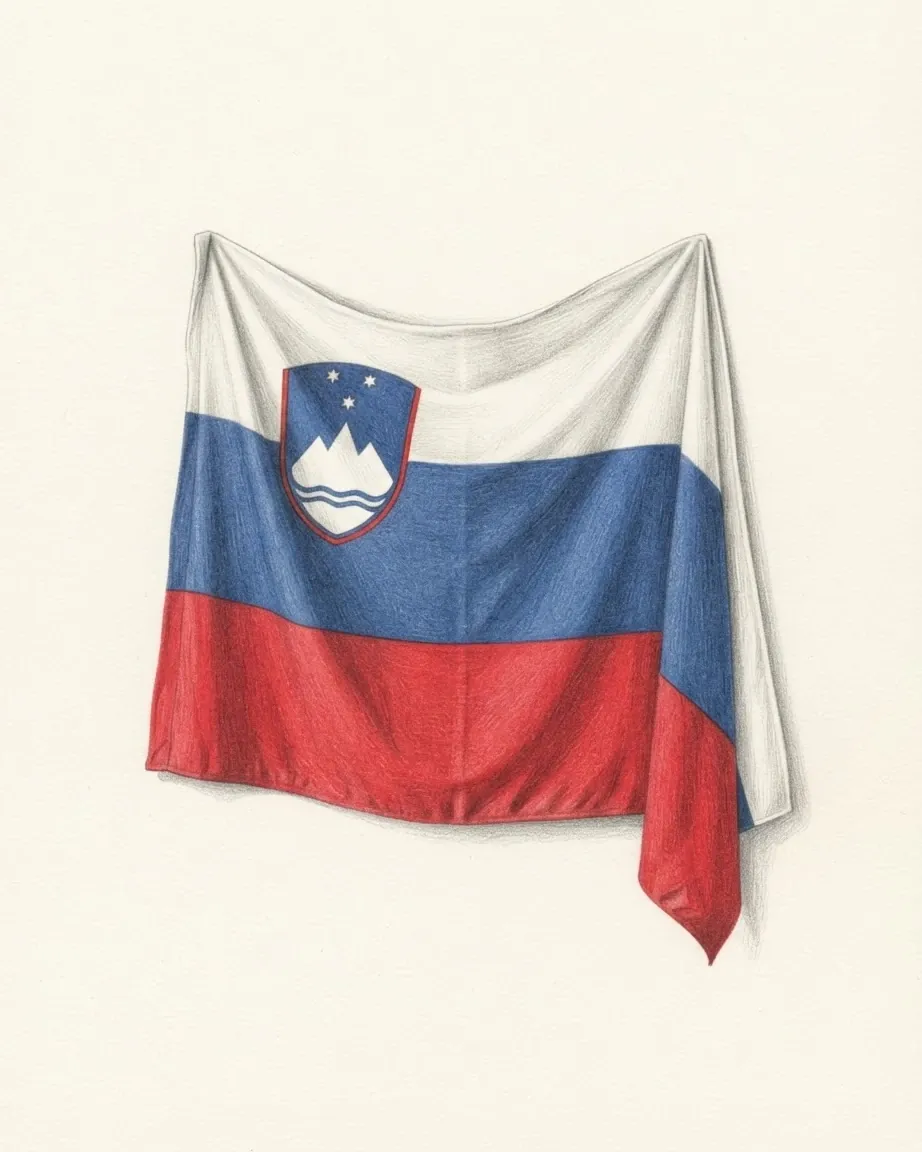
Italy has a coast. It shares a border with 7 countries, counted as shared borders, which includes neighbours across water.
 Austria
 Switzerland
 France
 Malta
Malta Slovenia
 San Marino
 Vatican City
What Italy is attached to
Italy covers 302,068 square kilometres between the Alps and the middle of the Mediterranean, most of it a peninsula, with Sicily, Sardinia and a long tail of smaller islands attached. Rome is the capital. The land frontier is short and runs entirely across the top, against Switzerland, France, Austria and Slovenia, and two sovereign enclaves sit inside Italian territory: San Marino and Vatican City.
The population stood at 58,850,717 on 1 January 2023. The currency is the euro. Italy was a founding member of NATO on 4 April 1949 and of the Council of Europe a month later, signed the treaty creating the European Economic Community on 25 March 1957, joined the United Nations on 14 December 1955 and entered the Schengen Area on 26 October 1997.
None of that captures the thing a visitor notices in the first week, which is how much of Italy belongs to somewhere smaller than Italy.
Why the cities came before the country
For most of two thousand years the peninsula carried several states at once. Rome ran an empire across the Mediterranean, much of Europe, western Asia and north Africa. The papacy held temporal power in central Italy for more than a thousand years. Venice and Genoa were Europe's gateways to the East, and Florence lent credit to rulers across the continent. A traveller crossing the peninsula in 1800 passed through several sovereignties, several currencies and several written standards of what would later be one language.
Unification ran from 1848 to 1870 and was carried out by two movements that wanted different things. Giuseppe Garibaldi's republican expedition took Naples and Sicily in 1860 and 1861; the northern monarchy of Savoy took possession of what he had won. The kingdom was proclaimed on 17 March 1861 without Rome inside it. Rome was taken in 1870, and Trieste and Trentino-Alto Adige were annexed in 1919.
That order is the whole point. A state that announces itself and then spends fifty-eight years finishing its borders was assembled in stages by people who disagreed about the design, and the disagreement did not stop at the borders. The history article follows it through the fascist period to the referendum of 2 June 1946, when the republican side took 54% of the vote and the monarchy was abolished in the first national ballot Italian women took part in.
What the mountains and the sea decided
Two mountain systems sit at right angles to one another. The Alps run about 1,000 kilometres across the top and seal the country off from Europe except at the passes. The Apennines run about 1,350 kilometres from Liguria to Calabria and on into northern Sicily, dividing the peninsula lengthwise, so that almost every point on one coast is separated from the facing point on the other by a ridge.
| Terrain | Share of the territory |
|---|---|
| Hills | 41.6% |
| Mountains | 35.2% |
| Flat | 23.2% |
Most of the flat quarter is a single place, the Po Valley, enclosed by the Alps on three sides and watered by two mountain systems at once. The land borders total under 2,000 kilometres against a coastline of about 8,000, which is why the cities on that list of former powers, Venice and Genoa and Naples among them, all faced outward. The sea was their cheapest connection to everywhere, including to each other. The geography article sets out what followed, including why heavy industry settled in the north and stayed.
How the constitution keeps power divided
The Constituent Assembly chosen on 2 June 1946 came out of the anti-fascist forces of the liberation, and its members had watched a parliamentary majority hand the state to a dictatorship inside a decade. The text they promulgated, in force from 1 January 1948, reads as a set of obstacles placed in front of any majority that might try the same thing again.
The central device is perfect bicameralism. The Chamber of Deputies seats 400 members and the Senate 200, both are elected for the same five years, and their powers are identical, so a law needs each of them and a government's confidence has to hold in both. Either chamber can bring a cabinet down on its own. Since 1945 Italy has had 69 governments, an average of one every 1.11 years, and the constitution underneath them has outlasted every attempt made to rewrite it.
Power is spread outward as well as sideways. Italy is constituted of twenty regions, five of them holding special charters, granted mostly because of linguistic minorities living there and in Sicily's case to quiet a separatist movement. Regional councils appoint 58 of the electors who choose the head of state. The politics article works through the machinery, the collapse of the party system in the 1990s, and what outside assessments make of the result.
What a country of small firms exports
Istat, the national statistics institute, counted 4.4 million enterprises in industry and services in 2012, employing about 16.1 million people, which put the average enterprise at 3.7 people. Firms of fewer than ten people accounted for 47.5% of everyone at work that year.
Where the firms are that small, the unit behaving like a company is the town. Istat identified 141 industrial districts in 2011, clusters of municipalities whose workshops make one product between them, and those districts employed 65.8% of the country's manufacturing workforce that year. 22% of Italian residents lived inside one.
The arrangement sells. Italy exported 612 billion euros of goods in 2024 and ran a trade surplus of 46 billion, in machinery, vehicles, pharmaceuticals, furniture, food and clothing, each of them a niche defended on quality instead of on price. It also leaves the country with few firms large enough to finance their own next decade. The stock of bank loans to Italian private companies fell from 929 billion euros in December 2011 to 641 billion in December 2024, and more than 3,000 Italian companies sold their ownership to foreign investors between 2008 and 2023.
The old division shows up in the same survey. Istat put 61.7% of national enterprise value added in the north in 2012, 21.4% in the centre and 16.9% in the south and the islands. The economy article traces that gap back to the railway spending and the tariff policy of the fifty years after 1861.
Why the writing came before the speaking
Dante, Petrarch and Boccaccio wrote in Tuscan in the fourteenth century, one dialect among dozens. The other Italian states took up that literary Tuscan for its prestige, under nobody's administration, and the Kingdom of Italy adopted it as the national language on unification in 1861. A standard fixed by three poets was ratified by a state five and a half centuries later.
Spoken Italian arrived last of all. What households used was Sardinian, Friulan, Ladin, Lombard, Neapolitan or Sicilian, and in border communities German, Slovene, Albanian, Croatian or Greek, several of which are separate languages and not varieties of Italian at all. National schooling narrowed the gap slowly across decades. The state broadcaster, whose transmissions resumed in 1954, closed it inside two.
Almost everything else stayed local. Each city keeps its own patron saint and its own holiday for that saint, Rome for Peter and Paul, Milan for Ambrose, Naples for Januarius. The Palio di Siena has been run between the city's neighbourhoods without interruption since the 1630s. More than 600 distinct cheeses are made in the country, 490 of them protected by name, and the kitchen is still organised by province: risotto in Milan, tortellini in Bologna, pesto in Genoa, pizza in Naples. In 2017, 74.4% of Italians identified as Roman Catholic. The culture article covers the language, the food, the music and what the country chose to keep.
Why the visitors follow one route
Richard Lassels published Voyage to Italy in 1670, and the Grand Tour it helped trigger ran from Turin through Venice and Florence to Rome and the Bay of Naples. Rail arrived around 1840 and the tour went out of fashion, but the destinations held. Italy recorded 61.5 million international tourists in 2025, and the cities filling up at Easter are Rome, Milan, Venice, Naples, Florence and Bologna, which is the old itinerary with one addition.
The material is spread far wider than the traffic. Italy holds 62 properties on the UNESCO World Heritage List as of 2026, 56 of them cultural and 6 natural, inscribed the length of the country. Coastal resorts take 53% of the tourist flow. Two national village schemes and a law of 2017 protecting disused scenic railways exist to pull visitors off the route, and Venice, where fewer than 50,000 residents lived in the historic centre in 2023, is the case that shows why. The travel article goes into the seasons, the crowding and what it takes to cross the country.
What the parts still explain
Italy is a country whose institutions are younger than most of the things it is known for. The language was fixed before the state existed. The cities were powers before the country was a country. The cooking, the festivals, the holidays and the manufacturing are all organised at a scale below the national one, and the constitution of 1948 was written by people who wanted power kept divided and slow. Each of the six articles linked above is one part of that at full length.
Read
Everything about Italy
Six articles, each answering one question and each written to be read on its own.
The record
What is measured about Italy
Pages that nobody writes, built from the record and from the data files beside it.
Common questions
Questions about Italy
Where is Italy?
In southern Europe, occupying a peninsula that reaches from the Alps into the middle of the Mediterranean, together with Sicily, Sardinia and many smaller islands. The territory covers 302,068 square kilometres. Its land borders run along the top against Switzerland, France, Austria and Slovenia, and two sovereign states, San Marino and Vatican City, are enclaves inside it.
When did Italy become a country?
The Kingdom of Italy was proclaimed on 17 March 1861, without Rome, which was taken in 1870. Trieste and Trentino-Alto Adige were annexed in 1919. The monarchy was abolished by referendum on 2 June 1946, when the republican side took 54% of the vote, and the republican constitution came into force on 1 January 1948.
Is Italy in the European Union?
Yes, and from the beginning. Italy signed the treaty creating the European Economic Community on 25 March 1957 and uses the euro. It was also a founding member of NATO on 4 April 1949 and of the Council of Europe, joined the United Nations on 14 December 1955, the OECD on 29 March 1962 and the Schengen Area on 26 October 1997.
What language is spoken in Italy?
Italian, which is the literary Tuscan of Dante, Petrarch and Boccaccio, adopted as the national language on unification in 1861. Regional tongues remain in daily use and several are separate languages: Sardinian, Friulan, Ladin, Lombard, Neapolitan and Sicilian, with German, Slovene, Albanian, Croatian and Greek spoken in particular communities.
Why do Italian governments change so often?
Because the constitution of 1948 was written to prevent any majority taking hold of the state as the Fascist regime had. Both chambers of parliament hold identical powers, so a government needs the confidence of each and either one can end it alone. Since 1945 there have been 69 governments, an average of one every 1.11 years.
What is Italy known for?
Cities that were independent powers before the country existed, 62 UNESCO World Heritage properties as of 2026, a cuisine organised by province, opera and the violin-making towns of Lombardy, and a manufacturing economy of very small firms grouped into 141 industrial districts as counted in 2011.
Nearby in the catalogue