Southern Europe
The highest ground in Spain stands on an Atlantic island closer to the Moroccan coast than to Madrid. Portugal's is further out again, in the Azores. What is left sits on two peninsulas and on the islands off them. Five members record a single neighbour, and for San Marino and Vatican City that neighbour surrounds them completely. Six take a Romance language as official.
8 countries
- AndorraA Pyrenean co-principality made sovereign by referendum on 14 March 1993, with a euro agreement from 2011 and 89,752 residents on 30 June 2026.
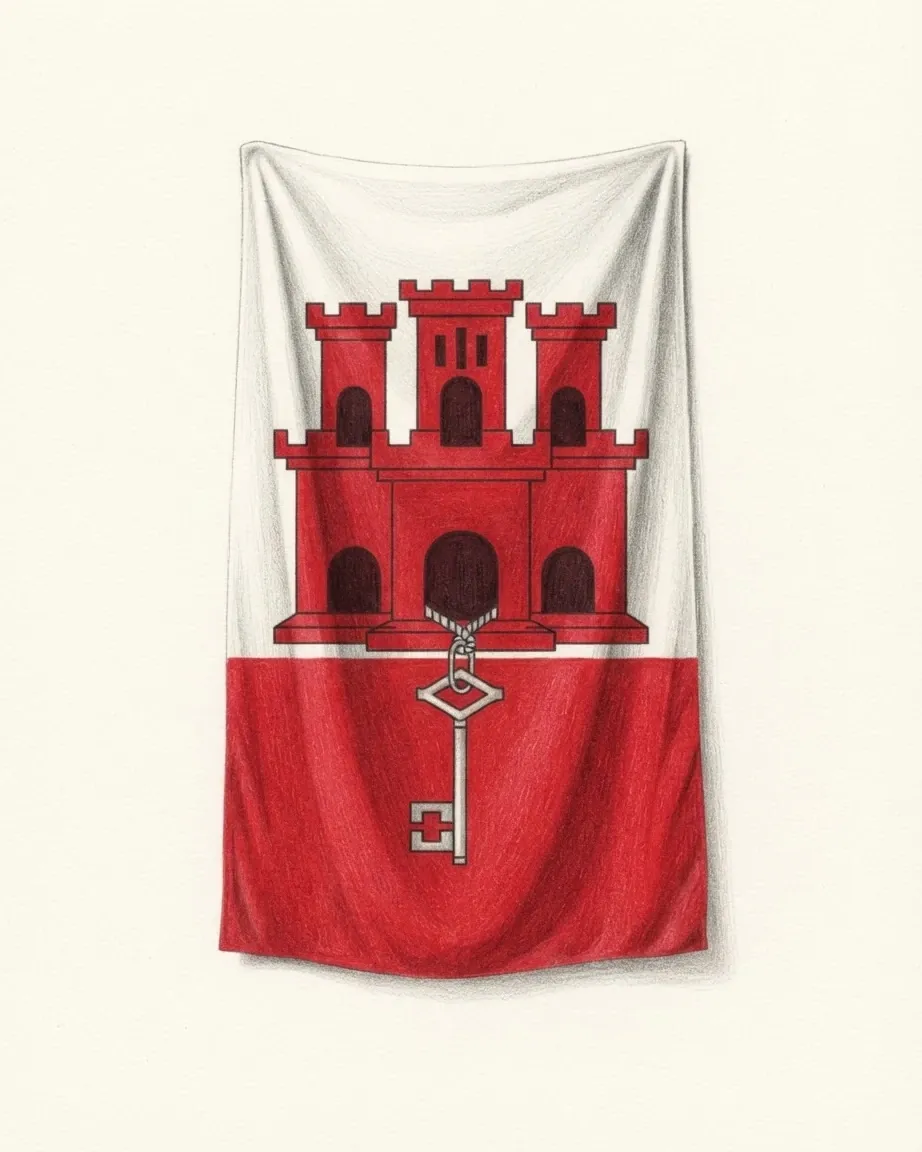
- GibraltarA British Overseas Territory of 37,936 residents at the 2022 census, assembled after 1704 and claimed by Spain, whose sovereignty rests on its people's wishes.
- ItalyItaly holds about 58.9 million people, was proclaimed a single state on 17 March 1861 and became a republic in 1946. Its cities, regions and districts still do the work.
- Malta553,214 people on 316 square kilometres between Sicily and North Africa. A Semitic language in Latin script, Catholicism in Article 2 of the constitution, and a Westminster parliament.
- Portugal10.3 million people on 92,225 km2, a language spoken by 250 million, a border unchanged since the 13th century, and close to three foreign visitors a year for every resident.
- San Marino34,059 residents in March 2025 on 61 km² fixed in 1463, inside one 39 km border with Italy: judges from outside, a bishop in Pennabilli, and sovereignty kept by treaty.
- Spain48.6 million people on 505,990 km2, five official languages, seventeen governments and 97 million visitors a year. What Spain is, how it is run and what is worth seeing.
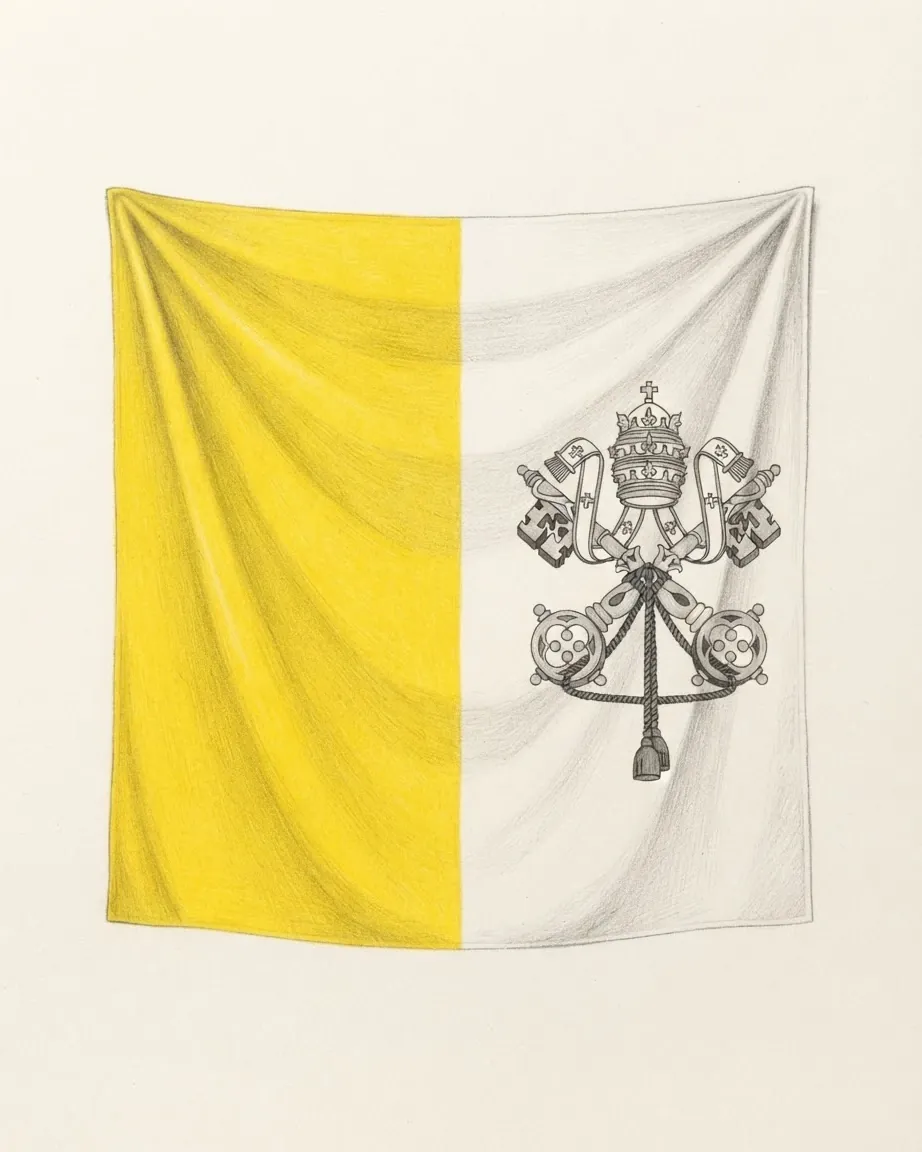
- Vatican City44 hectares drawn by the Lateran Treaty in 1929 as the territorial base of the Holy See: its sovereign, its citizens, its money and its visitors.
Common questions
Questions about Southern Europe
Which countries are in Southern Europe?
Andorra, Gibraltar, Italy, Malta, Portugal, San Marino, Spain and Vatican City, on the reading this catalogue applies. That is 8 countries, one of them a dependency of the United Kingdom rather than a sovereign state. The M49 standard of the UN Statistics Division draws the same subregion wider and adds Albania, Greece, Croatia, Slovenia, Bosnia and Herzegovina, Serbia, Montenegro and North Macedonia to it. This catalogue files Albania with the Balkans.
Is Greece in Southern Europe?
It depends on the scheme. M49, the statistical standard of the UN Statistics Division, files Greece in Southern Europe beside the countries here. This catalogue files it with the Balkans instead, on the reading that its land borders and its peninsula are Balkan rather than Iberian or Italian. Both readings are in print, and neither is settled on this page.
Why are San Marino and Vatican City counted separately from Italy?
Because both are states with their own institutions, and Italy surrounds them without governing them. San Marino keeps a Grand and General Council and two Captains Regent serving six months from 1 April and from 1 October, and joined the United Nations on 2 March 1992. Vatican City State was created by the Lateran Treaty of 11 February 1929 and is not a United Nations member, though the Holy See has been a permanent observer since 6 April 1964.
How do Andorra, San Marino and Vatican City use the euro without joining the European Union?
By monetary agreement. Each has signed one with the European Union that lets it use the euro and mint coins with its own national side, while remaining outside the union and its institutions. The Andorran agreement was signed on 30 June 2011 and applied from 1 April 2012. The arrangement covers currency and coin issue and nothing else, which is why none of the three appears in the membership lists on their records.
Who governs Gibraltar?
It is administered by the United Kingdom, to which it was ceded by Article X of the Treaty of Utrecht in 1713, and it has its own Parliament of Gibraltar. Spain has maintained a claim to it since the cession. The United Nations has listed it as a Non-Self-Governing Territory since 1946. A proposal for shared British and Spanish sovereignty was put to a referendum on 7 November 2002 and rejected by more than 98% of those voting.