No Swiss law says which city is the capital. Bern has housed the federal government since 1848 and is called the federal city, and the constitution of 1999 does not mention the question. The omission is characteristic. Switzerland is a landlocked federal republic of 26 cantons and about 9.1 million people as of 30 September 2025, with four national languages, an executive of seven that has no single leader, and no constitutional court. Almost everything a state normally gathers at its centre was left somewhere else, in the cantons or with the electorate, and 50,000 citizens can force a national vote on any federal law within 100 days of its publication.
At a glance
Where it is
Where Switzerland is, and what is around it
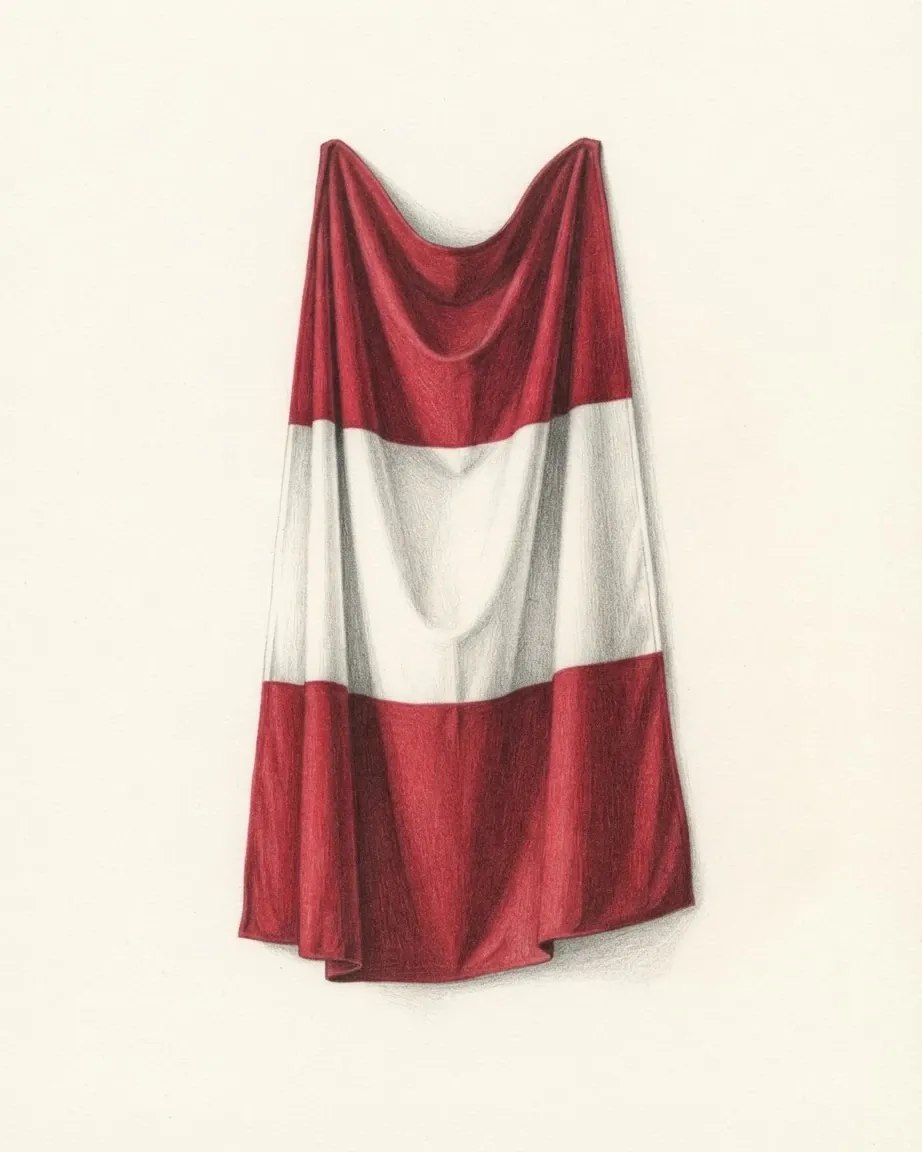
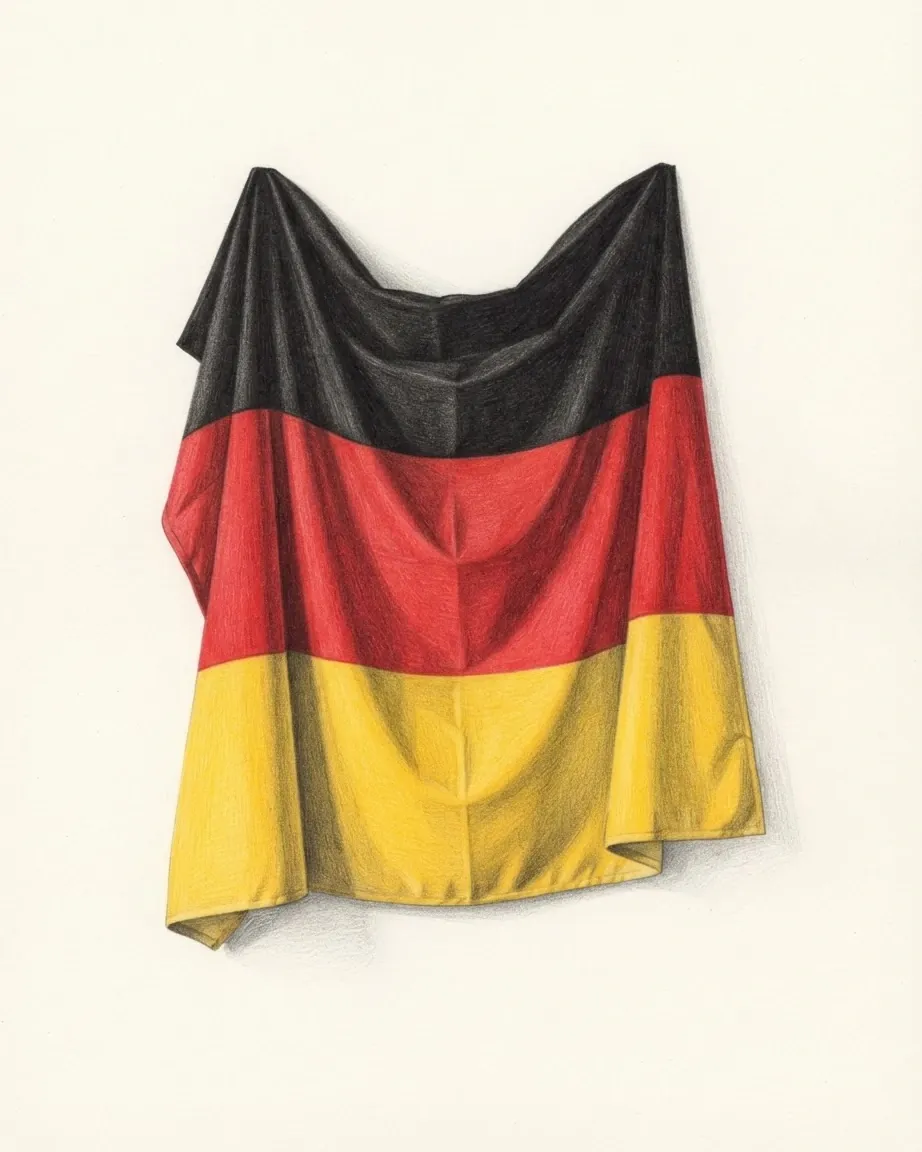
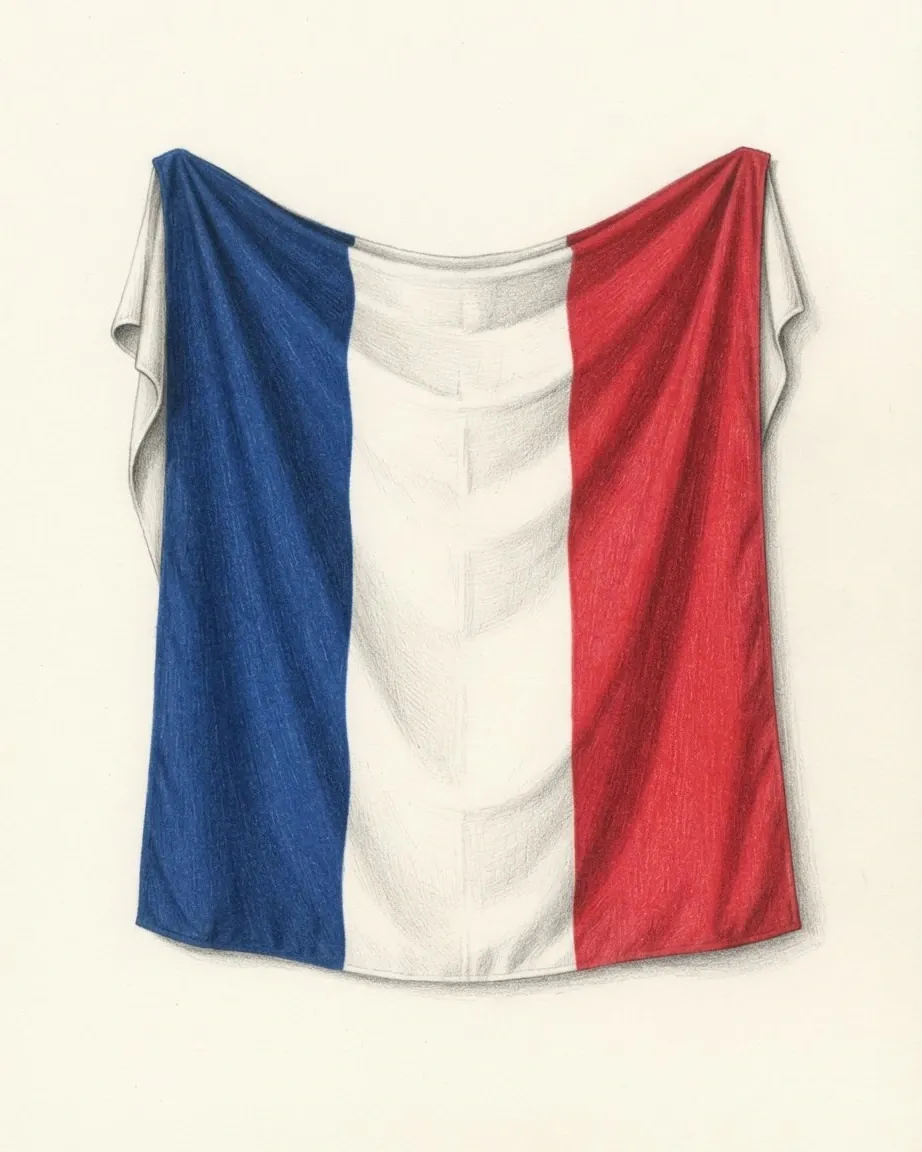
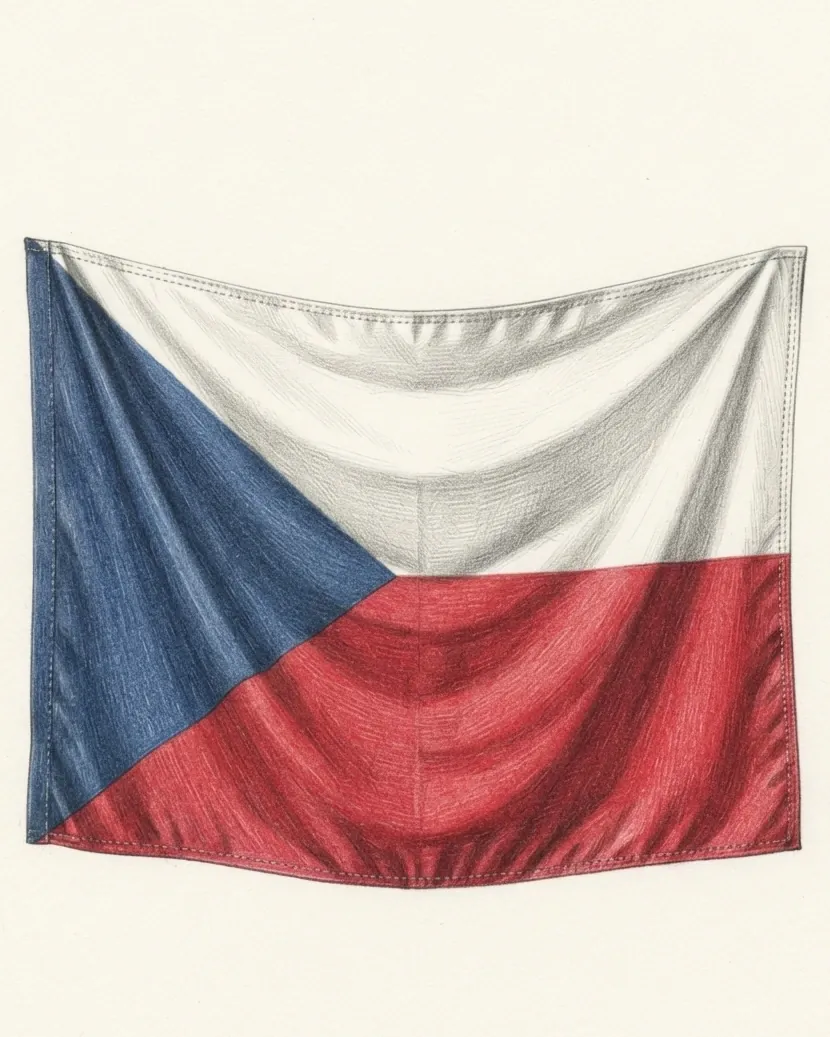
Switzerland is landlocked. It shares a border with 5 countries, counted as shared borders, which includes neighbours across water.
 Austria
 Germany
 France
 Italy
Italy Liechtenstein
Why no law names a Swiss capital
Bern has housed the federal government and the Federal Assembly since 1848, and the term official language uses for it is the federal city. The constitution adopted in 1999 does not mention a capital at all, and the Federal Council has never taken the question up, so no Swiss city holds that status in law.
On its own that is a curiosity. It is also the pattern in miniature. The Swiss Confederation is made of 26 cantons, and each one has its own constitution, its own parliament, its own government, its own police and its own courts. All 26 are equal in federal status, with one qualification: six of them, usually called half-cantons, send a single member to the Council of States instead of two and carry half a cantonal vote where an amendment needs a majority of cantons as well as of voters. Anything the federal level has not been given stays where it was.
How three valleys became one state
Uri, Schwyz and Unterwalden swore a defensive pact on 1 August 1291. The Federal Charter recording it has been treated as the founding document only since 1889, and comparable alliances among the same valley communities probably existed earlier.
| Year | What it settled |
|---|---|
| 1291 | Uri, Schwyz and Unterwalden swear the Federal Charter |
| 1515 | Defeat at Marignano ends the confederacy's expansion |
| 1648 | The Peace of Westphalia recognises independence from the Holy Roman Empire |
| 1798 | France invades and imposes the centralised Helvetic Republic |
| 1815 | The Congress of Vienna recognises Swiss neutrality |
| 1848 | A federal constitution follows the Sonderbund war |
| 1971 | Women receive the vote in federal elections |
| 2002 | Switzerland joins the United Nations by referendum |
The confederacy grew by conquest and by hiring its soldiers out to foreign powers until the defeat at Marignano in 1515 stopped the expansion. Formal independence from the Holy Roman Empire arrived at the Peace of Westphalia in 1648. France invaded in 1798 and replaced the loose confederation with the centralised Helvetic Republic, which Napoleon abolished in 1803. The federal state now in place came out of a civil war between the cantons: the Catholic Sonderbund was defeated in under a month in the autumn of 1847, about 130 people were killed, and the winning side invited the losers to help draft the constitution adopted the following year. The history article follows the whole sequence, including what the mercenary centuries paid for.
What the mountains kept and what they sent away
Switzerland reaches no sea across its 41,291 square kilometres. The Alps take about 60% of that area, the Plateau about 30% and the Jura about 10%, and roughly two thirds of the population lives on the Plateau, the band of rolling country and lakes running from Lake Geneva to Lake Constance. Ground level runs from 193 metres on Lake Maggiore to 4,634 metres at the Dufourspitze.
What the mountains send away is water, in four directions. The Rhine goes north to the North Sea, the Rhône south-west to the Mediterranean, the Inn east into the Danube and the Black Sea, and the Ticino south into the Po and the Adriatic. The sources of the Rhine and the Rhône lie about 22 kilometres apart in the Alps and their mouths roughly 1,000 kilometres apart. The country holds about 6% of the continent's fresh water on 0.4% of its area, and 90% of its 65,000 kilometres of rivers and streams have been straightened, dammed, canalised or put underground. The geography article deals with the three regions, the passes and what the water is worth.
How citizens overrule their own parliament
The federal executive is a body of seven, elected individually by both chambers of the Federal Assembly sitting together and then governing as a college. One of the seven chairs it as President of the Confederation for a year, the chair rotates, and it confers no authority the other six lack. There is no vote of no confidence.
Legislation is where the electorate acts directly. A law passed by parliament can be sent to a national vote by 50,000 signatures gathered within 100 days of its publication, and a simple majority of voters then decides. A proposed constitutional amendment can be put to the country by 100,000 signatures gathered within 18 months, and that one needs a majority of voters and a majority of cantons. As of March 2024, 58% of 209 optional referendums had been accepted and 11% of 231 popular initiatives. Switzerland has no constitutional court and the Federal Supreme Court cannot rule on federal legislation, so the electorate is the body that settles what the constitution means. Two cantons, Appenzell Innerrhoden and Glarus, still take cantonal decisions by a show of hands in an open-air assembly. The politics article sets out the instruments, the thresholds and how neutrality is argued about.
What a country with nothing underground sells
There is no coal, no oil and no metal ore. Almost nothing Switzerland sells abroad has much weight. Chemicals and pharmaceuticals ship more than 100 billion francs of product a year, around half of all exports and about 7% of GDP, from a workforce of over 75,000 spread across roughly 1,000 firms clustered near Basel, Zurich, Zug and Lake Geneva, on figures published for 2023. Watchmaking is about 4% of GDP and 60,000 jobs, exporting some 16 million watches a year at an average of more than 1,500 United States dollars for a wristwatch as of 2022.
The third arrangement is stranger. About 900 commodity trading firms, most of them in Geneva, Zug and Lugano, employ around 10,000 people buying and selling cargoes that mostly never enter the country. Revenue from that trade and from merchanting generally grew from 2 billion francs in 2002 to over 80 billion francs in 2022. The economy article takes the sectors in turn and the banking questions with them.
Why four languages leave little that is shared
In 2020, 62.3% of residents spoke German at home, 22.8% French, 8% Italian and 0.5% Romansh. German, French and Italian are official at federal level; Romansh is a national language used by the administration when dealing with people who speak it. Schools are run by the cantons, so there is no national curriculum, and Fribourg, Bern and Valais are officially bilingual while Grisons is officially trilingual.
The federal state could not name itself in any one of the four without choosing between them, so it named itself in a fifth that nobody speaks. Confoederatio Helvetica came into use gradually after 1848, appeared on the coins from 1879 and was inscribed on the Federal Palace in 1902. It survives as the CH on Swiss number plates, the CHF on the currency and the .ch at the end of the web addresses. Resident foreigners made up 26.3% of the population in 2023, and most of them came from other European countries. The culture article takes the languages, the confessional line and the regional cooking one at a time.
How the mountains are reached by timetable
The rail network runs to 5,250 kilometres, carried 614 million passengers in 2023 and is virtually all electrified, and the average resident covered 2,446 kilometres by train that year. The Gotthard Base Tunnel, 57.1 kilometres long, carries the flat route under the Alps. Postbuses, lake boats, funiculars and cogwheel railways are timetabled and ticketed inside the same system, which is how somebody without a car reaches a trailhead above the treeline. Around 65,000 kilometres of signposted footpath hang off that network, and about a third of the population walks them regularly. The travel article takes up the seasons, the regions and what the country costs.
What holds the cantons together
Twenty-six cantons with their own courts, four national languages, an executive of seven with no single leader, and an electorate that can overturn any federal act. The Swiss state is the procedure that lets those coexist, and each of the six articles here takes one part of it: how it was assembled, the ground it sits on, how it decides, what it sells, what its regions do separately and what going there involves.
Read
Everything about Switzerland
Six articles, each answering one question and each written to be read on its own.
The record
What is measured about Switzerland
Pages that nobody writes, built from the record and from the data files beside it.
Common questions
Questions about Switzerland
Why has no law named a Swiss capital?
Because no Swiss law creates one. Bern was chosen in 1848 as the seat of the federal government and the Federal Assembly, and official language calls it the federal city. The constitution adopted in 1999 says nothing about a capital, and the Federal Council has not addressed the matter, so Bern functions as the capital without holding the title in law.
Why is Switzerland abbreviated CH?
From Confoederatio Helvetica, the country's Latin name. With four national languages and no way to choose between them for an abbreviation, the federal state settled on Latin. The name came into use gradually after 1848, appeared on coins from 1879 and was inscribed on the Federal Palace in 1902. It is the source of the CH on Swiss number plates, the currency code CHF and the .ch internet domain.
Is Switzerland in the European Union?
No. An application was sent in May 1992 and was left dormant after voters rejected membership of the European Economic Area in December 1992; it was later withdrawn. Switzerland is a founding member of the European Free Trade Association, joining in 1960, and its relations with the European Union run through bilateral agreements that entered into force from 2002. It joined the Schengen Area in 2008.
How often do Swiss citizens vote on federal law?
Three or four times a year, on batches of questions. Any act of parliament can be put to a national vote by 50,000 signatures collected within 100 days of publication, and a constitutional amendment can be proposed by 100,000 signatures collected within 18 months. As of March 2024, 58% of 209 optional referendums had been accepted, against 11% of 231 popular initiatives.
Does Switzerland have a president?
Only as a rotating chair. Executive power belongs to the Federal Council, seven members elected individually by the two chambers of the Federal Assembly sitting together and governing as a college. One of the seven holds the presidency of the Confederation for a calendar year, presiding over meetings and handling representative duties, with no authority the other six lack.
Nearby in the catalogue