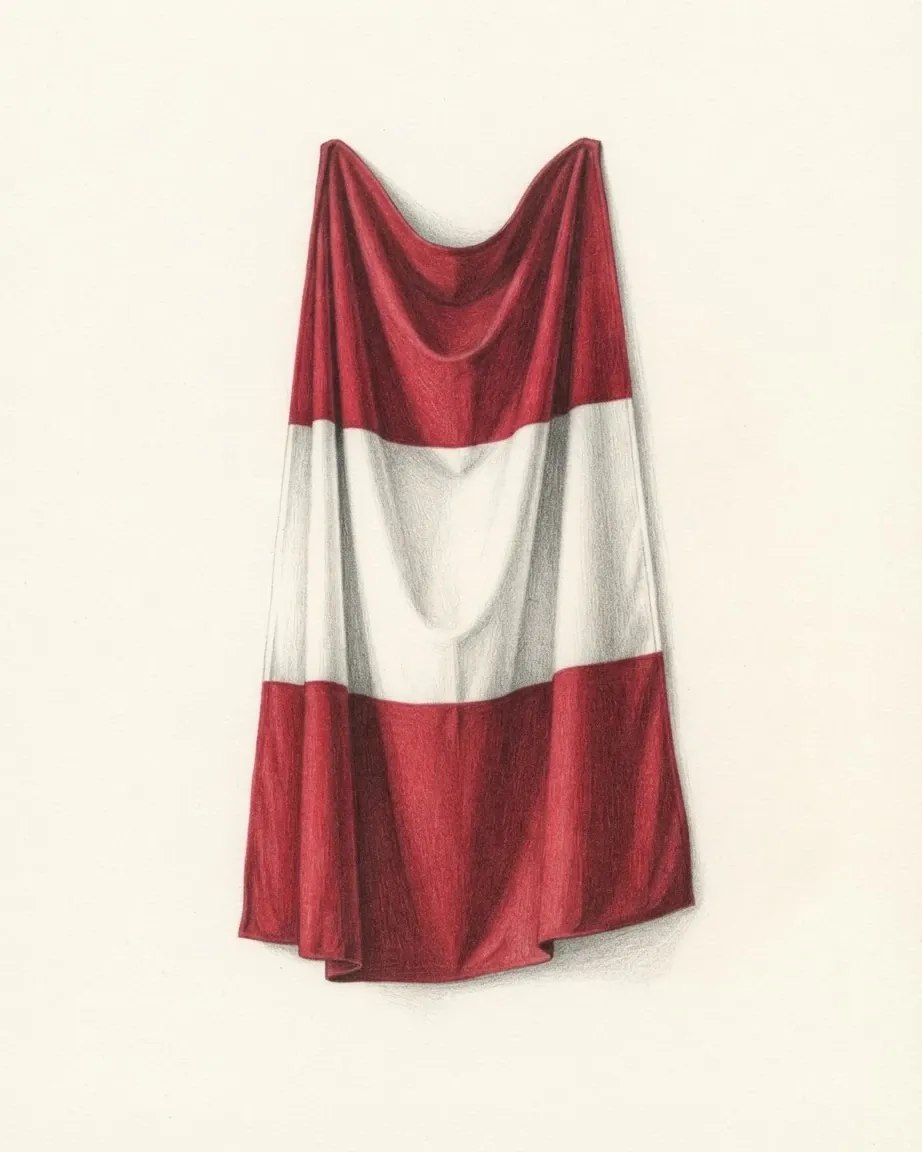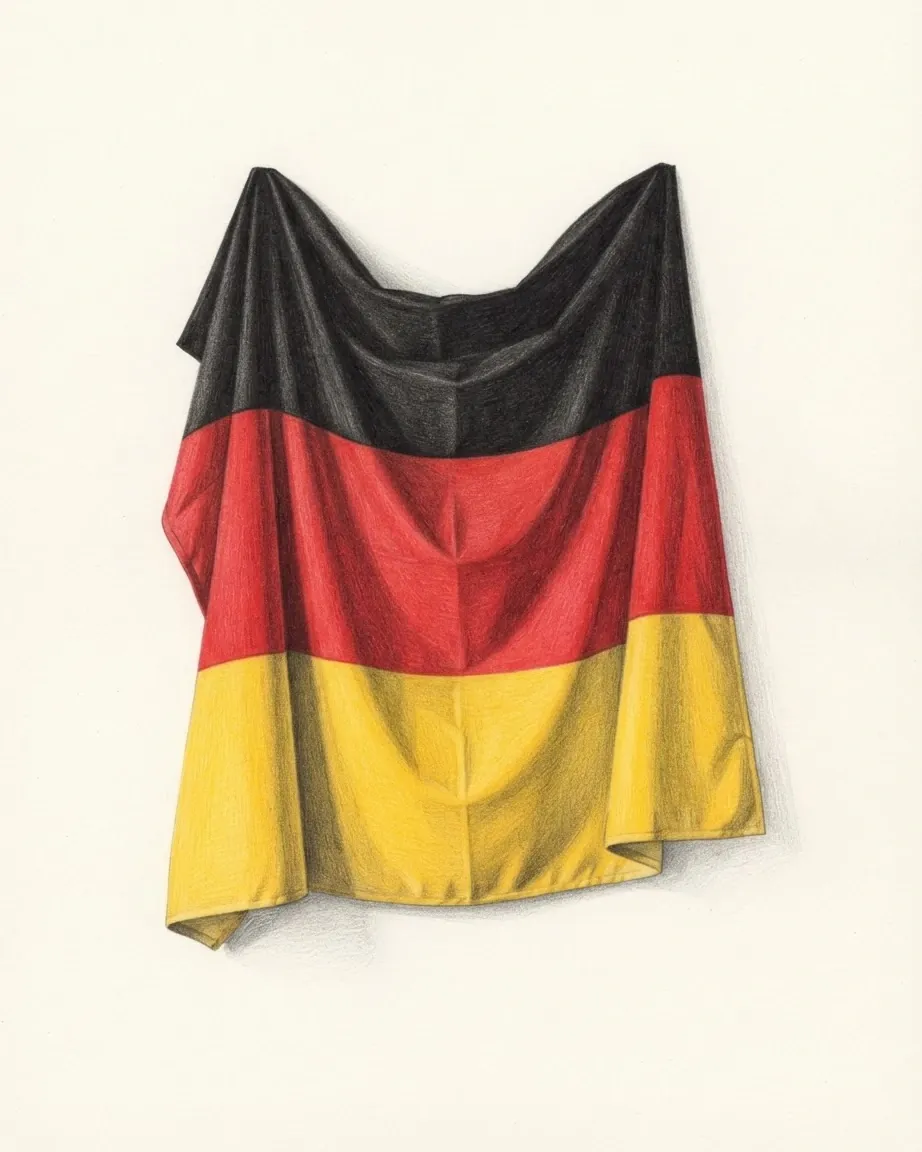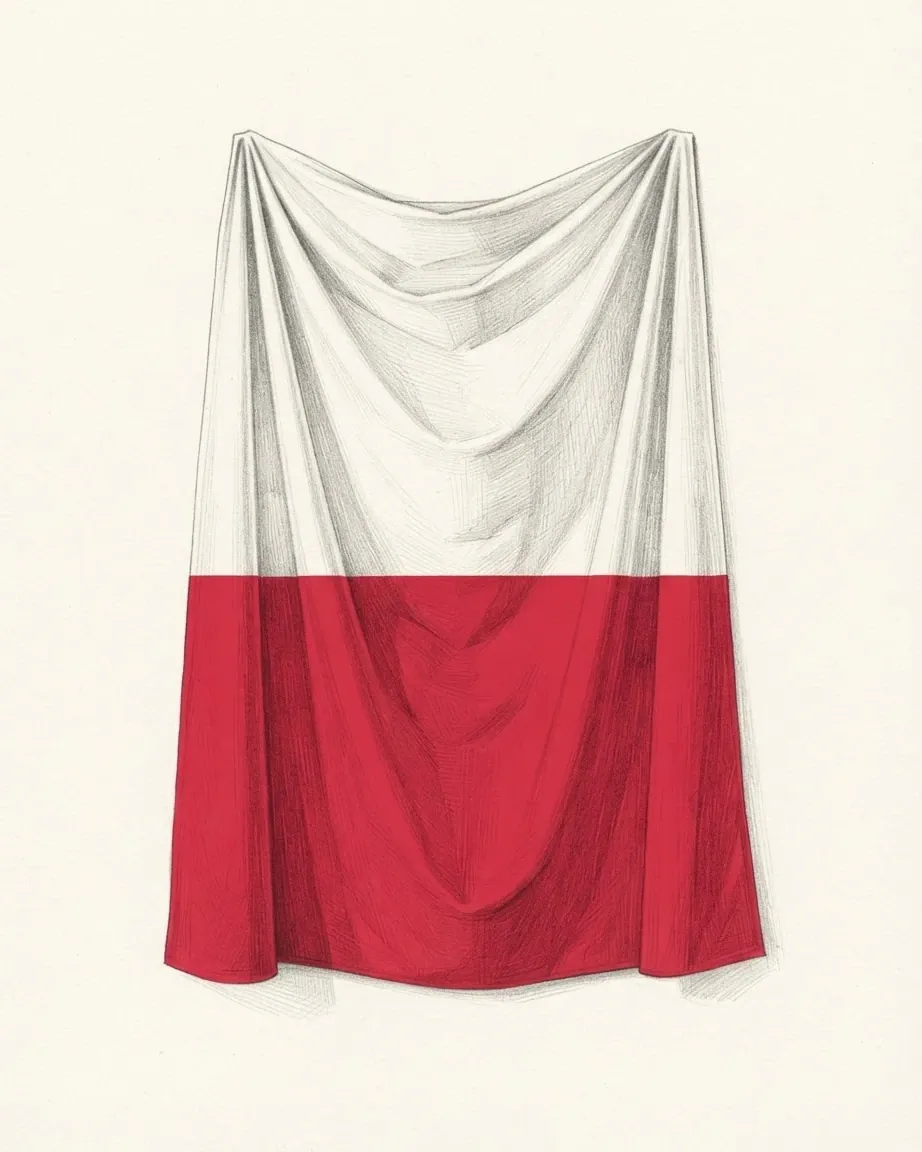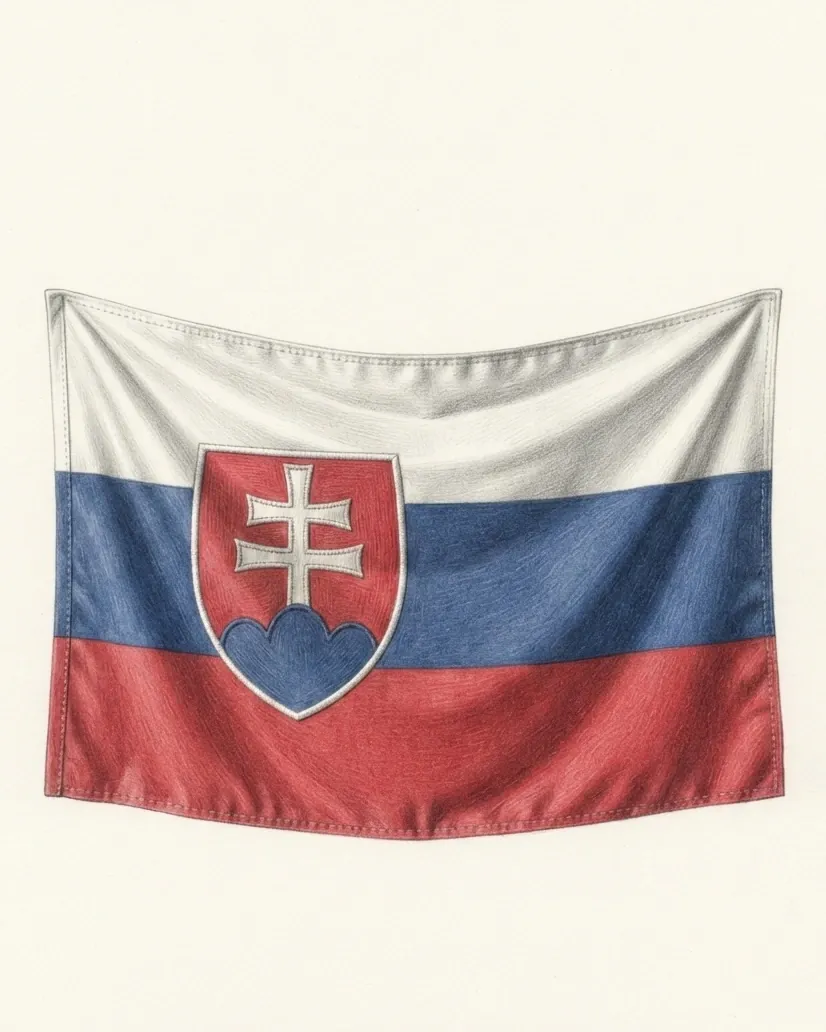
Czechoslovakia was dissolved by negotiation and without a referendum on 1 January 1993, and the lands the new state governs had been a political unit since the twelfth century. Czechia sits landlocked in the middle of Europe, 78,871 square kilometres carrying 10,909,500 people as of 1 January 2025.
At a glance
- Population
- 10 886 878
- Capital
- Prague
- Area
- 78 871km²
- Currency
- KčCZK
- Official language
- Czech
- Local time
- UTC+01:00
Where it is
Where Czechia is, and what is around it
Czechia is landlocked. It shares a border with 4 countries, counted as shared borders, which includes neighbours across water.
 Austria
 Germany
 Poland
 Slovakia
Where Czechia sits among its neighbours
The state dates from 1 January 1993 and the territory it governs has been a political unit under one name or another since the twelfth century. Czechia holds 10,909,500 people as of 1 January 2025 on 78,871 square kilometres of landlocked ground in the middle of Europe, and it borders four countries: Germany to the west and north-west, Poland to the north, Slovakia to the east and Austria to the south.
Prague is the capital and by far the largest city, with 1,397,880 residents as of 1 January 2025, which is roughly one in eight of the population. The country is made up of three historic lands: Bohemia in the west, which covers about two thirds of the territory and contains the capital, Moravia in the east, and a smaller piece of Silesia in the north-east.
| The record in short | |
|---|---|
| Population | 10,909,500 as of 1 January 2025 |
| Area | 78,871 km², landlocked |
| Capital | Prague, 1,397,880 people as of 1 January 2025 |
| Highest point | Sněžka, 1,603 m |
| Currency | Czech koruna |
| Language | Czech |
| Independent state since | 1 January 1993 |
| European Union | joined 1 May 2004 |
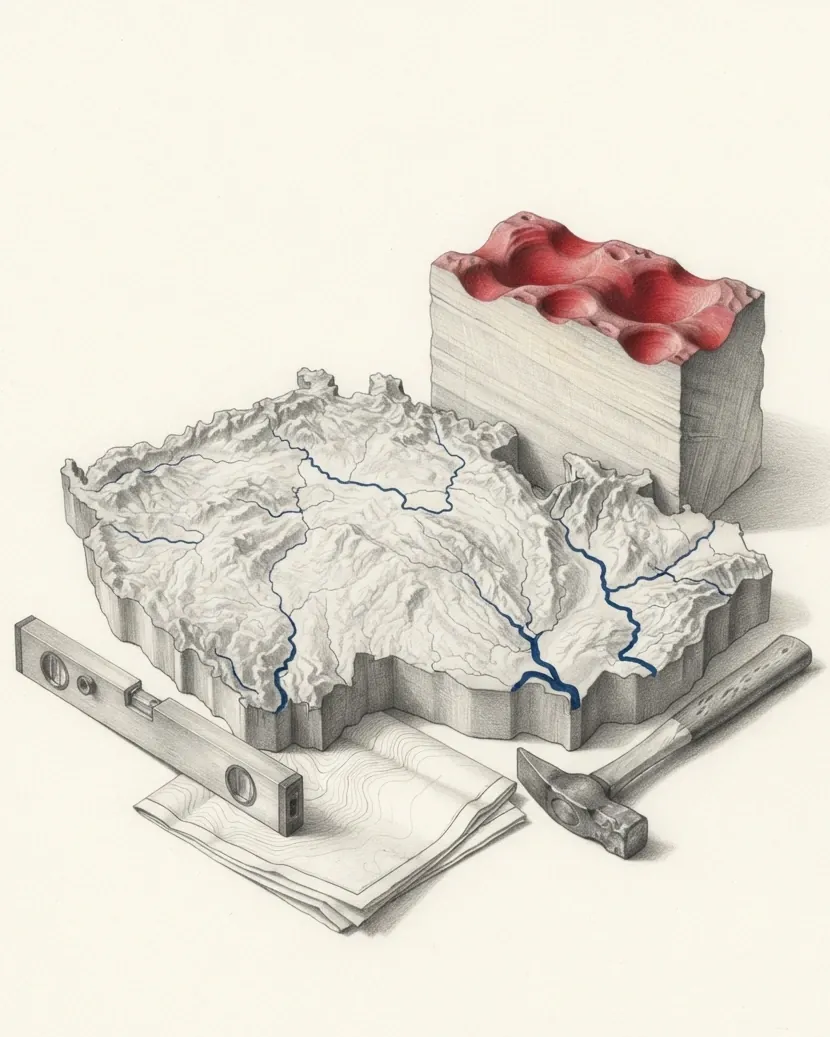
Czechia: geography works through the basins, the mountain rim and the rivers that leave the country in three directions.
Why the state is younger than the country
The Czech lands spent most of their history inside larger structures. Bohemia was a kingdom within the Holy Roman Empire, then a Habsburg possession, and for the whole of the nineteenth century it was the industrial core of the Austrian half of Austria-Hungary rather than a state in its own right. Independence arrived in 1918, and the country that emerged was Czechoslovakia, a joint state with the Slovak lands to the east.
That state was dismembered in 1938 and 1939, restored in 1945, taken into the Soviet bloc after 1948, and held there through the crushing of the reform attempt of 1968. The communist system fell in the Velvet Revolution of 1989 without a shot fired, which is the event most people outside the country associate with it.
The separation from Slovakia followed three years later and was negotiated rather than voted on. The federation ended at midnight on 31 December 1992, and two states appeared on 1 January 1993 with no violence, no border dispute and no significant minority left stranded on the wrong side. Both joined the United Nations that month, Czechia on 19 January. Czechia: history follows the sequence in full.
How the republic is arranged
Czechia is a parliamentary republic under a constitution adopted on 16 December 1992, in force since the state itself. Parliament has two chambers. The Chamber of Deputies has 200 members elected for four years by proportional representation, and it is where governments are made and unmade. The Senate has 81 members elected for six years by a two-round majority system in single-member districts, with a third of the seats renewed every two years, which makes it slower to turn over than any other body in the country.
The president is head of state, elected directly for five years, and the office is weaker than its direct mandate suggests: the government answers to the Chamber of Deputies rather than to the president. Candidates reach the ballot by a petition of at least fifty thousand citizens or by nomination from twenty deputies or ten senators.
The Constitutional Court sits in Brno rather than Prague, has fifteen judges appointed by the president with the consent of the Senate for ten-year terms, and began work on 15 July 1993. Czechia: politics covers the institutions and the amendments that have changed them.
What the economy is built on
Czech output reached 391 billion United States dollars in 2025, which is 35,917 dollars a head, or 60,487 dollars a head at purchasing power parity. Growth reached 2.6%, inflation matched it at 2.5%, and unemployment stood at 2.8%. Income is distributed unusually evenly, at a Gini coefficient of 25.7 in 2023.
The structure is more industrial than most European economies of comparable wealth. Industry accounts for about 37% of the economy against 61% for services and 2% for agriculture, and the industries are engineering, electronics, vehicles, steel, chemicals and pharmaceuticals rather than finance or tourism. About a third of exported goods go to Germany alone, which makes the Czech business cycle largely a function of German demand. Energy is the weak point. Coal remains the single largest fuel in both total energy supply and electricity generation, and the country's energy and carbon intensity sit above the average across member countries of the International Energy Agency. Czechia: economy takes the sectors, the currency and the transition in turn.
What the culture is known for
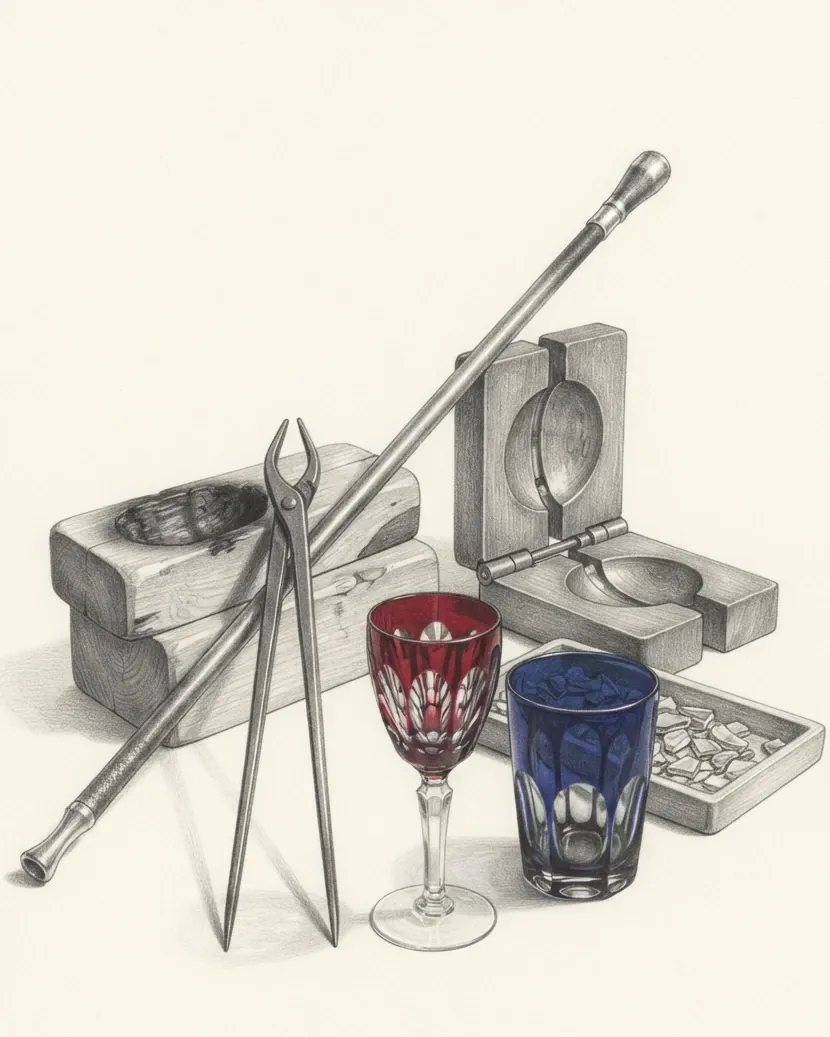
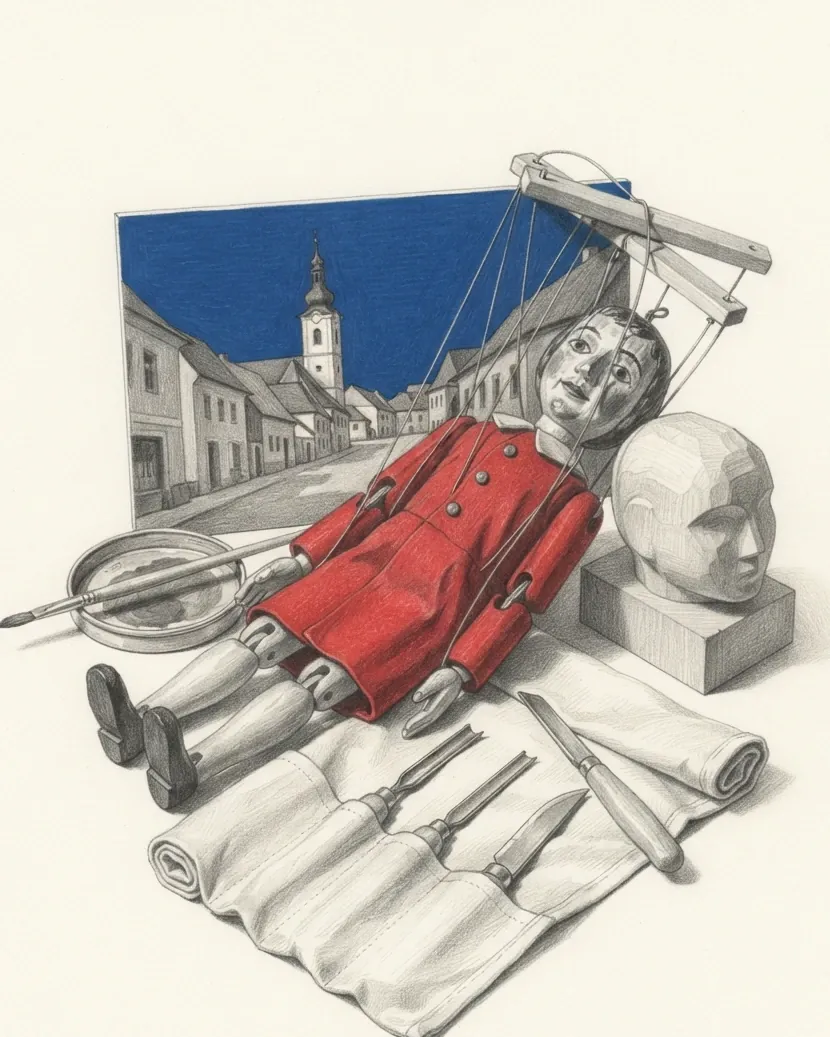
Czech culture is known abroad for four things, and the country produces all four in quantity: beer, glass, puppets and a literature of comic disillusion. Brewing goes back more than a millennium, with a brewery recorded in 993, and the pale lager that most of the world now drinks was invented in Plzeň in the nineteenth century. Bohemian glass is still mouth-blown and decorated by hand.
The literature is the part that travels furthest. Franz Kafka wrote in German in Prague, and The Good Soldier Švejk is the most translated Czech book there has been. Puppet and marionette theatre is a living tradition rather than a museum one, with its own festivals, and it produced an animation school of real weight through Jiří Trnka's stop-motion films. Religion is the other thing the surveys keep finding. Between 75 and 79% of residents report no religion or faith in surveys, and about 30% describe themselves as convinced atheists. Czechia: culture goes into the language, the food, the music and how the indifference to religion came about.
Where visitors go and what they miss
Czechia recorded 22.8 million guests in registered accommodation in 2024, who stayed 57.3 million nights, the first year to exceed the pre-pandemic figures of 2019. Slightly more than half were domestic. Among foreign visitors the largest single group comes from Germany.
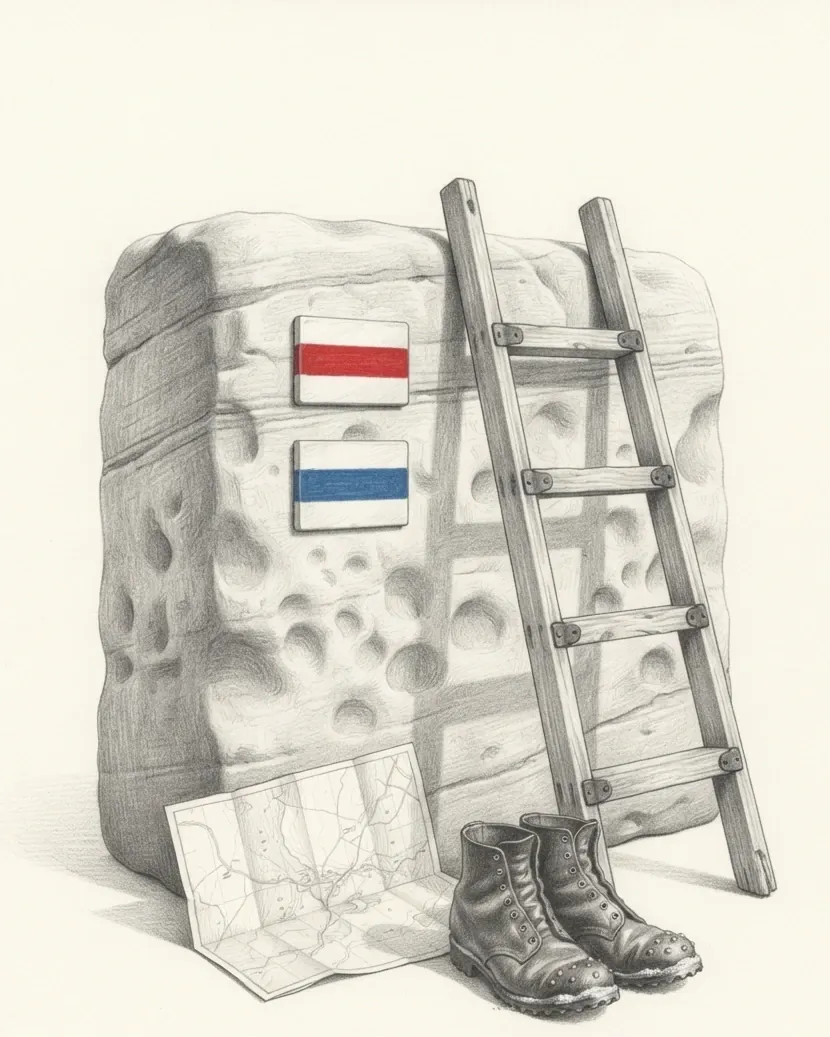
The concentration is severe. Prague takes more than a third of all arrivals on its own, and the two regions behind it, South Moravia and South Bohemia, take a fraction of that each. There are 17 properties on the UNESCO World Heritage List, sixteen cultural and one natural, and most of them are outside the capital, in the medieval town centres, castles and manor houses that survived the twentieth century largely because nobody had the money to replace them.
The country is small enough to cross in a few hours and dense enough that the second and third towns on any list are worth the trip. Czechia: travel deals with the regions, the seasons and the practicalities.
Read
Everything about Czechia
Six articles, each answering one question and each written to be read on its own.

The record
What is measured about Czechia
Pages that nobody writes, built from the record and from the data files beside it.
Common questions
Questions about Czechia
How big is Czechia?
78,871 square kilometres, with 10,909,500 people on it as of 1 January 2025. It is landlocked, bordered by Germany, Poland, Slovakia and Austria, and small enough to cross by road in a few hours.
What split Czechoslovakia?
The federation was dissolved by agreement between the two republics rather than by referendum, and it ended at midnight on 31 December 1992. Czechia and Slovakia appeared as separate states on 1 January 1993, with no violence and no border dispute, and both joined the United Nations that month.
Is Czechia the same as the Czech Republic?
Yes. Česká republika is the formal name and Česko the short one, rendered in English as the Czech Republic and Czechia. Both refer to the state that has existed since 1 January 1993.
What is Czechia known for?
Beer, with brewing recorded from 993 and pale lager invented in Plzeň; mouth-blown Bohemian glass; puppet and marionette theatre; and a literature that includes Franz Kafka and The Good Soldier Švejk. Between 75 and 79% of residents report no religion.
Nearby in the catalogue