Central Europe
The protocol that wound up the Warsaw Pact was signed at Prague on 1 July 1991. Czechia, Hungary, Poland, Slovakia and Slovenia joined the European Union together on 1 May 2004, nine years after Austria. Switzerland and Liechtenstein stayed outside it in the European Free Trade Association, and neither they nor Austria belong to NATO. Hungarian is the one official spoken language here with no Indo-European relatives.
9 countries
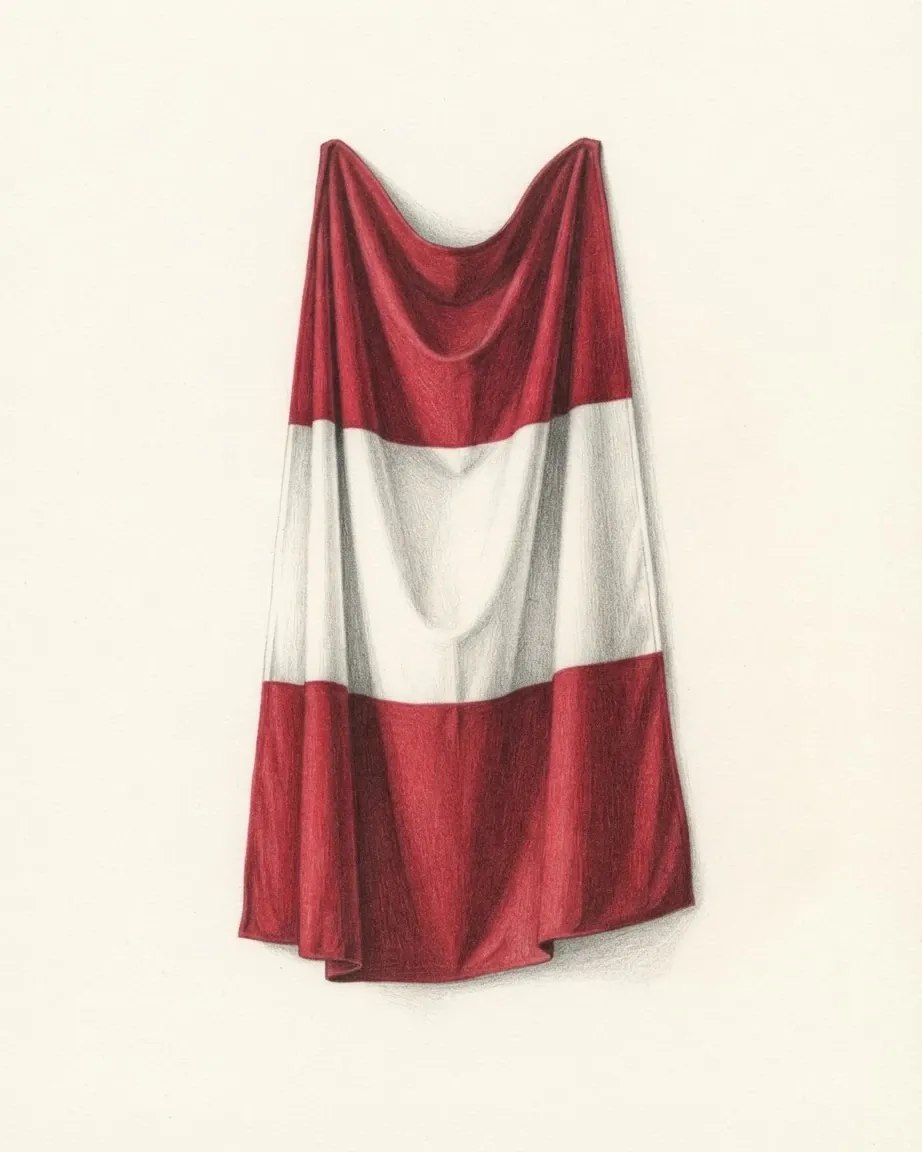
- Austria9 million people on 83,879 landlocked square kilometres with eight borders. A republic from 1918 in a capital built for an empire, neutral since 1955.
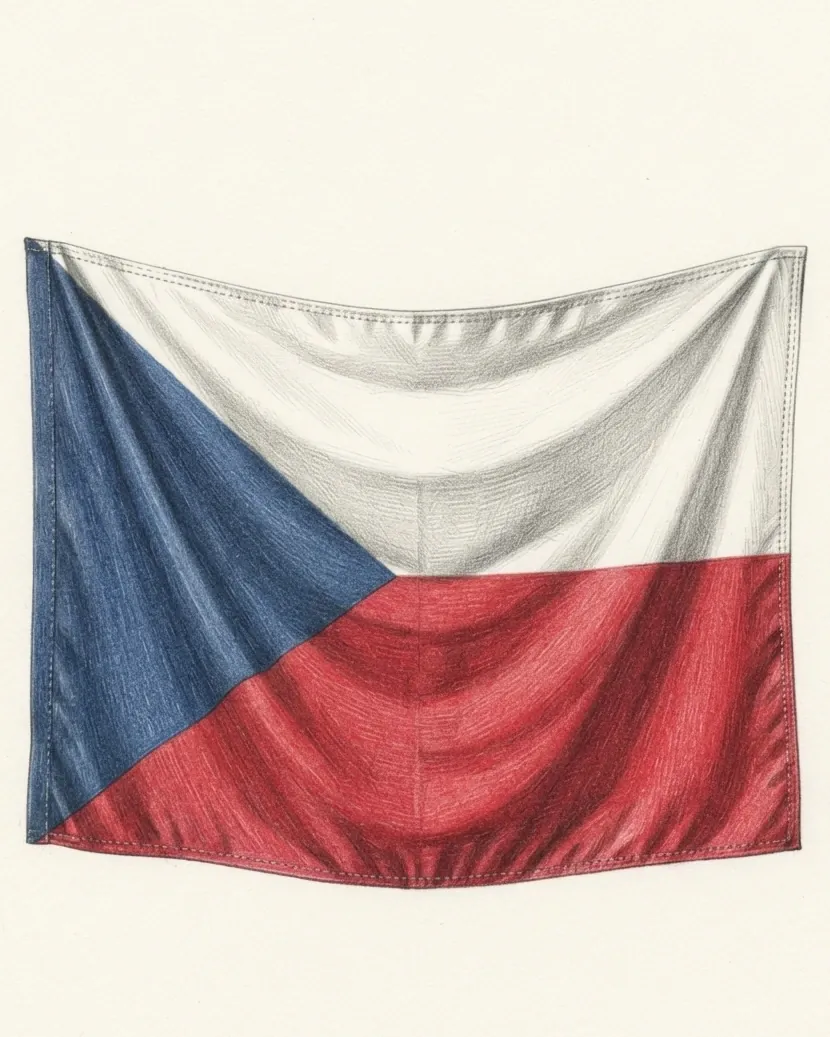
- Czechia10.9 million people on 78,871 landlocked square kilometres. A state created by negotiation in 1993, an industrial economy tied to Germany, and 17 World Heritage properties.
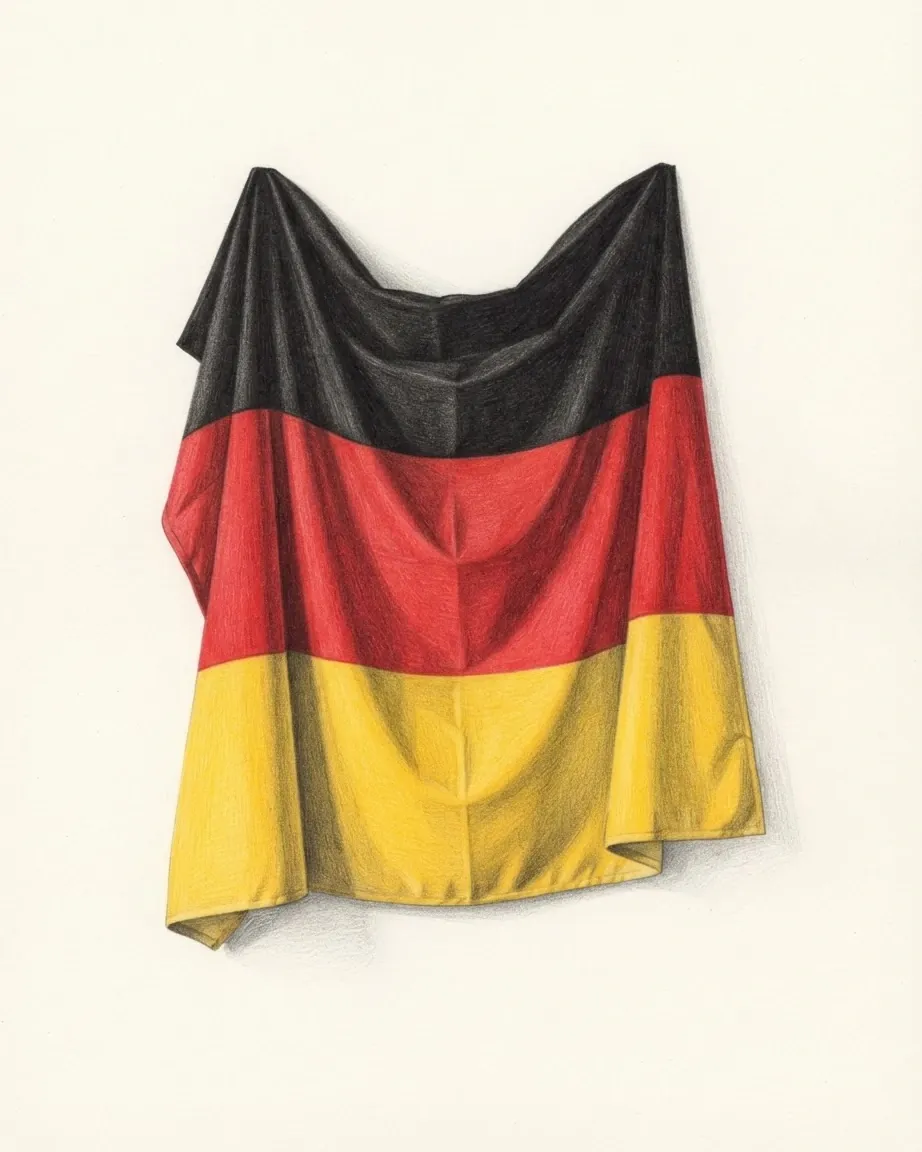
- Germany83.6 million people on 357,588 square kilometres with nine land borders. A constitution written to be temporary in 1949, and an export economy that grew 0.2% in 2025.
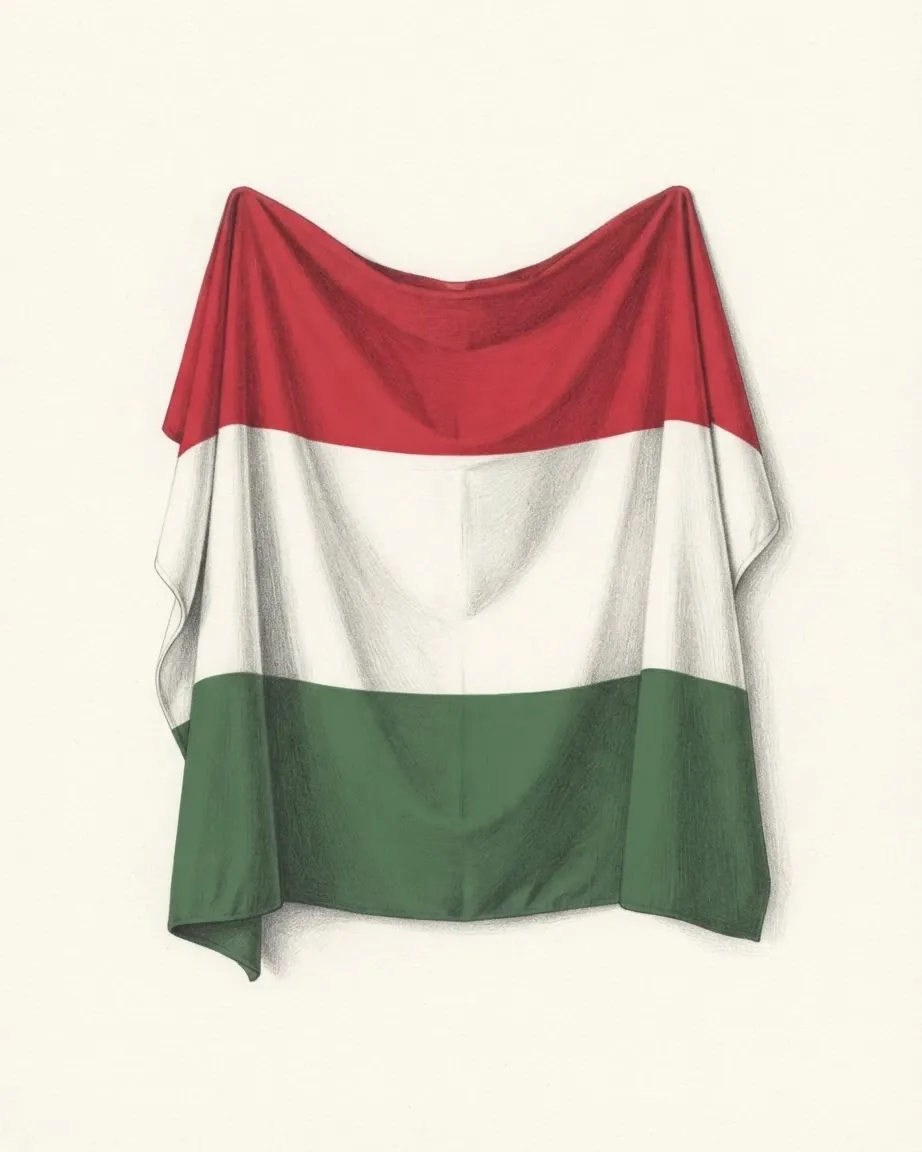
- Hungary9.5 million people on 93,030 landlocked square kilometres with seven neighbours. A treaty in 1920 took 72% of the territory, and the question has never closed.
- Liechtenstein160 square kilometres bought by a Viennese family in 1699 and 1712, in a Swiss customs union since 1924, with more jobs than residents since 2017.
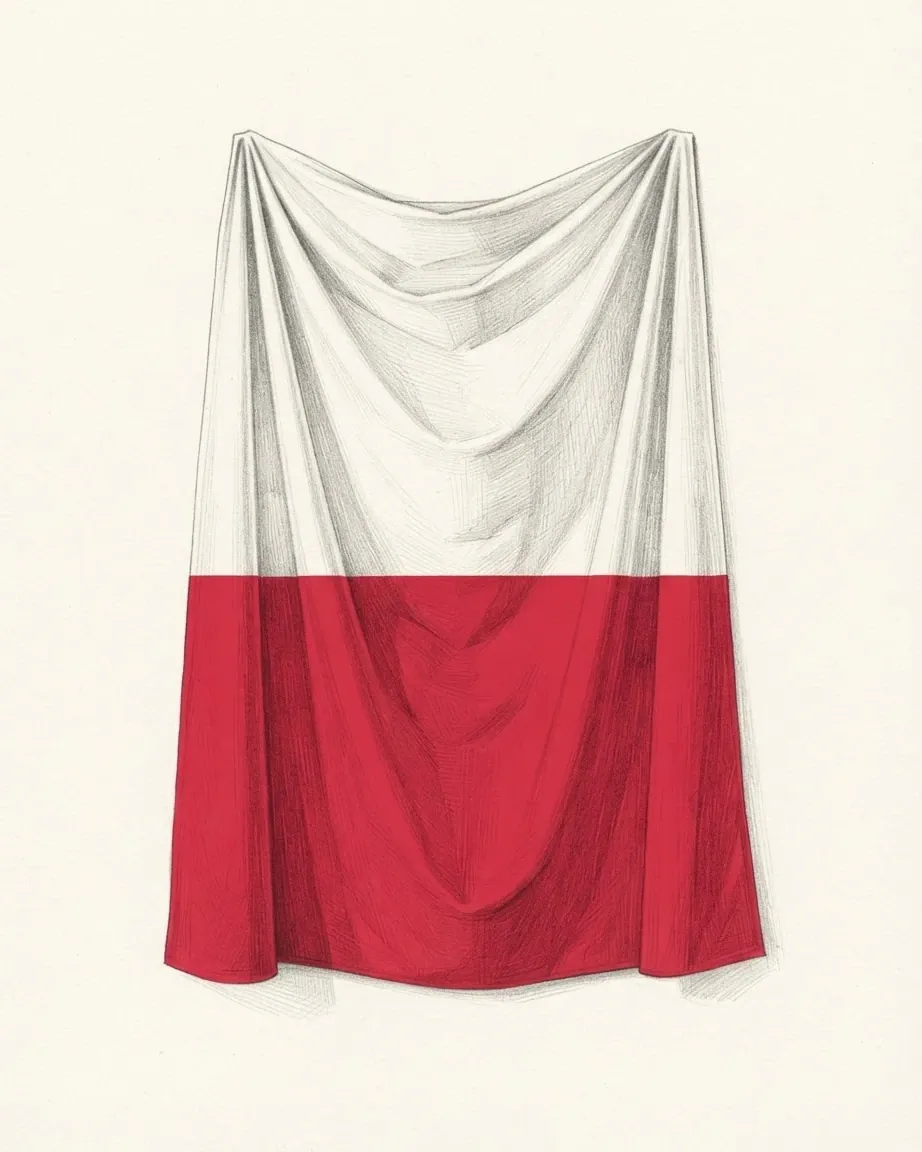
- Poland37.5 million people between the Baltic and the Carpathians. A state that vanished for 123 years, moved west after 1945, and now runs the EU's most coal-dependent grid.
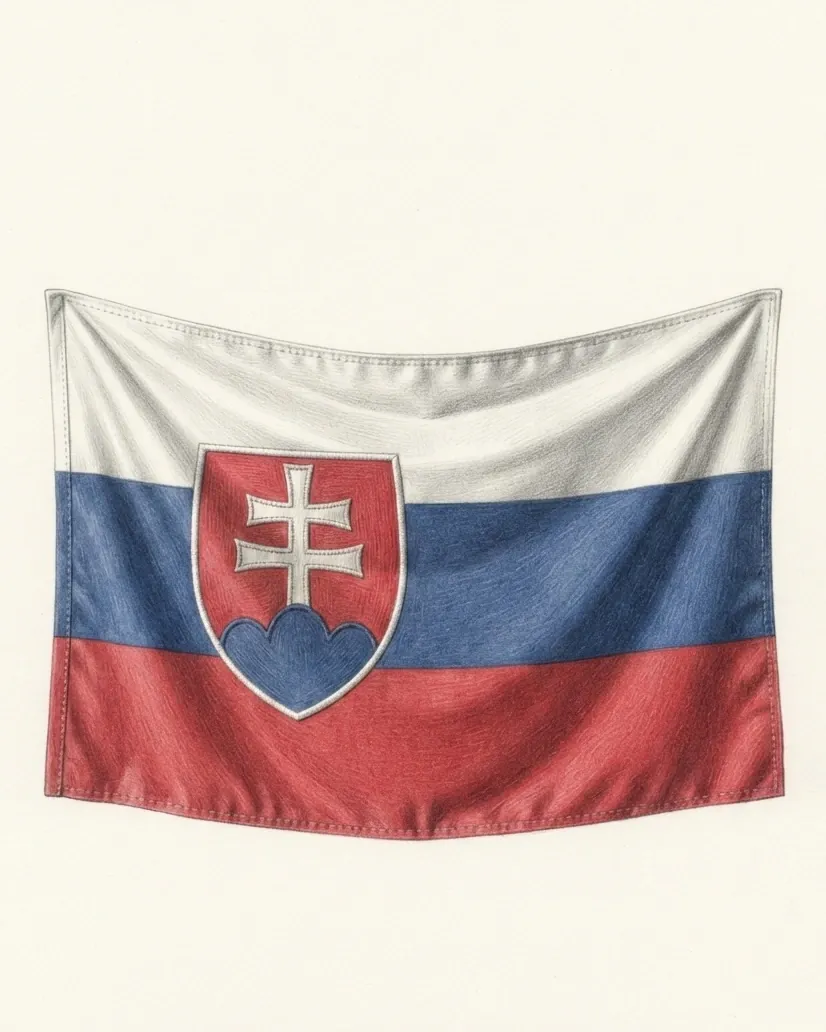
- SlovakiaA landlocked Central European country of five and a half million, independent since 1993, whose four car plants built 1,040,000 vehicles in 2016.
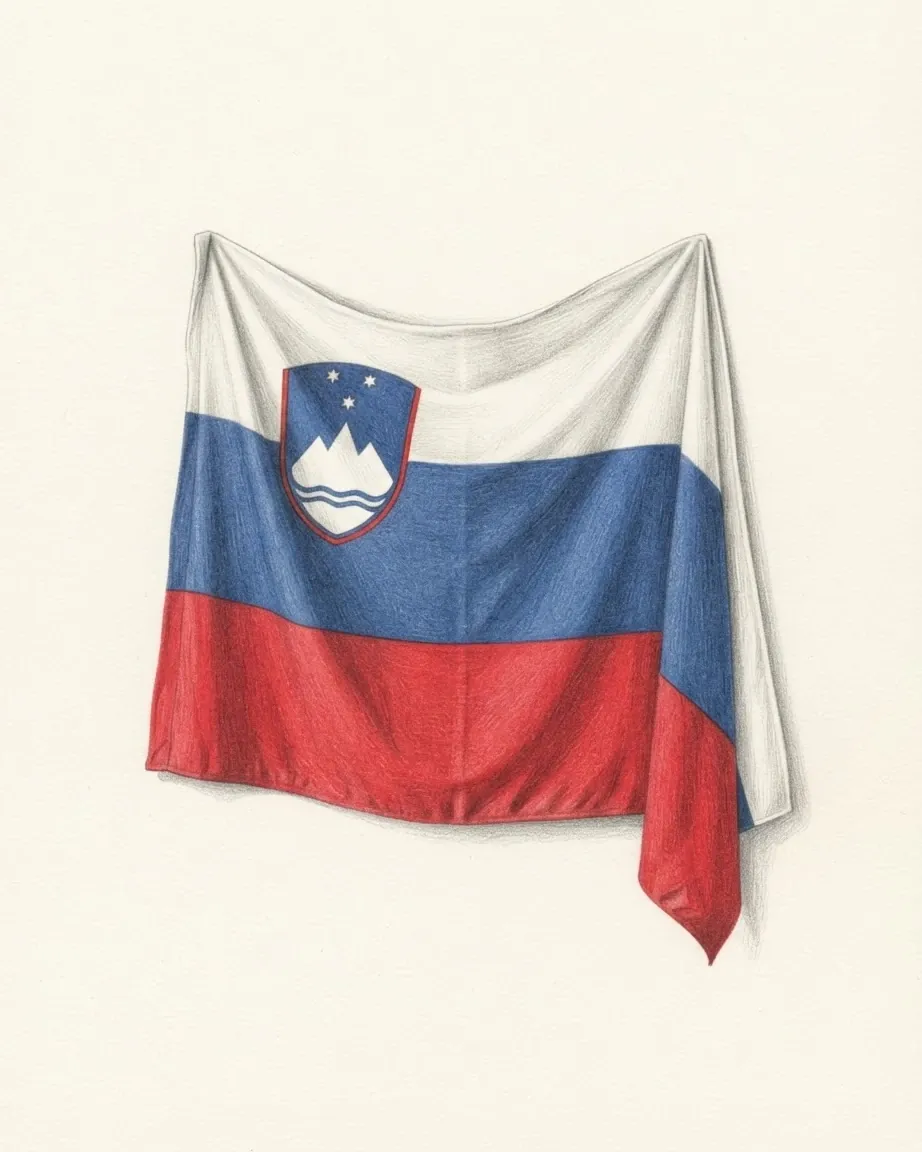
- SloveniaA Central European country of 2,133,852 people as of October 2025, independent since 1991, with borders drawn by other people's treaties and a state its voters authorised.
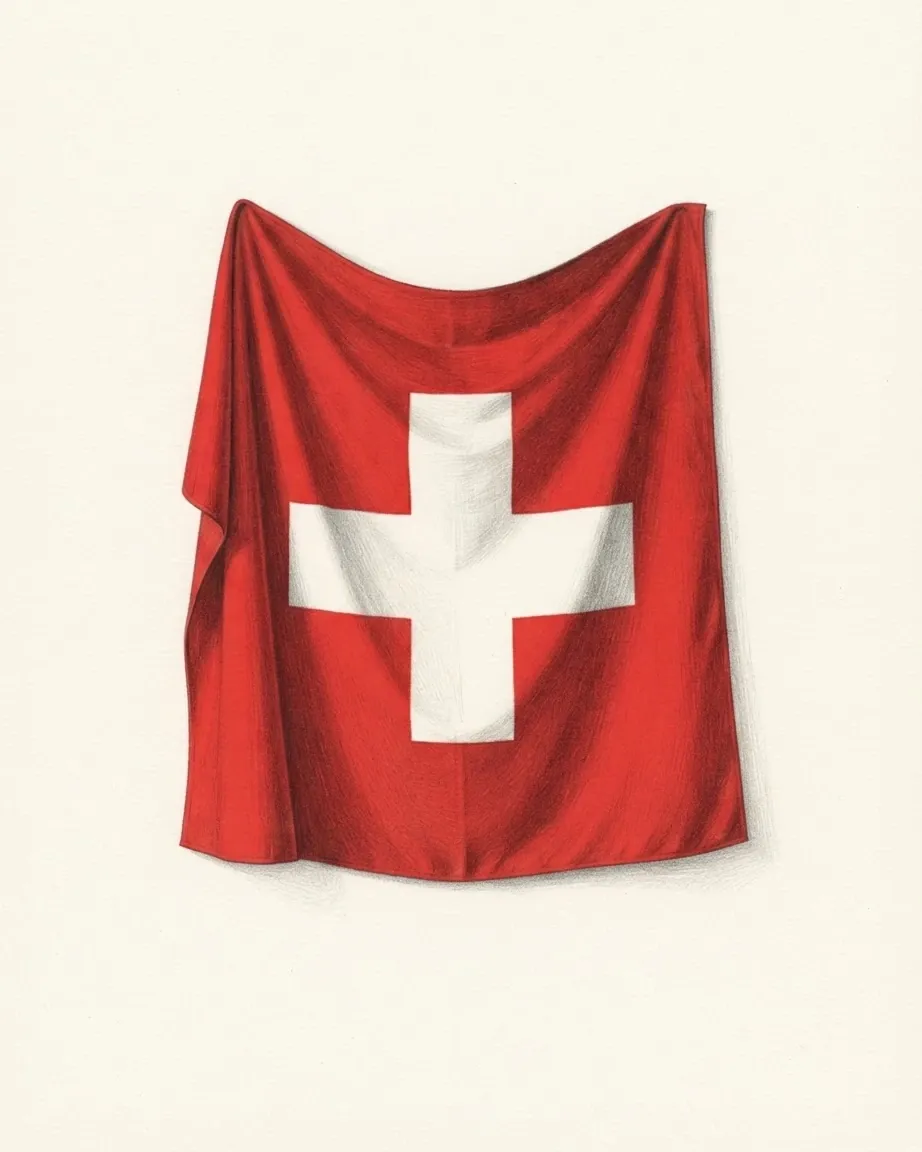
- SwitzerlandA landlocked federal republic of 26 cantons and four national languages, with no legal capital, no single head of government and no constitutional court.
Common questions
Questions about Central Europe
Which countries are in Central Europe?
Austria, Czechia, Germany, Hungary, Liechtenstein, Poland, Slovakia, Slovenia and Switzerland, on the reading this catalogue applies, which is the list the World Factbook gives. Other readings add Croatia or Lithuania, and the Encyclopédie Larousse leaves out Hungary and Poland. The M49 standard of the UN Statistics Division has no Central Europe at all: it distributes the same 9 countries between Eastern, Western and Southern Europe.
Is Austria part of Central Europe?
It depends on the scheme. The World Factbook opens its entry on Austria with the words Central Europe, and this catalogue files Austria here, with Switzerland and Liechtenstein, from 26 September 2026. M49 files all three under Western Europe beside Germany. Austria has also been in the Central European Initiative since that body was founded in 1989. Both readings are in print, and the catalogue takes no position on which is right.
Which countries of Central Europe are not in NATO?
Austria, Switzerland and Liechtenstein, whose records carry no NATO membership. Austria has been in the European Union since 1 January 1995. Switzerland and Liechtenstein belong to the European Free Trade Association instead, and Liechtenstein alone of the two is in the European Economic Area. The other six are in both NATO and the Union.
What is the Visegrád Group?
A cooperation between Czechia, Hungary, Poland and Slovakia, begun by a declaration signed on 15 February 1991 by Czechoslovakia, Hungary and Poland. The site was chosen for the congress that the kings of Bohemia, Hungary and Poland held at Visegrád in 1335. The group became four when Czechoslovakia divided on 1 January 1993. No other state filed here has been party to it, which is one reason the group and the region are not the same list.
Was all of Central Europe behind the Iron Curtain?
No. The Federal Republic of Germany joined NATO in May 1955 and the German Democratic Republic joined the Warsaw Pact days later, so the division ran through German territory. Austria and Switzerland were neutral through the Cold War, and Slovenia was a republic of Yugoslavia, which was non-aligned. Czechoslovakia, Hungary and Poland were parties to the Warsaw Pact from its signature until the protocol of 1 July 1991.
Do the countries of Central Europe use the euro?
Some of them. Germany took the euro in 1999 and its notes and coin in 2002, Slovenia in 2007 and Slovakia in 2009, and Austria's record carries it as well. Czechia, Hungary and Poland retained their own currencies and have set no adoption date under a ratified treaty commitment they entered on joining the European Union on 1 May 2004. Switzerland and Liechtenstein use the Swiss franc, an arrangement that follows the customs treaty of 1923 between them.