Vienna was built to govern an empire of dozens of nationalities, and the republic that inherited it on 12 November 1918 governs German speakers on a fraction of that ground. Landlocked in the Eastern Alps, Austria carried 8,979,894 people as of 1 January 2022 on 83,879 square kilometres, and it borders more countries than almost any state of its size.
At a glance
Where it is
Where Austria is, and what is around it
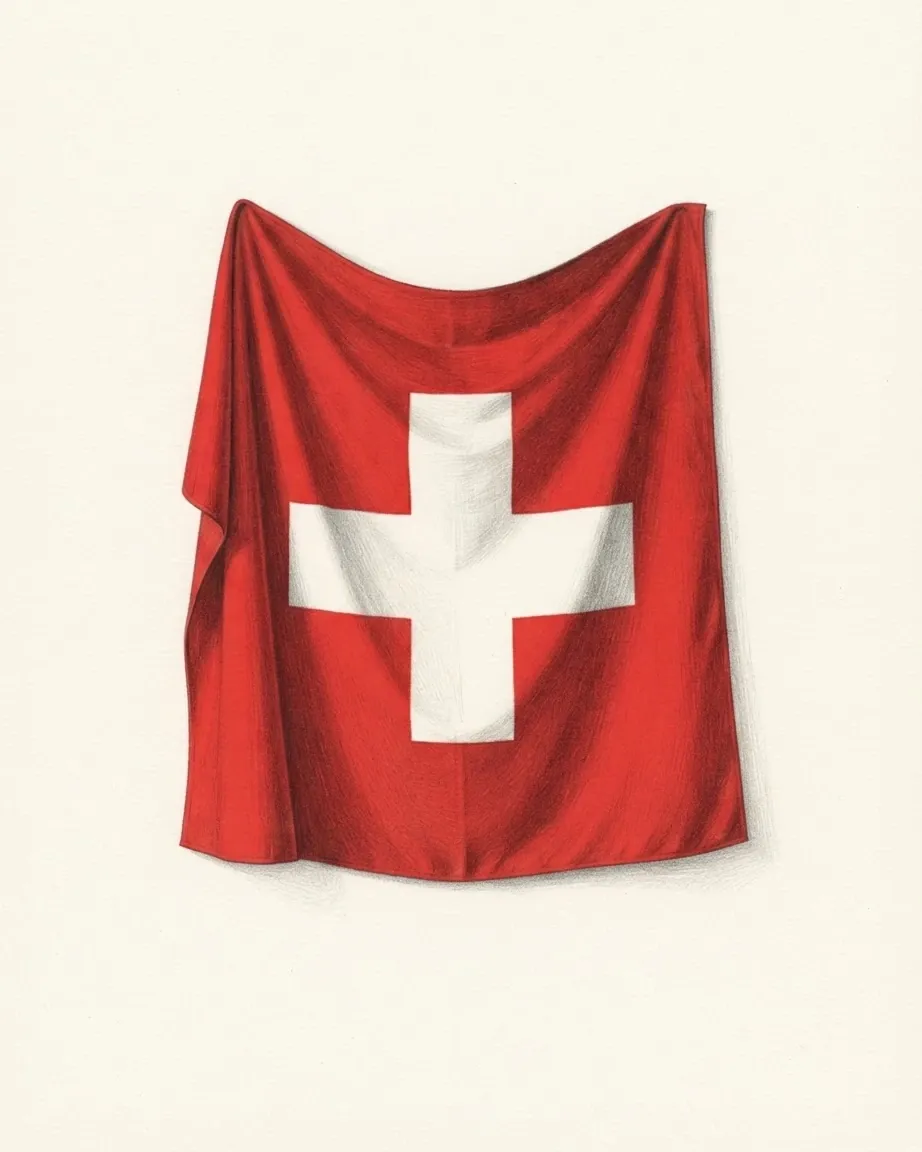
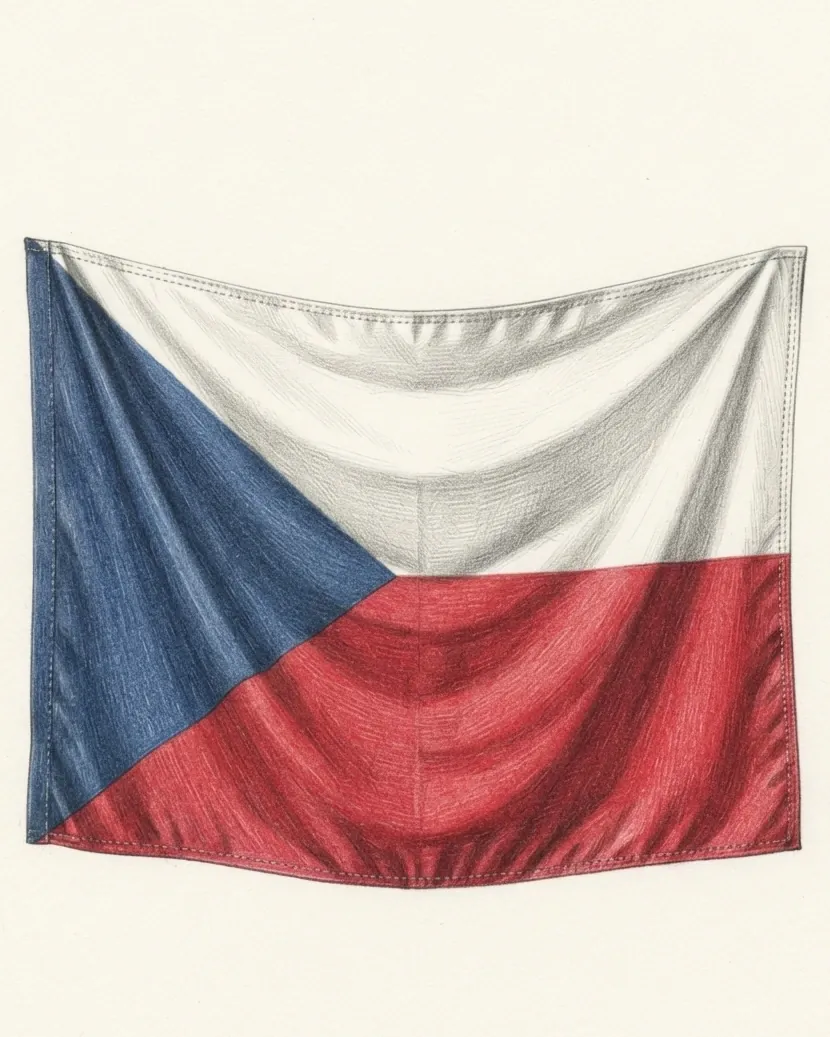
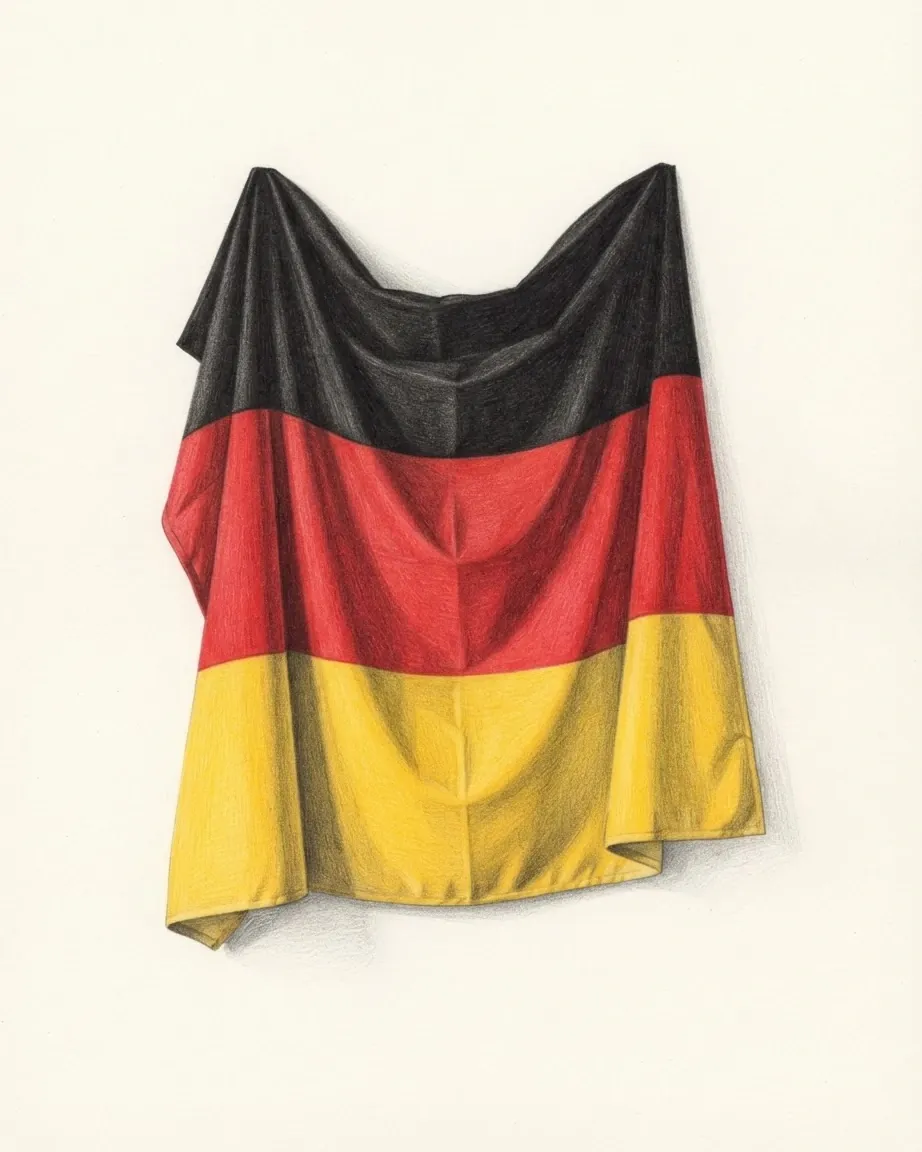
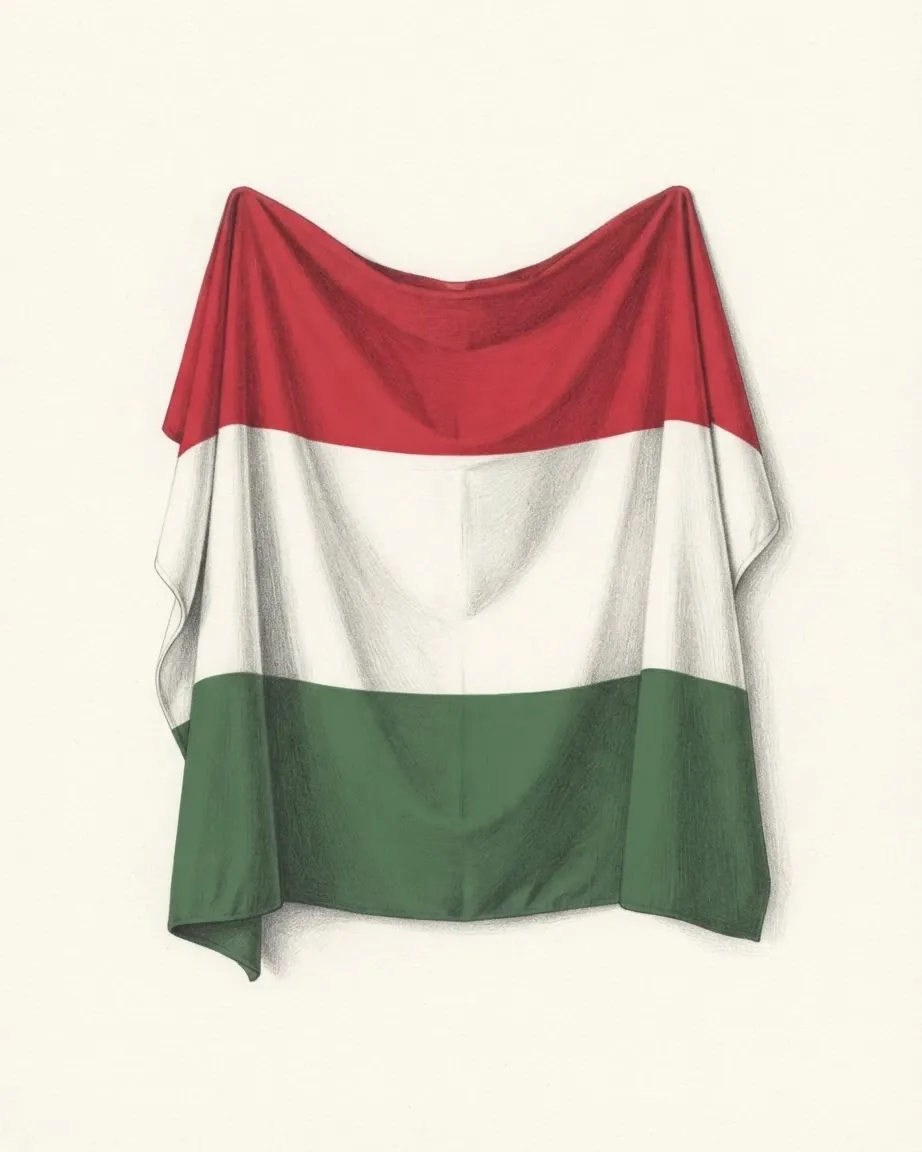
Austria is landlocked. It shares a border with 8 countries, counted as shared borders, which includes neighbours across water.
 Switzerland
 Czechia
 Germany
 Hungary
 Italy
Italy Liechtenstein
 Slovenia
 Slovakia
Why Austria has so many neighbours
Eight countries touch Austria, which is more than almost any state of its size manages: Germany to the north-west, Czechia to the north, Slovakia and Hungary to the east, Slovenia and Italy to the south, and Switzerland and Liechtenstein to the west. The 8,979,894 people counted on 1 January 2022 hold 83,879 square kilometres of landlocked ground in the Eastern Alps.
Vienna, the capital, held 2,028,289 people as of 1 January 2025, and it is also a federal state in its own right, holding almost a quarter of the national population. The land is mountainous through most of its extent, rising to the Grossglockner at 3,798 metres, and the population is concentrated in the eastern lowlands and the river valleys.
| The record in short | |
|---|---|
| Population | 8,979,894 as of 1 January 2022 |
| Area | 83,879 km², landlocked |
| Capital | Vienna, 2,028,289 people as of 1 January 2025 |
| Highest point | Grossglockner, 3,798 m |
| Federal states | nine |
| Currency | euro |
| Republic since | 12 November 1918 |
| Land borders | eight countries |
Austria: geography works through the Alps, the Danube and the ground between them.
Why a small republic sits where an empire was
The name is older than almost any other in Europe: a document of 996 records Ostarrîchi, the eastern realm, and the territory that grew from it became the core of Habsburg power for six centuries. At its height the monarchy ruled much of central Europe, and Vienna was the capital of an empire of dozens of nationalities.
That ended in 1918. The republic dates from 12 November of that year, and what it inherited was a capital built for fifty million subjects governing a country of six million German speakers, which is the single most important fact about modern Austria. The institutions, the buildings and the cultural expectations were all sized for something that no longer existed.
The interwar republic did not survive. Austria was absorbed into Germany in 1938, fought the war as part of it, and was occupied by the four allied powers afterwards. Full independence returned on 15 May 1955 with the Austrian State Treaty, all occupation troops had left by 26 October, and Austria declared permanent neutrality by an act of parliament on that day. Austria: history follows the whole sequence.
How the federation is arranged
Austria is a federal republic of nine autonomous states, and both the federation and every state have written constitutions defining them as republican entities governed by representative democracy. The constitutional description of the system is a federal semi-presidential republic, with a federal president as head of state and a federal chancellor as head of government.
Parliament has two chambers. The Nationalrat has 183 seats, filled every five years by general election, or sooner if the chamber is dissolved by the president on the chancellor's motion or dissolves itself. The Bundesrat represents the nine states in federal legislation.
The president is elected by popular vote for six years and limited to two consecutive terms, which is a stronger mandate than most European heads of state hold. In practice the office is exercised far more modestly than the constitutional text permits, and Austria functions as a parliamentary system with a directly elected president who does not use most of the powers available. Austria: politics covers the institutions and the gap between the text and the practice.
What the economy is doing
Output per head stood at 62,930 dollars in 2025, and at 76,778 once prices are adjusted to purchasing power parity, on 579.5 billion United States dollars in all. Growth came to 0.6% against inflation of 3.5%, with unemployment at 5.6%. Income is distributed relatively evenly, at a Gini coefficient of 31.2 in 2023.
The recent record is worse than the level suggests. Austria emerged from a two-year recession in 2025, with conditions in industry still difficult, and the OECD expects the recovery to be held back by high energy prices, projecting growth of 0.7% in 2026 and 1.1% in 2027. Headline inflation is projected at 2.8% in 2026 and 2.4% in 2027, and the government deficit remains above 4% of output despite consolidation that took effect in 2025.
An energy-intensive industrial economy inside a landlocked country that imports its fuel is exposed in a specific way, and the past three years have exposed it. Gas still supplied more than 20% of space heating demand in 2024, even after consumption fell to around a quarter below the level before Russia's invasion of Ukraine in 2022, so the exposure was reduced rather than removed. Austria: economy works through the sectors and the fiscal position.
What the culture is famous for
Austrian cultural exports are concentrated in one field to an unusual degree. Vienna was the centre of European music for roughly a century and a half, and the composers who worked there are the canon of classical music rather than a national school within it. The institutions built for that period are still operating.
The other inheritance is imperial and architectural. A capital designed as the seat of a multinational monarchy left palaces, ring boulevards, museums and coffee houses on a scale a country of nine million would never have built for itself, and maintaining them is now a national industry.
Austria holds 12 properties on the UNESCO World Heritage List, eleven cultural and one natural, and the cultural eleven are largely urban centres, palaces and cultural regions rather than single monuments, which reflects a country whose heritage is composed of whole places rather than of isolated buildings. Austria: culture goes into the music, the language, the Catholic inheritance and what the empire left behind.
Who comes and when
Austria recorded 48.17 million arrivals and 157.29 million overnight stays in 2025, both increases on the previous year, with an average stay of 3.3 nights unchanged from 2024. For a country of nine million people that is a tourism industry of extraordinary relative scale.
The distinctive feature is that it has two full seasons rather than one. The winter sports economy of the western provinces and the summer economy of the lakes and the mountains are separate industries with separate infrastructure, and the OECD noted a positive winter season in its most recent assessment.
Vienna is the third pillar and works differently again, as a year-round city destination built on the imperial inheritance and the music. Austria: travel deals with the regions, the seasons and the practicalities.
Read
Everything about Austria
Six articles, each answering one question and each written to be read on its own.
The record
What is measured about Austria
Pages that nobody writes, built from the record and from the data files beside it.
Common questions
Questions about Austria
How much ground does Austria cover?
83,879 square kilometres, carrying 8,979,894 people as of 1 January 2022. It is landlocked and borders eight countries: Germany, Czechia, Slovakia, Hungary, Slovenia, Italy, Switzerland and Liechtenstein.
What made Austria neutral?
Full independence returned on 15 May 1955 with the Austrian State Treaty, concluded with the allies of the Second World War after years of negotiation shaped by the Cold War. All occupation troops had left by 26 October 1955, and Austria declared permanent neutrality by act of parliament on that day.
Is Austria a presidential republic?
The constitution describes a federal semi-presidential republic, with a president elected by popular vote for six years and limited to two consecutive terms. In practice the office is exercised far more modestly than the text permits, and the country functions as a parliamentary system.
How many tourists visit Austria?
48.17 million arrivals and 157.29 million overnight stays in 2025, both up on the previous year, with an average stay of 3.3 nights. The country runs two full seasons, winter sport in the west and a summer economy of lakes, cities and mountains.
Nearby in the catalogue