German
Language · official in 6 countries and territories
German, Deutsch to its speakers, is a West Germanic language written in the Latin alphabet with three umlauts and the ß. It is official in 6 countries on record: the language of the state in Germany, Austria and Liechtenstein, and one of several official languages in Switzerland, Luxembourg and Belgium. It had nearly 100 million native speakers in 2024.

The language on record
- Own name
- Deutsch
- ISO 639-1
- DE
- ISO 639-3
- DEU
- Script
- Latin
- Family
- West Germanic
- Official in
- 6 countries
Where German is official
Germany, Austria and Liechtenstein have German as their official language. Switzerland and Luxembourg share official status among several languages, and in Belgium German is the majority language only of the German-speaking Community in the east.
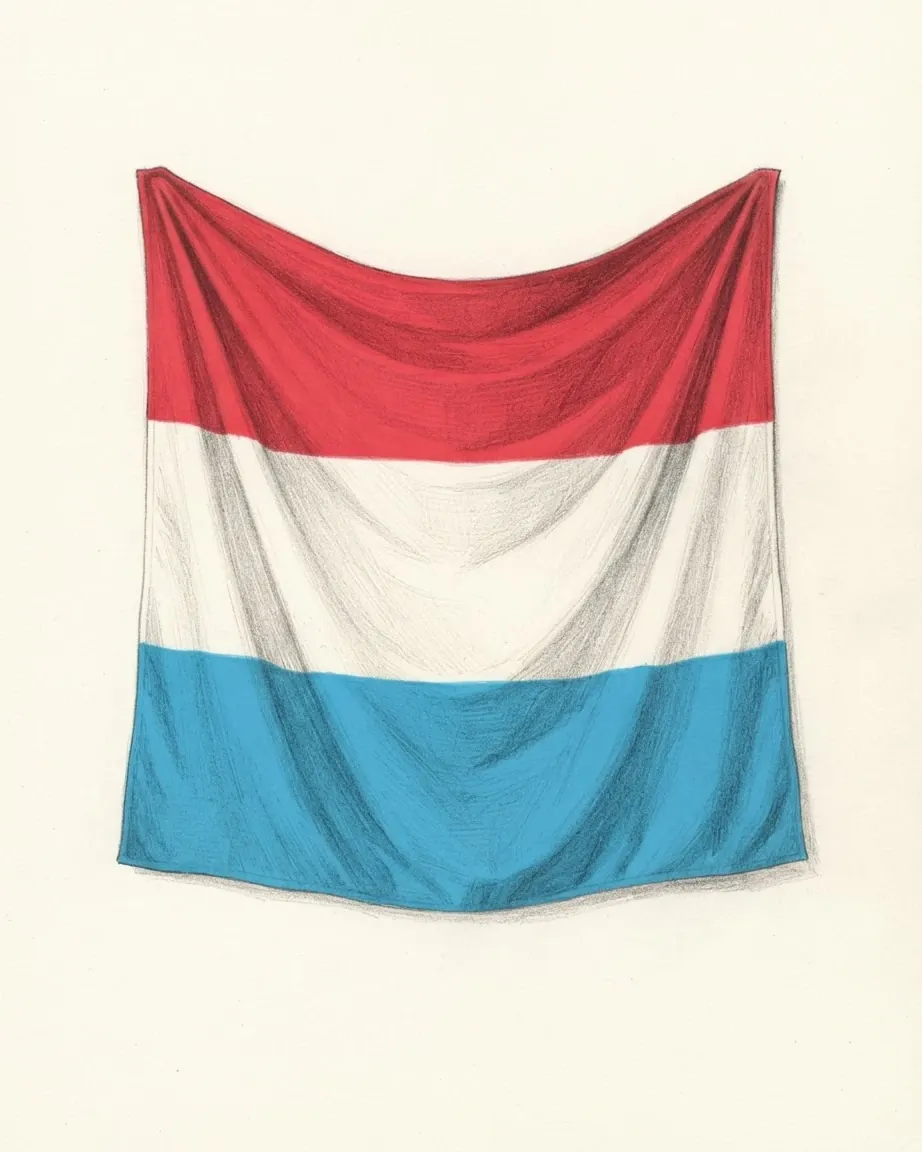
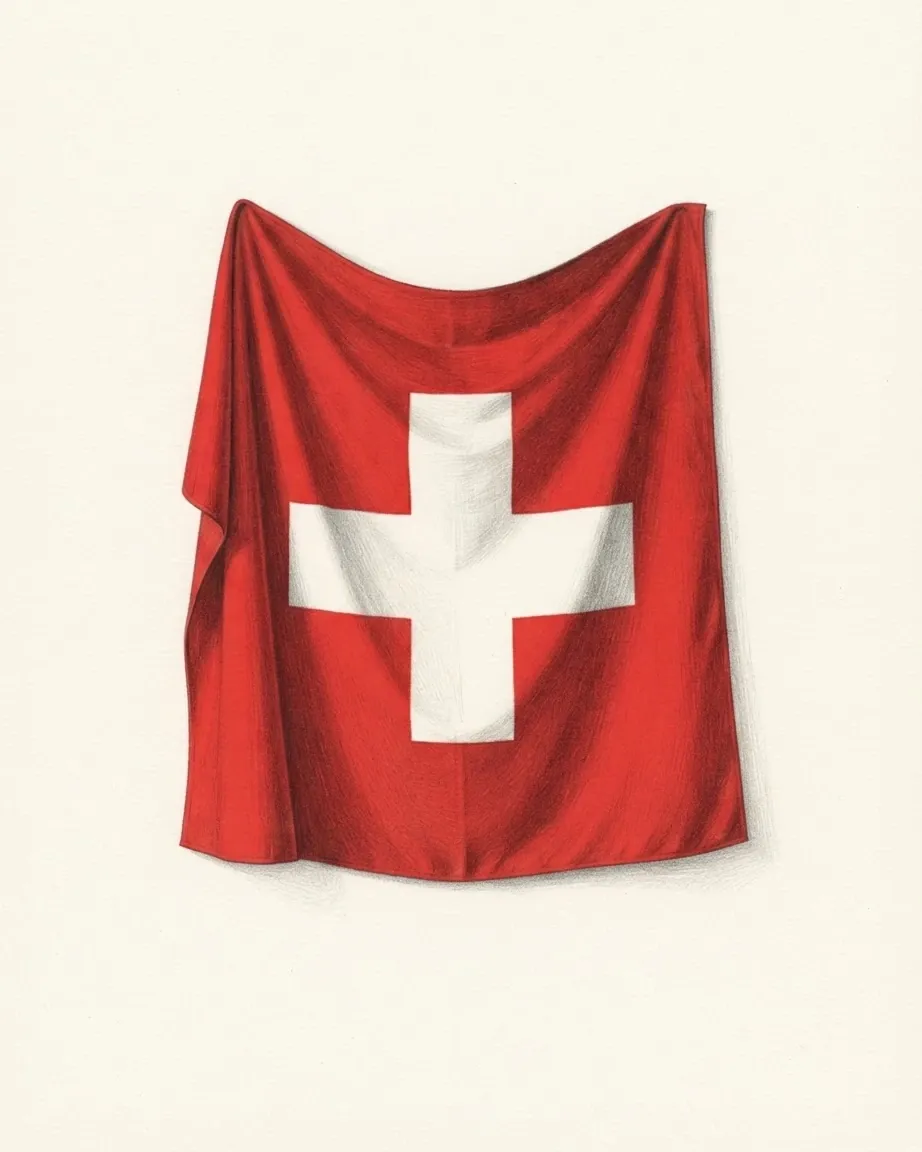
Official beside German
About German
Where did the standard language come from
Standard German grew out of written forms, and Luther's translation of the Bible, whose New Testament appeared in 1522, drew on Meißner Deutsch, the chancery language of the Saxon court, and gave that form a readership across the German lands. For most of the 19th century High German was mainly a written language, and in the north it was foreign to speakers whose everyday dialects were Low German.
The spelling was fixed in 1901, when the Second Orthographic Conference made the Duden handbook its standard definition. Punctuation and compound spelling were left out, and the next official revision came with the orthography reform of 1996, adopted by the governments of every German-speaking country, and the Council for German Orthography has been the main international body for spelling since 2004.
Why German has three national standards
German is pluricentric. Germany, Austria and Switzerland each have a standard variety of their own, which differ in vocabulary, in some pronunciation and in points of grammar and spelling. These standards are separate from the dialects, which run from Low German in the north, untouched by the High German consonant shift, to the Alemannic dialects of Switzerland and Alsace in the south. Luxembourgish and Yiddish grew from the same High German dialect group as the standard.
What marks German on the page
Every noun takes a capital letter, a convention German now shares only with Luxembourgish and a few North Frisian dialects. The umlauts ä, ö and ü are written ae, oe and ue where a keyboard lacks them, and ß becomes ss. The ß had no capital form for most of its history, so capitals turned it into SS, until a capital ẞ entered German orthography in 2017. Long compounds are common, although chains of more than three or four nouns turn up mostly in jokes.
Where German has standing beyond these countries
The list above follows national law. Below that level German is co-official in the Italian province of South Tyrol, where it is the majority language. In Namibia, a German colony from 1884 to 1915, it was co-official from 1984 until independence in 1990 and is now one of the country's national languages, with about 30,000 native speakers and a German-language daily, the Allgemeine Zeitung.
Common questions
Questions about German
In which countries is German an official language?
In 6 countries on record. It is the official language of Germany, Austria and Liechtenstein, and one of several in Switzerland, Luxembourg and Belgium. Italy's province of South Tyrol also gives it official status, and Namibia lists it among its national languages.
Is Austrian German a different language from German?
No. Austrian Standard German is one of three national standards of the same language, beside the German and Swiss ones, and the differences lie mostly in vocabulary.
Why does German capitalise every noun?
The convention was once common across northern Europe in the early modern period and survived in German. Today only Luxembourgish and a few North Frisian dialects share it. It lets a reader pick out the nouns in a sentence at a glance.
Is there a capital ß?
Yes, since 2017. For most of its history the letter had no capital form, so text set in capitals wrote SS in its place and Maßband became MASSBAND. Legal documents sometimes kept a lower-case ß inside a capitalised surname to tell names such as KREßLEIN and KRESSLEIN apart. The capital ẞ ended that debate.