Six governments legislate for a single country of 30,688 square kilometres. Belgium's 11,825,551 people as of 1 January 2025 live between the North Sea and the Ardennes, under three official languages. The federal structure is built entirely around the line that separates Dutch speakers in the north from French speakers in the south.
At a glance
- Population
- 11 941 781
- Capital
- Brussels
- Area
- 30 688km²
- Currency
- €EUR
- Official languages
- French
- Local time
- UTC+01:00
Where it is
Where Belgium is, and what is around it
Belgium has a coast. It shares a border with 4 countries, counted as shared borders, which includes neighbours across water.
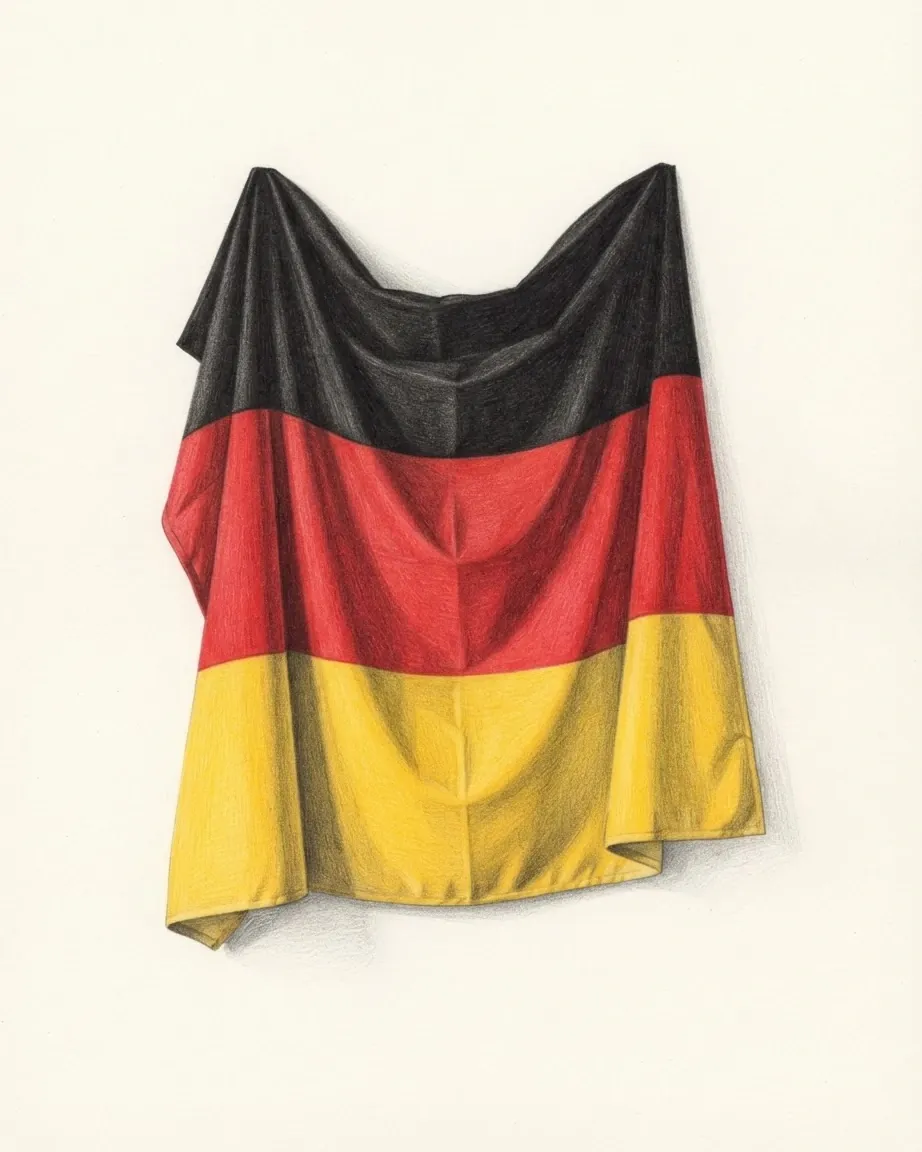
 Germany
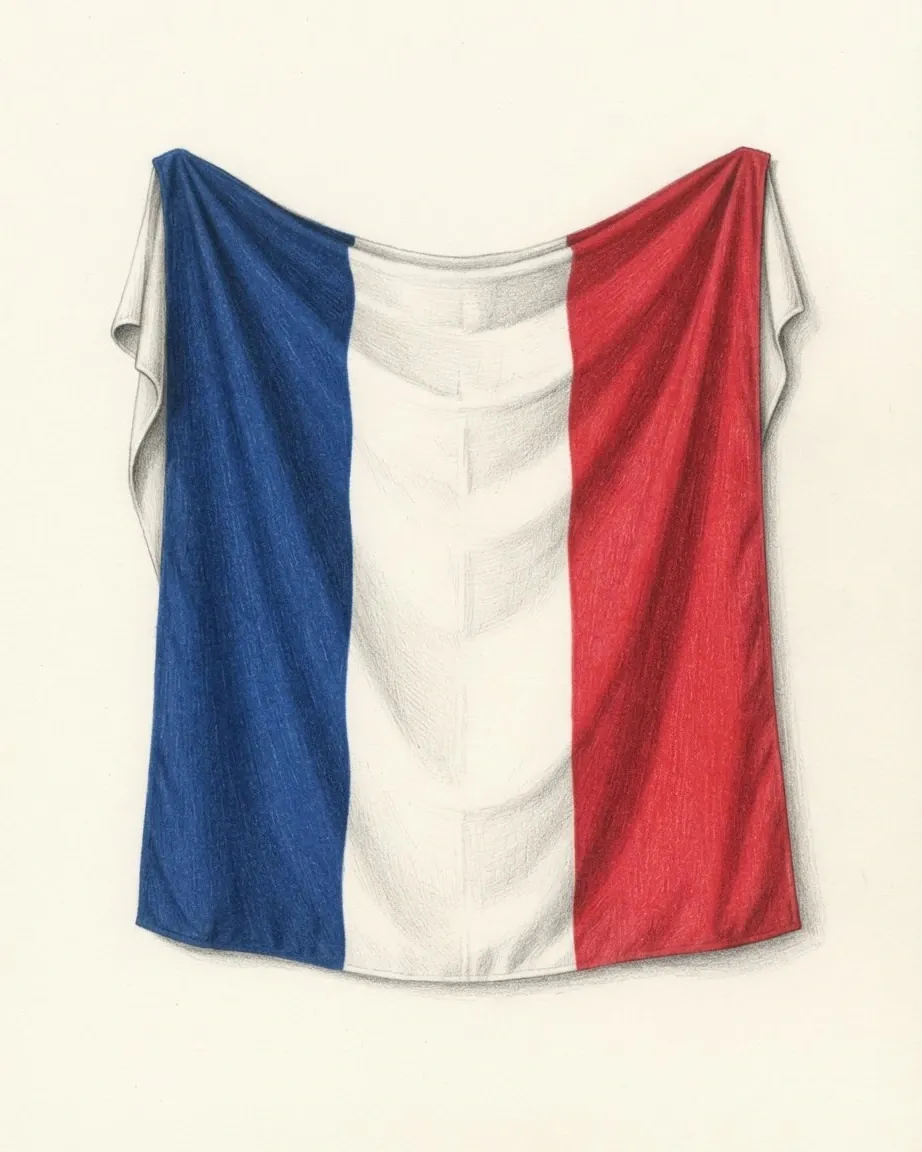
 France
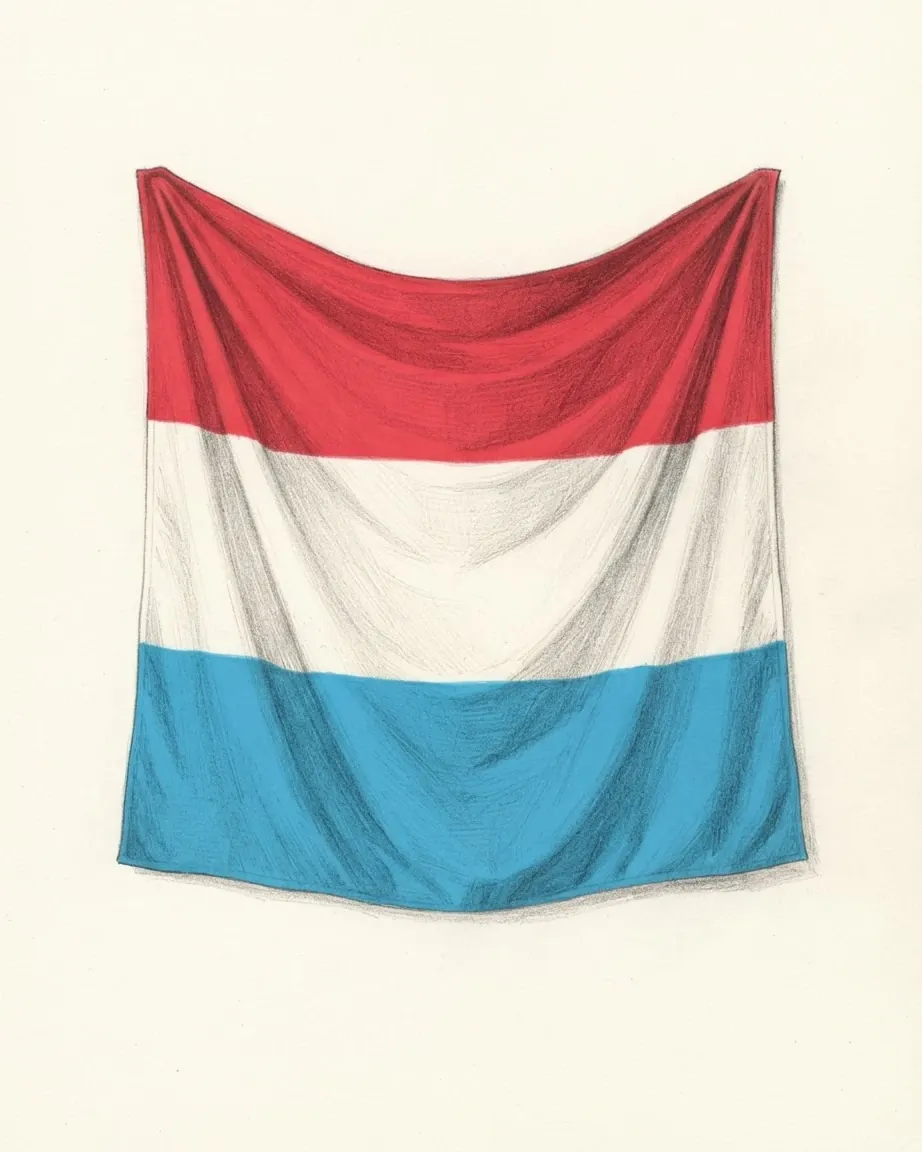
 Luxembourg
 Netherlands
How Belgium fits its population in
Nearly the whole population lives in towns and cities: 87.7% was in urban areas as of 2025. Belgium counted 11,825,551 people on 1 January 2025, on 30,688 square kilometres between the North Sea and the German border, and it borders France, Luxembourg, Germany and the Netherlands.
Brussels is the capital. The municipality itself holds 195,546 people as of 1 January 2024, which understates the city considerably, because the Brussels-Capital Region is made up of nineteen municipalities of which the City of Brussels is only one. The land is low throughout: the highest point, the Signal de Botrange in the eastern uplands, reaches only 694 metres.
| The record in short | |
|---|---|
| Population | 11,825,551 as of 1 January 2025 |
| Area | 30,688 km² |
| Capital | Brussels |
| Highest point | Signal de Botrange, 694 m |
| Official languages | Dutch, French, German |
| Currency | euro |
| Independent since | 4 October 1830 |
| World Heritage properties | 16 |
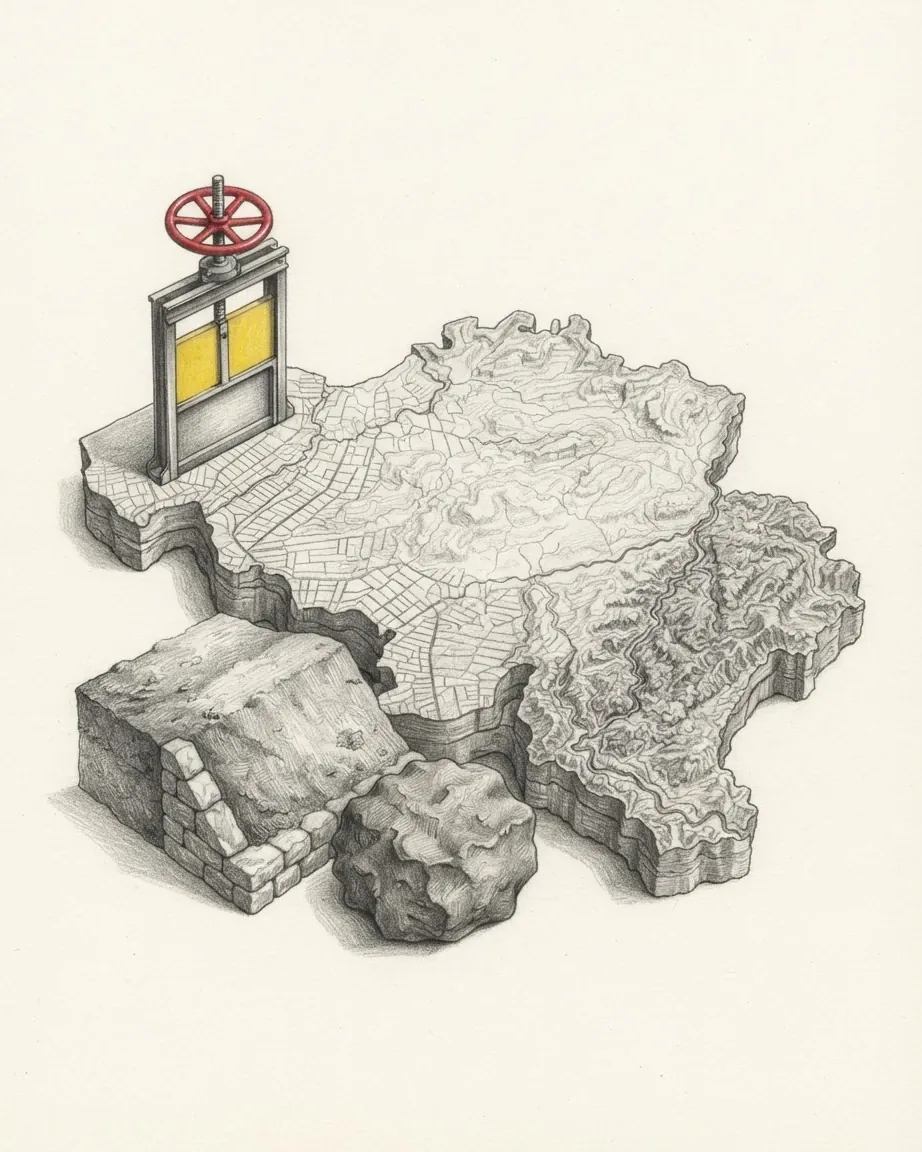
Belgium: geography works through the coast, the plain and the Ardennes.
Why there are six governments
Belgium is a constitutional monarchy and a federal parliamentary democracy, and its federalism is unlike anyone else's because it divides along two axes at once.
There are three regions, defined by territory: Flanders in the north, Wallonia in the south and Brussels-Capital in the middle. There are also three communities, defined by language: the Flemish, French and German-speaking Communities. Regions handle matters attached to a place, such as economy and transport; communities handle matters attached to a people, such as education, culture and welfare.
Because Brussels is officially bilingual and sits inside Flemish territory while being majority French-speaking, the two axes do not line up, and the result is a country with a federal government and five federated governments, each of the five components having its own directly elected unicameral parliament that votes decrees carrying the same force as federal law.
The constitution dates from 7 February 1831 and has been changed repeatedly, with the most consequential reforms in 1970 and 1993. Each of those reforms transferred power downward, and none of them settled the question. Belgium: politics works through the structure and why it keeps being renegotiated.
How the state came to exist
Belgium is younger than most of the cultures inside it. The territory spent centuries as a set of prosperous duchies and prince-bishoprics under Burgundian, Spanish, Austrian and French rule in turn, and the cities of Flanders and Brabant were among the wealthiest in medieval Europe long before anyone proposed a Belgian state.
Independence came on 4 October 1830, after a revolution against the Netherlands, and the powers of the day accepted it on condition that the new kingdom stayed neutral. That guarantee is what dragged the country into the twentieth century's wars: Belgium was invaded in 1914 and again in 1940 because the shortest route between Germany and France runs across it.
Between those events the country industrialised early and hard. Wallonia's coal and steel made it one of the first industrial regions on the continent, and the wealth and the political weight sat in the French-speaking south for a century.
That balance reversed after the Second World War. Coal and steel declined, Flanders industrialised on ports and chemicals, and the economic weight moved north while the political settlement had been built for the reverse. Every state reform since has been an attempt to accommodate that inversion. Belgium: history follows the sequence.
Where Belgian output comes from
At 725.5 billion United States dollars in 2025, Belgian output came to 60,750 dollars a head, or 74,676 at purchasing power parity. Growth ran at 1% with inflation at 2.5%, and unemployment stood at 5.9%. Income is distributed unusually evenly, at a Gini coefficient of 26.8 in 2023.
The economy is a trading one to an extreme degree. A small, densely populated country at the mouth of the Rhine delta with the ports and the railways to serve northern Europe makes its living from moving and re-exporting other people's goods, and chemicals, pharmaceuticals, food processing and logistics are the industries that follow.
The OECD projects growth falling to 0.7% in 2026 before recovering to 1.1% in 2027, with headline inflation rising to 3.5% in 2026 and slowing to 2.6% in 2027, and it names a specific vulnerability: potential gas or oil shortages pose a risk to a Belgian industry that is highly dependent on fossil fuel. Belgium: economy covers the sectors and the public finances.
What the culture holds
Belgian culture is two cultures in most respects and one in a few, and the ones where it is one are the ones the country is known for abroad.
Painting is the first. The Flemish primitives of the fifteenth century, the Antwerp Baroque and the surrealists of the twentieth are three separate high points produced in the same small territory, and they are claimed as Belgian retrospectively by a state that did not exist for two of them.
Comics, beer and food are the others. Belgium produced a comics tradition treated as a serious art form, brews in a range of styles found nowhere else, and has a food culture built on a set of dishes and products that are recognisably its own.
The country holds 16 properties on the UNESCO World Heritage List, fifteen cultural and one natural, and they include belfries, béguinages, canal houses and industrial sites rather than a single national monument. Belgium: culture goes into the languages and the divide.
Who comes and where they stay
Belgian tourist accommodation registered 46,136,112 overnight stays in 2025, an increase of 1,293,014 or 2.9% on 2024, and the sector is now well past the collapse of 2020, when it recorded 20.2 million overnight stays, less than half the pre-pandemic level.
The regional distribution follows the population and the coast. Flanders takes 63% of overnight stays, Wallonia 21% and Brussels-Capital 16%, and the growth in 2025 was fastest in Wallonia at 6.9%, a turnaround after a 3.1% decline the year before.
Hotels remained the most popular accommodation in 2025 at 46% of overnight stays, while camping sites grew fastest at 10.5%. Belgium: travel deals with the cities and the practicalities.
Read
Everything about Belgium
Six articles, each answering one question and each written to be read on its own.
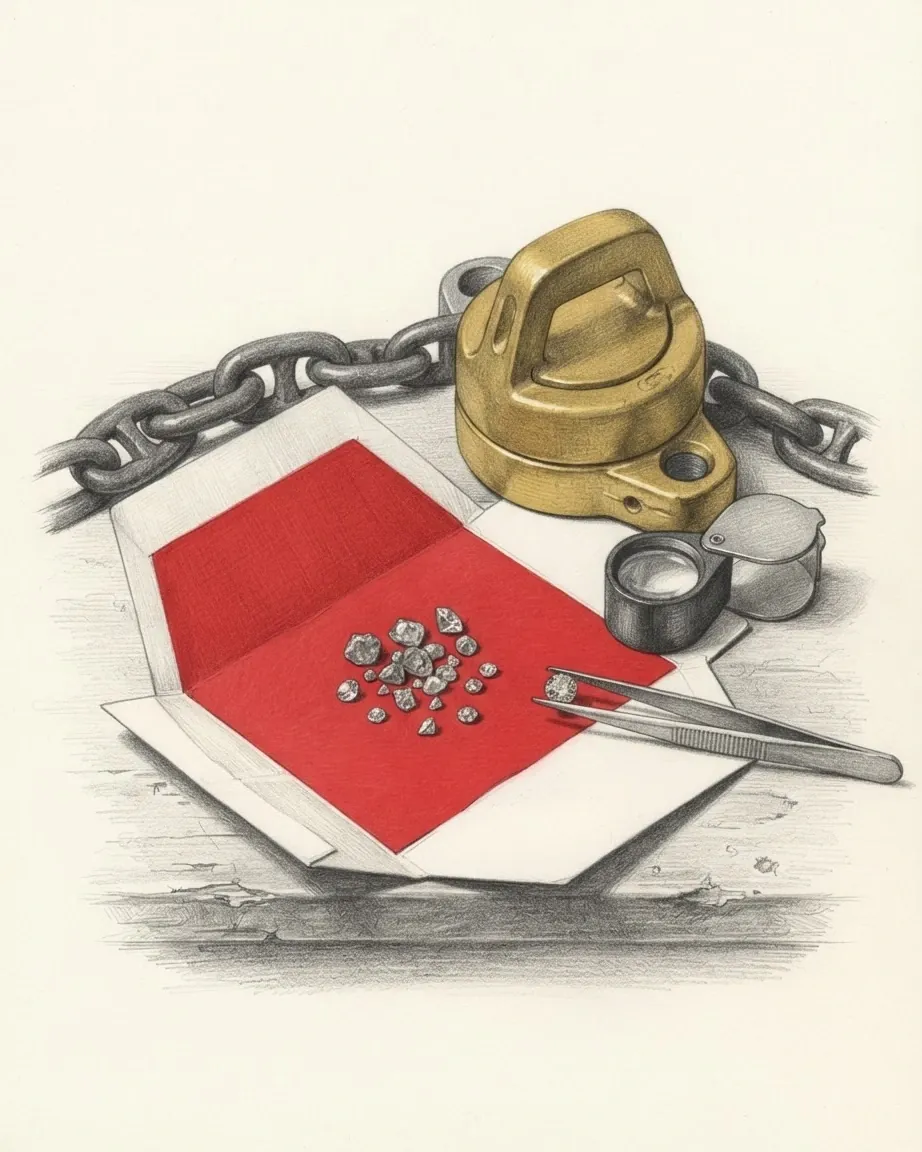
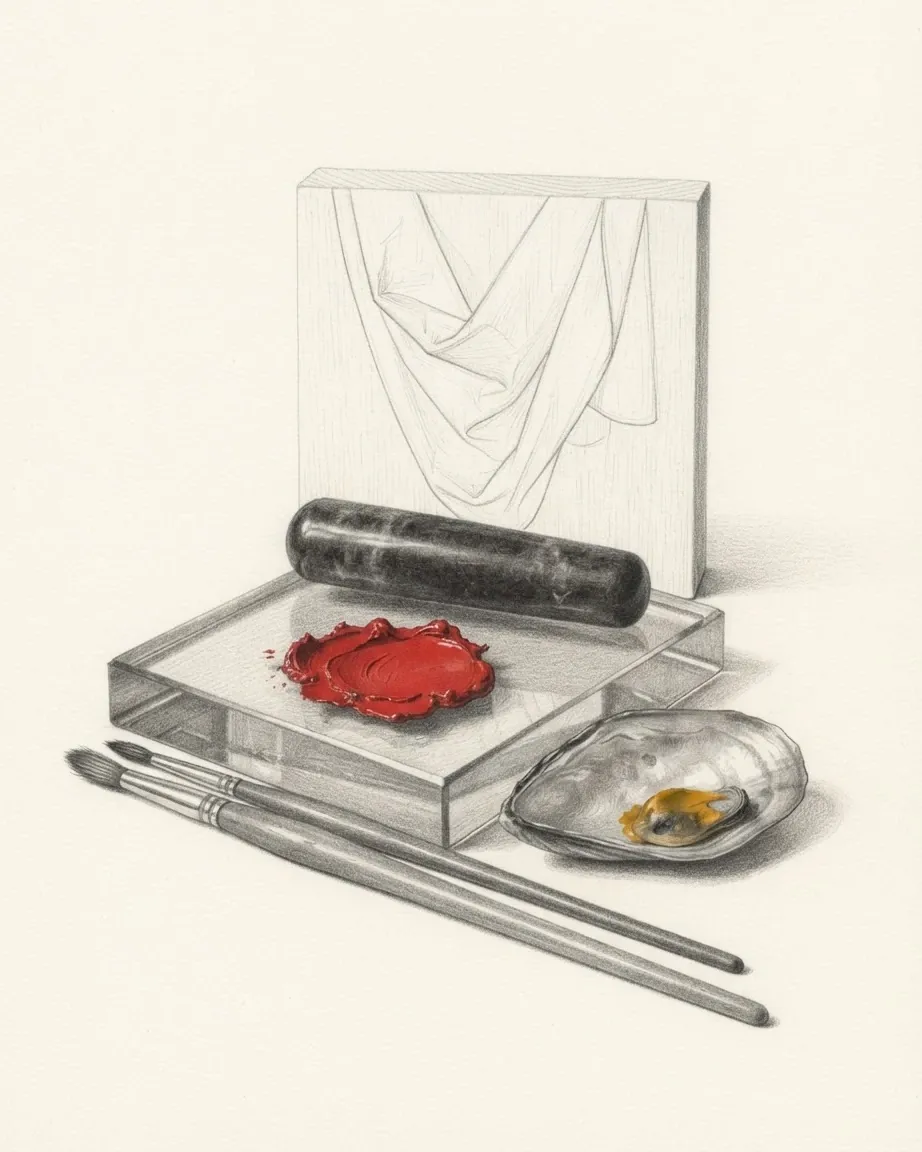
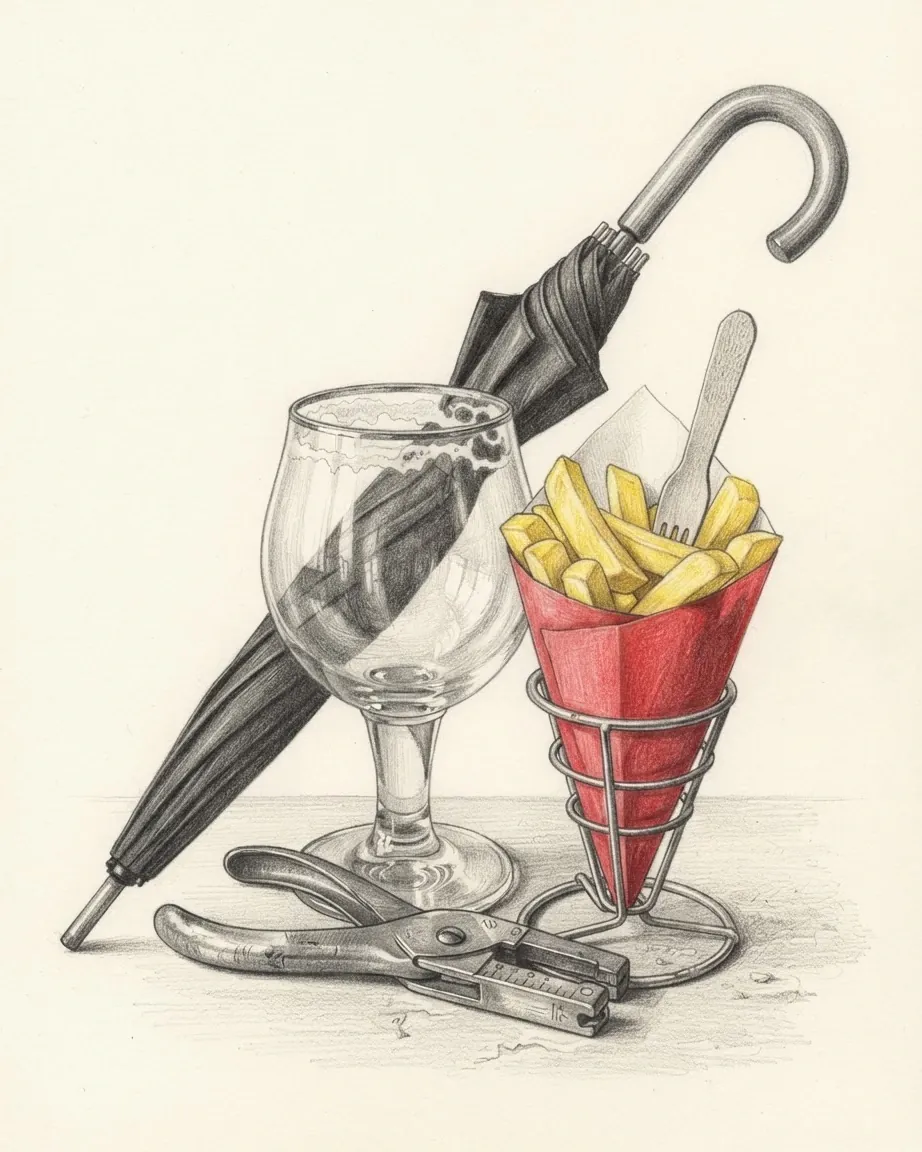
The record
What is measured about Belgium
Pages that nobody writes, built from the record and from the data files beside it.
Common questions
Questions about Belgium
How big is Belgium?
30,688 square kilometres, and the 11,825,551 people counted on 1 January 2025 work out at 385 to the square kilometre. It borders France, Luxembourg, Germany and the Netherlands, and 87.7% of its population lived in urban areas as of 2025.
Why is Belgium governed by six parliaments?
Because its federalism divides along two axes. Three regions defined by territory handle matters attached to a place, and three communities defined by language handle matters attached to a people. Since Brussels is bilingual and sits inside Flemish territory, the two do not line up, and the country ends with a federal government and five federated ones.
What languages are spoken in Belgium?
Dutch in the north, French in the south and German in a small eastern area, all three official. Brussels is officially bilingual in Dutch and French, and the border between the language areas is fixed by law rather than by usage.
How many tourists visit Belgium?
Belgian tourist accommodation registered 46,136,112 overnight stays in 2025, up 2.9% on 2024. Flanders took 63% of them, Wallonia 21% and Brussels-Capital 16%.
Nearby in the catalogue