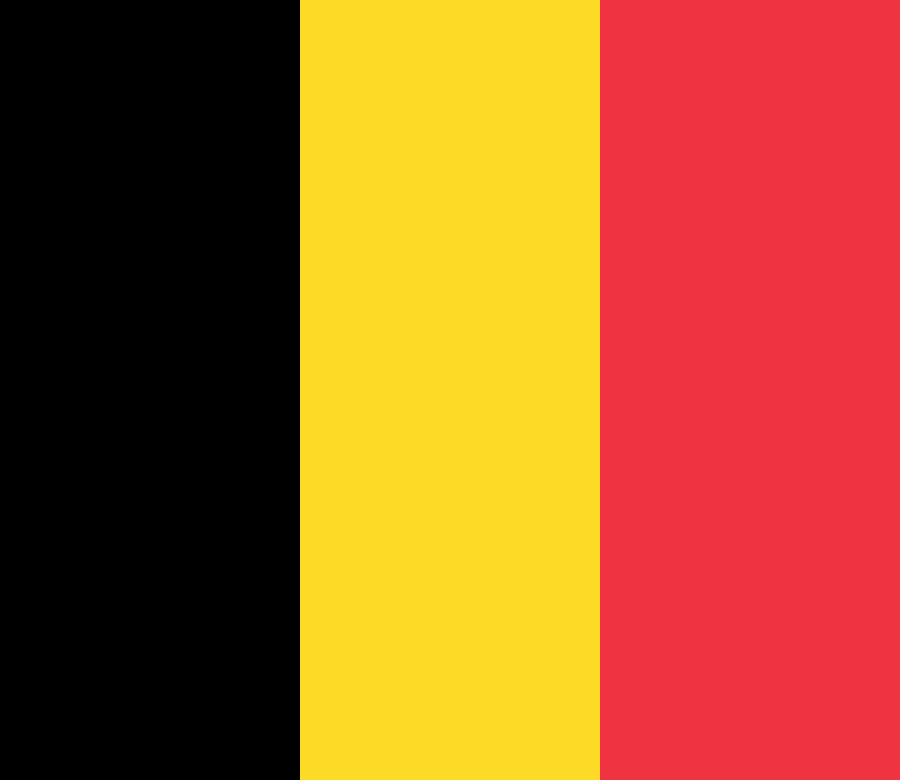
The flag of Belgium
Drapeau de la Belgique · since 1831
 Back to Belgium
Three equal vertical stripes of black, yellow and red, the colours of the arms of Brabant, in the unusual official proportion 13:15. The first flag of the 1830 revolution ran red, yellow and black horizontally, and the Constitution still lists the colours in that order; black was put at the hoist in October 1831 on the navy's instruction, and the article was never changed to match.
At a glance
- Adopted
- 1831
- Proportion
- 13:15
- Colours
- Earlier flags
- 3
- Designers
- 3
The colours
The colours of the flag of Belgium, in the order it has them
- 0133.1%
Black
noirHoist stripe
- HEX
#000000- RGB
0 0 0- CMYK
0 0 0 100- Pantone
Black
- 0233.4%
Yellow
jauneMiddle stripe
- HEX
#FDDA25- RGB
253 218 37- CMYK
0 8.5 79 0- Pantone
115
- 0333.4%
Red
rougeFly stripe
- HEX
#EF3340- RGB
239 51 64- CMYK
0 94 87 0- Pantone
032
No law gives these codes. HEX and RGB are the colour this site draws the flag in; CMYK, Pantone and RAL are the values most often published for it.
Construction
How the flag is drawn
Three vertical stripes of equal width, black at the hoist, yellow in the middle and red at the fly.
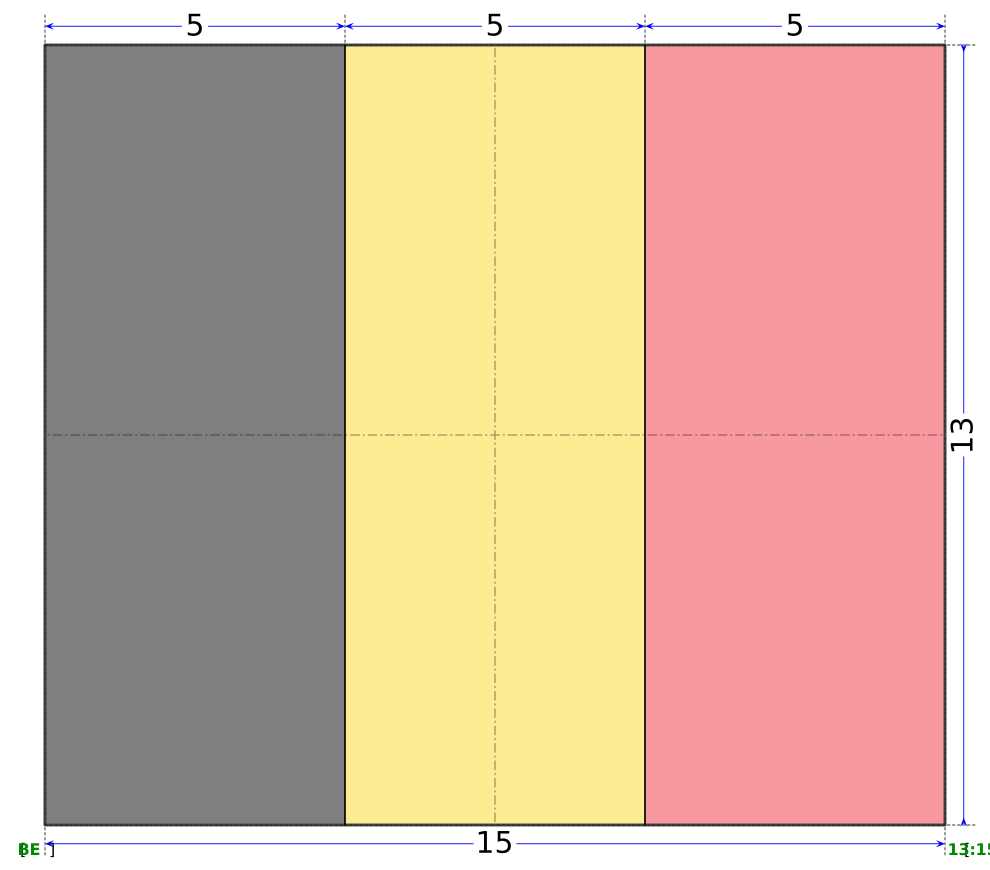
- Stripes
- Three vertical stripes, each one third of the width
- Official size
- 2.60 m high by 3 m long, from a 19th-century directive of the Ministry of Foreign Affairs. The Constitution sets no proportion
- Order
- Black at the hoist. The Constitution names the colours as red, yellow and black
Other forms
- Civil flag
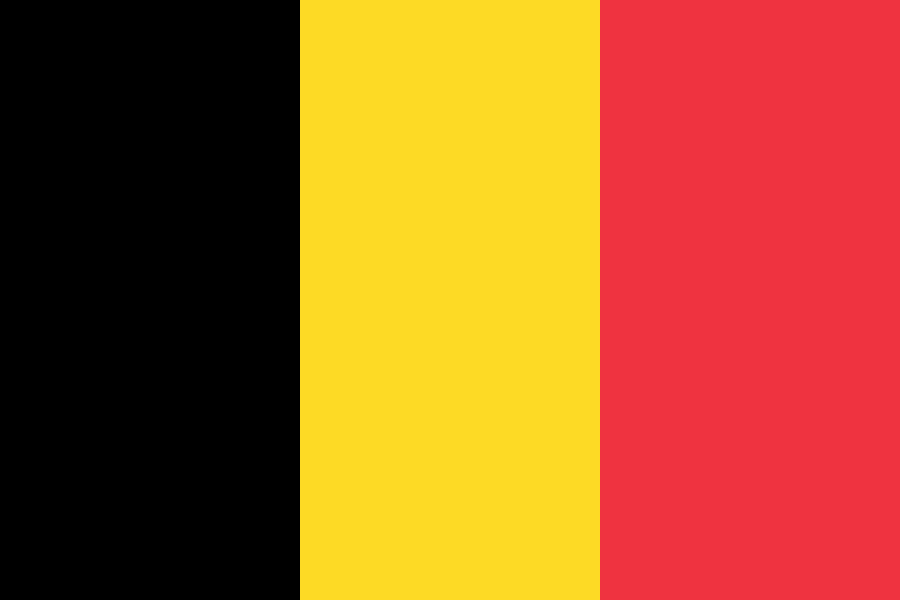
- The same stripes at 2:3, the form most flown by ministries, public buildings and citizens, and on private boats.
- State ensign
- The tricolour with a black crowned lion in the centre, used by government vessels and agencies at sea.
- Naval ensign
- Created by decision of 23 February 1950 and first hoisted on 2 March 1950: the national colours in a saltire on white, recalling the Cross of Burgundy, with a black crown over crossed cannons and an anchor, at 2:3.
- Flag on the Royal Palace
- Flown at 4:3 above the Royal Palace in Brussels, for the perspective of a flag seen from below.
Meaning
What each part stands for
- Black, yellow and red
- The arms of the old Duchy of Brabant, a gold lion on black with red claws and tongue, which are also the lesser arms of Belgium. Flanders bore the same colours with the gold and black reversed
- Vertical stripes
- Variously explained as avoiding confusion with the Dutch flag in the war of 1830 to 1831, as echoing the French tricolour, or as setting the flag apart from that of the German Confederation
Who drew it
- Lucien Jottrand
- Lawyer and editor of the Courrier des Pays-Bas, who proposed the Brabant colours for the first Belgian flag on 26 August 1830
- Édouard Ducpétiaux
- Journalist who bought the cloth, had the flag sewn and hoisted it at Brussels City Hall
- Marie Abts
- Sewed the first two flags in her husband's haberdashery in Brussels
History
How the flag of Belgium got here
- 1789
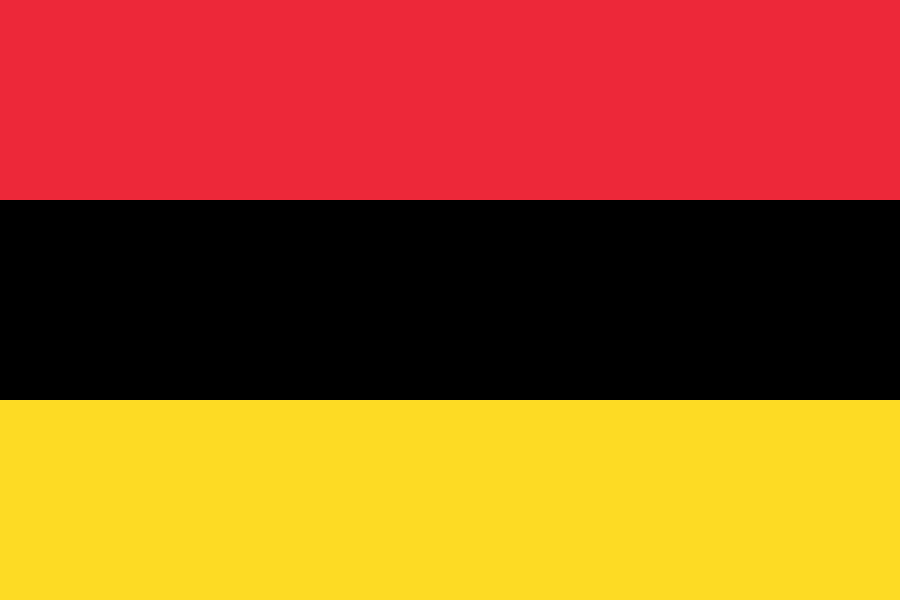
Brabant Revolution
Dec 1789 → 1790
The United Belgian States flew horizontal stripes in the Brabant colours during the revolt against Habsburg rule, arranged red, black and yellow on a contemporary drawing.
- 1830

The revolutionary flag
26 Aug 1830 → 23 Jan 1831
Red, yellow and black in horizontal stripes, hoisted at Brussels City Hall in place of a French tricolour on the morning of 26 August 1830. The civic guard carried it, towns across the southern Netherlands took it up within days, and the Provisional Government adopted it on 30 September 1830.
- 1831
Vertical stripes
23 Jan 1831 → 12 Oct 1831
A decree made the stripes vertical, red at the hoist, and the first official drawing of the vertical flag was 3:4. Horizontal flags stayed in use for some time; the Flags of Honour presented on 27 September 1832 were among the last.
- 1831
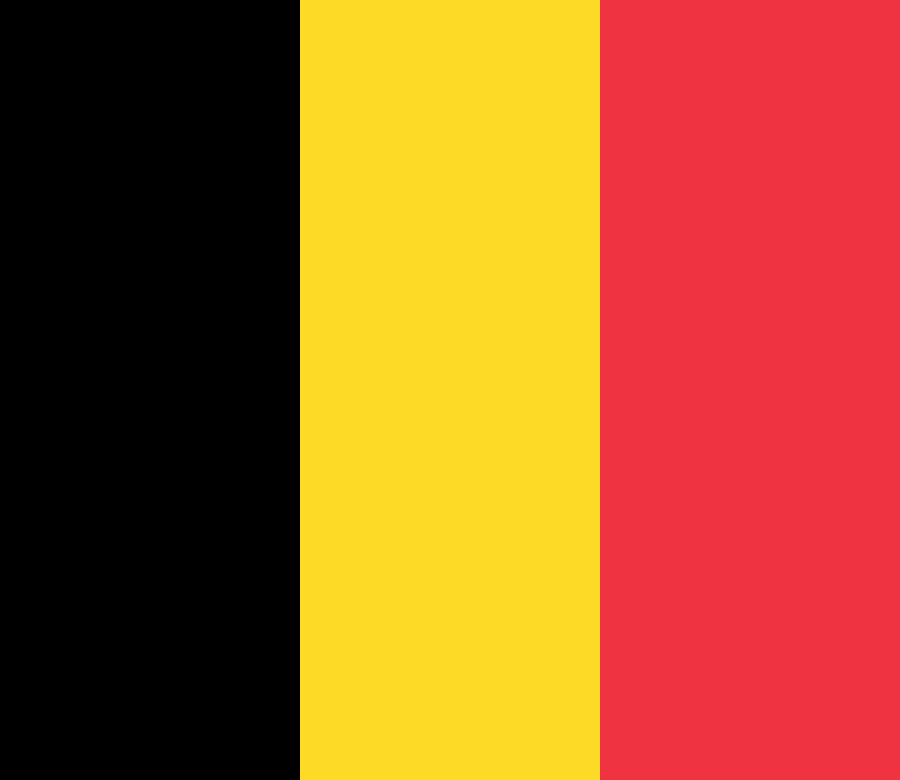
Black at the hoistIn use
12 Oct 1831 → today
The Ministry of the Interior followed the navy's instruction of 15 September 1831 to place black at the hoist, so that the flag matched the ensign. Article 193 of the Constitution was never revised.
The law
What defines it, and who flies it
- 30 September 1830
Decree of the Provisional Government
Adopted the national flag as it then was: red, yellow and black in horizontal stripes.
- 23 January 1831
Decree of the Provisional Government
Made the merchant flag red, yellow and black, the colours placed vertically.
- 7 February 1831
Constitution of Belgium, Article 193 (originally 125)
The Belgian nation adopts the colours red, yellow and black. Gives no order of stripes, no layout and no proportion.
- 15 September 1831
Instruction of the Department of the Navy
Black at the hoist, yellow in the middle, red at the fly. The Ministry of the Interior followed it on 12 October 1831.
- 5 July 1974
Royal Decree on flying the flag on public buildings
Sets the days on which the flag must fly on public buildings.
In use
Anyone may fly the flag at any time
Public buildings must fly it on the days the Royal Decree of 5 July 1974 lists, of which the national holiday on 21 July is the chief
When flags are raised, lowered or carried in procession the national flag precedes those of the communities and regions, the European flag, the provinces and the municipality
Related flags
The flags it is confused with or comes from

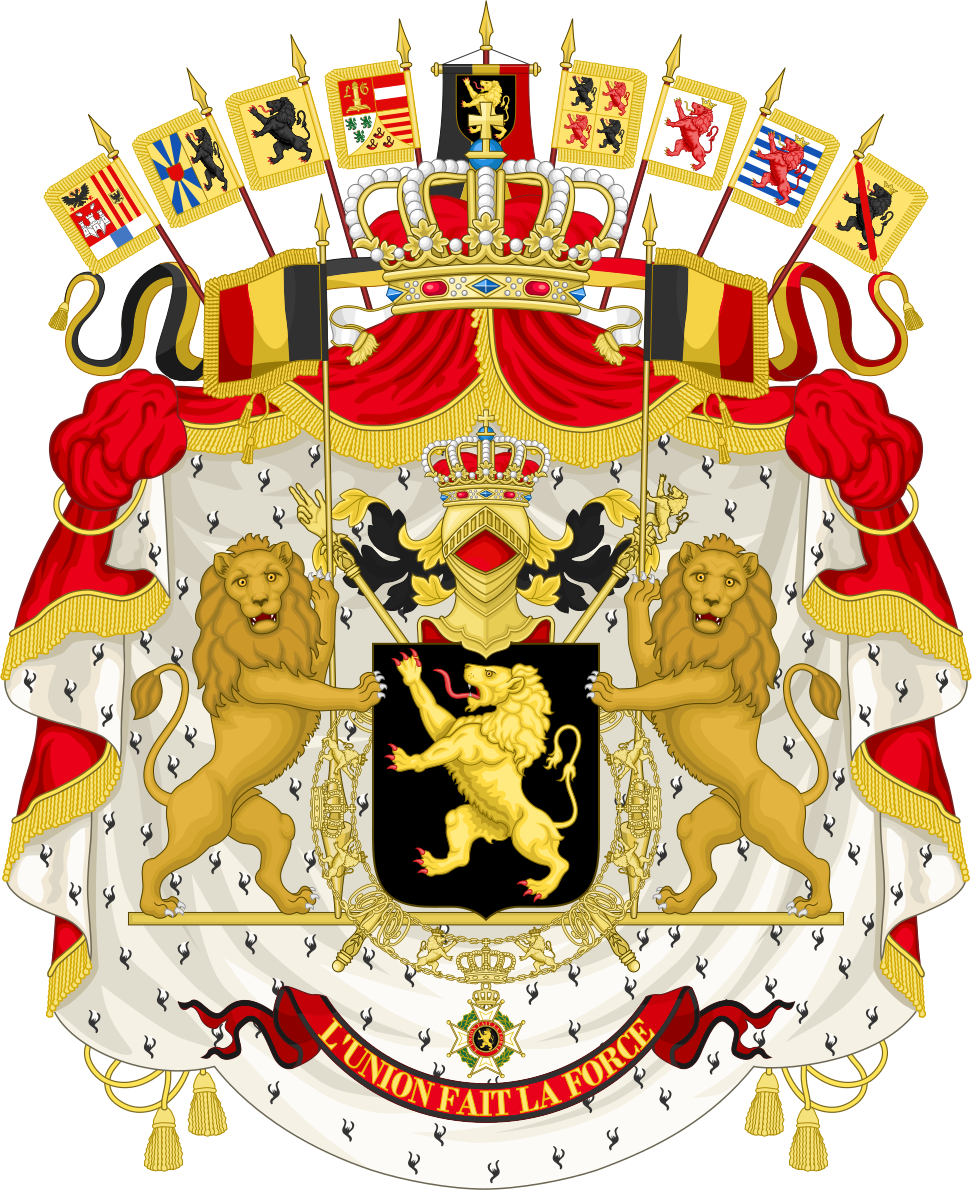
Coat of arms
The arms of Belgium