Western Europe
The European Court of Human Rights held on 25 April 1978 that a birching ordered by a juvenile court on the Isle of Man was degrading punishment. The island makes its own law and sends nobody to Westminster, yet the Convention had reached it by a letter sent from London on 23 October 1953. The Convention reaches every country filed here, three of them through another state.
10 countries
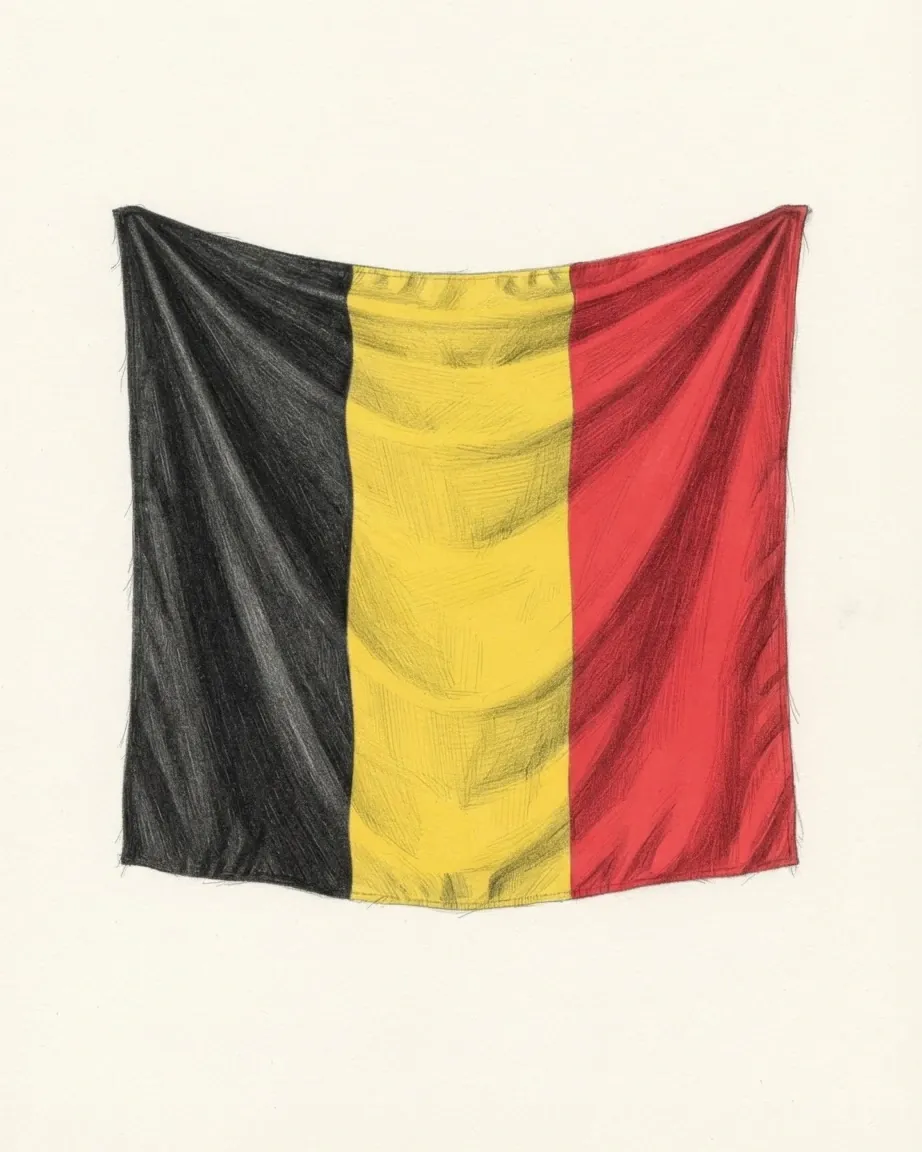
- Belgium11.8 million people on 30,688 square kilometres, three official languages and six governments. A federal structure built around a language border, and 16 heritage sites.
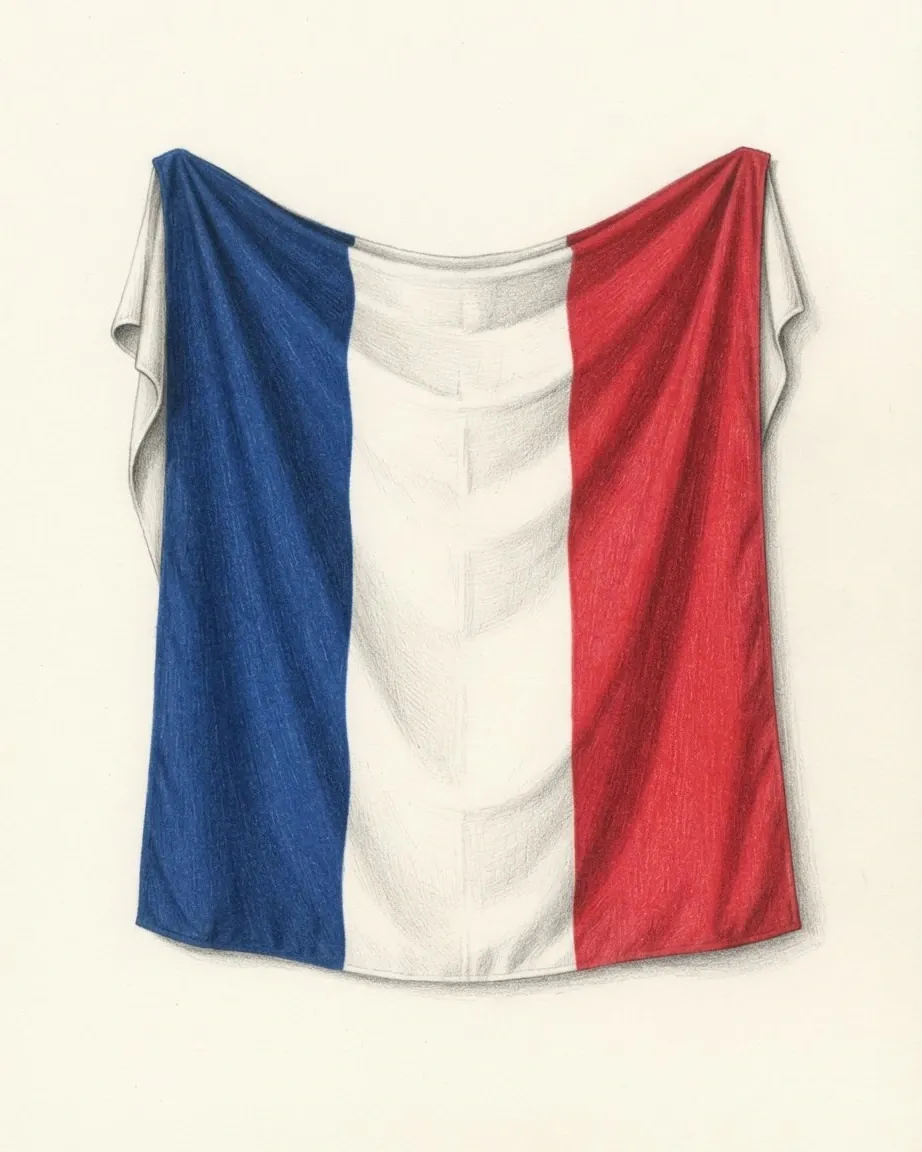
- France68.6 million people and 643,801 square kilometres across three oceans. Five republics since 1789, 56 nuclear reactors, and public debt at 115.5% of output.
- GuernseyA Crown Dependency of 67,787 people as of 1 January 2024: its own laws, taxes and housing rules, with defence and immigration law left to the UK.
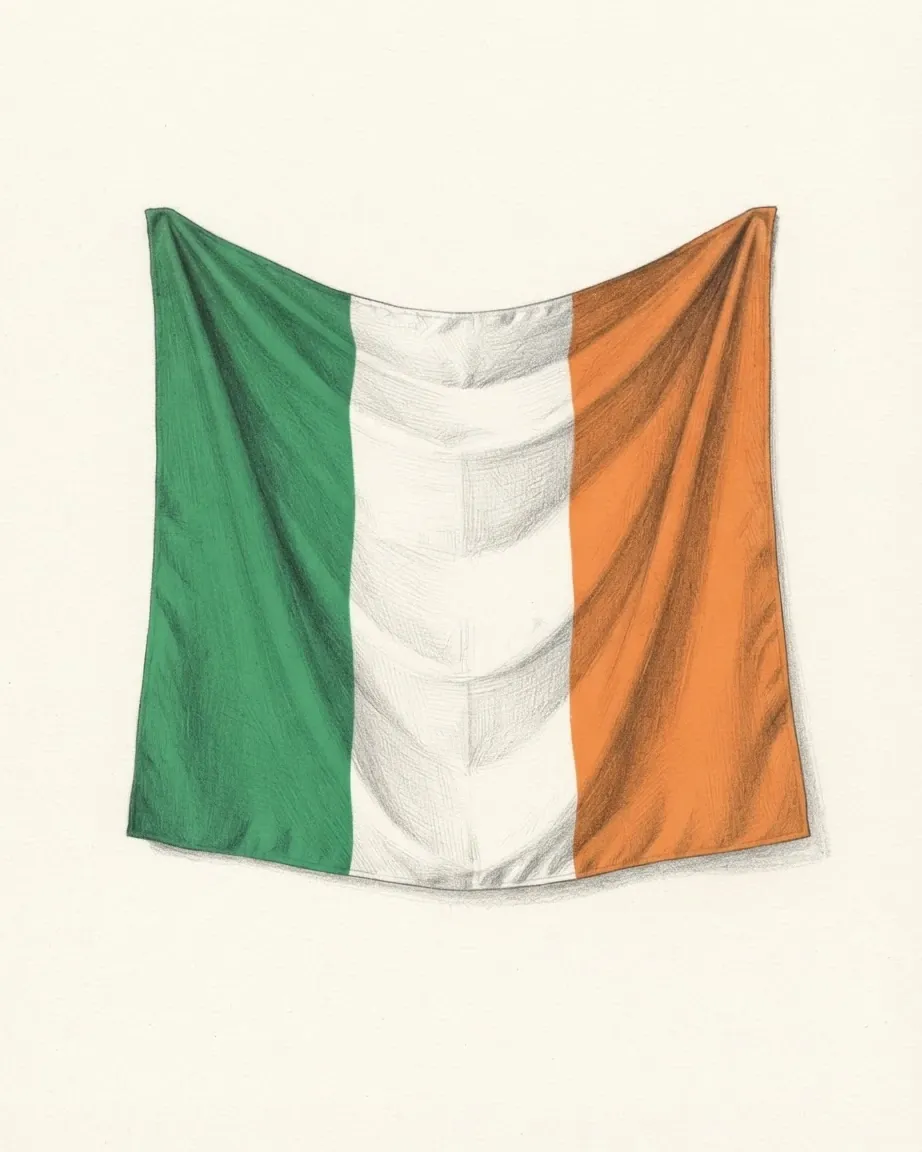
- Ireland5.1 million people on 69,797 square kilometres. A constitution changed only by referendum, and an economy whose own statisticians publish a second measure of its size.
- Isle of Man84,523 people as of 1 January 2024, governed by Tynwald under the Crown as Lord of Mann, outside the United Kingdom and the EU, with laws of its own making.
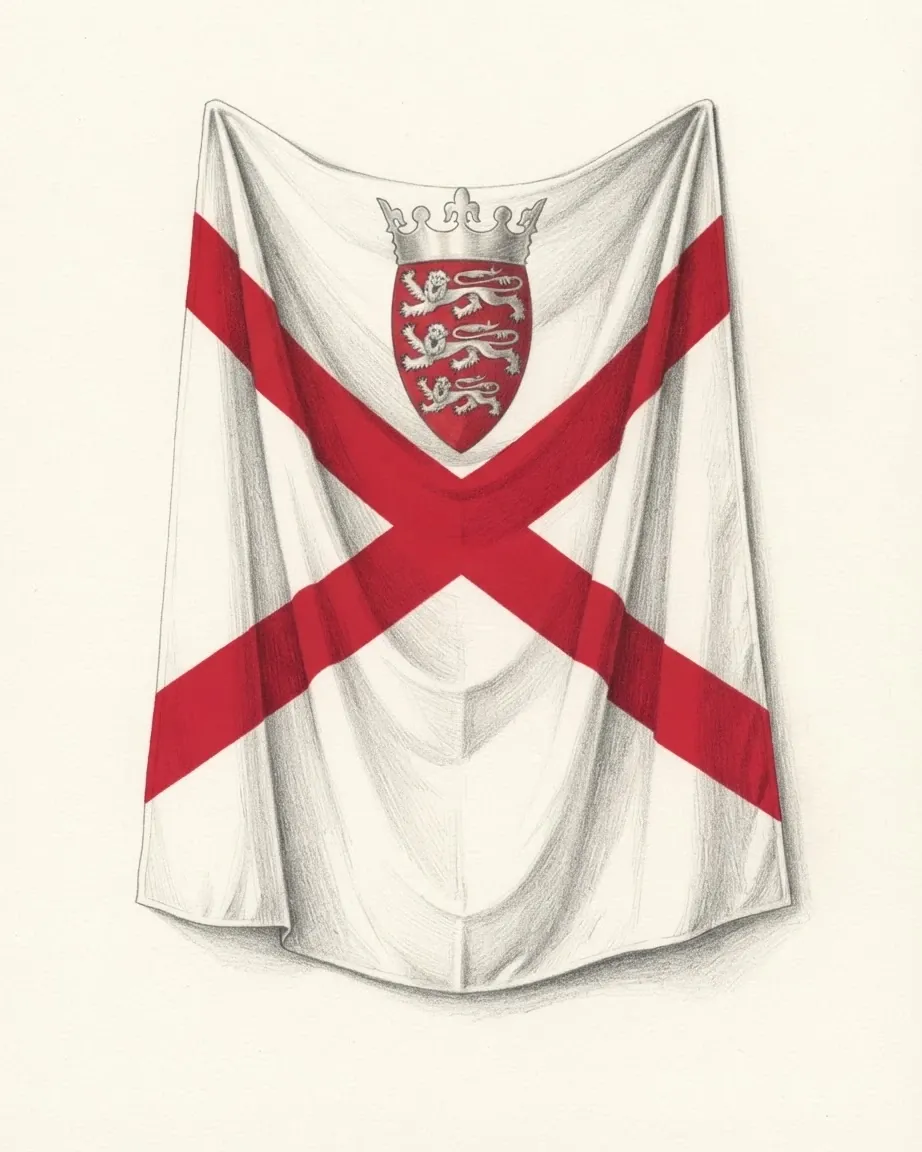
- Jersey103,267 people in 2021 on an island 22 km off Normandy, owing allegiance to the Crown and never part of England or the United Kingdom.
- Luxembourg681,973 residents in 2025, 47% of them foreign nationals, and 223,000 more crossing a border to work. A grand duchy of 2,586 square kilometres with three languages and 8.2 trillion euros of fund assets.
- MonacoMonaco is one commune of 208 hectares: a prince, a 24-seat parliament, 65,680 workers in 2024 and 38,857 residents on 1 January 2025.
- Netherlands17.9 million people on 42,201 km2, a fifth of it water and much of the rest below sea level. What the Dutch earn from, how they are governed and what there is to see.
- United Kingdom67.3 million people across four countries on 242,495 square kilometres. An uncodified constitution, an economy four fifths services, and 35 World Heritage properties.
Common questions
Questions about Western Europe
Which countries are in Western Europe?
Belgium, France, Ireland, Luxembourg, Monaco, the Netherlands and the United Kingdom, together with the Crown Dependencies of Jersey, Guernsey and the Isle of Man, which makes 10 countries on the reading this catalogue applies. M49, the statistical standard of the UN Statistics Division, draws it differently: it adds Austria, Germany, Liechtenstein and Switzerland and moves the British Isles to Northern Europe.
Are Jersey, Guernsey and the Isle of Man part of the United Kingdom?
No. Each is a Crown Dependency with its own legislature, its own courts and no seat at Westminster. The connection runs through the Crown rather than through Parliament, which is why the European Convention on Human Rights reached them by a declaration the United Kingdom made on 23 October 1953 rather than by their own accession, and why the Immigration Act 1971 has to name them one by one.
Is Germany in Western Europe?
It depends on the scheme. M49 files Germany in Western Europe beside Austria, Liechtenstein, Switzerland and the Benelux states. This catalogue files it under Central Europe, with Austria, Czechia, Hungary, Liechtenstein, Poland, Slovakia, Slovenia and Switzerland. Both groupings are published, M49 says of its own that it carries no political meaning, and the question is not settled here.
Are Austria and Switzerland in Western Europe?
Not in this catalogue, which files Austria, Switzerland and Liechtenstein under Central Europe beside Germany. M49 files all four in Western Europe, and EuroVoc, the thesaurus of the Publications Office of the European Union, does the same. The World Factbook, as the Wikipedia article on the region reports it, leaves them out, as this catalogue does.
Where was the Schengen Agreement signed, and who signed it?
At Schengen, a village on the Moselle in Luxembourg, on 14 June 1985. The signatories were Belgium, France, Luxembourg, the Netherlands and the Federal Republic of Germany. The convention that put it into effect followed on 19 June 1990, and controls came down between the first group of states on 26 March 1995. Ireland and the United Kingdom never joined it.
What is the common travel area?
A statutory term. Section 1(3) of the Immigration Act 1971 exempts a person arriving in the United Kingdom from the Channel Islands, the Isle of Man or the Republic of Ireland from control under the Act, and calls the United Kingdom and those places collectively the common travel area. It runs on domestic law in each place rather than on a treaty, and the United Kingdom and Ireland restated it in a memorandum of understanding on 8 May 2019.
Which of these countries use the euro?
Belgium, France, Ireland, Luxembourg, the Netherlands and Monaco carry it on their records. The United Kingdom and the three Crown Dependencies carry the pound sterling.