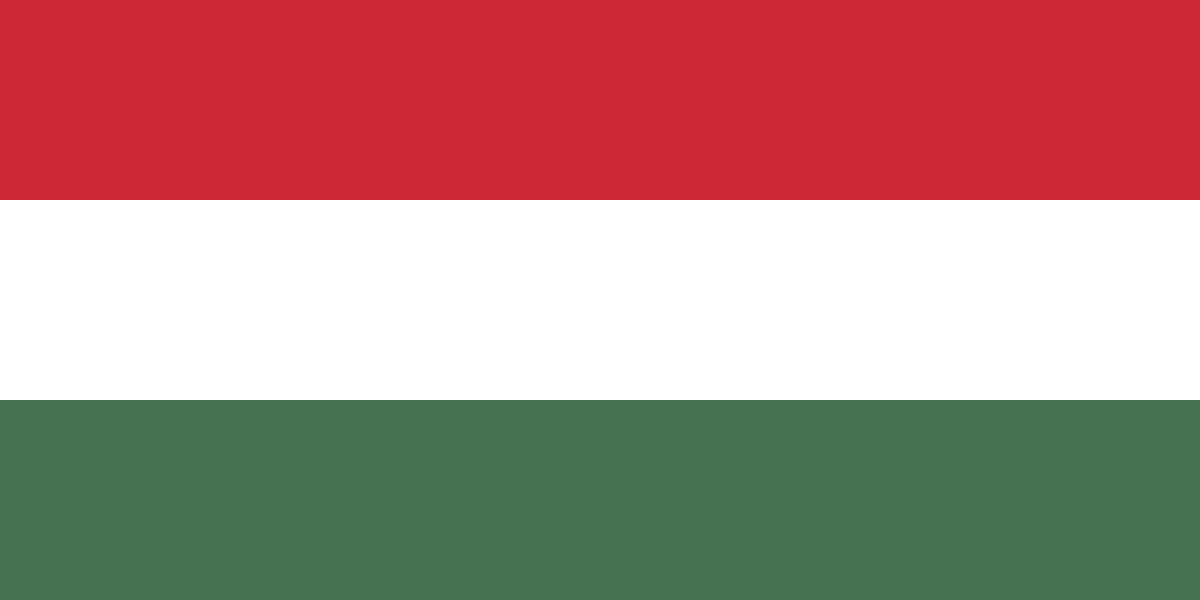
The flag of Hungary
Magyarország zászlaja · since 1957
 Back to Hungary
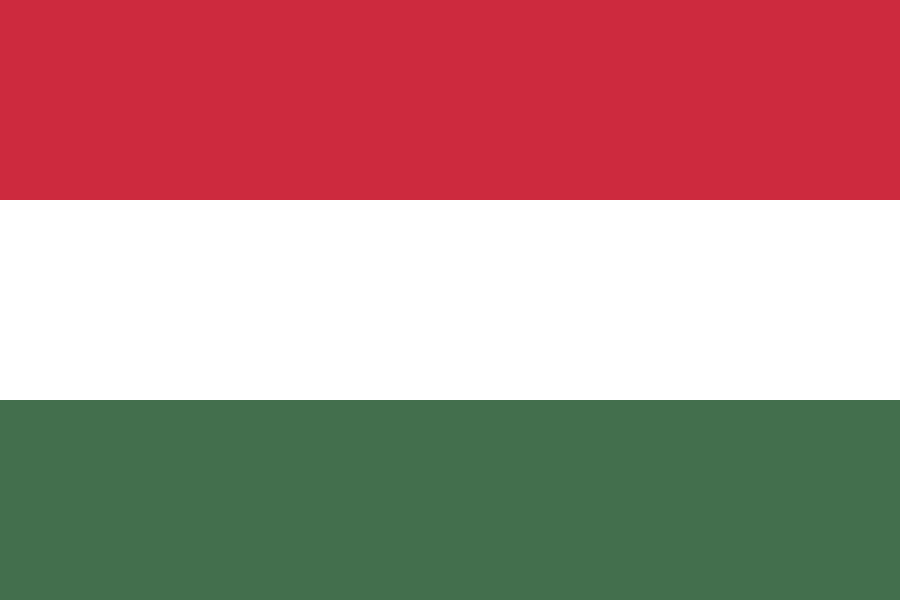
A plain horizontal tricolour of red, white and green, the colours of the Hungarian coat of arms set in the form of the French tricolour. Act XXI of 1848 made it the national flag; for a century it carried a changing series of arms, and it has been flown without any since 1957. The flag of the 1956 revolution was this tricolour with the communist arms cut out of the middle.
At a glance
- Adopted
- 1957
- Proportion
- 1:2
- Colours
- Earlier flags
- 9
The colours
The colours of the flag of Hungary, in the order it has them
- 0133.5%
Red
pirosTop stripe
- HEX
#CE2939- RGB
206 41 57- CMYK
0 100 100 0- Pantone
18-1660 TCX- RAL
3028
- 0232.9%
White
fehérMiddle stripe
- HEX
#FFFFFF- RGB
255 255 255- CMYK
0 0 0 0
- 0333.5%
Green
zöldBottom stripe
- HEX
#477050- RGB
71 112 80- CMYK
87 35 76 25- Pantone
18-6320 TCX- RAL
6000
No law gives these codes. HEX and RGB are the colour this site draws the flag in; CMYK, Pantone and RAL are the values most often published for it.
Construction
How the flag is drawn
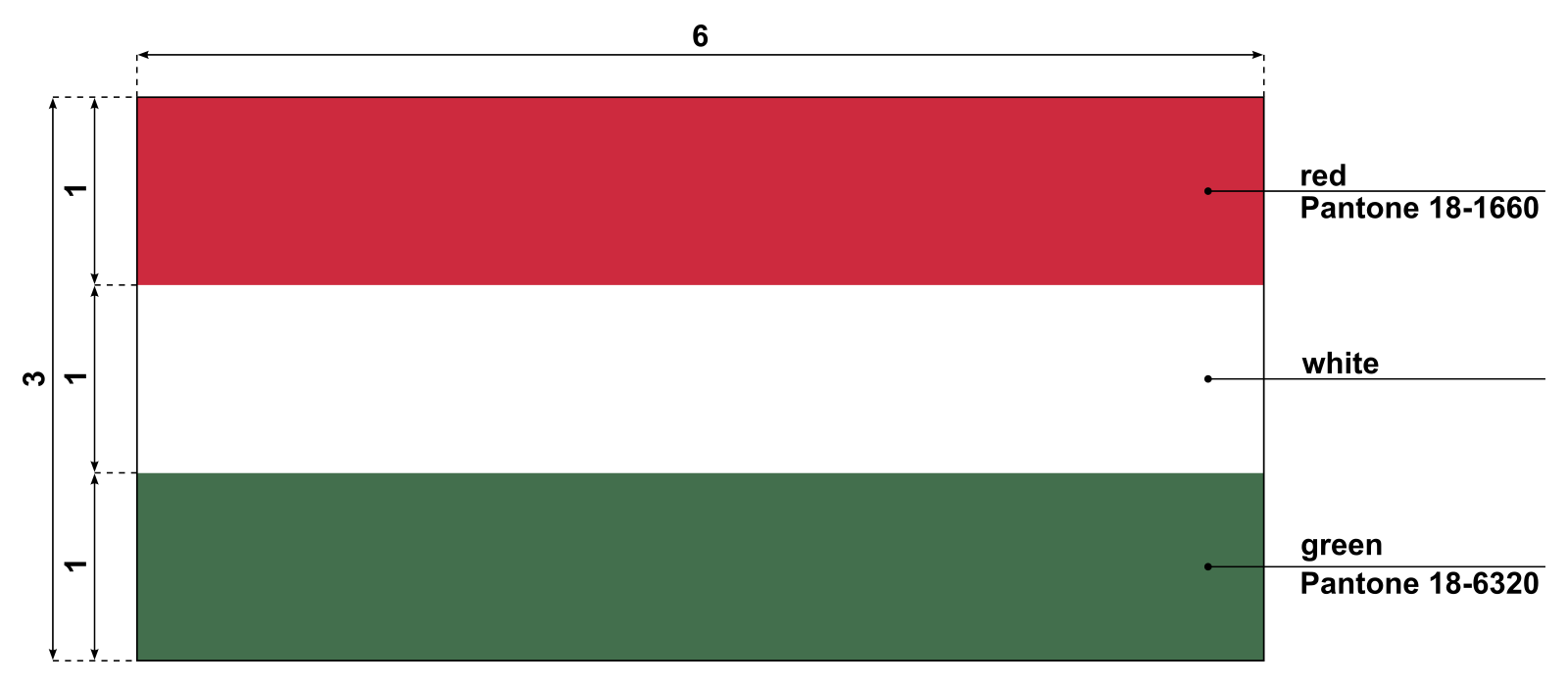
Three horizontal stripes of equal width, red over white over green.
- Stripes
- Three of equal width, red at the top
- Ratio at sea
- 2:3 for the civil ensign, under the law of 1957. As a civil flag both 2:3 and 1:2 are in use
- Sizes
- 100 × 200 cm on a 2.5 m pole, 150 × 300 cm on a 3.5 m pole, 200 × 400 cm on a 4 m pole
- Colour tolerance
- ΔE 2.0, by the Colour Measurement Committee formula
- White
- Berger whiteness index of 100
Other forms
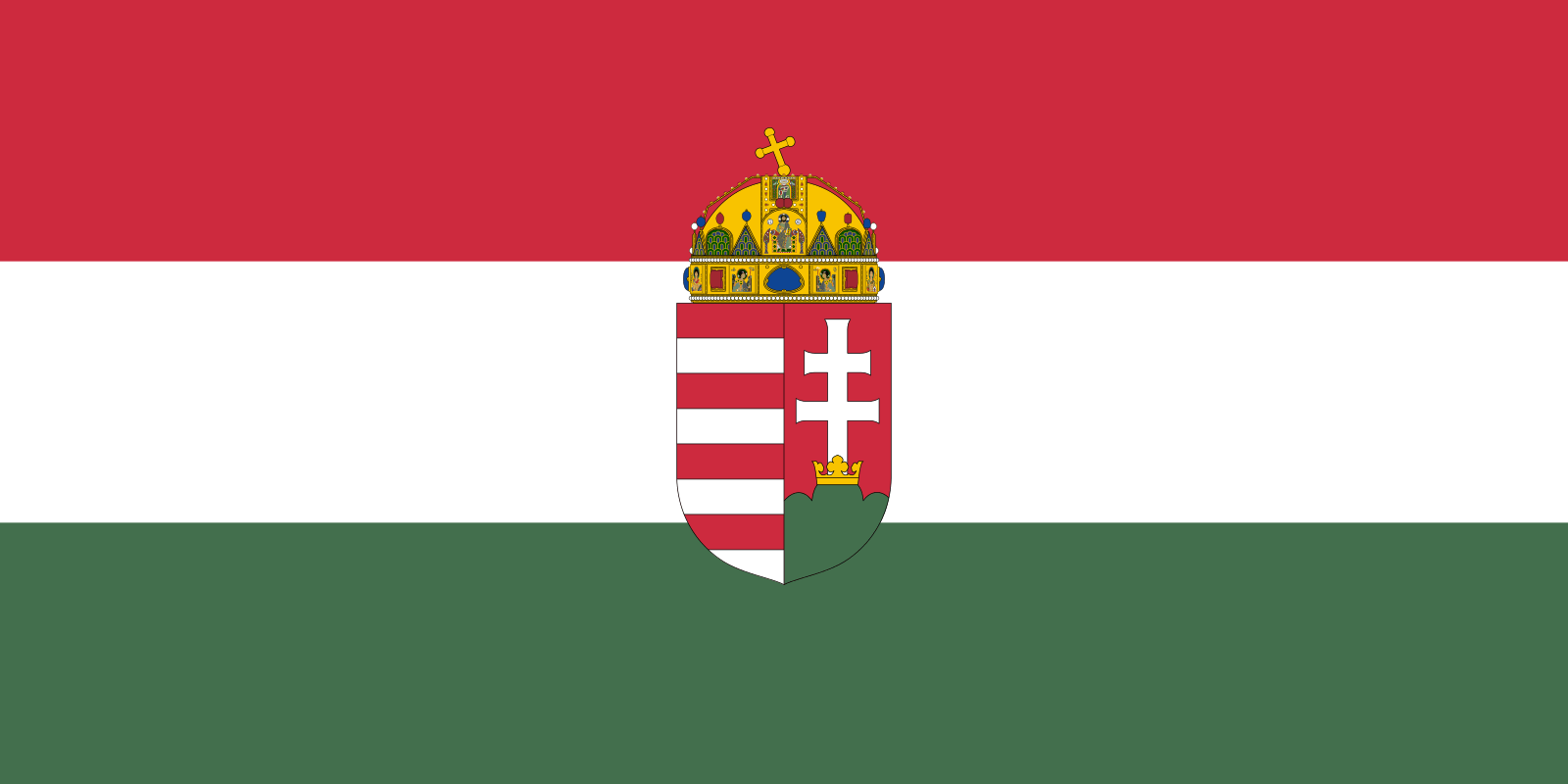
- State flag with arms
- The tricolour at 1:2 with the coat of arms at the centre, for use by parliament, the president, the courts, the armed forces, local government and other state bodies.
- Civil ensign
- The plain tricolour at 2:3.
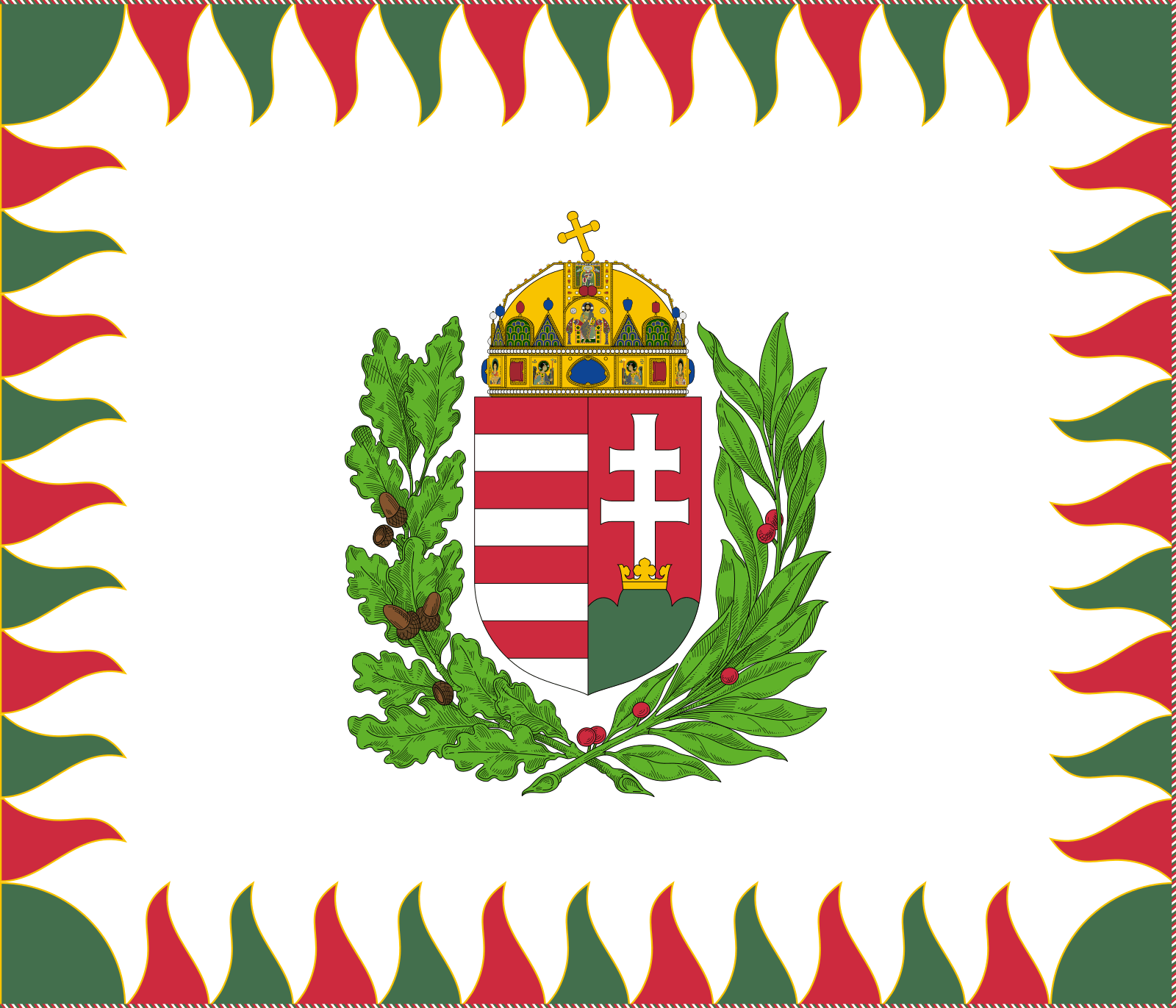
- Unit colour
- White, bordered with alternating red and green flame tongues, with the arms at the centre between an oak branch on the left and an olive branch on the right. After the colours of the army of 1848 to 1849, in use since 15 March 1991.
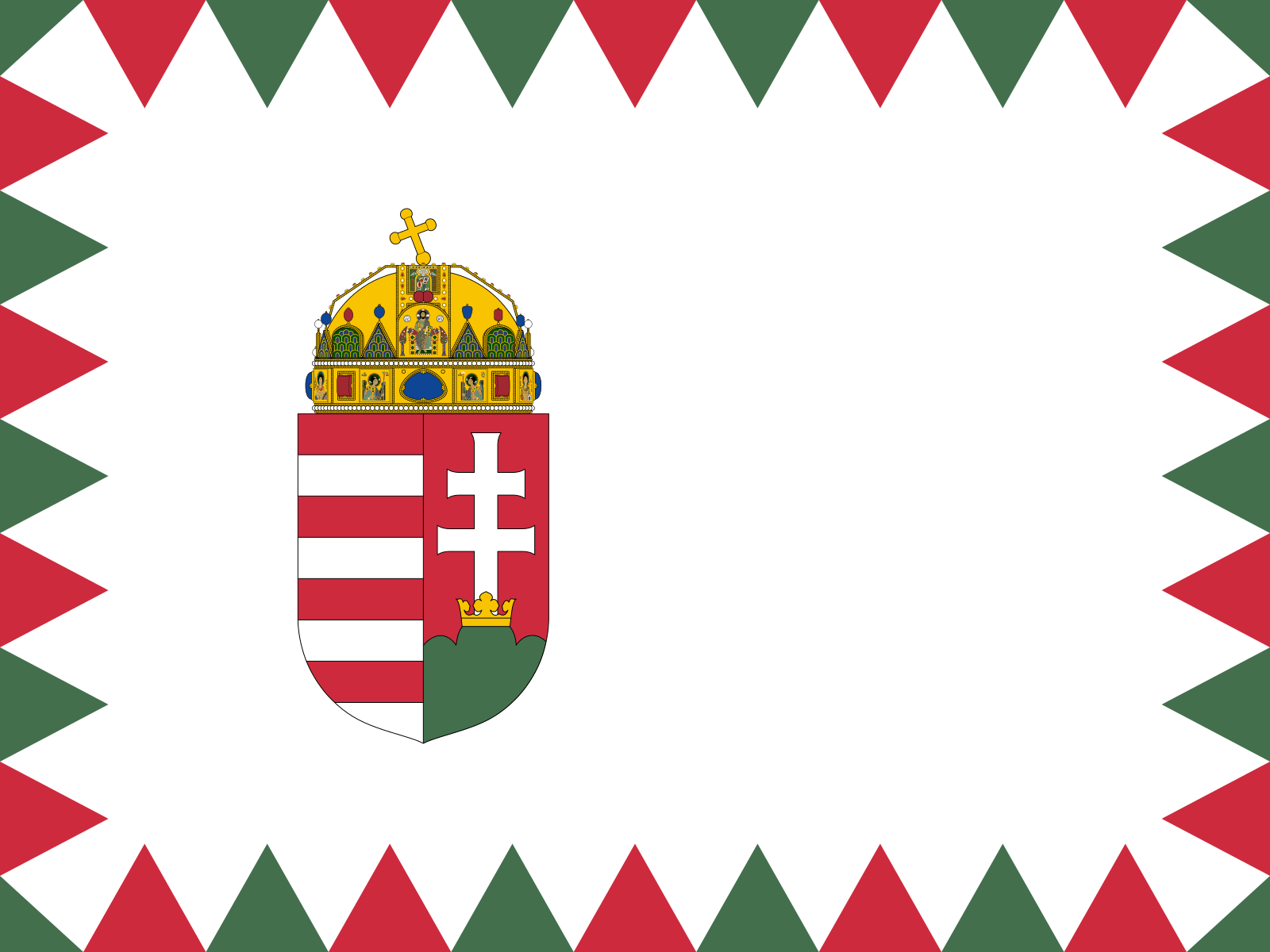
- Naval ensign
- White, bordered with alternating red and green triangles, with the arms in the hoist third.
- Vertical flag
- The plain tricolour hung vertically. A vertical version with the arms is also used.
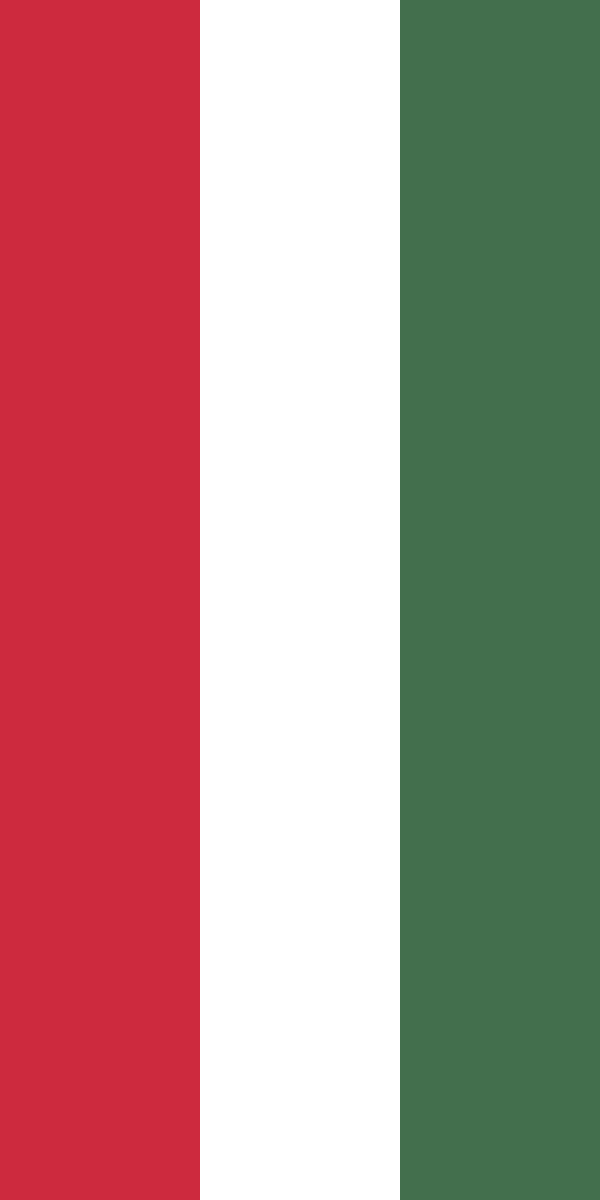
Meaning
What each part stands for
- Red, white and green
- Taken from the coat of arms, the silver bars becoming white on the flag. Seals on red, white and green silk cords are recorded from 1222, and the three colours were first used together at the coronation of Matthias II in 1608
- Red
- Strength, in the Fundamental Law. Another reading gives the blood spilled for the homeland
- White
- Fidelity, in the Fundamental Law. Another reading gives freedom
- Green
- Hope, in the Fundamental Law. Another reading gives the land and its pastures
- Tricolour form
- Modelled on the French tricolour and read as a reference to revolution. The stripes run horizontally so that the flag is not confused with Italy's
History
How the flag of Hungary got here
- 1848
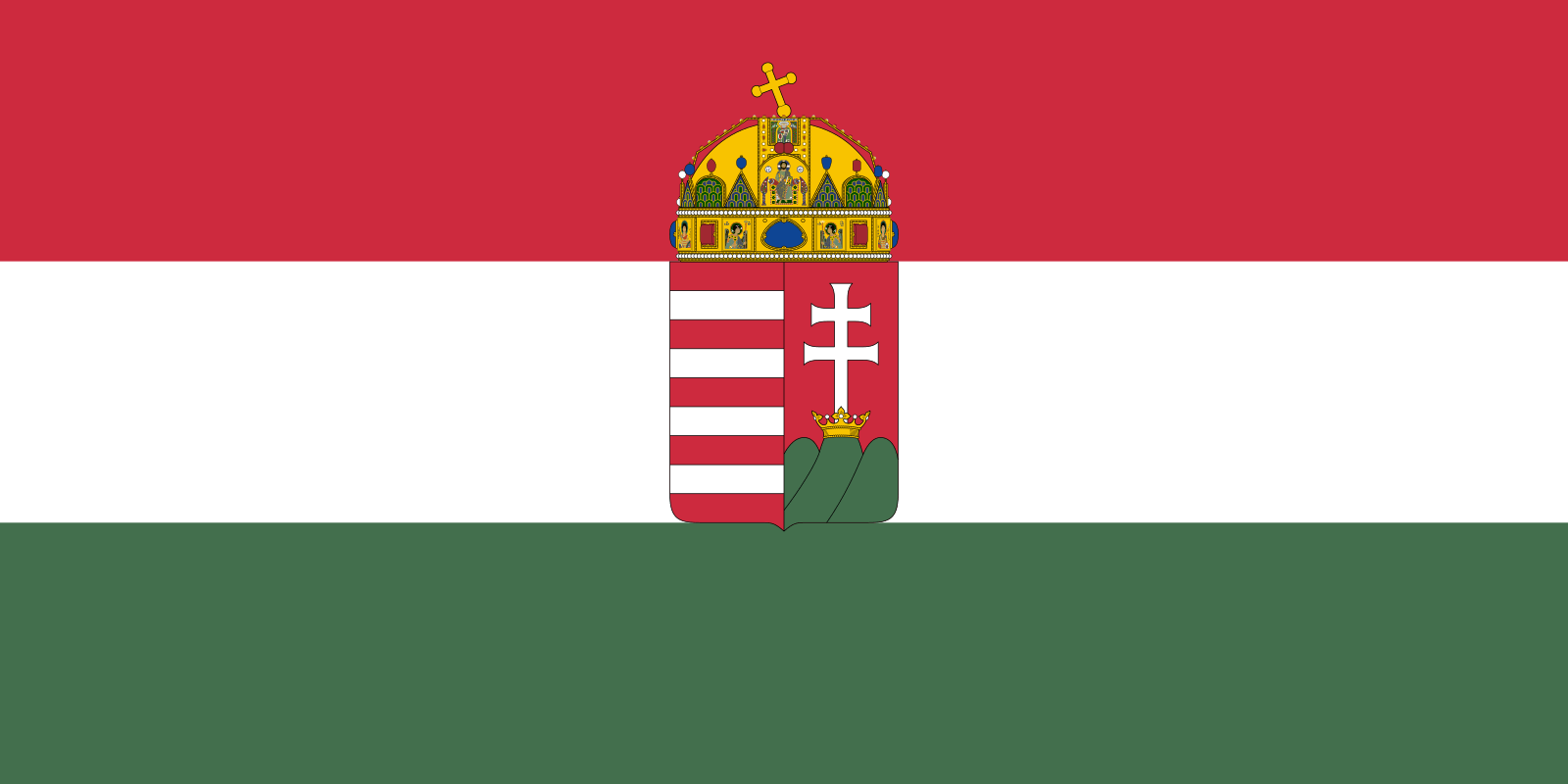
The revolution
1848 → 1849
Act XXI of 1848 made the red, white and green tricolour an officially recognised national symbol, and it was in general use in 1848 and 1849. After the defeat of the revolution the emperor banned it.
- 1867
After the Compromise
1867 → 1869
The Compromise of 1867 made the tricolour legal again and the official flag of Hungary.
- 1869
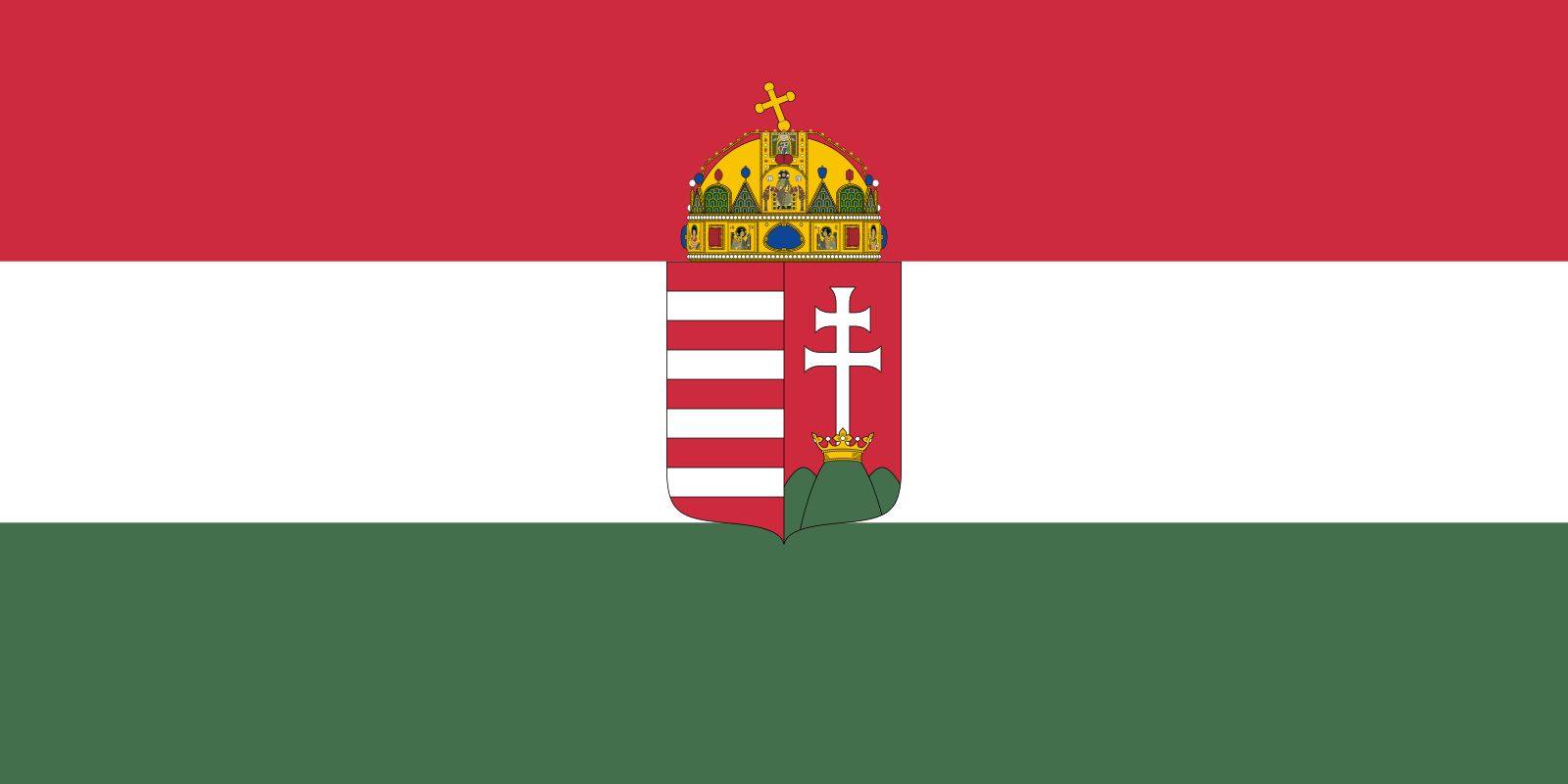
The arms of the Kingdom
1869 → 1918
The state flag carried the small arms of Hungary at the centre, redrawn in 1874, 1896 and 1915, some versions with archangels as supporters.
- 1918
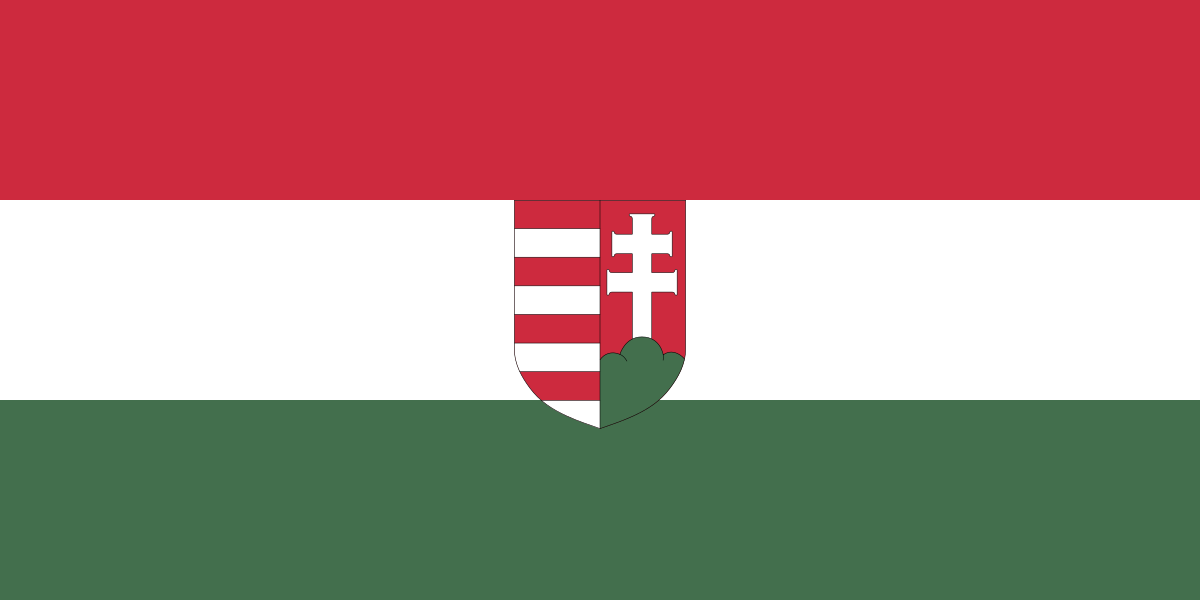
The People's Republic
1918 → 1919
The tricolour stayed the same while the badge changed in several hard-to-trace ways.
- 1919

The Soviet Republic
21 Mar 1919 → 31 Jul 1919
A plain red flag replaced almost every other for the four and a half months the Soviet Republic lasted.
- 1919
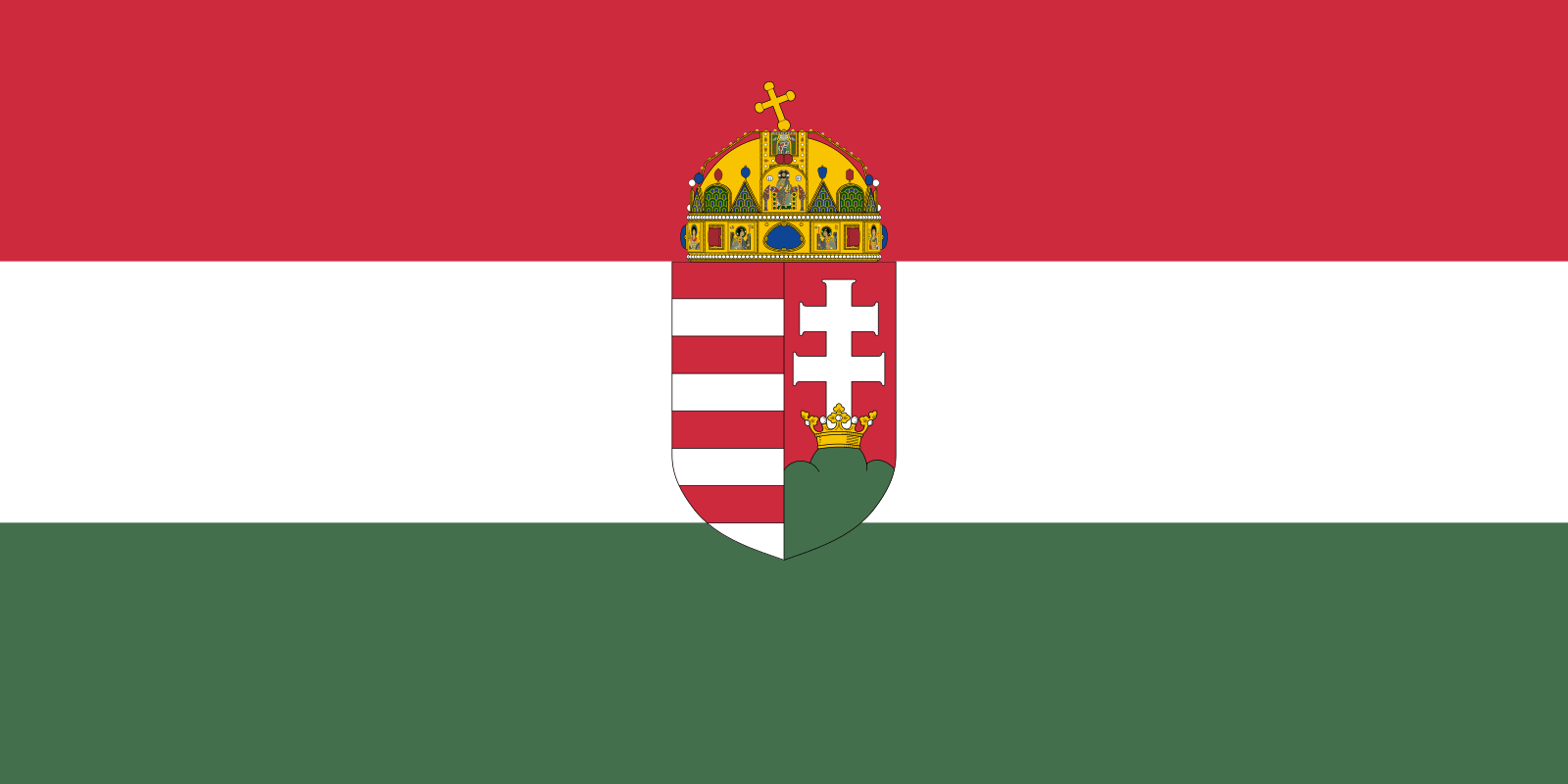
The small arms
1919 → 1 Feb 1946
The tricolour with the crowned small arms at the centre, though the version without them was also flown.
- 1946
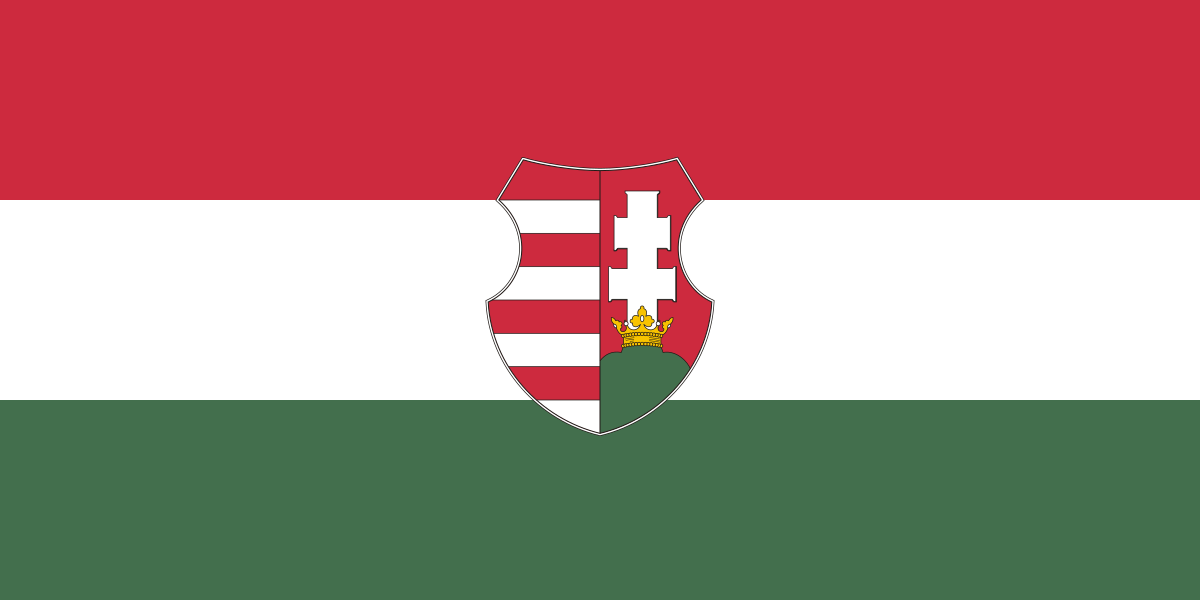
The Kossuth arms
1 Feb 1946 → 20 Aug 1949
The arms without the Holy Crown.
- 1949
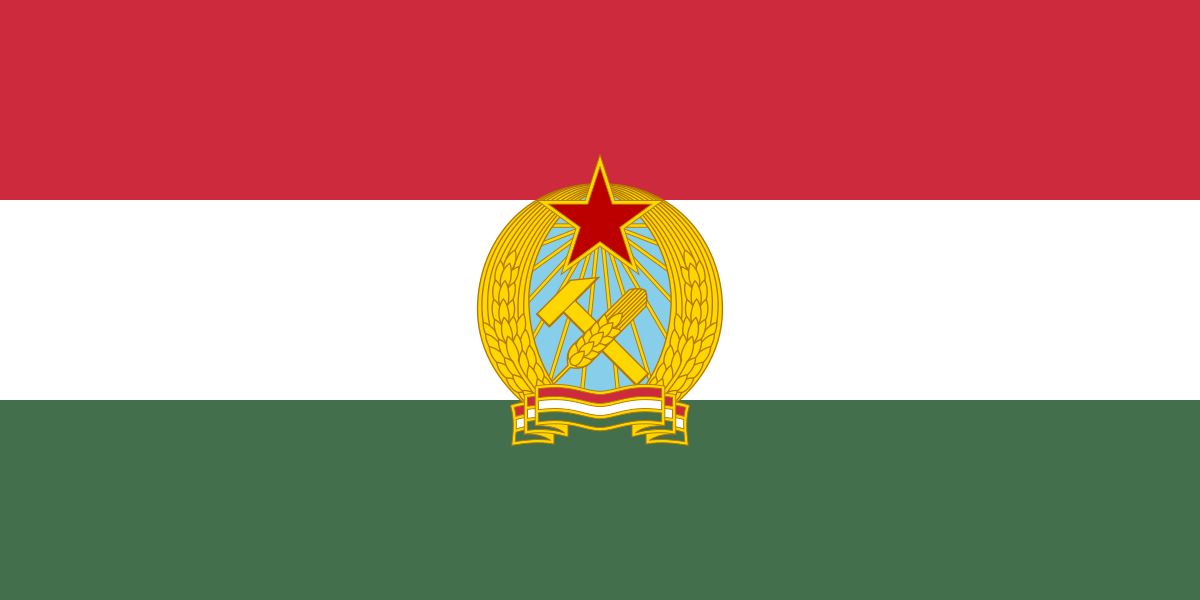
The Rákosi arms
20 Aug 1949 → Oct 1956
An emblem on the Soviet model, with a red star.
- 1956
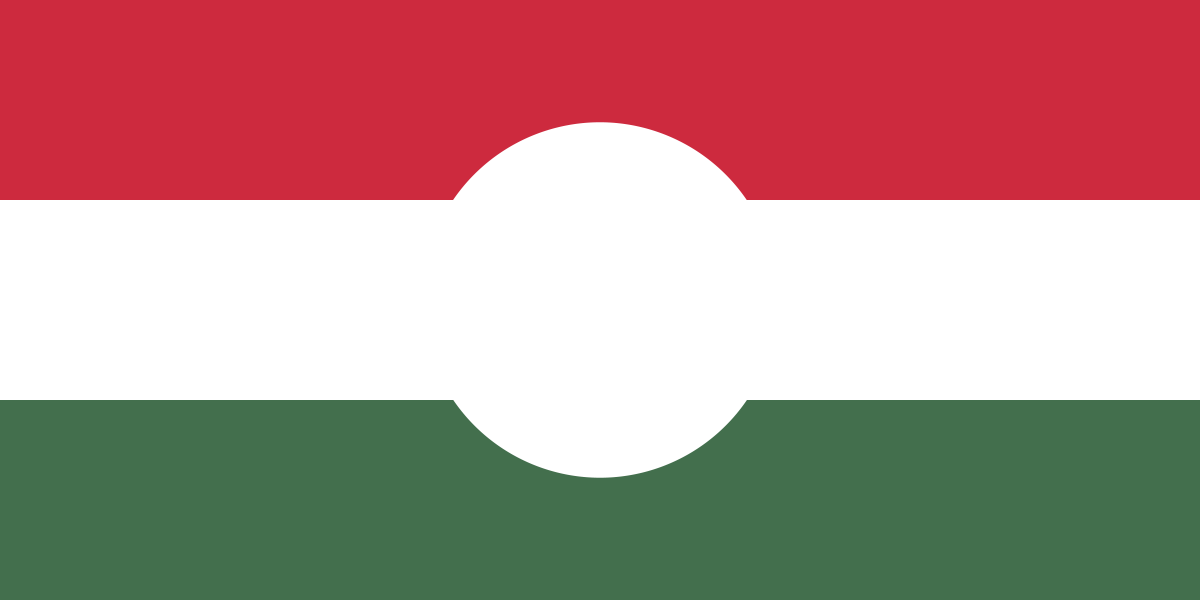
The flag with a hole
Oct 1956 → 23 May 1957
During the revolution insurgents and much of the population cut the Rákosi emblem out of their flags, and the tricolour with a hole became the revolution's symbol. The Nagy government restored the Kossuth arms, which stayed official for some months after the revolution was put down.
- 1957
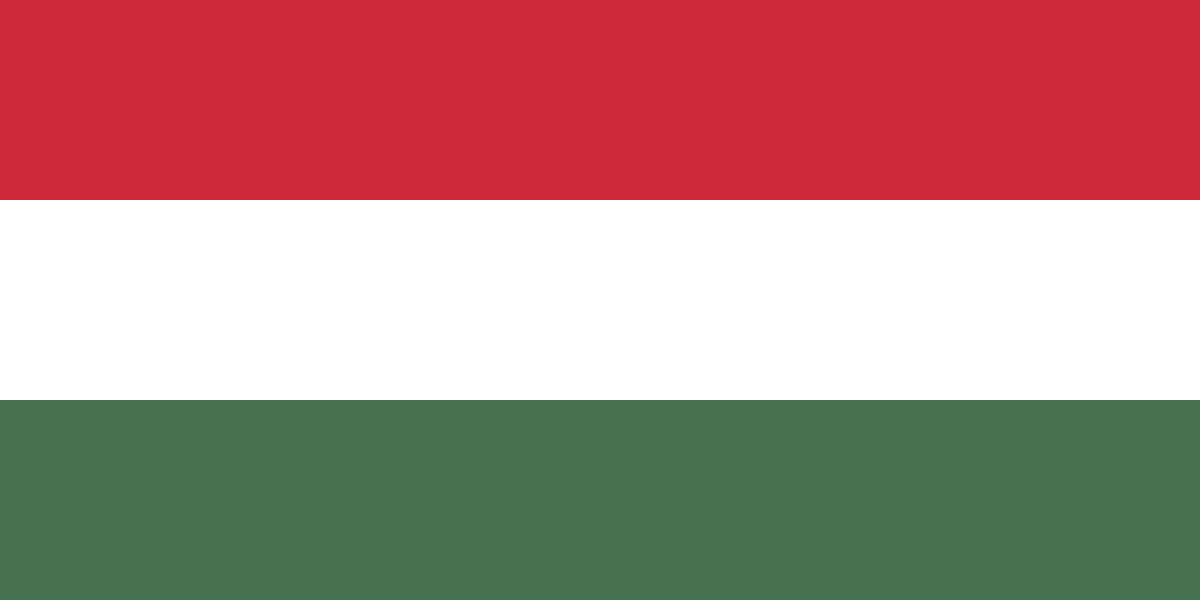
The plain tricolourIn use
23 May 1957 → today
The Kádár arms of 1957 were never put on the flag, which has been a plain red, white and green tricolour ever since. It carried no communist insignia and did not change in 1989 or 1990.
The law
What defines it, and who flies it
- 1848
Act XXI of 1848
One of the April Laws. Restored the national colours and required the national flag and the arms on public holidays and on Hungarian ships.
- 1957
Act on navigation at sea and on inland waters
Still in force. Seagoing merchant vessels fly the tricolour at 2:3.
- 1995
Act LXXXIII of 1995 on the use of the national symbols
Lets private persons use the flag and its historical forms, and allows the arms on the state flag. Describes the unit colour and the naval ensign. Since repealed.
- 14 July 2000
Government Decree 132/2000 on flying flags on public buildings
Sets the ratio on public buildings at 1:2, the flag and flagpole sizes, and how often flags are cleaned and replaced.
- 2009
MSZ 1361:2009, the Hungarian flag standard
Defines the red and green in CIELAB and in Pantone textile colours, with a tolerance of ΔE 2.0.
- 2011
Act CCII of 2011 on the use of the coat of arms and the flag of Hungary
Regulates state and civil use and restricts the flag with arms to state bodies, courts, the armed forces and local government.
- 1 January 2012
Fundamental Law of Hungary, Article I(2)
Three stripes of equal width, red, white and green from the top, standing for strength, fidelity and hope.
In use
Flown on official buildings such as schools, town halls, hospitals and police stations since 20 August 2000
Cleaned at least every three months and replaced at least once a year
Private persons may fly it, and any of its historical forms except the one of 1949 to 1956 with the red star
16 March has been the day of the Hungarian flag and coat of arms since a resolution of parliament in December 2014
Related flags
The flags it is confused with or comes from
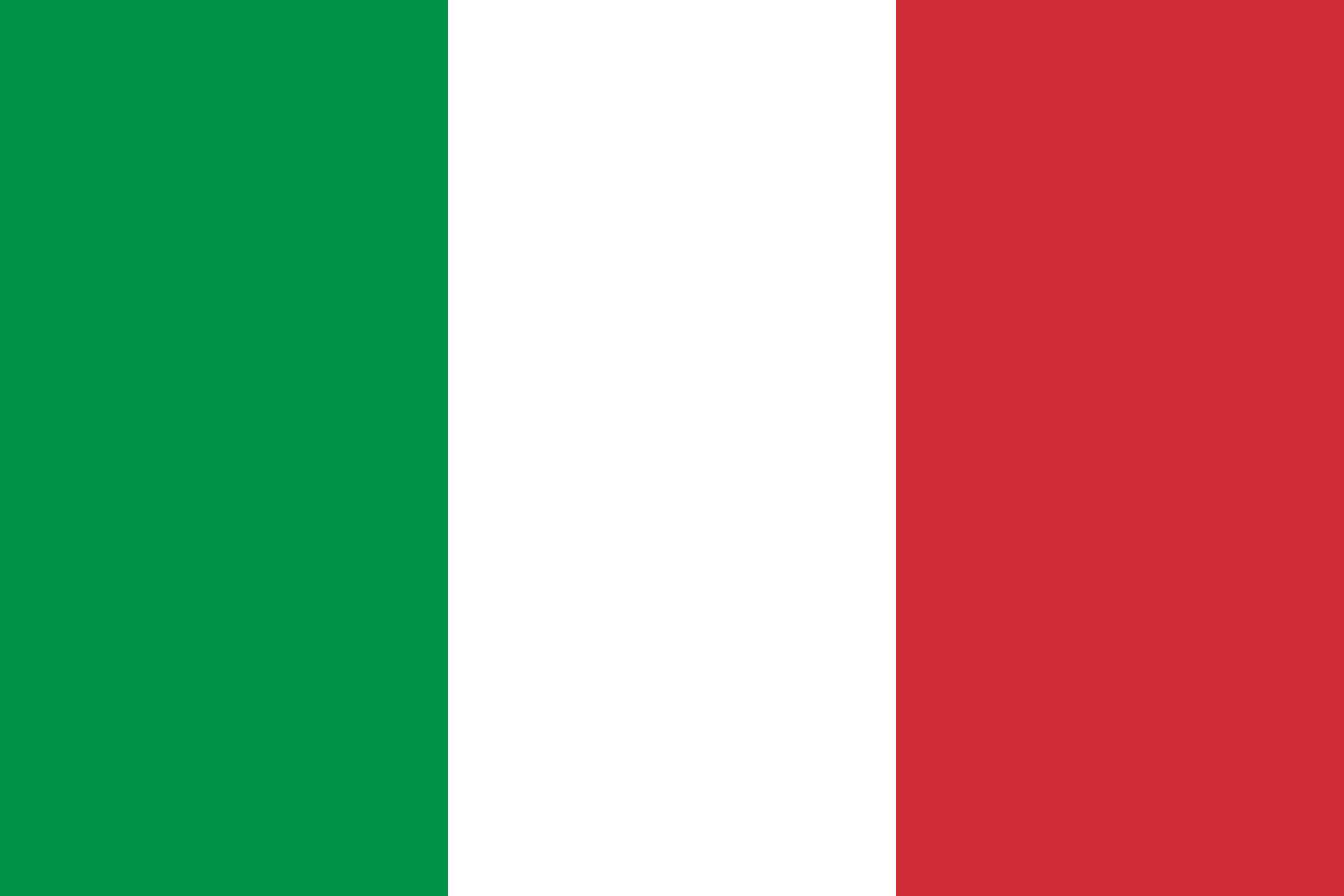 Italy
Italy- The same three colours. Hungary's stripes run horizontally so that the two flags are not confused.
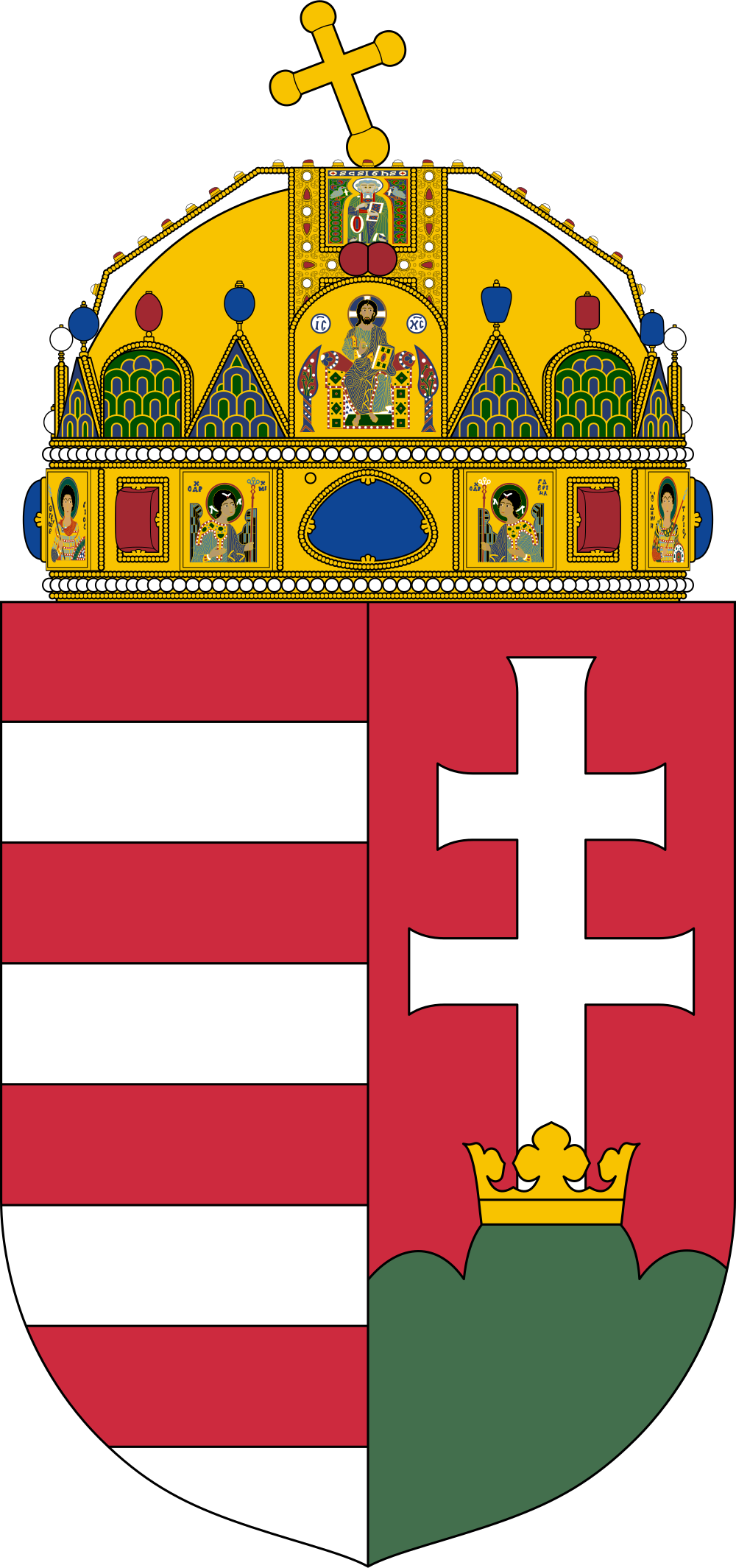
Coat of arms
The arms of Hungary