United Nations
Global · UN
The Charter signed at San Francisco on 26 June 1945 runs to 111 articles in 19 chapters. Every state on this page has accepted the whole of it. Article 4 puts admission in the hands of the General Assembly on a recommendation of the Security Council, which is where an application can be stopped, and Article 18 gives each member one vote once it is through.
193 countries
- Afghanistanأفغانستان
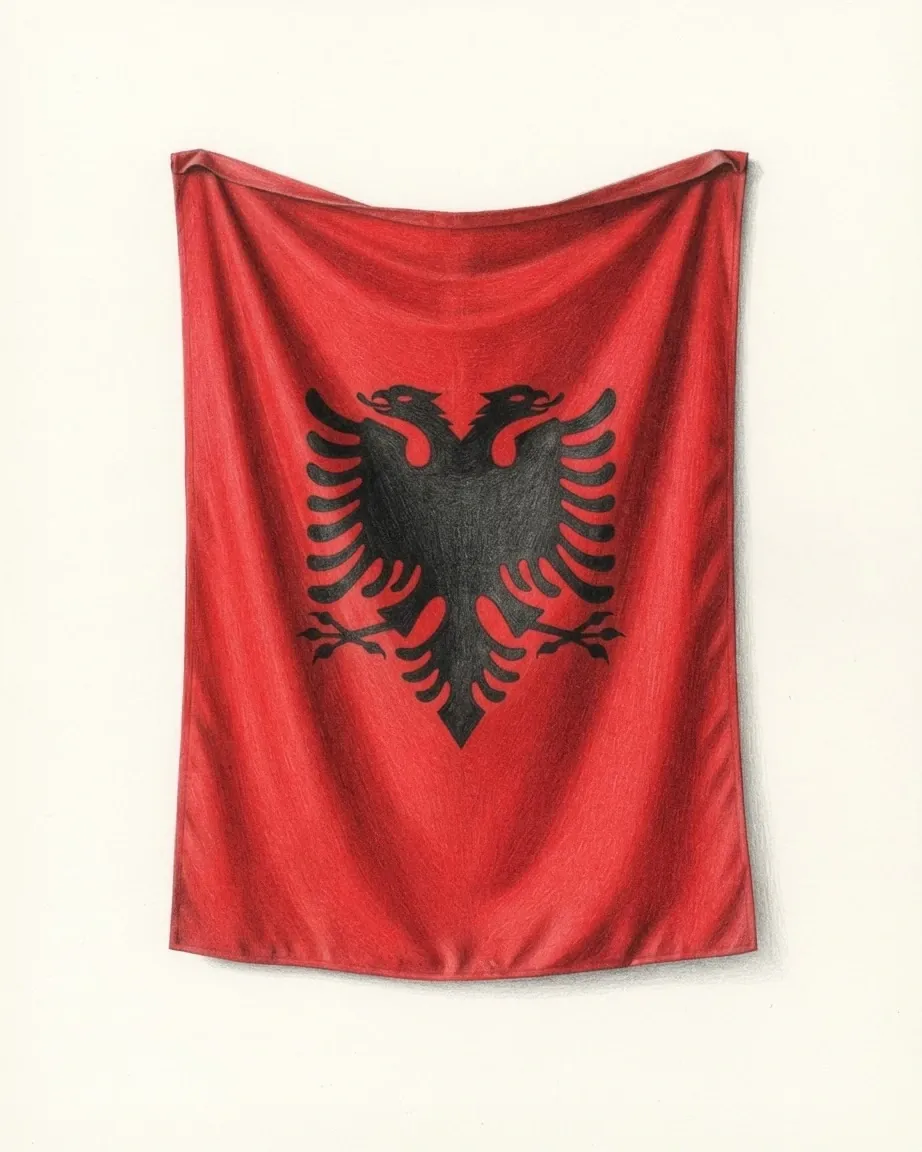
- AlbaniaThe 2023 census counted 2,402,113 people in Albania and the voter roll of April 2025 held 3,713,761 names. The land, the history and the economy, each figure dated.
- Algeriaالجزائر
- AndorraA Pyrenean co-principality made sovereign by referendum on 14 March 1993, with a euro agreement from 2011 and 89,752 residents on 30 June 2026.
- Angola
- Antigua and Barbuda
- Argentina
- Armenia29,743 square kilometres on a high plateau, a diaspora of five million or more, and a constitution whose coat of arms shows a mountain across the border.
- Australia
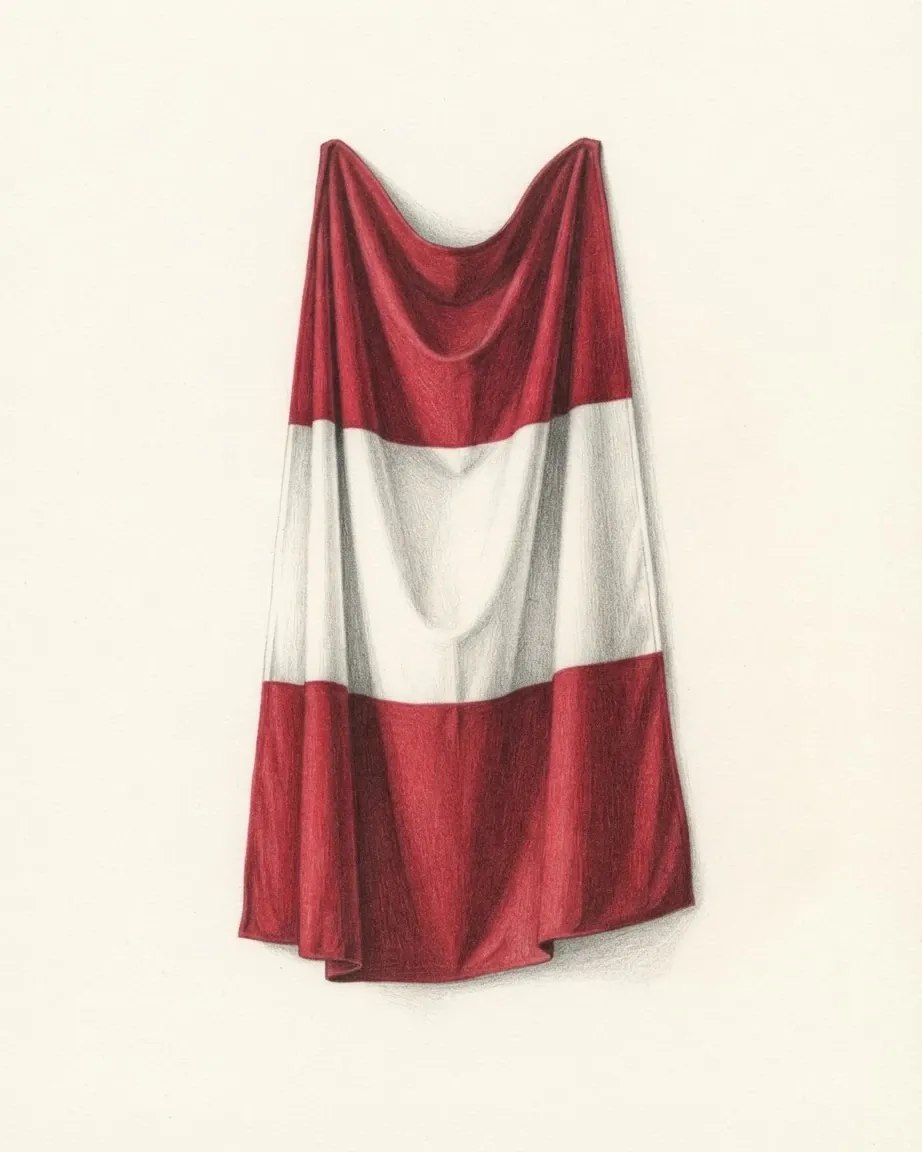
- Austria9 million people on 83,879 landlocked square kilometres with eight borders. A republic from 1918 in a capital built for an empire, neutral since 1955.
- Azerbaijan86,600 square kilometres between the Caucasus and the Caspian, with a capital built on an oil peninsula, a republic first proclaimed in 1918 and restored in 1991.
- BahamasThe Bahamas
- Bahrainالبحرين
- Bangladeshবাংলাদেশ
- Barbados
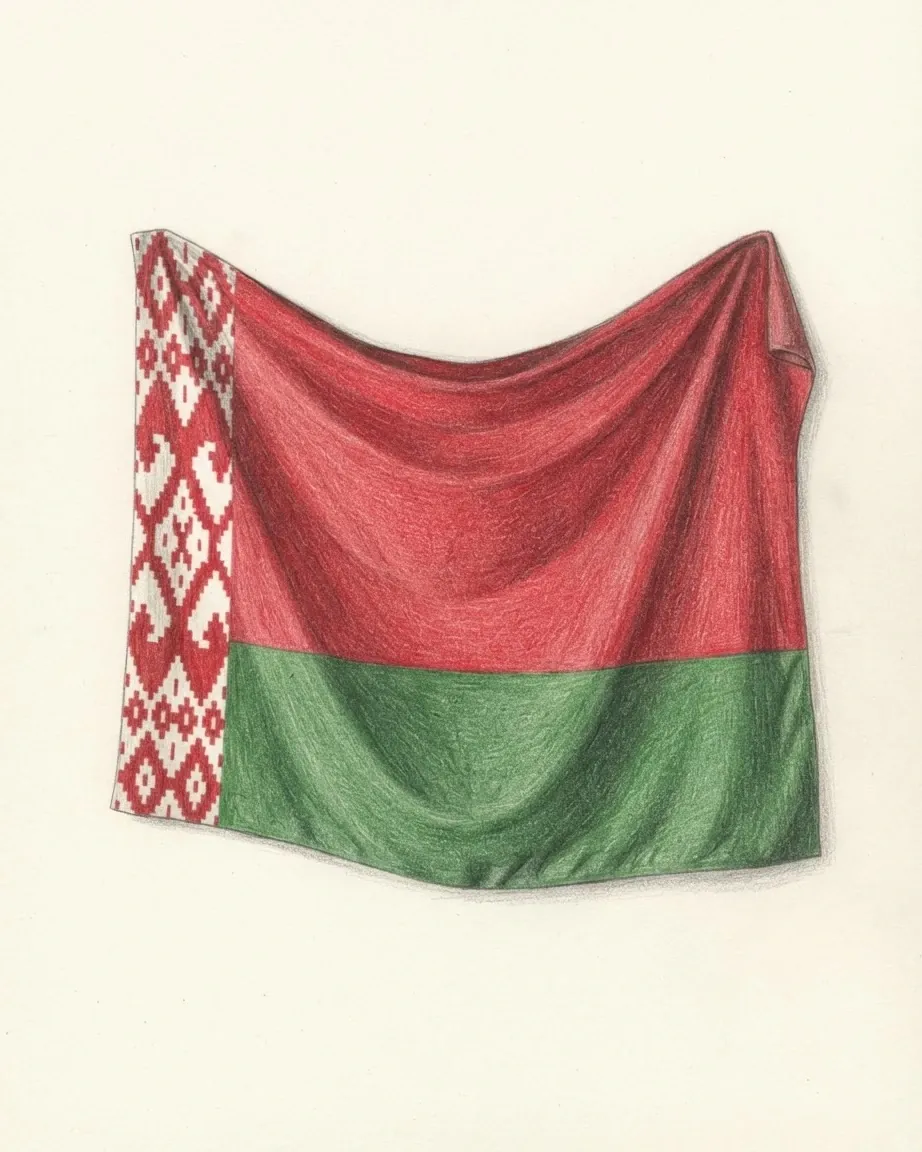
- Belarus9,056,080 people on 207,600 square kilometres as of 2026, independent since 1991 and bound to Russia by the Union State treaties of 1996 to 1999.
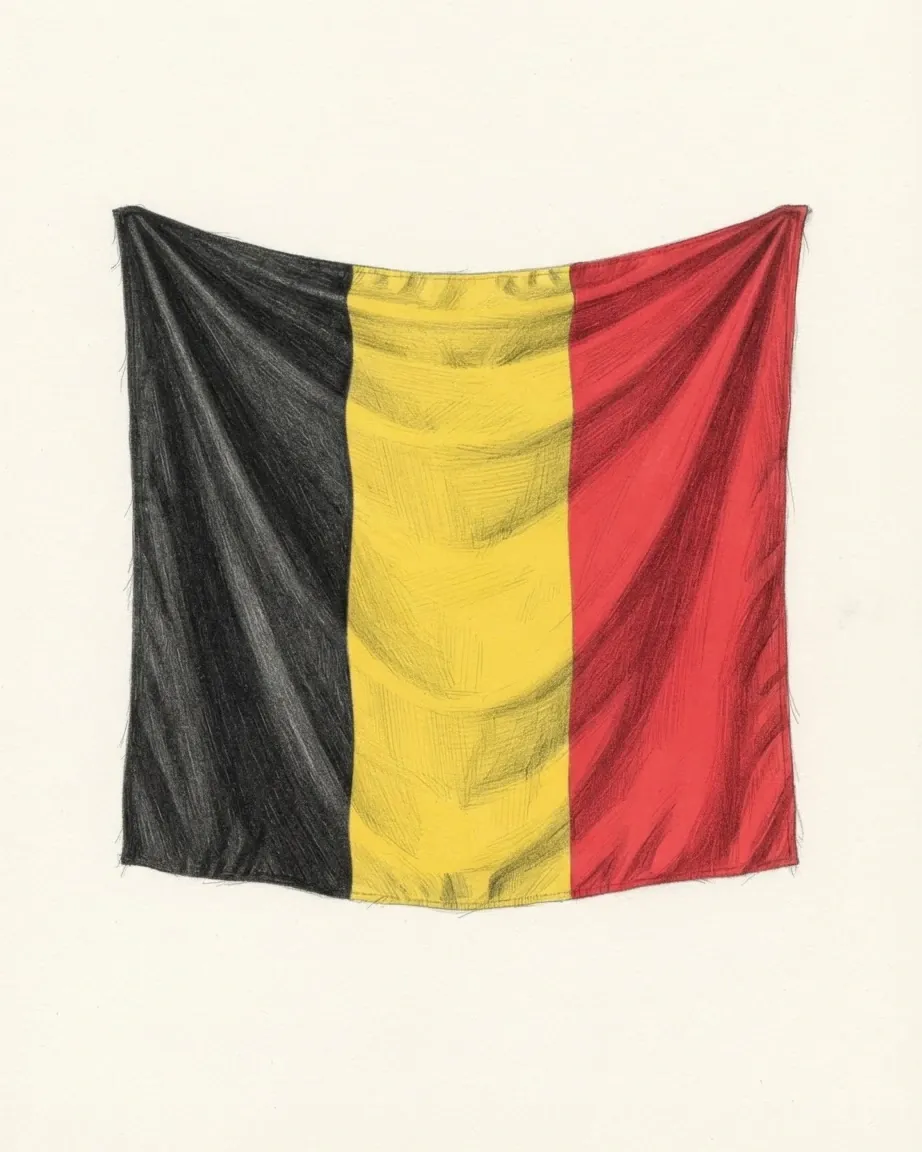
- Belgium11.8 million people on 30,688 square kilometres, three official languages and six governments. A federal structure built around a language border, and 16 heritage sites.
- Belize
- BeninBénin
- Bhutanའབྲུག་ཡུལ་
- BoliviaWuliwya
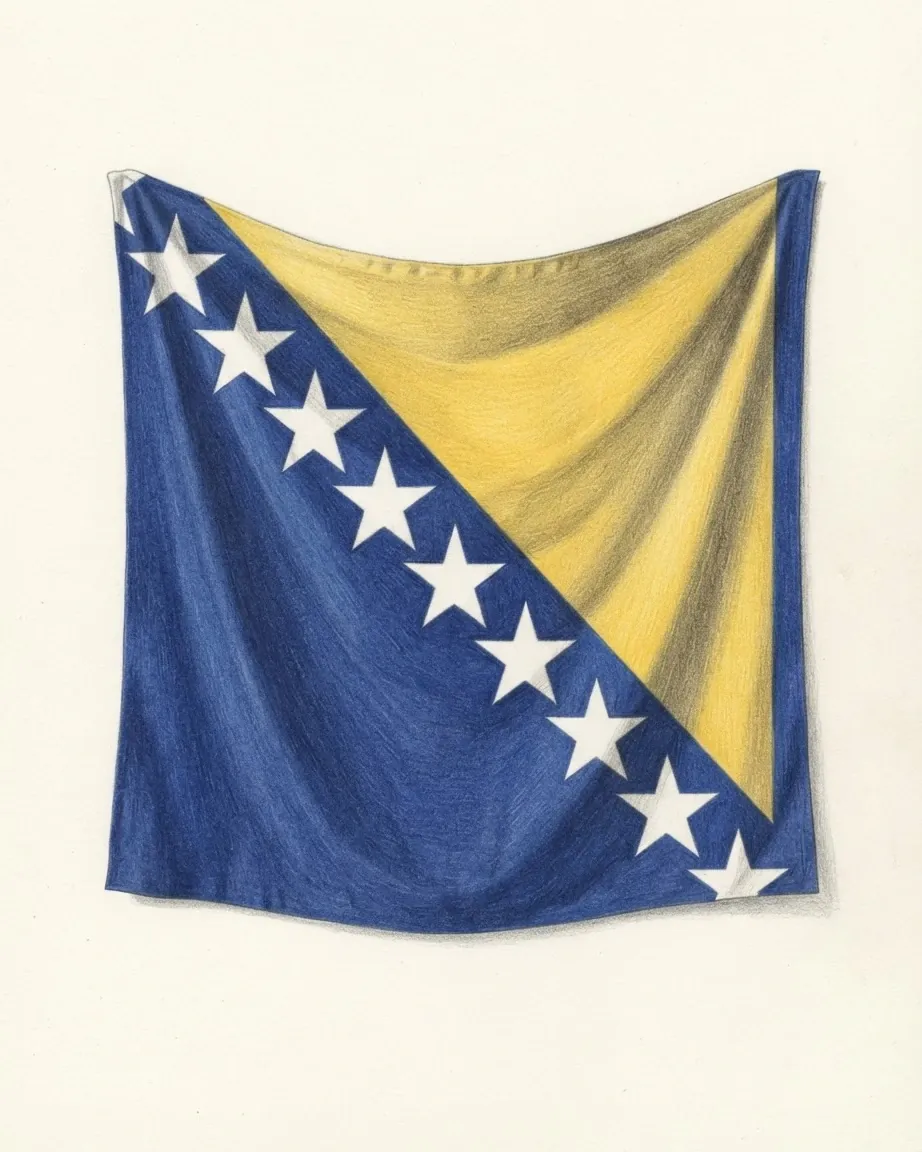
- Bosnia and HerzegovinaBorders set in 1718 and 1739, a state divided by the 1995 peace agreement into two Entities, and 3,531,159 people counted in October 2013.
- Botswana
- BrazilBrasil
- Brunei
- BulgariaFounded by treaty in 681 and rebuilt by another in 1878, Bulgaria is a country of 6.4 million in the eastern Balkans, in the EU since 2007 and the euro since 2026.
- Burkina Faso
- Burundi
- Cambodiaកម្ពុជា
- Cameroon
- Canada
- Cape VerdeCabo Verde
- Central African RepublicRépublique centrafricaine
- Chadتشاد
- Chile
- China中华人民共和国
- Colombia
- Comorosجزر القمر
- Costa Rica
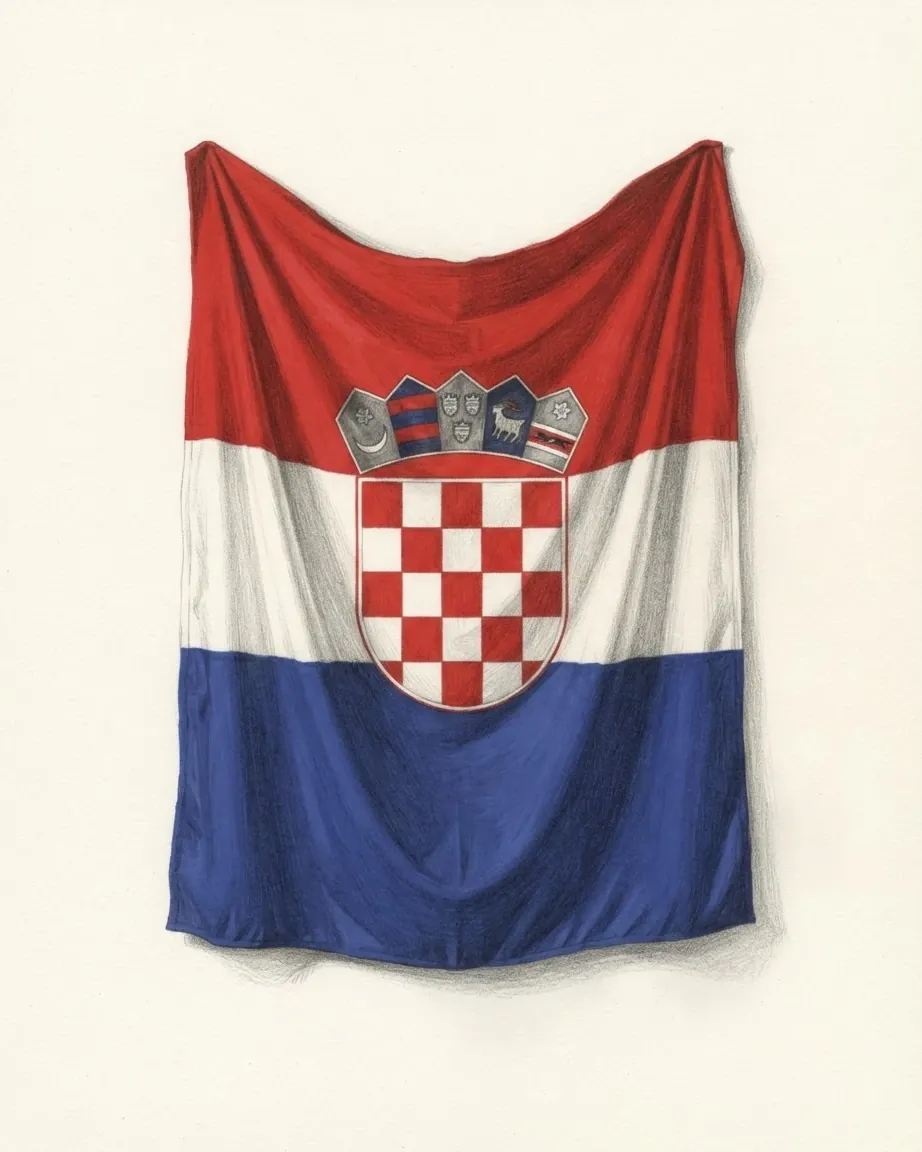
- CroatiaCroatia counted 3,871,833 residents in 2021, 9.64% fewer than in 2011, and registered 94.8 million tourist nights in 2025, 94.3% of them on the Adriatic.
- Cuba
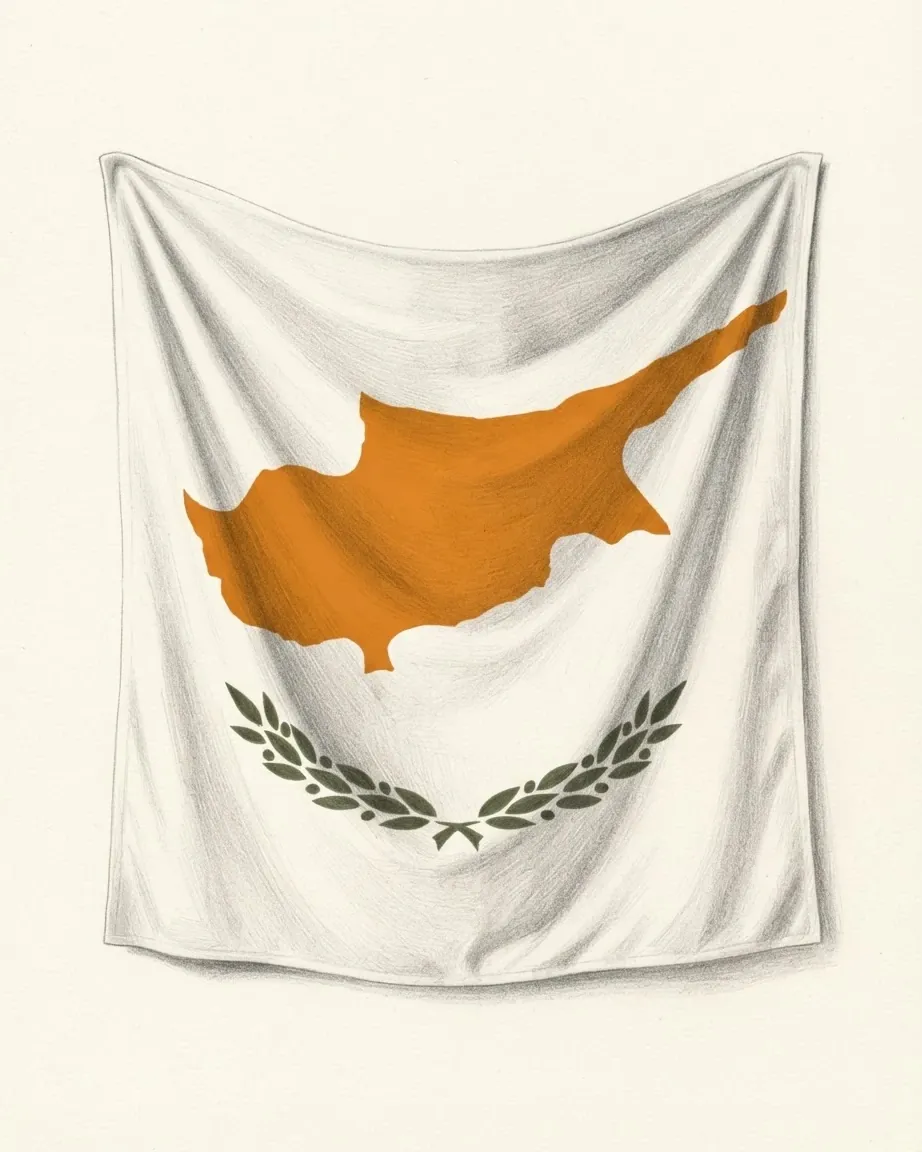
- CyprusCyprus has been independent since 16 August 1960 and in the European Union since 2004, and its government controls about 59% of an island administered in four pieces.
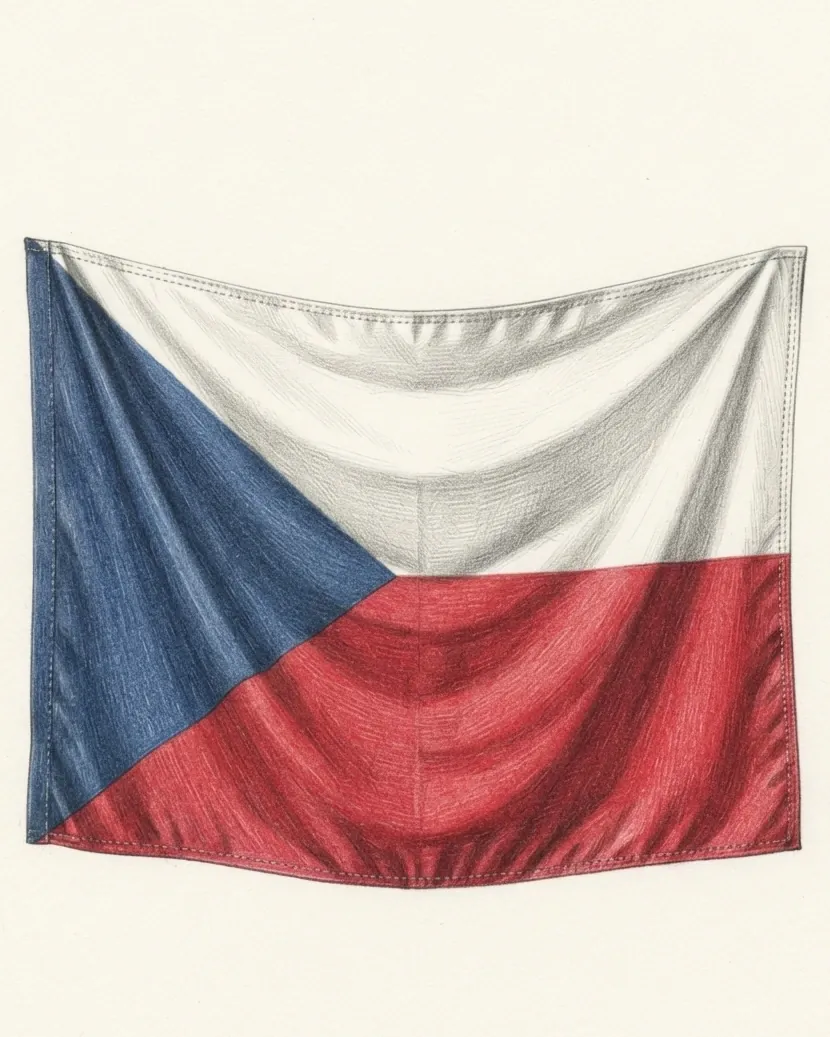
- Czechia10.9 million people on 78,871 landlocked square kilometres. A state created by negotiation in 1993, an industrial economy tied to Germany, and 17 World Heritage properties.
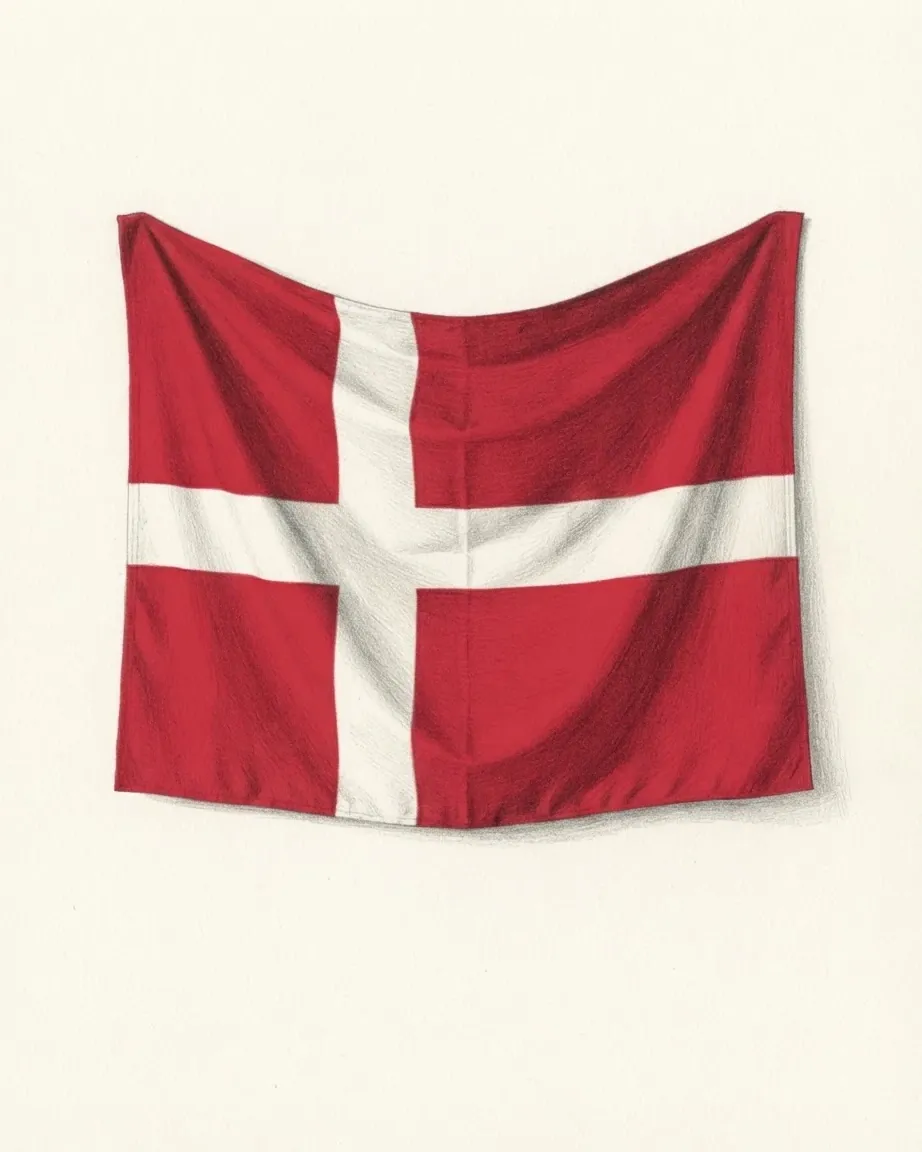
- Denmark5.8 million people on 42,925 square kilometres of peninsula and islands, highest point 171 metres. A 179-seat parliament, four of whose seats sit in the Arctic.
- Djiboutiجيبوتي
- Dominica
- Dominican RepublicRepública Dominicana
- DR Congorépublique démocratique du Congo
- Ecuador
- Egyptمصر
- El Salvador
- Equatorial GuineaGuinea Ecuatorial
- Eritreaإرتريا
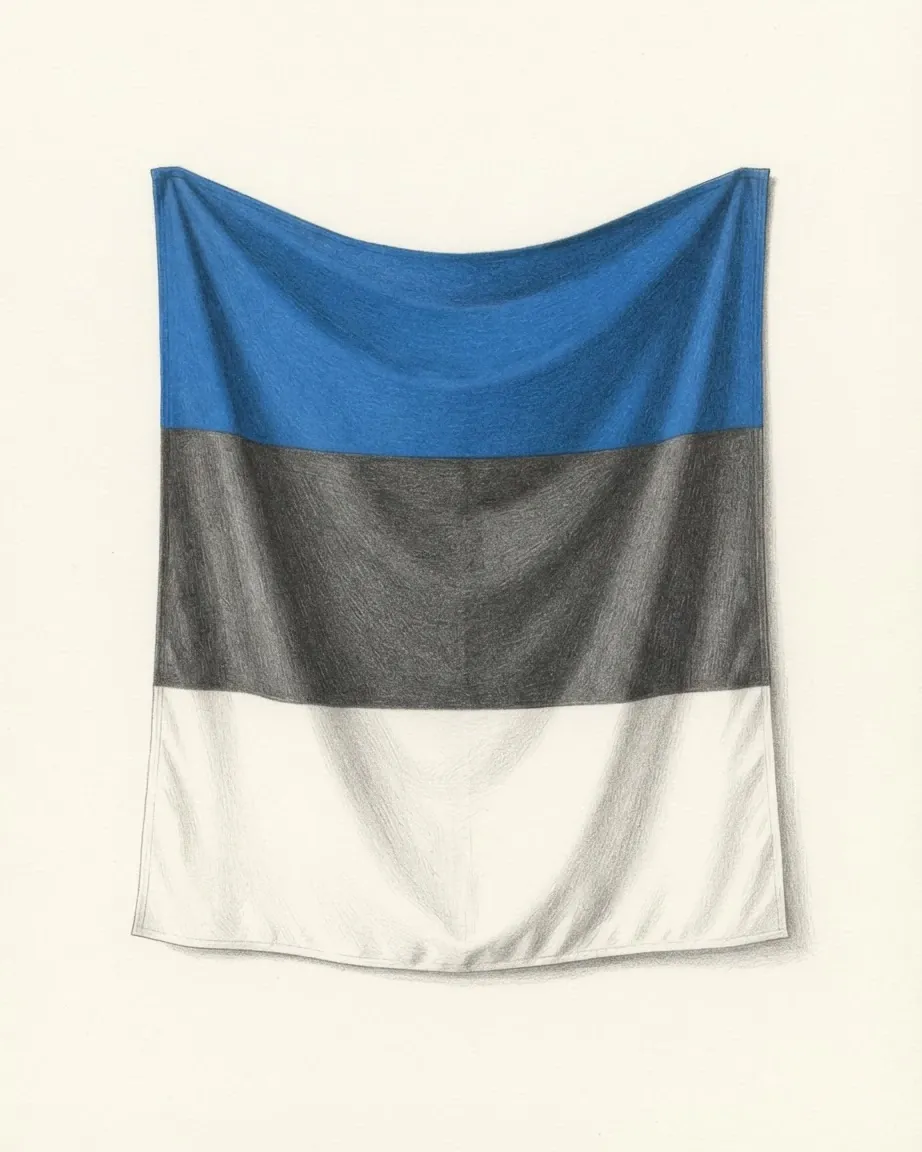
- EstoniaA Baltic republic of 1,369,995 people as of 1 January 2025 whose statehood survived occupation as a legal record, and whose voting and company registry now run the same way.
- Eswatini
- Ethiopiaኢትዮጵያ
- Fiji
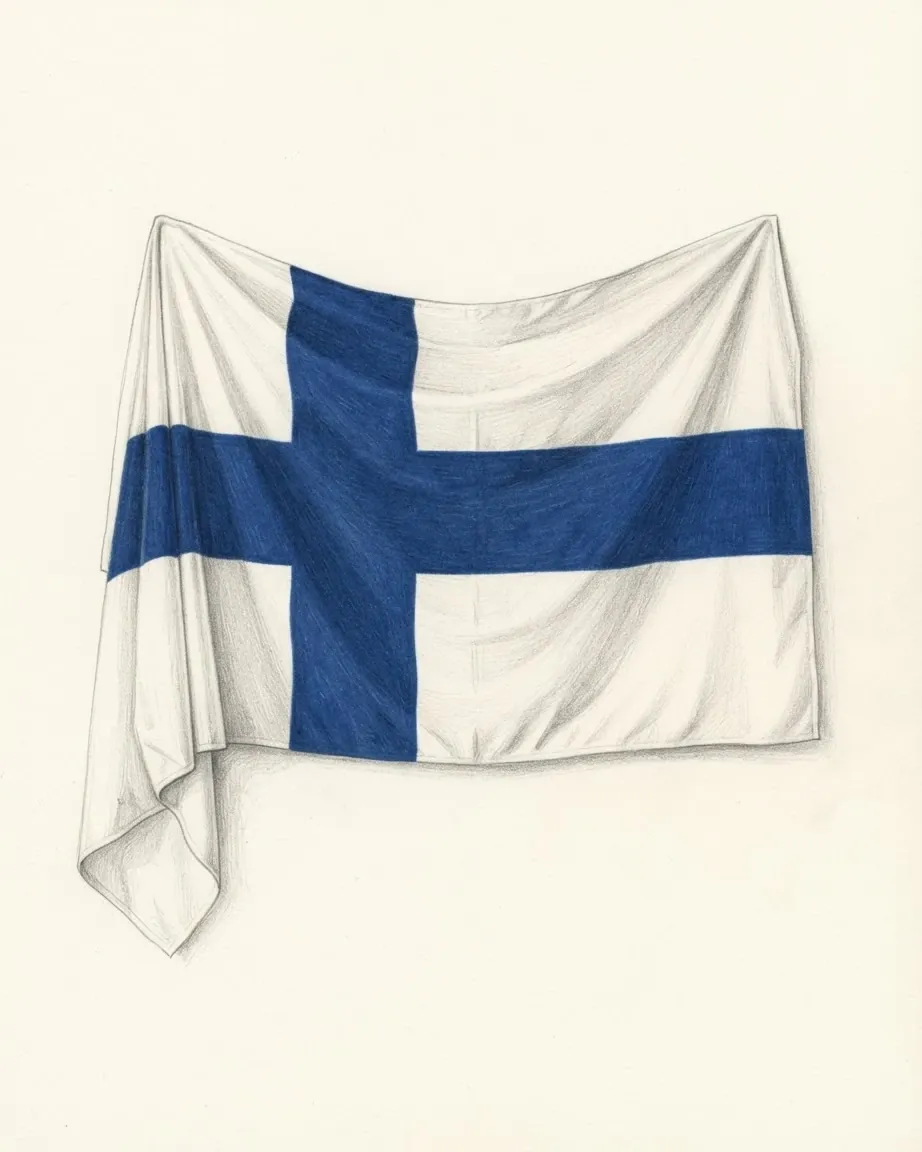
- Finland5.7 million people on 390,905 square kilometres of forest and lake. Independent since 1917, in the EU since 1995, and in NATO since April 2023.
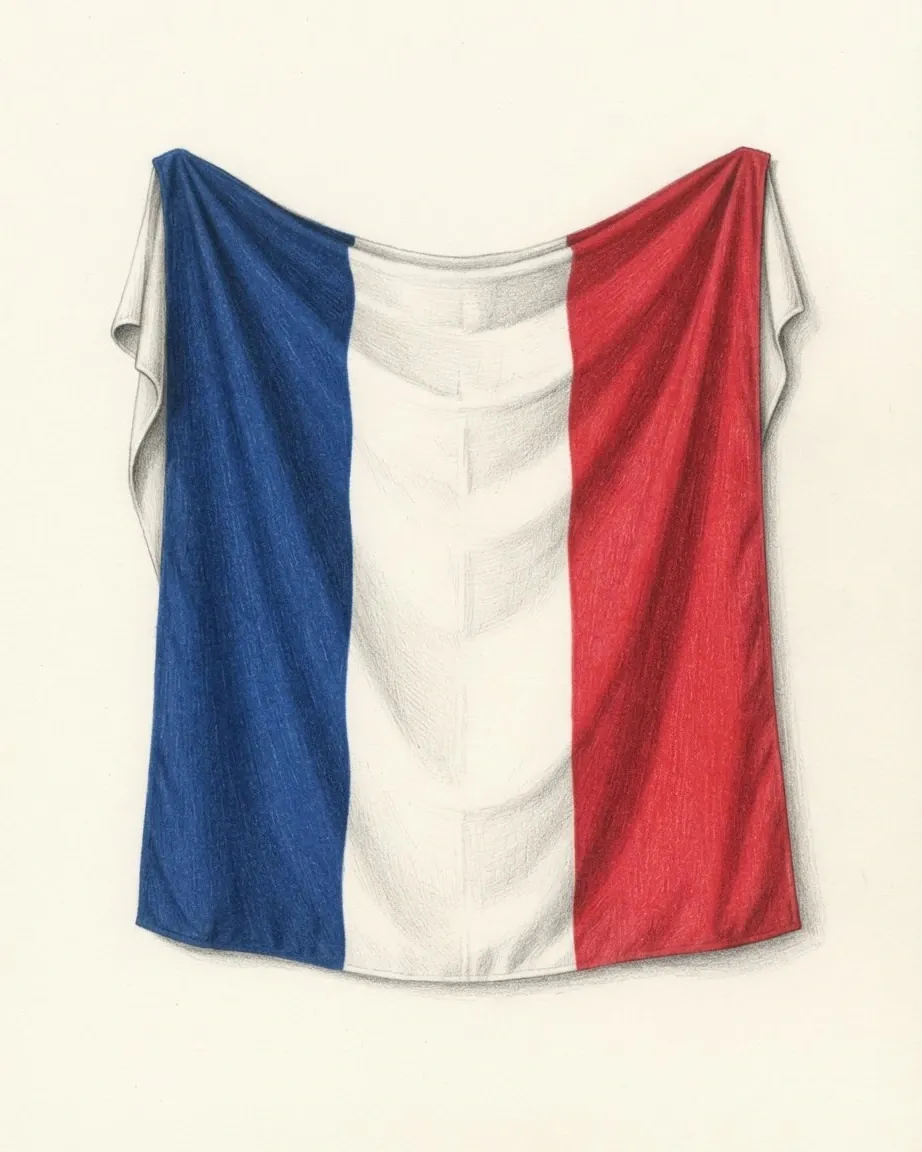
- France68.6 million people and 643,801 square kilometres across three oceans. Five republics since 1789, 56 nuclear reactors, and public debt at 115.5% of output.
- Gabon
- GambiaThe Gambia
- GeorgiaSakartvelo to Georgians, Gruzia in Russian: 3,929,581 people counted on 14 November 2024, in a census that leaves out Abkhazia and South Ossetia.
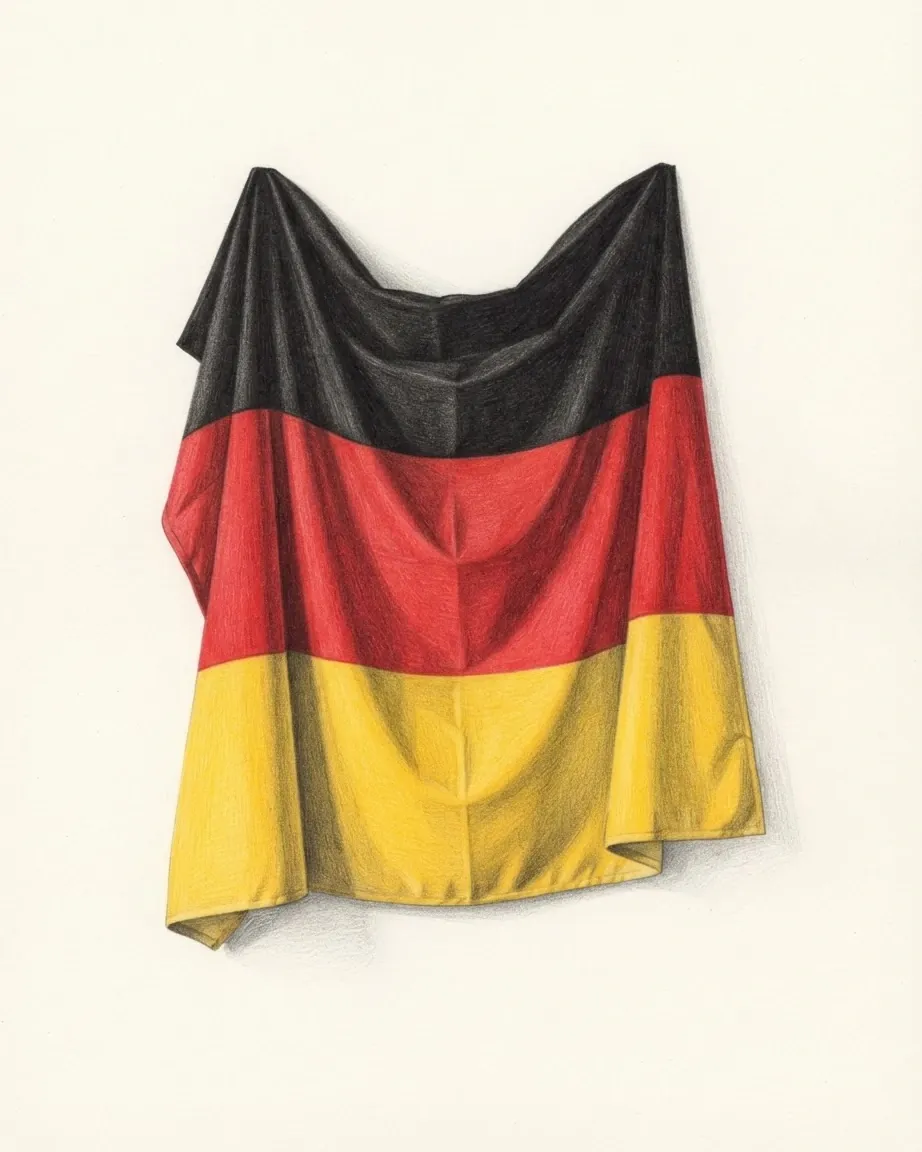
- Germany83.6 million people on 357,588 square kilometres with nine land borders. A constitution written to be temporary in 1949, and an export economy that grew 0.2% in 2025.
- Ghana
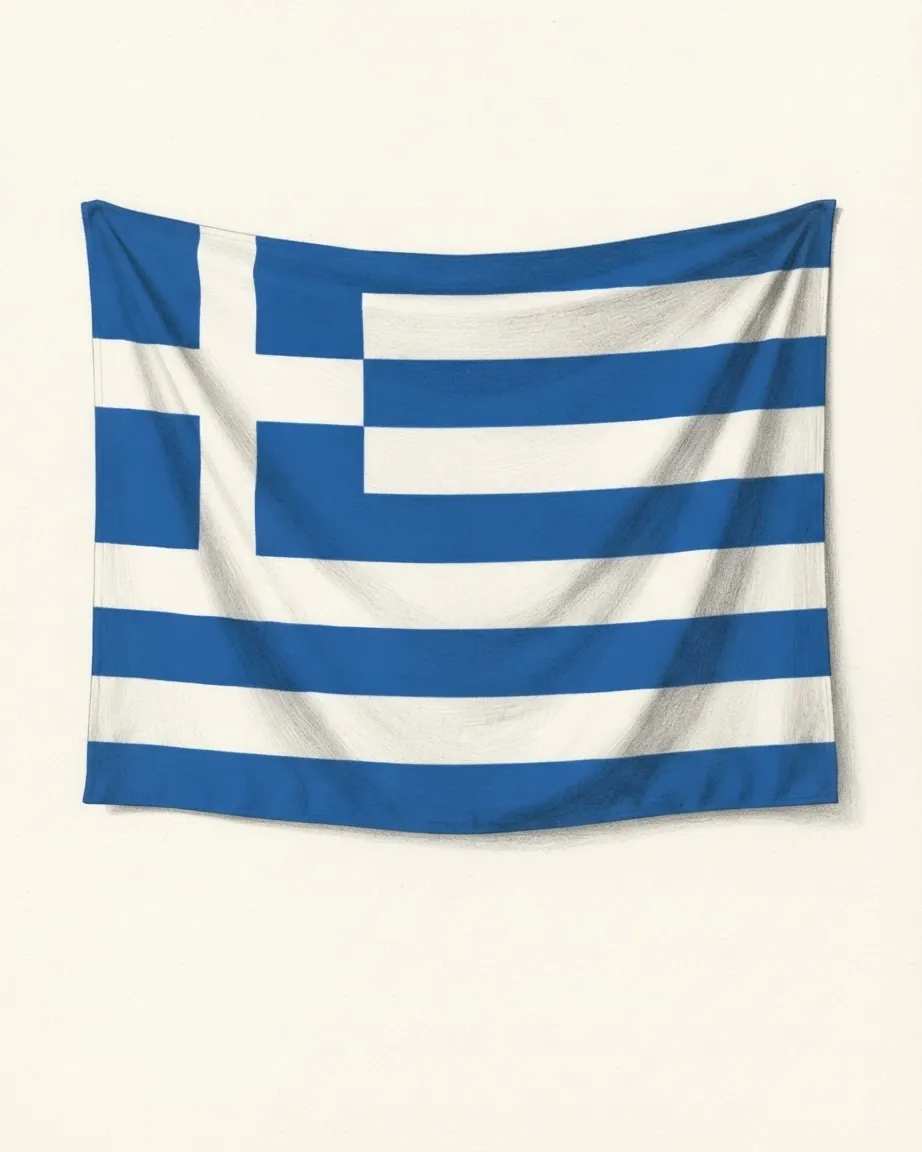
- Greece10.6 million people on 131,957 square kilometres of mountain and archipelago. A state founded in 1821, a constitution from 1975, and 21 World Heritage properties.
- Grenada
- Guatemala
- GuineaGuinée
- Guinea-BissauGuiné-Bissau
- Guyana
- HaitiHaïti
- Honduras
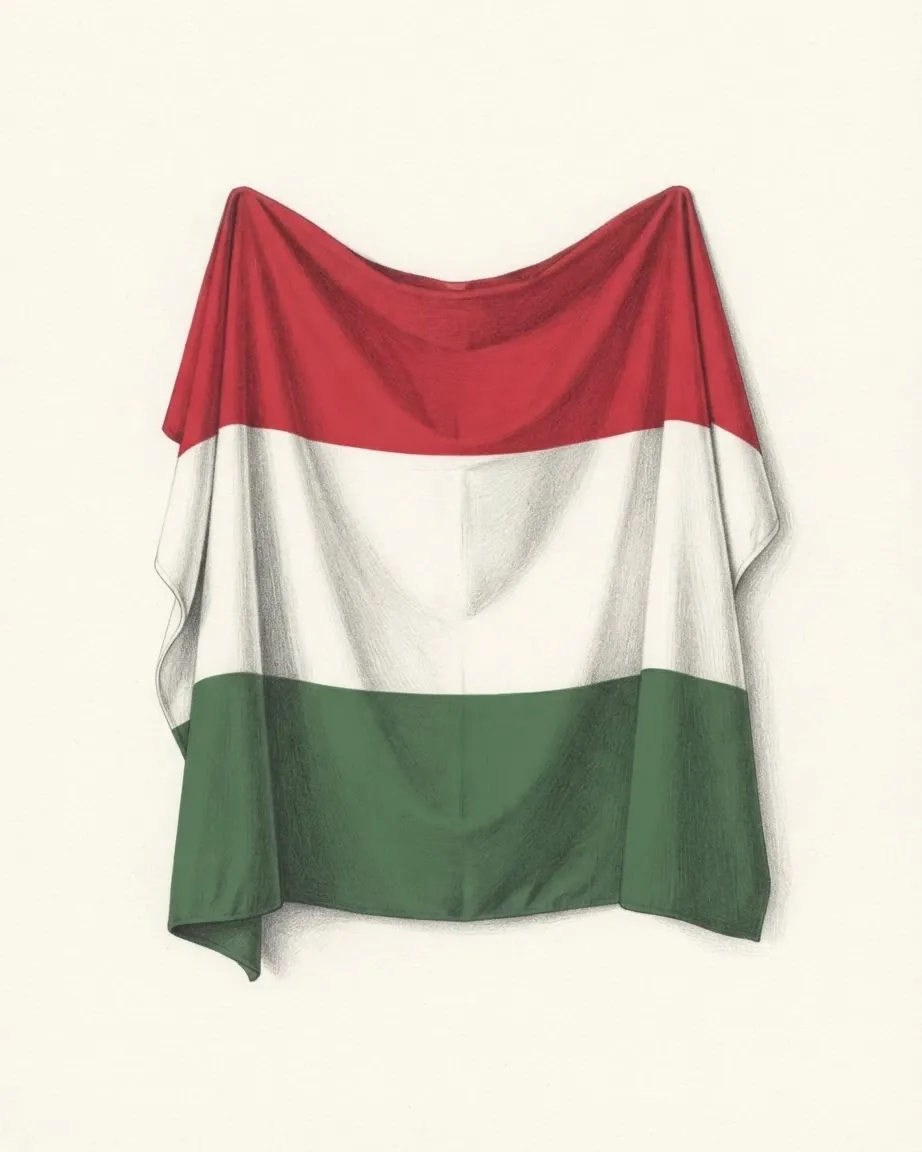
- Hungary9.5 million people on 93,030 landlocked square kilometres with seven neighbours. A treaty in 1920 took 72% of the territory, and the question has never closed.
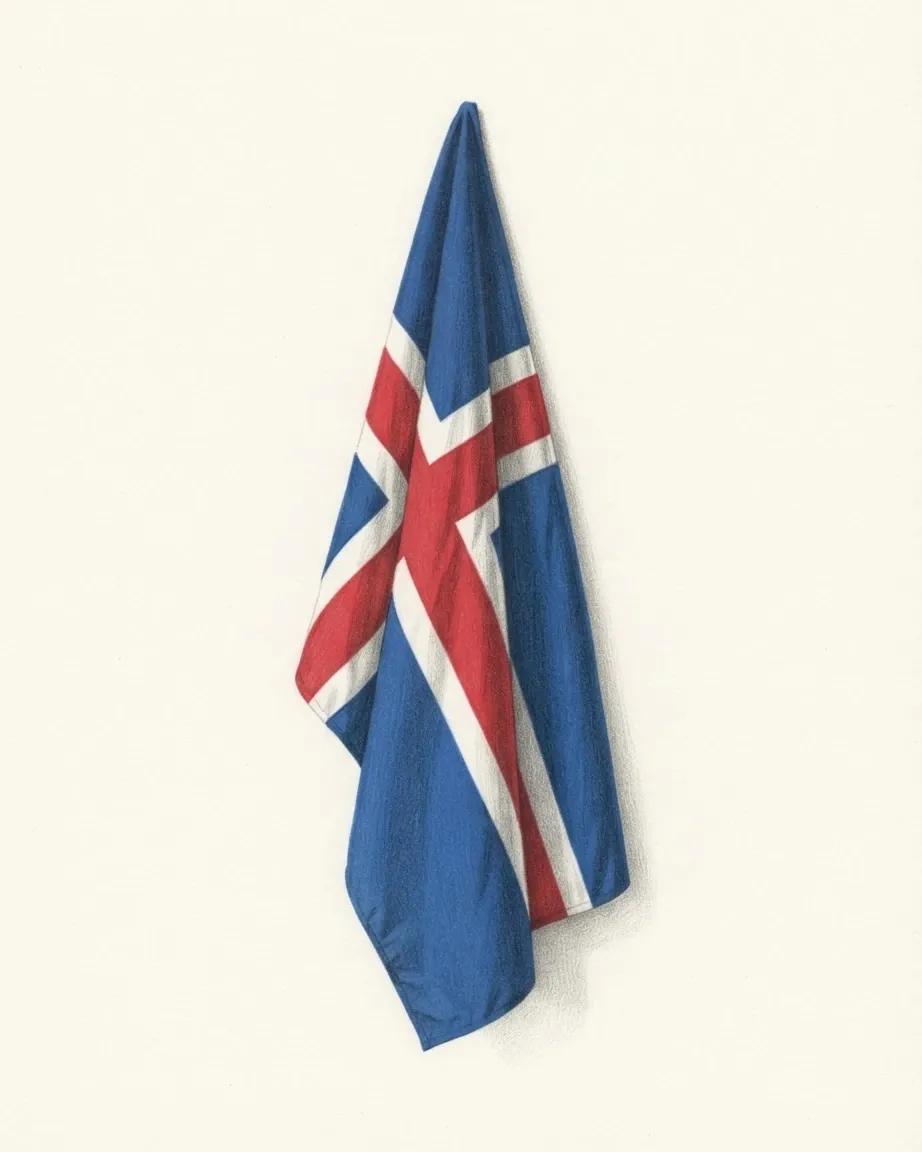
- IcelandAn empty island claimed in sixty years and written down as it happened: 376,248 people counted in 2022, on crust the Mid-Atlantic Ridge pulls apart by 19 millimetres a year.
- India
- Indonesia
- Iranایران
- Iraqالعراق
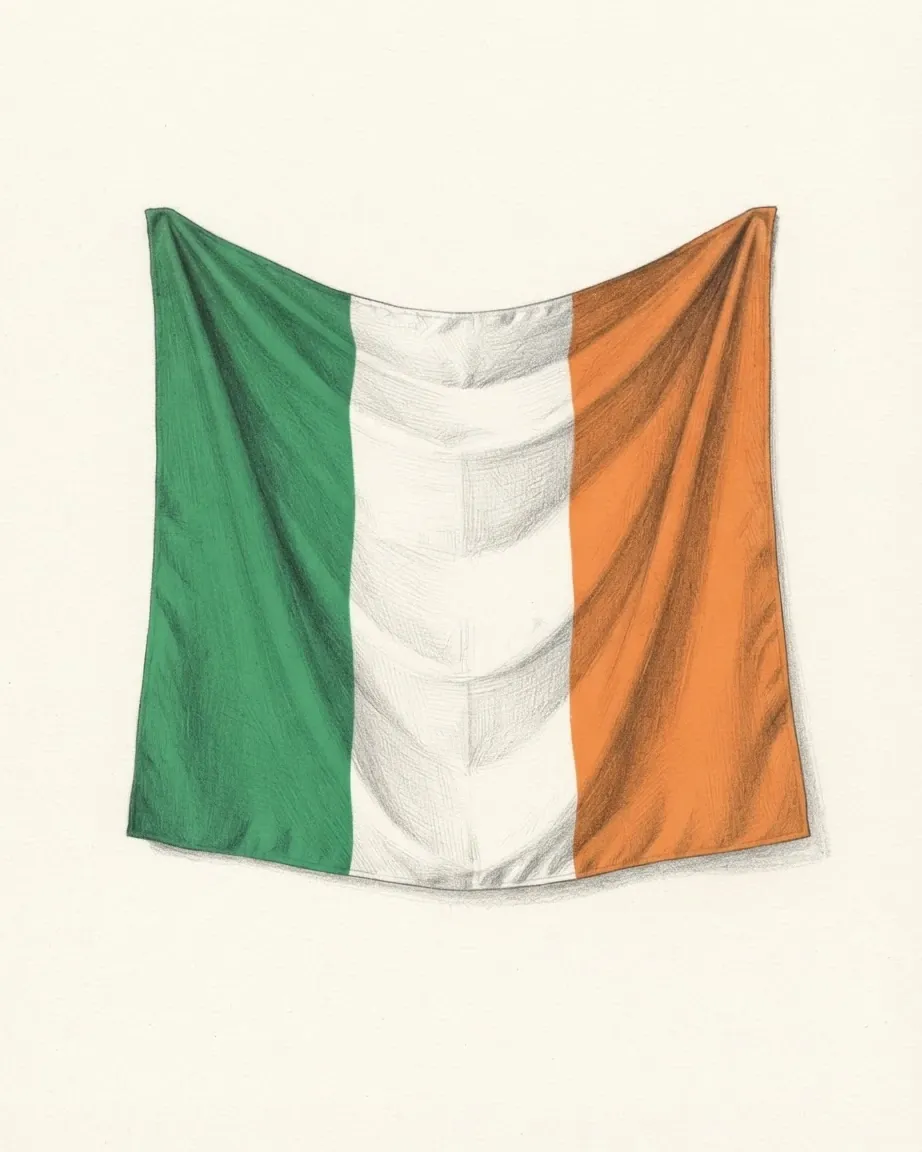
- Ireland5.1 million people on 69,797 square kilometres. A constitution changed only by referendum, and an economy whose own statisticians publish a second measure of its size.
- Israelישראל
- ItalyItaly holds about 58.9 million people, was proclaimed a single state on 17 March 1861 and became a republic in 1946. Its cities, regions and districts still do the work.
- Ivory CoastCôte d'Ivoire
- Jamaica
- Japan日本
- Jordanالأردن
- KazakhstanҚазақстан
- Kenya
- Kiribati
- Kuwaitالكويت
- KyrgyzstanКыргызстан
- Laosປະເທດລາວ
- LatviaLatvia holds 1,845,096 people as of 1 January 2026 on flat, wet ground on the Baltic, under a constitution of 1922 restored in 1991 after two rewritings of its population.
- Lebanonلبنان
- Lesotho
- Liberia
- Libyaليبيا
- Liechtenstein160 square kilometres bought by a Viennese family in 1699 and 1712, in a Swiss customs union since 1924, with more jobs than residents since 2017.
- LithuaniaThree ultimatums between 1938 and 1940 ended Lithuania's first republic. The state restored on 11 March 1990 has spent since then rearranging its connections westward.
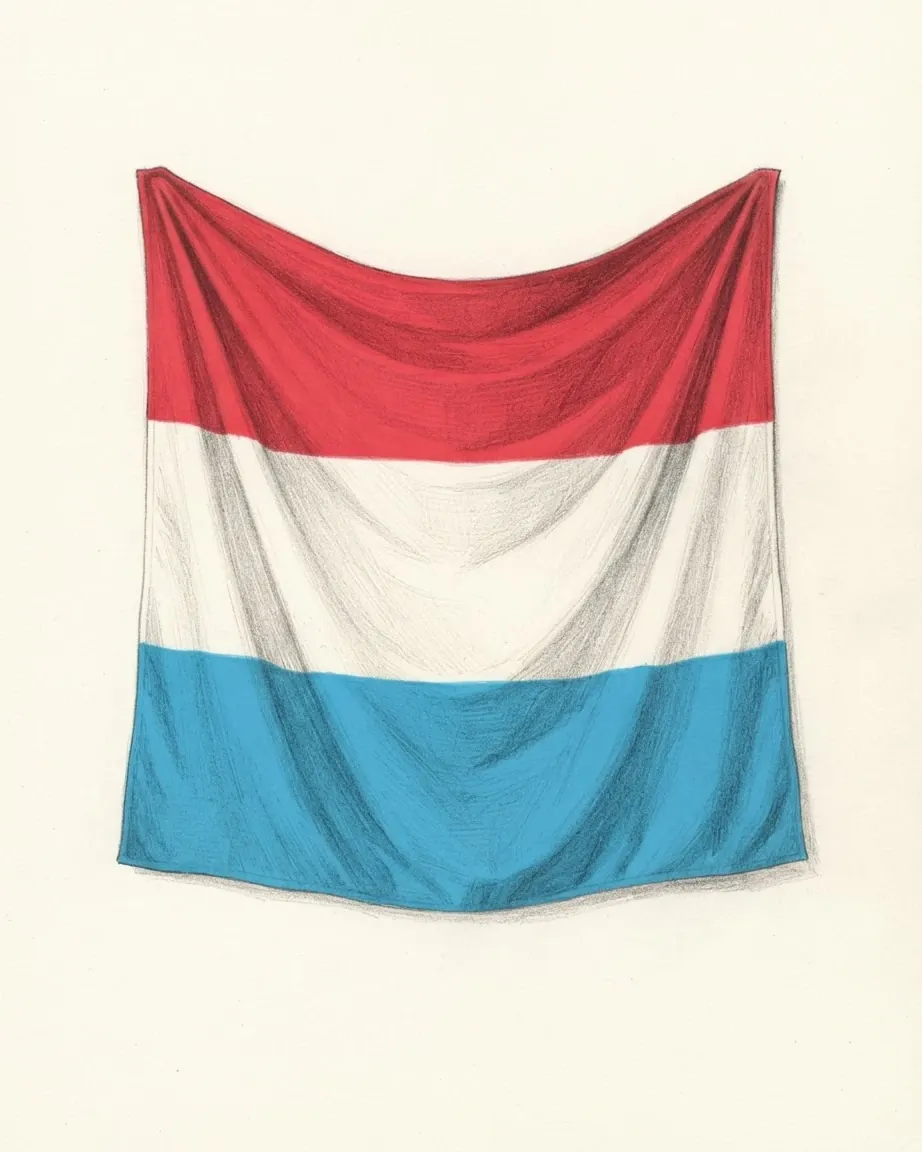
- Luxembourg681,973 residents in 2025, 47% of them foreign nationals, and 223,000 more crossing a border to work. A grand duchy of 2,586 square kilometres with three languages and 8.2 trillion euros of fund assets.
- Madagascar
- Malawi
- Malaysia
- Maldivesދިވެހިރާއްޖެ
- Mali
- Malta553,214 people on 316 square kilometres between Sicily and North Africa. A Semitic language in Latin script, Catholicism in Article 2 of the constitution, and a Westminster parliament.
- Marshall Islands
- Mauritaniaموريتانيا
- Mauritius
- MexicoMéxico
- MicronesiaFederated States of Micronesia
- Moldova2,409,207 residents counted in 2024 on the land between the Prut and the Dniester. Romania across one river, Transnistria across the other, and an EU bid since 2022.
- MonacoMonaco is one commune of 208 hectares: a prince, a 24-seat parliament, 65,680 workers in 2024 and 38,857 residents on 1 January 2025.
- MongoliaМонгол Улс
- Montenegro617,213 people in 2022 on 13,883 square kilometres. A state named for a mountain above Kotor that reached the sea in 1878 and now earns much of its living there.
- Moroccoالمغرب
- MozambiqueMoçambique
- Myanmarမြန်မာ
- Namibia
- Nauru
- Nepalनेपाल
- Netherlands17.9 million people on 42,201 km2, a fifth of it water and much of the rest below sea level. What the Dutch earn from, how they are governed and what there is to see.
- New Zealand
- Nicaragua
- NigerNijar
- Nigeria
- North Korea조선민주주의인민공화국
- North Macedonia1,836,713 people counted in 2021, a name agreed with Greece in 2018, EU talks tied to Bulgaria, and exports led by development zones that shipped €3.18bn in 2025.
- NorwayA Nordic monarchy of 5.6 million that wrote its constitution before it was independent and claimed its seabed six years before anyone found oil under it.
- Omanسلطنة عمان
- Pakistan
- Palau
- PanamaPanamá
- Papua New Guinea
- Paraguay
- PeruPiruw
- Philippines
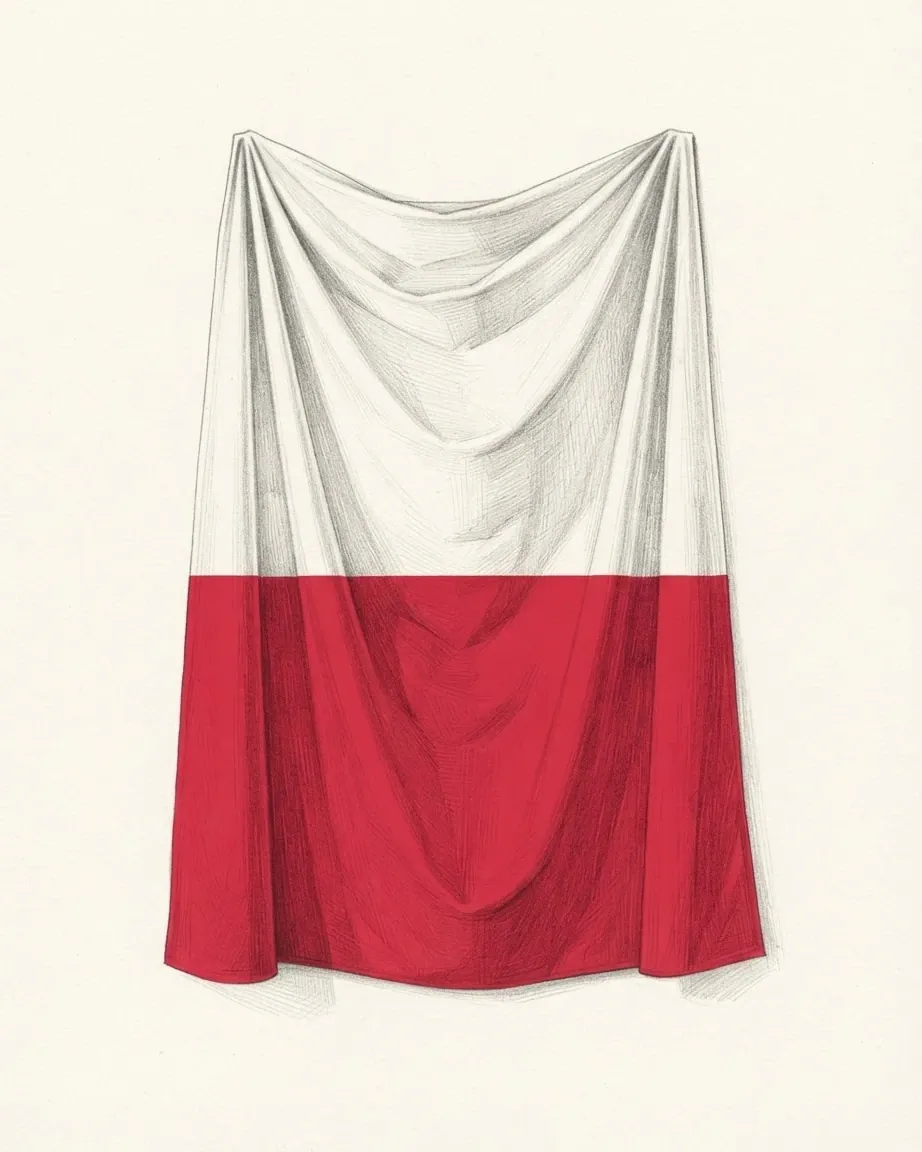
- Poland37.5 million people between the Baltic and the Carpathians. A state that vanished for 123 years, moved west after 1945, and now runs the EU's most coal-dependent grid.
- Portugal10.3 million people on 92,225 km2, a language spoken by 250 million, a border unchanged since the 13th century, and close to three foreign visitors a year for every resident.
- Qatarقطر
- Republic of the CongoRépublique du Congo
- RomaniaA country of 19 million on the lower Danube, made in 1859 out of a gap in a treaty, enlarged in 1918, cut apart in 1940, and in the European Union since 2007.
- Russia146,119,928 people on 1 January 2025 across eleven time zones, in a federation whose name uses rossiiskiy, the Russian word for the state and all its citizens.
- Rwanda
- Saint Kitts and Nevis
- Saint Lucia
- Saint Vincent and the Grenadines
- Samoa
- San Marino34,059 residents in March 2025 on 61 km² fixed in 1463, inside one 39 km border with Italy: judges from outside, a bishop in Pennabilli, and sovereignty kept by treaty.
- São Tomé and PríncipeSão Tomé e Príncipe
- Saudi Arabiaالسعودية
- SenegalSénégal
- SerbiaTwo empires split this ground along the Danube and the Sava. The country of 6.6 million that grew back across the line still shows the join, north and south.
- Seychelles
- Sierra Leone
- Singapore
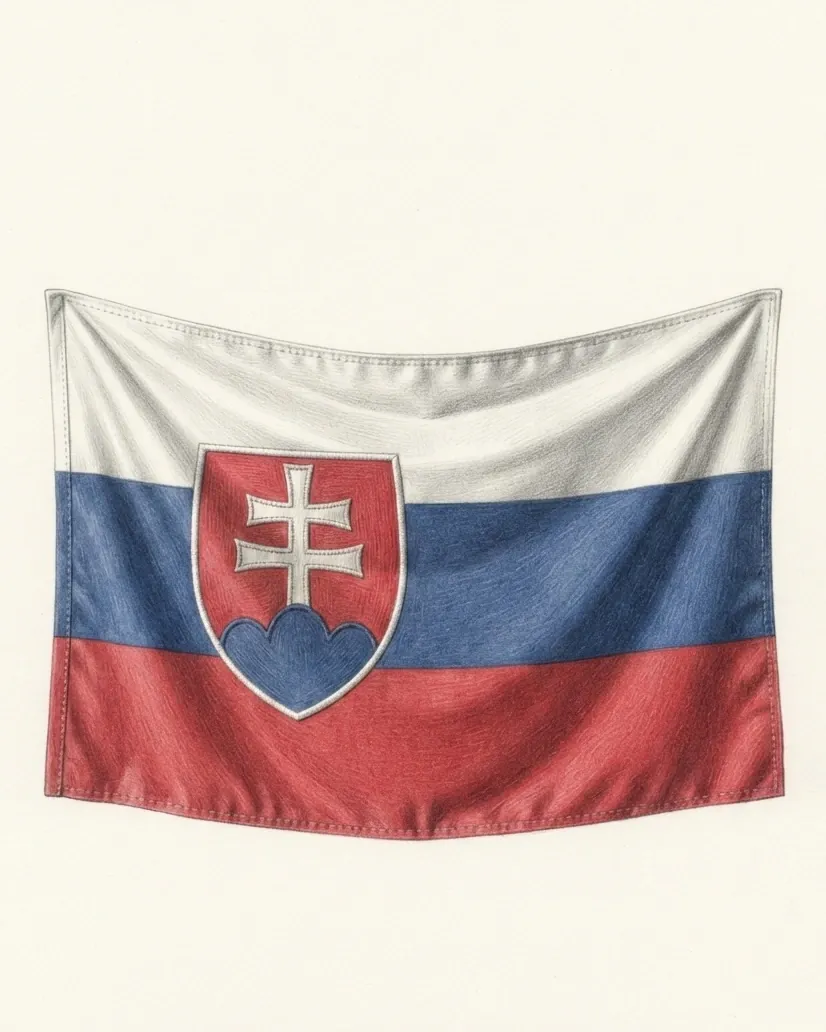
- SlovakiaA landlocked Central European country of five and a half million, independent since 1993, whose four car plants built 1,040,000 vehicles in 2016.
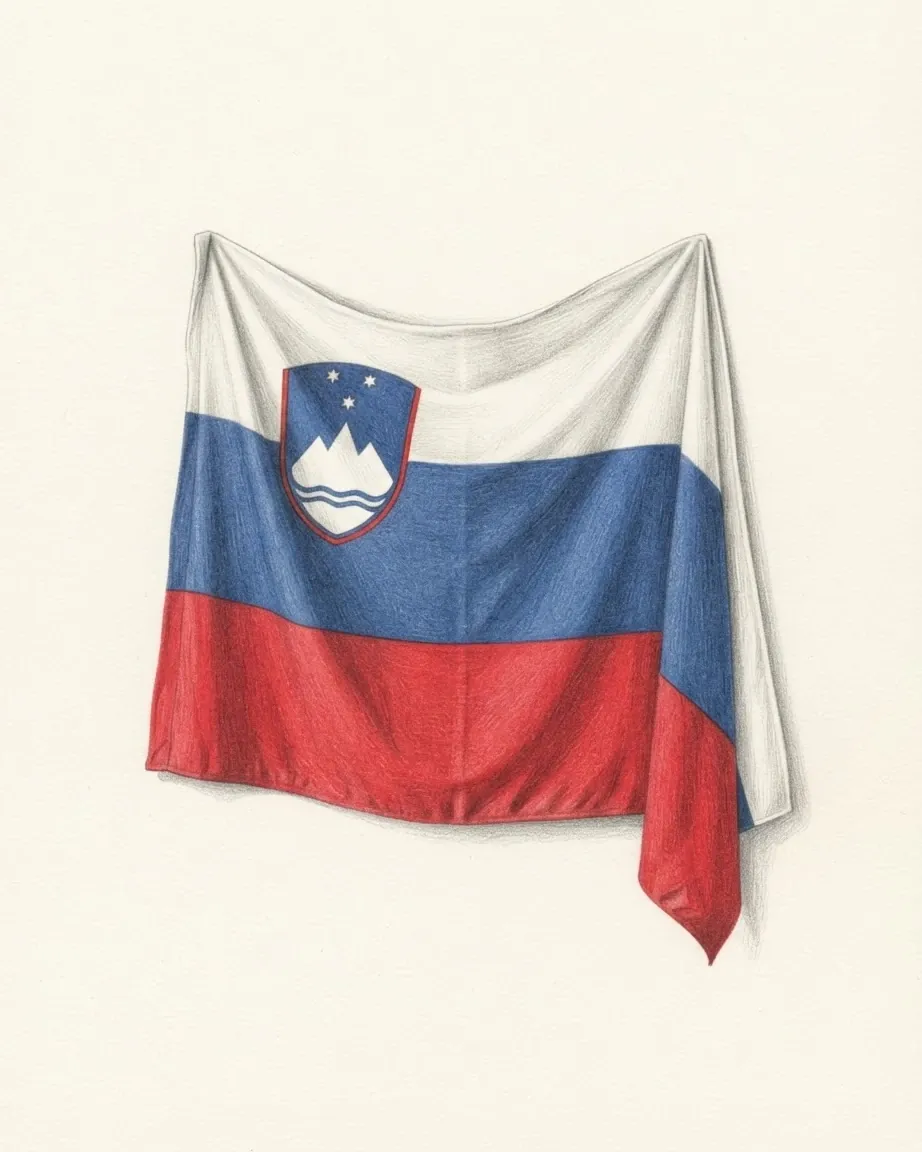
- SloveniaA Central European country of 2,133,852 people as of October 2025, independent since 1991, with borders drawn by other people's treaties and a state its voters authorised.
- Solomon Islands
- Somaliaالصومال
- South AfricaSuid-Afrika
- South Korea대한민국
- South Sudan
- Spain48.6 million people on 505,990 km2, five official languages, seventeen governments and 97 million visitors a year. What Spain is, how it is run and what is worth seeing.
- Sri Lankaශ්රී ලංකාව
- Sudanالسودان
- Suriname
- Sweden10.6 million people on 528,861 square kilometres from the Baltic to the Arctic. A monarchy whose 1974 constitution left the crown no power, and which kept its own currency.
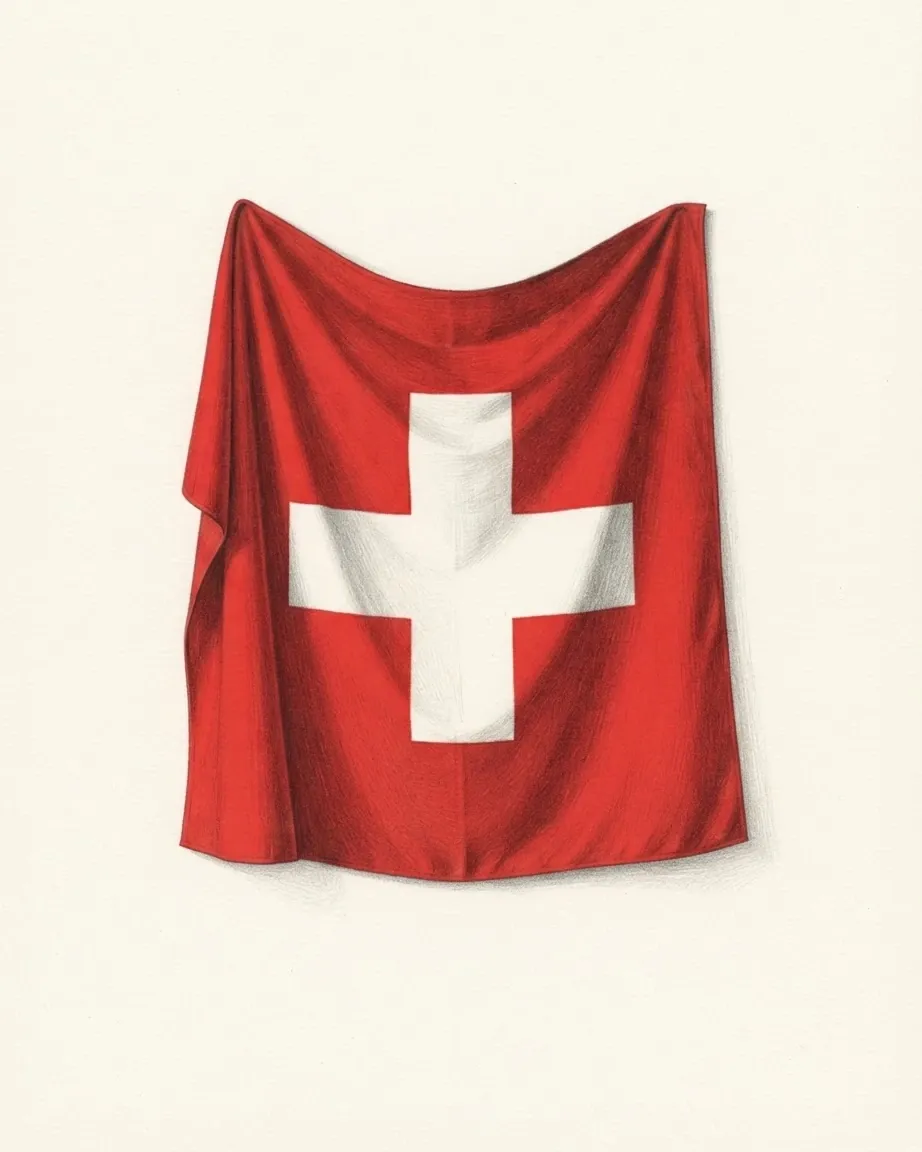
- SwitzerlandA landlocked federal republic of 26 cantons and four national languages, with no legal capital, no single head of government and no constitutional court.
- Syriaسوريا
- TajikistanТоҷикистон
- Tanzania
- Thailandประเทศไทย
- Timor-Leste
- Togo
- Tonga
- Trinidad and Tobago
- Tunisiaتونس
- Türkiye85.4 million people at the end of 2023, a capital, alphabet, clock and English name each fixed by statute, on a plate driven west between two faults.
- TurkmenistanTürkmenistan
- Tuvalu
- Uganda
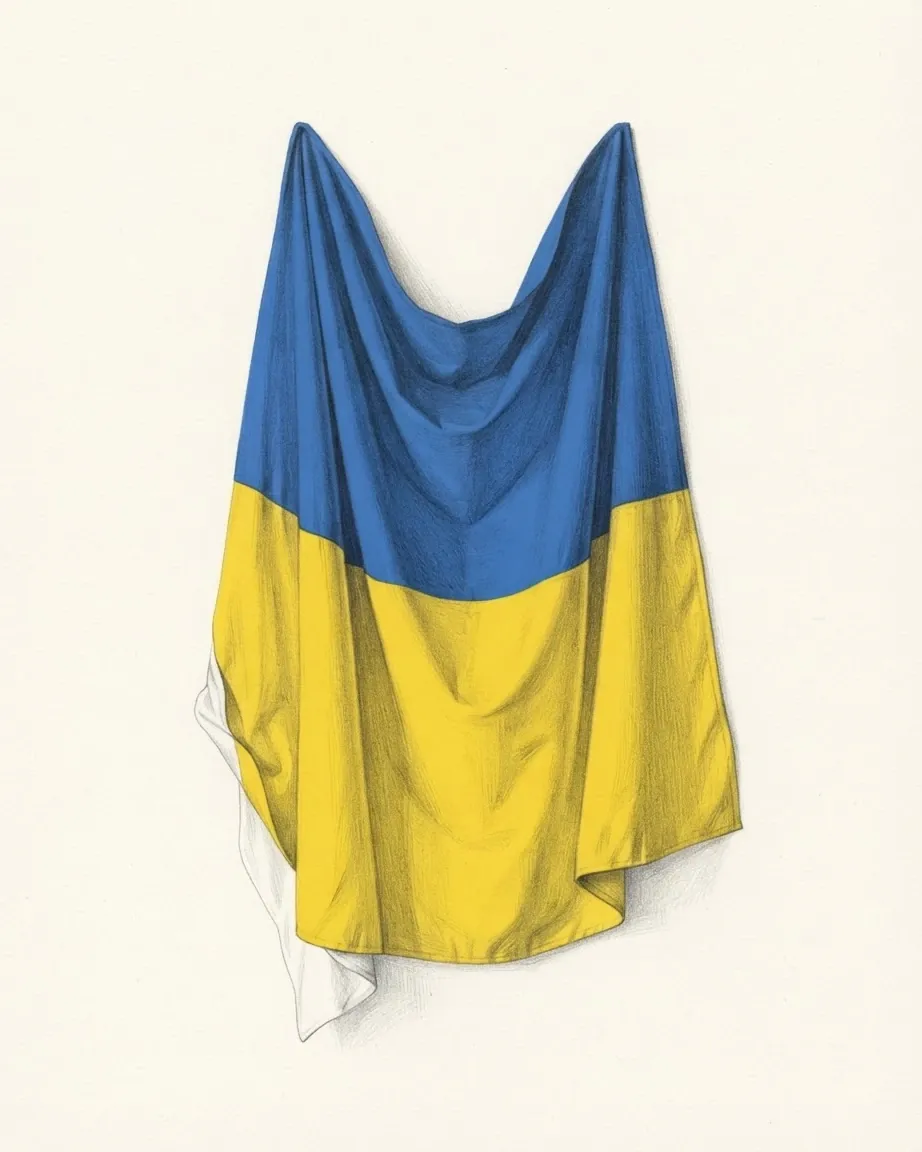
- UkraineAn Eastern European country of 41.17 million people on 1 January 2022, independent since 1991, whose borders were assembled between 1939 and 1954.
- United Arab Emiratesالإمارات العربية المتحدة
- United Kingdom67.3 million people across four countries on 242,495 square kilometres. An uncodified constitution, an economy four fifths services, and 35 World Heritage properties.
- United StatesEstados Unidus
- UruguayRepública Oriental del Uruguay
- UzbekistanOʻzbekiston
- Vanuatu
- Venezuela
- VietnamViệt Nam
- Yemenاليمن
- Zambia
- Zimbabwe
Common questions
Questions about UN
How does a country join the United Nations?
By the route Article 4 lays down. The state applies in writing and states that it accepts the obligations of the Charter, the Security Council votes on a recommendation, and the General Assembly then decides. Admission is an important question under Article 18, so it takes two thirds of those present and voting. The Council stage is the binding one, because a recommendation is not procedural and a permanent member can withhold its concurring vote.
What does a member pay?
A share of the regular budget, apportioned by the General Assembly under Article 17 on capacity to pay. The scale for 2025 to 2027, adopted by resolution 79/249 on 24 December 2024, runs between a minimum rate of 0.001% and a maximum of 22%, with a maximum of 0.01% for the least developed countries. Arrears matter: under Article 19 a member owing two full years of contributions loses its vote in the Assembly unless the Assembly accepts that the cause was outside its control.
Has any country ever left the United Nations?
Once, and it came back. Indonesia announced by letter on 20 January 1965 that it was withdrawing at that stage and under the circumstances then obtaining, and it was neither assessed nor listed while it was away. A telegram of 19 September 1966 announced a decision to resume participation, the Assembly took note on 28 September 1966, and the delegation returned to its seats without any application for readmission. The Charter contains no withdrawal clause.
Can a member be expelled?
Article 6 provides for it, by decision of the General Assembly on the recommendation of the Security Council, and it has never been used. Nor has Article 5, which provides for suspension. What has happened is narrower: on 30 September 1974 the Assembly declined to accept the credentials of the South African delegation, and a ruling from the chair on 12 November 1974 kept it out of the session. South Africa stayed a member, and a delegation sat again in 1994.
Which places in this catalogue have no seat?
Dependencies, which are administered by members rather than represented in their own right, and a few countries that are not dependencies. The Holy See and Palestine are non-member observer states, the second by resolution 67/19 of 29 November 2012. Kosovo and Taiwan hold no seat. The Cook Islands and Niue hold none either, though the Secretariat has accepted the treaty-making capacity of both and they belong to specialised agencies.
Sources
- Charter of the United Nations, full text · United Nations. The 111 articles in 19 chapters, and the wording of Articles 4, 5, 6, 17, 18, 19, 23, 27 and 108.
- Growth in United Nations membership · United Nations. The 51 original members of 1945, the sixteen of 1955, the seventeen of 1960, the separate admissions of 1993, and the admissions of 2002, 2006 and 2011.
- Amendments to Articles 23, 27, 61 and 109 · United Nations. The four amendments, adopted 17 December 1963 and in force 31 August 1965, and the later changes of 24 September 1973 and 12 June 1968.
- Regular budget and working capital fund · Committee on Contributions, United Nations General Assembly. Resolution 79/249 of 24 December 2024, the ceiling of 22%, the floor of 0.001% and the rate of 0.01% for the least developed countries.
- Admission of new Members to the United Nations, A/RES/995(X) · United Nations Digital Library. The resolution of 14 December 1955 that admitted sixteen states at one sitting.
- Restoration of the lawful rights of the People's Republic of China in the United Nations, A/RES/2758(XXVI) · United Nations. The resolution of 25 October 1971 and its operative wording.
- Russian Federation · United Nations. The letter of 24 December 1991 continuing the membership of the Soviet Union, and the support of eleven members of the Commonwealth of Independent States.
- Indonesia · United Nations. The letter of 20 January 1965, the telegram of 19 September 1966 and the Assembly taking note on 28 September 1966.
- Credentials of representatives to the twenty-ninth session of the General Assembly, A/RES/3206(XXIX) · United Nations Digital Library. The decision of 30 September 1974 on the credentials of the South African delegation.
- Non-member States · United Nations. The Holy See and the State of Palestine as non-member observer states, and resolution 67/19 of 29 November 2012.
- Volksabstimmung vom 3. März 2002 · Swiss Federal Chancellery. The result of 54.6% and the majority of twelve cantons to eleven on the question of accession.