Council of Europe
Political
Strasbourg has held the seat since the statute was signed in London on 5 May 1949. What binds the members is a treaty rather than a map: the European Convention on Human Rights, signed in Rome on 4 November 1950. Any person under a member's jurisdiction may bring a case against it. The European Union is a different organisation, and the flag it flies was adopted here in 1955.
45 countries
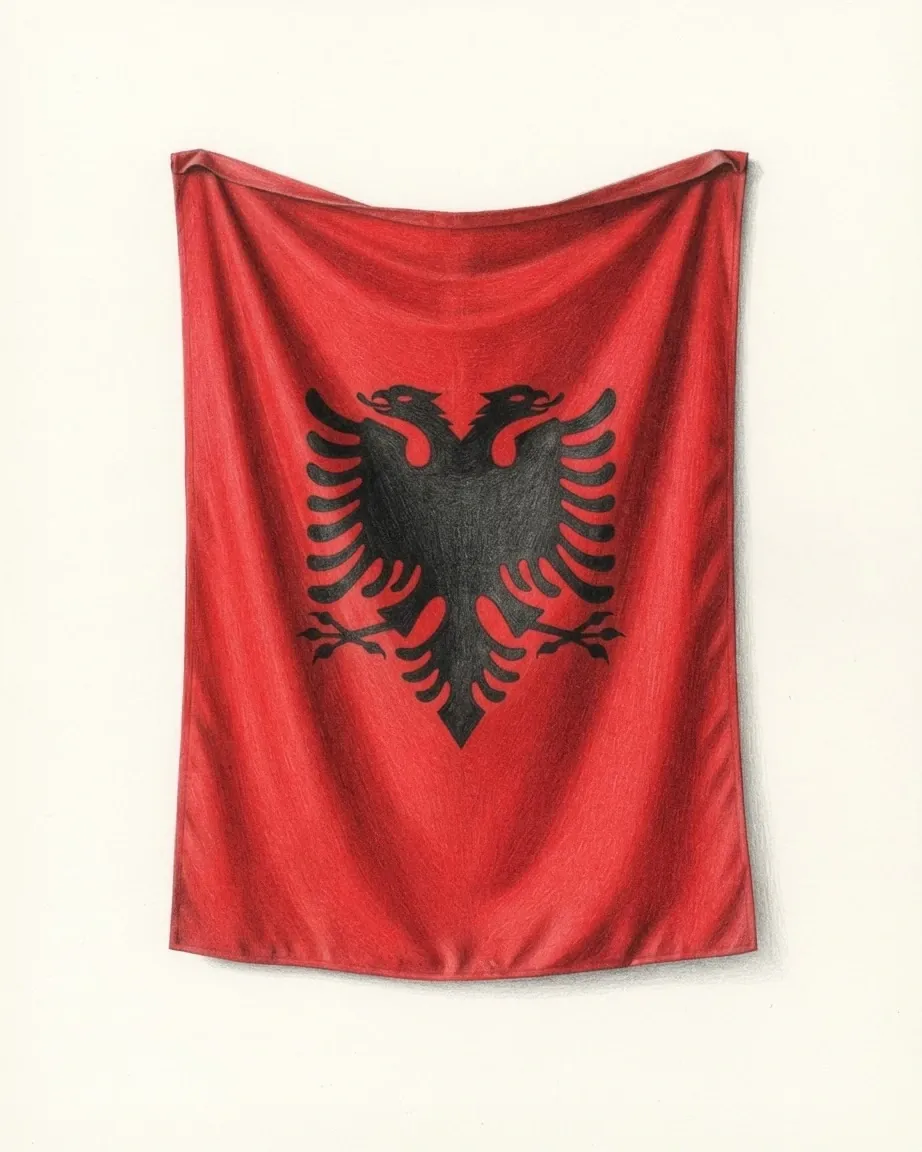
- AlbaniaThe 2023 census counted 2,402,113 people in Albania and the voter roll of April 2025 held 3,713,761 names. The land, the history and the economy, each figure dated.
- AndorraA Pyrenean co-principality made sovereign by referendum on 14 March 1993, with a euro agreement from 2011 and 89,752 residents on 30 June 2026.
- ArmeniaJoined 2001.
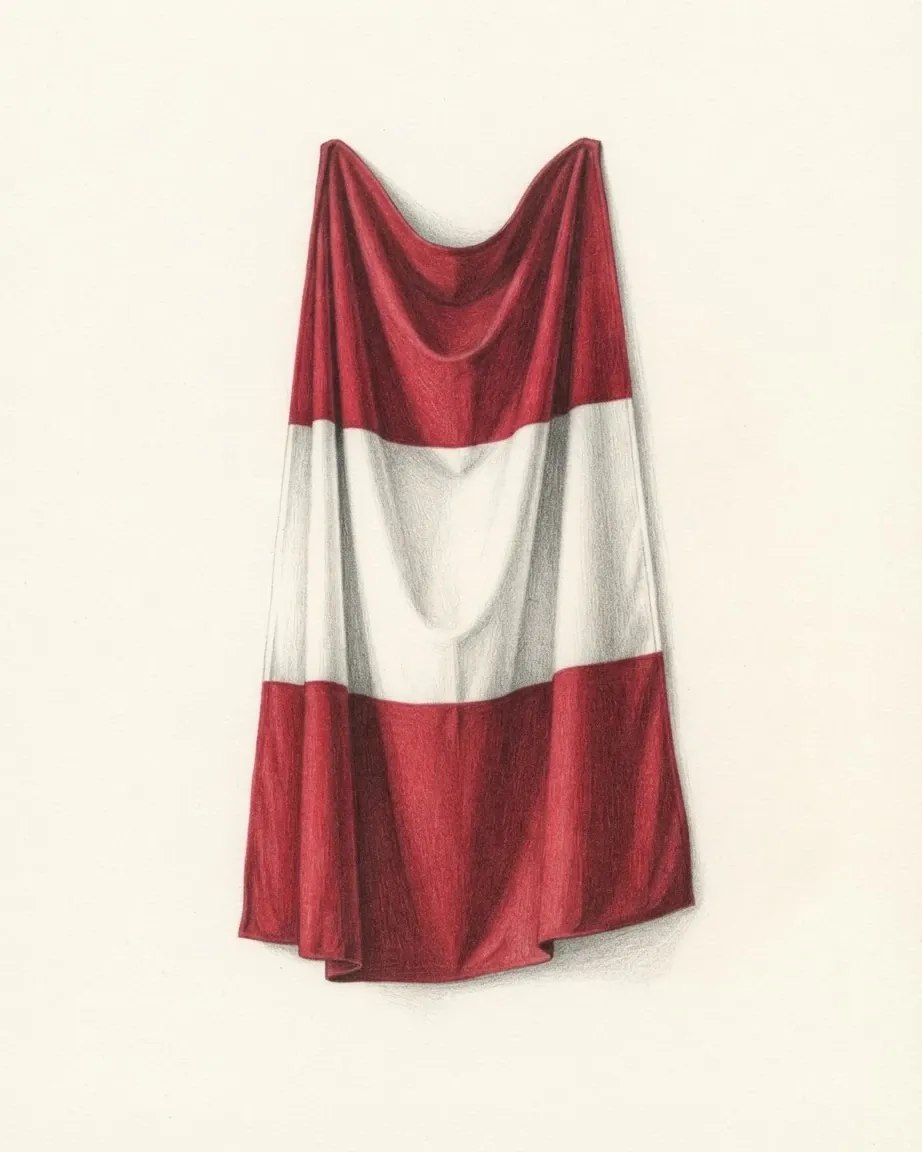
- Austria9 million people on 83,879 landlocked square kilometres with eight borders. A republic from 1918 in a capital built for an empire, neutral since 1955.
- AzerbaijanJoined 2001.
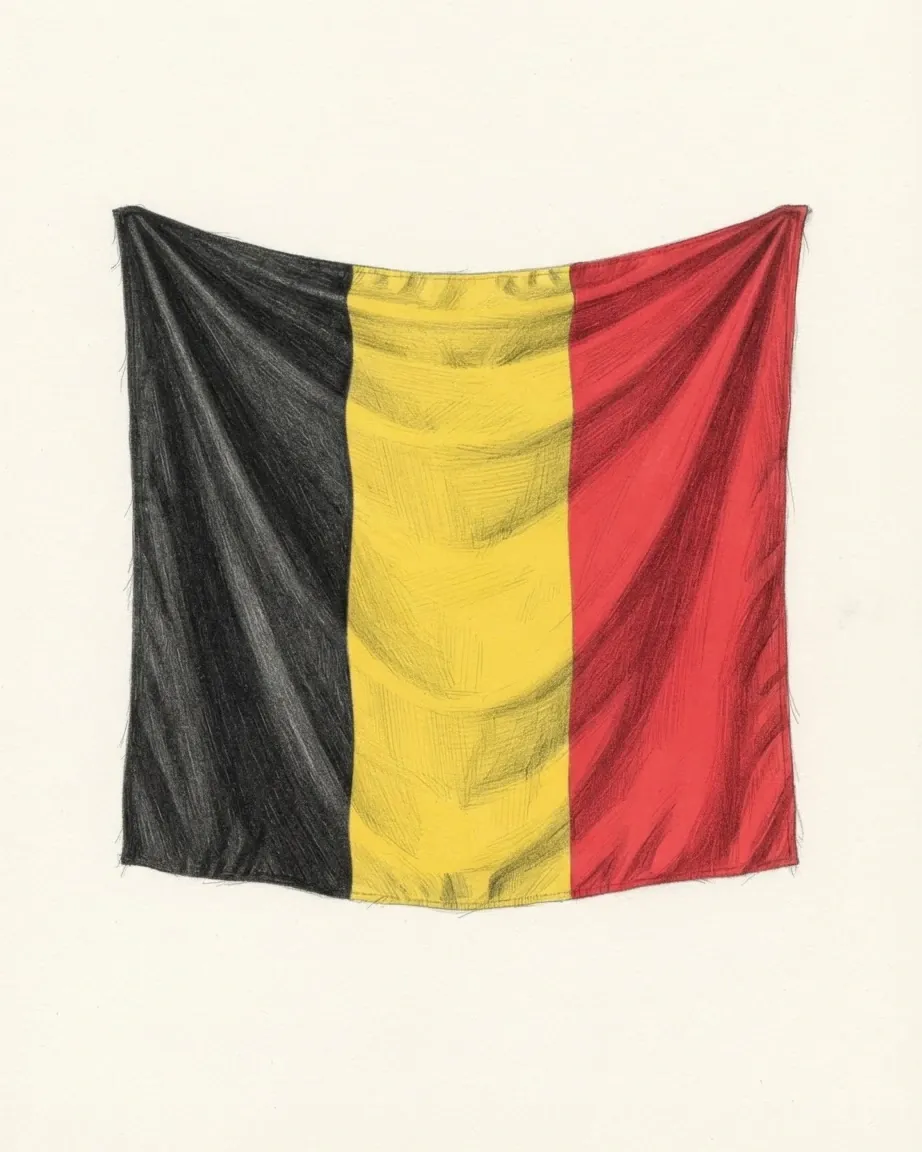
- Belgium11.8 million people on 30,688 square kilometres, three official languages and six governments. A federal structure built around a language border, and 16 heritage sites.
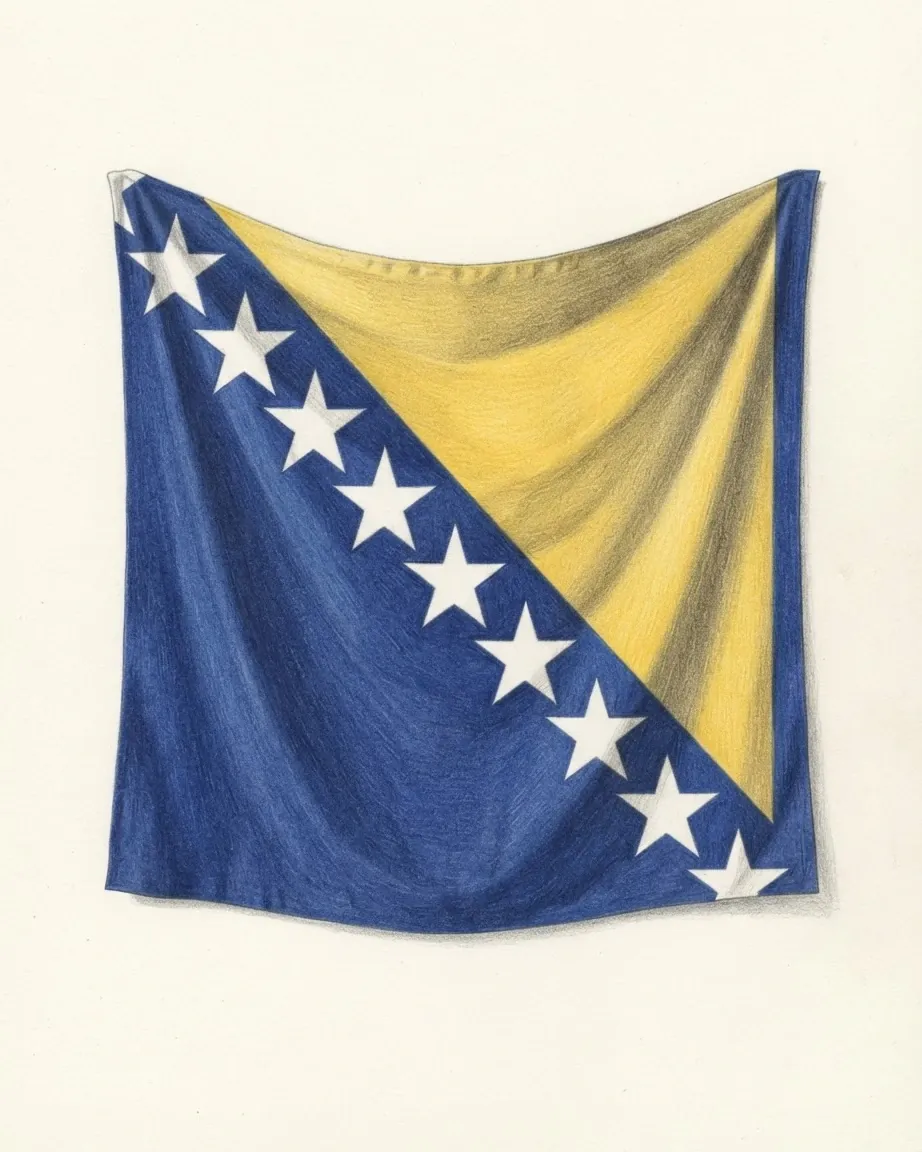
- Bosnia and HerzegovinaJoined 2002.
- BulgariaJoined 1992.
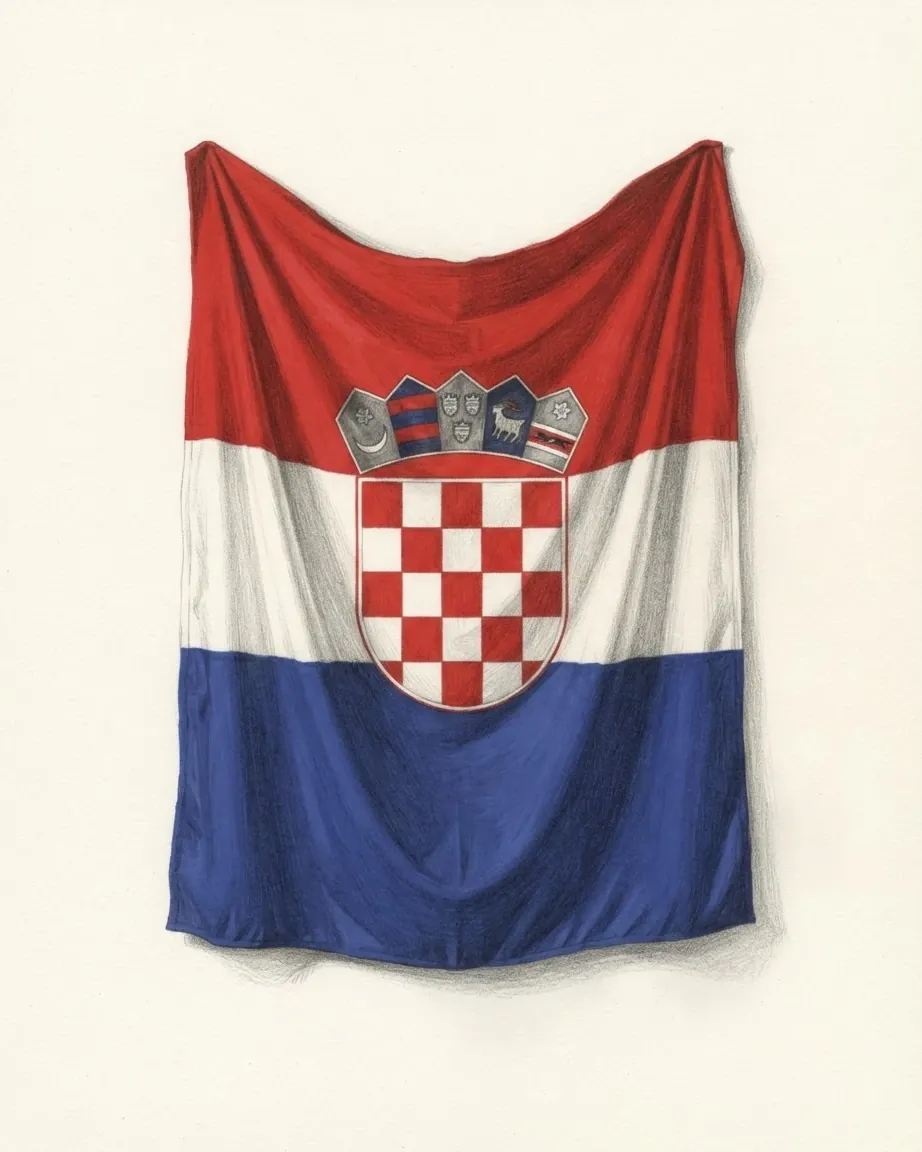
- CroatiaCroatia counted 3,871,833 residents in 2021, 9.64% fewer than in 2011, and registered 94.8 million tourist nights in 2025, 94.3% of them on the Adriatic.
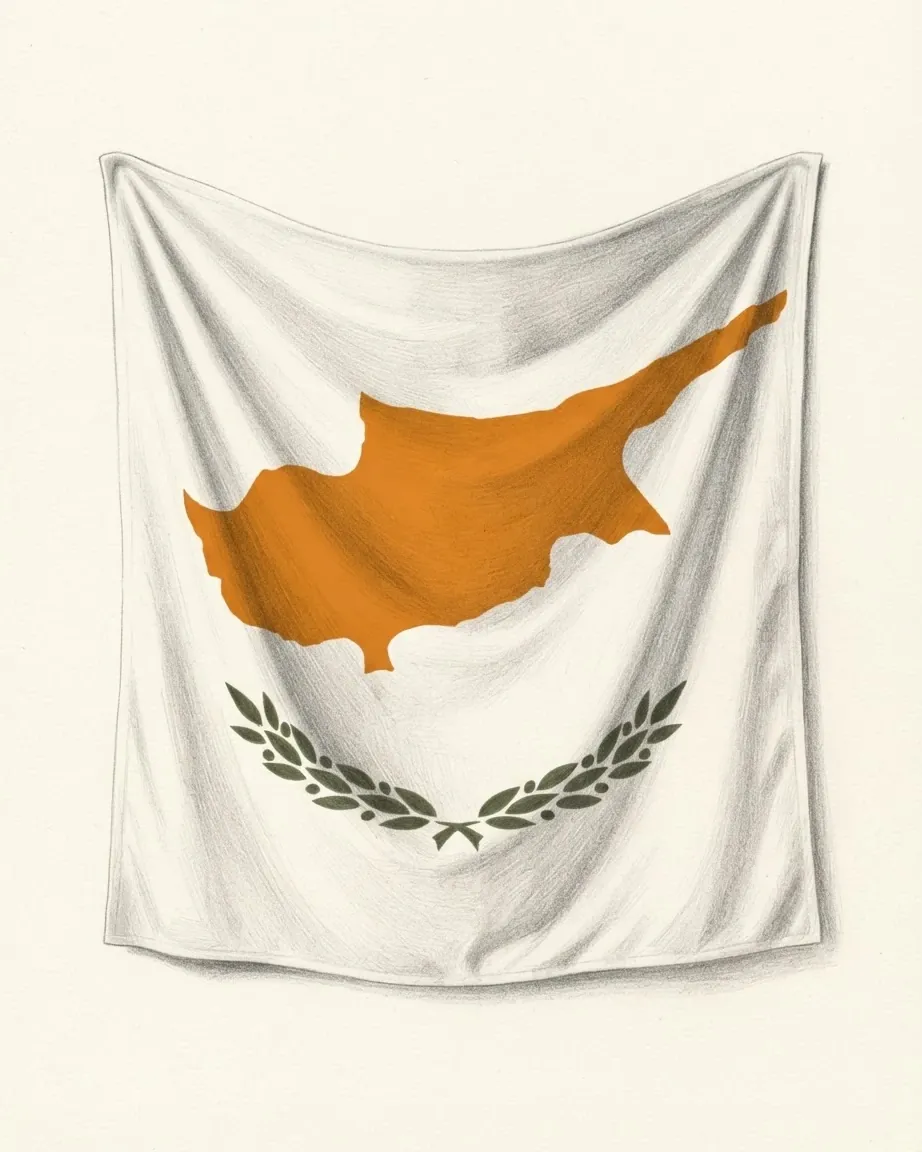
- CyprusCyprus has been independent since 16 August 1960 and in the European Union since 2004, and its government controls about 59% of an island administered in four pieces.
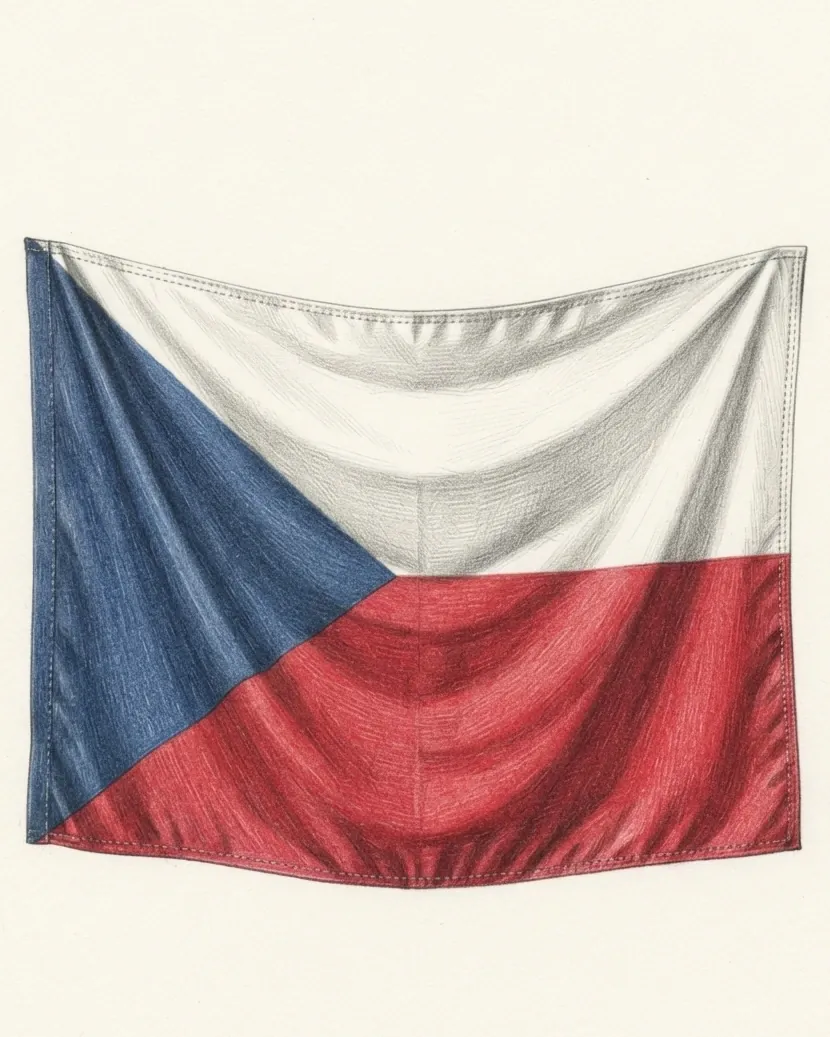
- Czechia10.9 million people on 78,871 landlocked square kilometres. A state created by negotiation in 1993, an industrial economy tied to Germany, and 17 World Heritage properties.
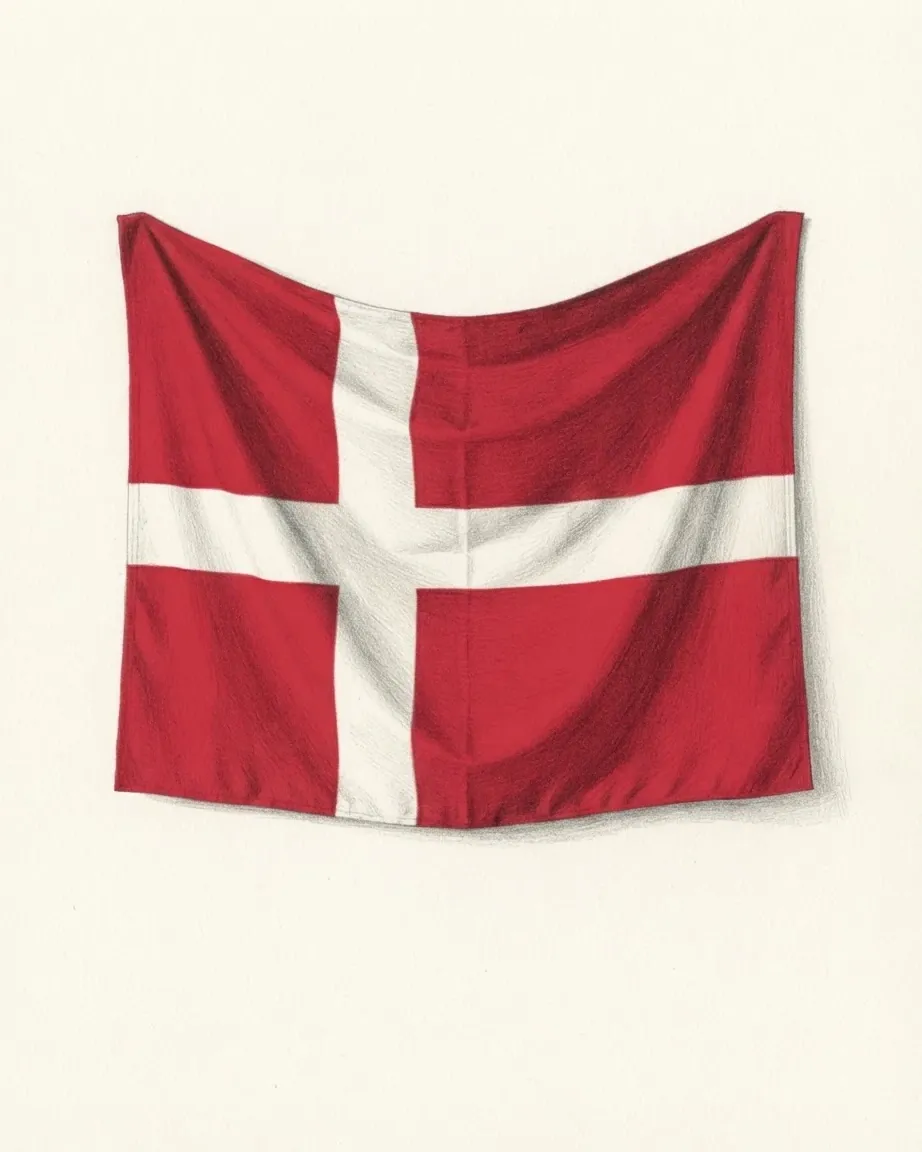
- Denmark5.8 million people on 42,925 square kilometres of peninsula and islands, highest point 171 metres. A 179-seat parliament, four of whose seats sit in the Arctic.
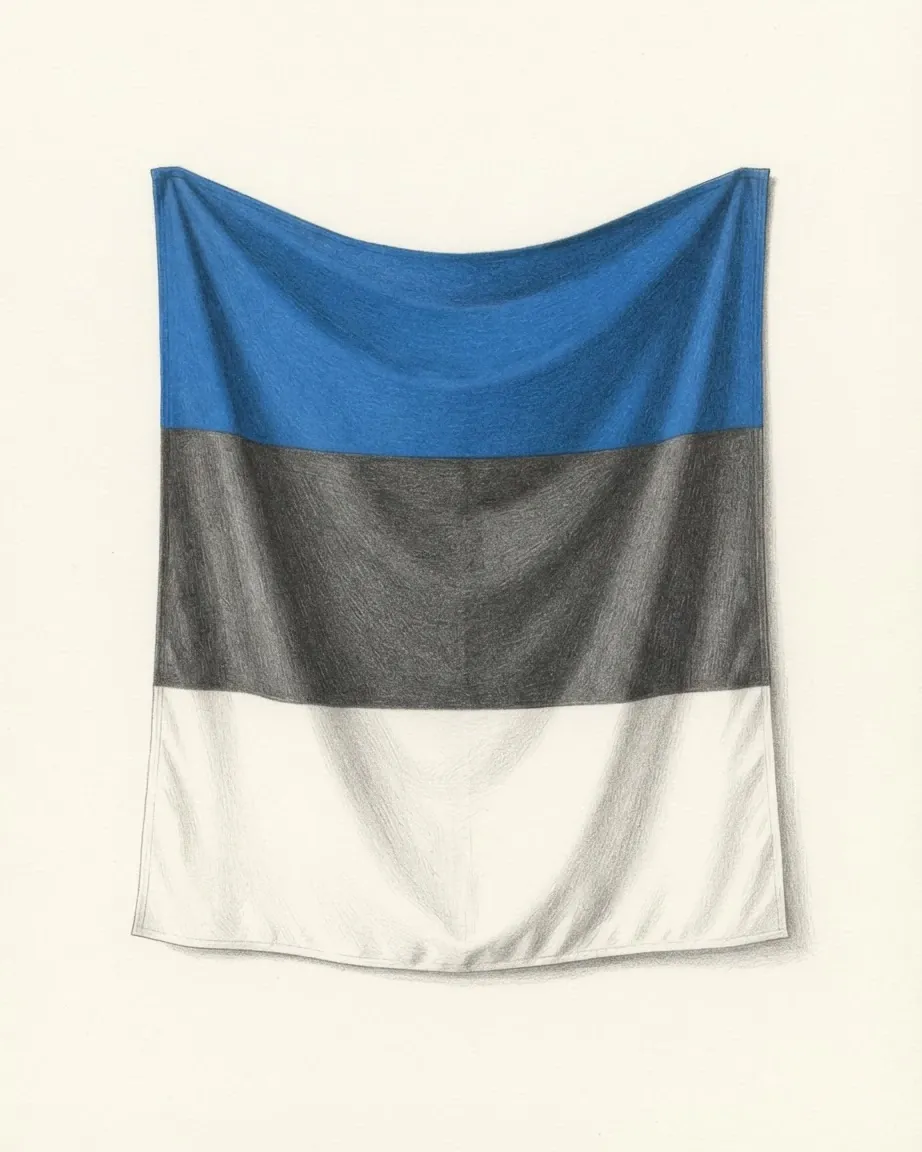
- EstoniaA Baltic republic of 1,369,995 people as of 1 January 2025 whose statehood survived occupation as a legal record, and whose voting and company registry now run the same way.
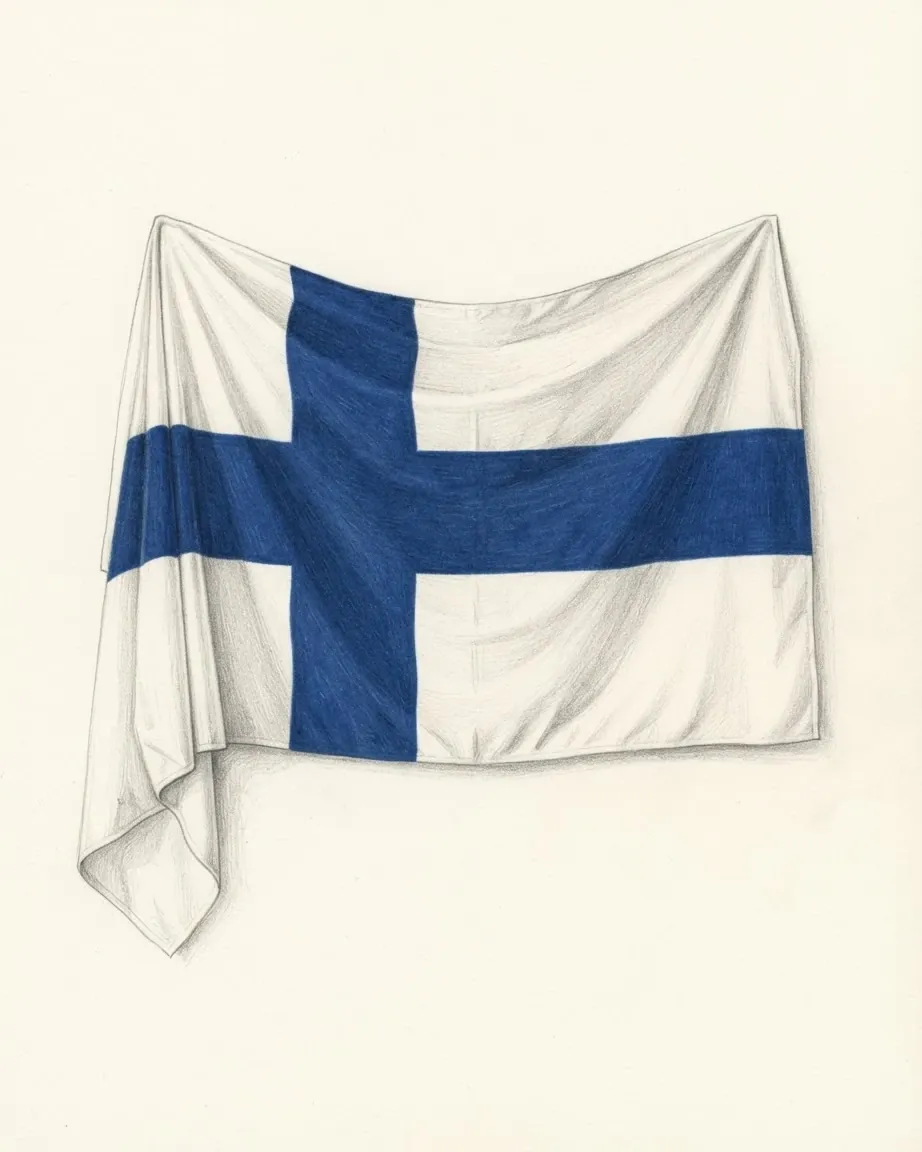
- FinlandJoined 1989.
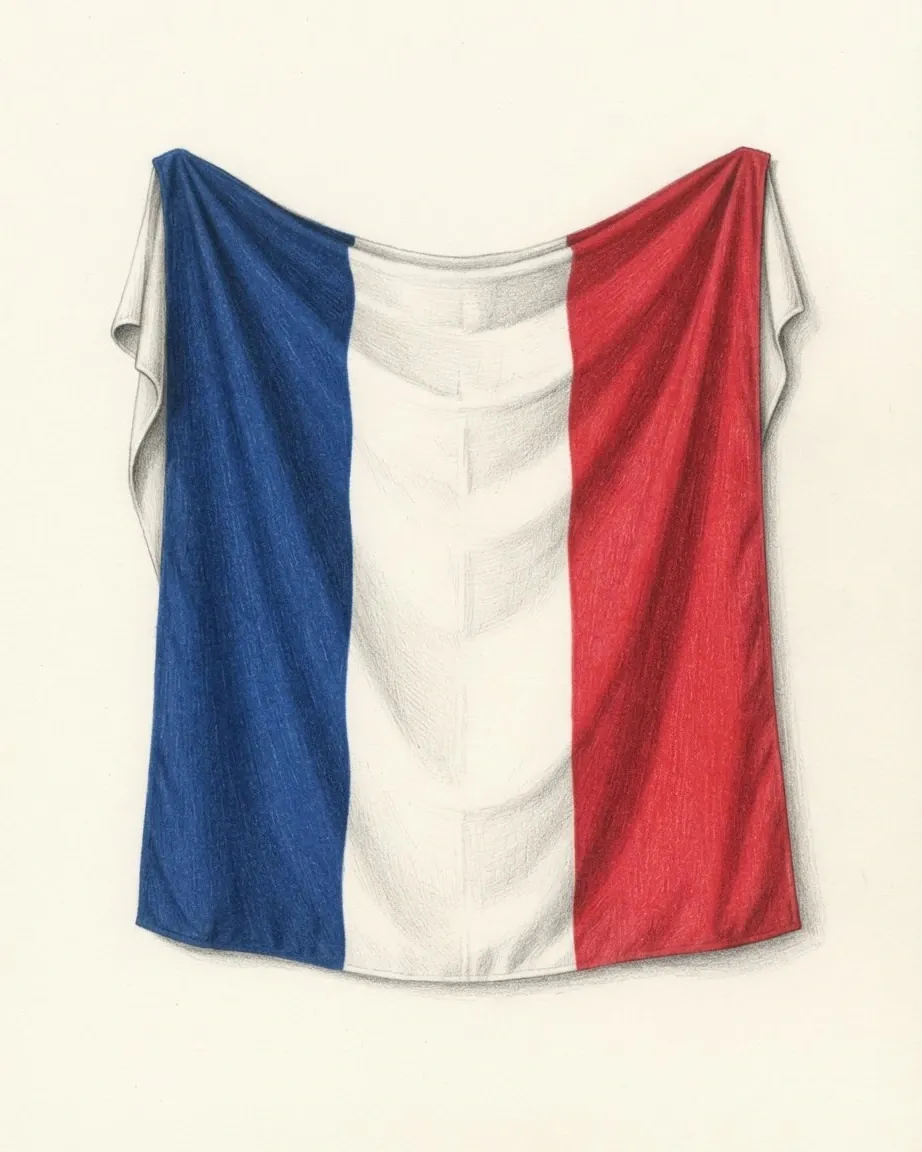
- FranceJoined 1949.
- GeorgiaJoined 1999.
- GermanyJoined 1950.
- GreeceJoined 1949.
- HungaryJoined 1990.
- IcelandAn empty island claimed in sixty years and written down as it happened: 376,248 people counted in 2022, on crust the Mid-Atlantic Ridge pulls apart by 19 millimetres a year.
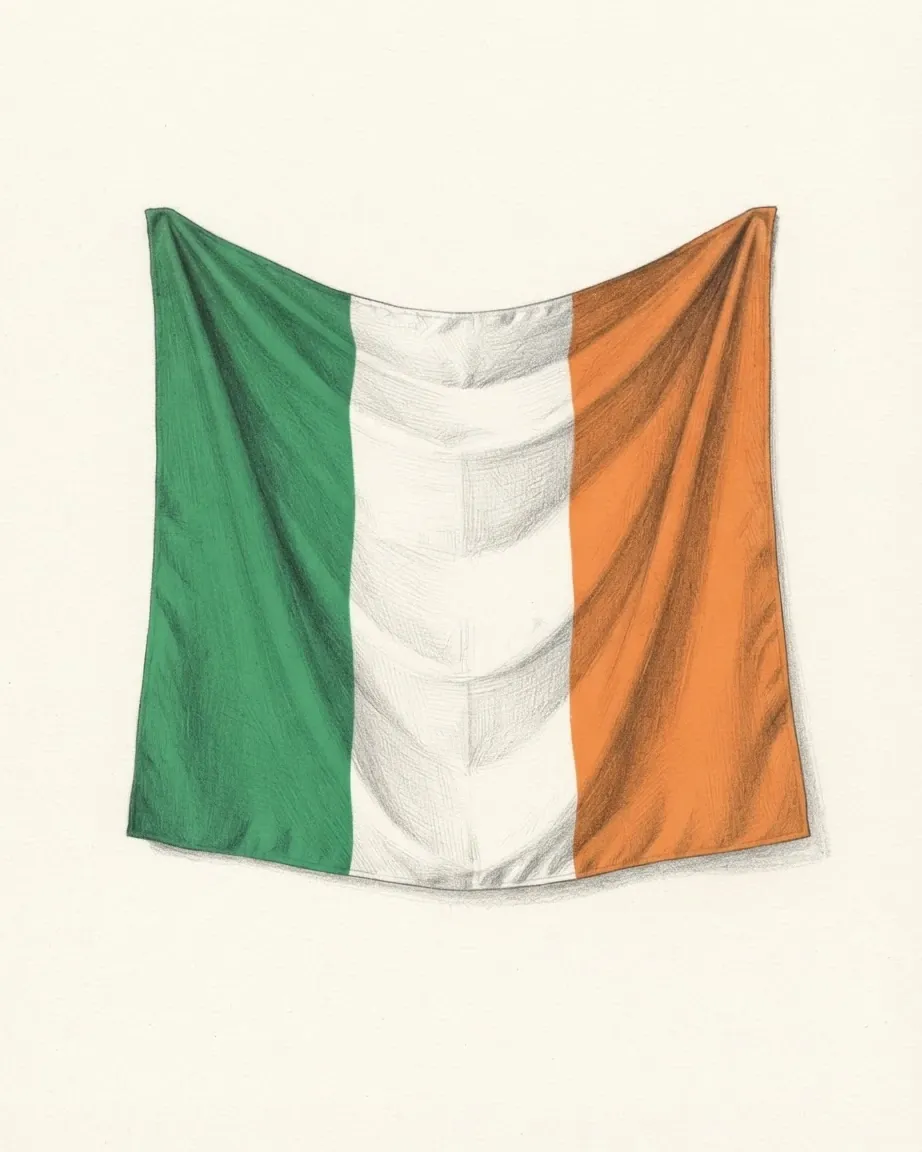
- Ireland5.1 million people on 69,797 square kilometres. A constitution changed only by referendum, and an economy whose own statisticians publish a second measure of its size.
- ItalyJoined 1949.
- LatviaLatvia holds 1,845,096 people as of 1 January 2026 on flat, wet ground on the Baltic, under a constitution of 1922 restored in 1991 after two rewritings of its population.
- Liechtenstein160 square kilometres bought by a Viennese family in 1699 and 1712, in a Swiss customs union since 1924, with more jobs than residents since 2017.
- LithuaniaThree ultimatums between 1938 and 1940 ended Lithuania's first republic. The state restored on 11 March 1990 has spent since then rearranging its connections westward.
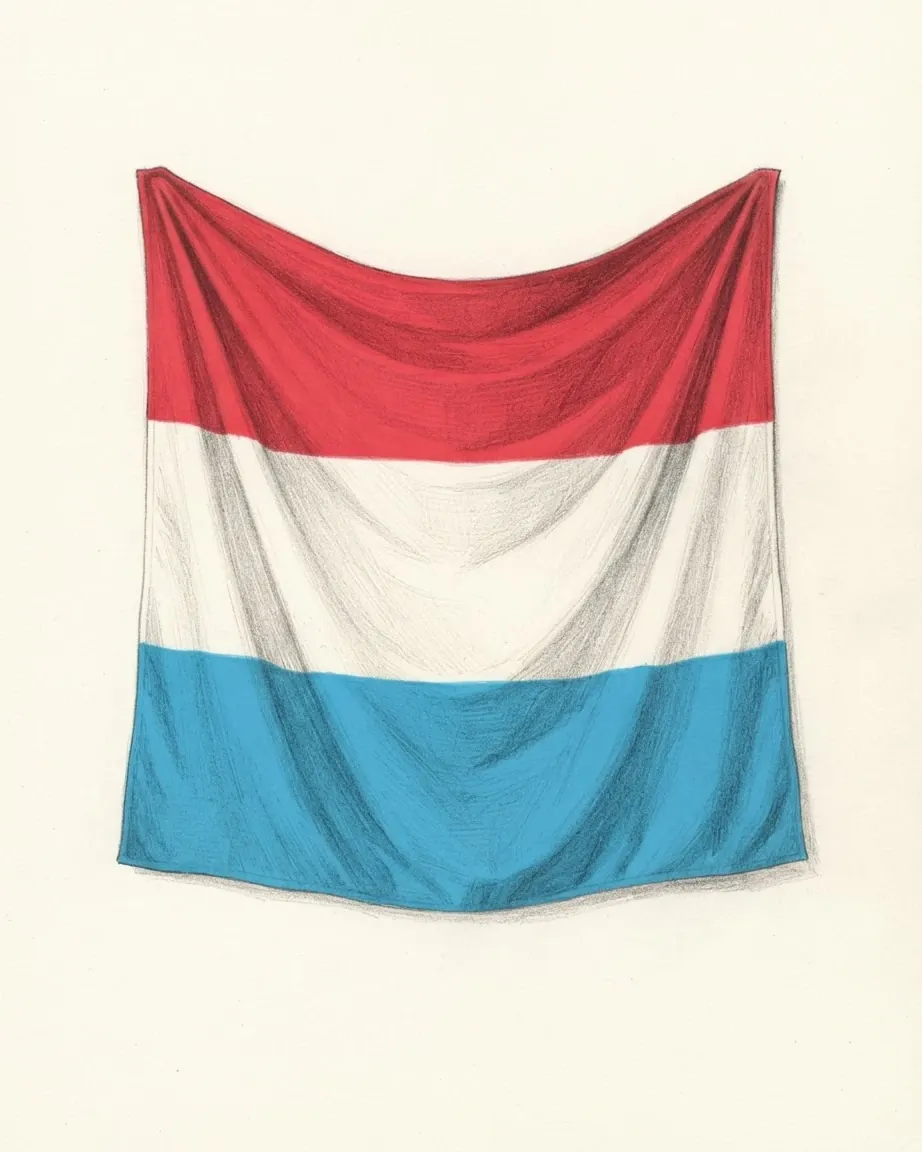
- Luxembourg681,973 residents in 2025, 47% of them foreign nationals, and 223,000 more crossing a border to work. A grand duchy of 2,586 square kilometres with three languages and 8.2 trillion euros of fund assets.
- Malta553,214 people on 316 square kilometres between Sicily and North Africa. A Semitic language in Latin script, Catholicism in Article 2 of the constitution, and a Westminster parliament.
- Moldova2,409,207 residents counted in 2024 on the land between the Prut and the Dniester. Romania across one river, Transnistria across the other, and an EU bid since 2022.
- MonacoMonaco is one commune of 208 hectares: a prince, a 24-seat parliament, 65,680 workers in 2024 and 38,857 residents on 1 January 2025.
- Montenegro617,213 people in 2022 on 13,883 square kilometres. A state named for a mountain above Kotor that reached the sea in 1878 and now earns much of its living there.
- Netherlands17.9 million people on 42,201 km2, a fifth of it water and much of the rest below sea level. What the Dutch earn from, how they are governed and what there is to see.
- North Macedonia1,836,713 people counted in 2021, a name agreed with Greece in 2018, EU talks tied to Bulgaria, and exports led by development zones that shipped €3.18bn in 2025.
- NorwayJoined 1949.
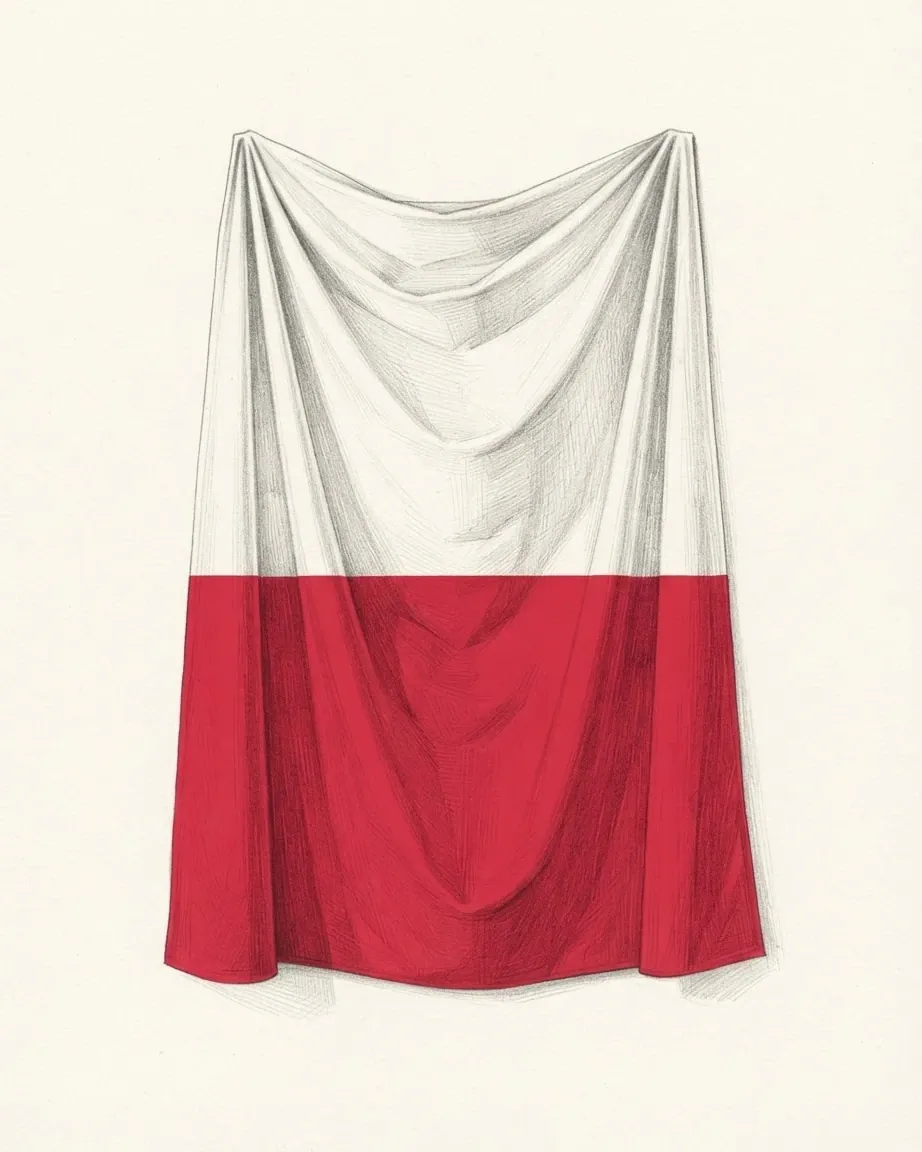
- PolandJoined 1991.
- Portugal10.3 million people on 92,225 km2, a language spoken by 250 million, a border unchanged since the 13th century, and close to three foreign visitors a year for every resident.
- RomaniaJoined 1993.
- San Marino34,059 residents in March 2025 on 61 km² fixed in 1463, inside one 39 km border with Italy: judges from outside, a bishop in Pennabilli, and sovereignty kept by treaty.
- SerbiaJoined 2003.
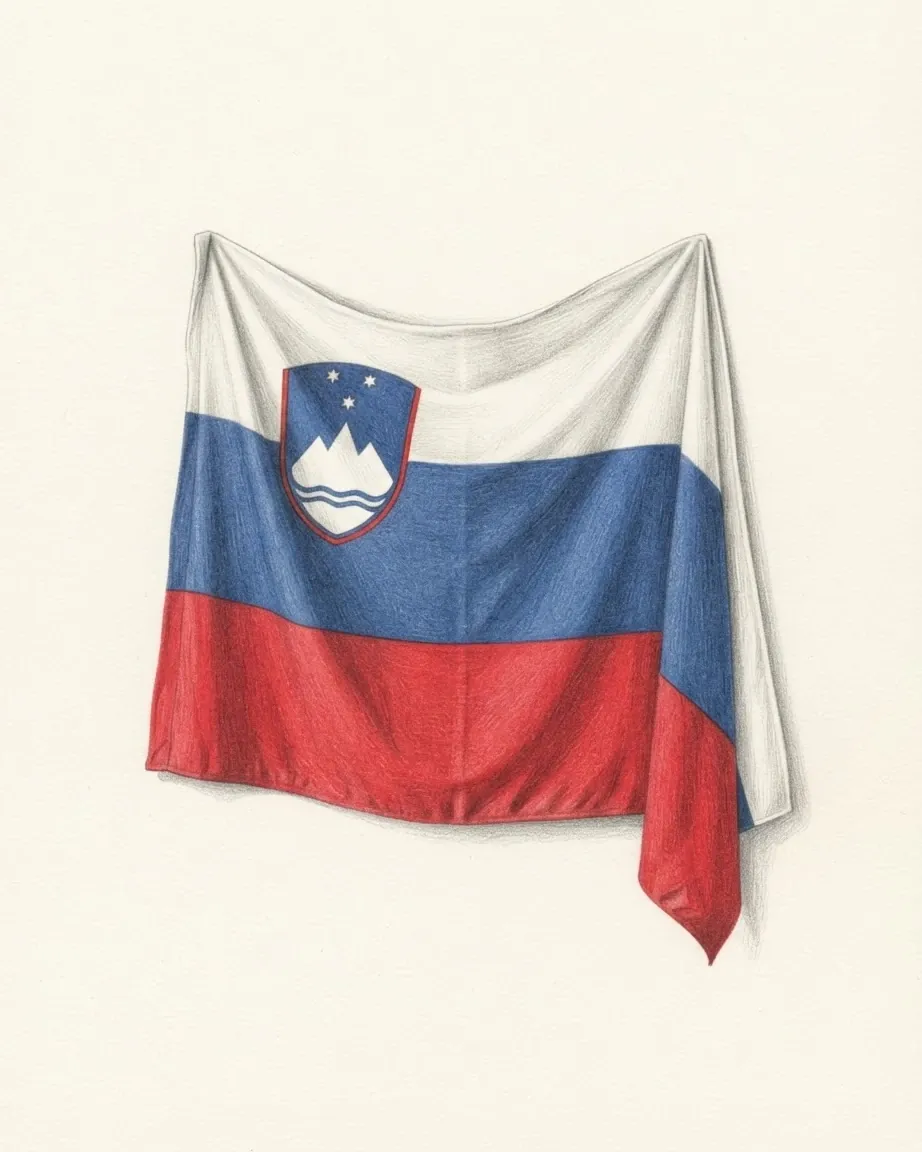
- SloveniaA Central European country of 2,133,852 people as of October 2025, independent since 1991, with borders drawn by other people's treaties and a state its voters authorised.
- Spain48.6 million people on 505,990 km2, five official languages, seventeen governments and 97 million visitors a year. What Spain is, how it is run and what is worth seeing.
- SwedenJoined 1949.
- SwitzerlandA landlocked federal republic of 26 cantons and four national languages, with no legal capital, no single head of government and no constitutional court.
- TürkiyeJoined 1949.
- UkraineJoined 1995.
- United KingdomJoined 1949.
Common questions
Questions about Council of Europe
Is the Council of Europe the same as the European Union?
No. They are separate organisations resting on separate treaties, and neither the European Council nor the Council of the European Union is a body of this one. Every state in the Union is a member here, and the reverse does not hold. Most of the confusion comes from the flag: the circle of twelve gold stars was adopted by the Committee of Ministers on 9 December 1955 and taken up by the European Communities in 1985.
Which countries are in the Council of Europe?
The 45 listed on this page. Every member state of the European Union is among them, together with the United Kingdom, Norway, Switzerland, Iceland, Liechtenstein, Turkiye, Ukraine, Moldova, Serbia, Bosnia and Herzegovina, Montenegro, North Macedonia, Albania, Georgia, Armenia, Azerbaijan, Andorra, Monaco and San Marino. Belarus is not a member, and Russia ceased to be one on 16 March 2022.
Why is Russia no longer a member?
The Committee of Ministers adopted Resolution CM/Res(2022)2 on 16 March 2022, in the procedure of Article 8 of the statute, opened after the attack on Ukraine of 24 February 2022. Russia had joined on 28 February 1996. It remained a party to the European Convention on Human Rights until 16 September 2022, and the Court kept jurisdiction over acts and omissions occurring up to that date.
Does joining mean abolishing the death penalty?
In practice, yes. Protocol No. 6 of 28 April 1983 abolishes it in peacetime and became a standing expectation of accession during the enlargement of the 1990s. Protocol No. 13, opened at Vilnius on 3 May 2002 and in force from 1 July 2003, abolishes it in every circumstance including war. Armenia's ratification of the later protocol took effect on 1 February 2024; Azerbaijan signed it on 8 March 2023 and had not ratified by 2026.
Is the European Court of Human Rights an EU court?
It is not. The Court was created by the European Convention on Human Rights, sits at Strasbourg, and has been permanent since Protocol No. 11 took effect on 1 November 1998. It carries one judge for each state bound by the Convention, and hears applications from individuals once domestic remedies are exhausted. The Court of Justice of the European Union sits at Luxembourg and belongs to a different organisation.
Sources
- Statute of the Council of Europe (ETS No. 1) · Council of Europe Treaty Office. London, 5 May 1949, entry into force 3 August 1949, and Articles 3, 4, 7 and 8.
- Statute of the Council of Europe is signed in London · Council of Europe timeline. The signing at St James's Palace and the ten founding states.
- Federal Republic of Germany joins the Council of Europe · Council of Europe timeline. Associate membership on 13 July 1950 alongside the Saar, and full membership on 2 May 1951.
- European Convention on Human Rights (ETS No. 5) · European Court of Human Rights. The text as amended, including Article 33 on inter-state cases, Article 34 on individual applications and Article 46 on execution.
- Protocol No. 11 to the Convention for the Protection of Human Rights and Fundamental Freedoms · University of Minnesota Human Rights Library. The restructuring of the control machinery and the permanent Court from 1 November 1998.
- Greece withdraws · Council of Europe timeline. The coup of April 1967, the complaint by Denmark, Norway, Sweden and the Netherlands, the Assembly's position of January 1968, and the withdrawal and return.
- Resolution CM/Res(2022)2 on the cessation of the membership of the Russian Federation · Committee of Ministers, 16 March 2022. The Article 8 procedure and the date membership ceased.
- The Russian Federation is excluded from the Council of Europe · Council of Europe. The date of accession in 1996, the cessation of Convention party status on 16 September 2022, and the Court's remaining competence.
- Fourth Summit of Heads of State and Government · Committee of Ministers. The summit at Reykjavik on 16 and 17 May 2023 and the Register of Damage for Ukraine as an enlarged partial agreement.
- Chart of signatures and ratifications of Protocol No. 13 (ETS No. 187) · Council of Europe Treaty Office. Vilnius, 3 May 2002, entry into force 1 July 2003, and the state of ratification including Armenia in 2024 and the Azerbaijani signature of 8 March 2023.
- Protocol No. 6 to the Convention, concerning the abolition of the death penalty (ETS No. 114) · Council of Europe Treaty Office. Strasbourg, 28 April 1983, and abolition in time of peace.
- A flag for Europe · Council of Europe timeline. The public competition, the adoption of 9 December 1955 and the change of the organisation's own logo in 1999.
- The European flag · Council of Europe. The design, the fixed number of stars, and the adoption of the emblem by the European Communities in 1985.
- The Budapest Convention on Cybercrime · Council of Europe. Budapest, 23 November 2001, entry into force 1 July 2004, and the count of parties in June 2024.
- About the Venice Commission · European Commission for Democracy through Law. Resolution (90)6 of 10 May 1990 and the members drawn from outside the Council of Europe.
- The Council of Europe's relations with observer states · Council of Europe, External Relations. Statutory Resolution (93)26 and the dates on which each observer was admitted.
- PACE recommends that Kosovo becomes a member of the Council of Europe · Parliamentary Assembly, 16 April 2024. The vote of 131 to 29 with 11 abstentions and the request that membership be without prejudice to positions on statehood.
- Ending executions in Europe: towards abolition of the death penalty in Belarus · Amnesty International. The application of 1993, the suspension of special guest status in January 1997 and the retention of capital punishment.