Schengen Area
Union · Schengen
A stay of 90 days in any 180 is counted once across the whole area. The agreement that built it was signed on 14 June 1985 aboard a boat moored on the Moselle at Schengen, a Luxembourgish village on the point where three borders meet. The area and the European Union are not the same list: Ireland holds an opt-out, and four members here are outside the Union altogether.

29 countries
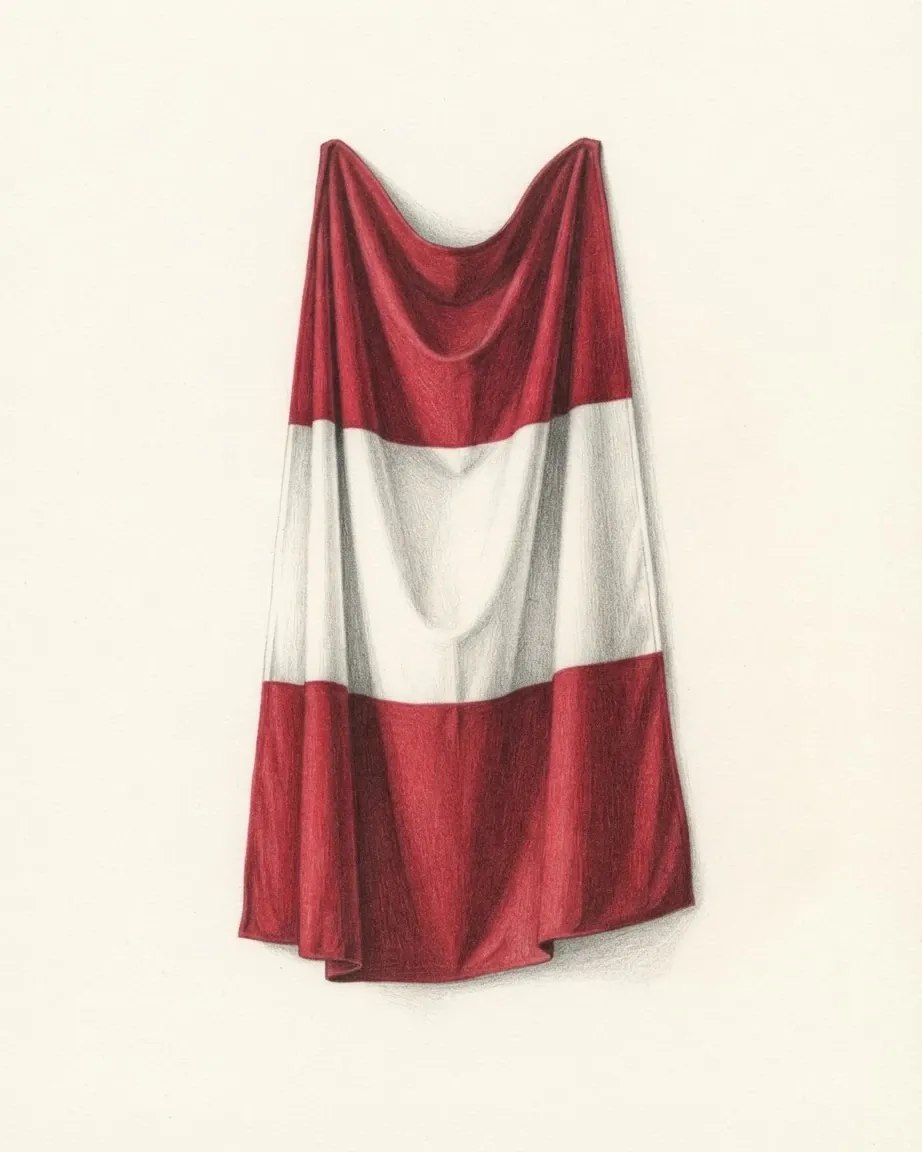
- AustriaJoined 1997.
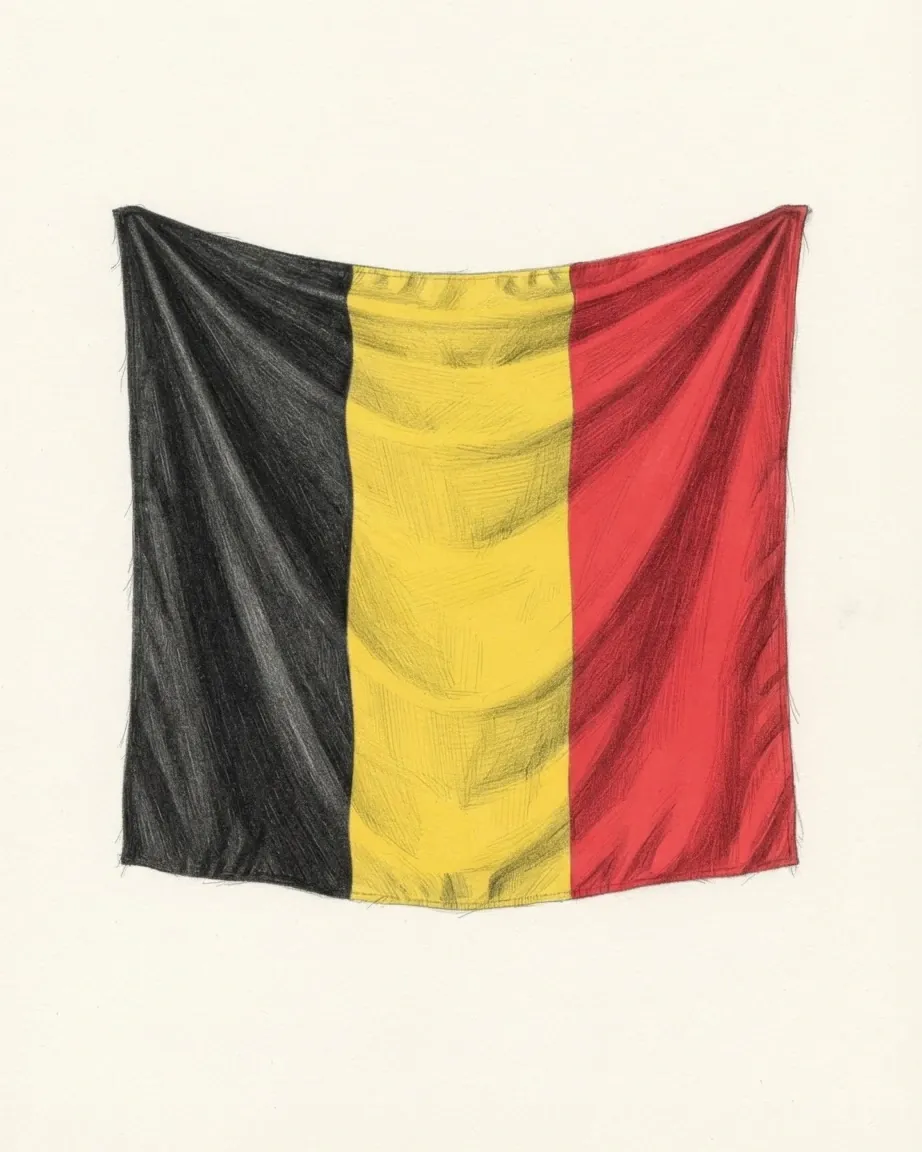
- BelgiumJoined 1995.
- BulgariaJoined 2024.
- CroatiaJoined 2023.

- CzechiaJoined 2007.
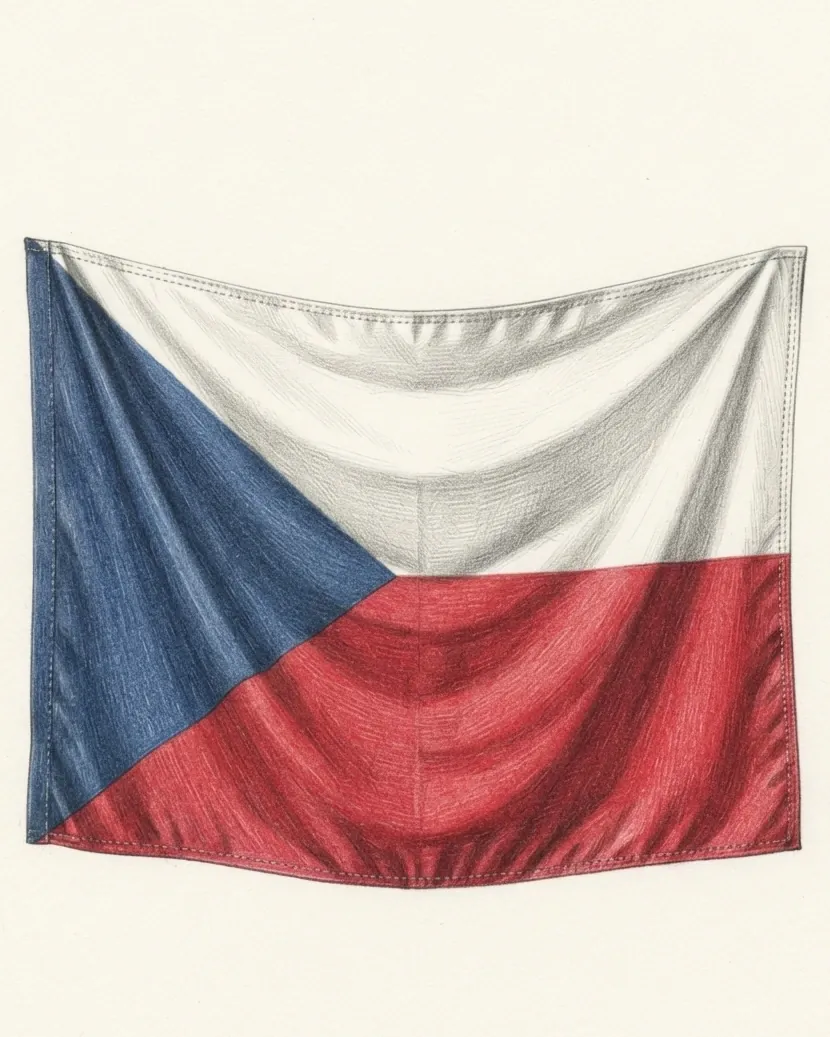
- DenmarkJoined 2001.
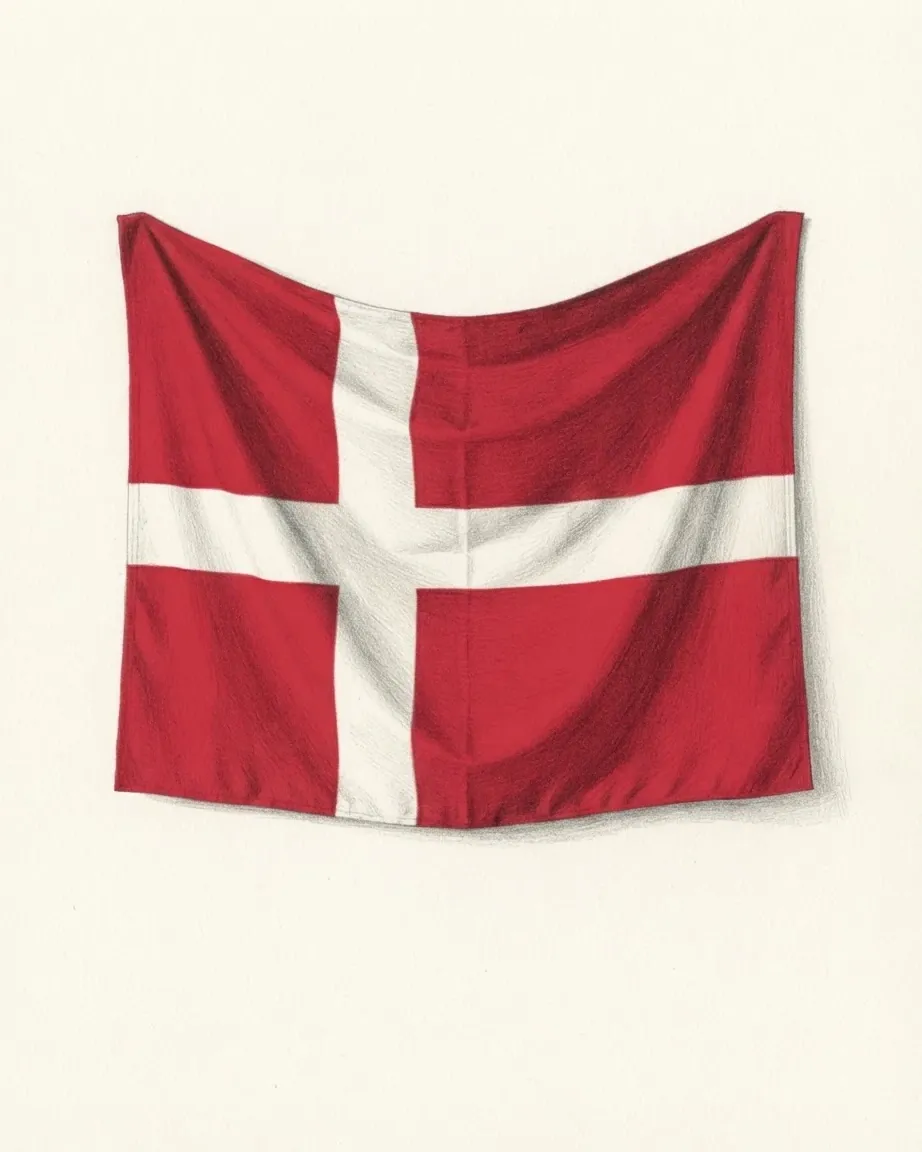
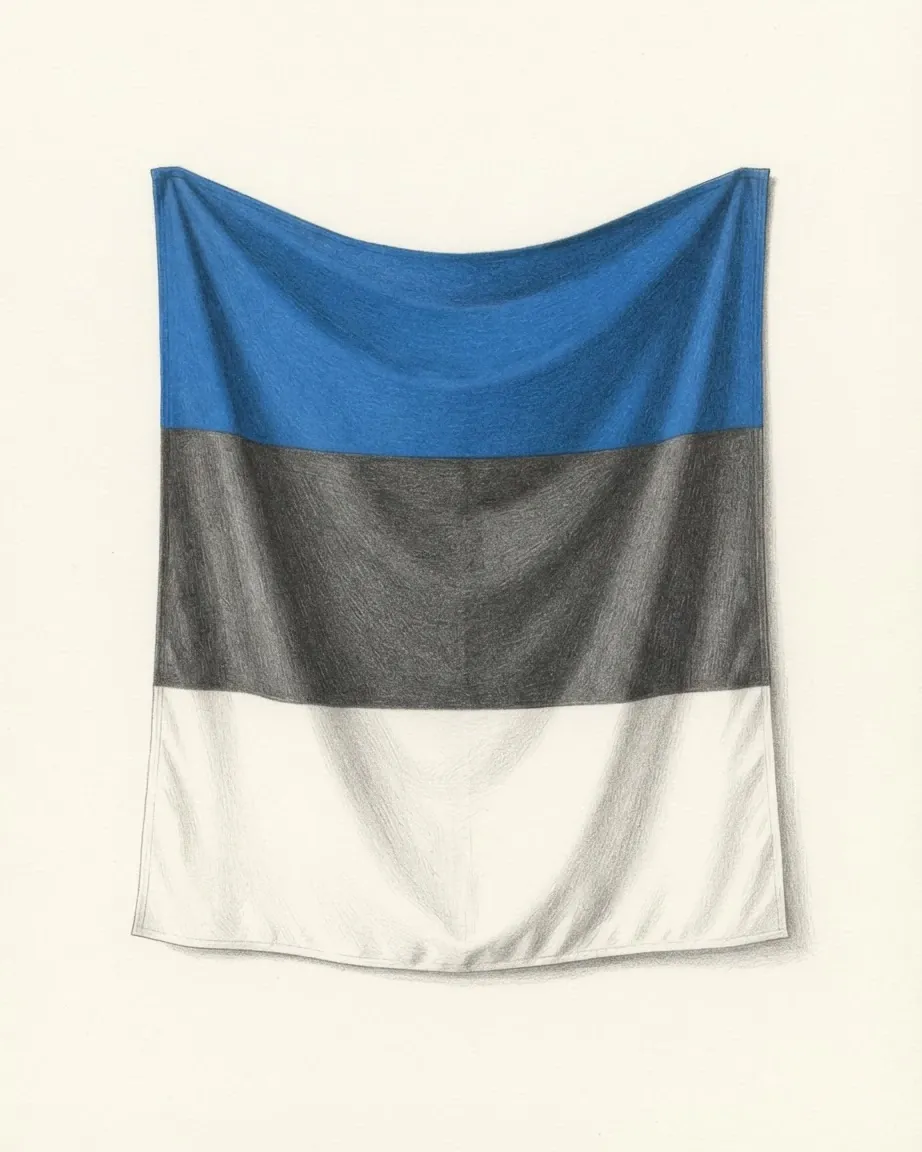
- EstoniaJoined 2007.
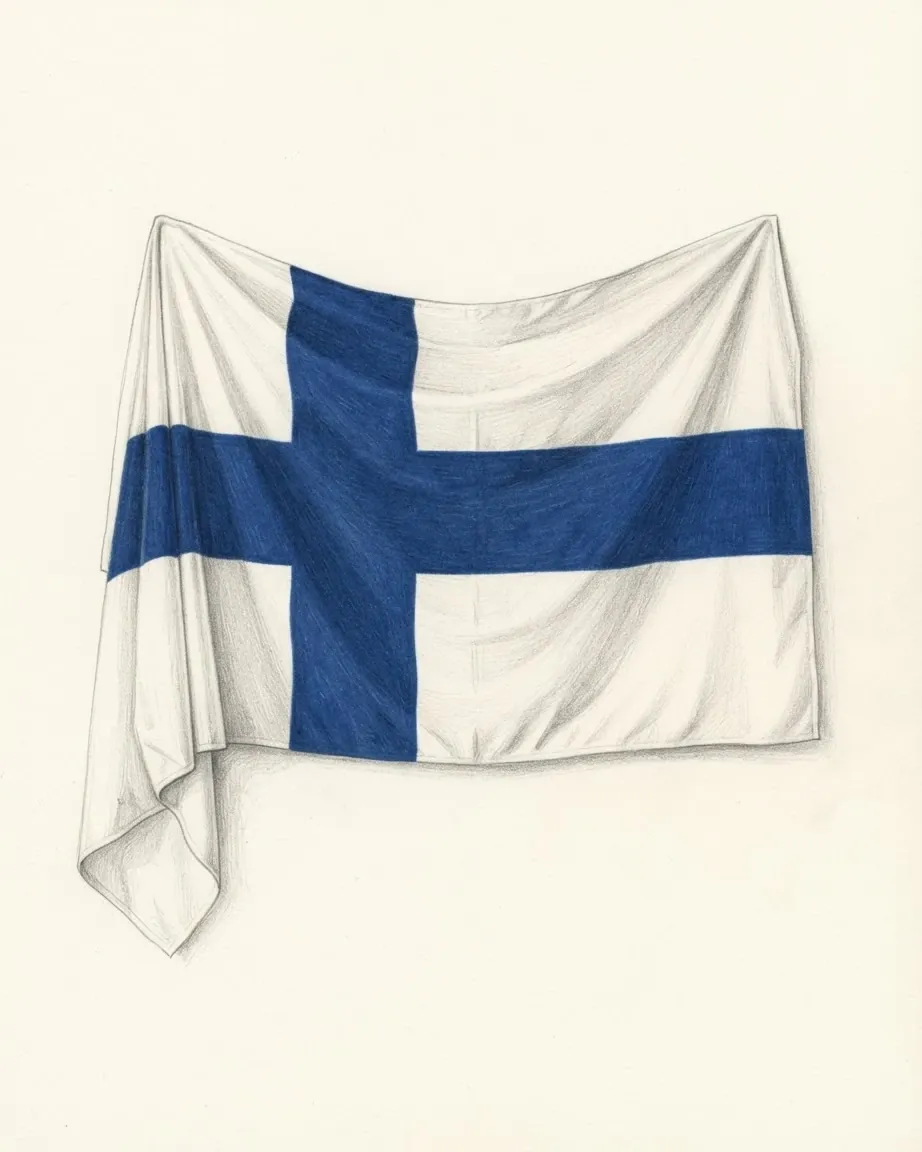
- FinlandJoined 2001.
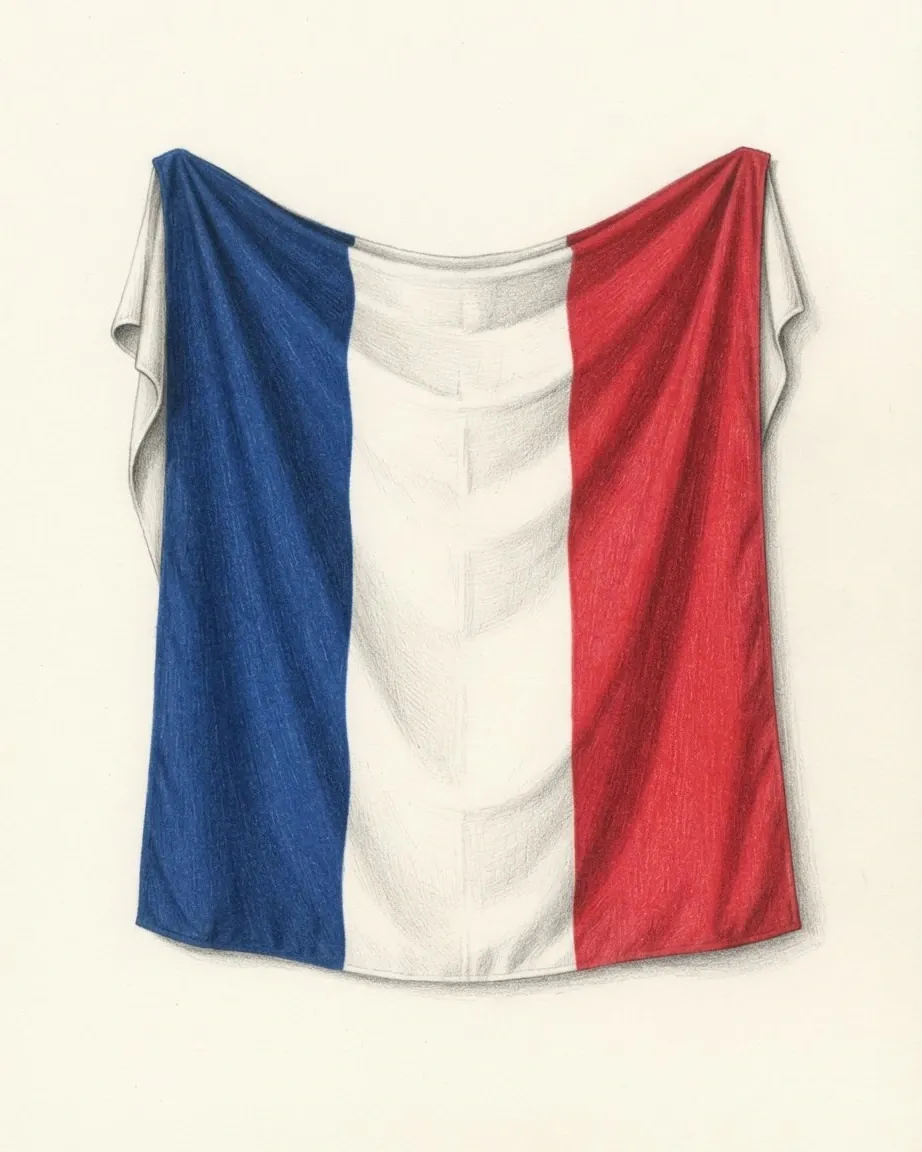
- FranceJoined 1995.
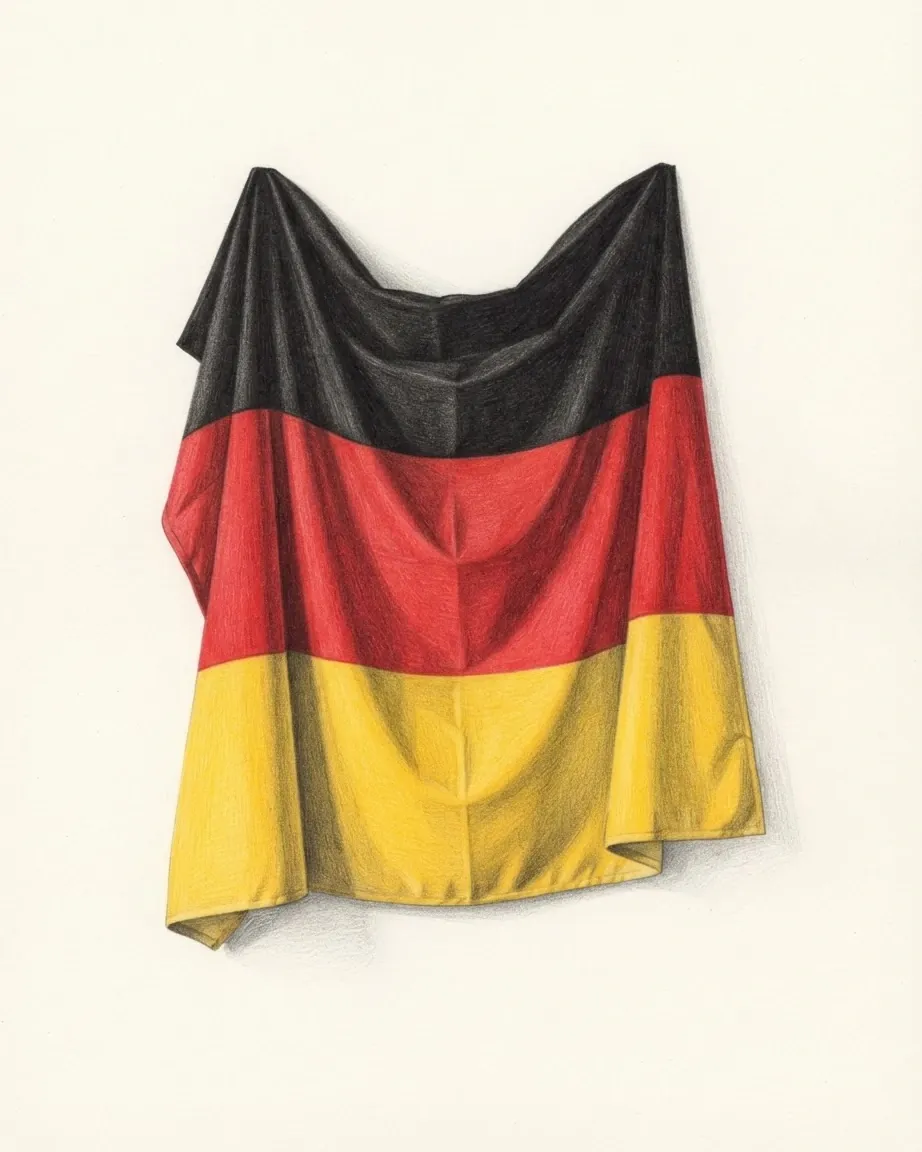
- GermanyJoined 1995.
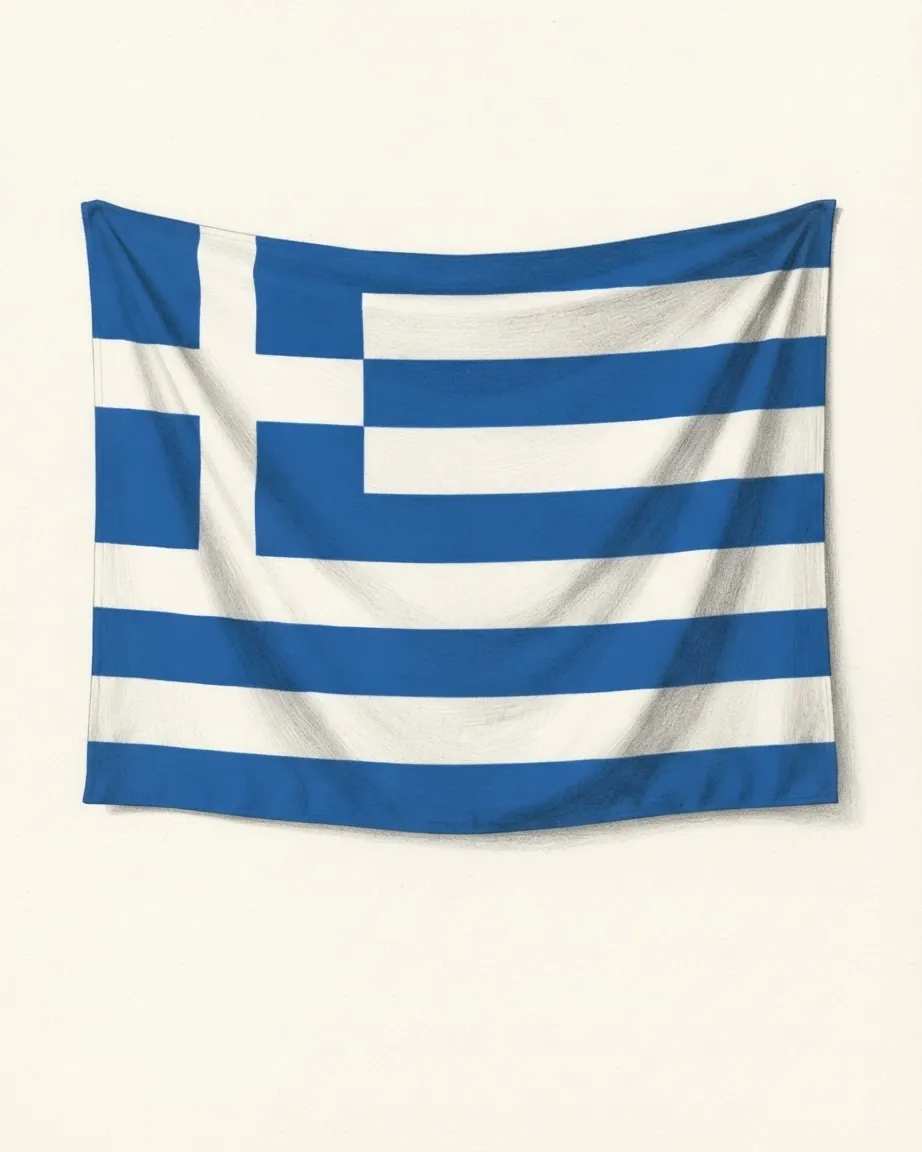
- GreeceJoined 2000.
- HungaryJoined 2007.

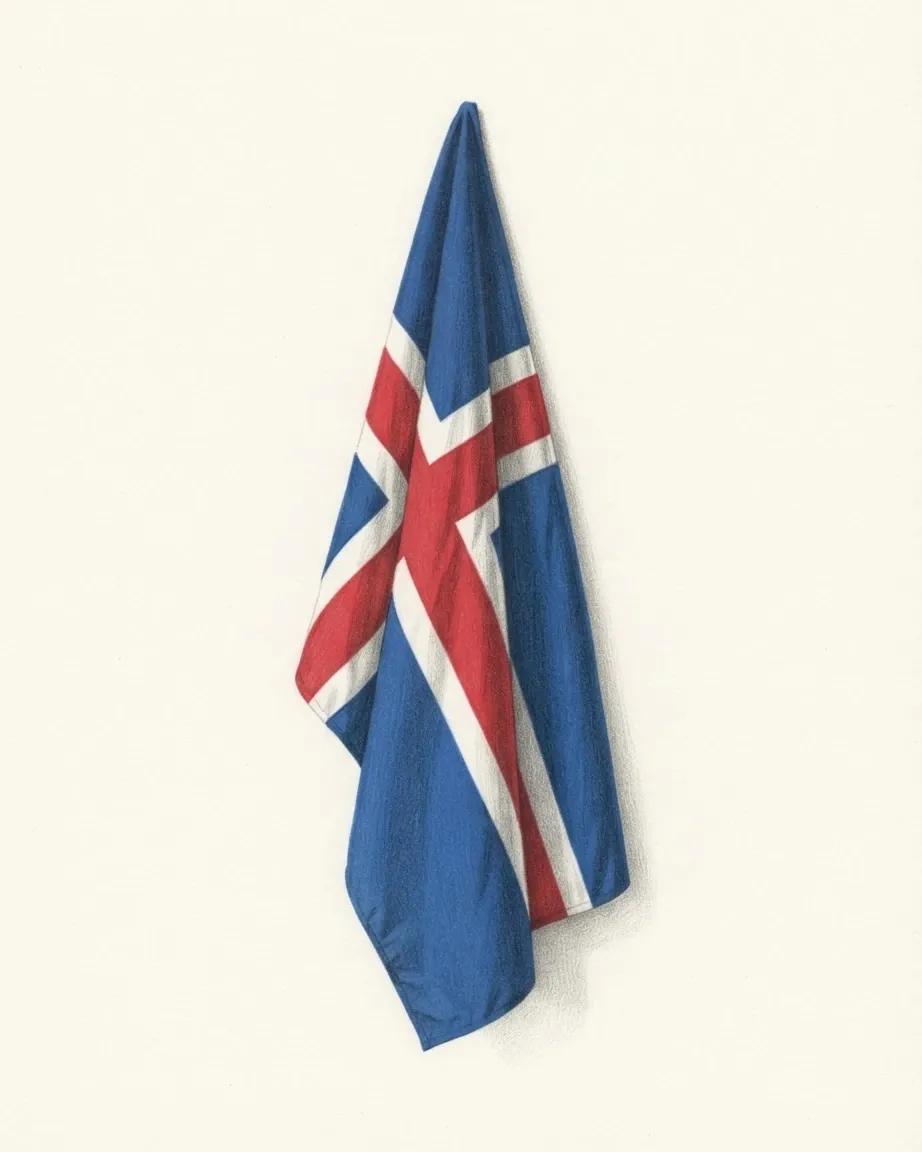
- IcelandJoined 1999.
- ItalyJoined 1997.
- LatviaJoined 2007.
- LiechtensteinJoined 2011.
- LithuaniaJoined 2007.
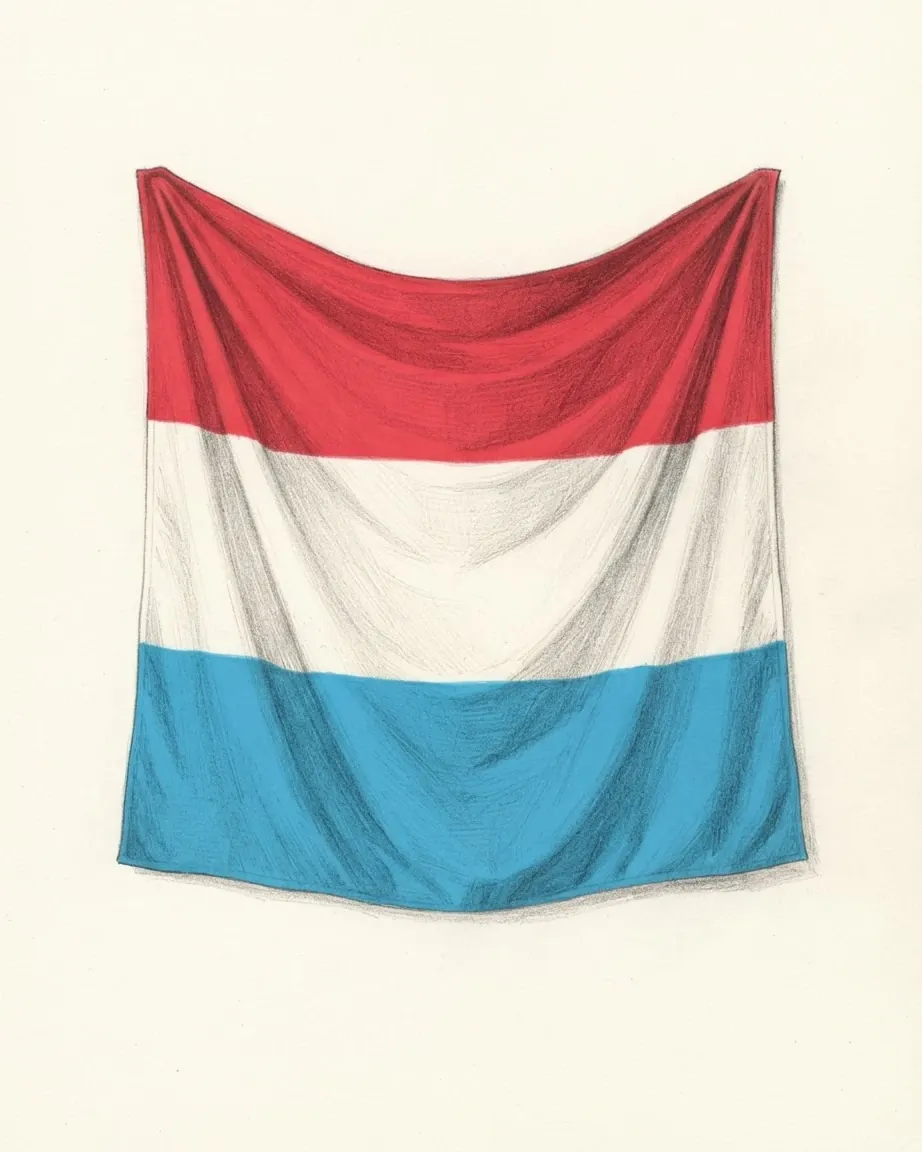
- LuxembourgJoined 1995.
- MaltaJoined 2007.
- NetherlandsJoined 1995.
- NorwayJoined 1999.
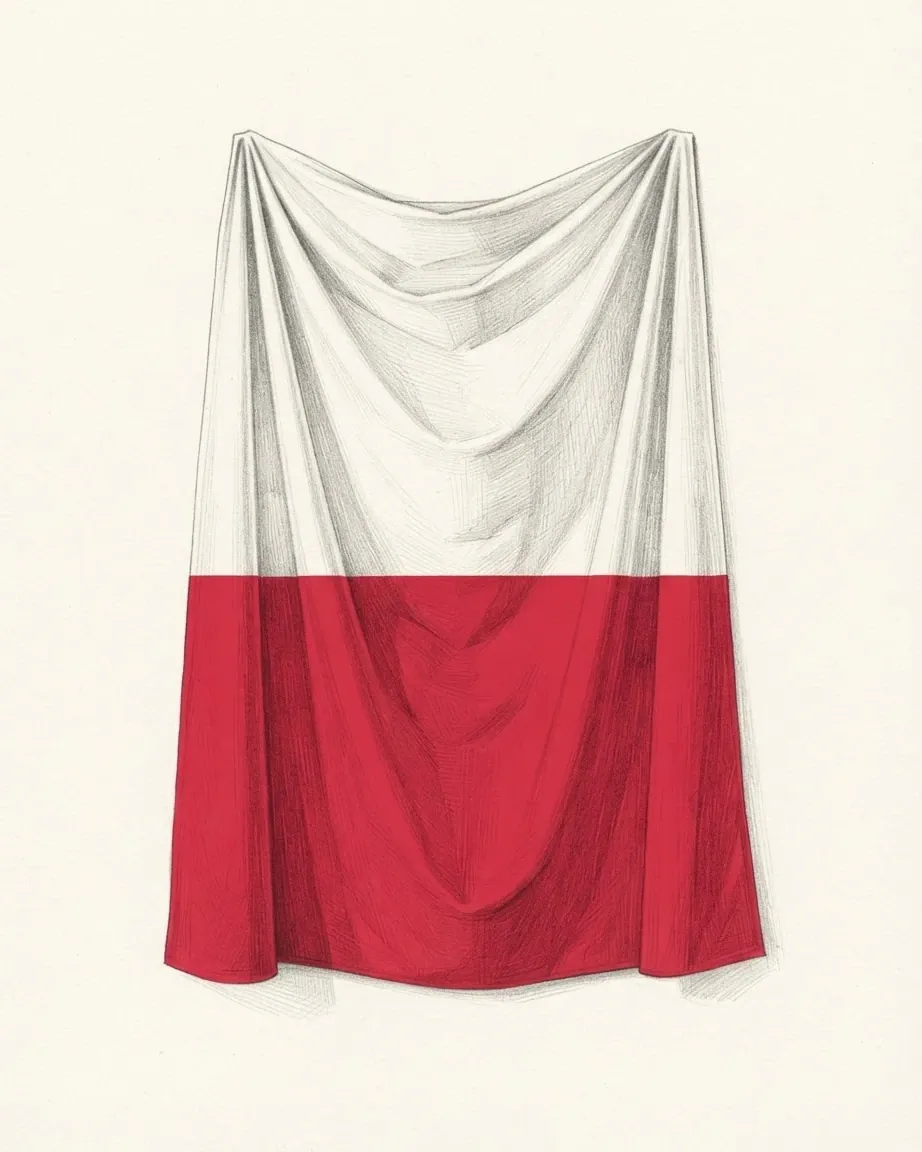
- PolandJoined 2007.
- PortugalJoined 1995.
- RomaniaJoined 2024.
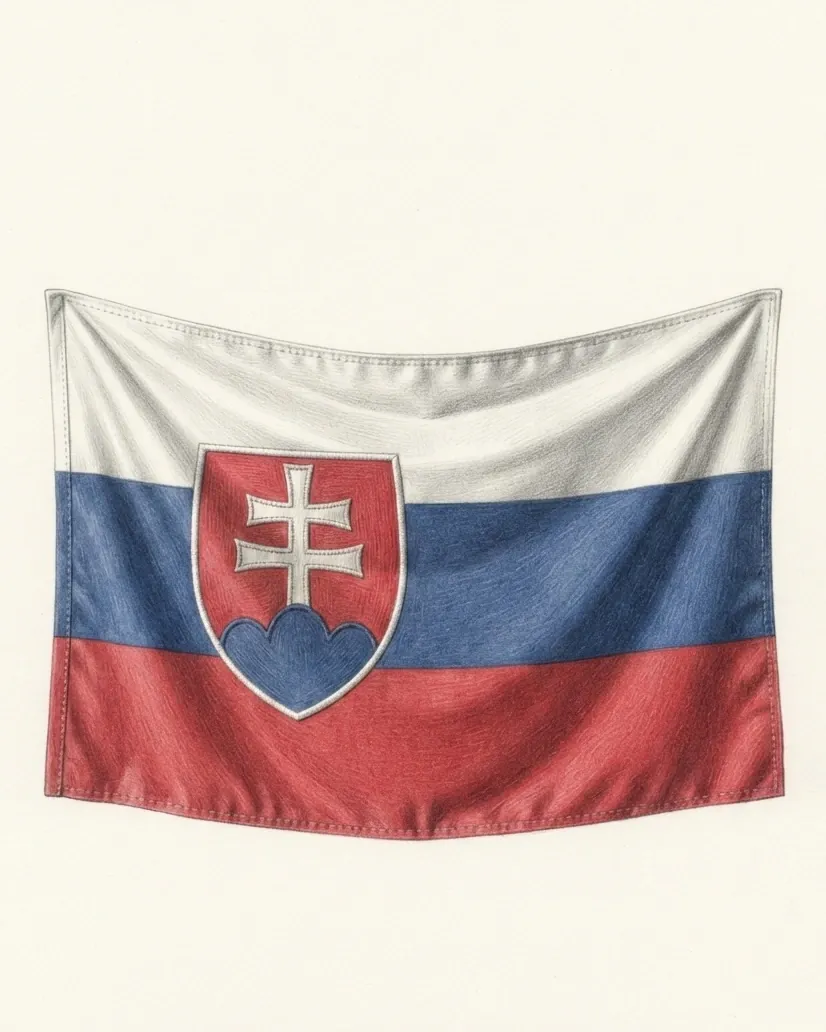
- SlovakiaJoined 2007.
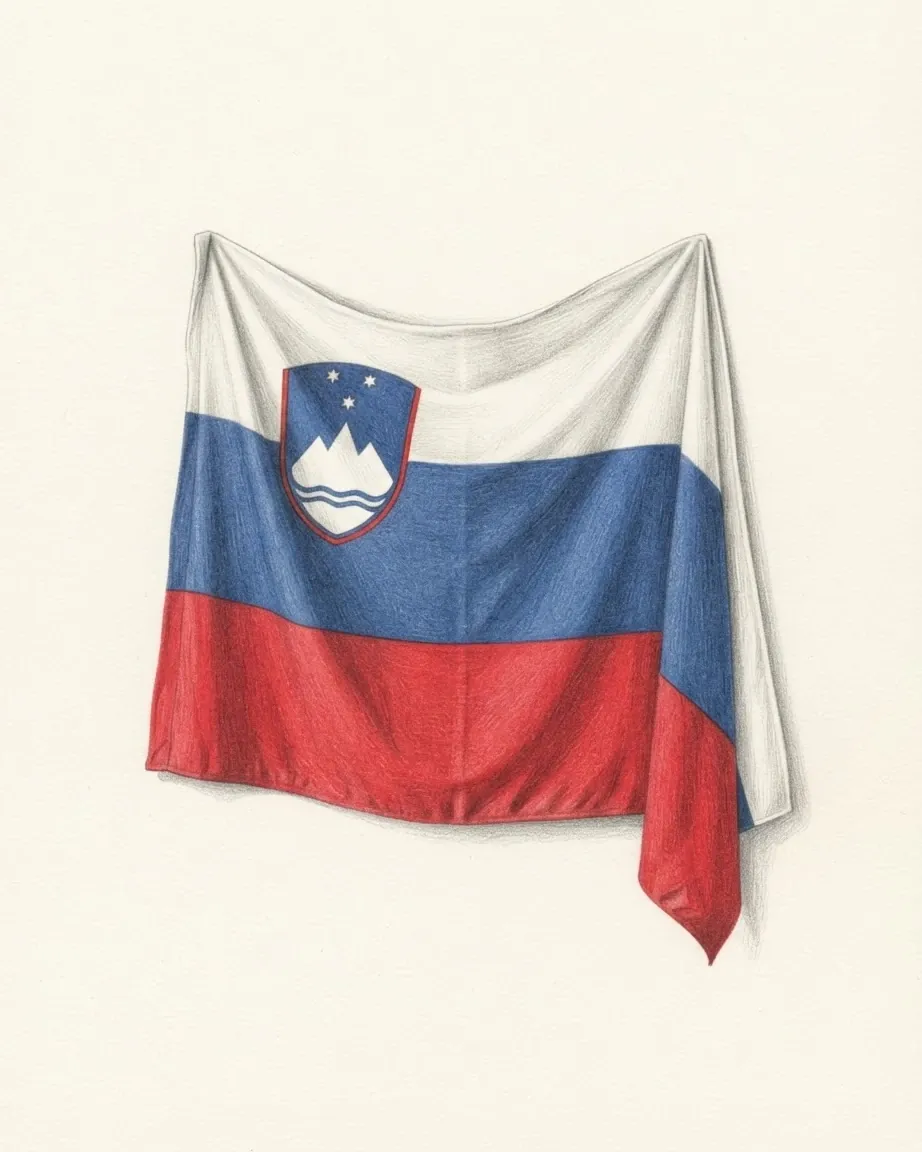
- SloveniaJoined 2007.
- SpainJoined 1995.
- SwedenJoined 2001.
- SwitzerlandJoined 2008.

Common questions
Questions about Schengen
Which countries are in the Schengen Area?
The countries listed on this page, on the roster this catalogue applies. Four of them are outside the European Union: Iceland, Liechtenstein, Norway and Switzerland, each associated with the area by a separate agreement rather than by membership of the Union.
Is Ireland in the Schengen Area?
No. A protocol attached at the Treaty of Amsterdam, in force on 1 May 1999, lets Ireland take part in some Schengen provisions, chiefly police and judicial cooperation and the shared alert database, while staying outside the provisions that remove border checks. Ireland keeps the Common Travel Area with the United Kingdom instead, and its record shows accession to the European Union in 1973 and no Schengen membership.
How does a country join the Schengen Area?
A state that joins the European Union takes on the Schengen acquis with accession, but its internal checks stay in place. Under Regulation (EU) 2022/922 it is then evaluated by teams from the other members and the Commission on its external border management, its use of the Schengen Information System, its data protection, its visa issuing and its police cooperation, and the checks come off only on a unanimous decision of the Council. Non-members of the Union join by association agreement, as Iceland, Norway, Switzerland and Liechtenstein did.
How long can a visitor stay in the Schengen Area?
A stay of 90 days in any 180 is counted once across the whole area rather than country by country, so crossing an internal border does not restart the clock. The Entry/Exit System, whose phased start began on 12 October 2025 and which was in full use from 10 April 2026, keeps that count as a record of each external crossing instead of a stamp in a passport.
When did Bulgaria and Romania join?
In two steps. Checks at air and sea borders came off on 31 March 2024, and the Council decided on 12 December 2024 to lift the checks at land borders from 1 January 2025. Both states had acceded to the European Union on 1 January 2007, which bound them to the acquis seventeen years before the internal checks were removed.
Can a member put border checks back?
Yes, and members do. Articles 25 to 35 of the Schengen Borders Code allow control at an internal border to be reintroduced where there is a serious threat to public policy or internal security, on notification to the Commission and the other members. Regulation (EU) 2024/1717, in force from 10 July 2024, sets the limits: up to six months at a time to a total of two years for a foreseeable threat, extendable in exceptional circumstances by up to a further year, and up to one month prolongable to three for an unforeseeable one.
Sources
- Convention implementing the Schengen Agreement of 14 June 1985 · EUR-Lex. The convention signed on 19 June 1990, the compensating measures, and the uniform visa.
- Protocol (No 19) on the Schengen acquis integrated into the framework of the European Union · EUR-Lex. The incorporation at the Treaty of Amsterdam and the position of Ireland and the United Kingdom.
- Regulation (EU) 2016/399, the Schengen Borders Code · EUR-Lex. The rules for crossing the external border, the 90 days in any 180, and Articles 25 to 35.
- Regulation (EU) 2024/1717 amending the Schengen Borders Code · EUR-Lex. In force from 10 July 2024. The revised durations for reintroduced internal border control.
- Regulation (EU) 2022/922 on the Schengen evaluation and monitoring mechanism · EUR-Lex. What a state is evaluated on and how the Council decides that it is ready.
- Schengen: Council decides to lift land border controls with Bulgaria and Romania · Council of the European Union, 12 December 2024. The decision and the date of 1 January 2025.
- Entry/Exit System (EES) · European Commission, Migration and Home Affairs. Regulation (EU) 2017/2226, the phased start of 12 October 2025 and full use from 10 April 2026.
- Temporary reintroduction of border control · European Commission, Migration and Home Affairs. The notifications on file and the conditions attached to them.
- Schengen Information System · European Commission, Migration and Home Affairs. The shared alert database and who queries it.
- The Schengen Agreements, dreaming a Europe without borders · Government of Luxembourg. The signing of 14 June 1985 aboard a boat moored on the Moselle at the tripoint.