Organisation for Economic Co-operation and Development
Economic · OECD
The name is an older one with a word struck out of it. The Organisation for European Economic Co-operation, which shared out Marshall Plan aid from 1948, was reconstituted by a convention signed in Paris on 14 December 1960 that dropped European from the title and added Development. Governments outside Europe were in from the first day, and the Council still admits one only by unanimity.

38 countries
- Australia
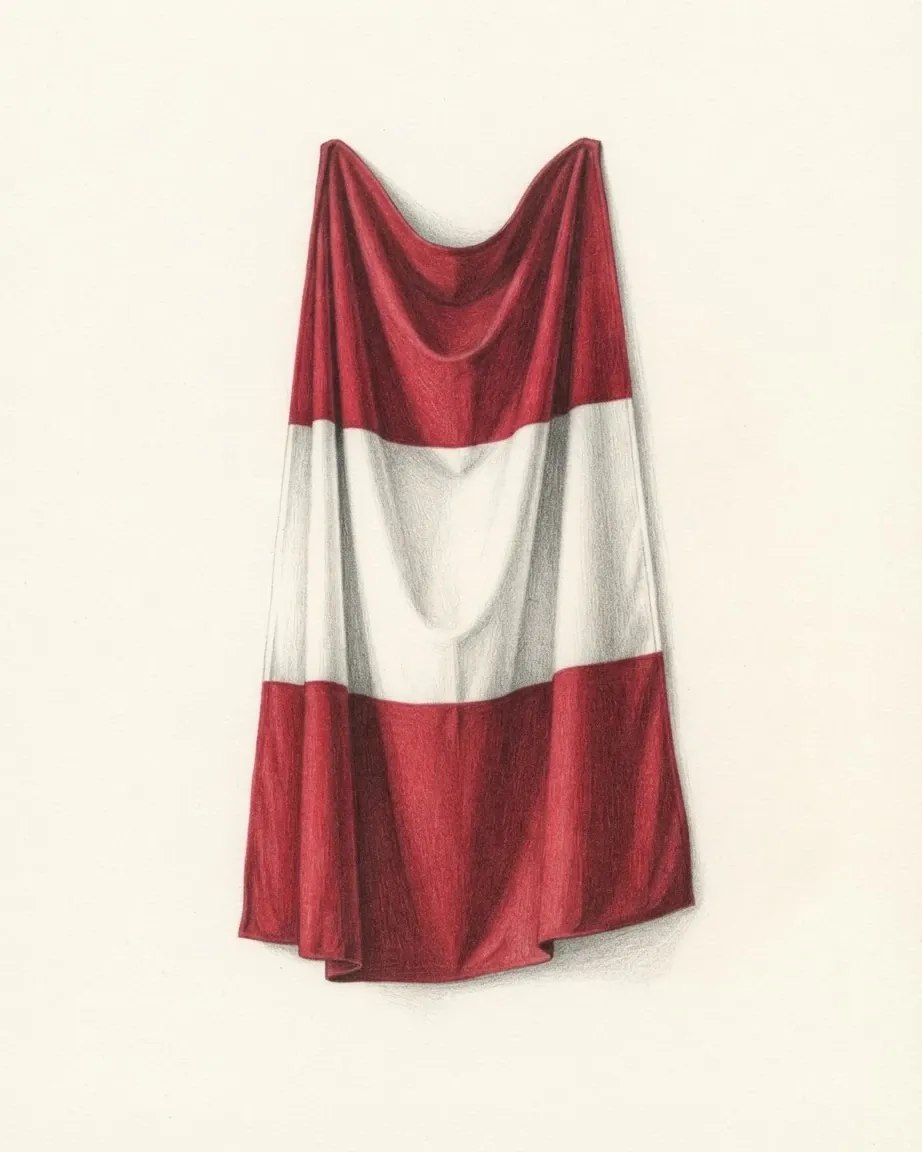
- Austria9 million people on 83,879 landlocked square kilometres with eight borders. A republic from 1918 in a capital built for an empire, neutral since 1955.
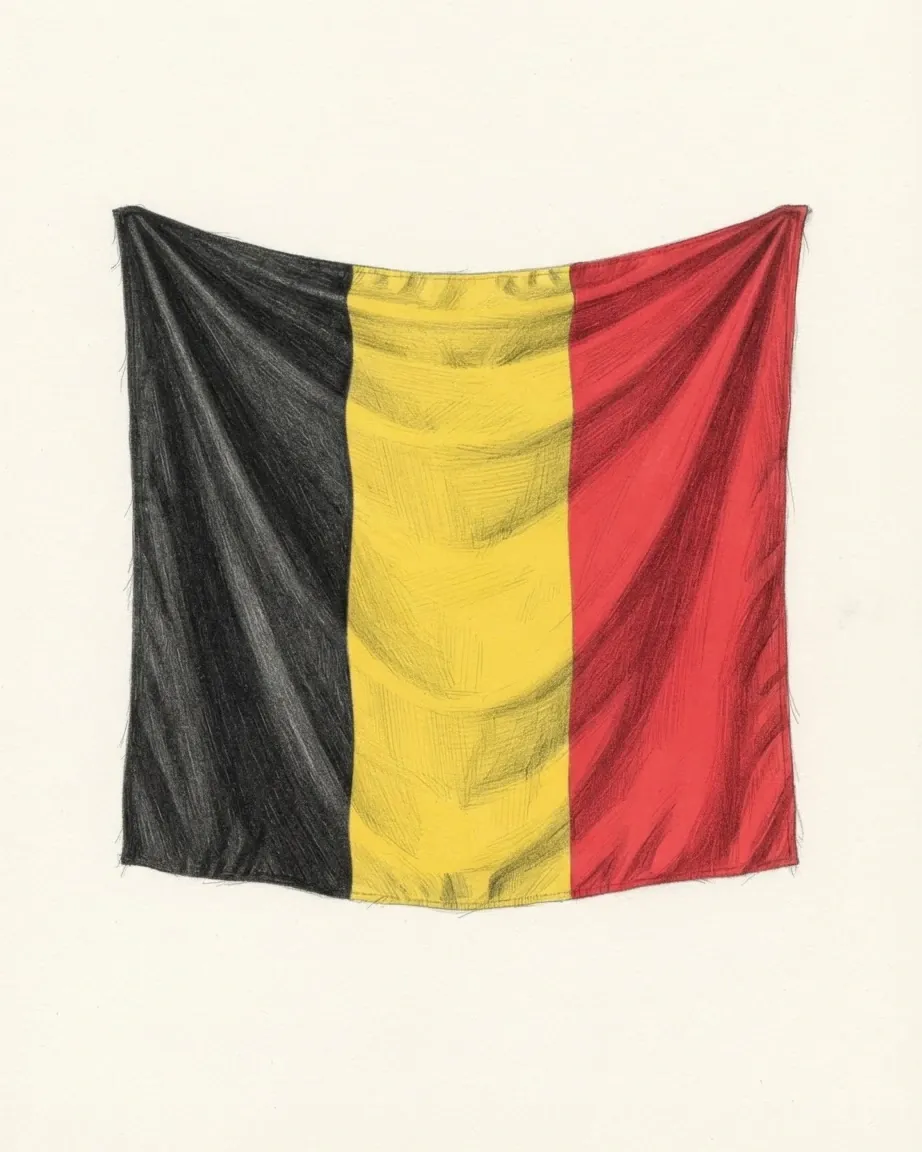
- Belgium11.8 million people on 30,688 square kilometres, three official languages and six governments. A federal structure built around a language border, and 16 heritage sites.
- Canada
- Chile
- Colombia
- Costa Rica
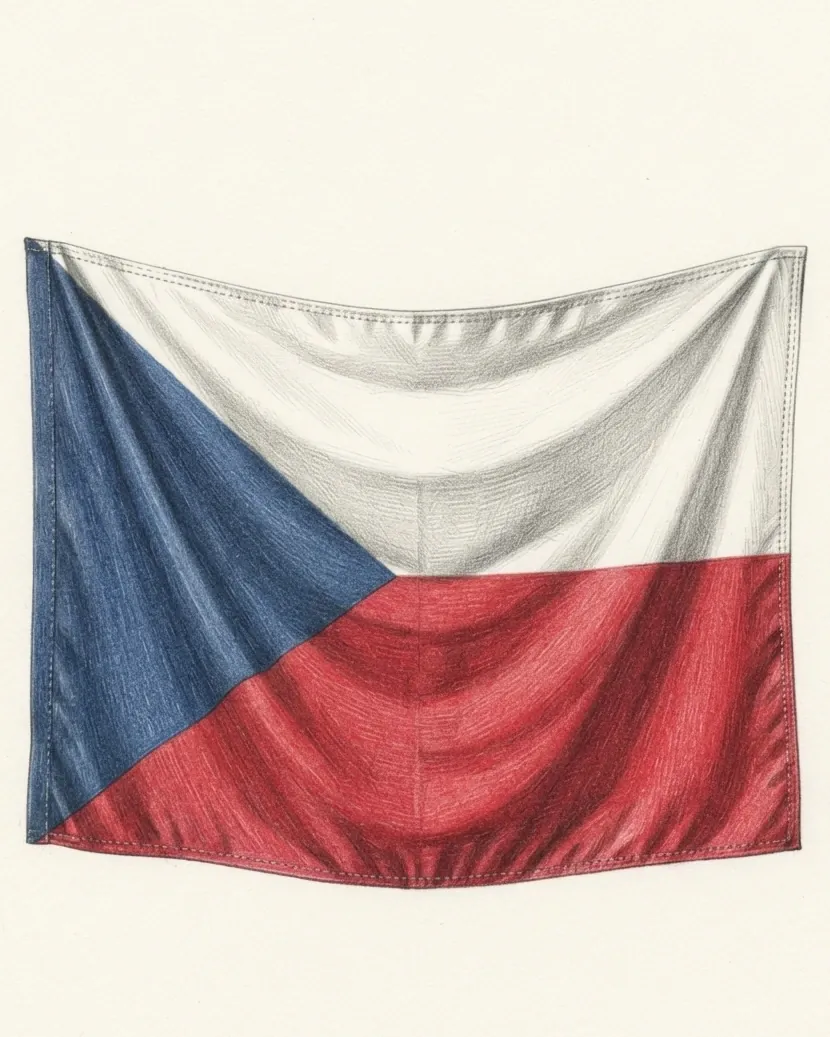
- Czechia10.9 million people on 78,871 landlocked square kilometres. A state created by negotiation in 1993, an industrial economy tied to Germany, and 17 World Heritage properties.
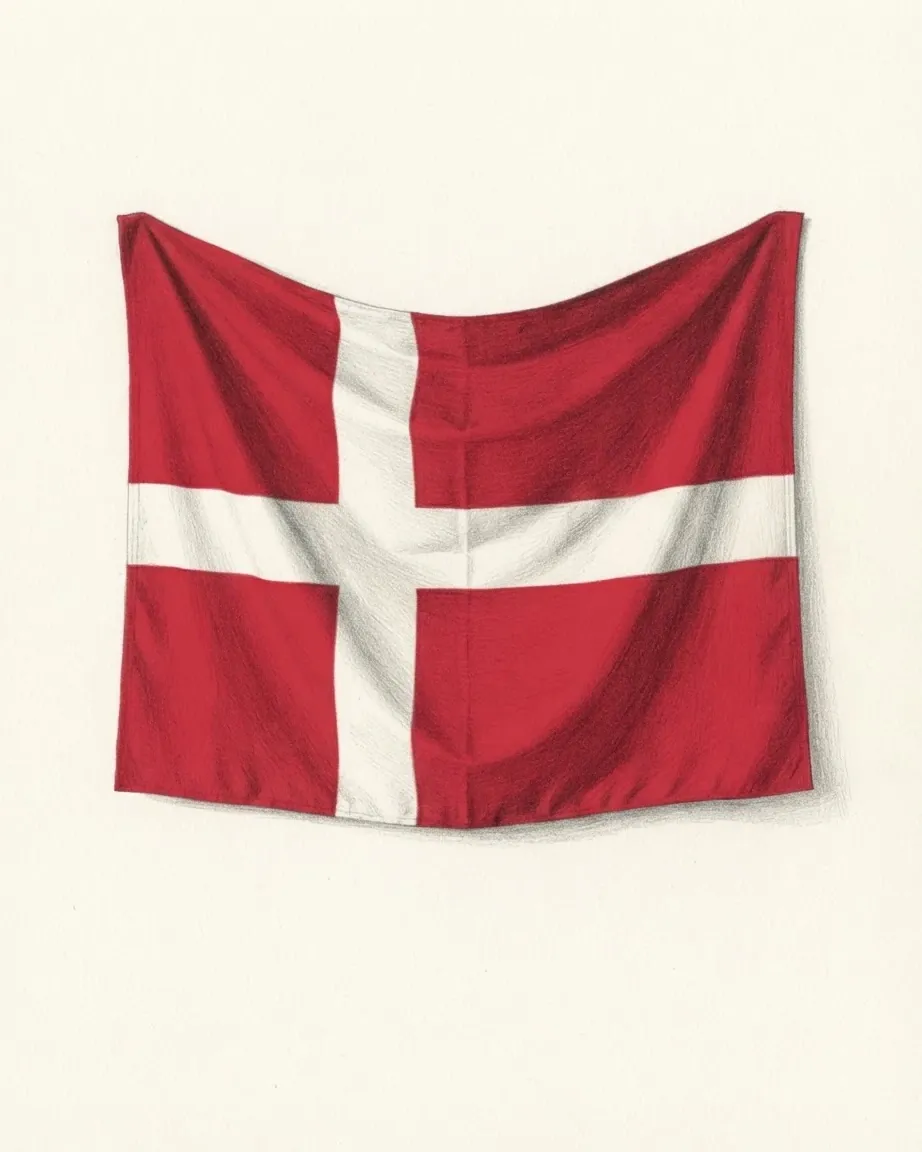
- Denmark5.8 million people on 42,925 square kilometres of peninsula and islands, highest point 171 metres. A 179-seat parliament, four of whose seats sit in the Arctic.
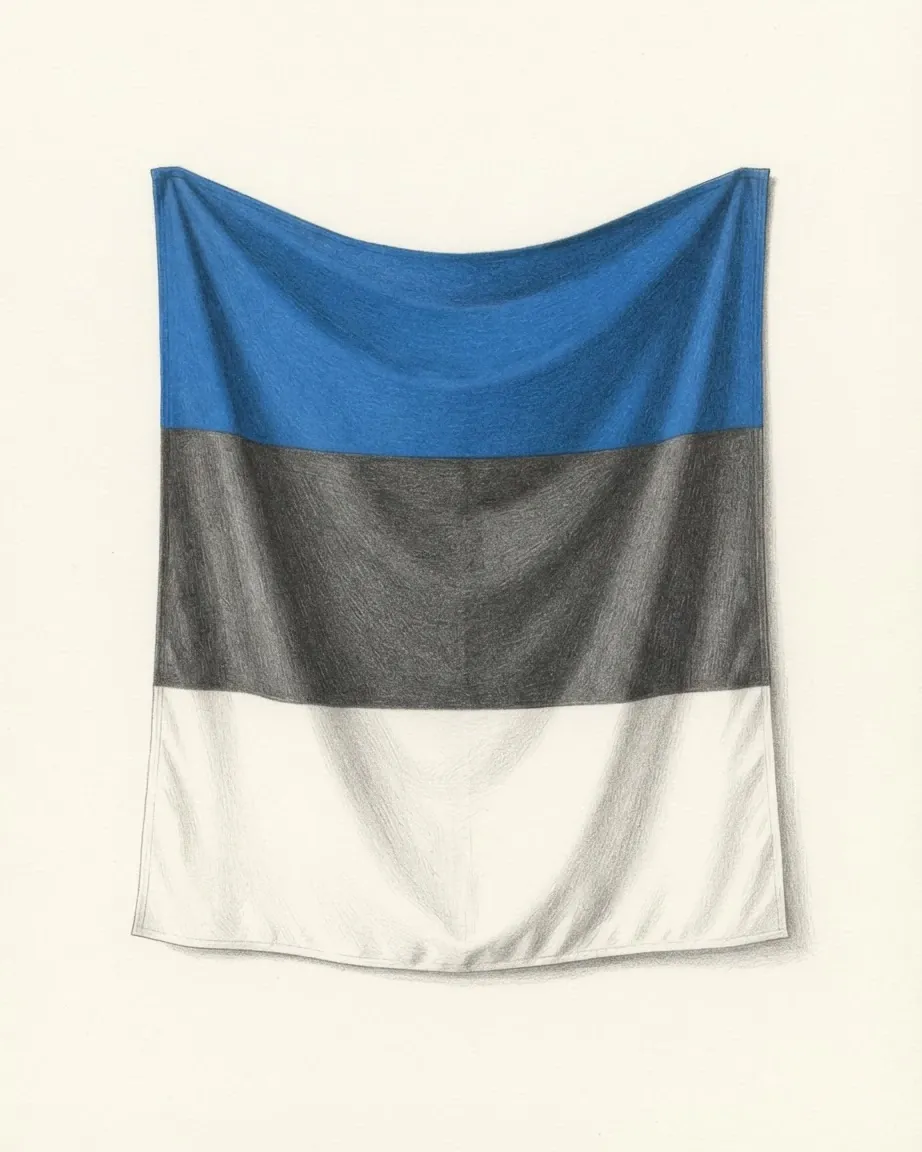
- EstoniaA Baltic republic of 1,369,995 people as of 1 January 2025 whose statehood survived occupation as a legal record, and whose voting and company registry now run the same way.
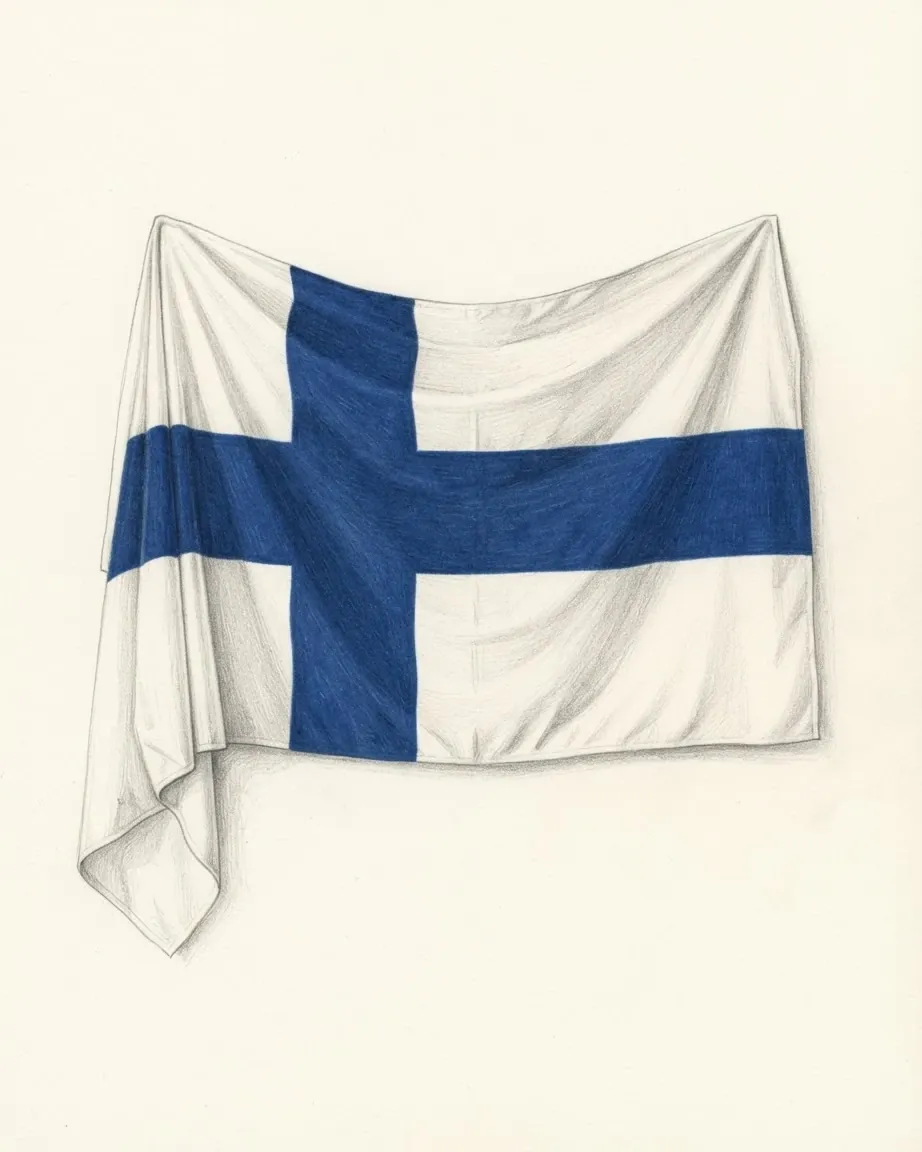
- Finland5.7 million people on 390,905 square kilometres of forest and lake. Independent since 1917, in the EU since 1995, and in NATO since April 2023.
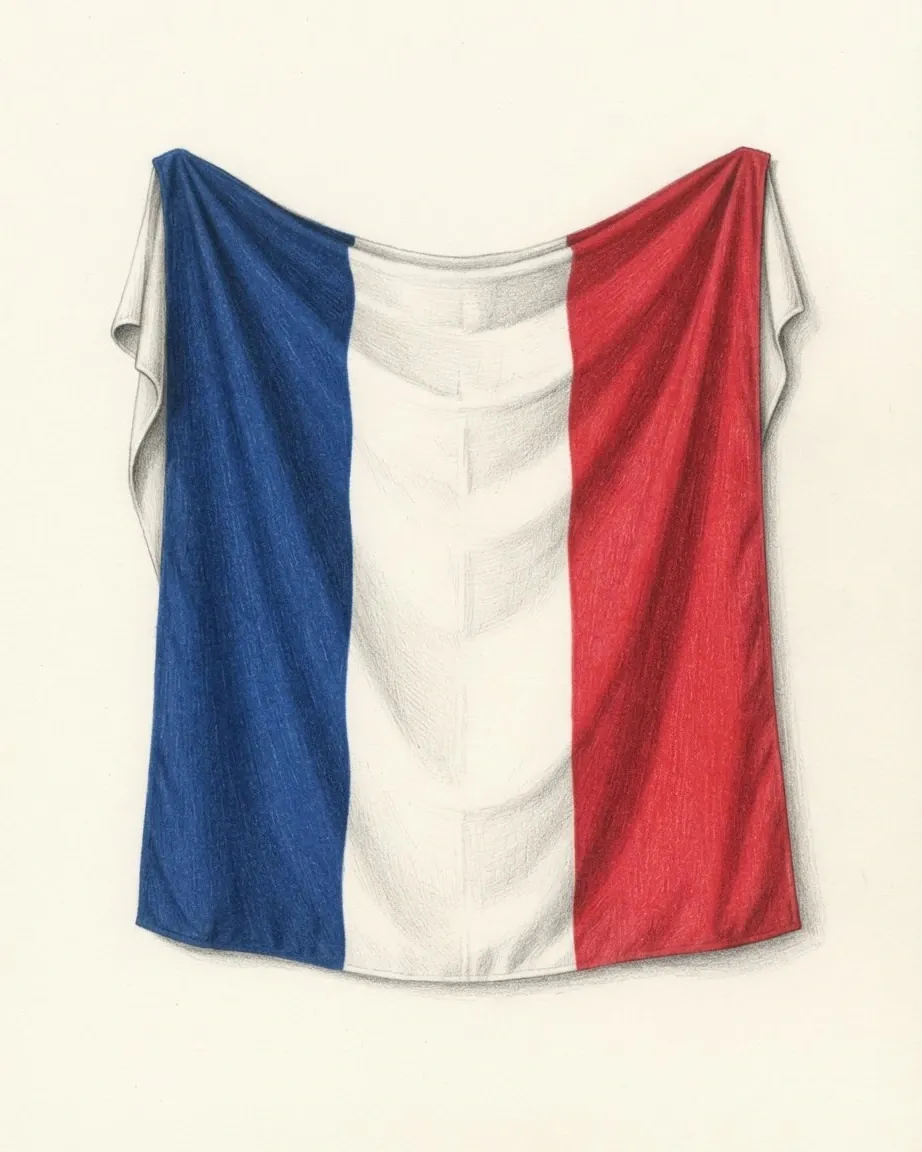
- France68.6 million people and 643,801 square kilometres across three oceans. Five republics since 1789, 56 nuclear reactors, and public debt at 115.5% of output.
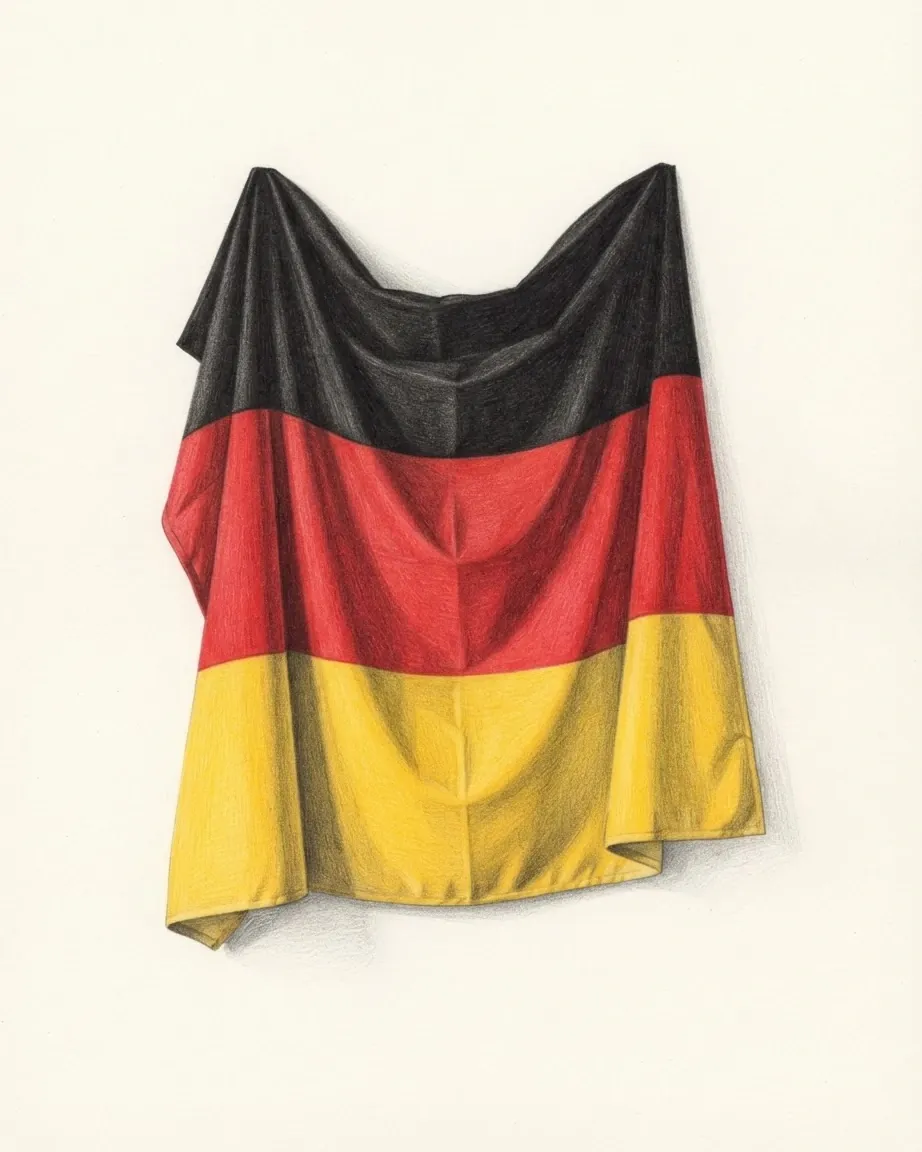
- Germany83.6 million people on 357,588 square kilometres with nine land borders. A constitution written to be temporary in 1949, and an export economy that grew 0.2% in 2025.
- Greece10.6 million people on 131,957 square kilometres of mountain and archipelago. A state founded in 1821, a constitution from 1975, and 21 World Heritage properties.
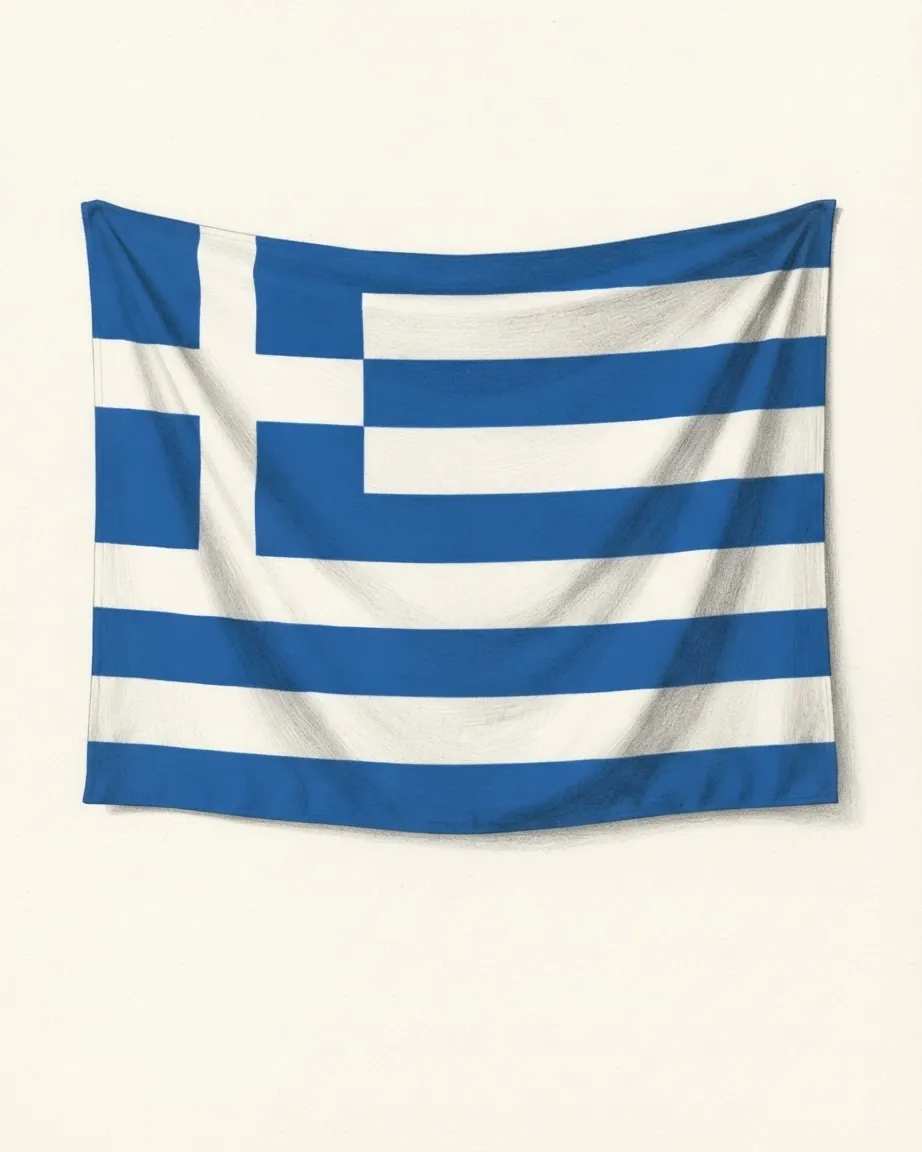
- Hungary9.5 million people on 93,030 landlocked square kilometres with seven neighbours. A treaty in 1920 took 72% of the territory, and the question has never closed.
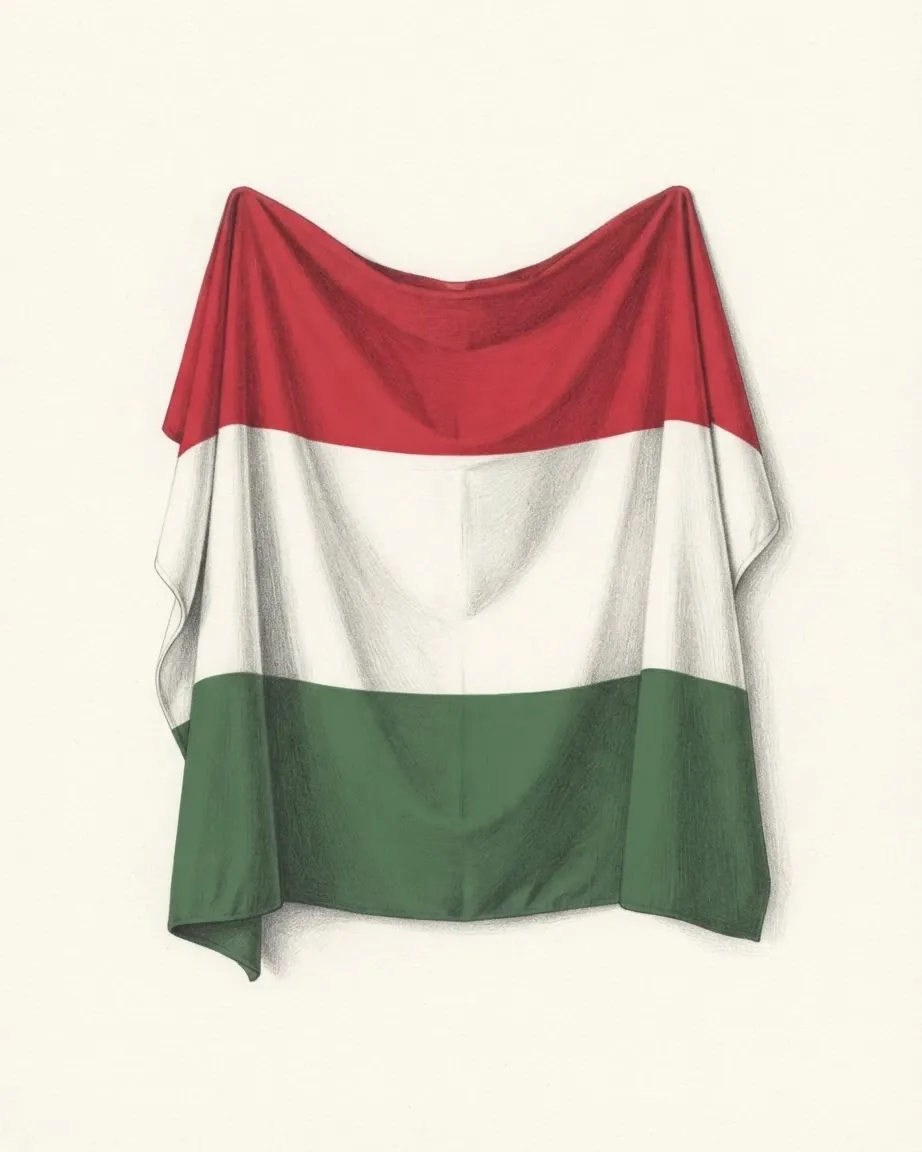
- IcelandAn empty island claimed in sixty years and written down as it happened: 376,248 people counted in 2022, on crust the Mid-Atlantic Ridge pulls apart by 19 millimetres a year.
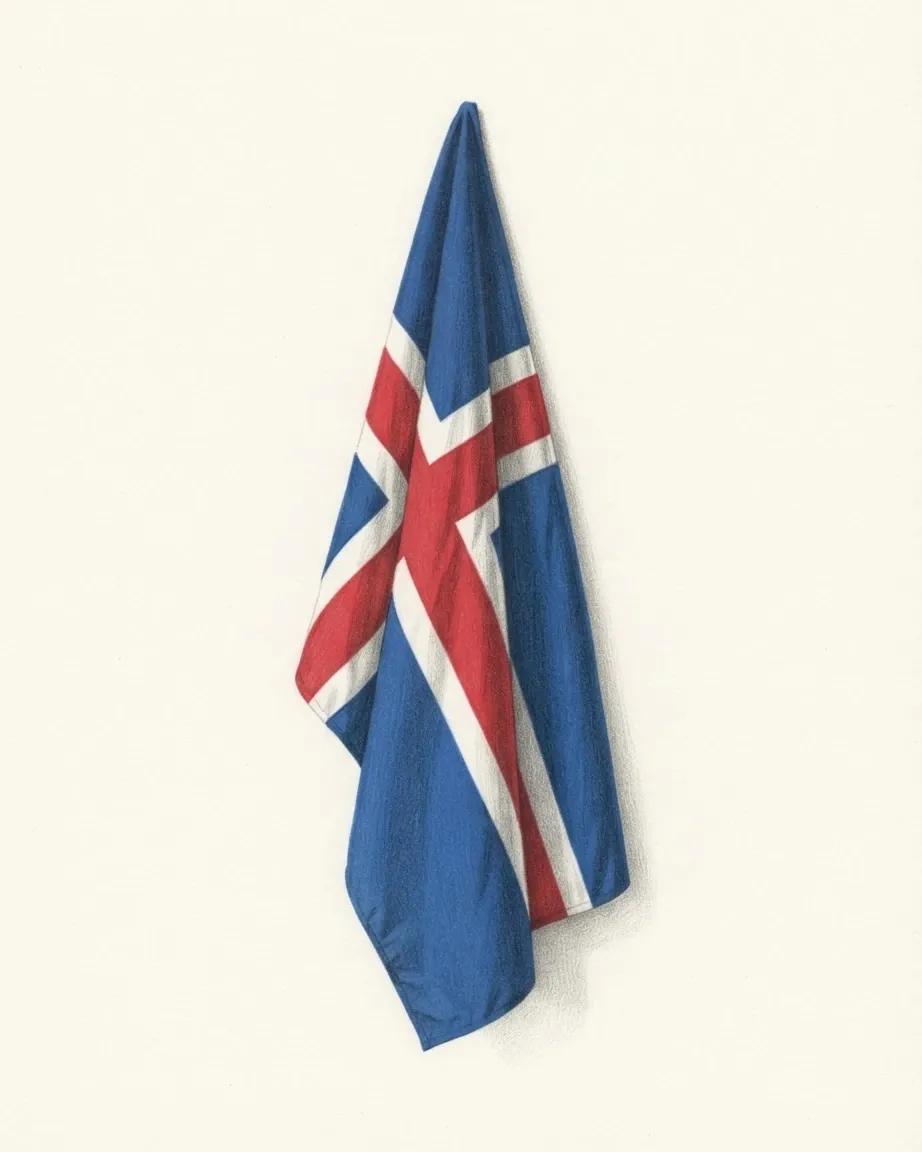
- Ireland5.1 million people on 69,797 square kilometres. A constitution changed only by referendum, and an economy whose own statisticians publish a second measure of its size.
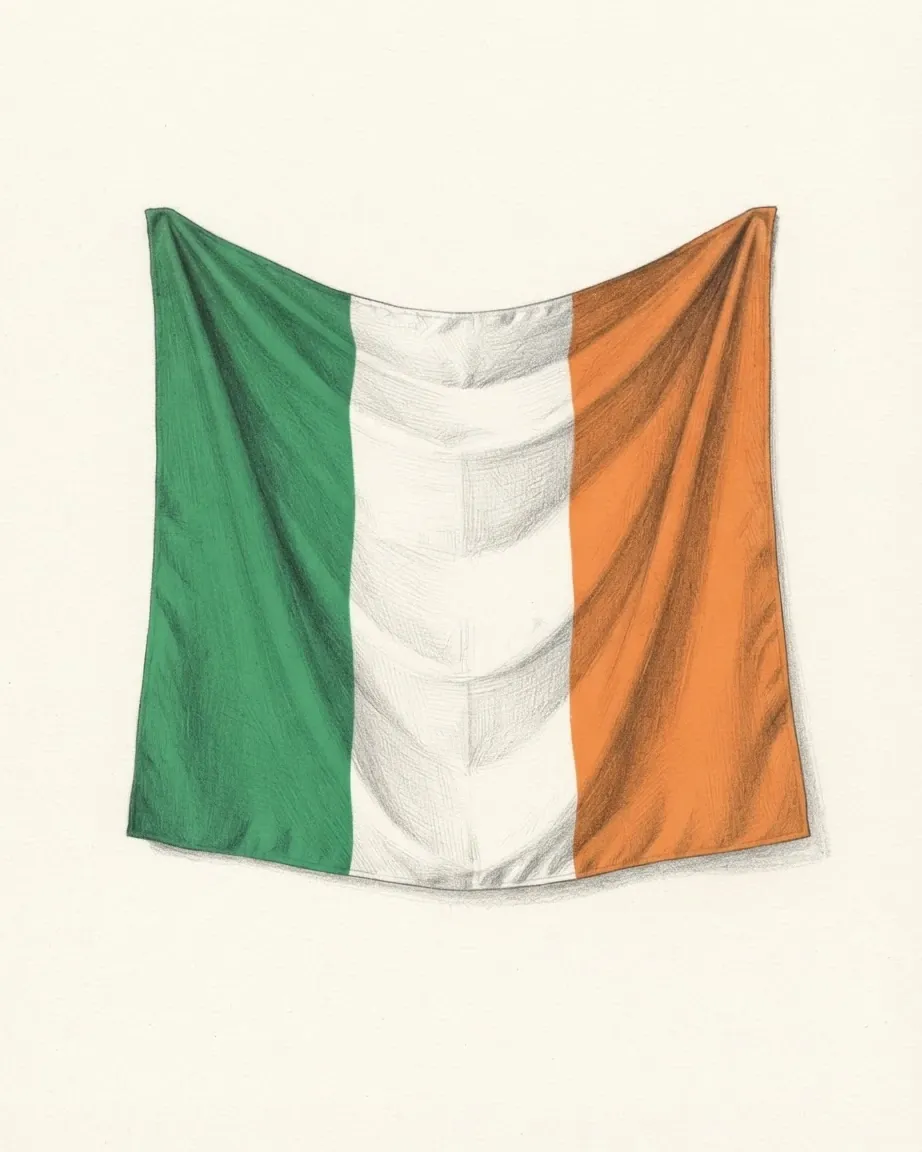
- Israelישראל
- ItalyItaly holds about 58.9 million people, was proclaimed a single state on 17 March 1861 and became a republic in 1946. Its cities, regions and districts still do the work.
- Japan日本
- LatviaLatvia holds 1,845,096 people as of 1 January 2026 on flat, wet ground on the Baltic, under a constitution of 1922 restored in 1991 after two rewritings of its population.
- LithuaniaThree ultimatums between 1938 and 1940 ended Lithuania's first republic. The state restored on 11 March 1990 has spent since then rearranging its connections westward.
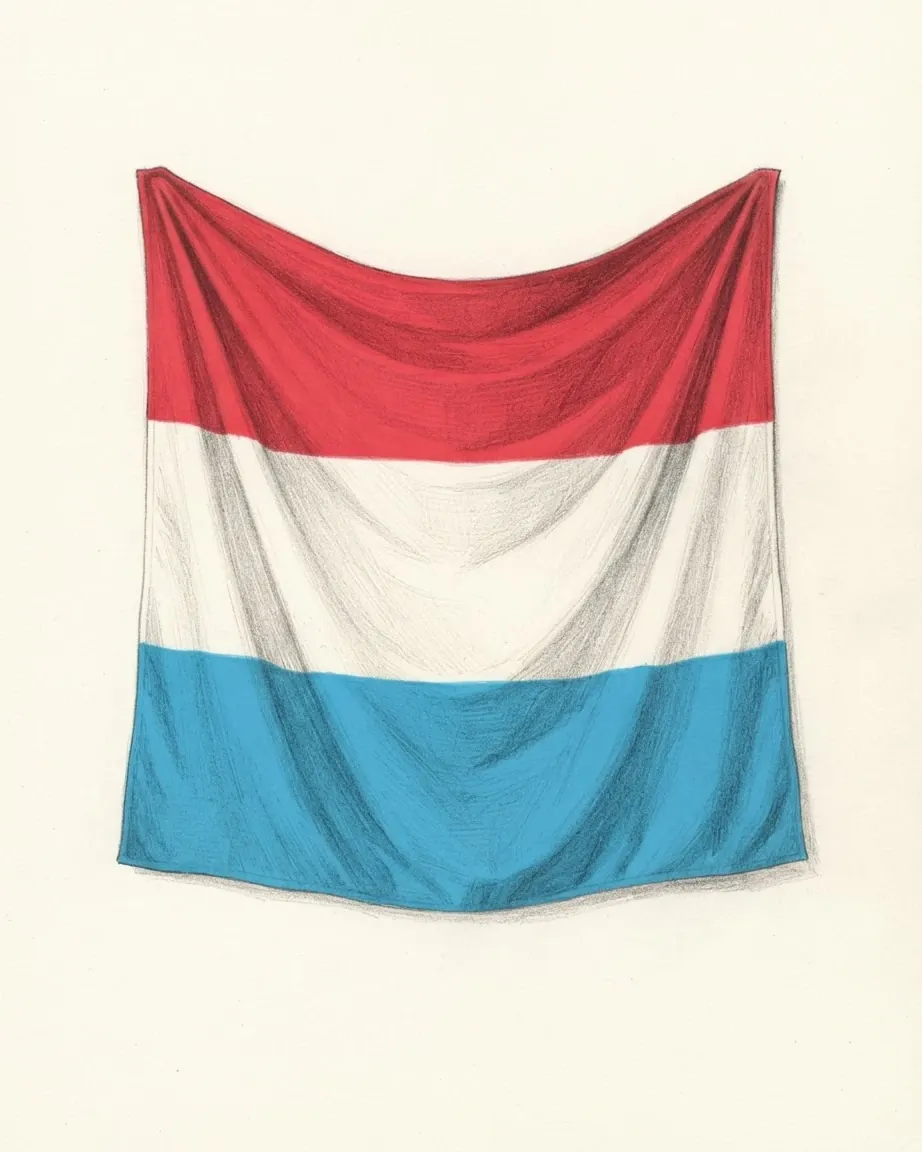
- Luxembourg681,973 residents in 2025, 47% of them foreign nationals, and 223,000 more crossing a border to work. A grand duchy of 2,586 square kilometres with three languages and 8.2 trillion euros of fund assets.
- MexicoMéxico
- Netherlands17.9 million people on 42,201 km2, a fifth of it water and much of the rest below sea level. What the Dutch earn from, how they are governed and what there is to see.
- New Zealand
- NorwayA Nordic monarchy of 5.6 million that wrote its constitution before it was independent and claimed its seabed six years before anyone found oil under it.
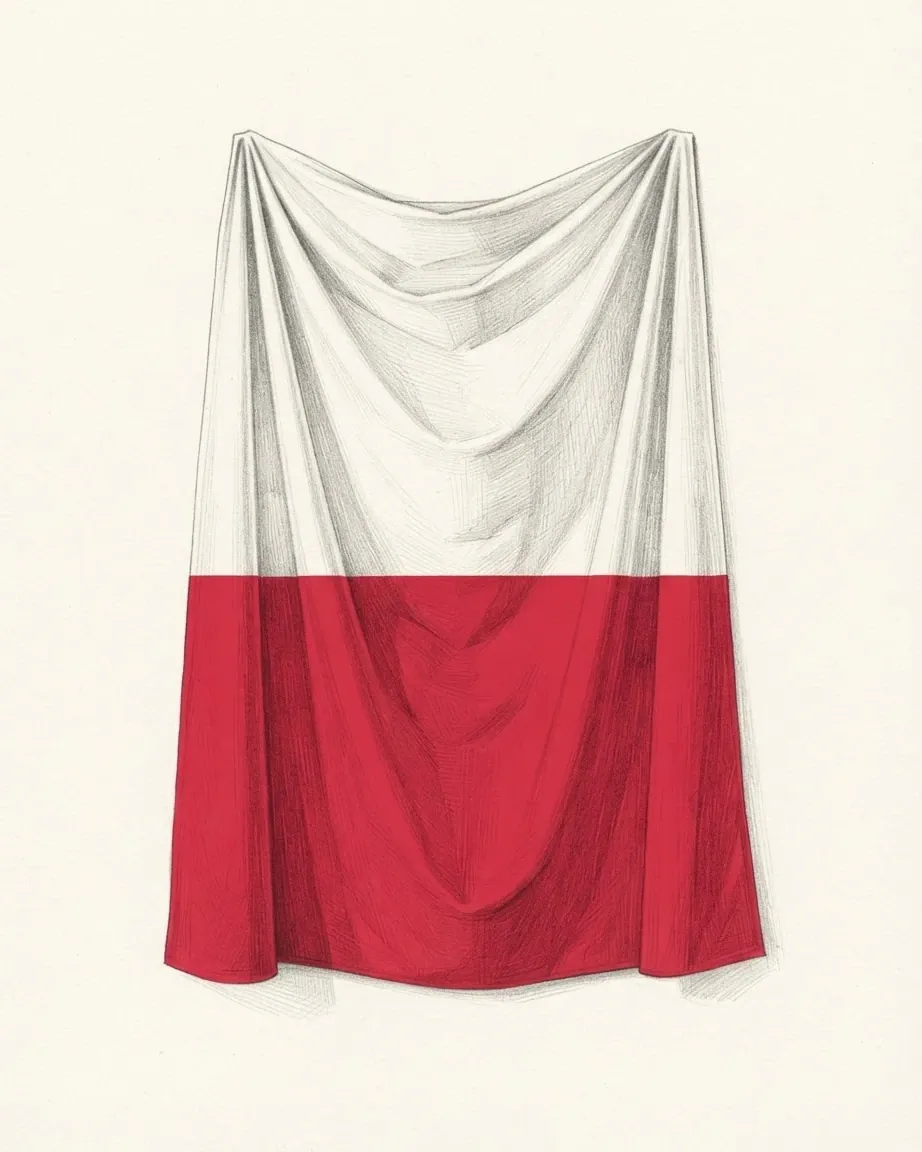
- Poland37.5 million people between the Baltic and the Carpathians. A state that vanished for 123 years, moved west after 1945, and now runs the EU's most coal-dependent grid.
- Portugal10.3 million people on 92,225 km2, a language spoken by 250 million, a border unchanged since the 13th century, and close to three foreign visitors a year for every resident.
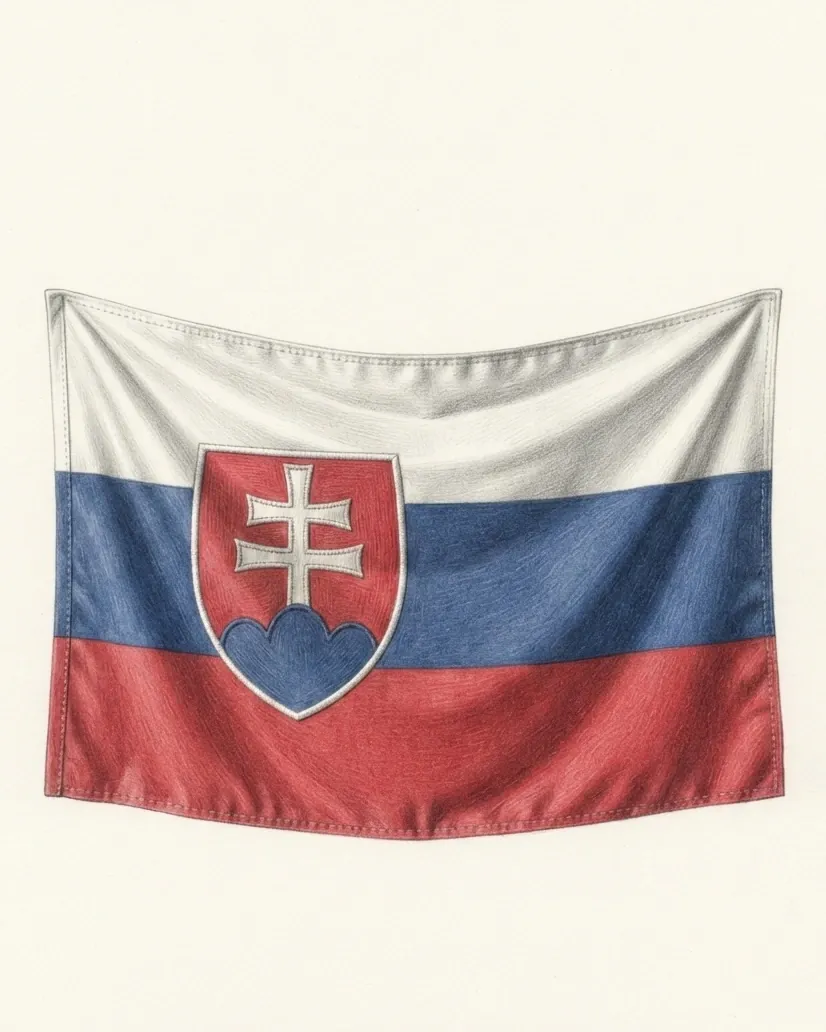
- SlovakiaA landlocked Central European country of five and a half million, independent since 1993, whose four car plants built 1,040,000 vehicles in 2016.
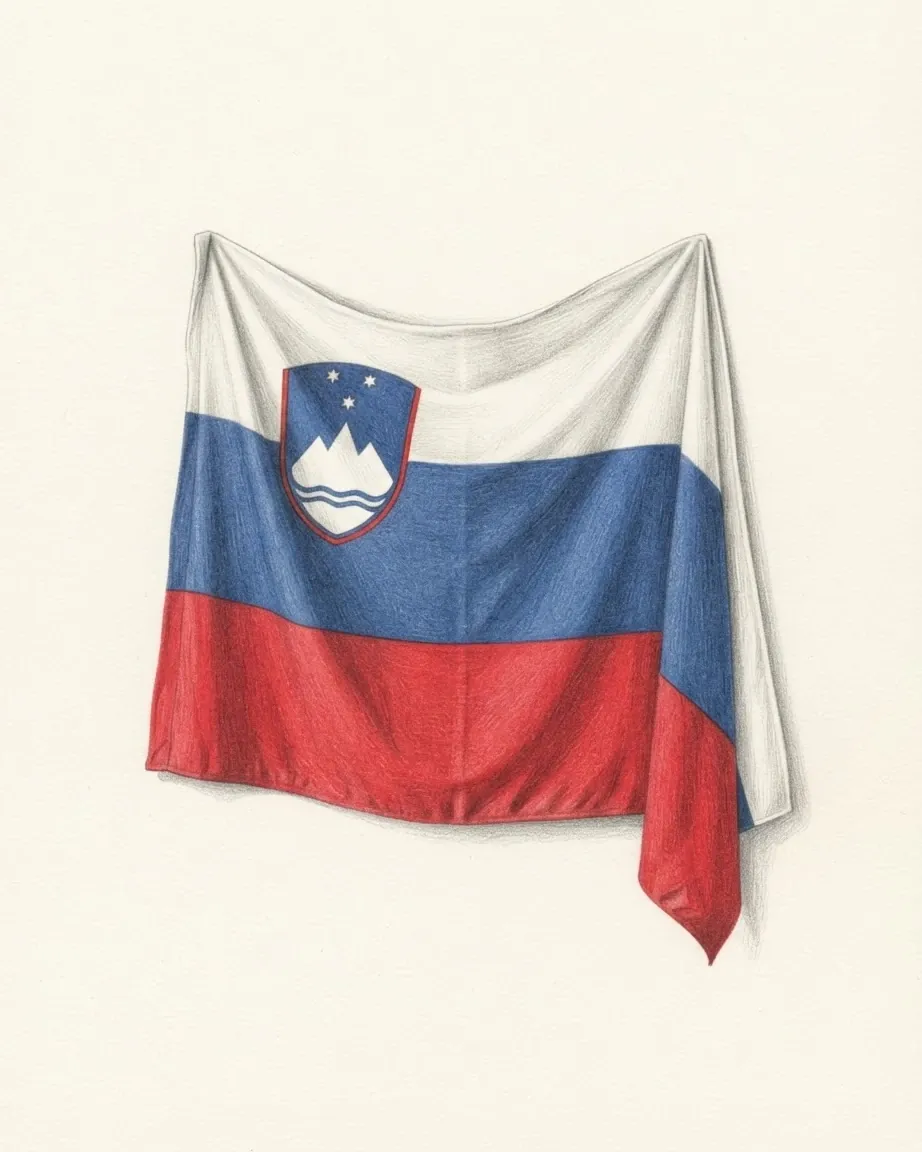
- SloveniaA Central European country of 2,133,852 people as of October 2025, independent since 1991, with borders drawn by other people's treaties and a state its voters authorised.
- South Korea대한민국
- Spain48.6 million people on 505,990 km2, five official languages, seventeen governments and 97 million visitors a year. What Spain is, how it is run and what is worth seeing.
- Sweden10.6 million people on 528,861 square kilometres from the Baltic to the Arctic. A monarchy whose 1974 constitution left the crown no power, and which kept its own currency.
- SwitzerlandA landlocked federal republic of 26 cantons and four national languages, with no legal capital, no single head of government and no constitutional court.
- Türkiye85.4 million people at the end of 2023, a capital, alphabet, clock and English name each fixed by statute, on a plate driven west between two faults.
- United Kingdom67.3 million people across four countries on 242,495 square kilometres. An uncodified constitution, an economy four fifths services, and 35 World Heritage properties.
- United StatesEstados Unidus
Common questions
Questions about OECD
What does OECD stand for?
Organisation for Economic Co-operation and Development. The title is the earlier one with a word removed and a word added: the Organisation for European Economic Co-operation, set up on 16 April 1948 to administer Marshall Plan aid, was reconstituted under the convention signed in Paris on 14 December 1960, which came into force on 30 September 1961.
How does a country join the OECD?
By invitation of the Council, which under Article 16 of the convention must decide unanimously, and then by depositing an instrument of accession with the Government of the French Republic. Before the invitation comes an accession roadmap, an initial memorandum assessing the candidate's own law and practice against OECD legal instruments, and in-depth reviews by up to 25 technical committees, each adopting a formal opinion.
How long does OECD accession take?
The published record gives a span rather than a rule. Discussions with Costa Rica opened on 9 April 2015 and its instrument of accession was deposited on 25 May 2021, with 22 committees reviewing it in between. Colombia acceded on 28 April 2020, Lithuania on 5 July 2018 and Latvia on 1 July 2016. Discussions with Argentina, Brazil, Bulgaria, Croatia, Peru and Romania opened on 25 January 2022 and remain open.
Are OECD decisions binding?
Some are. Article 5 lets the Organisation take decisions binding on all members as well as make recommendations, and Article 6 requires mutual agreement of all the members for either. A member that abstains is not bound while the act still applies to the rest, and no decision binds a member until it has complied with its own constitutional procedures.
Is the OECD a trade bloc?
No. The convention sets aims, an obligation to share information and a procedure for taking decisions, and it carries no tariff schedule, no customs union and no defence commitment. Its standards are also open to non-members: the parties to the Anti-Bribery Convention outnumber the members, and the Inclusive Framework on base erosion and profit shifting works with well over a hundred jurisdictions.
Which countries are candidates for OECD membership?
Accession discussions were opened with Argentina, Brazil, Bulgaria, Croatia, Peru and Romania on 25 January 2022, with Indonesia on 20 February 2024 and with Thailand on 17 June 2024. Opening discussions is not an invitation to accede: that decision is separate, taken by the Council by unanimity once the technical committees have given their formal opinions.
Sources
- Convention on the Organisation for Economic Co-operation and Development · OECD. The signature at Paris on 14 December 1960, the aims in Article 1, the decisions and unanimity in Articles 5 and 6, the depositary in Article 14, the reconstitution in Article 15, accession in Article 16, withdrawal in Article 17 and the headquarters in Article 18.
- Accession to the OECD · OECD. The eight steps from Council decision to deposit, the review by up to 25 committees, and the tables of current and recent accessions with their dates.
- Members and partners · OECD. The member list and its names, the Key Partners, and the participation of the European Union under Supplementary Protocol No. 1.
- The Organisation for European Economic Co-operation (OEEC) · OECD. The creation of the OEEC on 16 April 1948 to administer the European Recovery Programme, its eighteen members, and the signing at the Chateau de la Muette.
- OECD welcomes Costa Rica as its 38th Member · OECD press release, 25 May 2021. The deposit of the instrument of accession, the 22 committees and the reforms made during the process.
- Fighting foreign bribery · OECD. The Anti-Bribery Convention established in 1999, what it requires of its parties, and the count of parties that exceeds the membership.
- Base erosion and profit shifting (BEPS) · OECD. The Inclusive Framework, its reach beyond the membership and the equal footing of participating developing countries.
- Development Assistance Committee · OECD. The adoption of official development assistance as the standard measure in 1969, and the DAC's own roster of members and associates.
- Programme for International Student Assessment (PISA) · OECD. The participation of more than 90 countries and economies in the 2025 round.