European Union
Union · EU
Greenland left the European Communities on 1 February 1985 without leaving Denmark. The union's edge has never matched its members' own borders. French Guiana and the Canary Islands lie inside it, while Aruba, New Caledonia and Greenland sit outside it under member states. Entry is an accession treaty every member ratifies, and one member has since used the exit.
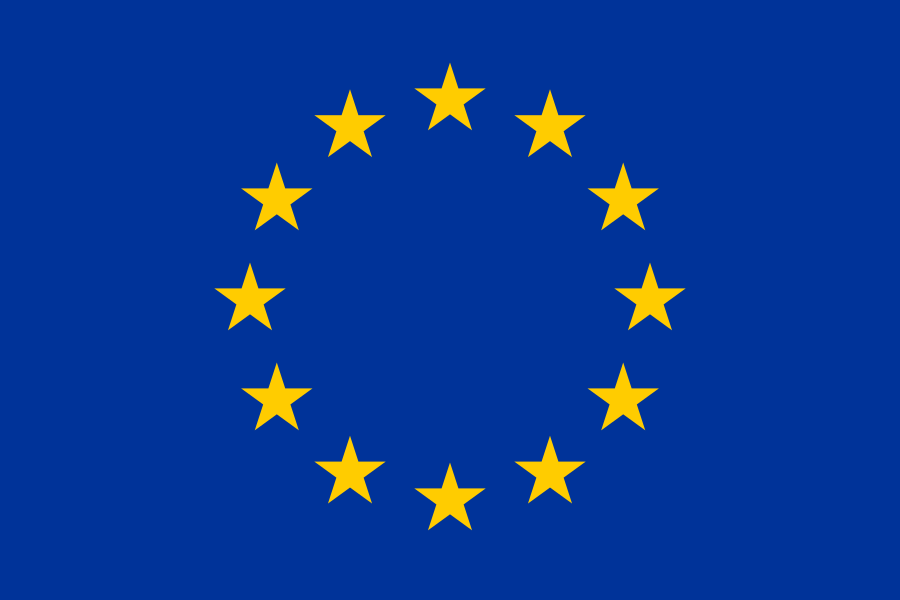
27 countries
- AustriaJoined 1995.
- BelgiumJoined 1957.
- BulgariaJoined 2007.
- CroatiaJoined 2013.
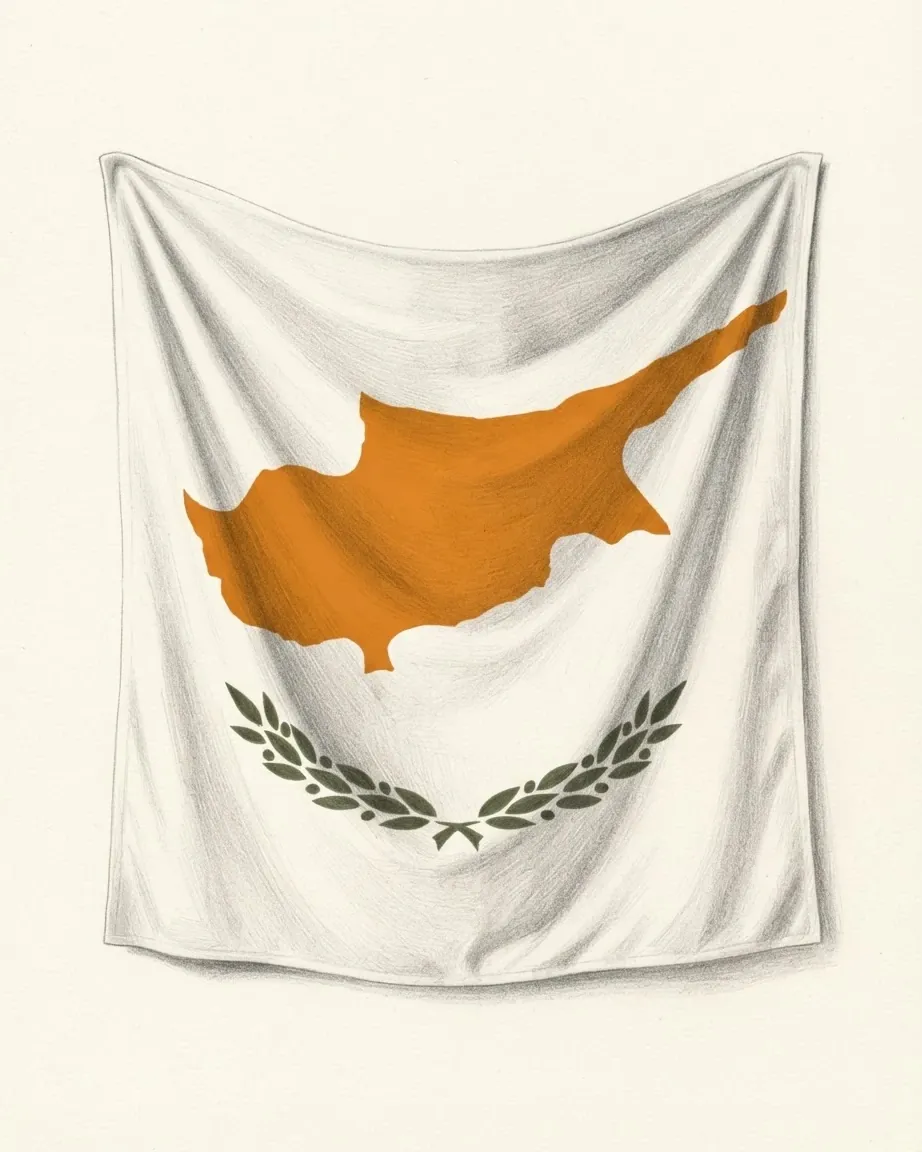
- CyprusJoined 2004.
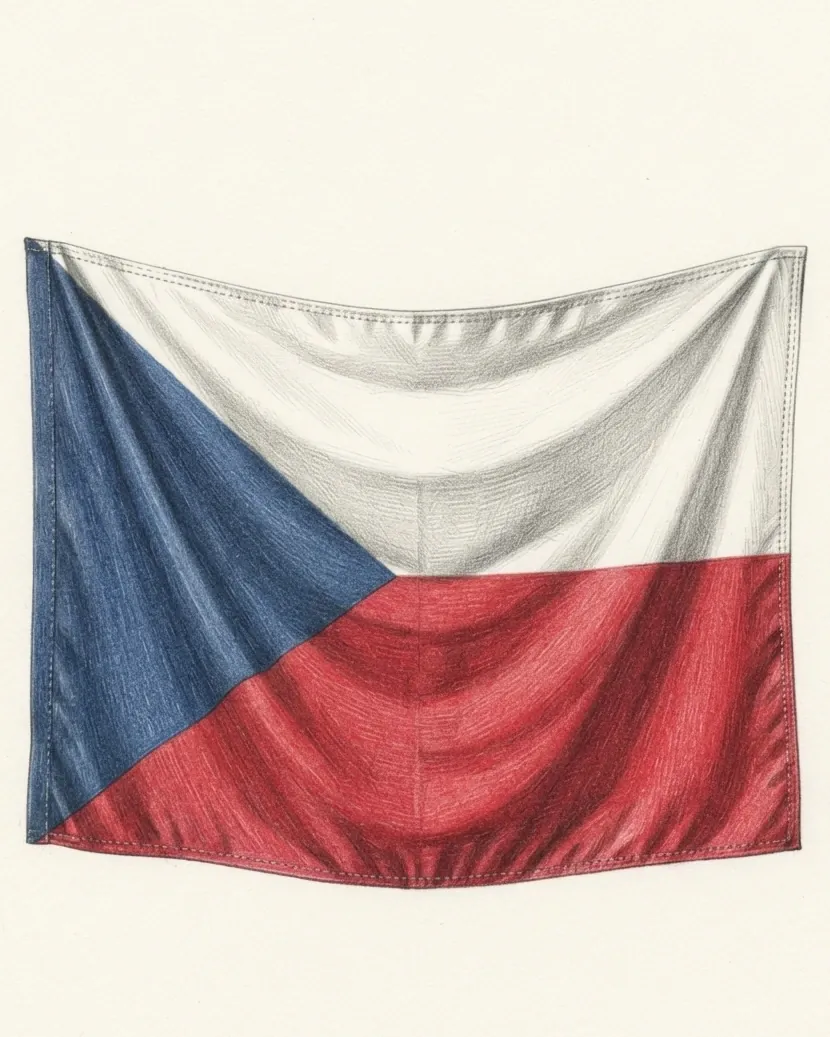
- CzechiaJoined 2004.
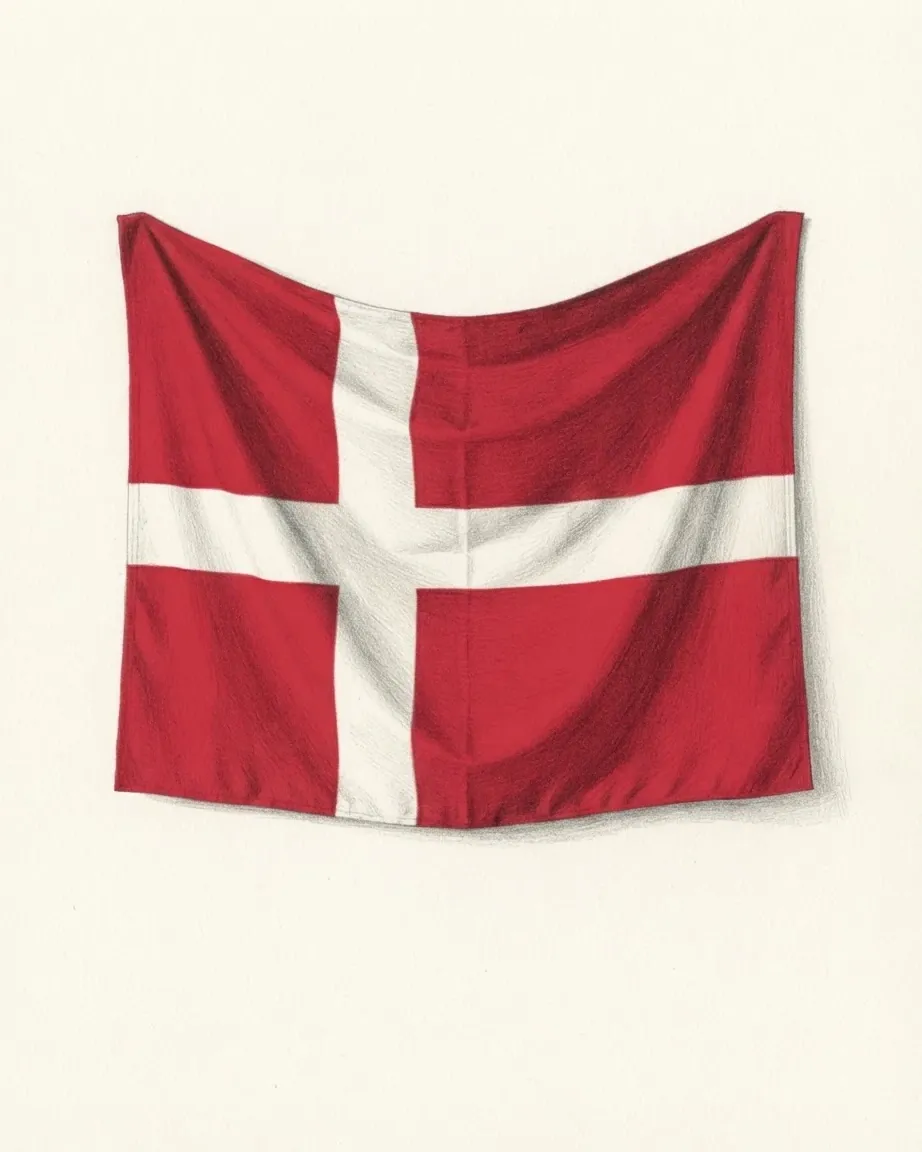
- DenmarkJoined 1973.
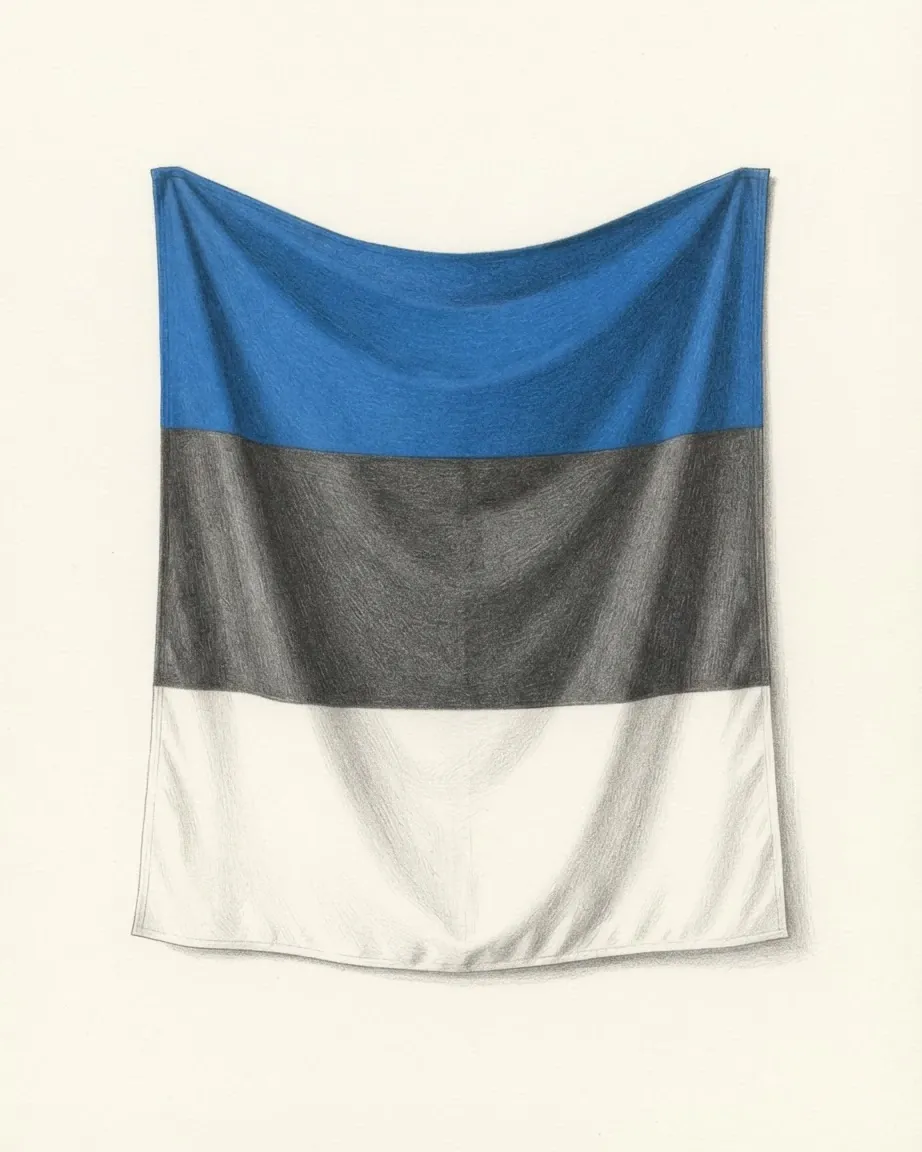
- EstoniaJoined 2004.
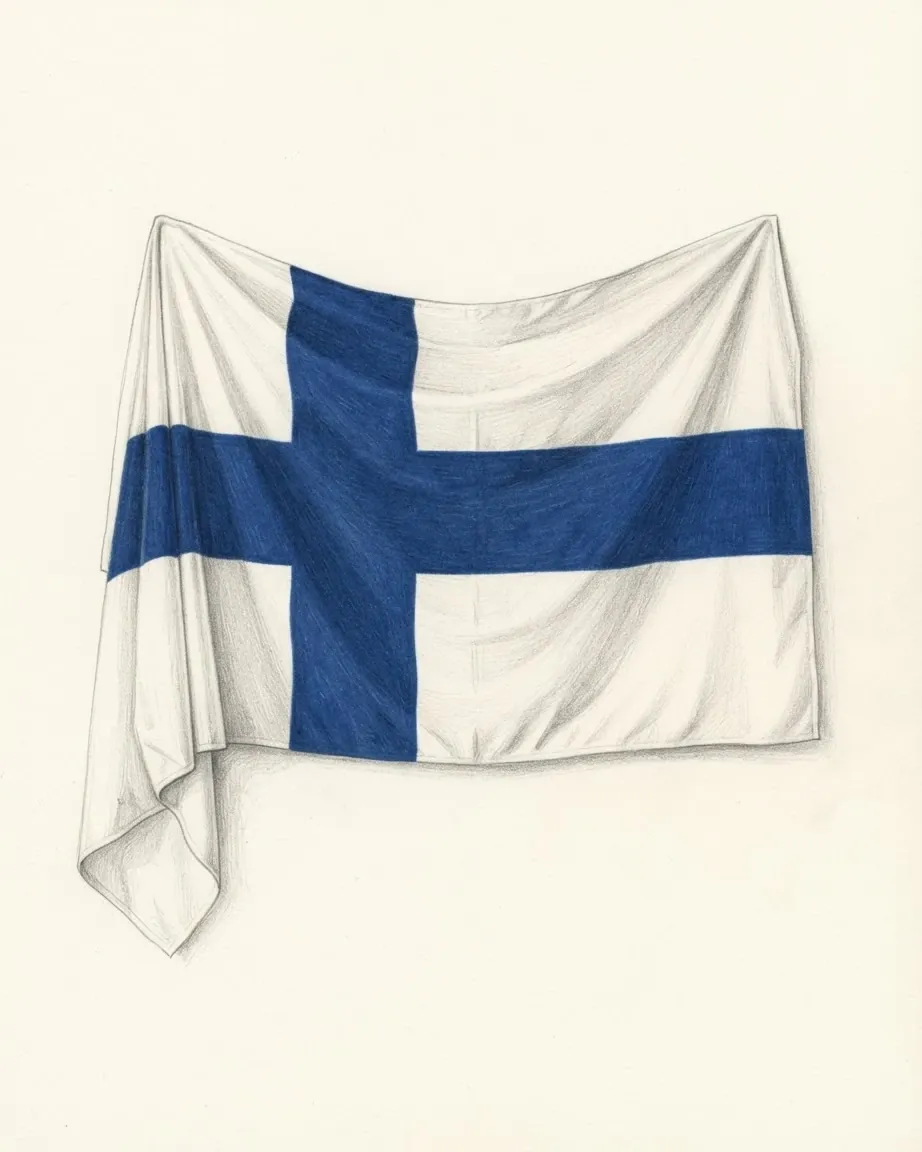
- FinlandJoined 1995.
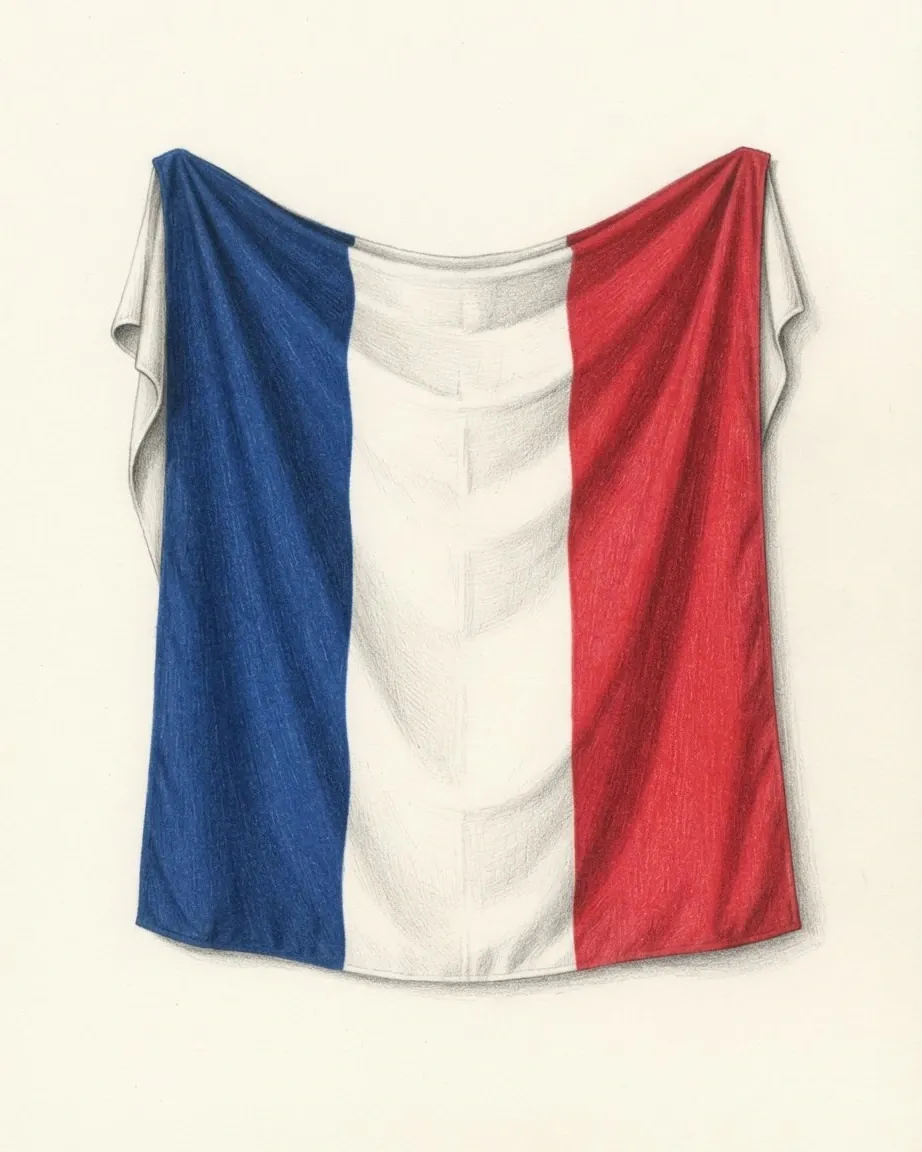
- FranceJoined 1957.
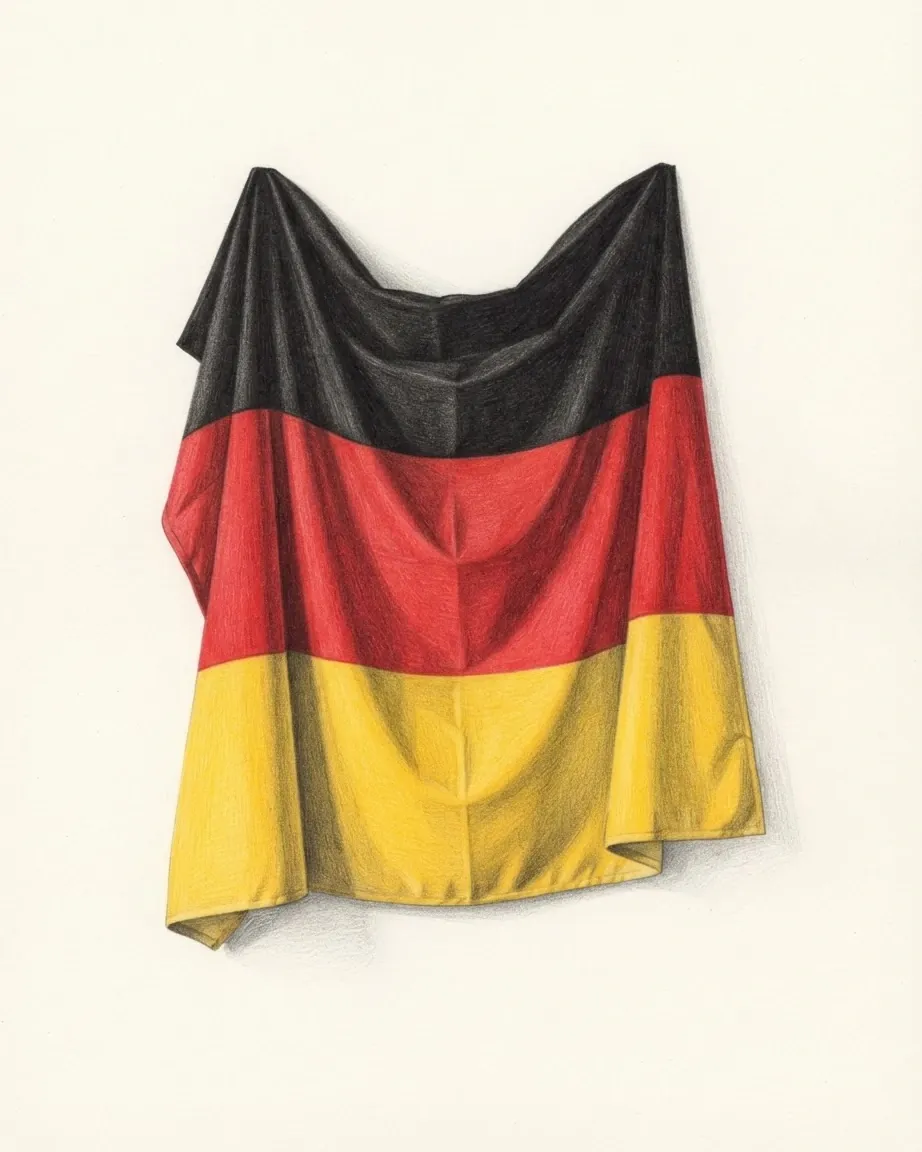
- GermanyJoined 1958.
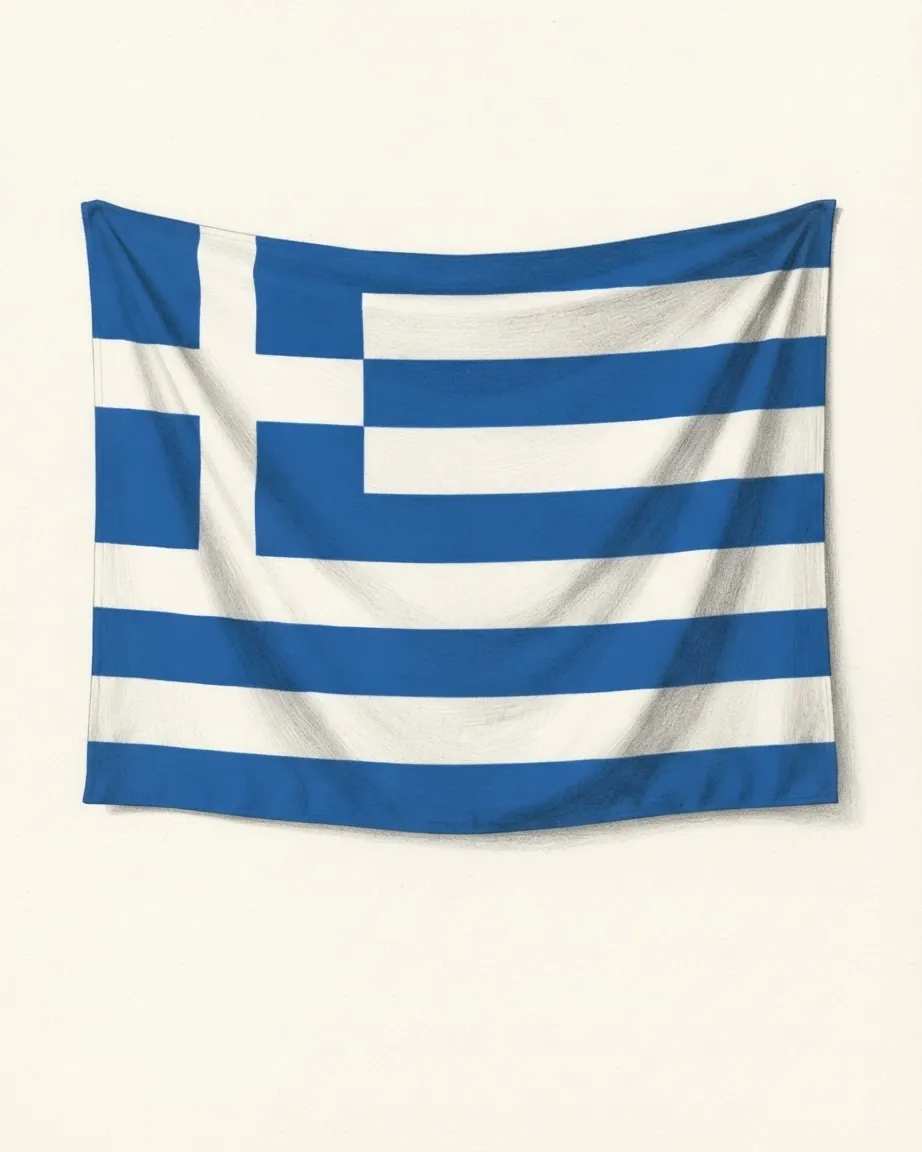
- GreeceJoined 1981.
- HungaryJoined 2004.
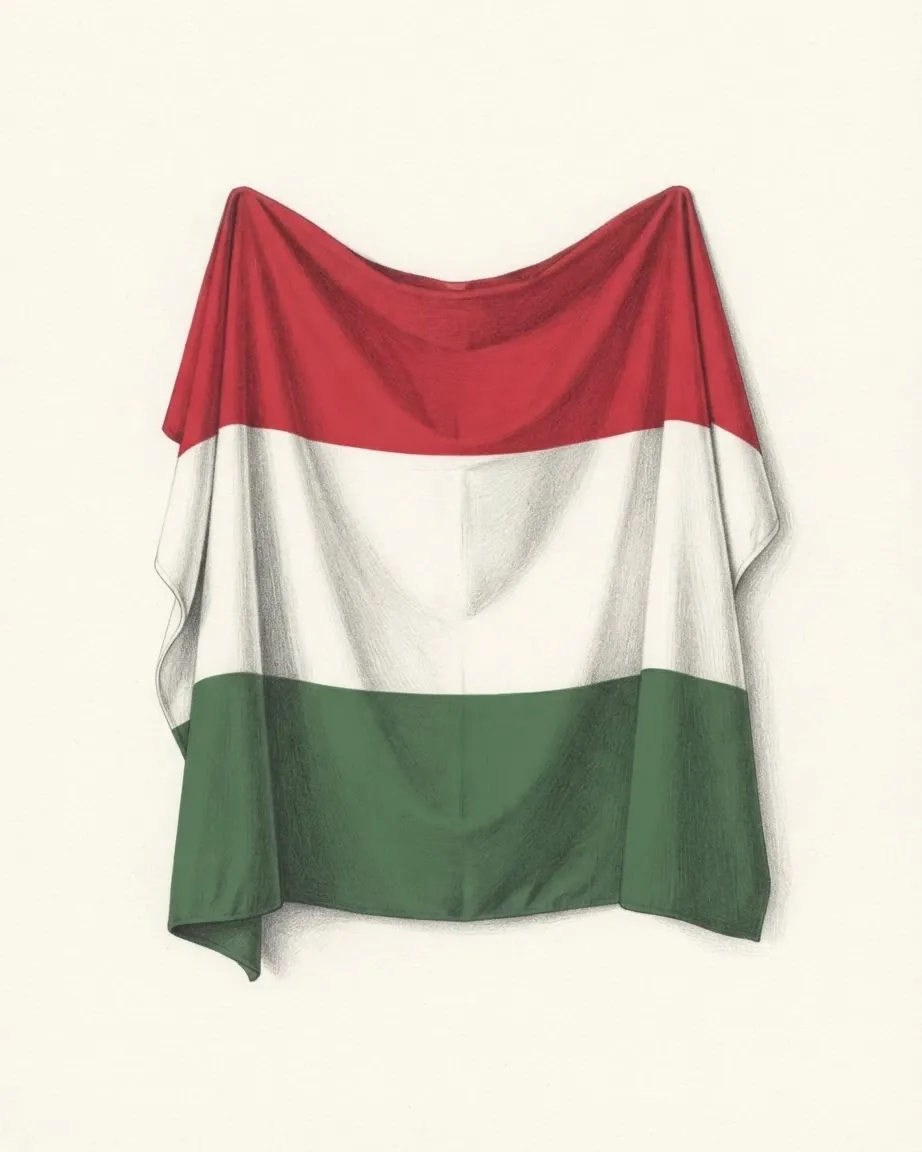
- IrelandJoined 1973.
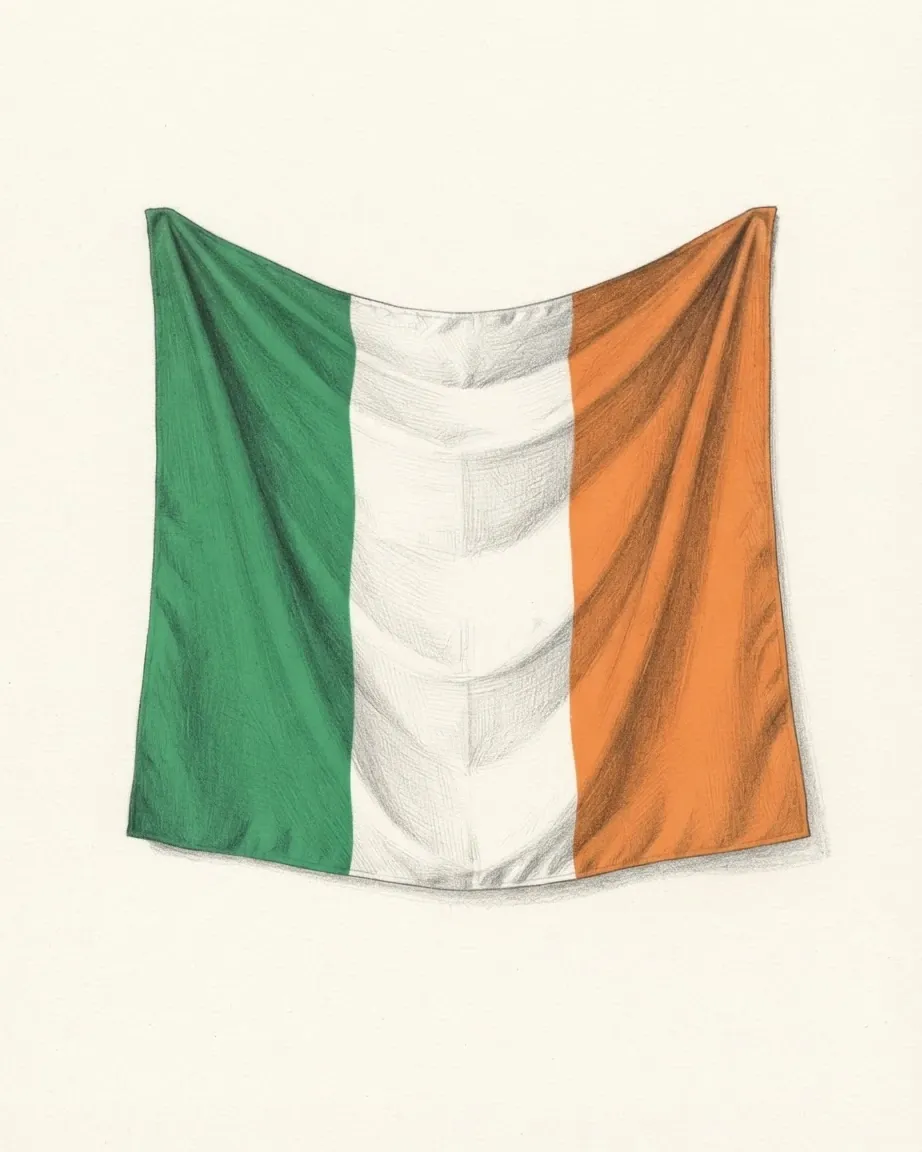
- ItalyJoined 1957.
- LatviaJoined 2004.
- LithuaniaJoined 2004.
- LuxembourgJoined 1957.
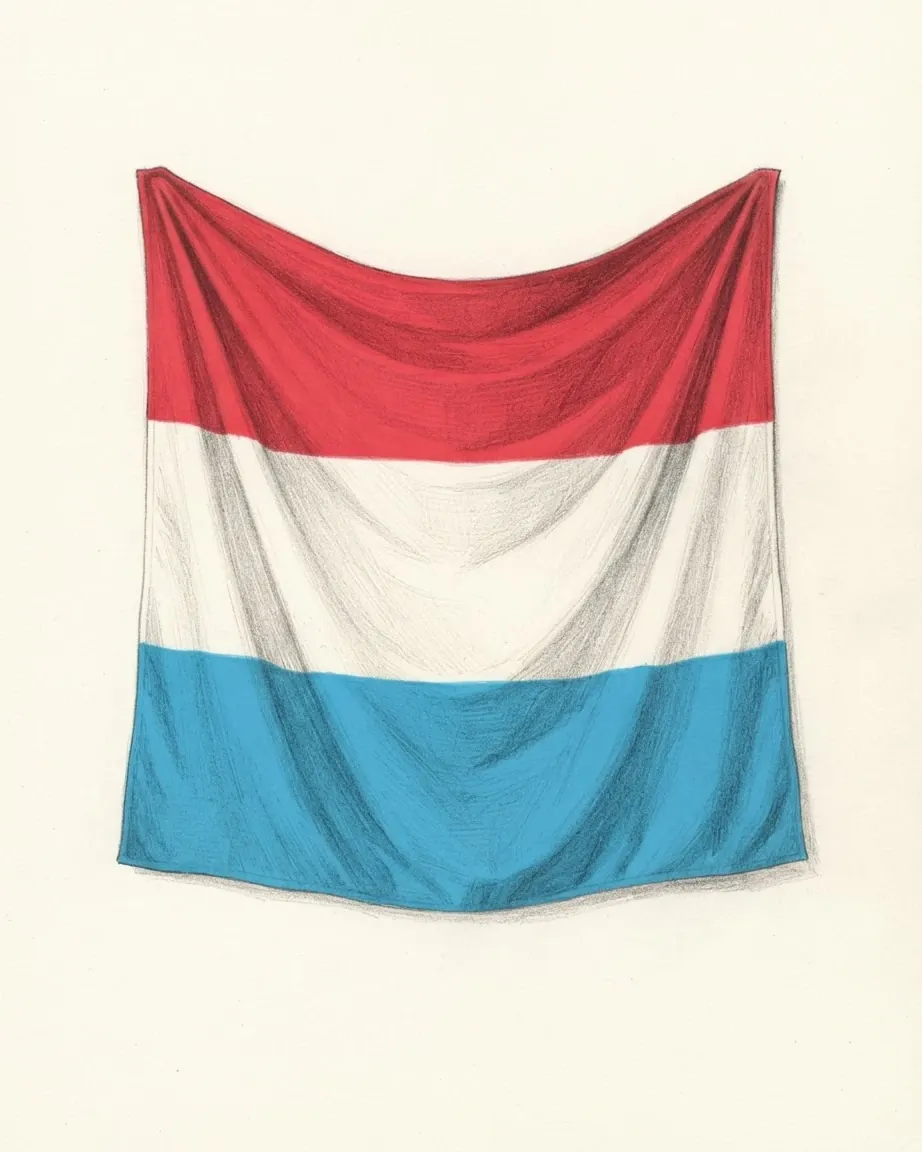
- MaltaJoined 2004.
- NetherlandsJoined 1957.
- PolandJoined 2004.
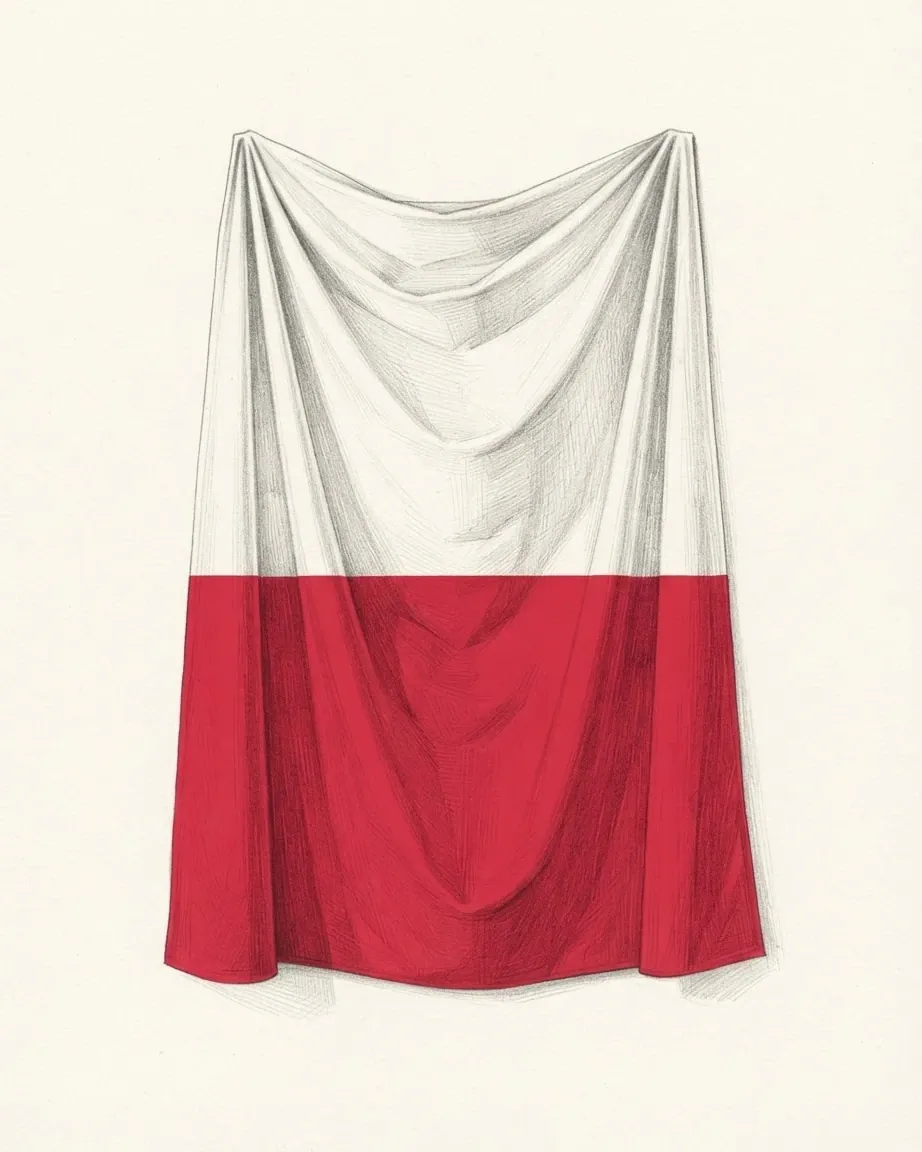
- PortugalJoined 1986.
- RomaniaJoined 2007.
- SlovakiaJoined 2004.
- SloveniaJoined 2004.
- SpainJoined 1986.
- SwedenJoined 1995.
Common questions
Questions about EU
Which countries are in the European Union?
The 27 member states are Austria, Belgium, Bulgaria, Croatia, Cyprus, Czechia, Denmark, Estonia, Finland, France, Germany, Greece, Hungary, Ireland, Italy, Latvia, Lithuania, Luxembourg, Malta, the Netherlands, Poland, Portugal, Romania, Slovakia, Slovenia, Spain and Sweden. Each record carries the date that country's membership began, which for the founding states is the signing of the Treaty of Rome on 25 March 1957 and for Croatia is 1 July 2013.
Are Norway and Switzerland in the European Union?
Neither is a member. Both belong to the Schengen area, together with Iceland and Liechtenstein, so a traveller crosses their borders without a check while the union's law does not apply there. Passport-free travel and membership are separate arrangements, and the Schengen area has stood at 29 countries since Bulgaria and Romania joined it on 1 January 2025.
Do all European Union countries use the euro?
No. The euro has been the currency of 21 member states since Bulgaria adopted it on 1 January 2026. Denmark holds an opt-out written into the treaties and is the only member that does. Czechia, Hungary, Poland, Romania and Sweden keep their own currencies, and the Commission places them among the members that have yet to meet the conditions for adopting the single currency.
Has any country ever left the European Union?
Twice, and only once by a state. Greenland left the European Communities under a treaty signed on 13 March 1984 and in force on 1 February 1985, while remaining part of Denmark. The United Kingdom notified its intention under Article 50 on 29 March 2017 and left at midnight Central European Time on 31 January 2020, with the withdrawal agreement in force from the following day.
Is French Guiana part of the European Union?
Yes. It is one of nine outermost regions, alongside Guadeloupe, Martinique, Mayotte, Reunion and Saint-Martin under France, the Azores and Madeira under Portugal, and the Canary Islands under Spain. Article 349 of the Treaty on the Functioning of the European Union gives them a status of their own, and EU law applies there in full. Greenland, New Caledonia and Aruba are the opposite case: associated territories outside the union and outside its single market.
How does a country join the European Union?
By meeting the criteria agreed at the European Council in Copenhagen in 1993, negotiating the existing body of rules field by field, and then signing an accession treaty that the candidate and every existing member state must ratify. Because each ratification is separate, a single member can hold up an accession, and the date of membership is the one written into that treaty.
Sources
- Conditions for membership · European Commission, Directorate-General for Enlargement and Eastern Neighbourhood. The Copenhagen criteria of 1993 and the additional conditions in the stabilisation and association process.
- EU enlargement · European Union. The three steps of accession and the requirement that the accession treaty be ratified by every member state and the candidate.
- EU countries and the euro · European Commission, Directorate-General for Economic and Financial Affairs. Denmark's opt-out and the date each member adopted the euro, including Bulgaria on 1 January 2026.
- Schengen area · European Commission, Directorate-General for Migration and Home Affairs. The 29 participating countries, Ireland's opt-out, the position of Cyprus, and Bulgaria and Romania joining on 1 January 2025.
- The EU and its outermost regions · European Commission, Directorate-General for Regional and Urban Policy. The nine outermost regions and their status under Article 349 TFEU.
- Overseas Countries and Territories · European Commission, Directorate-General for International Partnerships. The thirteen associated territories, their exclusion from the EU territory and single market, and the fall from twenty-five on 1 February 2020.
- Treaty amending, with regard to Greenland, the Treaties establishing the European Communities · EUR-Lex. Signed 13 March 1984, in force 1 February 1985.
- EU-UK withdrawal agreement · Council of the European Union. The referendum of 23 June 2016, the Article 50 notification of 29 March 2017, the departure at midnight on 31 January 2020 and the transition period to 31 December 2020.
- Protocol (No 6) on the location of the seats of the institutions · EUR-Lex, consolidated Treaty on the Functioning of the European Union. Strasbourg, Brussels, Luxembourg, Frankfurt and The Hague, and the twelve monthly plenary sessions.
- Protocol No 10 on Cyprus, Act of Accession 2003 · EUR-Lex. The suspension of the acquis in the areas where the Government of the Republic of Cyprus does not exercise effective control.