Eurozone
Union
The Council of the European Union fixed the conversion rates against the euro irrevocably on 31 December 1998. Eleven currencies went into that list at six significant figures, among them 1.95583 German marks to the euro, and none of the rates has been reopened since. Notes and coins came three years later, on 1 January 2002. Every country admitted since has entered on a rate set the same way.
21 countries
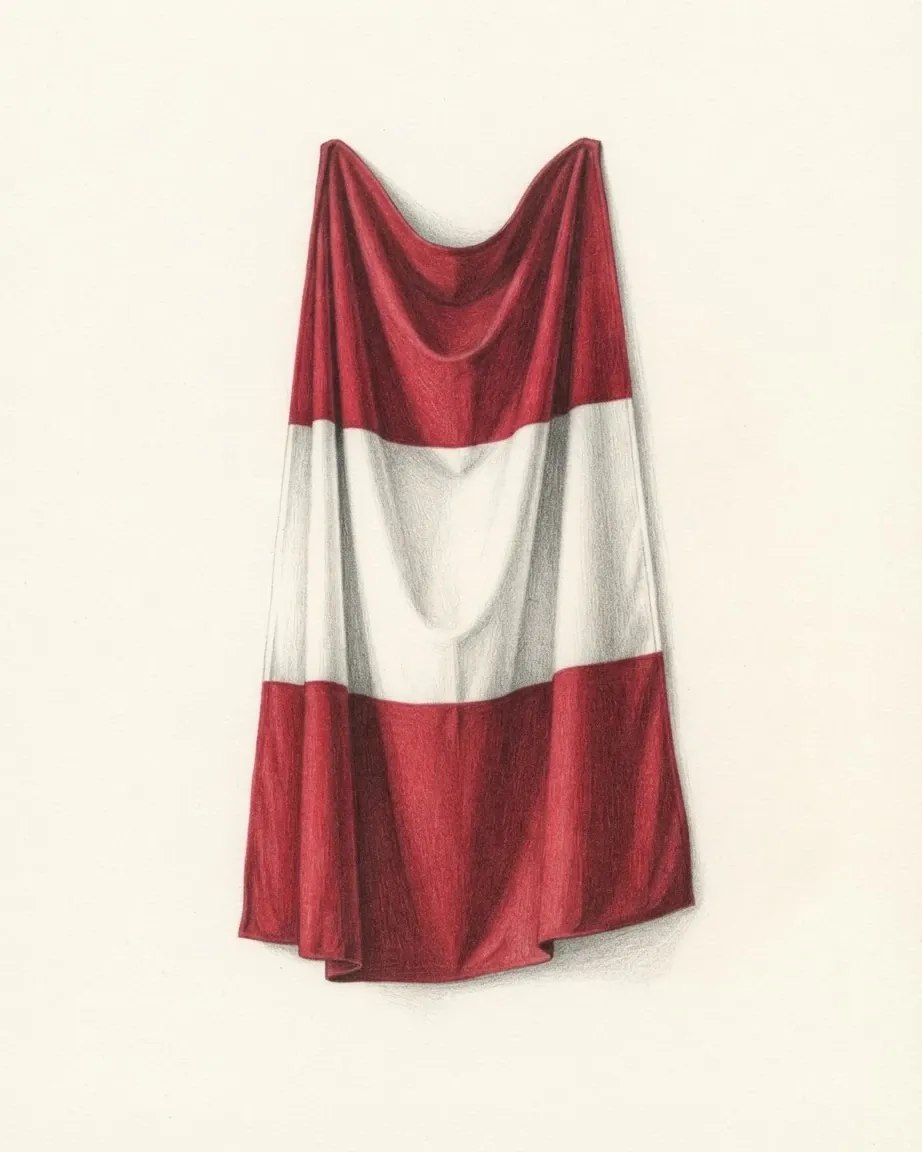
- Austria9 million people on 83,879 landlocked square kilometres with eight borders. A republic from 1918 in a capital built for an empire, neutral since 1955.
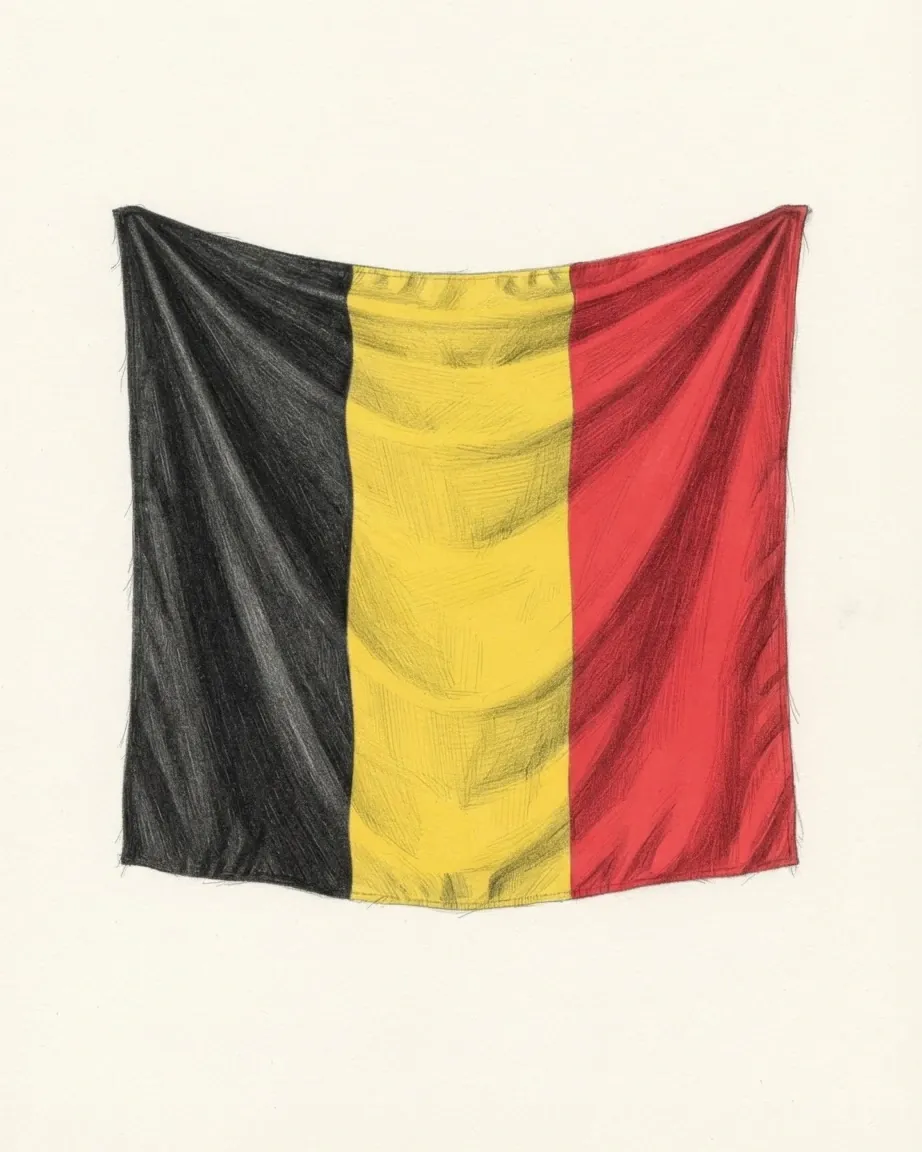
- Belgium11.8 million people on 30,688 square kilometres, three official languages and six governments. A federal structure built around a language border, and 16 heritage sites.
- BulgariaFounded by treaty in 681 and rebuilt by another in 1878, Bulgaria is a country of 6.4 million in the eastern Balkans, in the EU since 2007 and the euro since 2026.
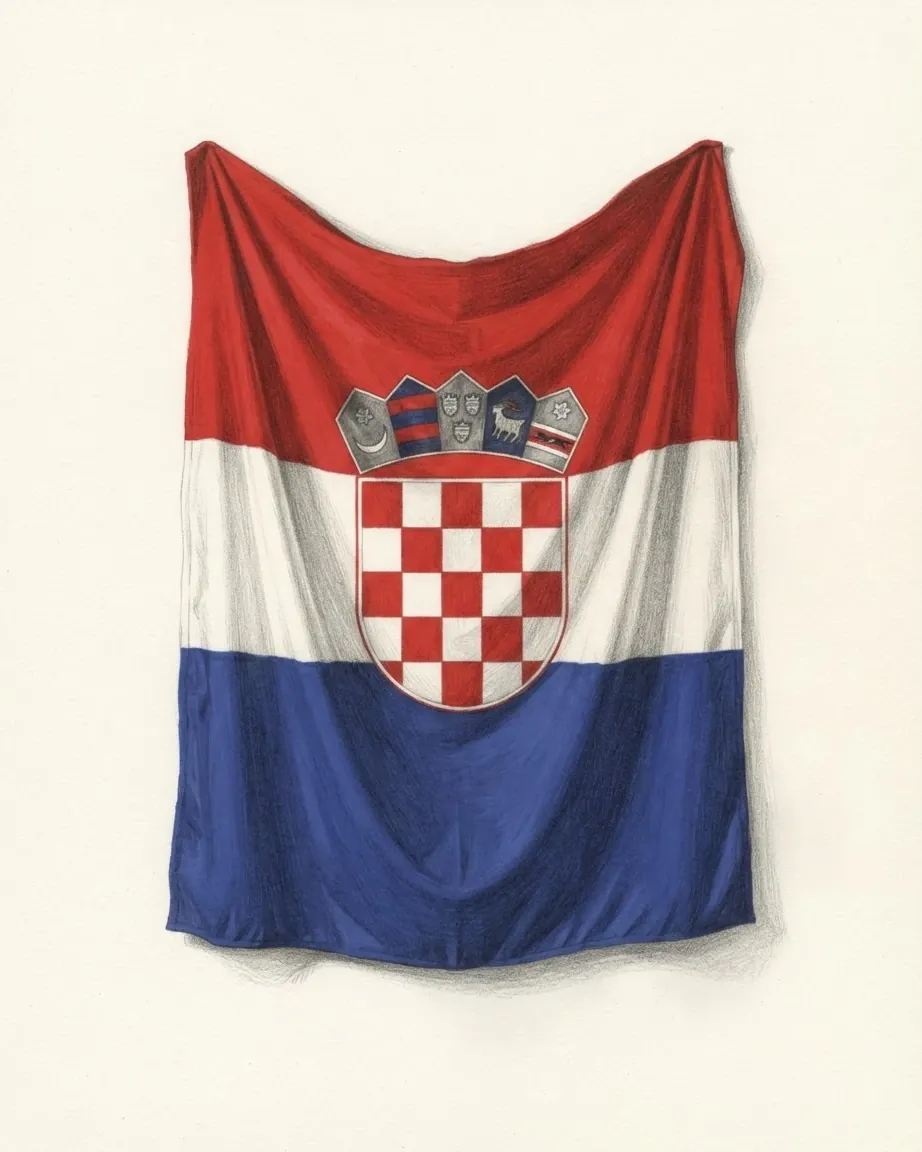
- CroatiaCroatia counted 3,871,833 residents in 2021, 9.64% fewer than in 2011, and registered 94.8 million tourist nights in 2025, 94.3% of them on the Adriatic.
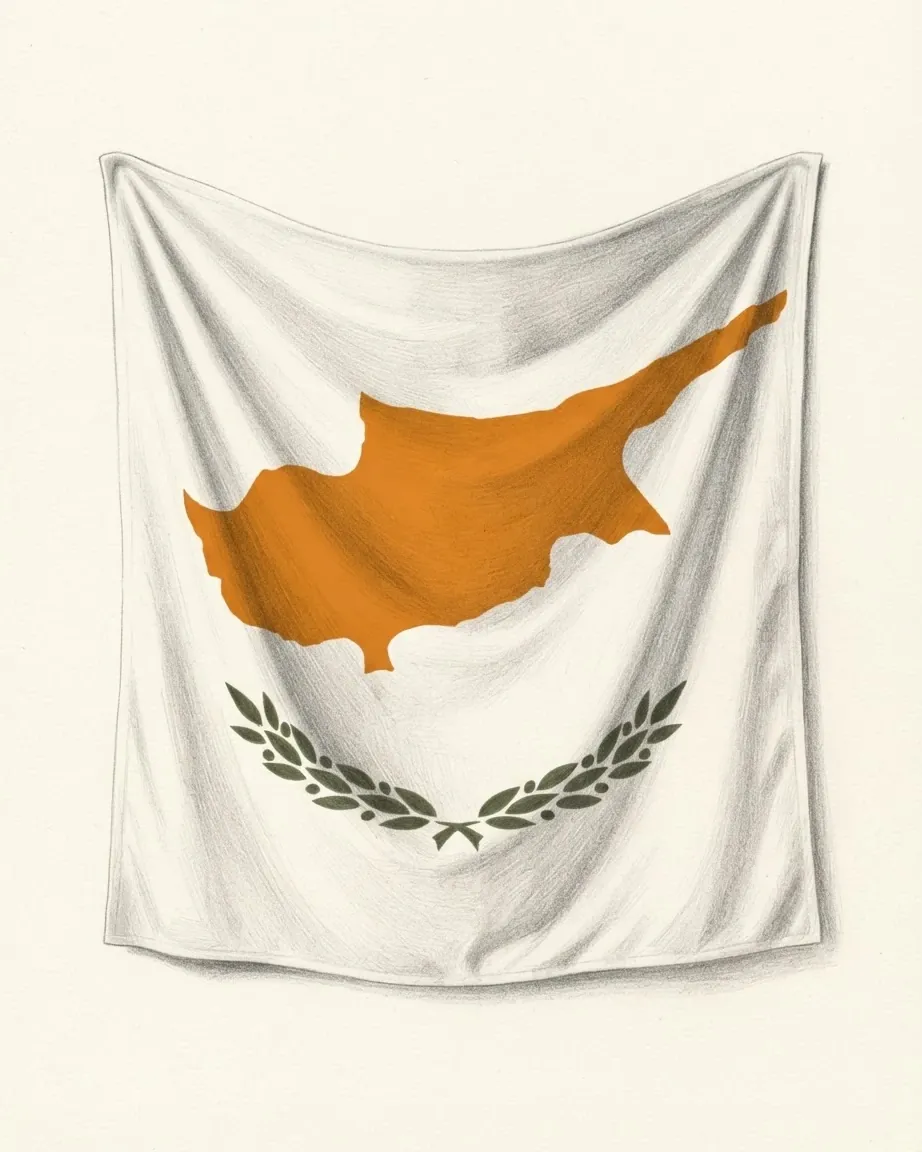
- CyprusCyprus has been independent since 16 August 1960 and in the European Union since 2004, and its government controls about 59% of an island administered in four pieces.
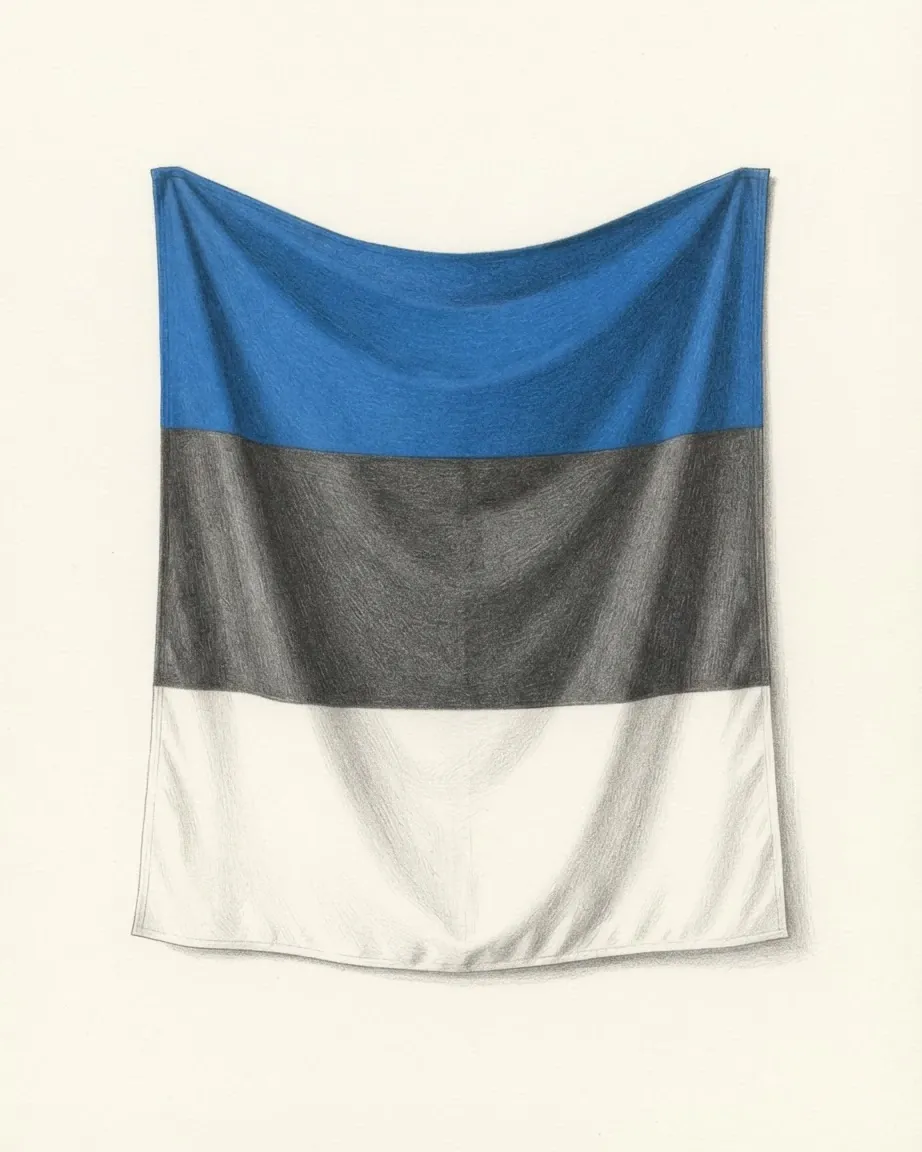
- EstoniaA Baltic republic of 1,369,995 people as of 1 January 2025 whose statehood survived occupation as a legal record, and whose voting and company registry now run the same way.
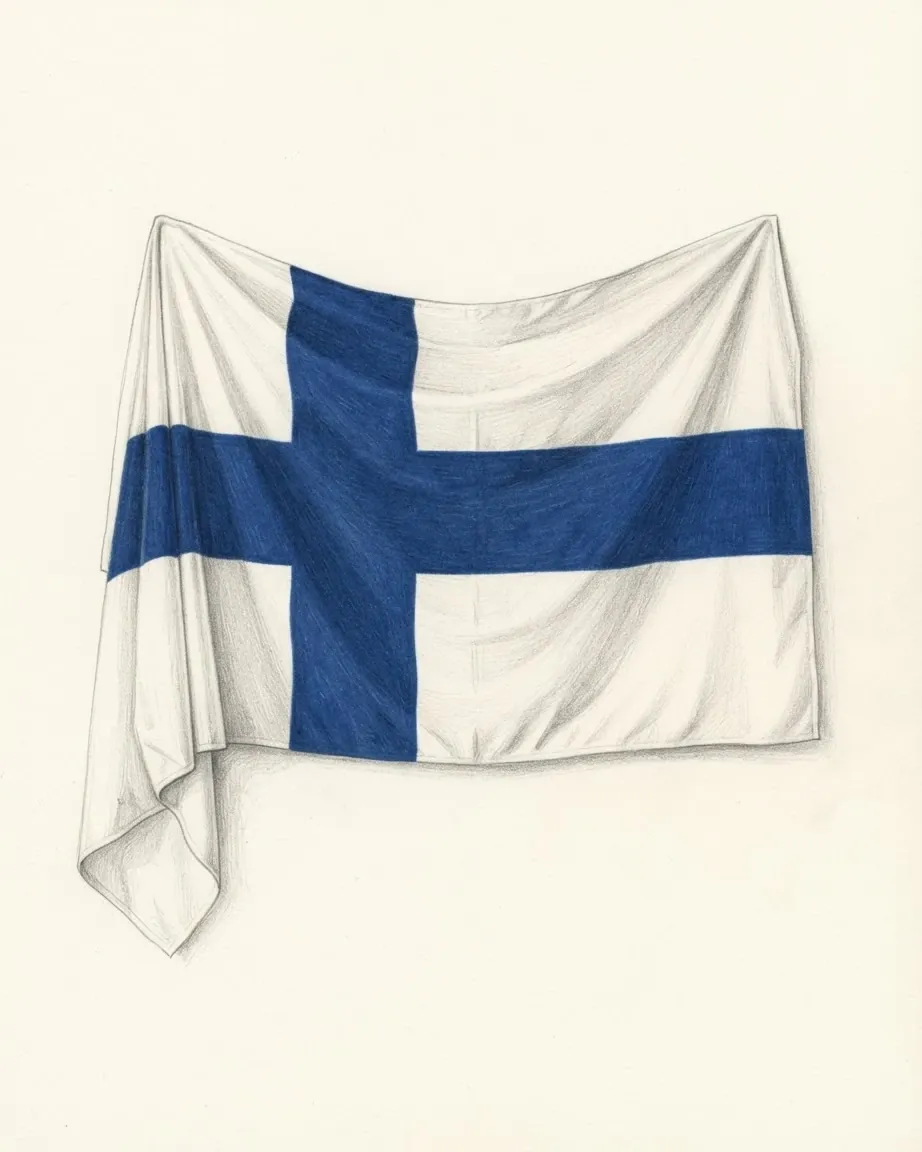
- Finland5.7 million people on 390,905 square kilometres of forest and lake. Independent since 1917, in the EU since 1995, and in NATO since April 2023.
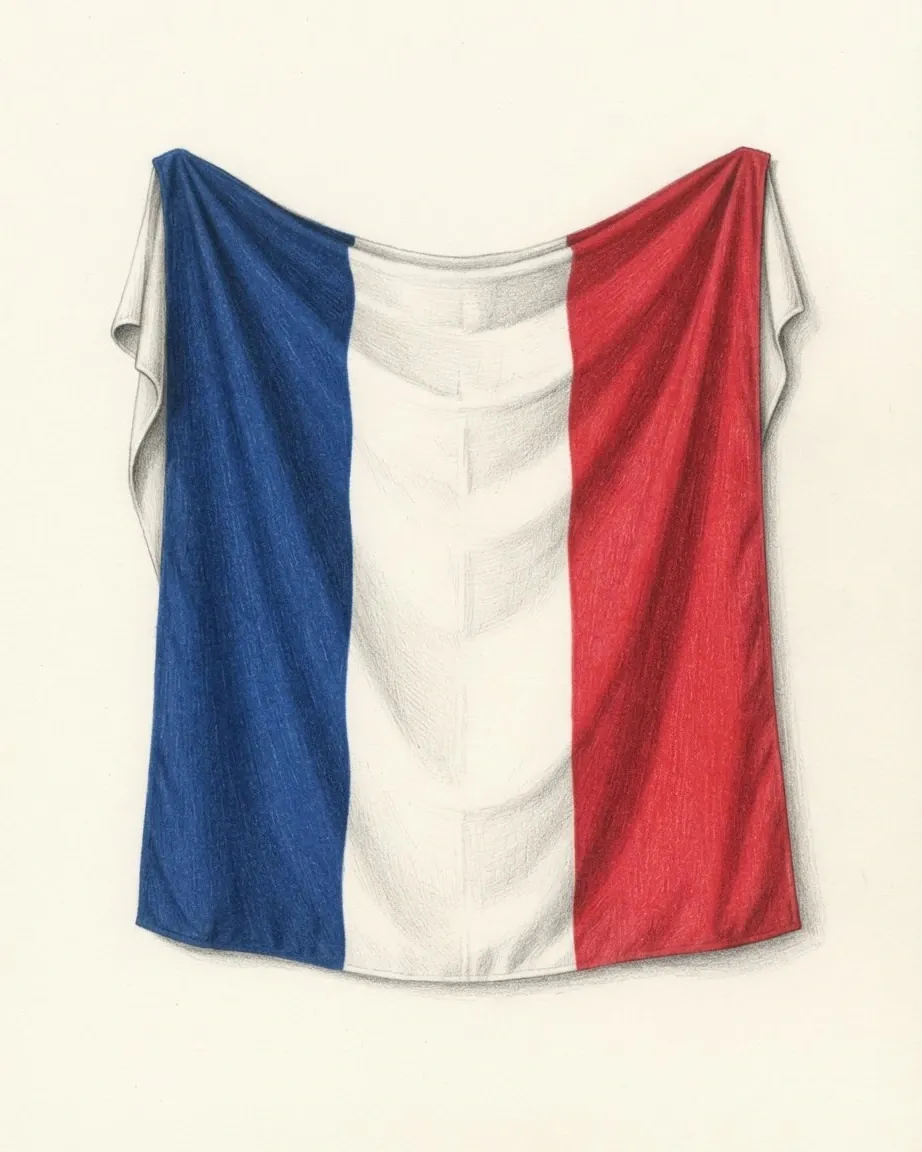
- France68.6 million people and 643,801 square kilometres across three oceans. Five republics since 1789, 56 nuclear reactors, and public debt at 115.5% of output.
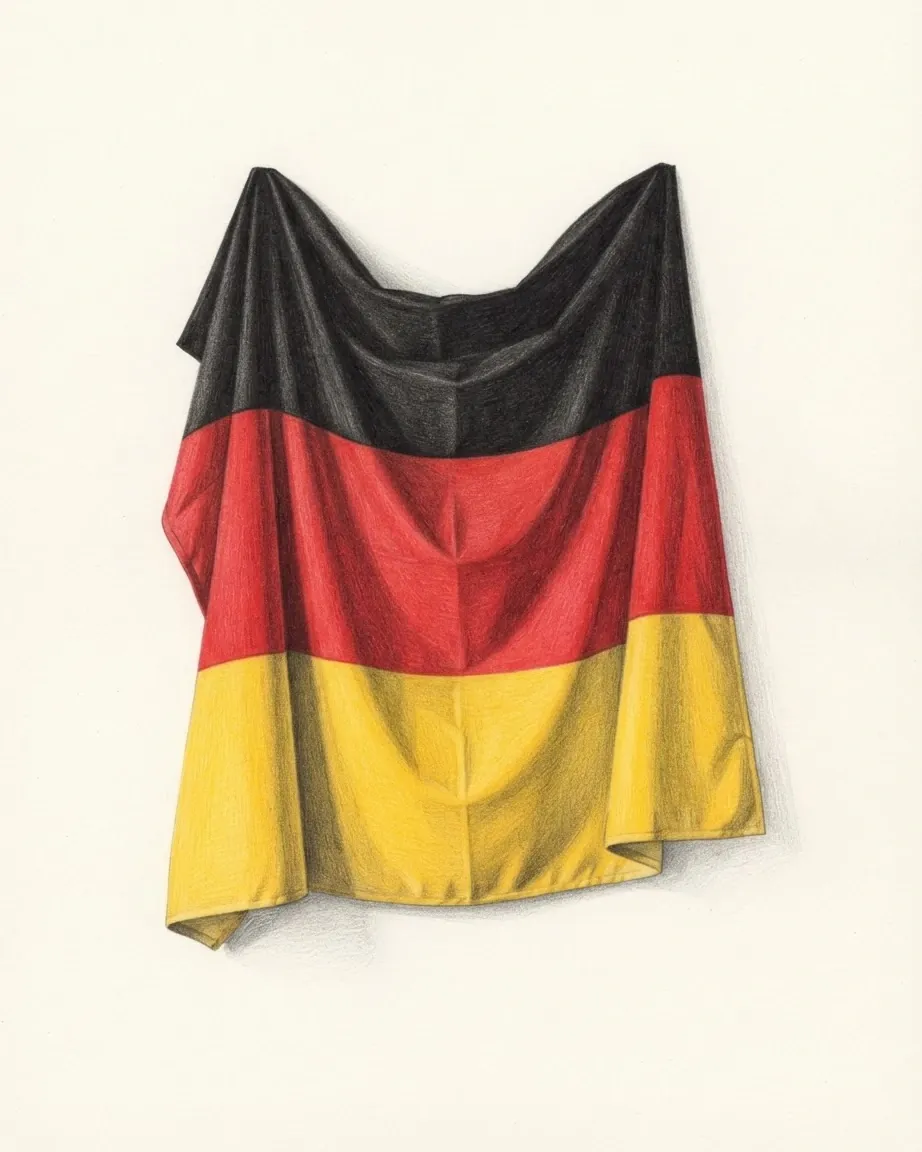
- Germany83.6 million people on 357,588 square kilometres with nine land borders. A constitution written to be temporary in 1949, and an export economy that grew 0.2% in 2025.
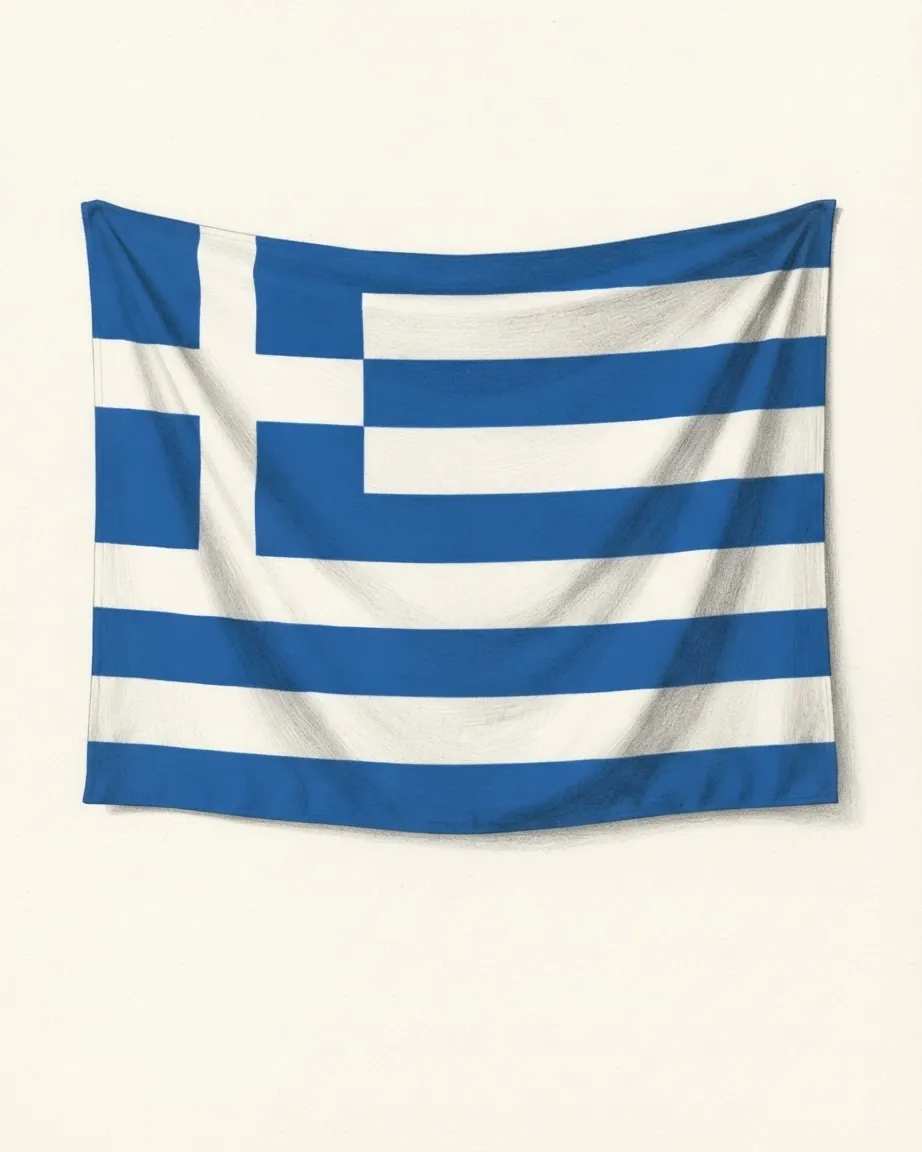
- Greece10.6 million people on 131,957 square kilometres of mountain and archipelago. A state founded in 1821, a constitution from 1975, and 21 World Heritage properties.
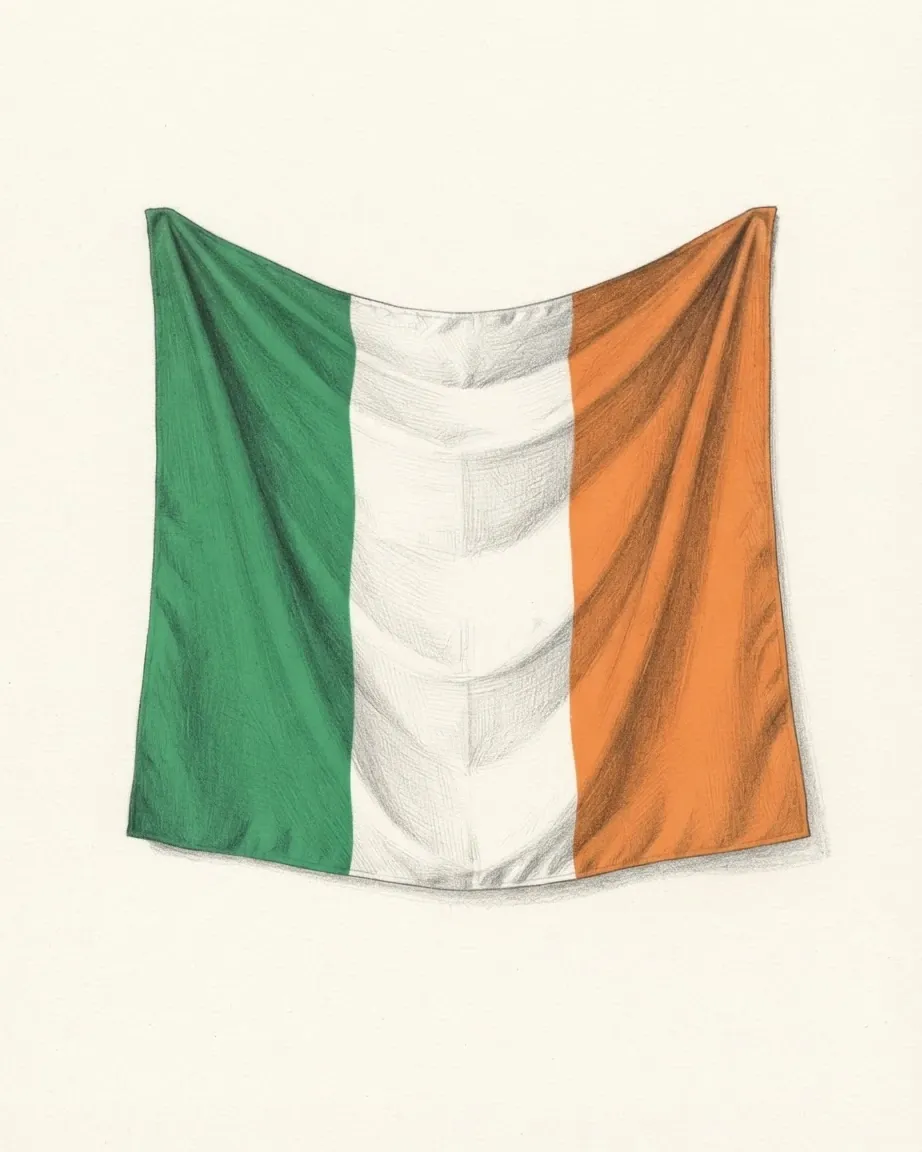
- Ireland5.1 million people on 69,797 square kilometres. A constitution changed only by referendum, and an economy whose own statisticians publish a second measure of its size.
- ItalyItaly holds about 58.9 million people, was proclaimed a single state on 17 March 1861 and became a republic in 1946. Its cities, regions and districts still do the work.
- LatviaLatvia holds 1,845,096 people as of 1 January 2026 on flat, wet ground on the Baltic, under a constitution of 1922 restored in 1991 after two rewritings of its population.
- LithuaniaThree ultimatums between 1938 and 1940 ended Lithuania's first republic. The state restored on 11 March 1990 has spent since then rearranging its connections westward.
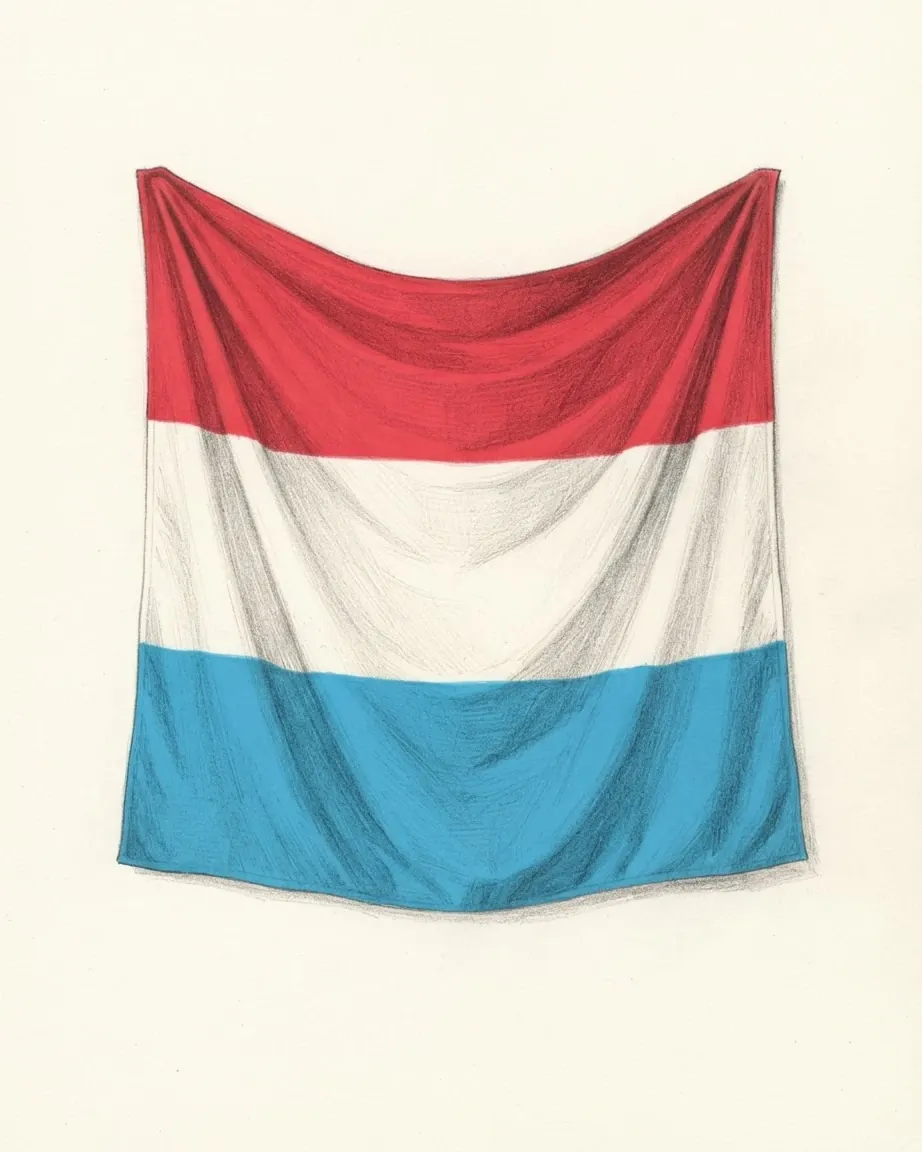
- Luxembourg681,973 residents in 2025, 47% of them foreign nationals, and 223,000 more crossing a border to work. A grand duchy of 2,586 square kilometres with three languages and 8.2 trillion euros of fund assets.
- Malta553,214 people on 316 square kilometres between Sicily and North Africa. A Semitic language in Latin script, Catholicism in Article 2 of the constitution, and a Westminster parliament.
- Netherlands17.9 million people on 42,201 km2, a fifth of it water and much of the rest below sea level. What the Dutch earn from, how they are governed and what there is to see.
- Portugal10.3 million people on 92,225 km2, a language spoken by 250 million, a border unchanged since the 13th century, and close to three foreign visitors a year for every resident.
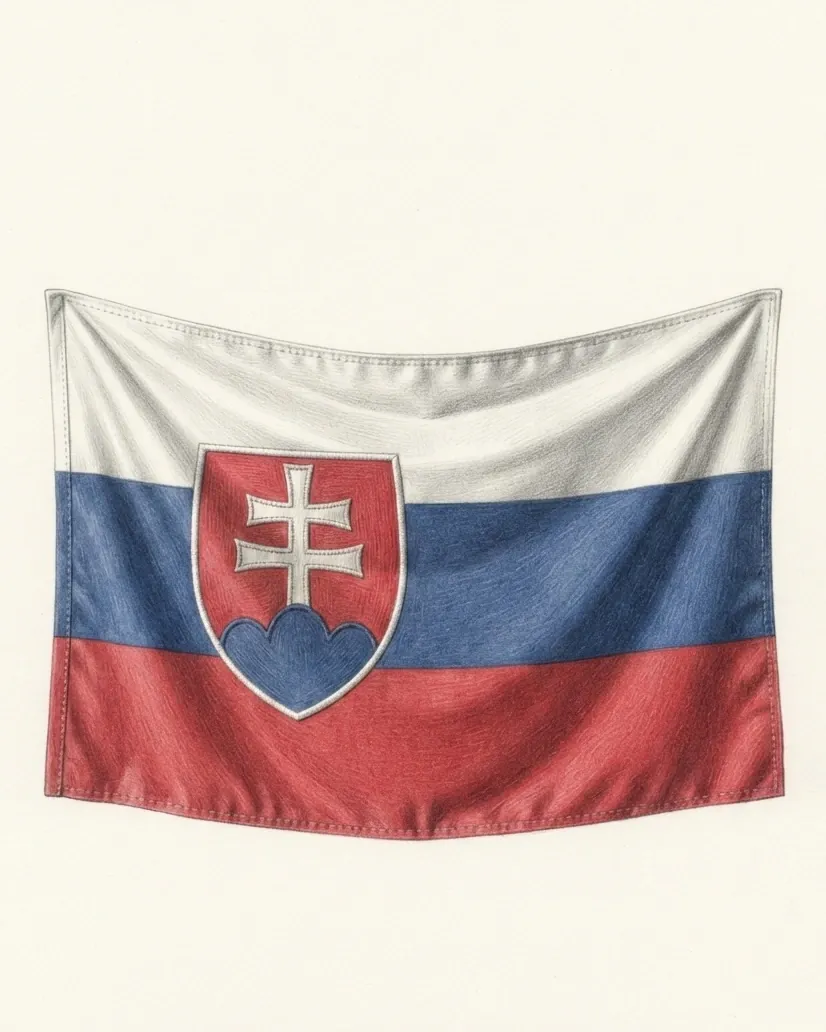
- SlovakiaA landlocked Central European country of five and a half million, independent since 1993, whose four car plants built 1,040,000 vehicles in 2016.
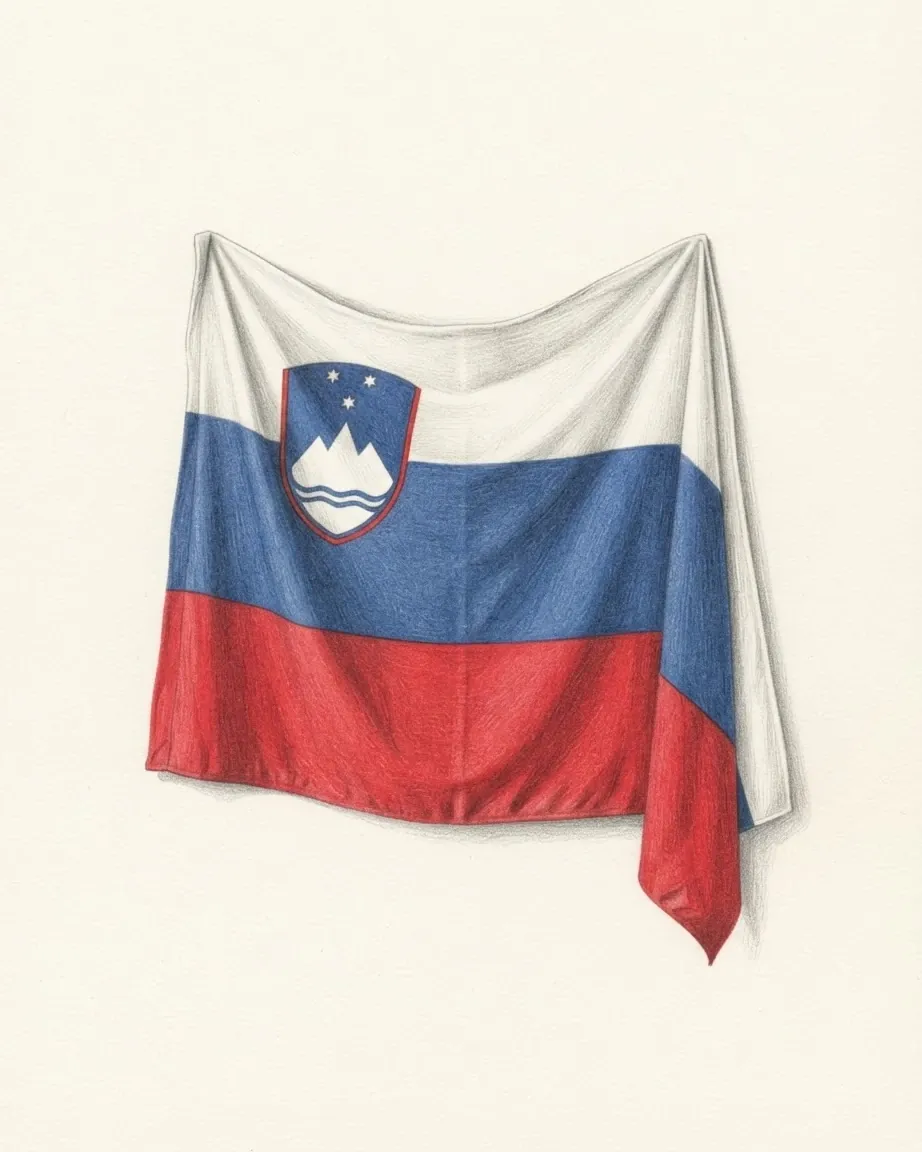
- SloveniaA Central European country of 2,133,852 people as of October 2025, independent since 1991, with borders drawn by other people's treaties and a state its voters authorised.
- Spain48.6 million people on 505,990 km2, five official languages, seventeen governments and 97 million visitors a year. What Spain is, how it is run and what is worth seeing.
Common questions
Questions about Eurozone
Which countries use the euro?
The 21 European Union member countries whose currency is the euro, from the first group of eleven whose conversion rates were fixed on 31 December 1998 to Bulgaria, which entered on 1 January 2026. Greece followed the first group on 1 January 2001, Slovenia in 2007, Cyprus and Malta in 2008, Slovakia in 2009, Estonia in 2011, Latvia in 2014, Lithuania in 2015 and Croatia in 2023. The euro also circulates in several countries outside the Union, which are not counted here.
Why are Monaco, San Marino, Andorra and Vatican City not counted as members?
Because they are not member countries of the European Union, and the group is defined as those of its members whose currency is the euro. All four issue euro coins under monetary agreements concluded with the Union, so their coins are legal tender across the currency area, but none of them holds a seat on the Governing Council of the European Central Bank or a place in the Eurogroup. Montenegro and Kosovo use the euro without any agreement at all.
What does a country have to do to adopt the euro?
Meet the four tests in Protocol No 13 and be found to have met them. Inflation must stay within one and a half percentage points of the reference group in the year before the examination, the long-term interest rate within two points of it, there must be no Council decision that an excessive deficit exists, and the currency must have held its central rate in the exchange rate mechanism for at least two years without a devaluation on the country's own initiative. The Commission and the European Central Bank report on this at least every two years, and the Council decides.
Can a country leave the euro?
No procedure exists. Article 140 of the Treaty on the Functioning of the European Union describes how a derogation is abrogated so that a country adopts the euro, and it provides nothing for the reverse case. Nor does any other article set out how a member would resume a national currency while staying in the Union. What the treaties do describe, in Article 50 of the Treaty on European Union, is leaving the Union itself.
When did Bulgaria adopt the euro, and at what rate?
On 1 January 2026, at 1.95583 leva to the euro, which is the rate the lev had been held at since the peg was carried over from the German mark. Prices had to be displayed in both currencies from 8 August 2025 until 8 August 2026, and the prices of 101 frequently purchased products were monitored daily through the changeover and published.
Sources
- Council Regulation (EC) No 2866/98 of 31 December 1998 on the conversion rates between the euro and the currencies of the Member States adopting the euro · EUR-Lex. The eleven irrevocably fixed rates, and the confirmation of 3 May 1998 by the Council meeting as heads of state or government.
- Council Regulation (EC) No 1478/2000 of 19 June 2000 amending Regulation (EC) No 2866/98 · EUR-Lex. The Greek drachma inserted at 340.750 with effect from 1 January 2001, and the earlier decision that Greece did not qualify.
- Protocol (No 13) on the convergence criteria · EUR-Lex, consolidated treaties. The four tests, including the wording on price stability quoted here.
- Protocol (No 12) on the excessive deficit procedure · EUR-Lex, consolidated treaties. The reference values the budgetary criterion is measured against.
- Protocol (No 14) on the Euro Group · EUR-Lex, consolidated treaties. Informal meetings, the Commission taking part, the central bank invited, and a president elected for two and a half years.
- Protocol (No 16) on certain provisions relating to Denmark · EUR-Lex, consolidated treaties. The Danish exemption from adopting the euro.
- EU countries and the euro · European Commission, Directorate-General for Economic and Financial Affairs. Adoption dates for every member, the Danish opt-out, and the formula used for the countries outside.
- Bulgaria and the euro · European Commission. Entry on 1 January 2026 at 1.95583 leva, dual price display from 8 August 2025 to 8 August 2026, and the 101 monitored products.
- Rotation of voting rights in the Governing Council · European Central Bank. The monthly calendar, the two groups of governors, and the fifteen rotating votes beside the Executive Board.
- Convergence reports · European Central Bank. The examinations required at least every two years under Article 140, including the assessment of Lithuania in 2007.
- The Single Supervisory Mechanism · ECB Banking Supervision. Supervision of significant banks from 4 November 2014, and the three pillars of the banking union with the deposit insurance scheme outstanding.
- Treaty Establishing the European Stability Mechanism · European Stability Mechanism. Signature on 2 February 2012, the seat in Luxembourg, and accession by countries as they adopt the euro.
- Digital euro · European Central Bank. The Governing Council decision of October 2025 to move to the next phase, and the draft scheme rulebook of July 2026.