Three Seas Initiative
Regional · Three Seas
Eighty-five millimetres separate the two railway gauges in use across the membership. The conventional network in Estonia, Latvia and Lithuania is laid at 1,520 millimetres, and Rail Baltica is being built north to Tallinn at the 1,435 millimetre European standard. Each member is a European Union state lying between the Adriatic, the Baltic and the Black Sea. Five of them touch none of the three.
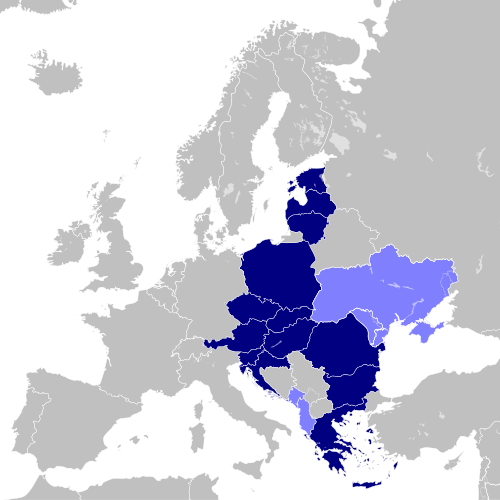
13 countries
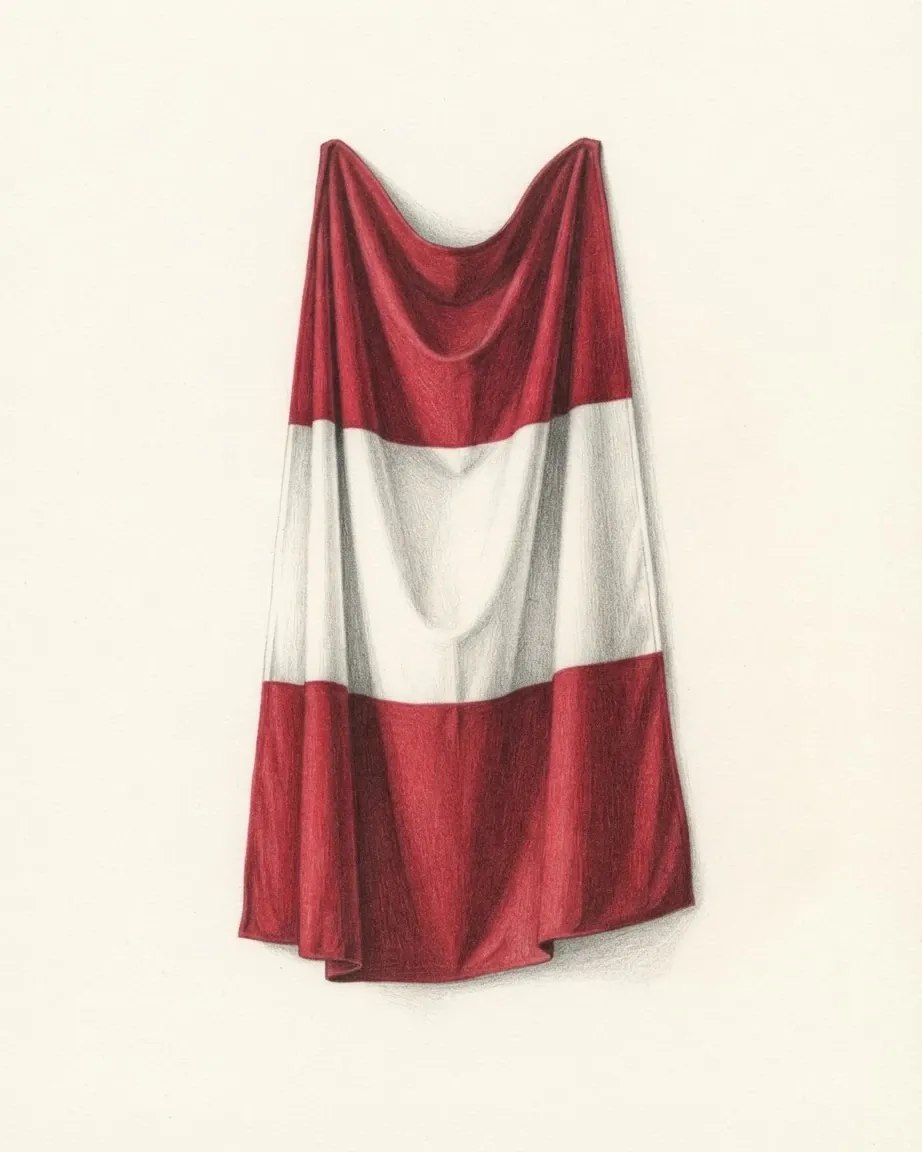
- Austria9 million people on 83,879 landlocked square kilometres with eight borders. A republic from 1918 in a capital built for an empire, neutral since 1955.
- BulgariaFounded by treaty in 681 and rebuilt by another in 1878, Bulgaria is a country of 6.4 million in the eastern Balkans, in the EU since 2007 and the euro since 2026.
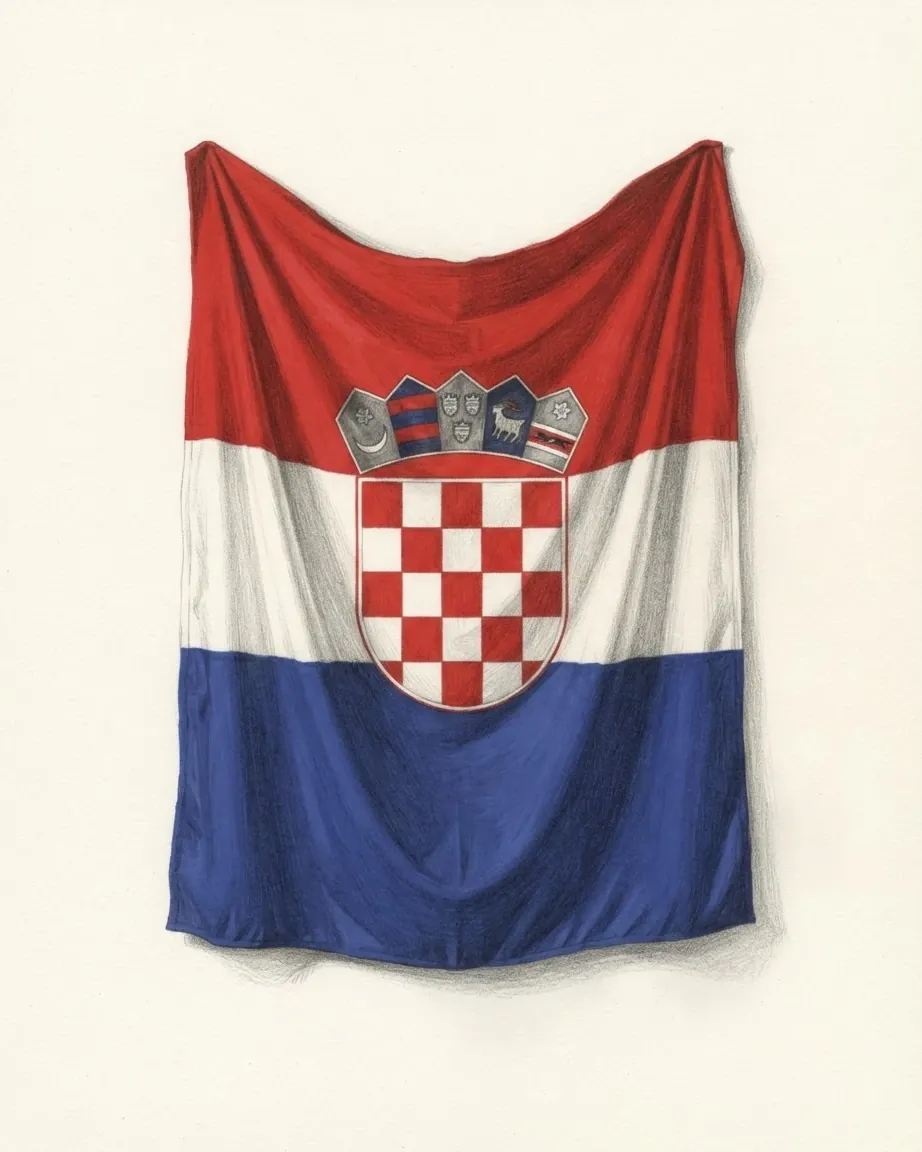
- CroatiaCroatia counted 3,871,833 residents in 2021, 9.64% fewer than in 2011, and registered 94.8 million tourist nights in 2025, 94.3% of them on the Adriatic.
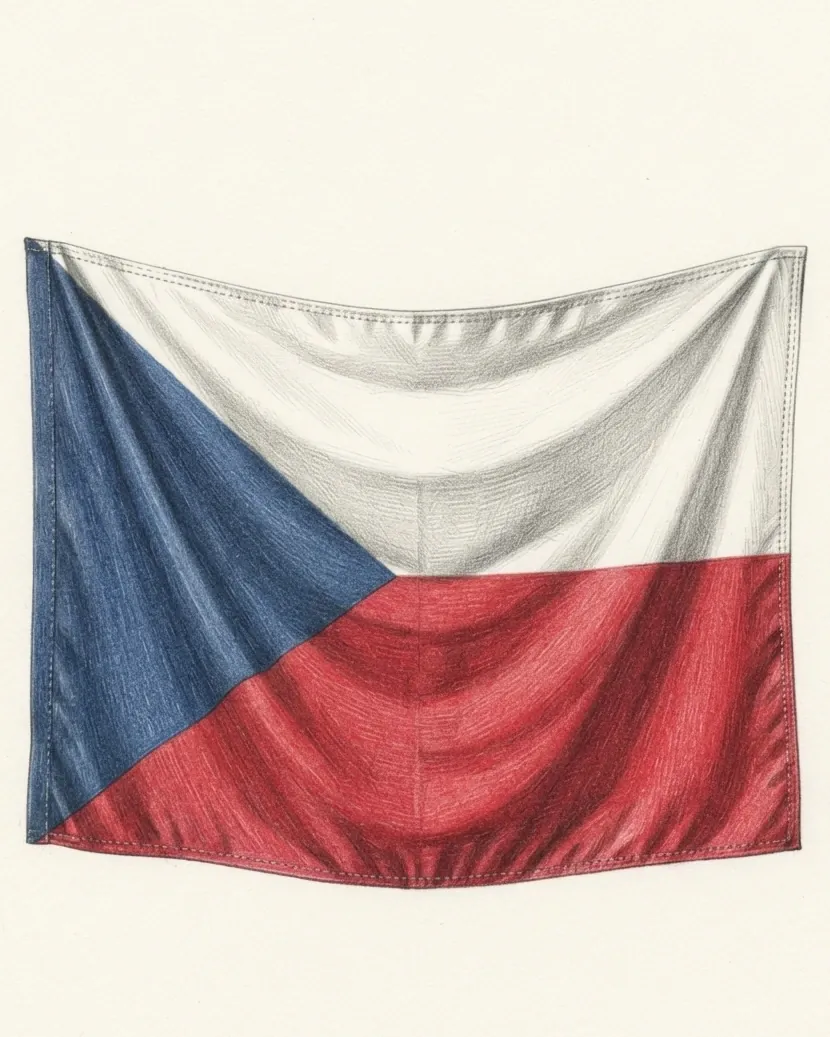
- Czechia10.9 million people on 78,871 landlocked square kilometres. A state created by negotiation in 1993, an industrial economy tied to Germany, and 17 World Heritage properties.
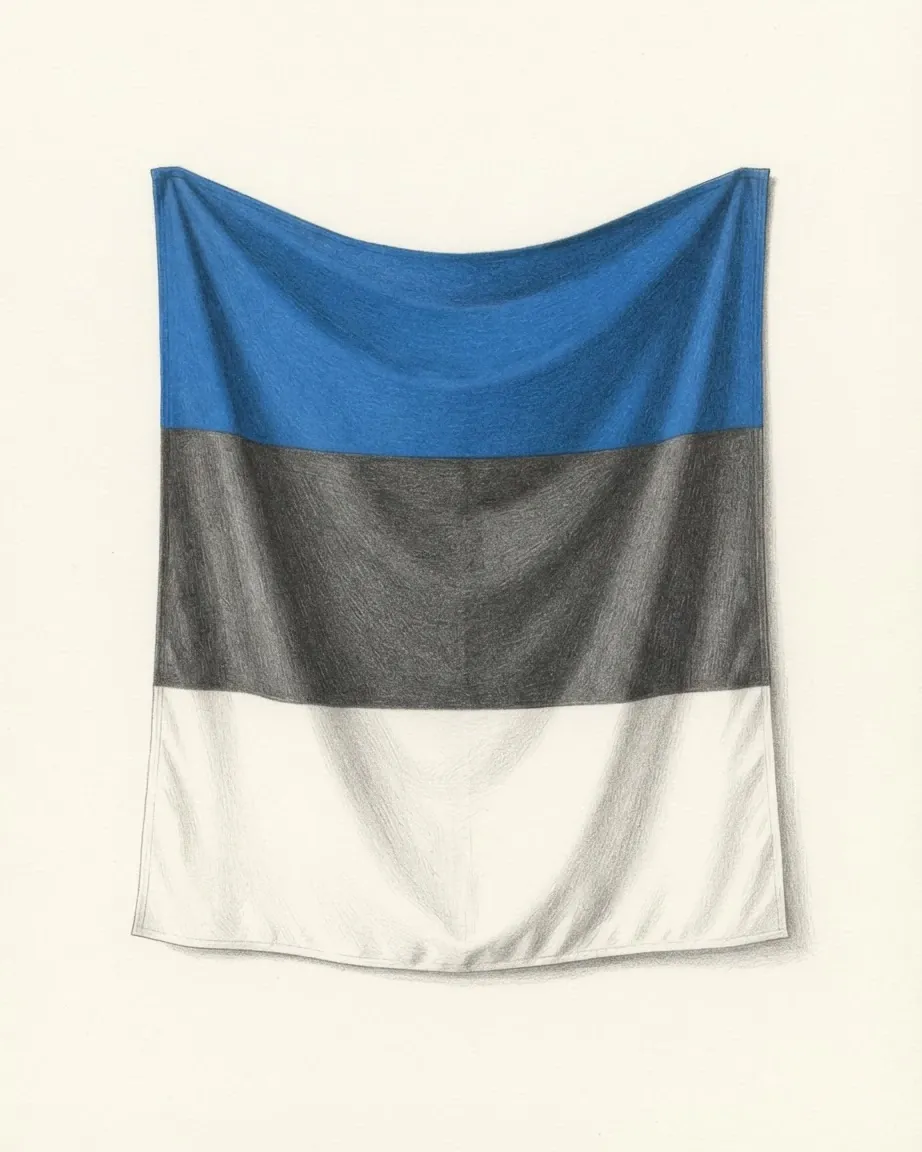
- EstoniaA Baltic republic of 1,369,995 people as of 1 January 2025 whose statehood survived occupation as a legal record, and whose voting and company registry now run the same way.
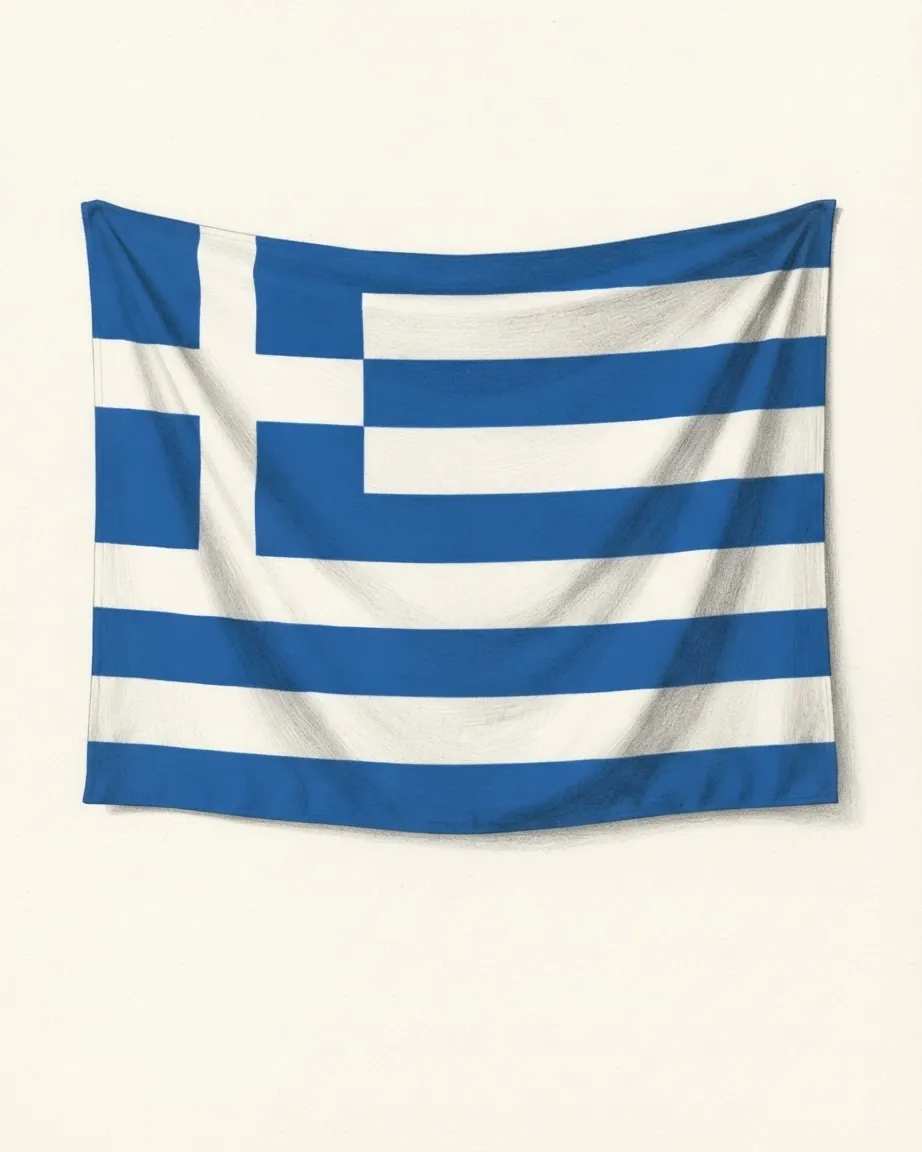
- Greece10.6 million people on 131,957 square kilometres of mountain and archipelago. A state founded in 1821, a constitution from 1975, and 21 World Heritage properties.
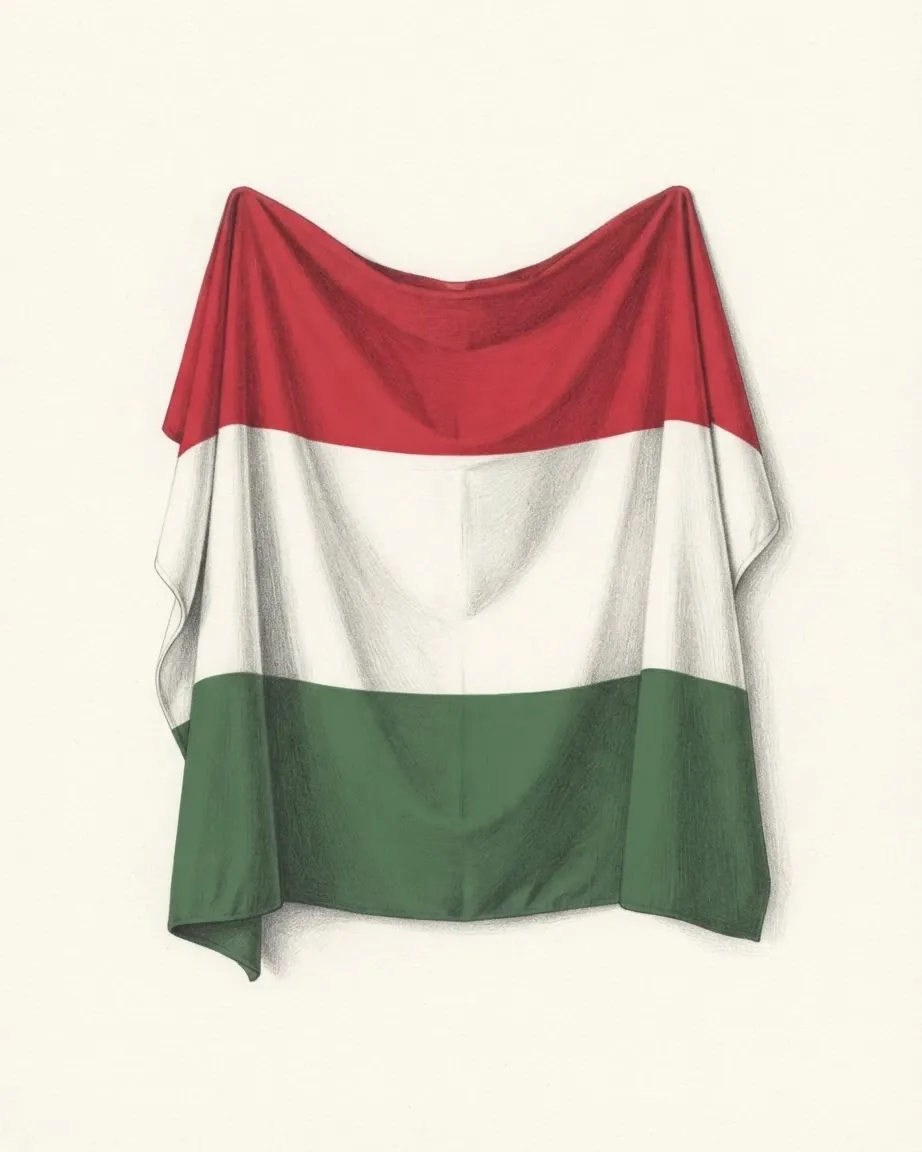
- Hungary9.5 million people on 93,030 landlocked square kilometres with seven neighbours. A treaty in 1920 took 72% of the territory, and the question has never closed.
- LatviaLatvia holds 1,845,096 people as of 1 January 2026 on flat, wet ground on the Baltic, under a constitution of 1922 restored in 1991 after two rewritings of its population.
- LithuaniaThree ultimatums between 1938 and 1940 ended Lithuania's first republic. The state restored on 11 March 1990 has spent since then rearranging its connections westward.
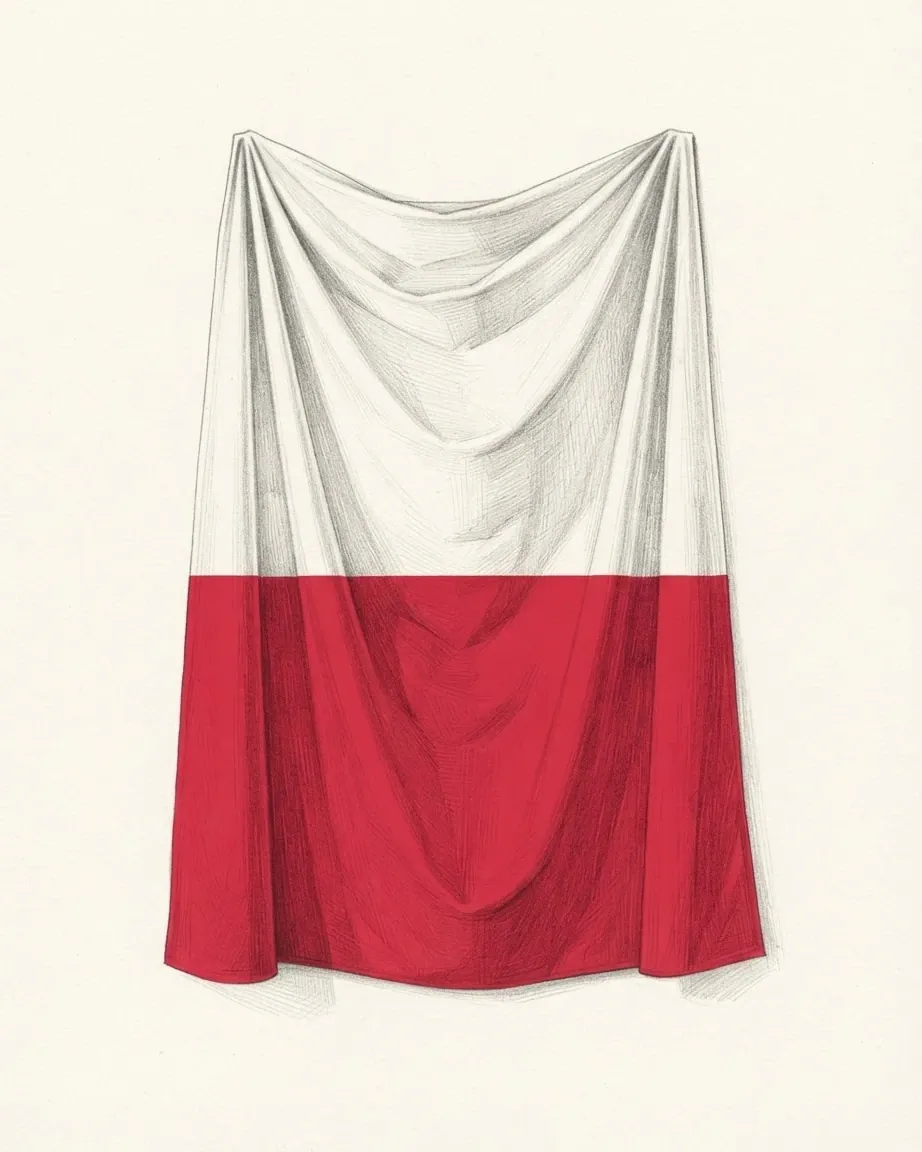
- Poland37.5 million people between the Baltic and the Carpathians. A state that vanished for 123 years, moved west after 1945, and now runs the EU's most coal-dependent grid.
- RomaniaA country of 19 million on the lower Danube, made in 1859 out of a gap in a treaty, enlarged in 1918, cut apart in 1940, and in the European Union since 2007.
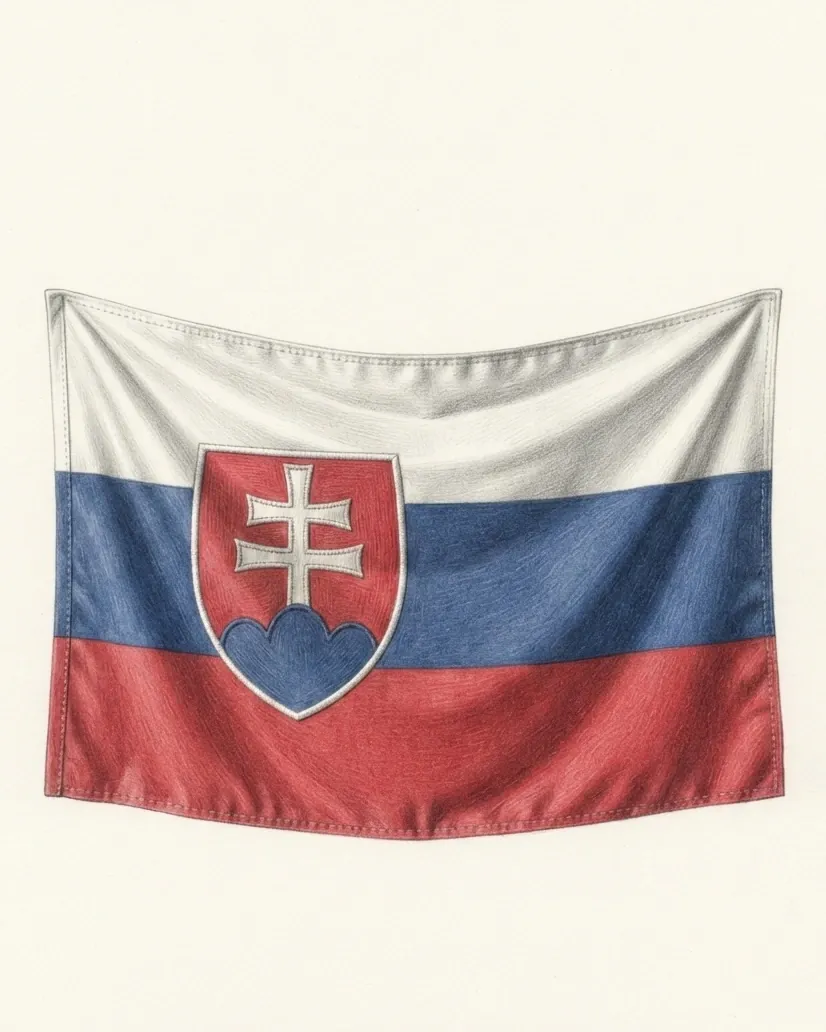
- SlovakiaA landlocked Central European country of five and a half million, independent since 1993, whose four car plants built 1,040,000 vehicles in 2016.
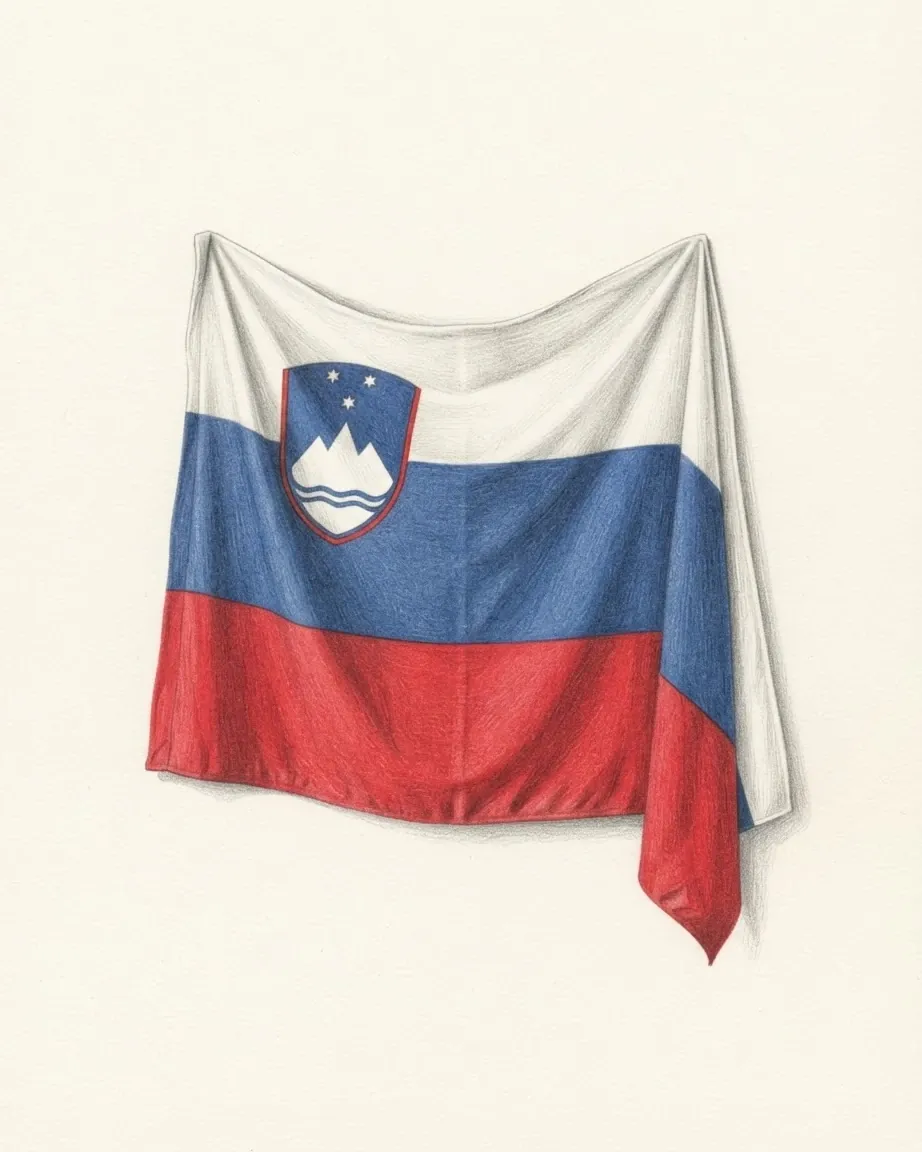
- SloveniaA Central European country of 2,133,852 people as of October 2025, independent since 1991, with borders drawn by other people's treaties and a state its voters authorised.
Common questions
Questions about Three Seas
Which countries are in the Three Seas Initiative?
Austria, Bulgaria, Croatia, Czechia, Estonia, Greece, Hungary, Latvia, Lithuania, Poland, Romania, Slovakia and Slovenia. Twelve of them were there for the first summit at Dubrovnik on 25 and 26 August 2016, and Greece was admitted at the summit held in Bucharest in 2023. Ukraine, Moldova, Albania and Montenegro take part as associated partner countries and are not counted as participating states.
Is the Three Seas Initiative an organisation?
It calls itself a platform. There is no founding treaty, no secretariat and no permanent seat, and the summit is convened and hosted by one of the members in turn. The one standing institution is the Three Seas Initiative Investment Fund, registered on 29 May 2019, and it is a commercial vehicle with a subset of the members behind it rather than a body of the initiative as a whole.
Why is Greece in a group named for the Adriatic, the Baltic and the Black Sea?
Because the criterion is a position between those seas and membership of the European Union, not a coastline on any of them. Greece has a coast on the Ionian, the Aegean and the Mediterranean and none on the three in the name, and Austria, Czechia, Hungary and Slovakia have no coast at all. Greece was admitted at the Bucharest summit of 2023.
Why are Germany and Italy not members?
Both are European Union states, Germany with a Baltic coast and Italy with an Adriatic one, so both would answer the criterion as it is written. Both instead hold strategic partner status, Italy from April 2026, alongside the United States, Japan, Spain, Türkiye and the European Commission. The initiative publishes no accession procedure, and the roster has moved once since 2016.
What does the Three Seas Initiative Investment Fund do?
It invests in national infrastructure projects in energy, transport and digital communications across the region, and it was registered on 29 May 2019. Its contributing states, as published by Latvia's foreign ministry, are Poland, Romania, Estonia, Latvia, Hungary, Bulgaria, Lithuania, Croatia and Slovenia. The United States International Development Finance Corporation committed 300 million dollars to it. Austria, Czechia, Greece and Slovakia are members of the initiative without contributing.
What is Rail Baltica, and why does it come up here?
It is a new electrically powered railway of 870 kilometres running north from the Polish border to Tallinn, built at the 1,435 millimetre European standard gauge rather than the 1,520 millimetres of the existing Baltic network. The European Court of Auditors called it a missing link in the North Sea Baltic corridor in 2020. It is the clearest physical statement of the north to south gap the initiative was formed around.
Sources
- Three Seas Initiative · Ministry of Foreign Affairs of the Republic of Latvia. The description of the initiative as an economic cooperation platform established in 2016, the membership criterion, the strategic partners including Italy from April 2026, the associated partner countries, the summit list, and the contributing states of the investment fund.
- Special report 10/2020: EU transport infrastructures · European Court of Auditors. Annex I on Rail Baltica: the 1,435 millimetre standard gauge against 1,520 millimetres on the conventional Baltic network, 870 kilometres of new electrified line, design speeds of 249 and 120 kilometres an hour, and the cost estimate of 7 billion euro in 2019 values against 5.8 billion stated officially.
- Special report 10/2020 publication page · European Court of Auditors. The report's own landing page, with its publication date and language versions.
- Rail Baltica · RB Rail AS. The joint venture of the Estonian, Latvian and Lithuanian project promoters, and the project's own account of the route and its standard gauge.
- Trans-European Transport Network (TEN-T) · European Commission, Directorate-General for Mobility and Transport. The corridor framework the North Sea Baltic corridor belongs to.
- EU countries · European Union. The accession dates used here, from Greece on 1 January 1981 to Croatia on 1 July 2013.
- NATO member countries · North Atlantic Treaty Organization. The list of members and their accession dates, on which Austria does not appear.
- Three Seas Initiative · The launch in 2015 by the presidents of Poland and Croatia, the first summit at Dubrovnik on 25 and 26 August 2016, the admission of Greece at the Bucharest summit of 2023, and the sequence of summit host cities.