European Economic Area
Economic · EEA
Area is the English for a word seven of the thirteen authentic texts still give as space: espace in French, Spazio in Italian, Raum in German. Jacques Delors put a European Economic Space to the European Parliament on 17 January 1989. The agreement signed at Porto on 2 May 1992 puts the single market into force in states outside the Union, and takes the Union's rules with it.
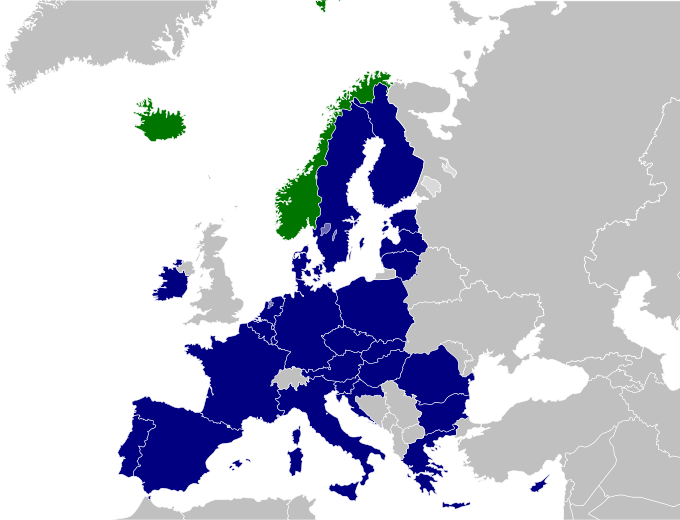
12 countries
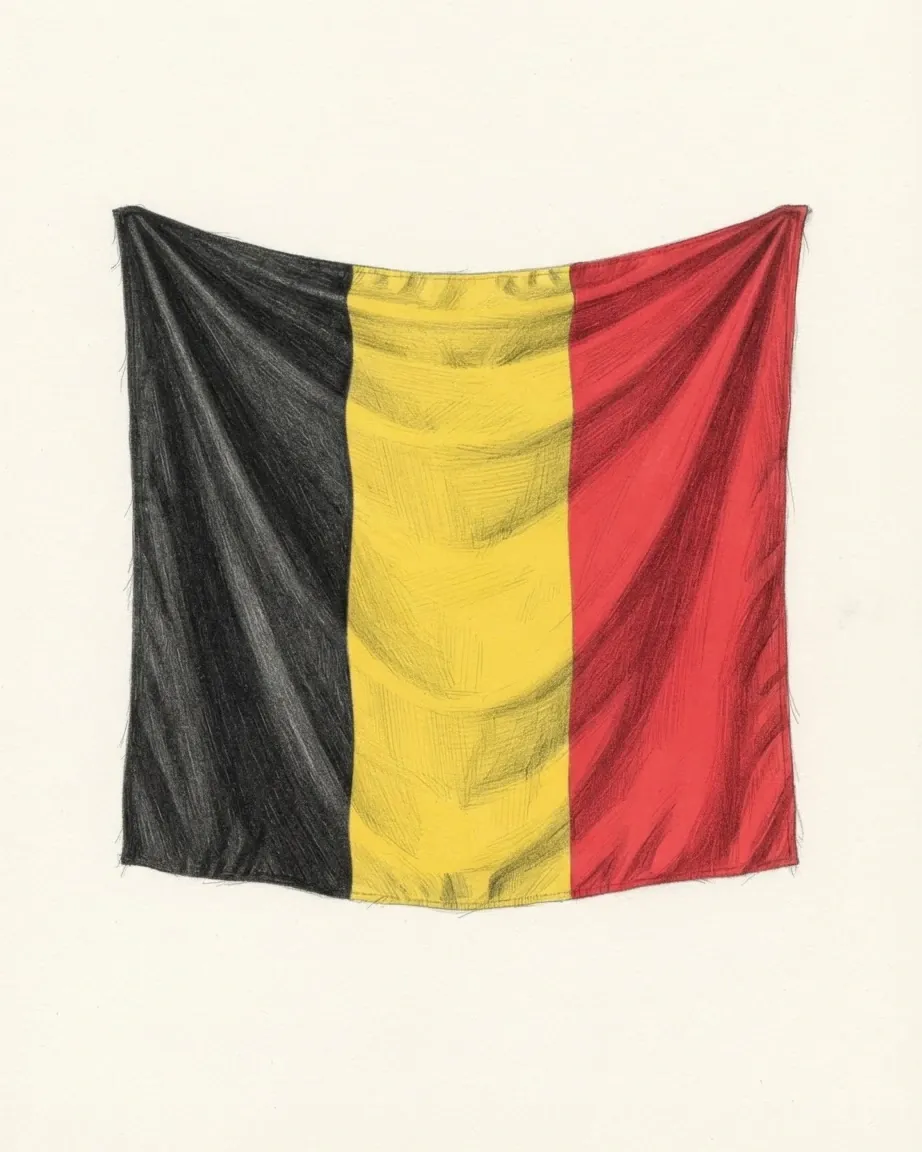
- Belgium11.8 million people on 30,688 square kilometres, three official languages and six governments. A federal structure built around a language border, and 16 heritage sites.
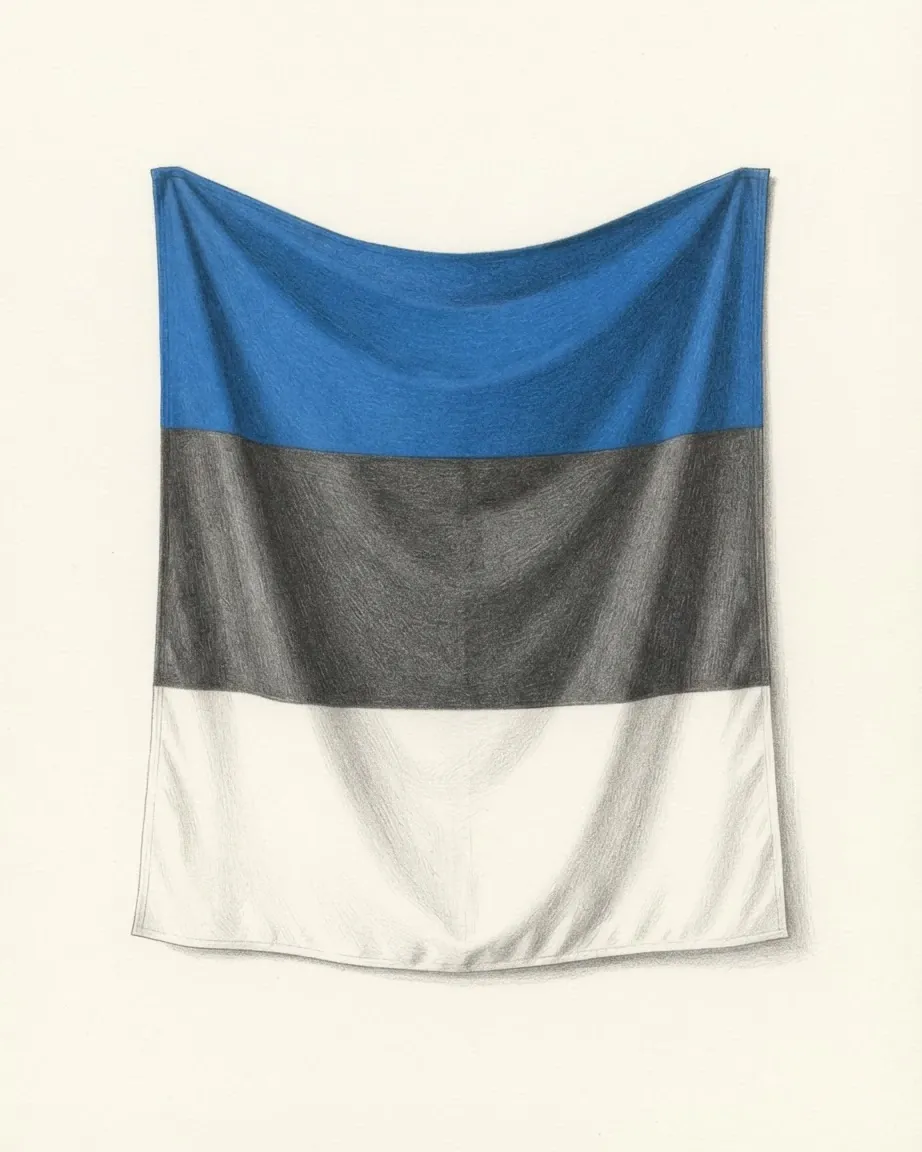
- EstoniaA Baltic republic of 1,369,995 people as of 1 January 2025 whose statehood survived occupation as a legal record, and whose voting and company registry now run the same way.
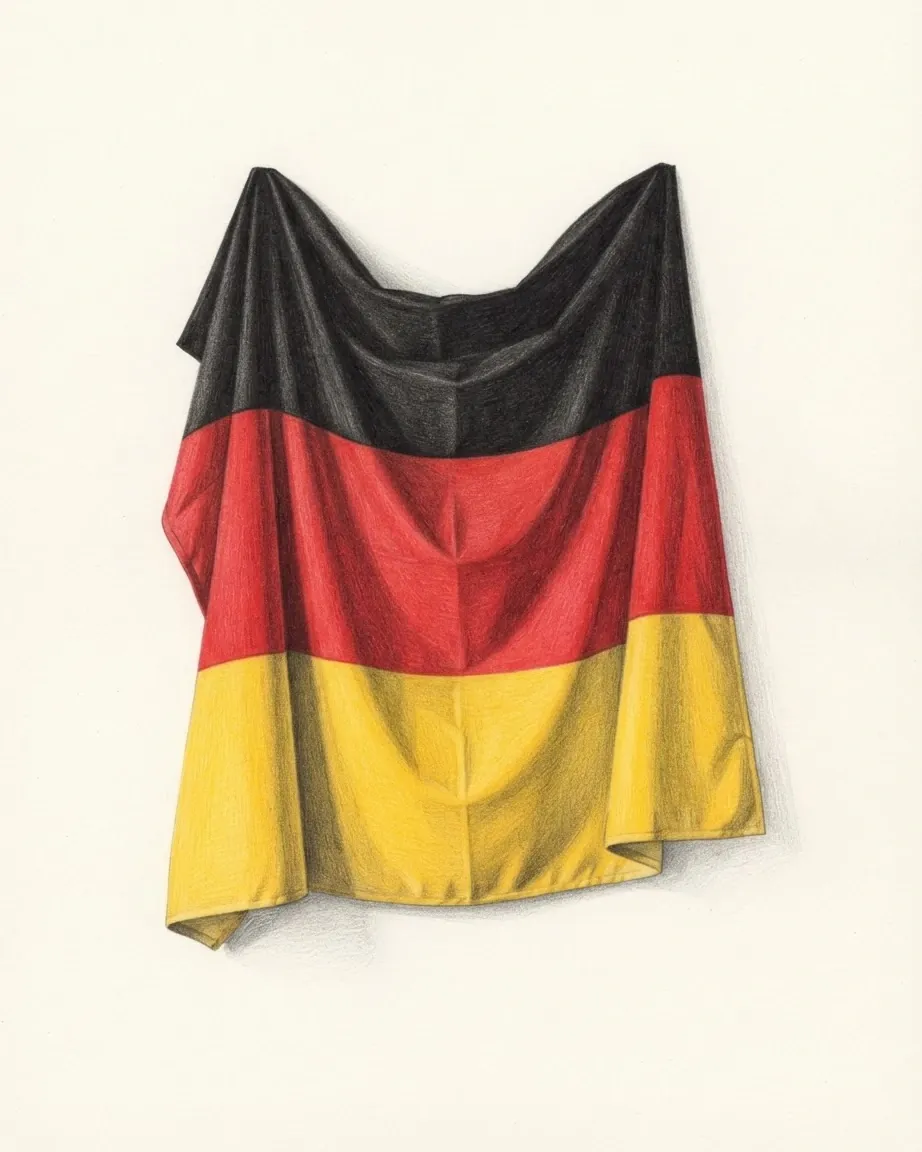
- Germany83.6 million people on 357,588 square kilometres with nine land borders. A constitution written to be temporary in 1949, and an export economy that grew 0.2% in 2025.
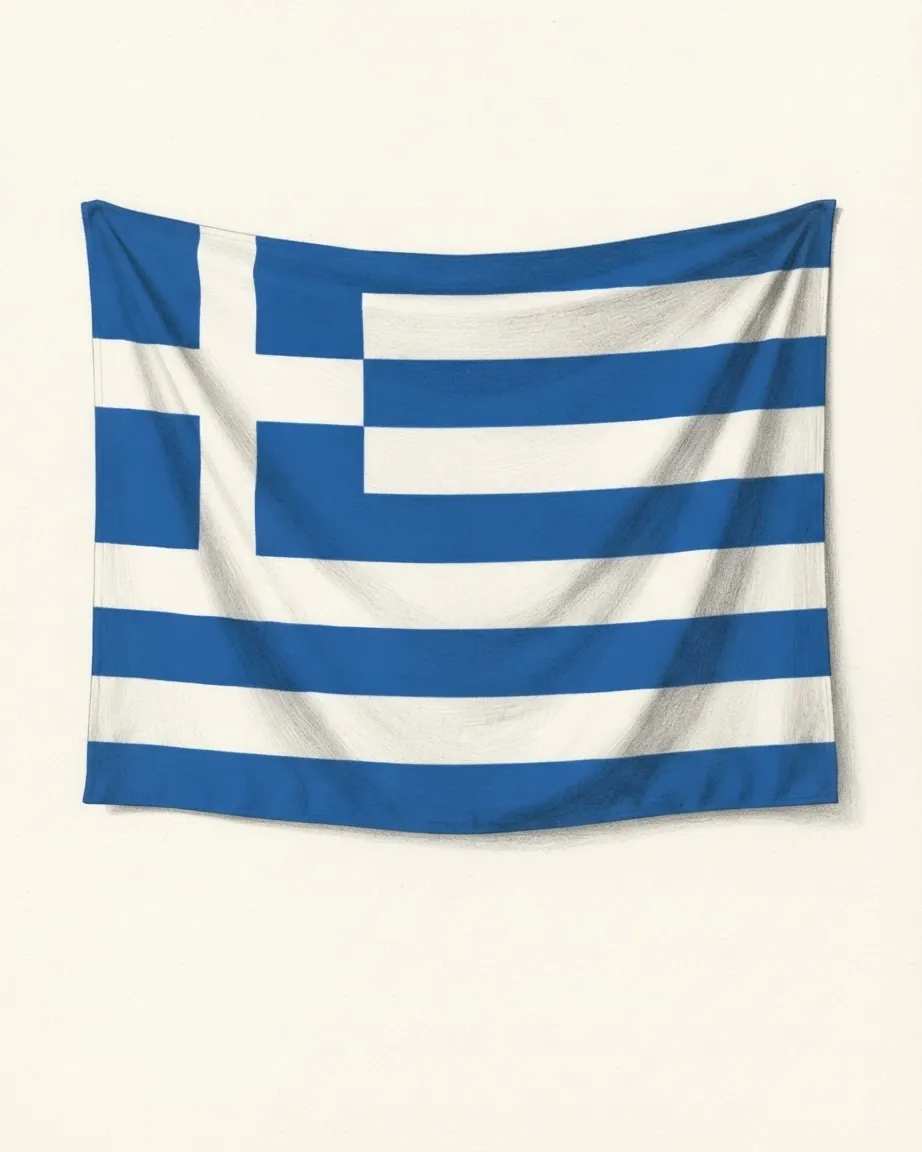
- Greece10.6 million people on 131,957 square kilometres of mountain and archipelago. A state founded in 1821, a constitution from 1975, and 21 World Heritage properties.
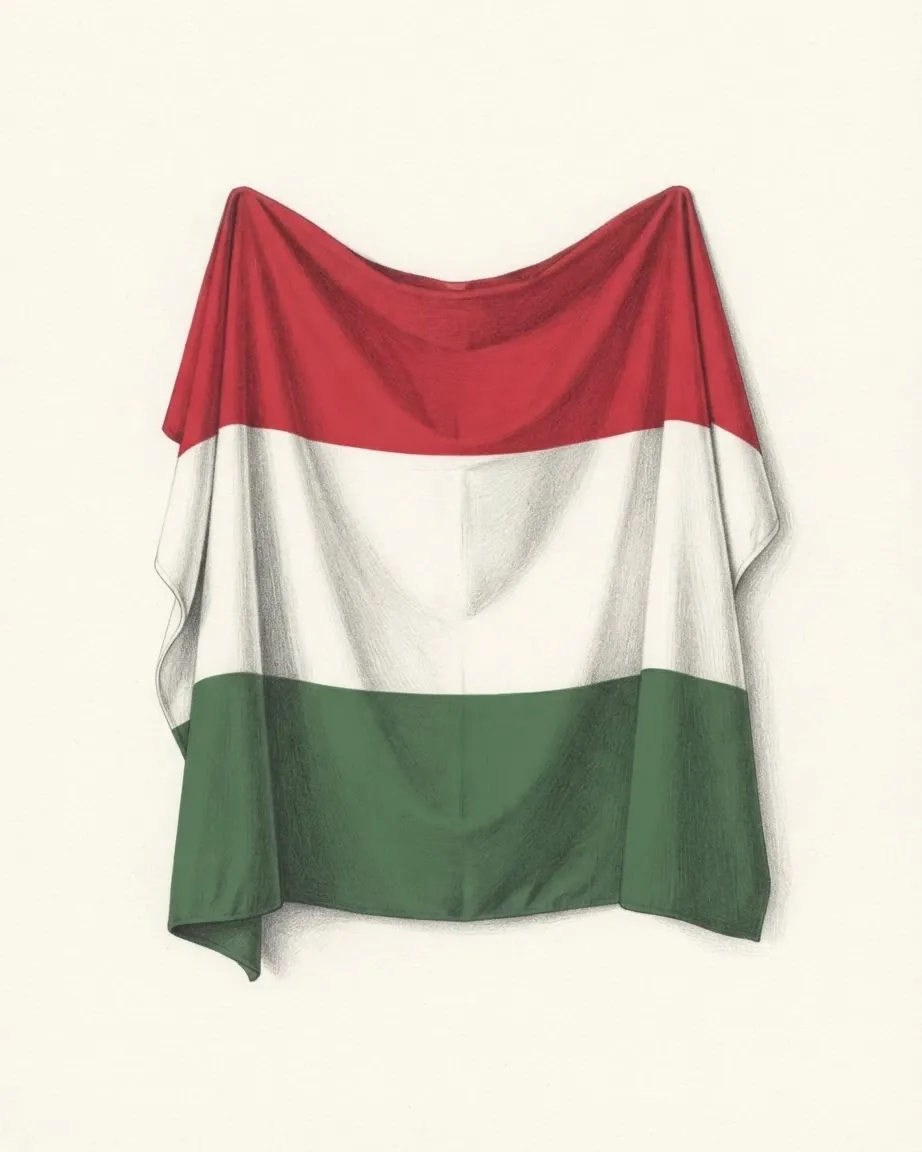
- Hungary9.5 million people on 93,030 landlocked square kilometres with seven neighbours. A treaty in 1920 took 72% of the territory, and the question has never closed.
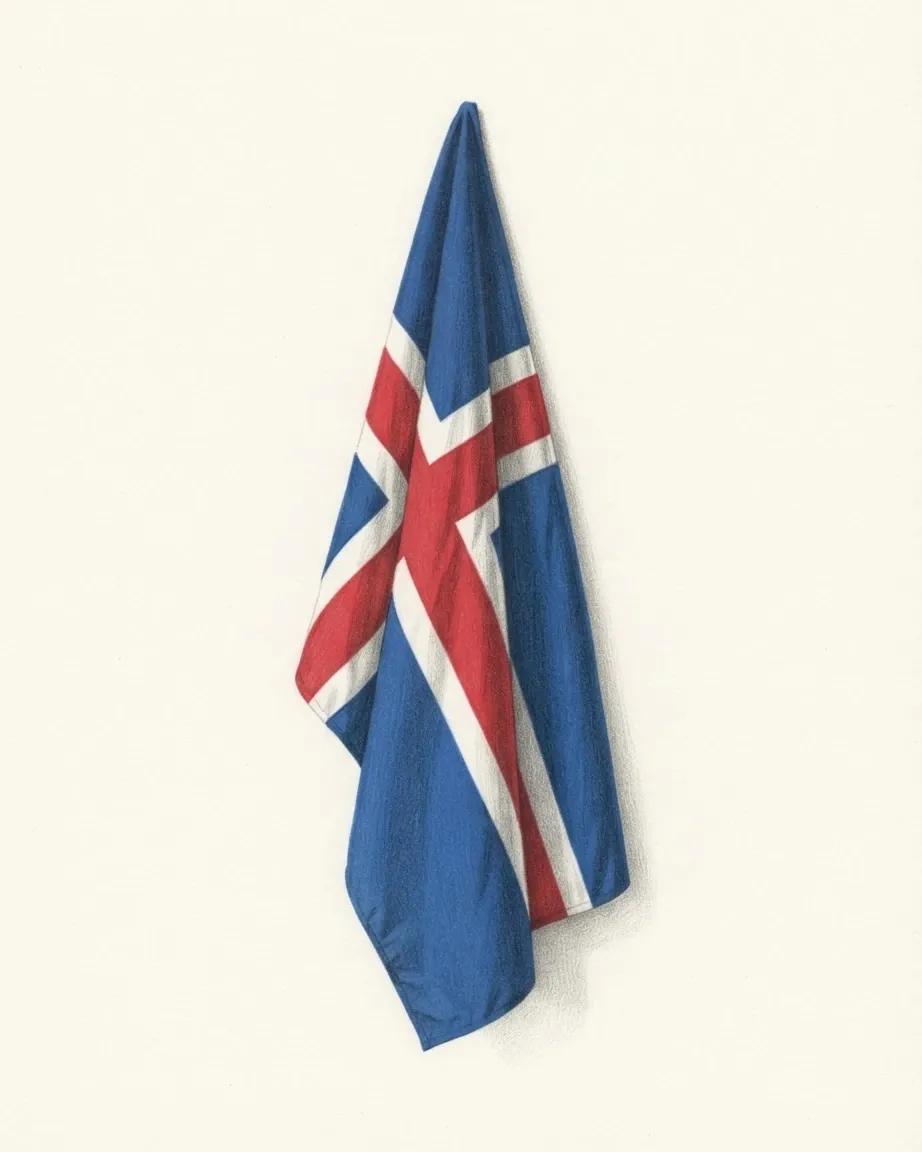
- IcelandJoined 1994.
- Liechtenstein160 square kilometres bought by a Viennese family in 1699 and 1712, in a Swiss customs union since 1924, with more jobs than residents since 2017.
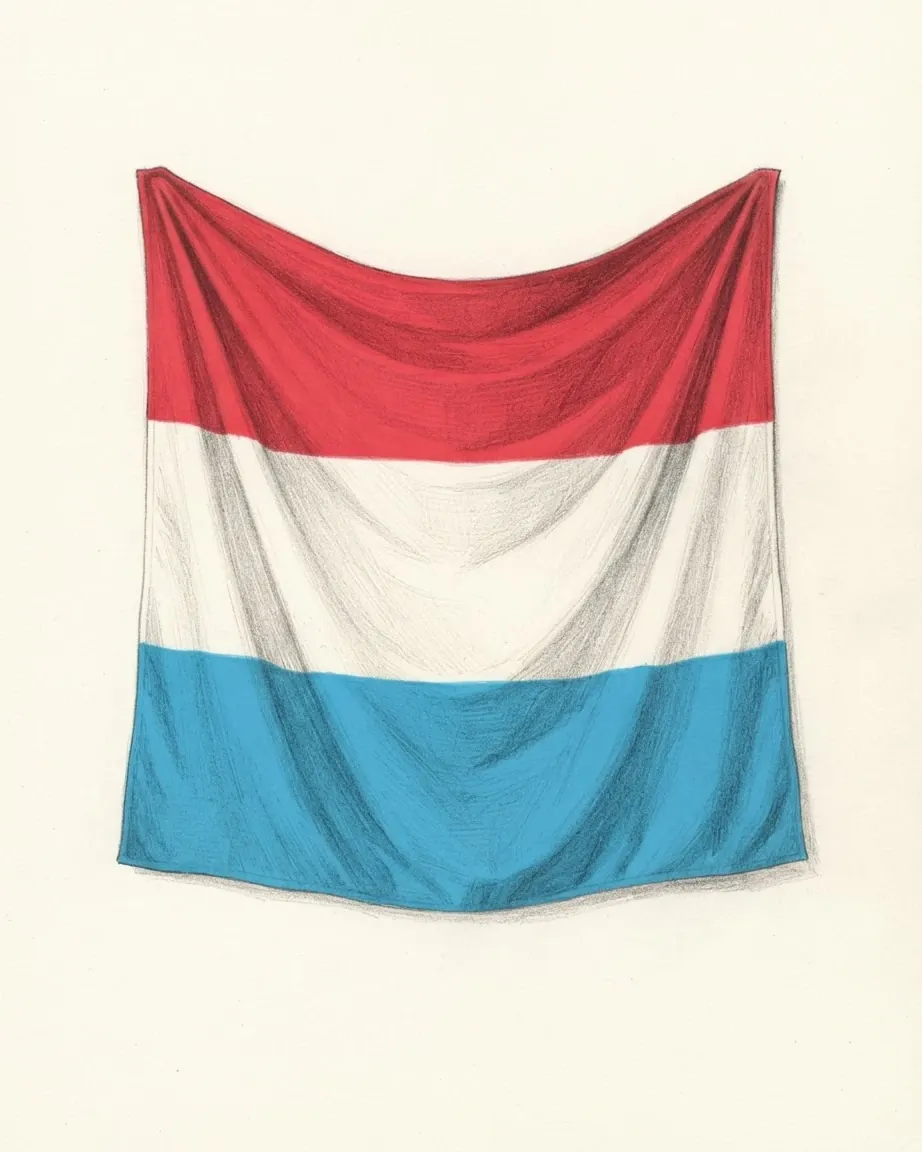
- Luxembourg681,973 residents in 2025, 47% of them foreign nationals, and 223,000 more crossing a border to work. A grand duchy of 2,586 square kilometres with three languages and 8.2 trillion euros of fund assets.
- Netherlands17.9 million people on 42,201 km2, a fifth of it water and much of the rest below sea level. What the Dutch earn from, how they are governed and what there is to see.
- NorwayA Nordic monarchy of 5.6 million that wrote its constitution before it was independent and claimed its seabed six years before anyone found oil under it.
- Portugal10.3 million people on 92,225 km2, a language spoken by 250 million, a border unchanged since the 13th century, and close to three foreign visitors a year for every resident.
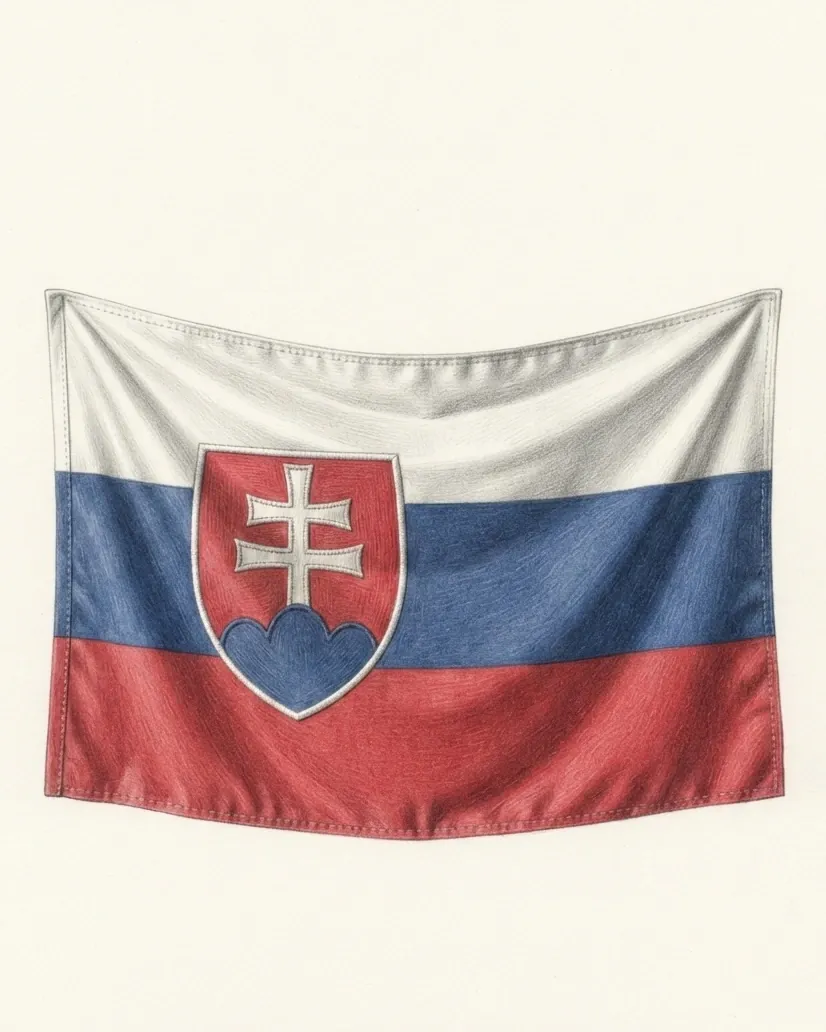
- SlovakiaA landlocked Central European country of five and a half million, independent since 1993, whose four car plants built 1,040,000 vehicles in 2016.
Common questions
Questions about EEA
Which countries are in the European Economic Area?
Every member state of the European Union, together with Iceland, Liechtenstein and Norway. The three sit in the European Free Trade Association and take the agreement through its EFTA pillar, with the EFTA Surveillance Authority and the EFTA Court in place of the Commission and the Court of Justice. Switzerland is in EFTA and is not a party. A state that joins the Union applies to become a party under Article 128, so the roster moves with the Union's own.
Why is Switzerland not in the European Economic Area?
Switzerland signed the agreement at Porto on 2 May 1992 and never ratified it. The vote of 6 December 1992 returned 1,786,708 against and 1,762,872 in favour on a turnout of 78.7%, and a majority of cantons was against as well, which meant the treaty failed on both counts required of it. A protocol signed at Brussels on 17 March 1993 adjusted the text so the remaining parties could bring it into force without Switzerland, and relations with the Union have run on separate bilateral agreements since.
What is the difference between the EEA and the European Union?
The EEA carries the internal market and the rules that go with it, and stops there. Outside it are the common agricultural and fisheries policies, the customs union, the common commercial policy, the common foreign and security policy, justice and home affairs, and economic and monetary union. An EFTA member of the area therefore keeps its own trade policy and its own tariff, which is why goods crossing between the two pillars still meet proof of origin and customs formalities.
Can an EEA state refuse to apply a European Union law?
Article 102 provides for it and attaches a price. Where the EEA Joint Committee cannot agree on amending an annex within six months of the matter reaching it, the affected part of that annex is regarded as provisionally suspended, and the suspension takes effect six months after that. Norway entered a reservation against the third postal directive in 2011 and lifted it in 2013, which is as far as the procedure has ever run.
Is the European Economic Area the same as the Schengen Area?
No, and the two lists differ in both directions. Schengen removes checks on people at internal borders; the EEA extends the internal market. Iceland and Norway are outside the European Union and inside both, associated to Schengen by an agreement of 18 May 1999 and to the market since 1994. Ireland is a member state of the Union and of the EEA and holds a Schengen opt-out.
Sources
- Agreement on the European Economic Area · EUR-Lex, OJ L 1, 3 January 1994. Articles 1, 99, 102, 127, 128 and 129, including the thirteen equally authentic language versions.
- Protocol Adjusting the Agreement on the European Economic Area · EUR-Lex. The protocol of 17 March 1993 and the parties it names, Switzerland no longer among them.
- Opinion 1/91 of the Court of Justice · Court of Justice, 14 December 1991. The proposed EEA court held incompatible with the Community treaties.
- Opinion 1/92 of the Court of Justice · Court of Justice, 10 April 1992. The revised draft, with the joint court removed, cleared for signature.
- The European Economic Area (EEA), Switzerland and the North · European Parliament fact sheet. What the agreement covers, what it excludes, and the two-pillar institutions.
- The EEA Agreement · European Free Trade Association. Signature at Porto, entry into force on 1 January 1994, and the decision shaping procedure.
- Speech by Jacques Delors, Strasbourg, 17 January 1989 · CVCE. The proposal of a structured association between the Community and the EFTA states, put as a European Economic Space.
- Votation populaire du 06.12.1992 · Swiss Federal Chancellery. The vote on accession to the European Economic Area, the totals and the turnout.
- Liechtenstein and the European Economic Area · Report annexed to the Norwegian EEA review. The votes of 13 December 1992 and 9 April 1995 and entry into force on 1 May 1995.
- Agreement on the participation of the Republic of Croatia in the European Economic Area · EUR-Lex. Signature on 11 April 2014 and provisional application from the following day.
- The EEA Agreement and Norway's other agreements with the EU · Norwegian Ministry of Foreign Affairs, Meld. St. 5 (2012 to 2013). Decision shaping, the reservation procedure and the postal directive.
- EEA and Norway Grants · Financial Mechanism Office. The donor states, the beneficiary states and the sums agreed for the period 2021 to 2028.
- The 1994 EU Referendum in Norway: Continuity and Change · Scandinavian Political Studies. The result of 27 and 28 November 1994 and the turnout.