Council of the Baltic Sea States
Regional · CBSS
Reykjavík stands about 2,100 kilometres from Copenhagen. Iceland was admitted on 19 May 1995 to a council named for a sea it does not touch, three years after the founding ministers issued a declaration that no parliament has ever ratified. That declaration is still the only founding instrument, and the members have moved the roster by their own agreement ever since.
10 countries
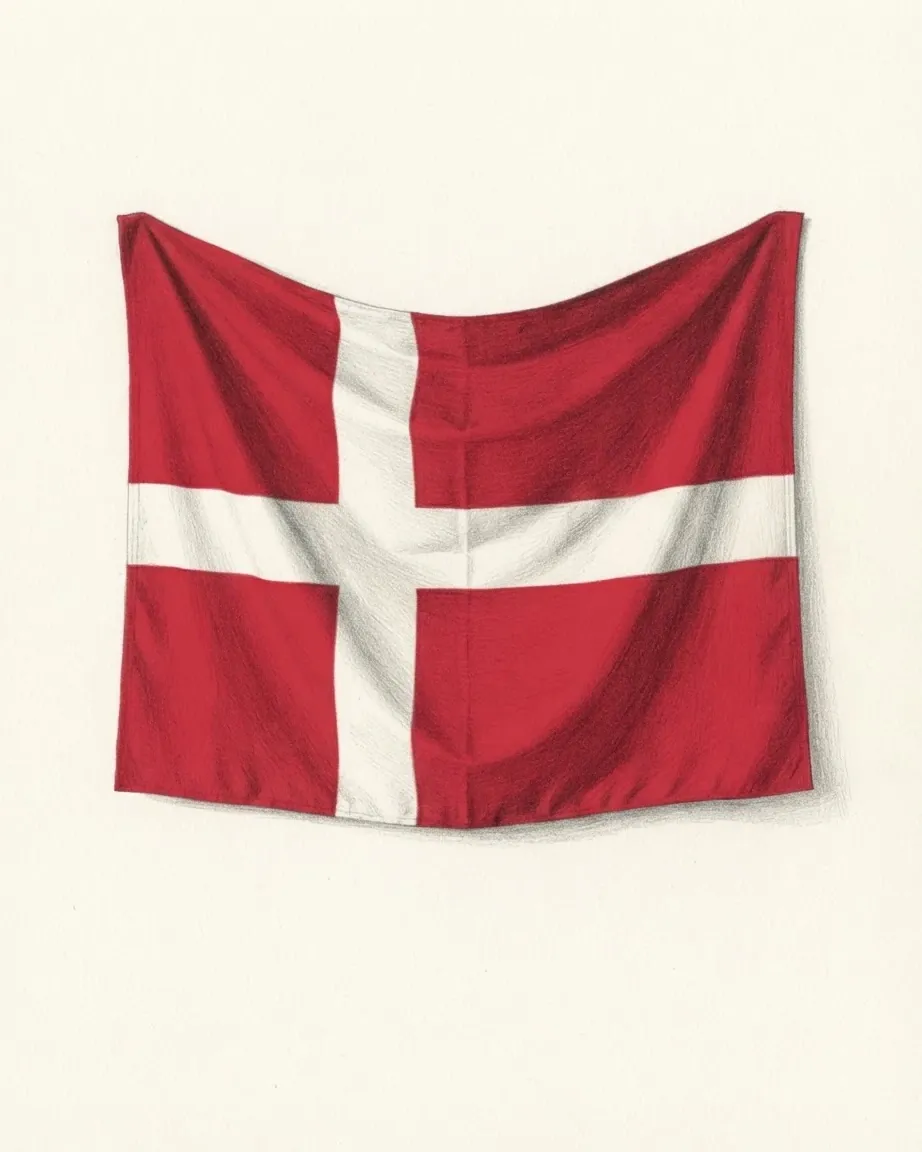
- Denmark5.8 million people on 42,925 square kilometres of peninsula and islands, highest point 171 metres. A 179-seat parliament, four of whose seats sit in the Arctic.
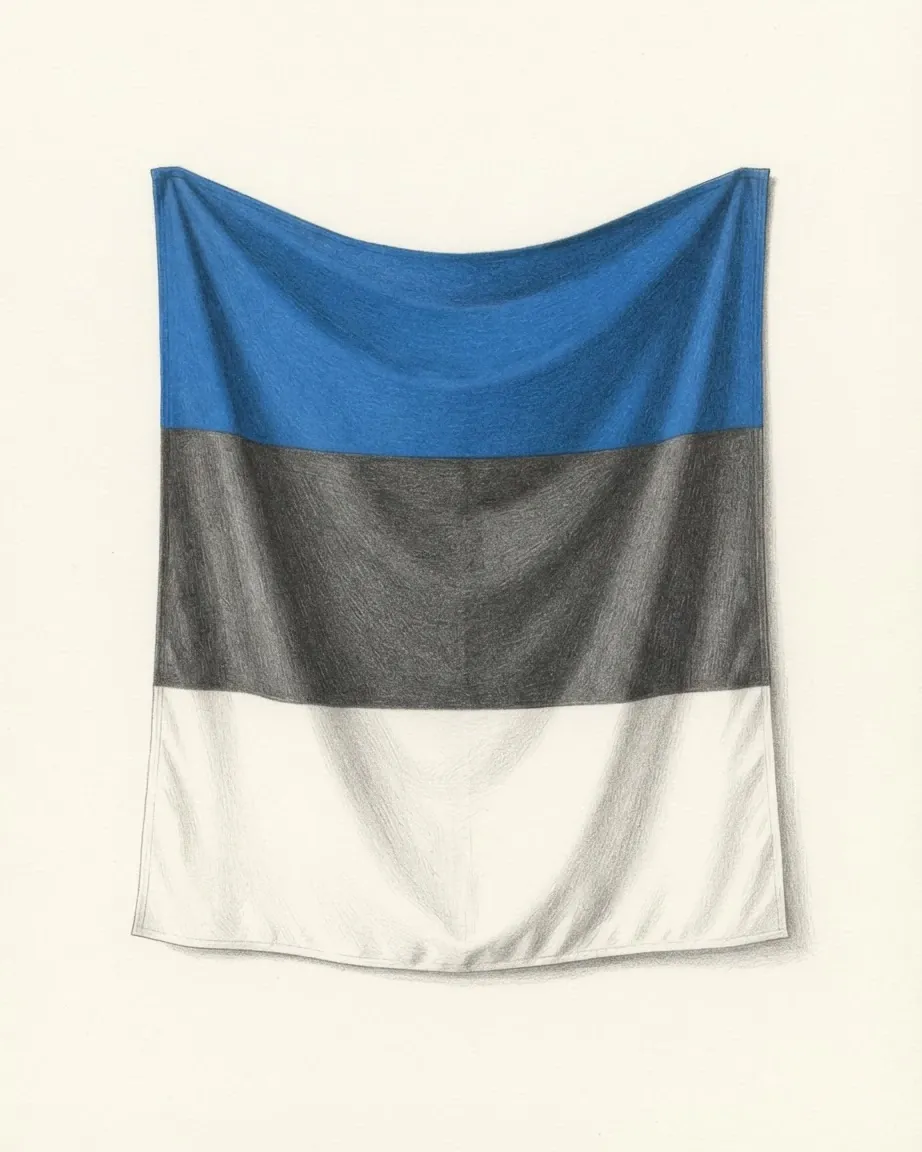
- EstoniaA Baltic republic of 1,369,995 people as of 1 January 2025 whose statehood survived occupation as a legal record, and whose voting and company registry now run the same way.
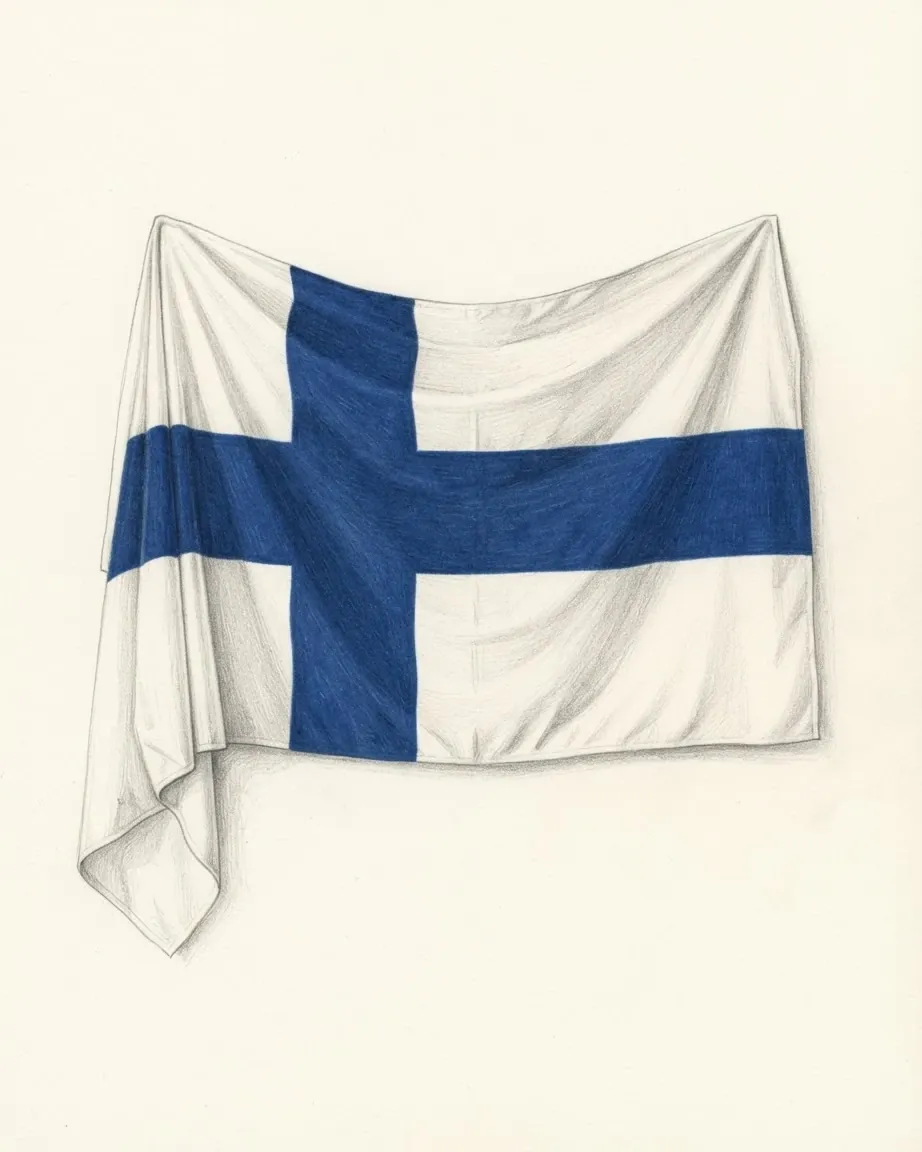
- Finland5.7 million people on 390,905 square kilometres of forest and lake. Independent since 1917, in the EU since 1995, and in NATO since April 2023.
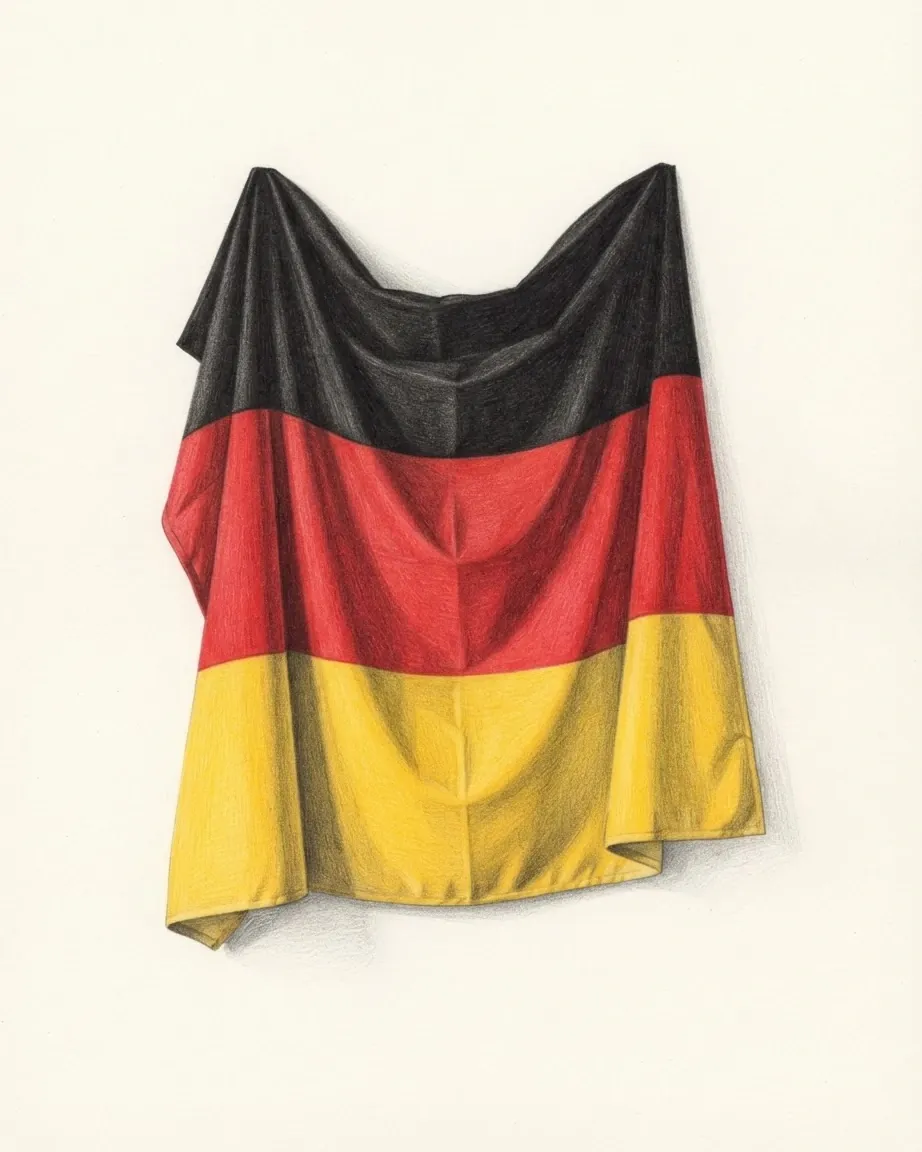
- Germany83.6 million people on 357,588 square kilometres with nine land borders. A constitution written to be temporary in 1949, and an export economy that grew 0.2% in 2025.
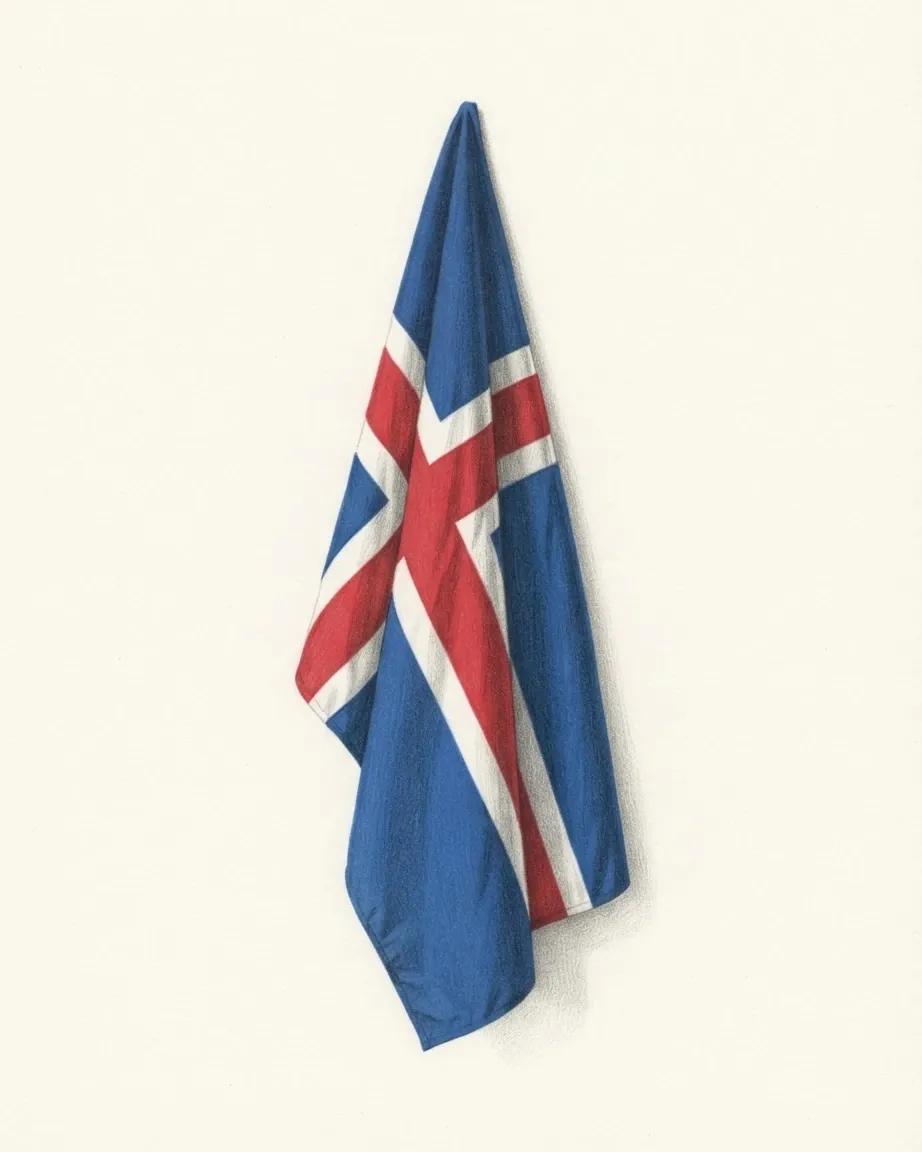
- IcelandAn empty island claimed in sixty years and written down as it happened: 376,248 people counted in 2022, on crust the Mid-Atlantic Ridge pulls apart by 19 millimetres a year.
- LatviaLatvia holds 1,845,096 people as of 1 January 2026 on flat, wet ground on the Baltic, under a constitution of 1922 restored in 1991 after two rewritings of its population.
- LithuaniaThree ultimatums between 1938 and 1940 ended Lithuania's first republic. The state restored on 11 March 1990 has spent since then rearranging its connections westward.
- NorwayA Nordic monarchy of 5.6 million that wrote its constitution before it was independent and claimed its seabed six years before anyone found oil under it.
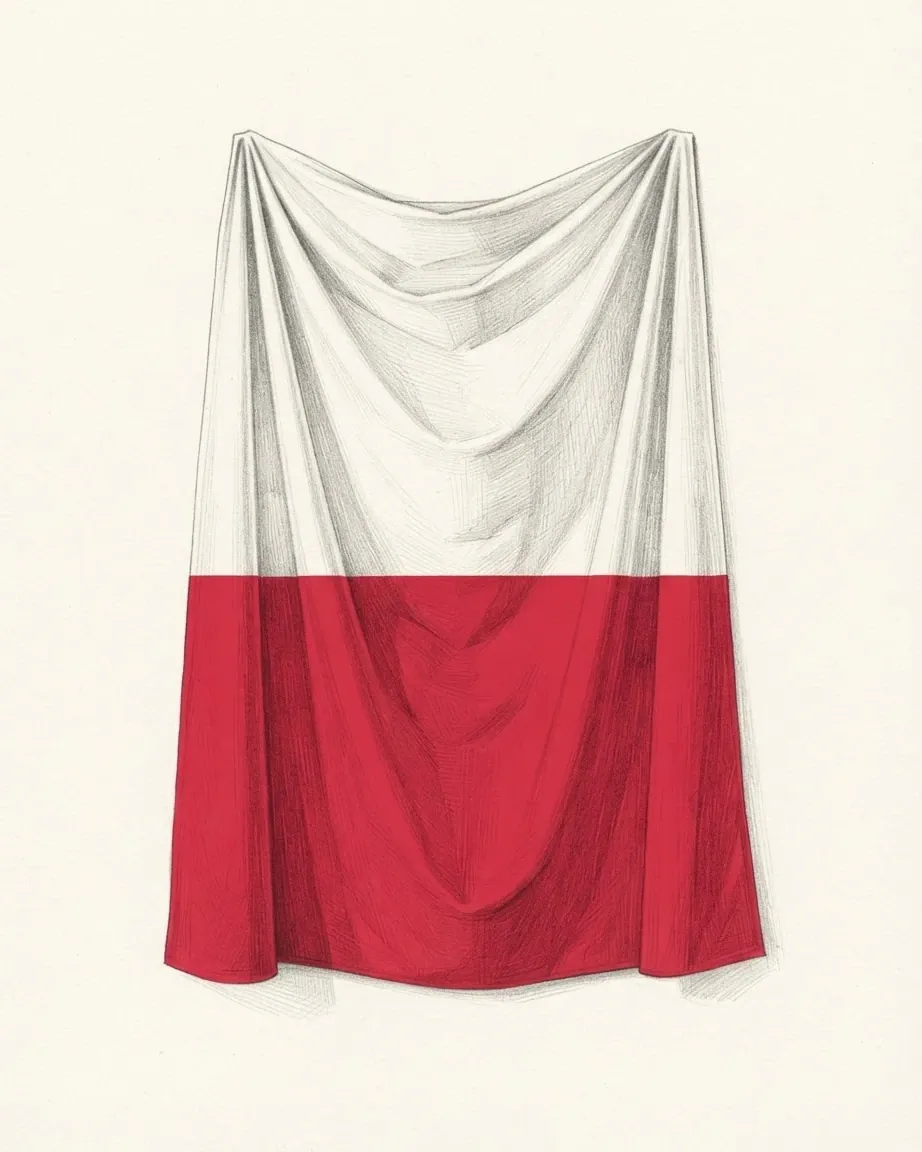
- Poland37.5 million people between the Baltic and the Carpathians. A state that vanished for 123 years, moved west after 1945, and now runs the EU's most coal-dependent grid.
- Sweden10.6 million people on 528,861 square kilometres from the Baltic to the Arctic. A monarchy whose 1974 constitution left the crown no power, and which kept its own currency.
Common questions
Questions about CBSS
Which countries are in the Council of the Baltic Sea States?
Denmark, Estonia, Finland, Germany, Iceland, Latvia, Lithuania, Norway, Poland and Sweden. The European Union sits alongside them as a member in its own right, which is why the Council's own page counts eleven members and the roster of countries below is shorter. Russia took part from the founding at Copenhagen in March 1992, was suspended on 3 March 2022 and withdrew on 17 May 2022.
Is the CBSS a treaty organisation?
No. Its founding instrument is the declaration issued at Copenhagen on 5 and 6 March 1992, which was never opened for signature or ratification. There is no accession clause to invoke and no depositary to lodge anything with, so a state joins by the agreement of the existing members and leaves by saying so. Terms of Reference, revised in 2024, do the work a constituent treaty would otherwise do.
Why is Iceland a member when it has no Baltic coast?
Because admission here is a political decision rather than a geographical test. Iceland was admitted on 19 May 1995, three years after the founding meeting, and nothing in the founding declaration sets a qualification on coastline or drainage. The contrast is with the Helsinki Convention, the treaty covering the marine environment of the same sea, whose contracting parties do not include Iceland or Norway.
What happened to Russia's place on the Council?
Russia was one of the states at the founding meeting in 1992 and held the rotating presidency in 2012 and 2013. On 3 March 2022 the remaining members suspended its participation, and Belarus lost its observer status in the same month. Russia announced its withdrawal on 17 May 2022. The 19th Ministerial Session, at Kristiansand on 24 and 25 May 2022, was the first held in nine years.
How does the CBSS differ from HELCOM and the Nordic Council?
By instrument and by roster. HELCOM administers the Helsinki Convention, signed on 9 April 1992 and in force from 17 January 2000, and its contracting parties leave out Iceland and Norway. The Nordic Council seats Denmark, Finland, Iceland, Norway and Sweden with three autonomous territories, and none of the Baltic republics. The CBSS rests on a declaration rather than a treaty and takes in all of them.
Sources
- History · Council of the Baltic Sea States. The founding at Copenhagen in March 1992, Iceland's admission on 19 May 1995, the secretariat of 1998, the summits from Visby in 1996, and the suspension and withdrawal of Russia in 2022.
- Member States · Council of the Baltic Sea States. The roster of member states and the European Union's own membership.
- Observer States · Council of the Baltic Sea States. The observers, their ad hoc participation and their exclusion from decisions.
- Structure · Council of the Baltic Sea States. The Council, the Committee of Senior Officials, the presidency running 1 July to 30 June in a trio, the Stockholm secretariat, and the expert groups and networks by name.
- Strategic Documents · Council of the Baltic Sea States. The Terms of Reference revised in 2024, the Reykjavik Declaration of 2017, the Vilnius II Declaration of 2021 and the Kristiansand Declaration of 2022.
- Communique of the 1st Ministerial Session, Copenhagen · Council of the Baltic Sea States. The founding declaration of 5 and 6 March 1992 and the ministers who issued it.
- Declaration of the 19th CBSS Ministerial Session, Kristiansand · Council of the Baltic Sea States. The declaration adopted on 25 May 2022.
- Russia Suspended from the Council of the Baltic Sea States · Statement of the Norwegian Ministry of Foreign Affairs, published by the Council. The suspension of 3 March 2022 and of Belarus as an observer.
- Russian Federation suspended from work of Council of the Baltic Sea States · Ministry of Foreign Affairs of the Republic of Poland. The members that took the decision of 3 March 2022.
- The Helsinki Convention · Baltic Marine Environment Protection Commission. The convention signed on 22 March 1974 and in force from 3 May 1980, and its replacement signed on 9 April 1992 and in force from 17 January 2000.
- About HELCOM · Baltic Marine Environment Protection Commission. The contracting parties to the convention, which include neither Iceland nor Norway.
- Standard country or area codes for statistical use (M49) · UN Statistics Division. The absence of a Baltic grouping, the filing of the members across Northern, Western and Eastern Europe, and the statement that the groupings carry no political meaning.