Organization of the Black Sea Economic Cooperation
Regional · BSEC
The Danube reaches the Black Sea through a delta divided between Romania and Ukraine. Bulgaria, Georgia, Russia and Türkiye hold the rest of that coastline. Seven members have no shore on the sea the organisation is named for: Albania, Armenia, Azerbaijan, Greece, Moldova, North Macedonia and Serbia. The founding declaration was signed in Istanbul on 25 June 1992.
13 countries
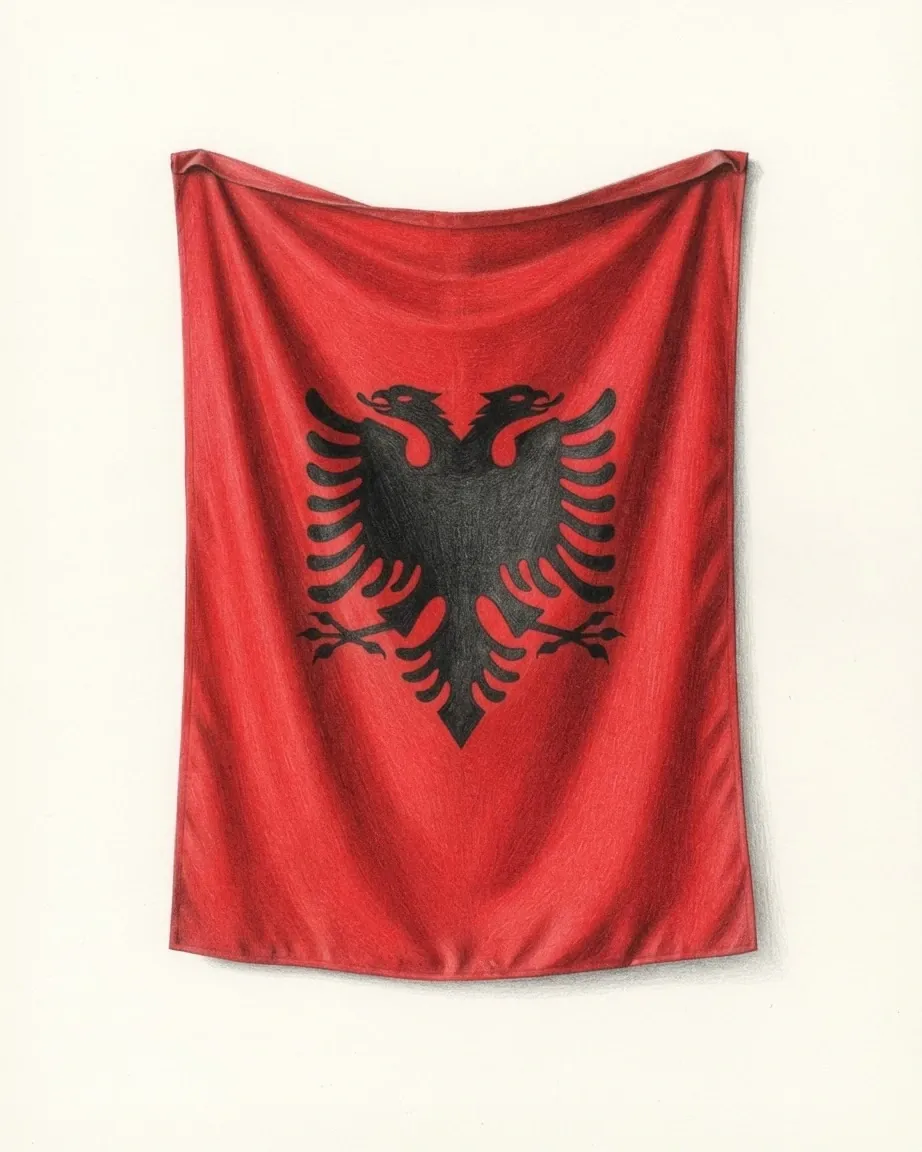
- AlbaniaThe 2023 census counted 2,402,113 people in Albania and the voter roll of April 2025 held 3,713,761 names. The land, the history and the economy, each figure dated.
- Armenia29,743 square kilometres on a high plateau, a diaspora of five million or more, and a constitution whose coat of arms shows a mountain across the border.
- Azerbaijan86,600 square kilometres between the Caucasus and the Caspian, with a capital built on an oil peninsula, a republic first proclaimed in 1918 and restored in 1991.
- BulgariaFounded by treaty in 681 and rebuilt by another in 1878, Bulgaria is a country of 6.4 million in the eastern Balkans, in the EU since 2007 and the euro since 2026.
- GeorgiaSakartvelo to Georgians, Gruzia in Russian: 3,929,581 people counted on 14 November 2024, in a census that leaves out Abkhazia and South Ossetia.
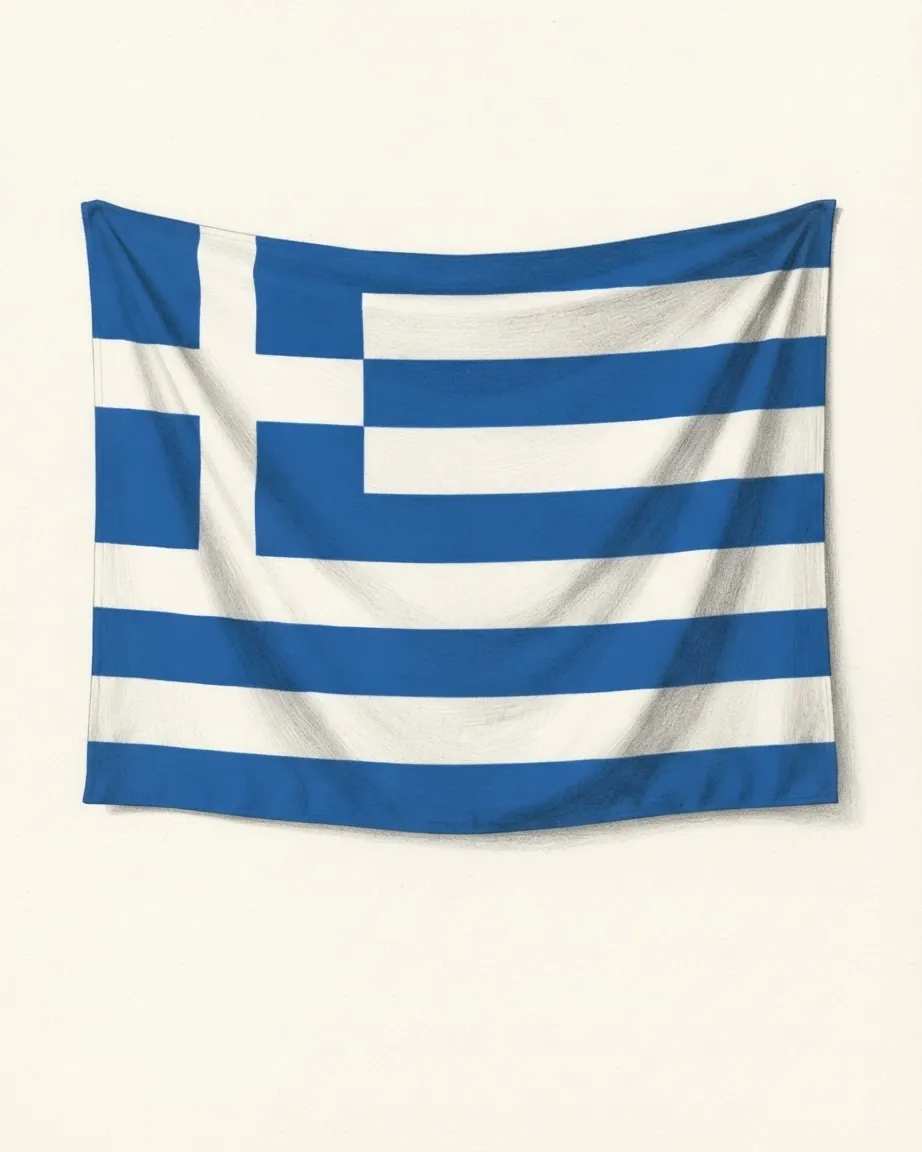
- Greece10.6 million people on 131,957 square kilometres of mountain and archipelago. A state founded in 1821, a constitution from 1975, and 21 World Heritage properties.
- Moldova2,409,207 residents counted in 2024 on the land between the Prut and the Dniester. Romania across one river, Transnistria across the other, and an EU bid since 2022.
- North Macedonia1,836,713 people counted in 2021, a name agreed with Greece in 2018, EU talks tied to Bulgaria, and exports led by development zones that shipped €3.18bn in 2025.
- RomaniaA country of 19 million on the lower Danube, made in 1859 out of a gap in a treaty, enlarged in 1918, cut apart in 1940, and in the European Union since 2007.
- Russia146,119,928 people on 1 January 2025 across eleven time zones, in a federation whose name uses rossiiskiy, the Russian word for the state and all its citizens.
- SerbiaTwo empires split this ground along the Danube and the Sava. The country of 6.6 million that grew back across the line still shows the join, north and south.
- Türkiye85.4 million people at the end of 2023, a capital, alphabet, clock and English name each fixed by statute, on a plate driven west between two faults.
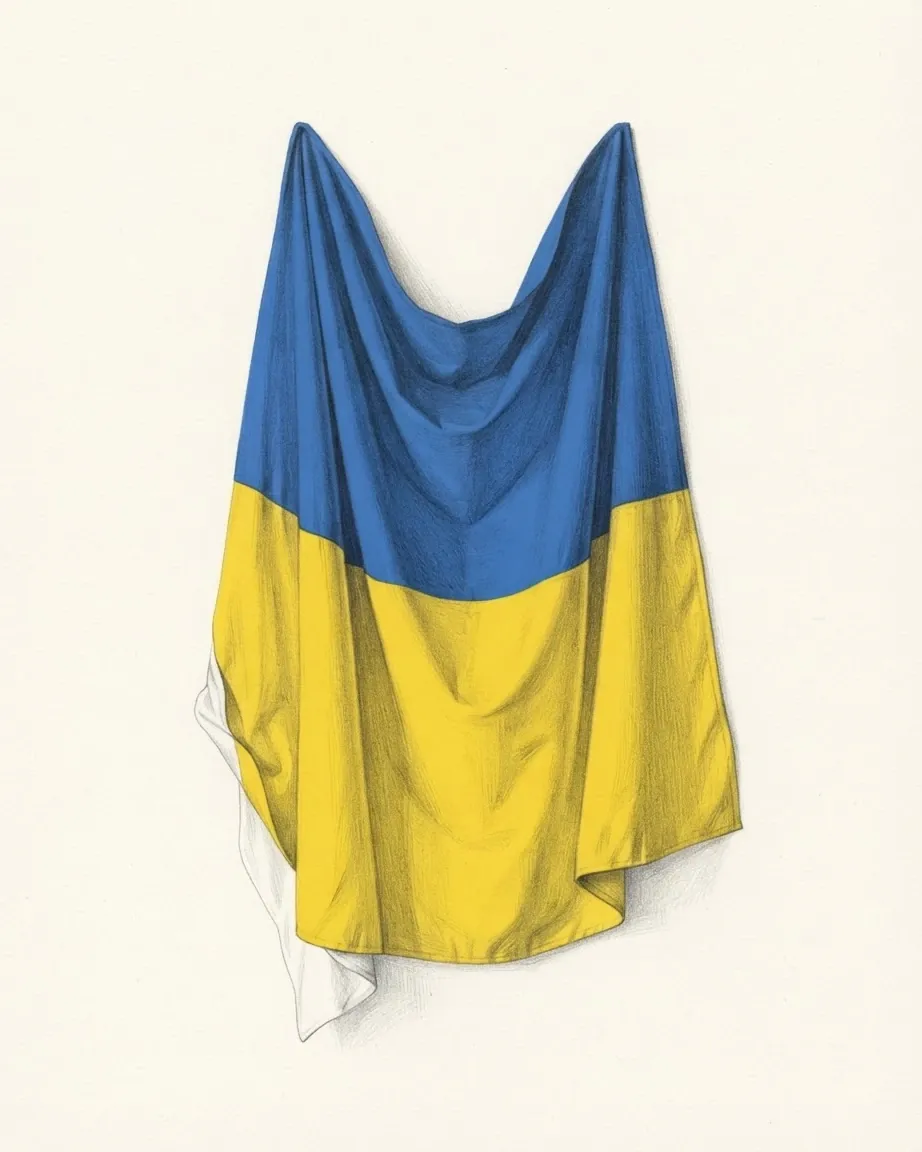
- UkraineAn Eastern European country of 41.17 million people on 1 January 2022, independent since 1991, whose borders were assembled between 1939 and 1954.
Common questions
Questions about BSEC
Which countries are in BSEC?
Albania, Armenia, Azerbaijan, Bulgaria, Georgia, Greece, Moldova, North Macedonia, Romania, Russia, Serbia, Türkiye and Ukraine. The first eleven of those, taking Serbia and North Macedonia out, signed the founding declaration in Istanbul on 25 June 1992. Serbia's seat was taken in April 2004 by the state union of Serbia and Montenegro, which dissolved in 2006, and North Macedonia was admitted in 2020.
Do all the BSEC members have a Black Sea coast?
No. Six do: Bulgaria, Georgia, Romania, Russia, Türkiye and Ukraine. Seven do not: Albania, Armenia, Azerbaijan, Greece, Moldova, North Macedonia and Serbia. Some of those sit in the Danube basin and drain to the sea without touching it, some drain to the Caspian, and some face the Adriatic or the Aegean. The grouping follows the catchment and the trade behind it, not the shoreline.
When did BSEC become an international organisation?
On 1 May 1999, when the Charter adopted at Yalta in 1998 entered into force and the body acquired legal identity in its own name. Before that it had run since 25 June 1992 as an initiative, with a Permanent International Secretariat opened in Istanbul on 10 March 1994. The UN General Assembly granted it observer status by resolution 54/5 on 8 October 1999.
How is the BSEC chairmanship decided?
By the alphabet. The Chairmanship-in-Office passes every six months in English alphabetical order, two terms a year, one starting in January and one in July, so Albania comes first and Ukraine last before the sequence begins again. The Council of Ministers of Foreign Affairs meets at least once every six months in whichever country is holding the term.
Is BSEC a free trade area?
No. It has no common tariff, no common external trade policy, no shared currency and no security guarantee. Its stated purpose is economic collaboration pursued "in a manner not contravening the international obligations of the Member States", which is the clause that lets European Union members, NATO members and members of the Eurasian Economic Union sit in the same body without renouncing anything.
Who takes part in BSEC without being a member?
Egypt holds observer status, alongside four institutions: the European Commission, the Energy Charter Secretariat, the Commission on the Protection of the Black Sea against Pollution and the International Black Sea Club. Observer status is open on request and the Council may grant, suspend or terminate it under the Rules of Procedure. A separate list of sectoral dialogue partners holds bodies such as the Danube Commission and the Black Sea Universities Network.
Sources
- BSEC Member States · Organization of the Black Sea Economic Cooperation. The roster as the organisation publishes it, read on 2 September 2026.
- Frequently Asked Questions · BSEC. The eleven founding states, the signing of 25 June 1992, the secretariat of 10 March 1994, the Yalta Charter of 1998 in force on 1 May 1999, and the six-month chairmanship in English alphabetical order.
- BSEC at a Glance · BSEC. The founding declaration and the Bosphorus Statement, and the transformation into a regional economic organisation on 1 May 1999.
- Our Mission · BSEC. The wording quoted here on friendship and good neighbourliness, and on collaboration not contravening the international obligations of the member states.
- Partners: Observers, Sectoral Dialogue Partners and International Organizations · BSEC. The observer list of Egypt and four institutions, the sectoral dialogue partners, and the grant of UN General Assembly observer status by resolution 54/5.
- Cooperation between the United Nations and the Organization of the Black Sea Economic Cooperation, A/RES/54/5 · United Nations General Assembly, 8 October 1999. The resolution that granted BSEC observer status.
- Who We Are · Black Sea Trade and Development Bank. The headquarters in Thessaloniki, the start of operations in June 1999, and the eleven shareholder countries.
- Parliamentary Assembly of the Black Sea Economic Cooperation · PABSEC. The founding in 1993 and the national delegations, which include Serbia and North Macedonia.
- Organization of the Black Sea Economic Cooperation · The accession of Serbia and Montenegro in April 2004 and of North Macedonia in 2020, which the organisation's own pages record without dates.