The flag of Finland
Suomen lippu · since 1918
 Back to Finland
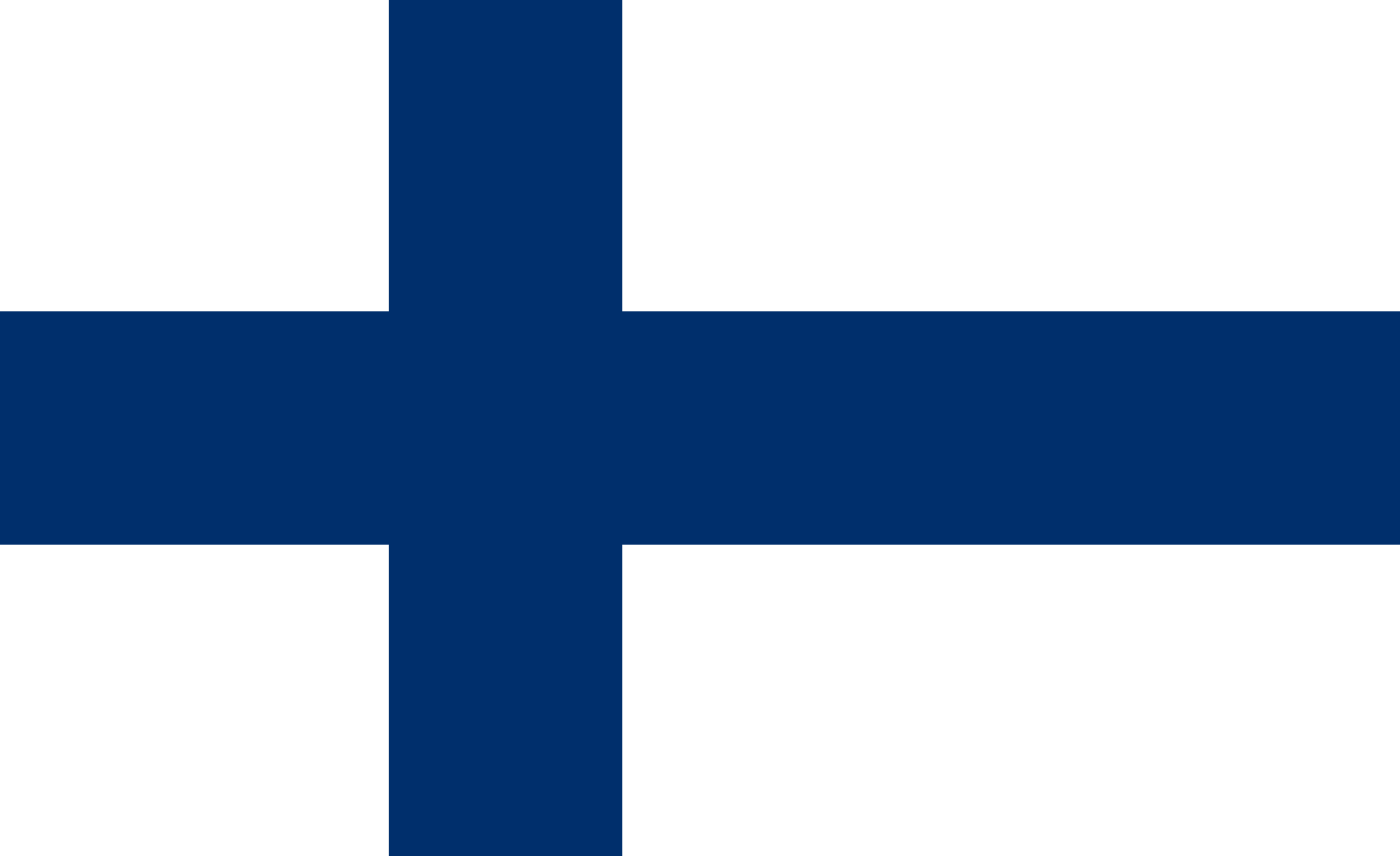
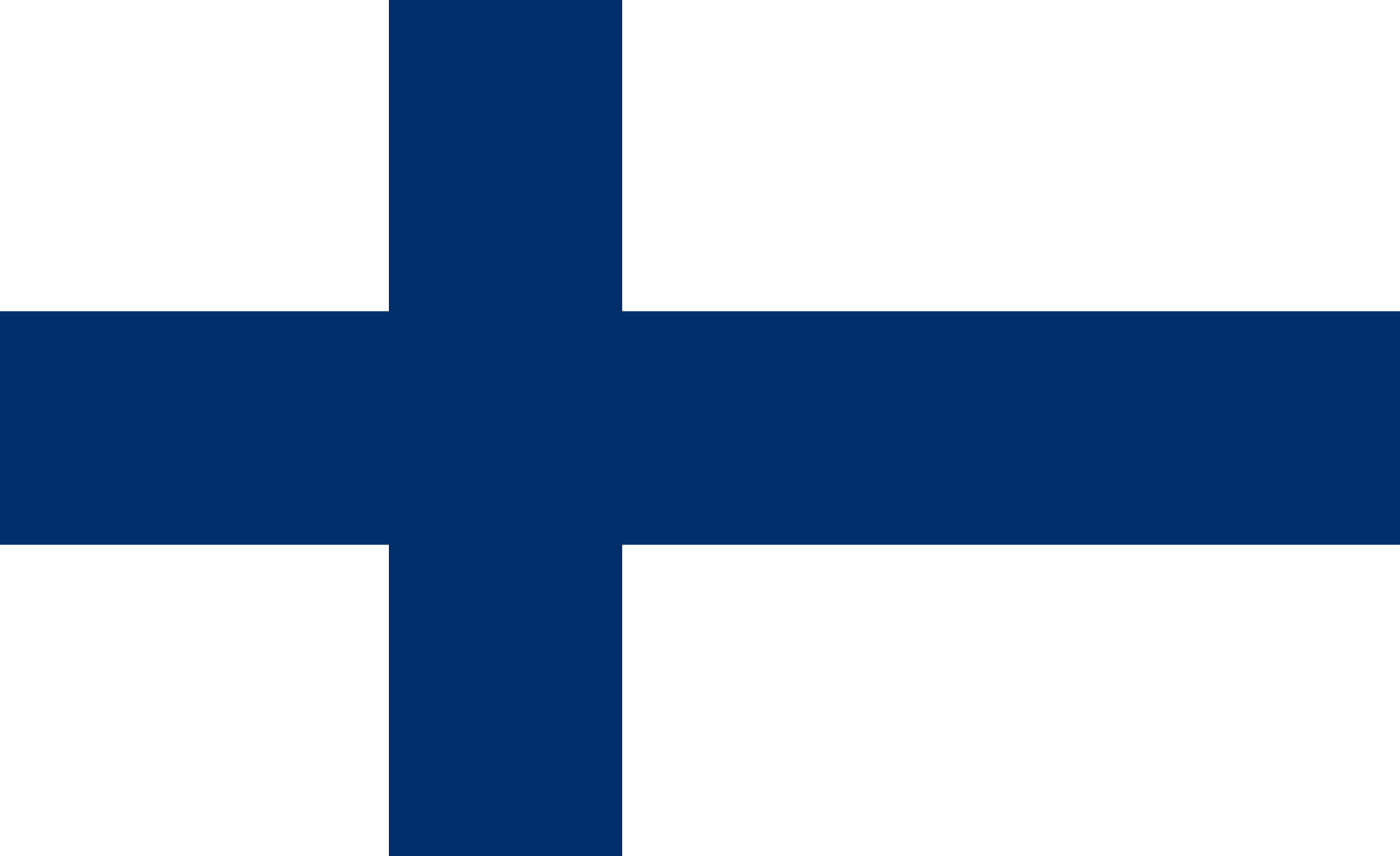
A blue Nordic cross on white, called siniristilippu, the blue cross flag. Parliament chose it on 28 May 1918, after a civil war and a long argument between blue and white and the red and yellow of the lion arms. The same cross on white had flown on Finnish yacht club flags since 1861.
At a glance
- Adopted
- 1918
- Proportion
- 11:18
- First hoisted
- 1918
- Colours
- Earlier flags
- 5
- Designers
- 2
The colours
The colours of the flag of Finland, in the order it has them
- 0139.1%
Blue
sininenThe cross
- HEX
#002F6C- RGB
0 47 108- CMYK
100 57 0 58- Pantone
294 C
- 0260.9%
White
valkoinenThe field
- HEX
#FFFFFF- RGB
255 255 255- CMYK
0 0 0 0
No law gives these codes. HEX and RGB are the colour this site draws the flag in; CMYK, Pantone and RAL are the values most often published for it.
Construction
How the flag is drawn
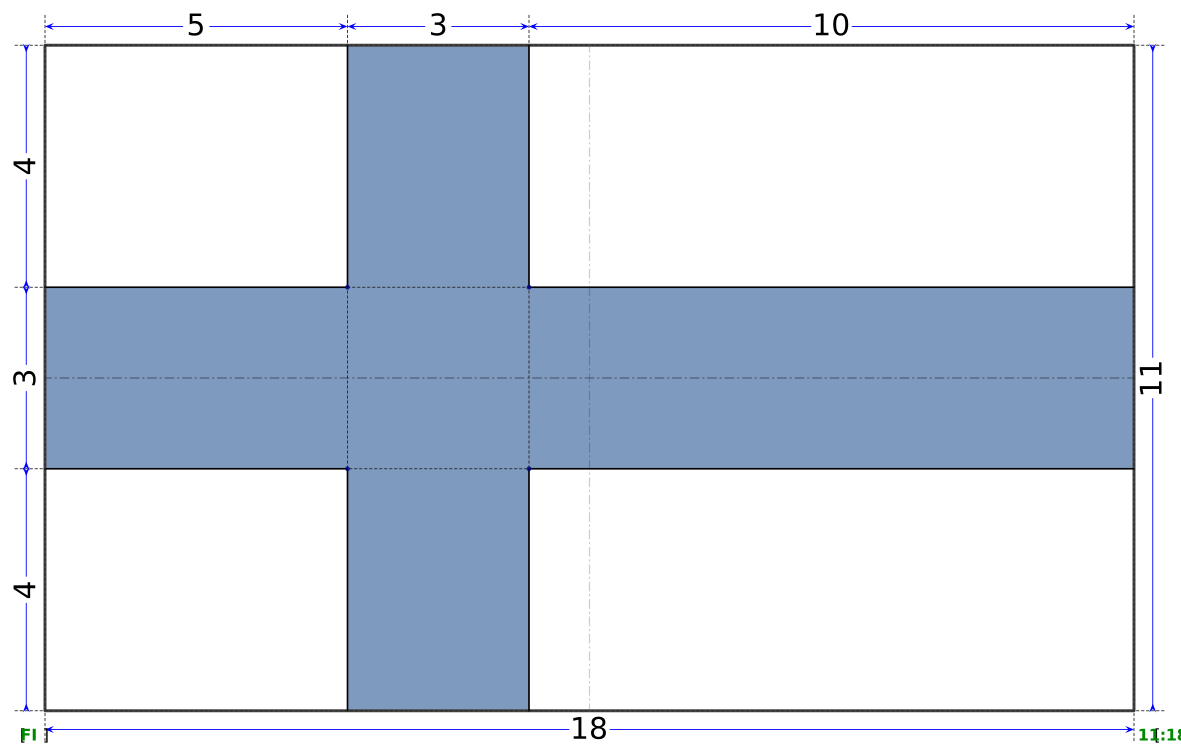
A white field with a blue Nordic cross reaching all four edges, the upright set towards the hoist.
- Cross width
- 3 units
- Height
- 4, 3 and 4 units
- Length
- 5, 3 and 10 units
- State flag
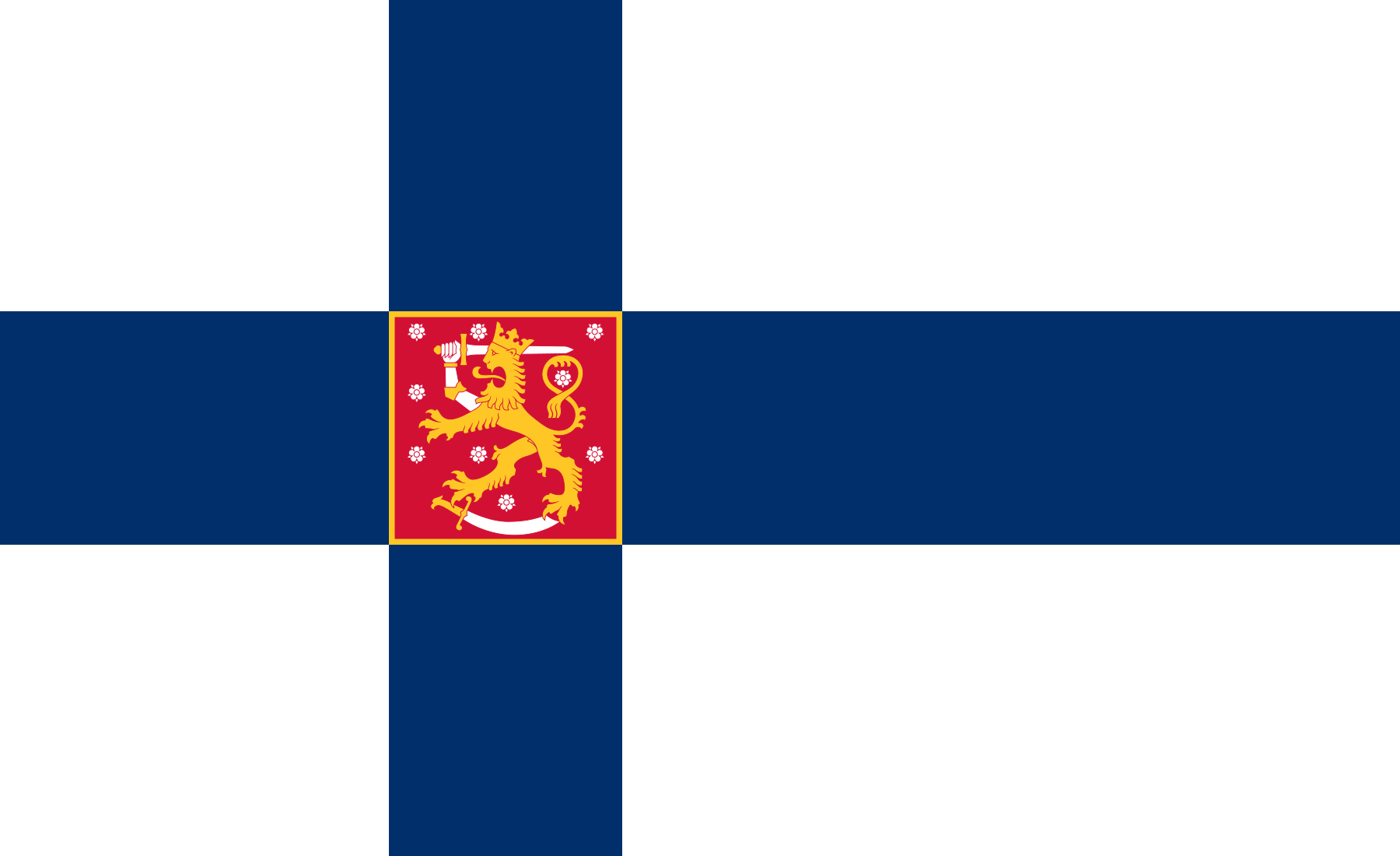
- The arms of Finland on a square at the crossing of the cross, with a yellow border 1/40 of the cross width
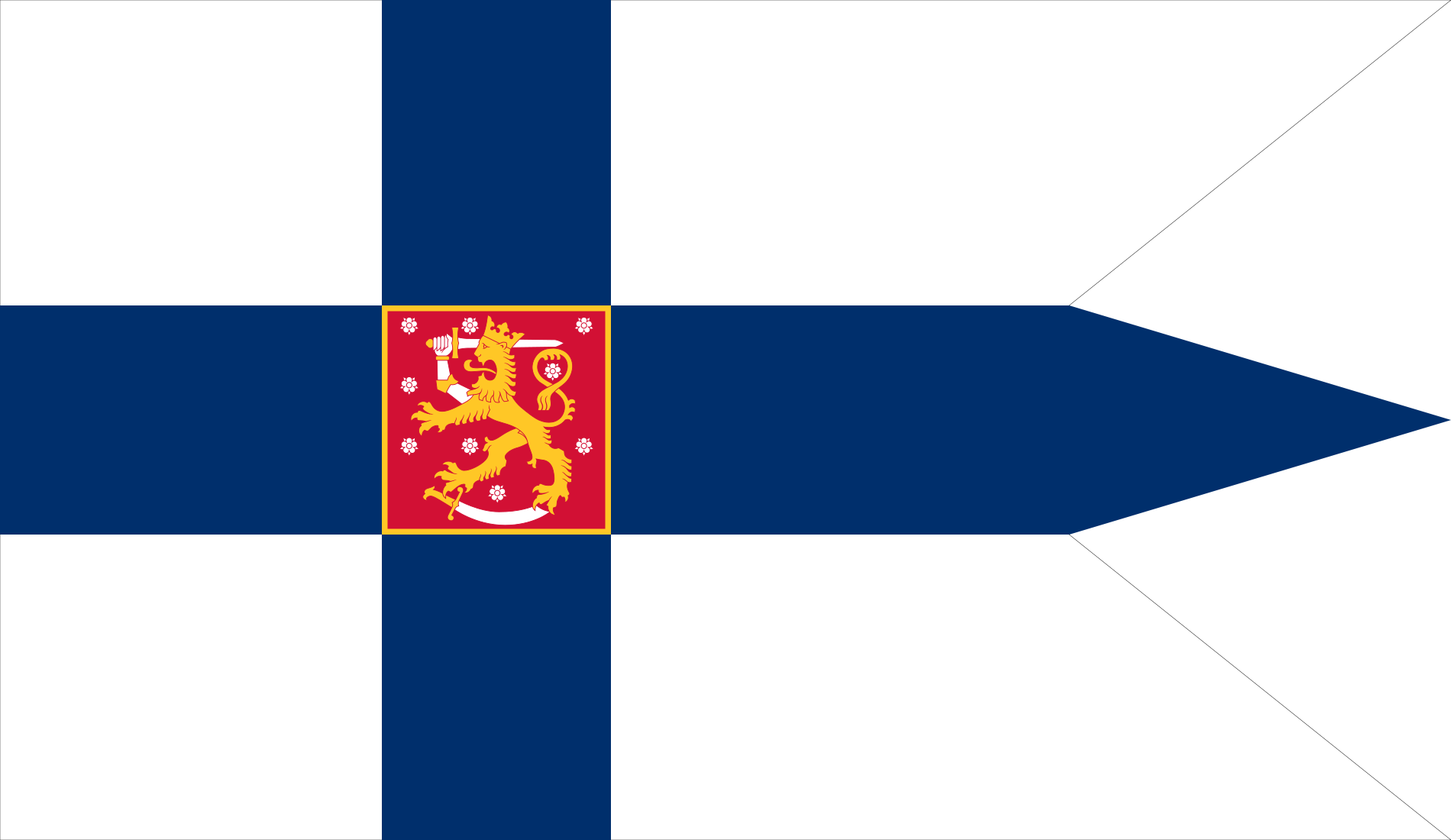
- Three-pointed state flag
- One unit longer: 5, 3, 6 and 5 units, the fly fields 6 units and each point 5. The middle point is isosceles with the arm of the cross as its base; the upper and lower edges run straight to the end
- Flagpole
- The flag about one sixth of the height of the pole
Other forms
- State flag
- The national flag with the arms of Finland at the crossing, flown by parliament, the ministries, the courts, diplomatic missions, the central bank, the universities, the Border Guard and state vessels. Private individuals cannot be allowed to fly it.
- Three-pointed state flag
- The state flag one unit longer and ending in three points, used by the Defence Forces. Called the war flag before 1978.
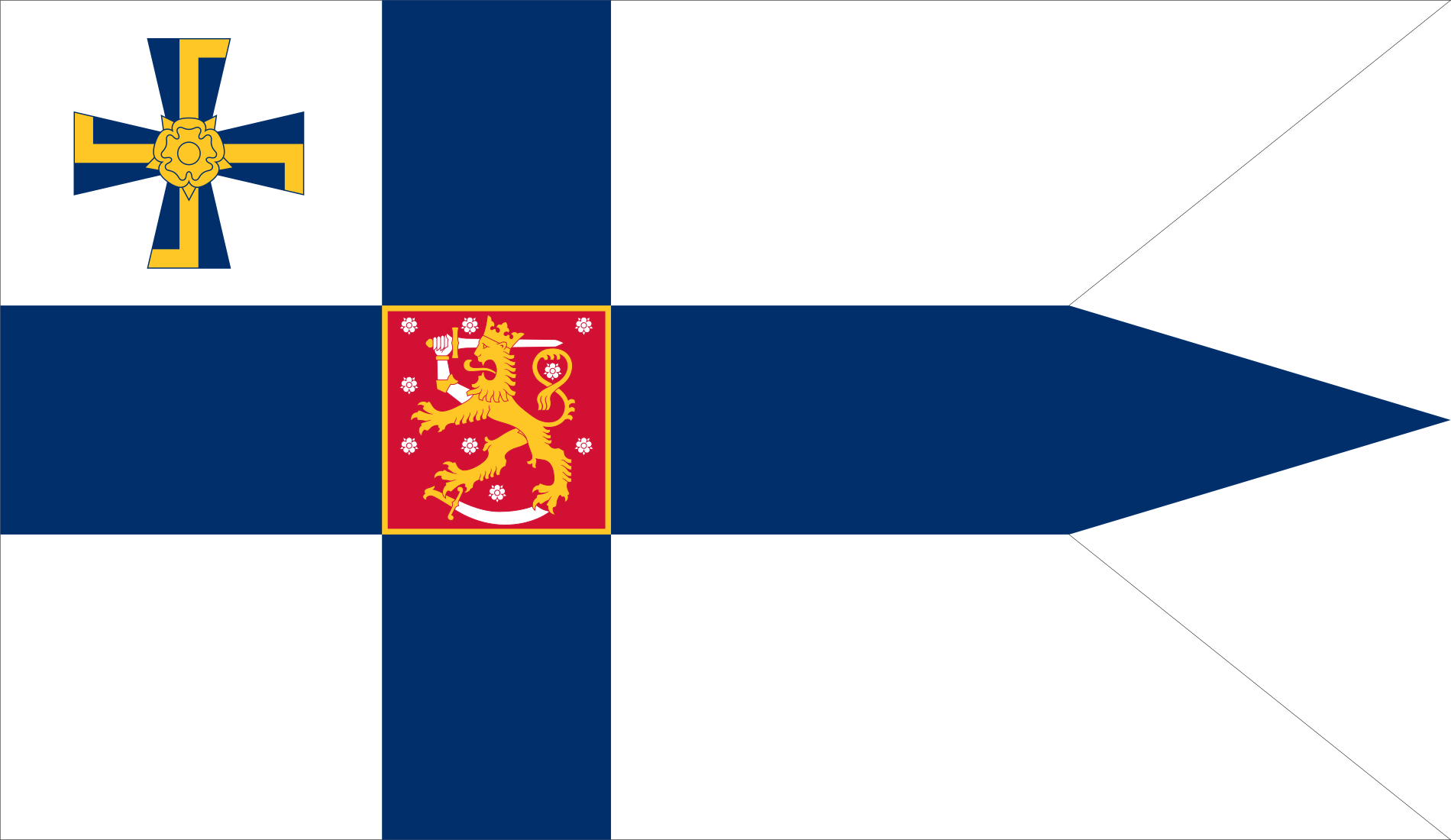
- Flag of the President
- The three-pointed state flag with a blue and yellow Cross of Liberty in the upper hoist field.
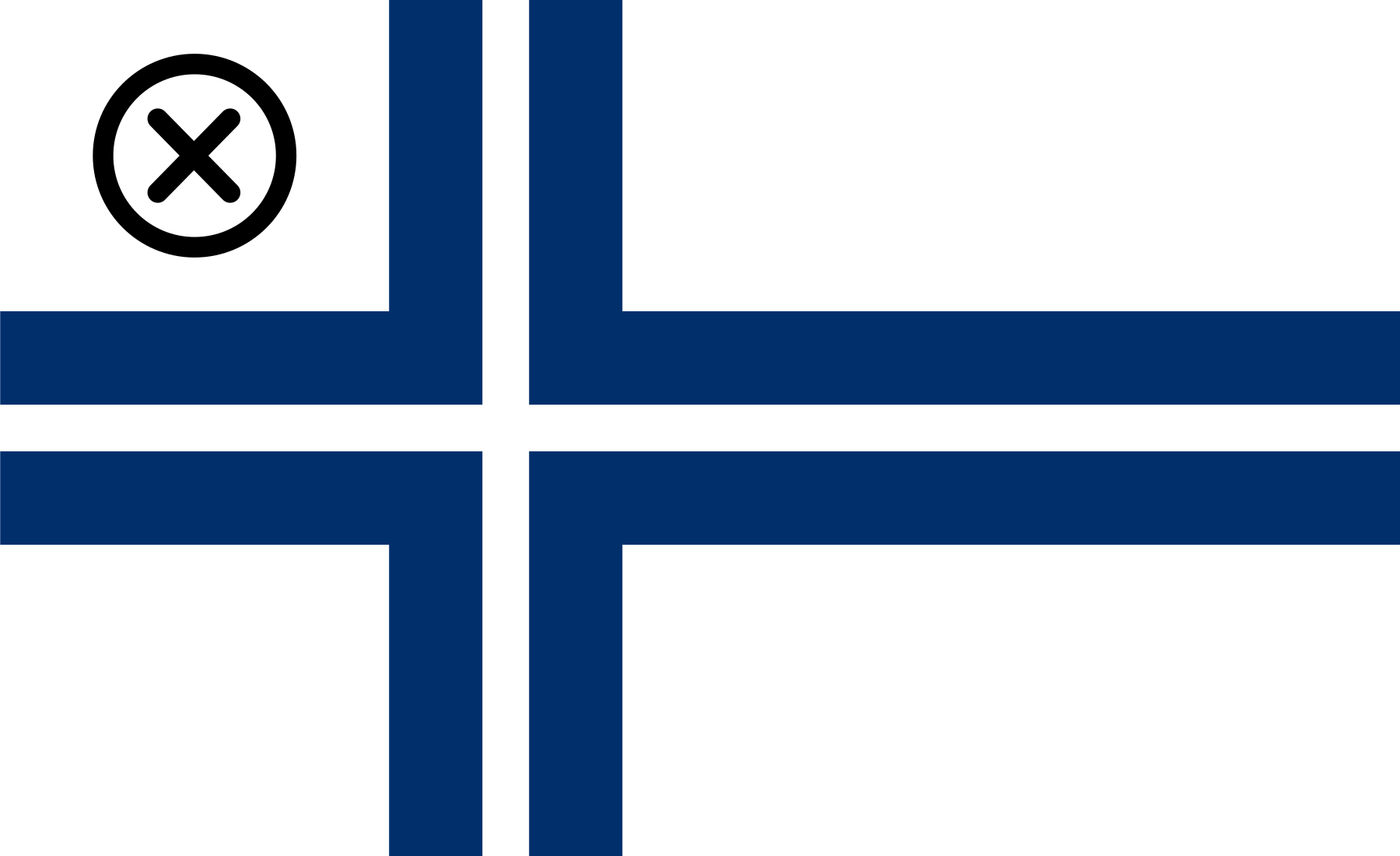
- Yacht club flag
- For pleasure boats registered with a yacht club: a thin white cross on the blue cross, and the club's emblem in the upper hoist field.
Meaning
What each part stands for
- Blue and white
- Snow and the country's many lakes. Zacharias Topelius put it first in a children's story of 1854, white for the snow of Finnish winters and blue for its lakes, and argued for the colours through the flag debate of the 1860s
- The Nordic cross
- Belonging to the Nordic countries and their tradition. There is no official religious reading, though for some the cross stands for Christianity
- A possible Russian source
- The historian Matti Klinge suggests the loyalist Topelius may have favoured blue and white because the Russian imperial navy flew a blue saltire on white, the cross of Saint Andrew
Who drew it
- Eero Snellman
- Artist, proposed by Akseli Gallen-Kallela, who drew the sketches the parliamentary committee accepted in 1918
- Bruno Tuukkanen
- Assisted Snellman with the sketches
History
How the flag of Finland got here
- 1861
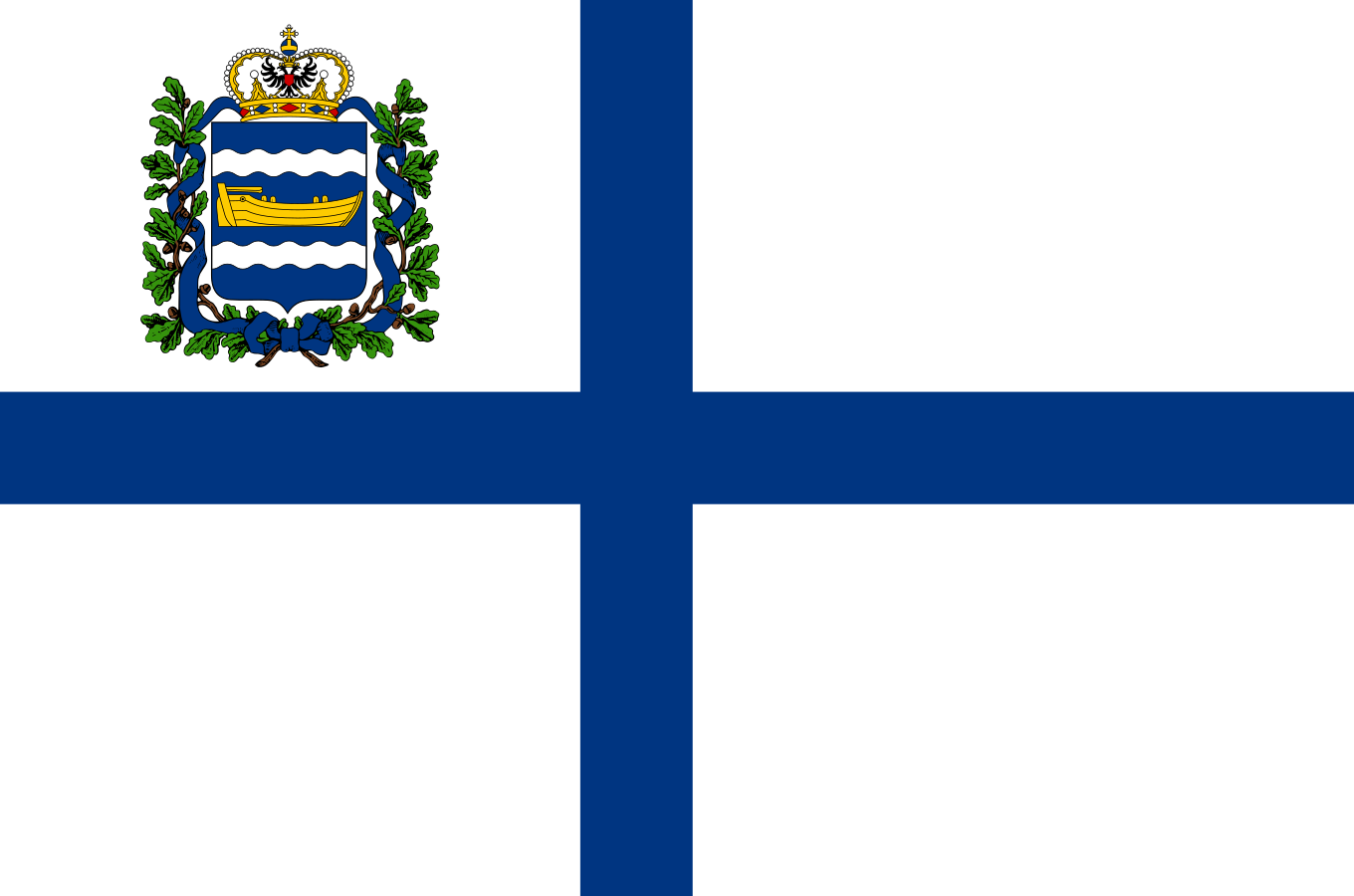
The yacht club flag
1861 → 29 May 1918
The Nyländska Jaktklubben of Helsinki took the white flag with a blue cross of a St Petersburg yacht club, with the arms of Uusimaa in the corner, and the other Finnish clubs followed. It differed from today's flag only in its proportions and became an unofficial Finnish flag. A white and blue flag was made in a hurry for a Finnish crew at Marstrand in 1862.
Image: Fenn-O-maniC, CC BY-SA 4.0
- 1896
The Russian tricolour imposed
1896 → 1917
An imperial proclamation made the white, blue and red Russian flag the only flag to be flown in Finland, which ended the press debate over blue and white against red and yellow. The red and yellow lion flag became a flag of resistance. At the Stockholm Olympics in 1912 the Russians had a blue and white Finnish flag removed.
- 1918
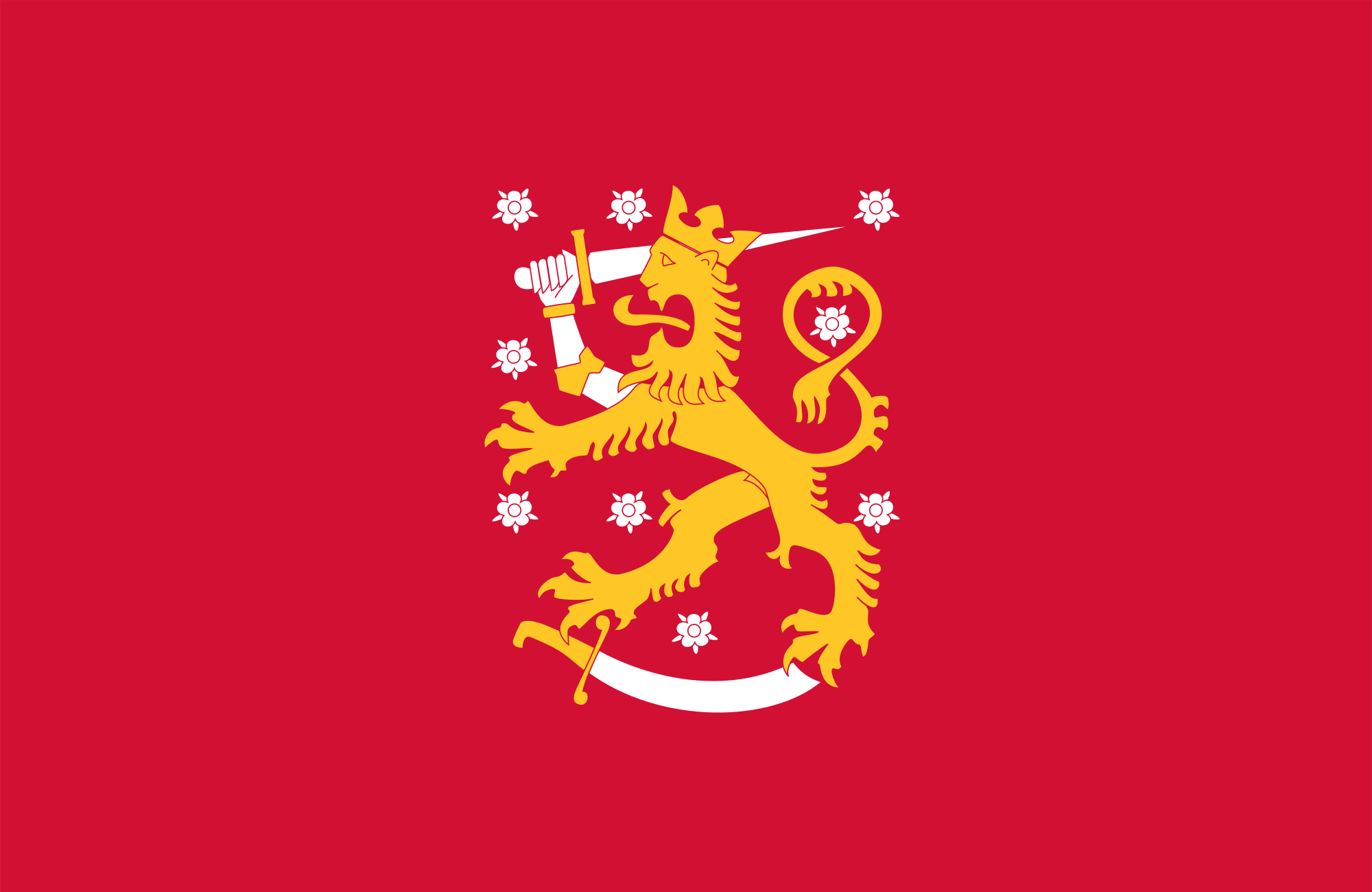
The lion flag
Jan 1918 → 29 May 1918
A committee set up by the Senate on 4 December 1917 proposed the red and yellow arms flag as the state flag. Parliament held back and called a competition, then civil war broke out on 28 January. The Senate used the lion flag as the state flag, and in February the Vaasa Senate set a red merchant flag with a yellow cross edged in white and blue.
- 1918
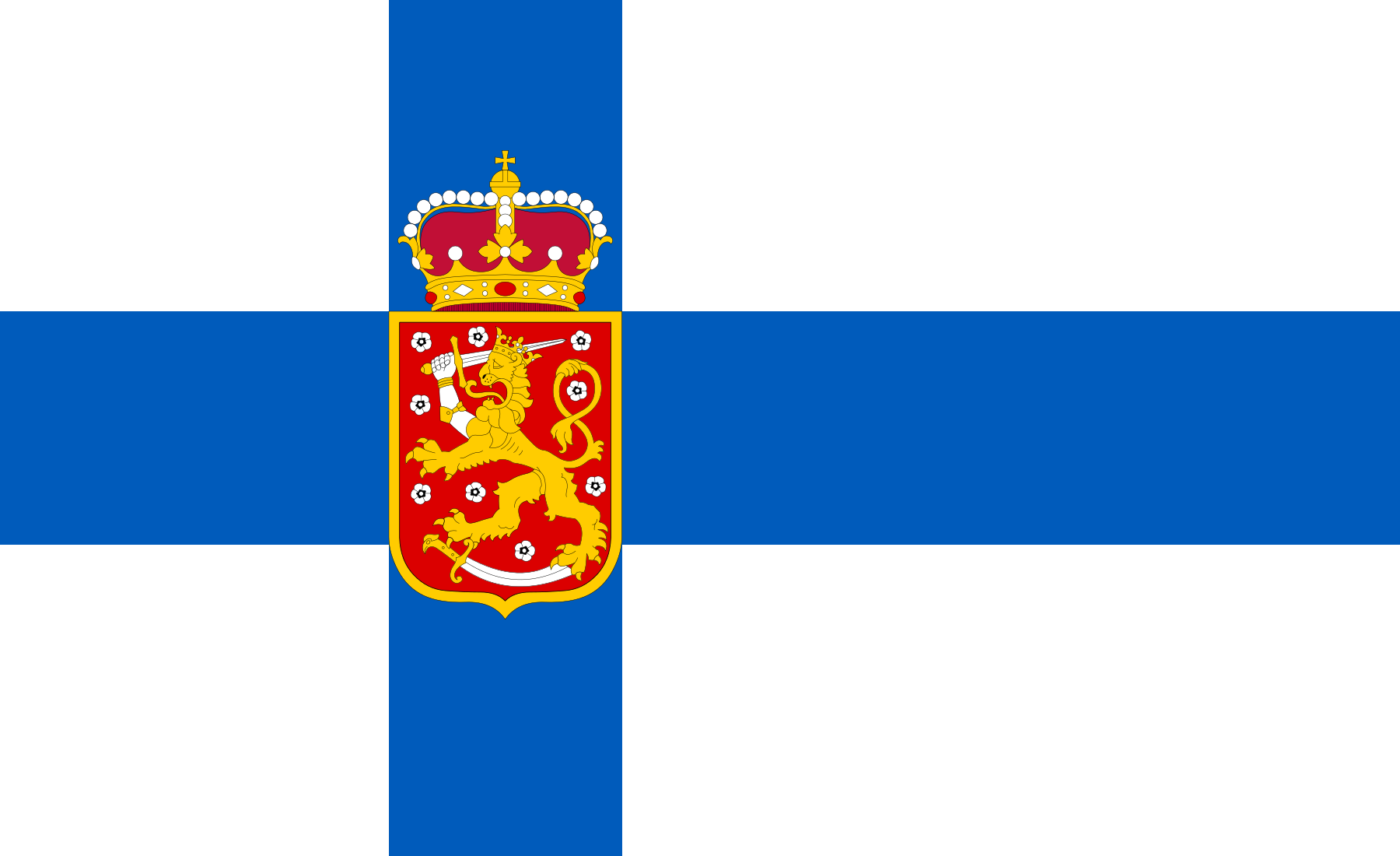
The blue cross with the crown
29 May 1918 → Feb 1920
After the civil war the victorious Whites rejected red, and parliament voted for blue and white. Akseli Gallen-Kallela's white cross on blue was turned down as too like the flags of Sweden and Iceland. The state flag carried the arms under the crown of the Grand Duchy; the plain cross flag was the merchant flag.
- 1920
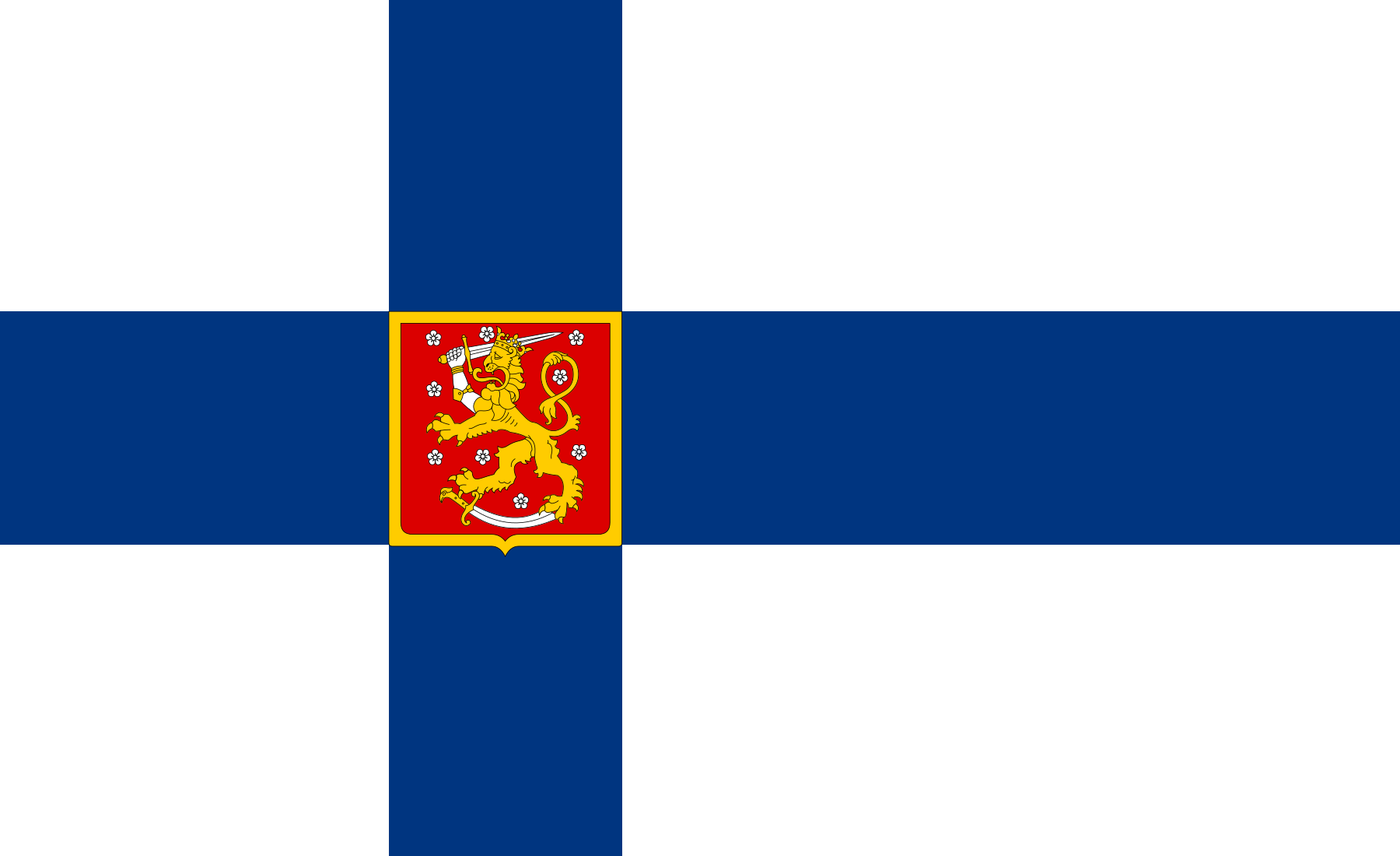
The crown removed
Feb 1920 → 1978
A government decision of February 1920 took the crown off the arms, which were set on an almost square ground. Pilot, customs and postal flags carried their own emblems in the upper hoist field.
- 1978
The national flagIn use
1978 → today
The flag law of 1978 named the plain cross flag the national flag and the flags with arms the state flags, set the arms inside an exact square in a new drawing by Olof Eriksson, and abolished the pilot, customs and postal flags by the end of 1980. The colours were fixed in 1993.
The law
What defines it, and who flies it
- 29 May 1918
Act on the flag of Finland
Passed by parliament on 28 May and confirmed by the Senate the next day. A sea-blue cross on white; the state flag with the arms at the centre, the merchant flag without them, the war flag with three points.
- 1978
Act on the Flag of Finland 380/1978
Amended by 588/1995. Names the national flag and the two state flags, forbids added symbols except where the law allows them, and sets fines for defacing the flag.
- 1978
Decree 383/1978 on flying the flag of Finland
Amended by 187/1996. Flag days, hours and the order of flags.
- 1993
Government Decision 827/1993 on the colours of the flag of Finland
Defines the blue, and the red and yellow of the arms, in CIE values, with NCS and Pantone equivalents. The permitted deviation is 4 ΔE*ab units.
In use
Everyone has the right to fly it; state agencies must fly it on official flag days
Raised at 08:00 and lowered at sunset, at the latest at 21:00; at Midsummer it flies from 18:00 on the eve to 21:00 on Midsummer Day, the Day of the Finnish Flag
In mourning it is flown with its lower edge at the middle of the pole, from the moment of the news to the end of the day
Among several national flags it takes the place of honour: the centre of three, or first on the far right of more
Nothing may be written, drawn or fixed on it. Defacing it or treating it with disrespect is punished with a fine
A worn-out flag is cut into unrecognisable pieces and disposed of in household waste, never buried or reused
The national flag is the ensign of Finnish vessels
Related flags
The flags it is confused with or comes from
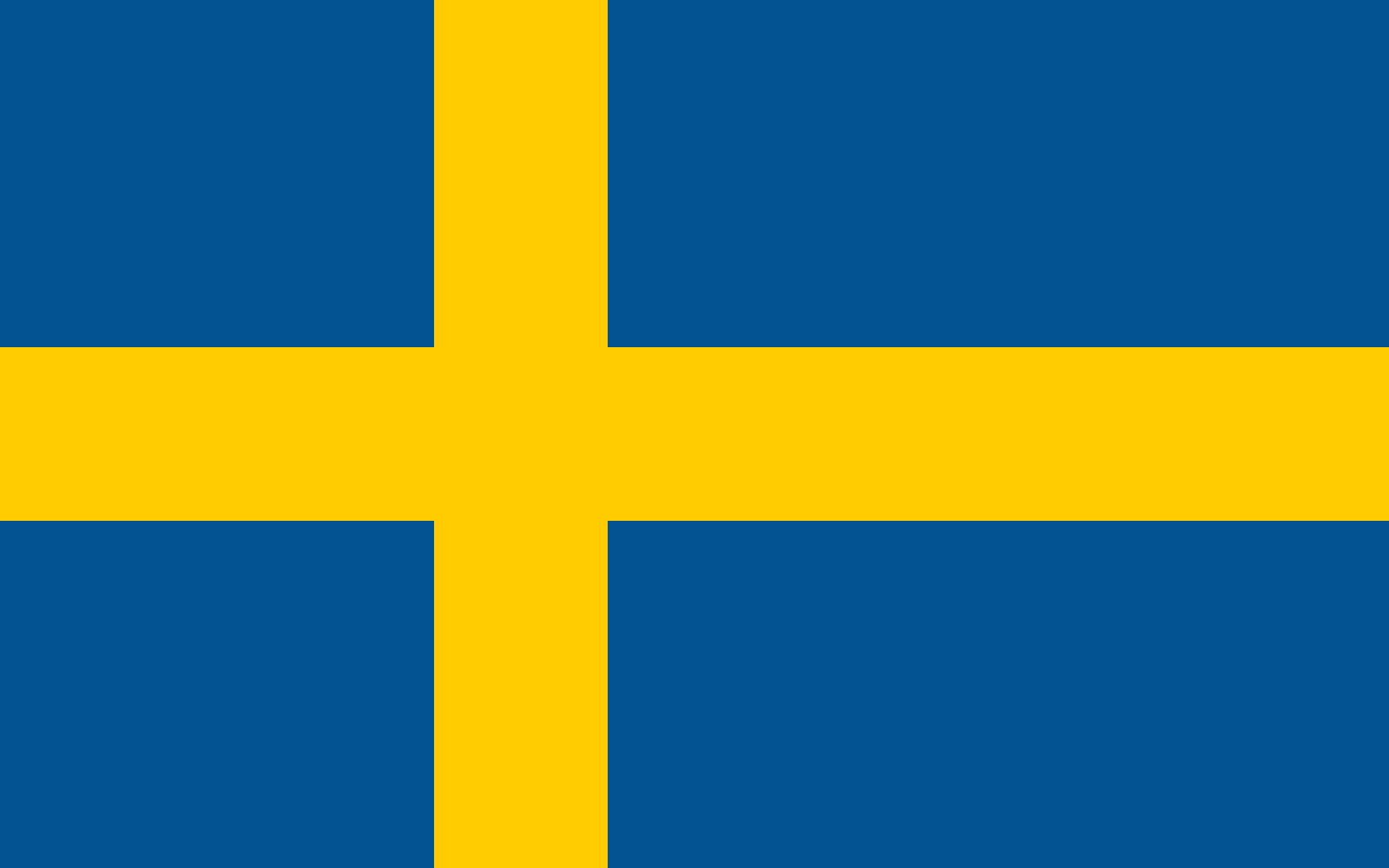 Sweden
- A Nordic cross flag. A white cross on blue was rejected in 1918 because it would be confused with Sweden's flag.
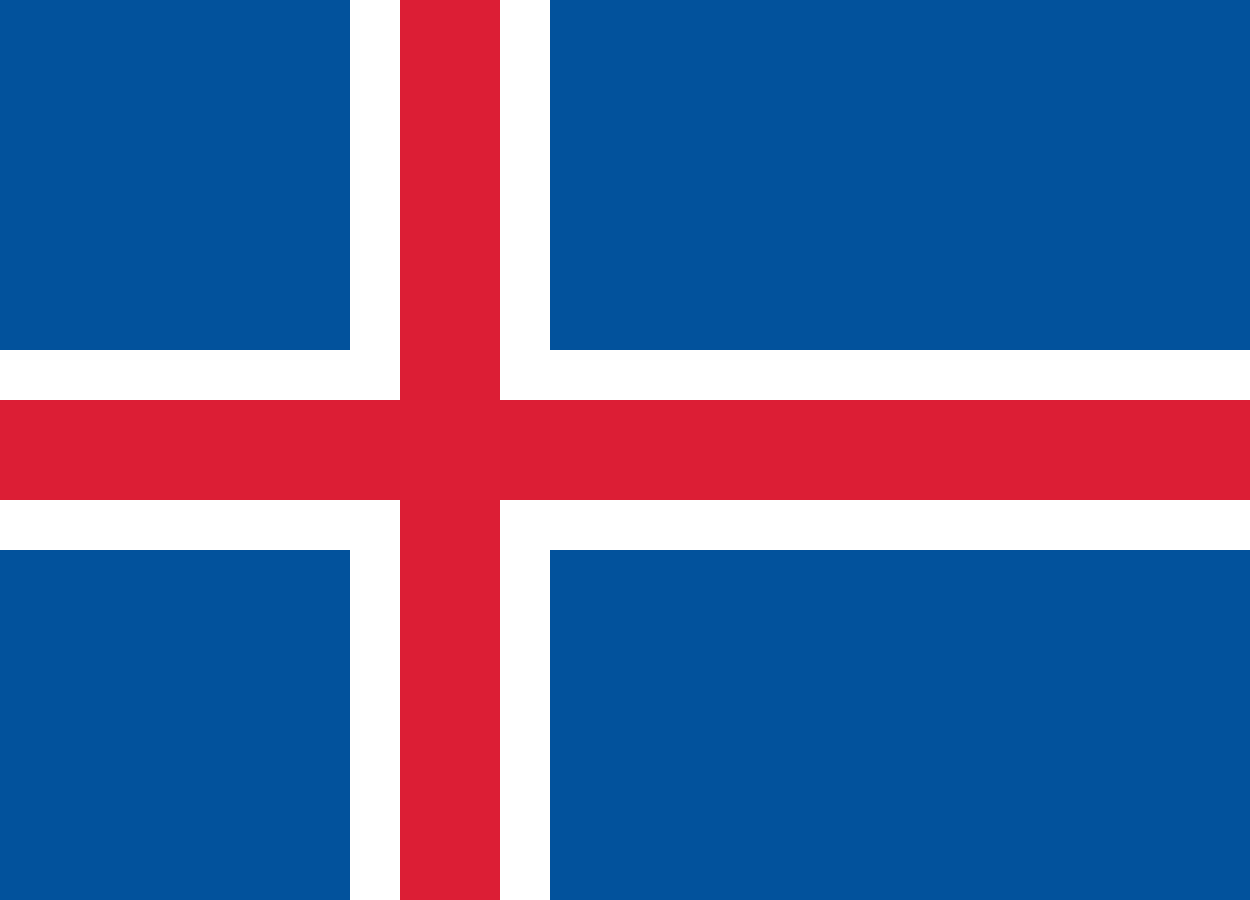 Iceland
- A Nordic cross flag. Iceland's then unofficial flag was the other reason the white cross on blue was rejected in 1918.
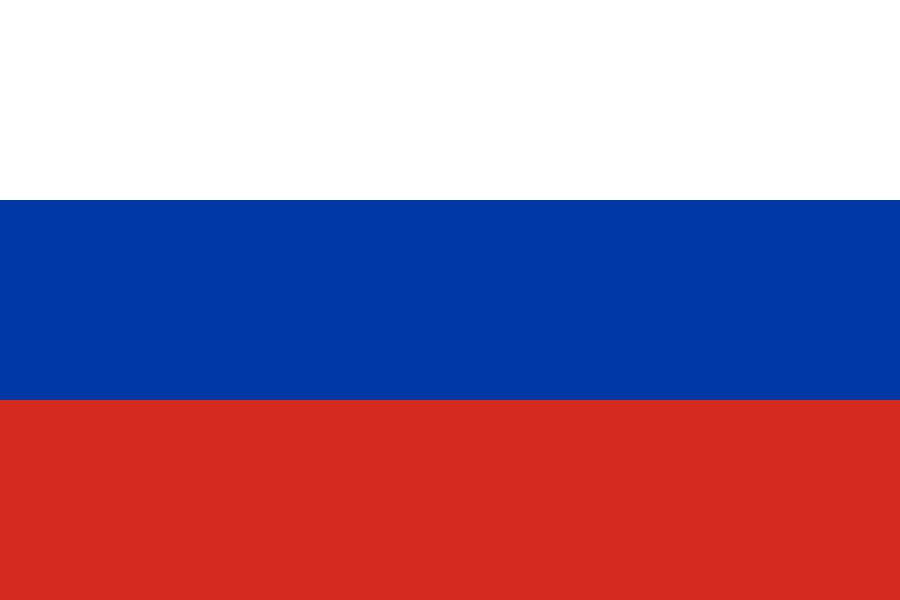 Russia
- The Russian tricolour was imposed as the only flag in Finland from 1896, and the blue saltire on white of the Russian navy may have shaped the choice of blue and white.
 Denmark
- The Nordic cross the design is based on.
Coat of arms
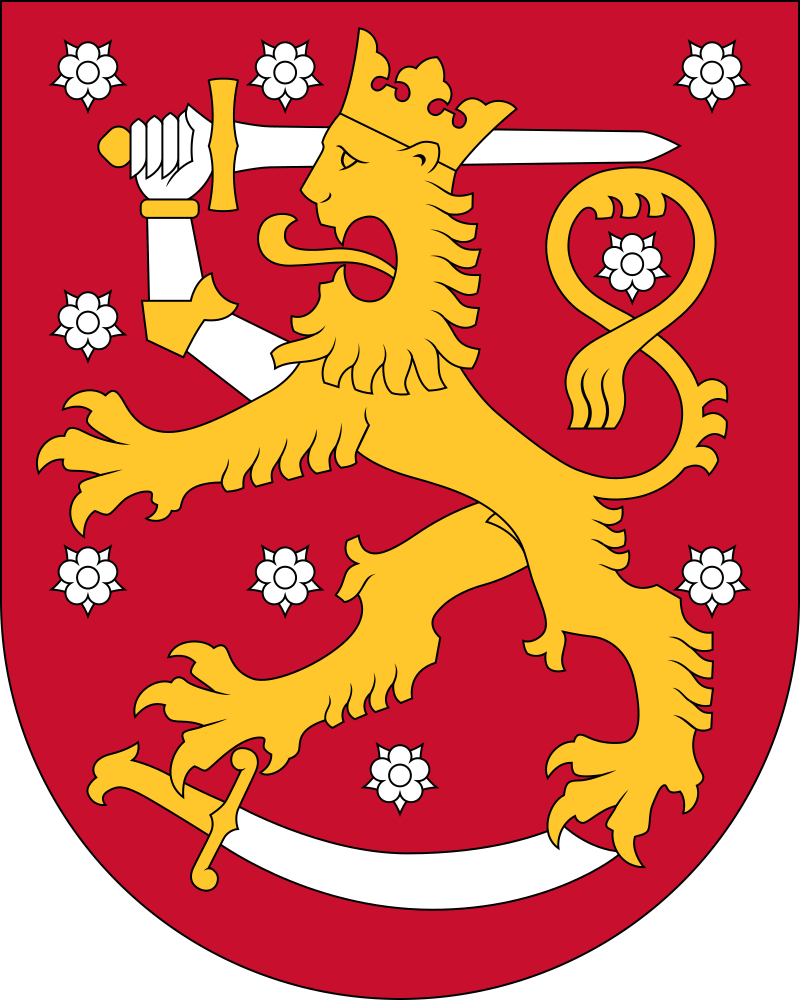
The arms of Finland