The flag of Iceland
Íslenski fáninn · since 1944
 Back to Iceland
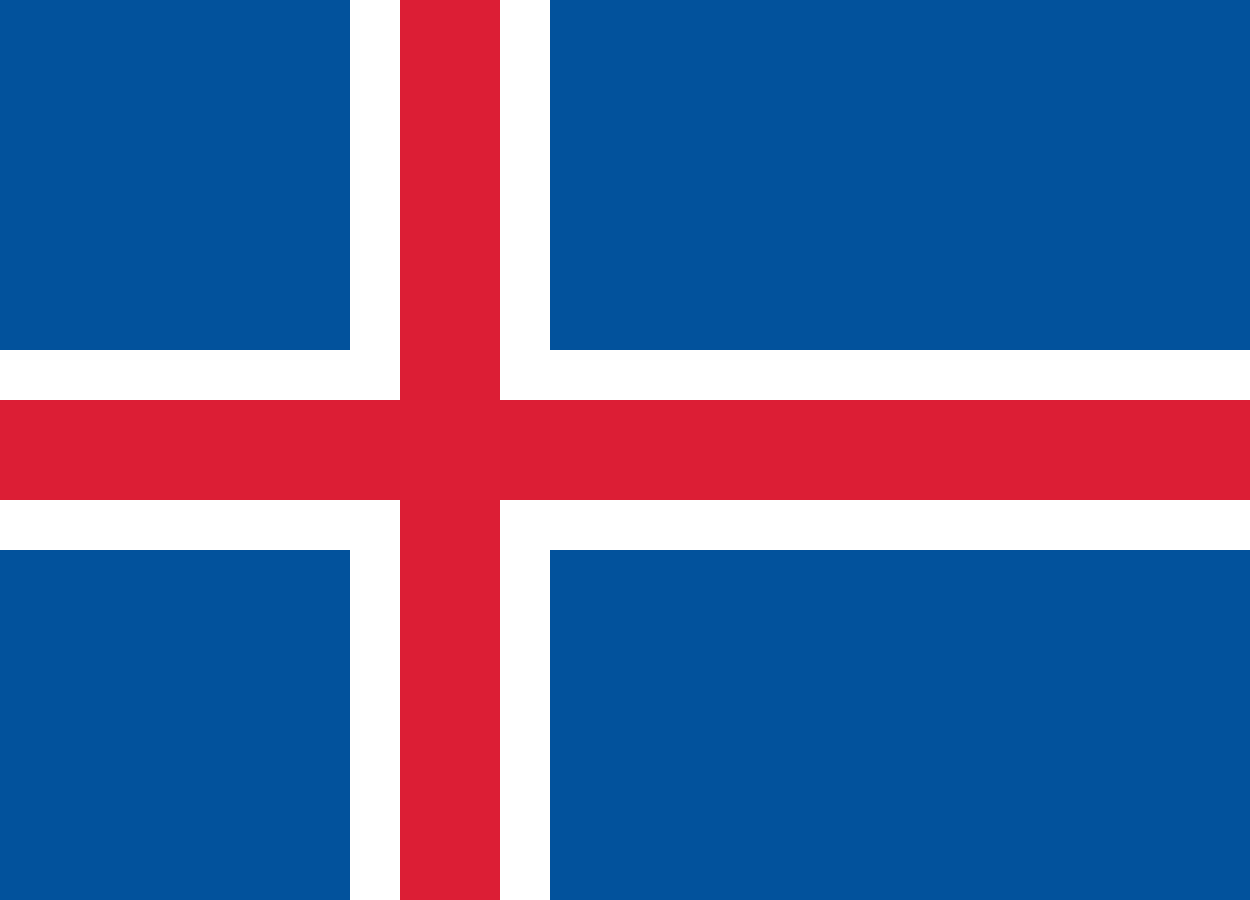
A sky-blue flag with a snow-white Nordic cross and a fire-red cross inside it. Matthías Þórðarson proposed the design in 1906; a royal decree confirmed it on 19 June 1915, and the Flag Act adopted on 17 June 1944, the day Iceland became a republic, fixed it in law. The blue has darkened since the ultramarine of 1918 to 1944.
At a glance
- Adopted
- 1944
- Proportion
- 18:25
- Colours
- Earlier flags
- 4
- Designer
- 1
The colours
The colours of the flag of Iceland, in the order it has them
- 0166.4%
Sky blue
heiðblárThe field
- HEX
#02529C- RGB
2 82 156- CMYK
100 75 2 18- Pantone
287- RAL
5017
- 0215.8%
Snow white
mjallhvíturThe outer cross
- HEX
#FFFFFF- RGB
255 255 255- CMYK
0 0 0 0
- 0317.8%
Fire red
eldrauðurThe inner cross
- HEX
#DC1E35- RGB
220 30 53- CMYK
0 100 72 0- Pantone
199- RAL
3028
No law gives these codes. HEX and RGB are the colour this site draws the flag in; CMYK, Pantone and RAL are the values most often published for it.
Construction
How the flag is drawn
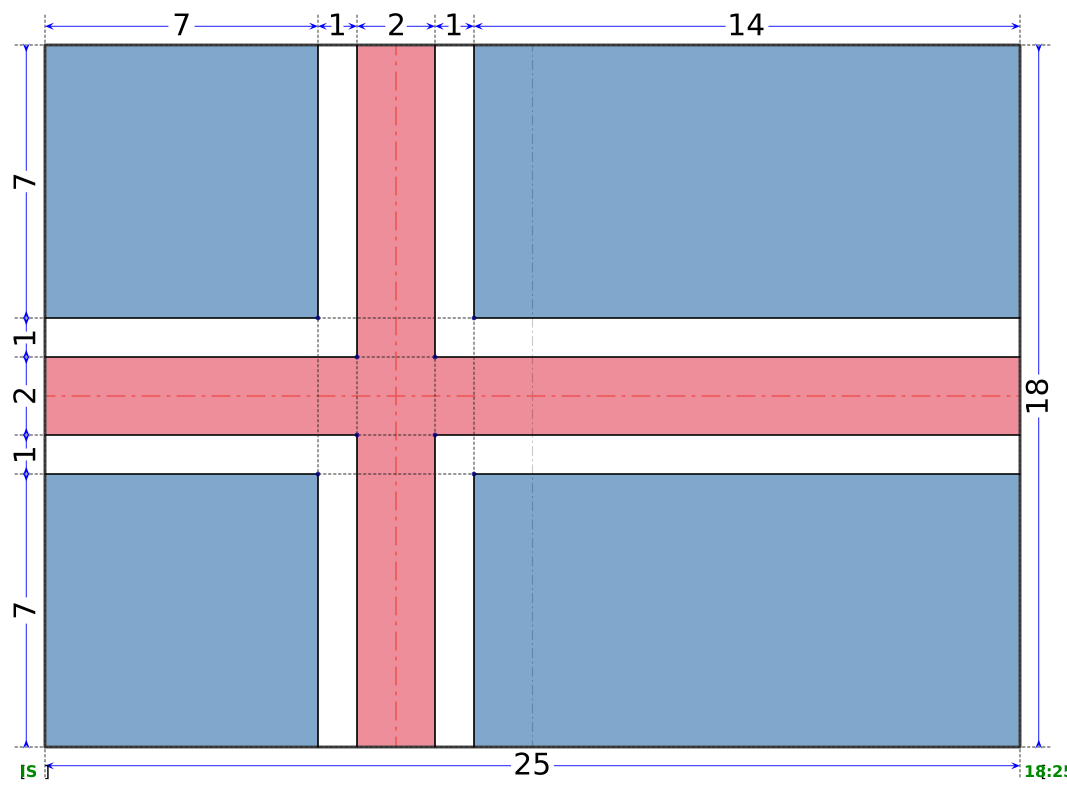
A sky-blue field with a snow-white Nordic cross running to the edges, and a narrower fire-red cross set in the centre of the white one; the cross is set towards the hoist.
- Along the length
- 7, 1, 2, 1 and 14 units from the hoist: blue, white, red, white, blue
- Along the height
- 7, 1, 2, 1 and 7 units
- Blue sections
- The hoist sections are square; the fly sections are as wide but twice as long
- Red cross
- 1/9 of the flag's width, set in the centre of the white cross
- White stripes
- 1/18 of the flag's width on each side of the red cross, 2/9 for the white cross as a whole
- Reference copies
- The flag in its correct colours and proportions is displayed in the National Museum of Iceland and in police stations
Other forms
- State flag
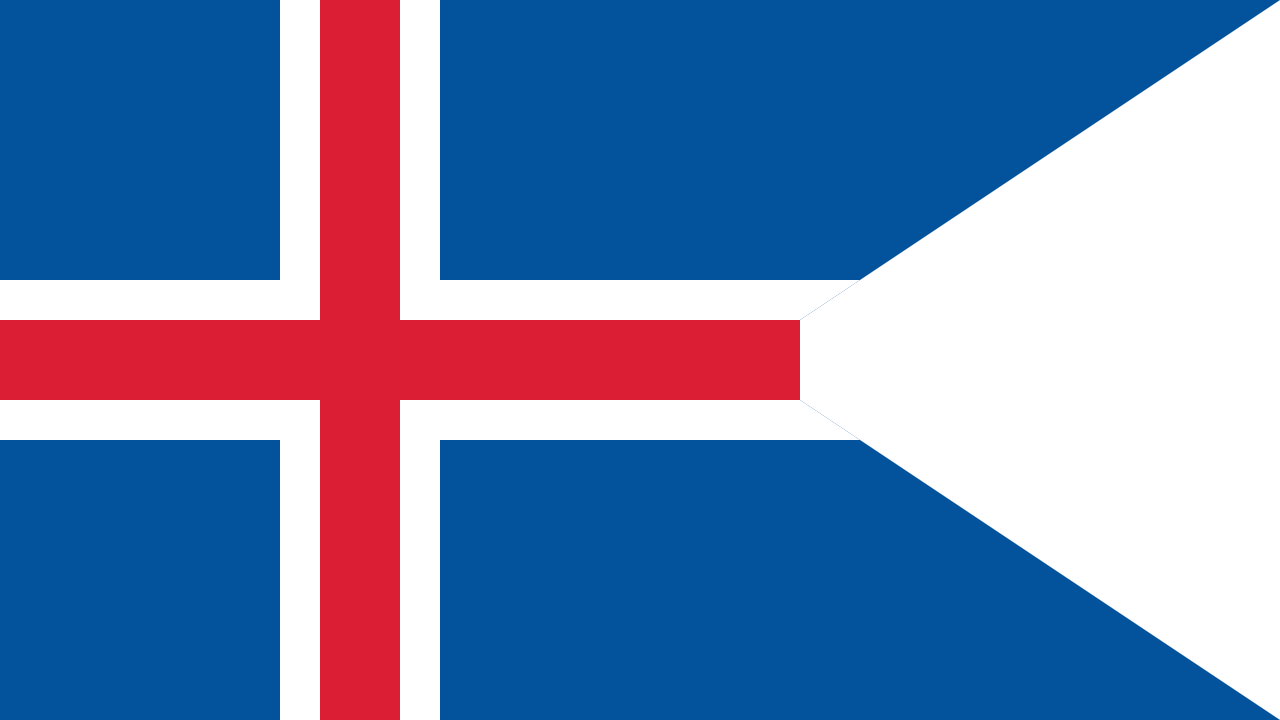
- The Tjúgufáni: the national flag with a swallowtail, its fly sections three times the length of the hoist sections, at 18:32. Flown on government buildings and embassies and used as the naval ensign of the Coast Guard. First flown on 1 December 1918.
- Flag of the president
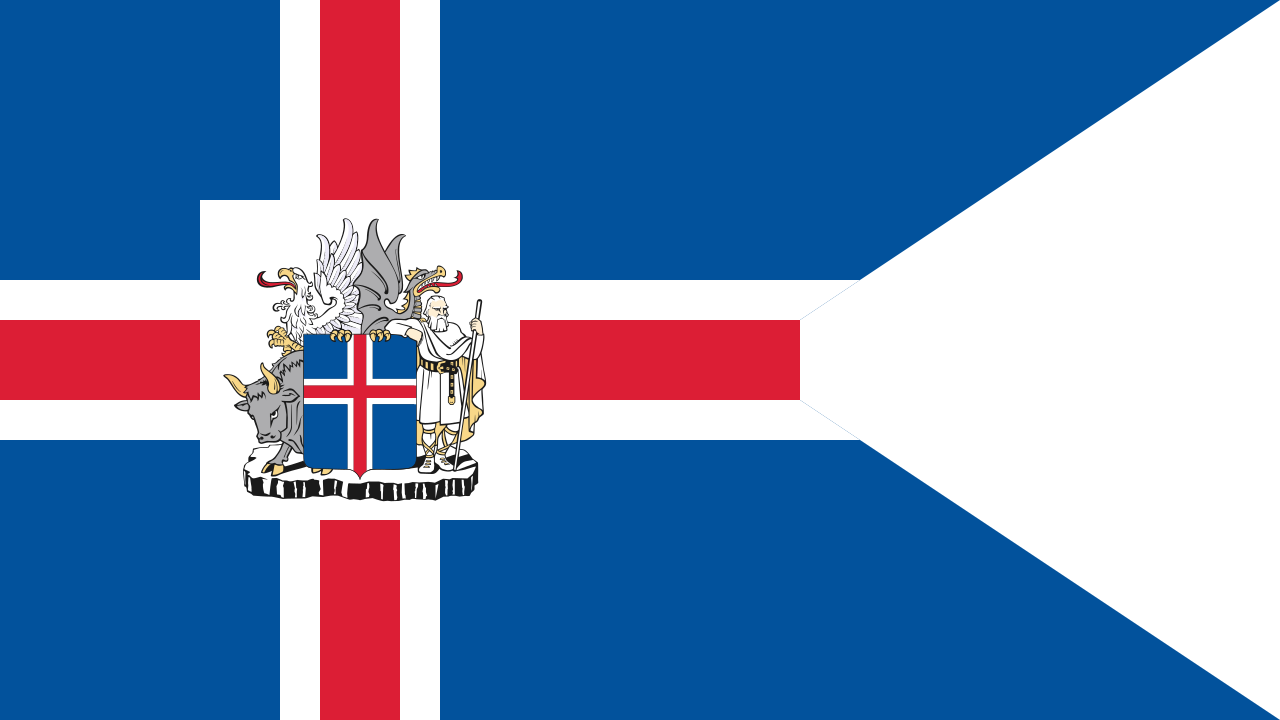
- The state flag with the coat of arms and its supporters on a white rectangle where the arms of the cross meet. Flown at the president's residences and on the president's vehicles.
- Customs flag
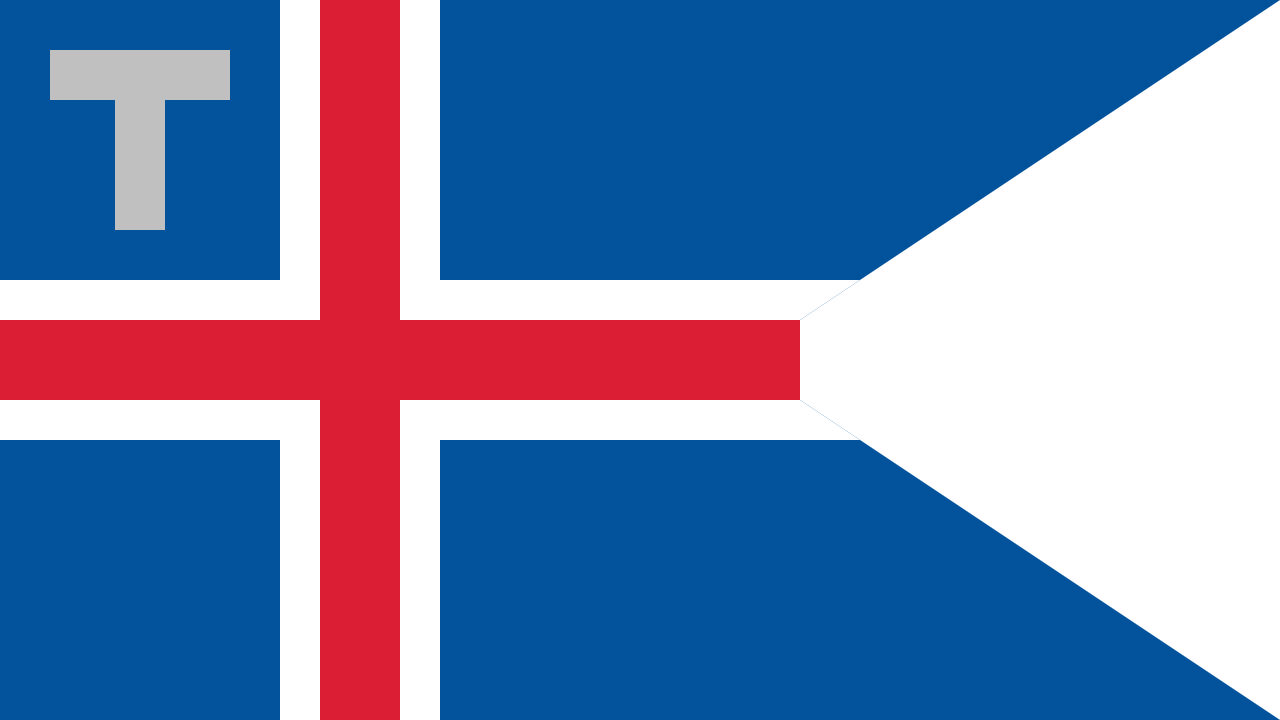
- The state flag with a silver capital T, for Tollur, in the centre of the canton, half the canton's width in height.
Meaning
What each part stands for
- Blue
- The blue of the mountains, in Þórðarson's proposal; also read as the surrounding sea
- White
- Ice and snow
- Red
- Volcanic fire. The Danish National Encyclopaedia reads it as a historical link to Norway
- Cross
- The Nordic connection shared with the other Nordic flags, traditionally associated with Christianity
Who drew it
- Matthías Þórðarson
- National antiquarian; proposed the tricolour cross in 1906
History
How the flag of Iceland got here
- 1809
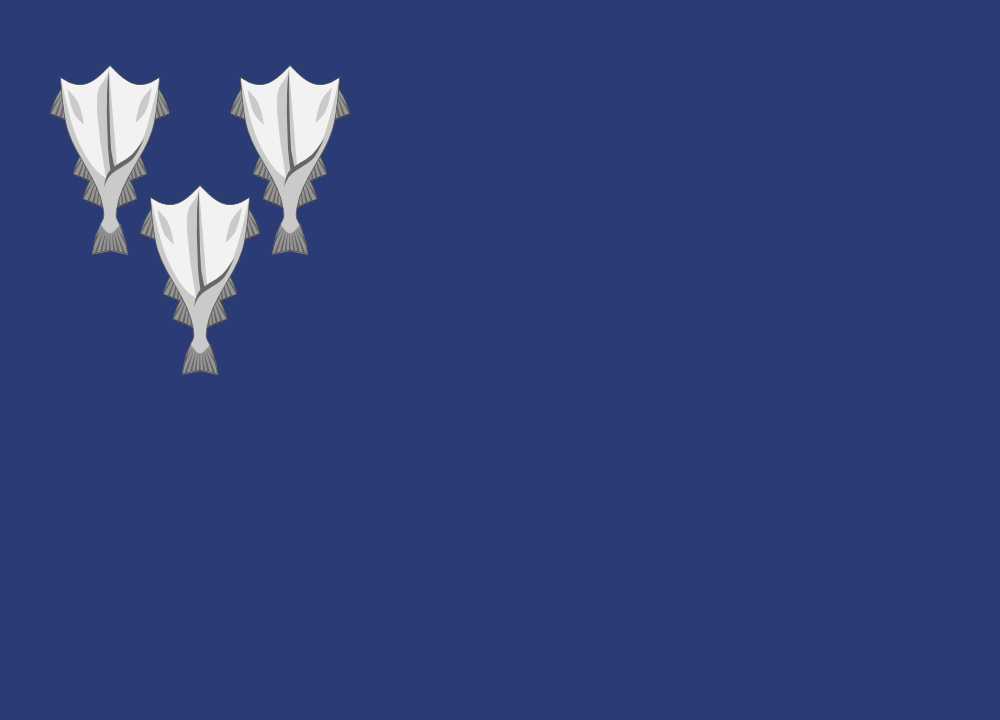
Jørgensen's codfish flag
12 Jul 1809 → 1809
Jørgen Jørgensen, who seized power in Iceland in June 1809, decreed a blue flag with three white codfish in the upper hoist. It was hoisted with a cannon salute at noon on 12 July 1809 in Hafnarstræti, Reykjavík.
- 1873
The falcon flag
1873 → 1900
A white falcon on blue, proposed by the painter Sigurður as both flag and arms, taken up by students in 1873 and widely flown at the national festival of 1874. Flags of this kind were flown at celebrations until about the turn of the century.
- 1897
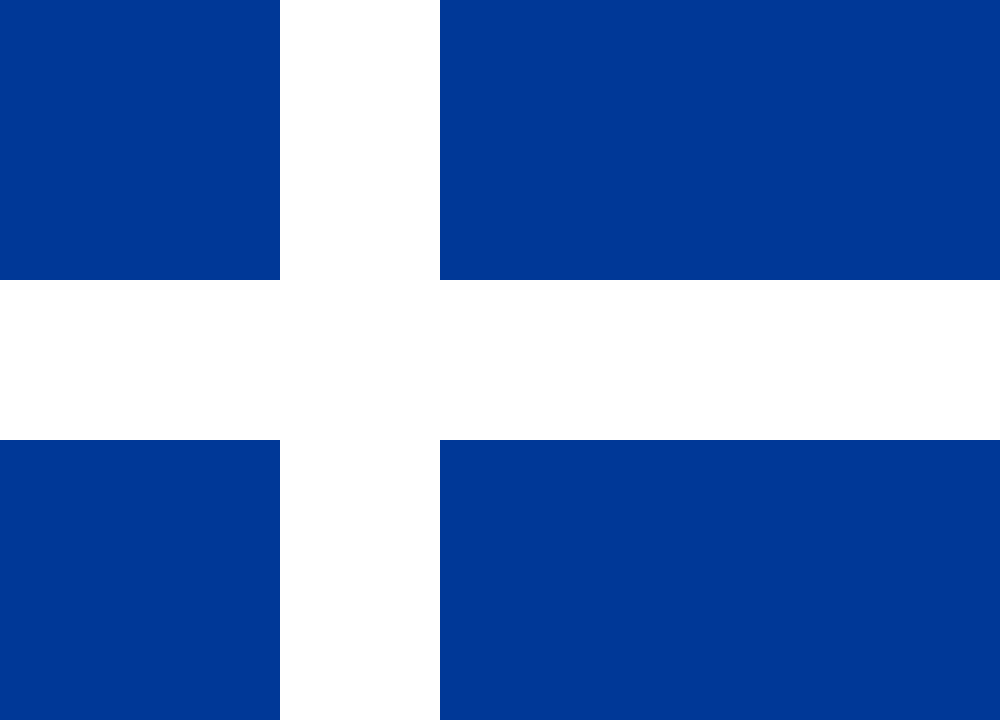
Hvítbláinn
1897 → 19 Jun 1915
Einar Benediktsson proposed a white cross on blue in 1897, and women's associations first raised it that summer. It was never recognised officially, and many thought it too like the Greek and Swedish flags. On 12 June 1913 a Danish patrol ship confiscated one from a rowing boat in Reykjavík harbour.
- 1915
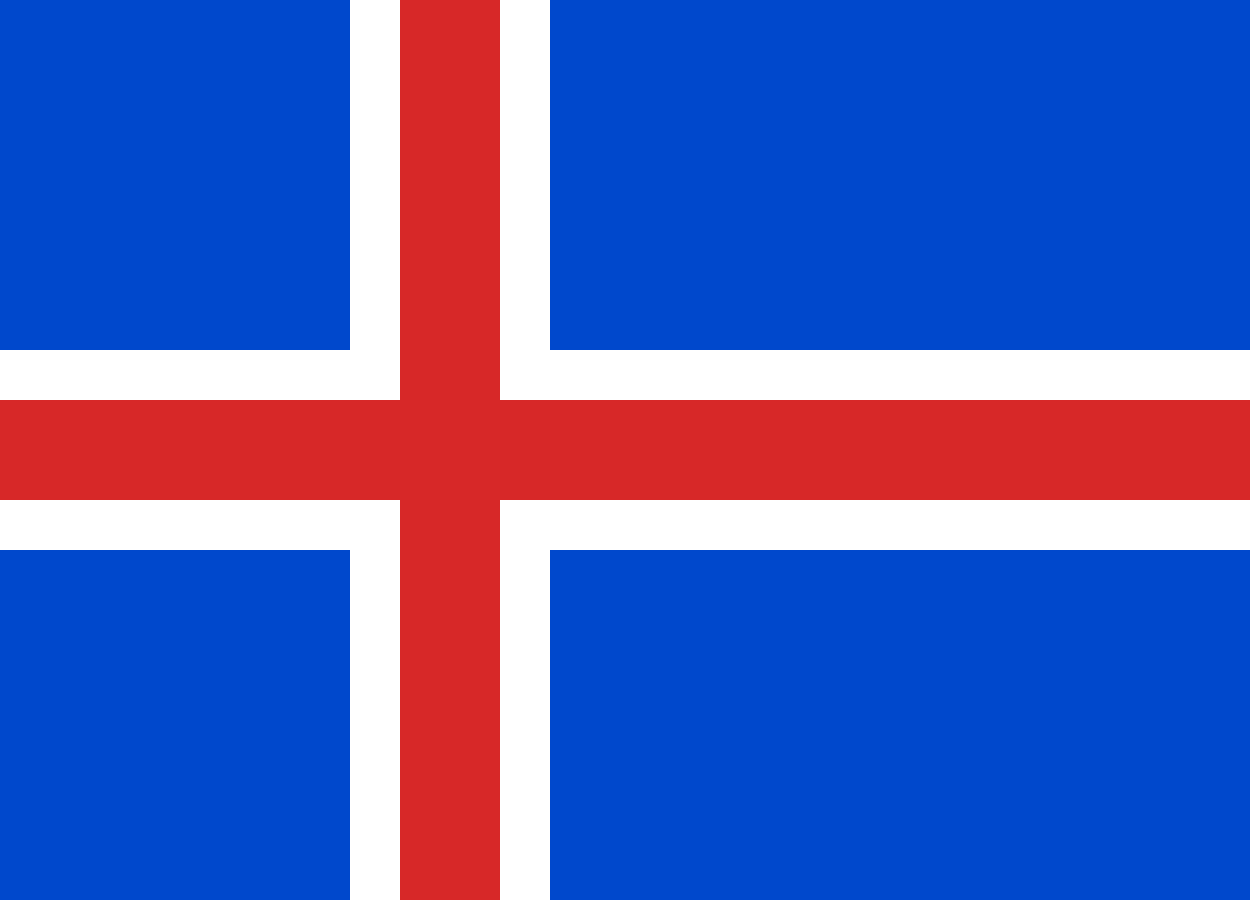
The tricolour cross
19 Jun 1915 → 17 Jun 1944
The king found Hvítbláinn too close to the Greek flag and approved Þórðarson's design instead. It became the national flag when Iceland gained sovereignty in 1918, with the blue defined as ultramarine and noticeably lighter than today.
- 1944
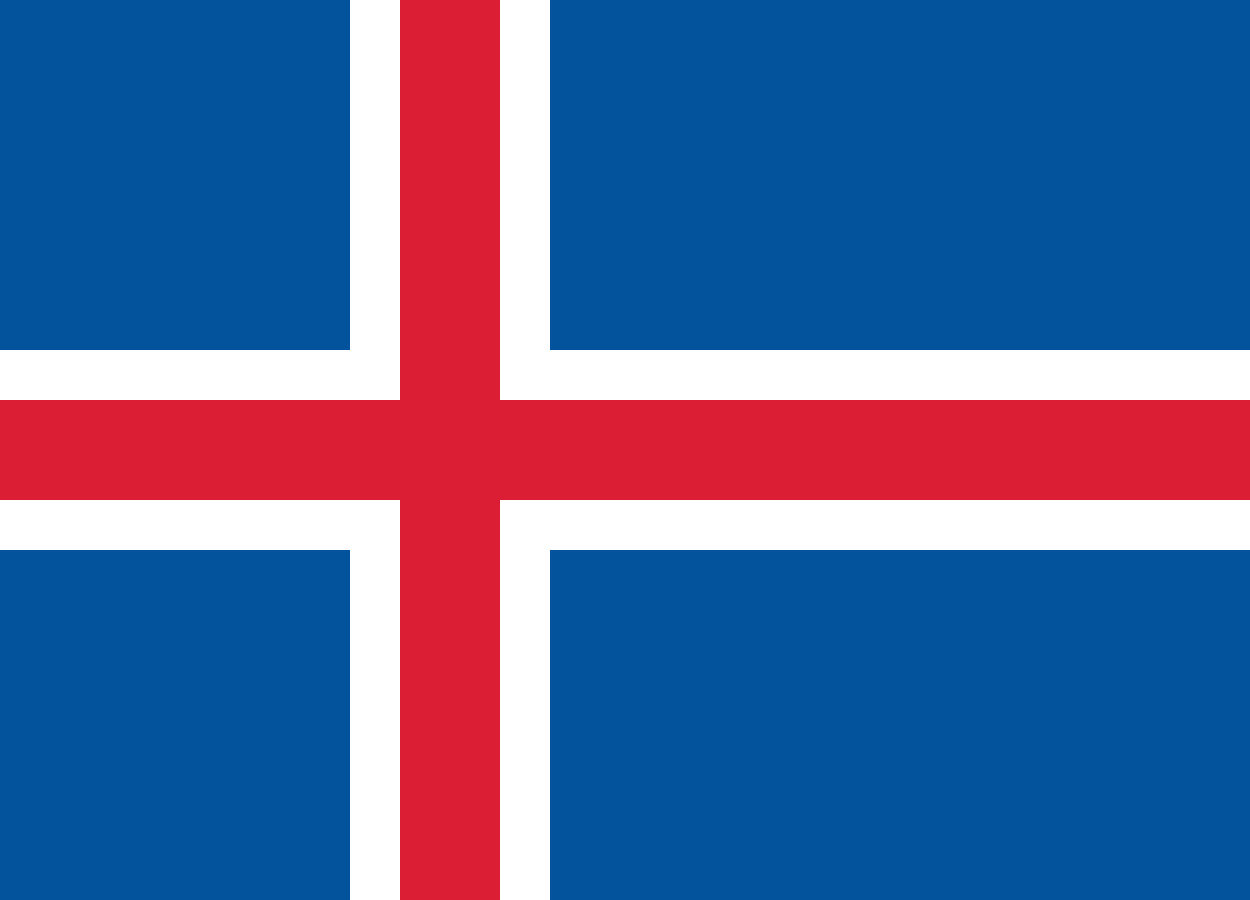
The flag of the republicIn use
17 Jun 1944 → today
The Flag Act of 1944 dropped the reference to ultramarine and called the blue simply sky blue. The rules on flag days that the act anticipated followed in 1991.
The law
What defines it, and who flies it
- 19 June 1915
Royal decree of King Kristján X
First confirmed the flag officially, allowing it in Icelandic territorial waters where the Danish flag had been required.
- 17 June 1944
Flag Act No. 34/1944, the Law of the National Flag of Icelanders and the State Arms, Article 1
In force from 24 August 1944, the first law passed after the constitution. Sets the geometry and names the colours sky blue, snow white and fire red; disrespect to the flag carries a fine or up to a year in prison.
- 23 January 1991
Presidential decree No. 5/1991 on flag days and flag times
Lists the flag days and the hours the flag may fly.
- 2016
Announcement No. 32/2016 on the Icelandic Flag
Issued by the Prime Minister. Fixes the colours in SCOTDIC, with Pantone, CMYK, RGB, HEX and Avery equivalents.
In use
Flown on public buildings on New Year's Day, Easter Sunday, the First Day of Summer, 1 May, Whit Sunday, Seamen's Day, 17 June, 16 November, 1 December, Christmas Day and the president's birthday
Flown at half-mast on Good Friday
Never hoisted before 7am, normally lowered by sunset and never flown after midnight, except at outdoor gatherings, ceremonies and funerals, which may run on until midnight
Flags must be kept in good condition, and the police may seize flags in public places that break the flag rules
Related flags
The flags it is confused with or comes from
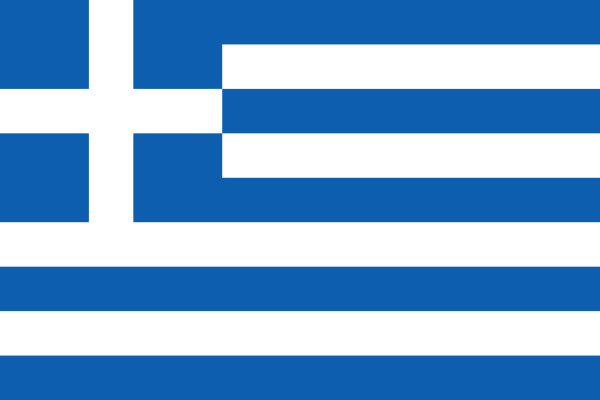

Coat of arms
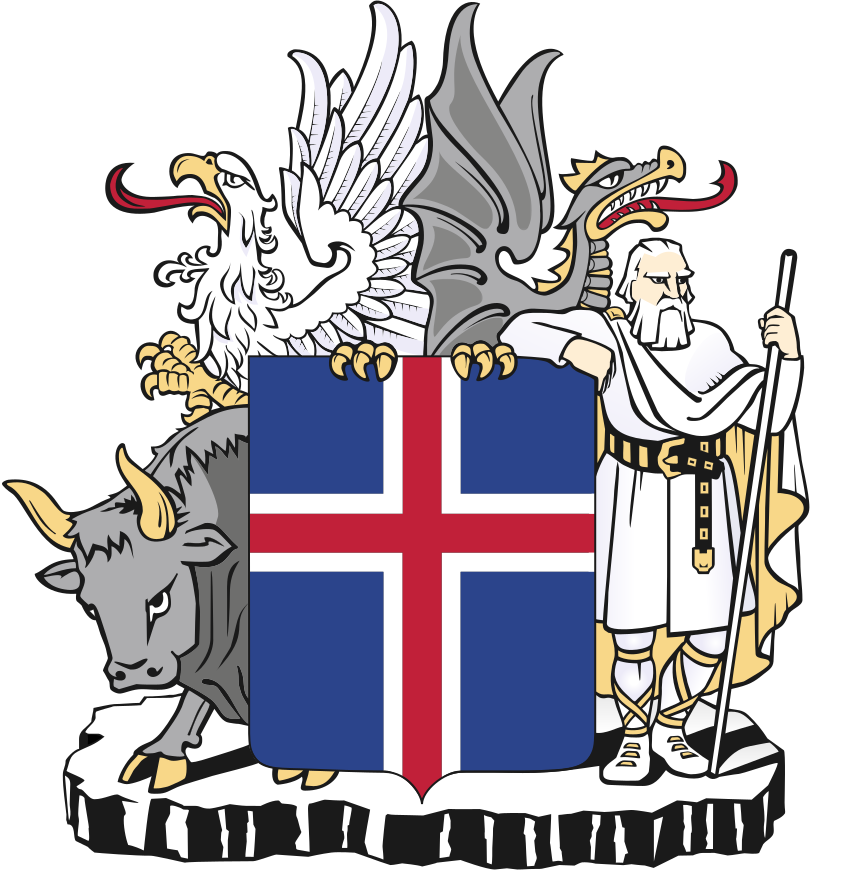
The arms of Iceland