Northern Europe
What makes this a region rather than a direction on a map? An assembly, and then a treaty. Every country filed here is represented in the Nordic Council, which Denmark, Iceland, Norway and Sweden set up in 1952 and Finland joined in 1955. Åland and the Faroe Islands took seats in 1970 and Greenland in 1984. The treaty was signed at Helsinki on 23 March 1962.
8 countries
- ÅlandA Swedish-speaking, demilitarised region of Finland with its own parliament, a regional citizenship and a tax border, home to 30,836 people at the end of 2025.
- Denmark5.8 million people on 42,925 square kilometres of peninsula and islands, highest point 171 metres. A 179-seat parliament, four of whose seats sit in the Arctic.
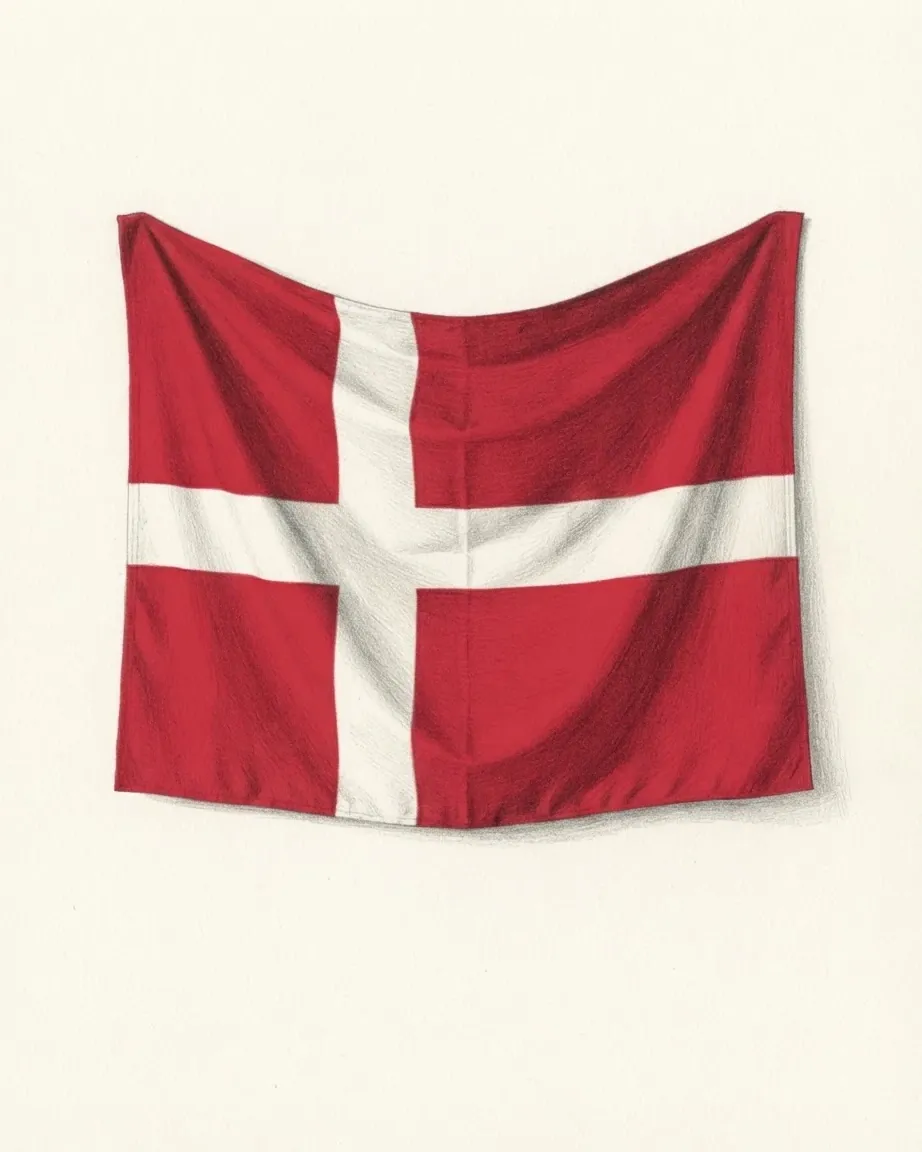
- Faroe Islands54,149 people in 2023 on 18 islands that run their own fisheries, taxes and trade while Denmark keeps nationality, defence and the currency.
- Finland5.7 million people on 390,905 square kilometres of forest and lake. Independent since 1917, in the EU since 1995, and in NATO since April 2023.
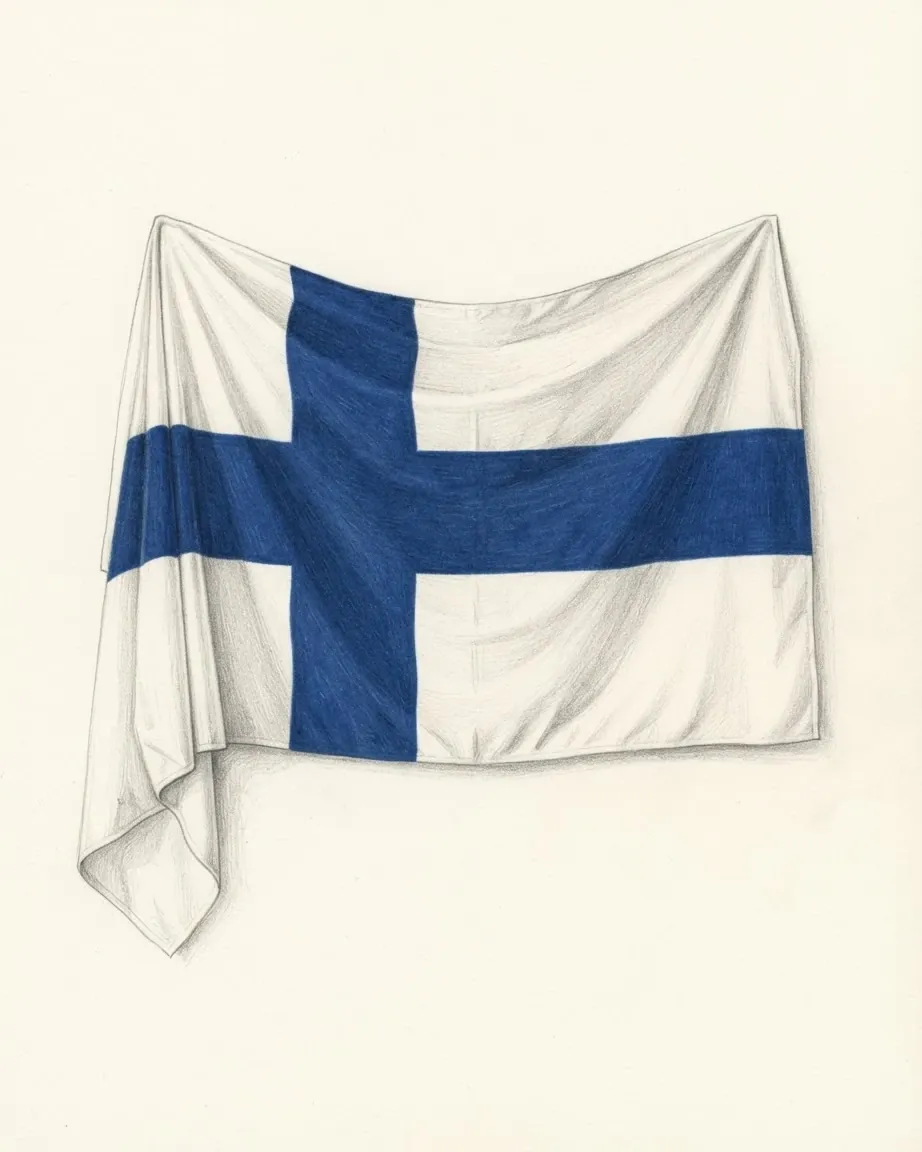
- Greenland56,740 people on 1 January 2026, more than a third in Nuuk. A self-governing part of Denmark since 2009, on an island mostly under ice.
- IcelandAn empty island claimed in sixty years and written down as it happened: 376,248 people counted in 2022, on crust the Mid-Atlantic Ridge pulls apart by 19 millimetres a year.
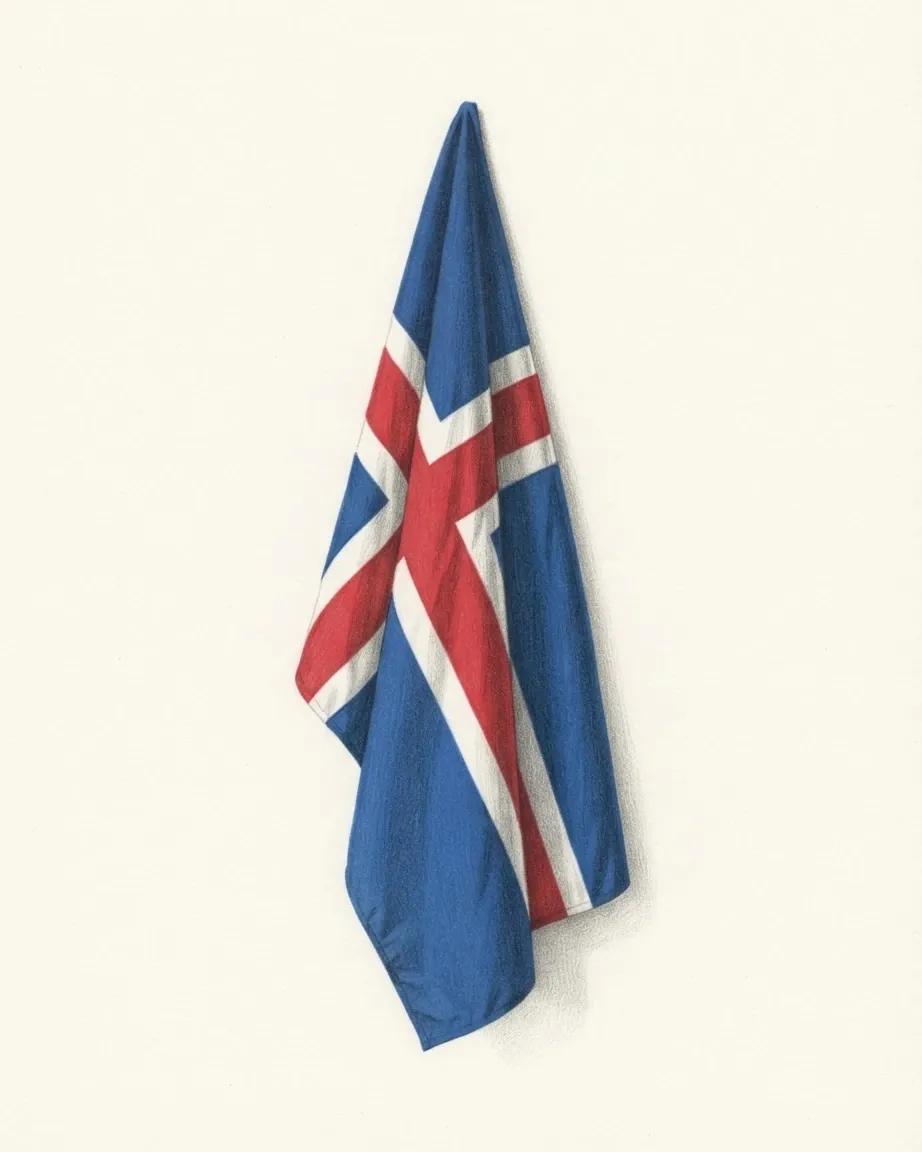
- NorwayA Nordic monarchy of 5.6 million that wrote its constitution before it was independent and claimed its seabed six years before anyone found oil under it.
- Sweden10.6 million people on 528,861 square kilometres from the Baltic to the Arctic. A monarchy whose 1974 constitution left the crown no power, and which kept its own currency.
Common questions
Questions about Northern Europe
Which countries are in Northern Europe?
Denmark, Finland, Iceland, Norway and Sweden, together with Åland, the Faroe Islands and Greenland, on the reading this catalogue applies. It is the Nordic reading, and the common thread is representation in the Nordic Council. The M49 standard of the UN Statistics Division draws the same name much wider, adding the United Kingdom, Ireland and the Baltic states, and files Greenland under Northern America instead.
What is the difference between Scandinavia and the Nordic countries?
Scandinavia in its narrow sense means Denmark, Norway and Sweden, whose languages are mutually readable, and in its narrowest sense the peninsula that Norway and Sweden share. Nordic is the wider word. It takes in Finland, whose language belongs to a different family, and Iceland, and it is the term the institutions use: the Nordic Council, the Nordic Council of Ministers and the Nordic Language Convention are all named for it.
Are the Nordic countries in the European Union?
Not uniformly, and the boundary runs inside member states as well as between them. Denmark acceded on 1 January 1973 and Finland and Sweden on 1 January 1995. Norway rejected membership in referendums on 25 September 1972 and 28 November 1994, and takes the internal market through the European Economic Area, as Iceland does. The Faroe Islands never joined, and Greenland left on 1 February 1985.
Is Greenland part of Europe?
It depends on which question is being asked. Greenland sits on the North American plate and shares a land border with Canada under the agreement of 14 June 2022 that divided Tartupaluk, and M49 files it under Northern America. It is also a self-governing part of the Kingdom of Denmark, has held seats in the Nordic Council since 1984, and is filed here for that reason. Both readings are recorded and neither is settled.
Can a citizen of one Nordic country live and work in another?
That has been the arrangement since long before the European Union offered it. A protocol signed at Copenhagen on 22 May 1954 opened a common labour market from 1 July that year, removing the permit requirement, and a protocol of 14 July 1952 had already dropped the passport requirement. The Nordic Language Convention, in force from 1 March 1987, adds the right to use one Nordic language in another country's public offices.
Why do the flags look alike?
They descend from one design. The off-centre cross of the Danish Dannebrog was taken up by Norway in 1821, Sweden in 1906, Finland in 1918, the Faroe Islands in 1940, Iceland in 1944 and Åland in 1954, each with its own colours. Greenland went the other way: on 21 June 1985 its assembly chose a white and red disc, Erfalasorput, over a Nordic cross design by 14 votes to 11.