The flag of Norway
Norges flagg · since 1821
 Back to Norway
A red field with a dark blue Nordic cross edged in white, the upright of the cross set towards the hoist after the Danish pattern. Fredrik Meltzer drew it in May 1821, choosing red, white and blue as the colours of liberty and as a nod to both Denmark and Sweden, and it carried the union mark from 1844 until the pure flag was restored in 1899. The law names the colours only as deep red and dark blue, and no official colour code exists.

At a glance
- Adopted
- 1821
- Proportion
- 8:11
- Colours
- Earlier flags
- 5
- Designer
- 1
The colours
The colours of the flag of Norway, in the order it has them
- 0163.2%
Deep red
høyrødThe field
- HEX
#BA0C2F- RGB
186 12 47- CMYK
0 100 76 13- Pantone
200 C- RAL
3020
- 0217.4%
White
hvitThe edging of the cross
- HEX
#FFFFFF- RGB
255 255 255- CMYK
0 0 0 0- RAL
9016
- 0319.4%
Dark blue
mørkeblåThe cross
- HEX
#00205B- RGB
0 32 91- CMYK
100 78 0 57- Pantone
281 C
No law gives these codes. HEX and RGB are the colour this site draws the flag in; CMYK, Pantone and RAL are the values most often published for it.
Construction
How the flag is drawn
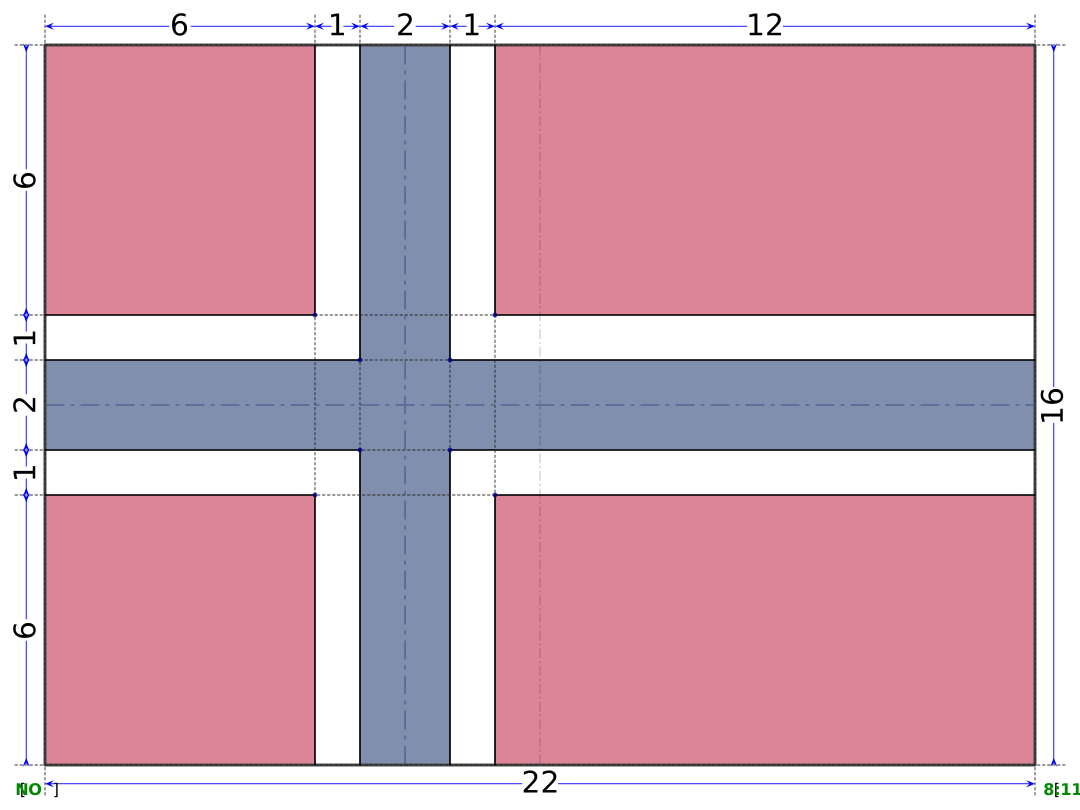
A red field with a dark blue Nordic cross edged in white running to the edges, its upright shifted towards the hoist.
- Height
- Divided 6:1:2:1:6: red, white, blue, white, red
- Length
- Divided 6:1:2:1:12
- State flag
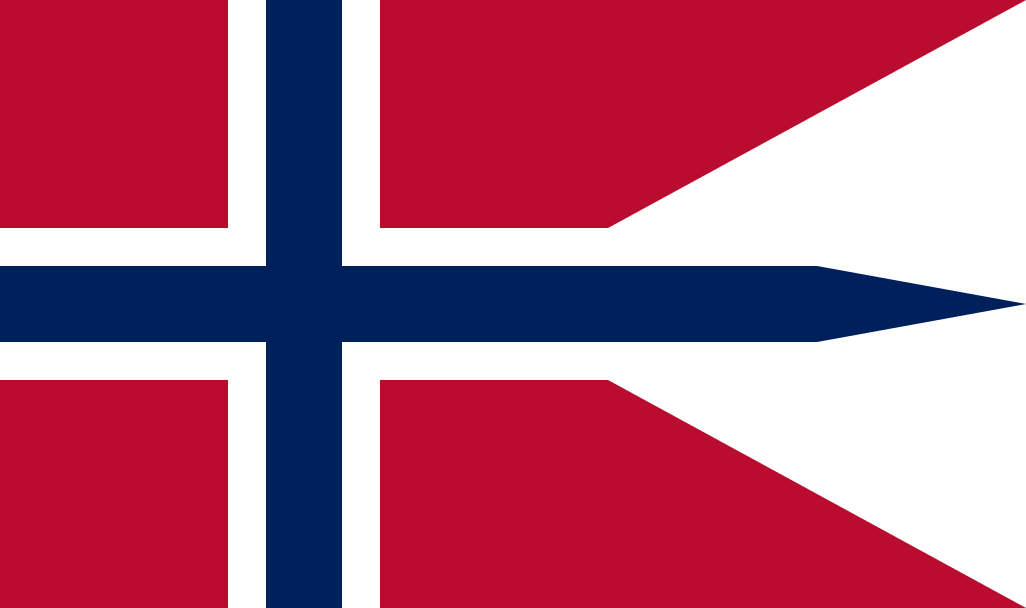
- 16:27, swallow-tailed with a tongue, its length divided 6:1:2:1:6:11
- Colours
- Deep red and dark blue, with no reference to any colour system. Flag makers generally use Pantone 200 and 281
Other forms
- State, war and naval flag
- The same design at 16:27 with a swallow tail and tongue. Flown on the state's civil buildings since 1899 and as the naval flag without the union mark since 9 June 1905.
- Royal standard
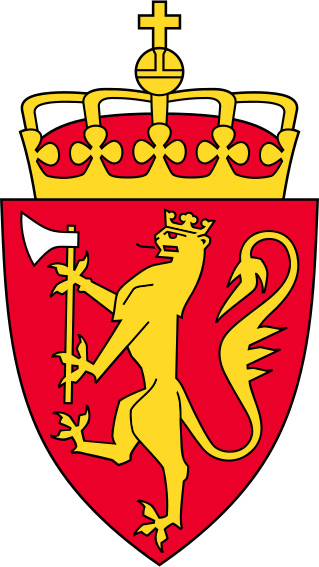
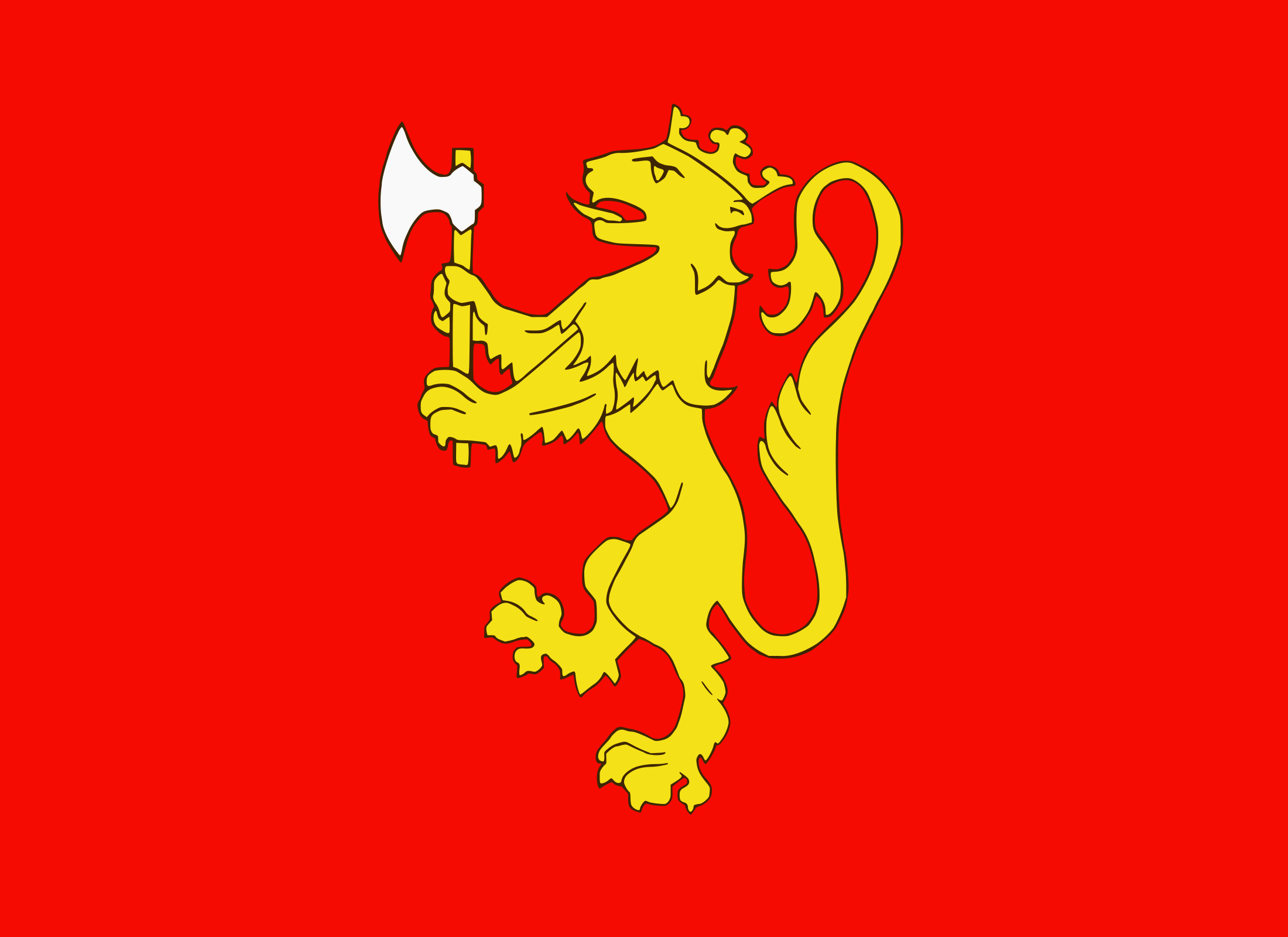
- The coat of arms as a banner: a gold lion holding an axe on red. The lion banner was used by Norwegian kings from the 13th century and adopted as the King's flag on 15 November 1905.
Meaning
What each part stands for
- Red, white and blue
- In Meltzer's words the three colours that now denote freedom, as in the flags of France, the Netherlands, the United States and Britain. The red also referred to Denmark and the blue to Sweden, the former and present union partners
- Nordic cross
- Follows the tradition of the Danish and Swedish flags and represents Christianity. Meltzer wrote that the Storting wanted a red flag with a white cross and some blue for the union with Sweden, so that old flags could be reused
Who drew it
- Fredrik Meltzer
- Member of the Storting from Bergen who drew the design adopted by the Odelsting on 4 May 1821; his first version was drawn by his ten-year-old son
History
How the flag of Norway got here
- 1748

Denmark–Norway
1748 → 1814
From the 17th century the Danish flag flew on Norwegian ships and fortresses, and from 1748 it was the only lawful merchant flag. The Norwegian lion banner, used by kings since the 13th century, was phased out.
- 1814
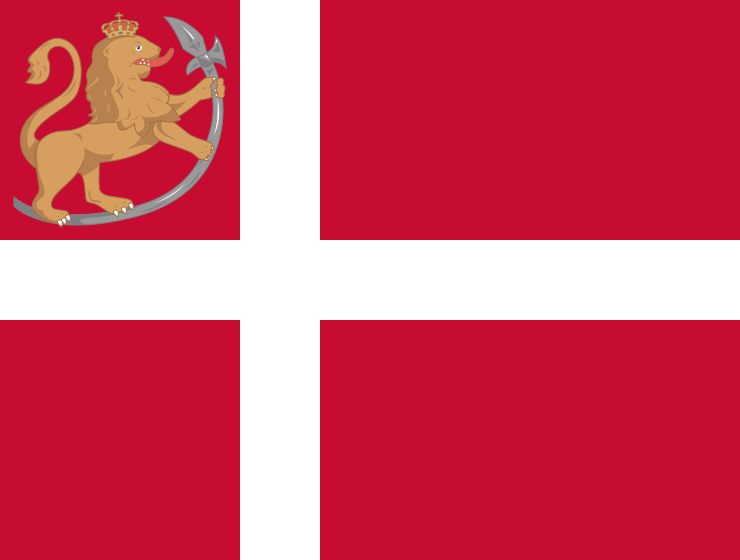
The Dannebrog with the lion
27 Feb 1814 → 13 Jul 1821
Proclaimed by the regent Christian Frederik after independence was declared on 19 February 1814: the Danish flag with the lion of the arms in the canton. After the union with Sweden it was used only in northern waters.
Image: Samhanin, CC BY-SA 4.0
- 1818
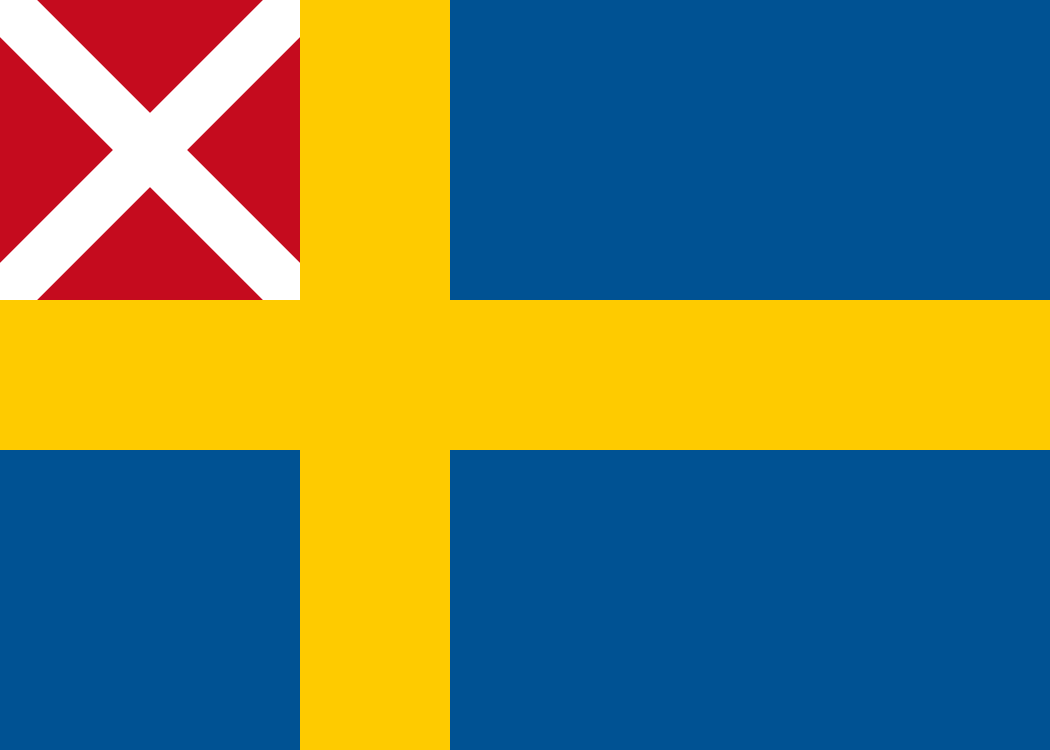
The union merchant flag
26 Oct 1818 → 1844
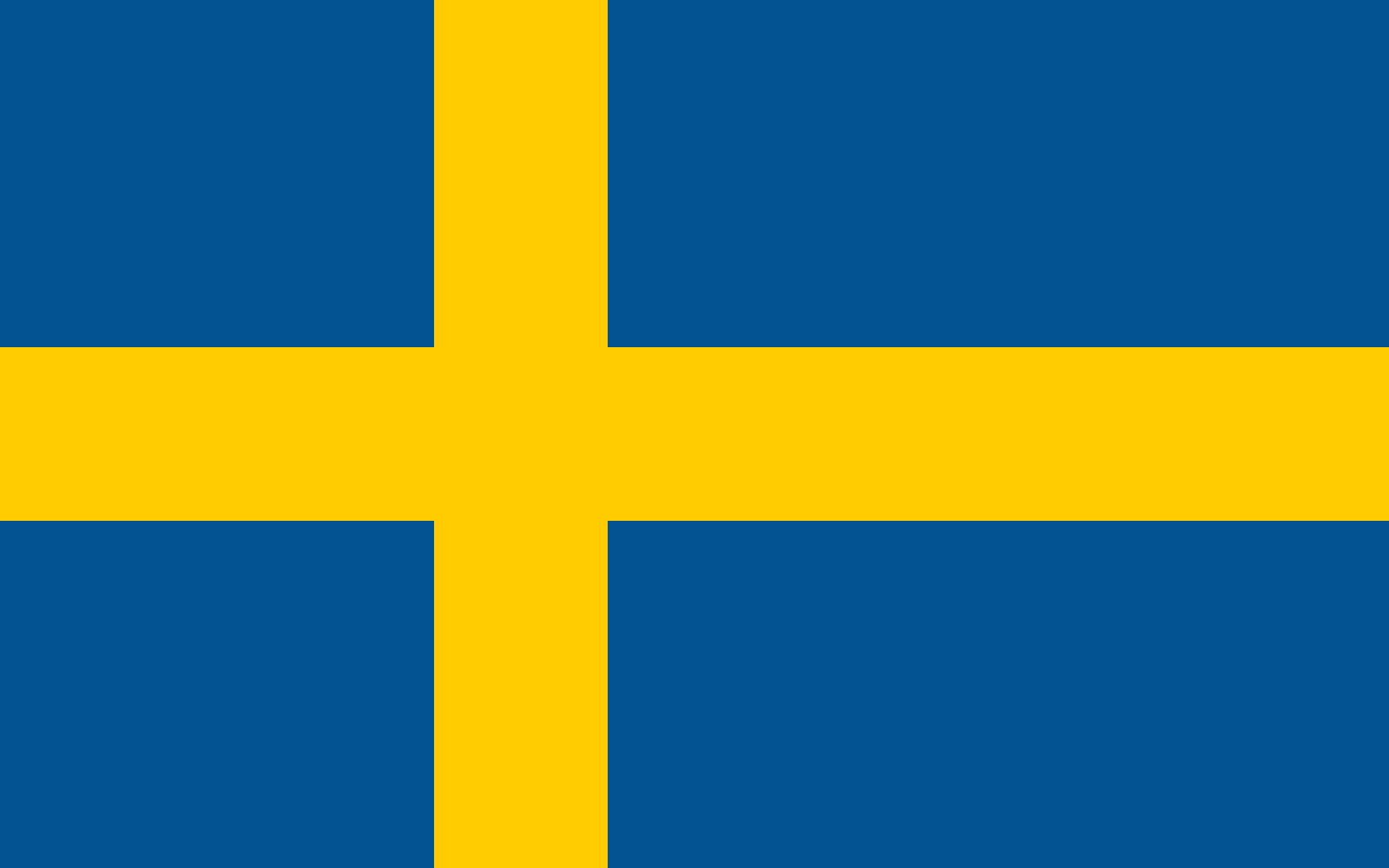
The Swedish flag with a white cross on red in the canton, for Norwegian and later Swedish ships south of Cape Finisterre, where Sweden paid tribute to the North African corsairs. It was seen in Norway as unworthy of an independent state.
- 1821
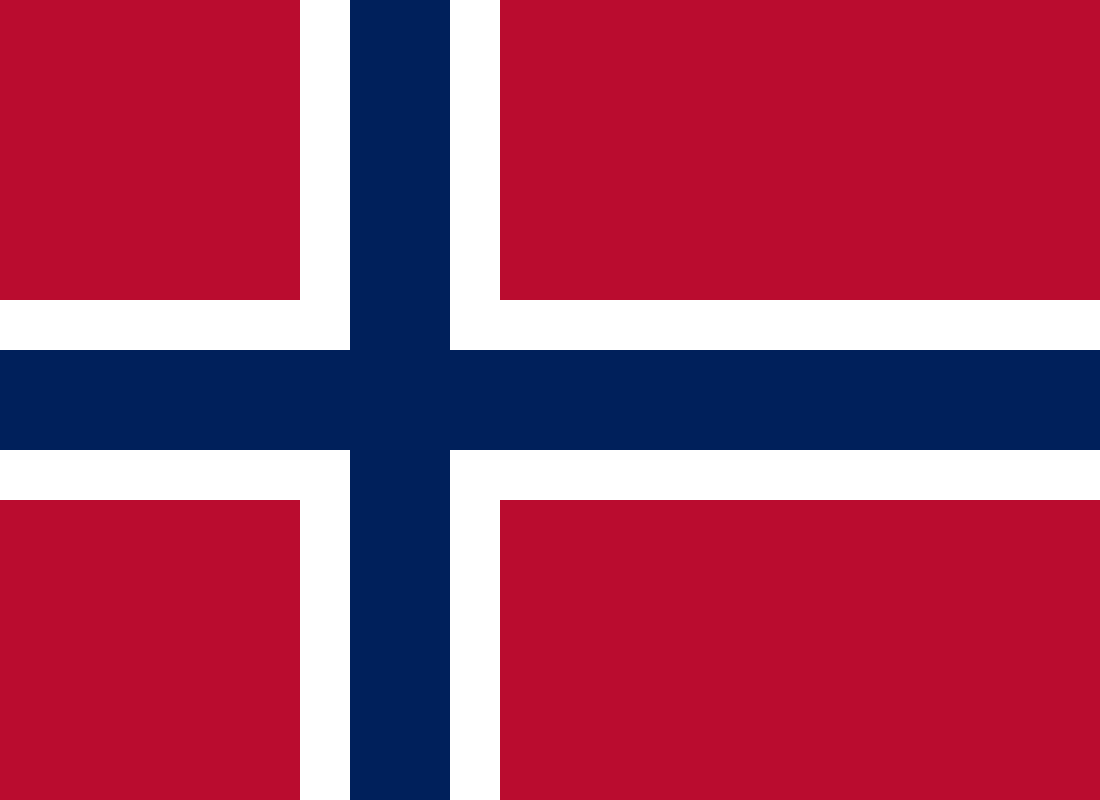
Meltzer's flag
13 Jul 1821 → 1844
The Odelsting chose Meltzer's design with 40 of 59 votes on 4 May 1821 from eighteen proposals, among them Gabriel Kielland's quartered flag. Until 1838 it could be flown only north of Cape Finisterre.
- 1844
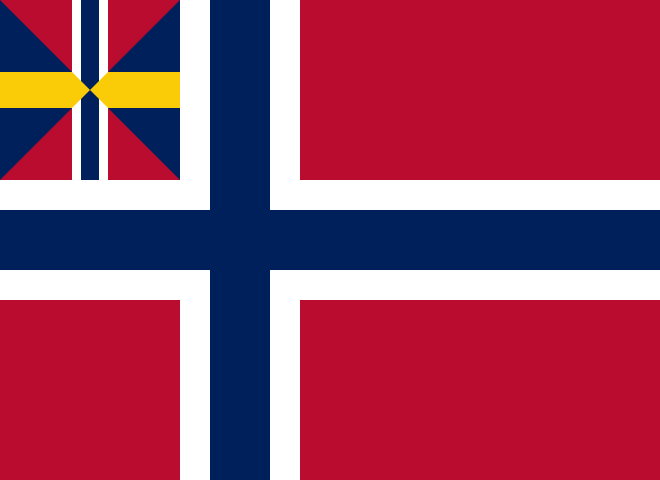
With the union mark
1844 → 15 Dec 1899
Oscar I gave Norway and Sweden equal flags, each with a union mark in the canton combining both countries' colours, known as the sildesalaten, the herring salad. The name began in Sweden; the mark was well received in Norway.
- 1899

The pure flagIn use
15 Dec 1899 → today
The Flag Act of 1898 removed the union mark from the national and merchant flag from 15 December 1899. The naval flag kept it until the union ended and flew without it from 9 June 1905.
The law
What defines it, and who flies it
- 13 July 1821
Royal resolution of 13 July 1821
King Carl Johan refused to sanction the Storting's flag law of May 1821 and approved the flag by resolution instead. A resolution of 17 July limited it to northern waters.
- 10 December 1898
Flag Act of 1898
Passed three times by the Storting and made law without royal sanction. Removed the union mark from the merchant and national flag from 15 December 1899, created the swallow-tailed state flag, and specifies the appearance and use of both. Names the colours as høirødt and mørkeblaat, with no colour system.
- 1927
Flag regulations of 1927
Govern the state flag on state property and national holidays, and the hours of hoisting and lowering.
In use
On public buildings, hoisted at 08:00 from March to October and 09:00 from November to February, and lowered at sunset or 21:00 at the latest; in Nordland and Troms flown from 10:00 to 15:00 in winter
Flown on the official flag days, among them 1 January, 6 February, 1 May, 8 May, 17 May, 7 June, 29 July, 25 December and the birthdays of members of the royal family
Never allowed to touch the ground; rolled into a cylinder after lowering rather than folded
Since 1933 only the Norwegian flag, the Sámi flag and local official flags may fly on municipal buildings, with exceptions since 2014 for related events
Related flags
The flags it is confused with or comes from

Coat of arms
The arms of Norway