What to know before travelling around Finland
2 036 words · 9 min · updated 2026-09-10
 Back to Finland
Finnish tourism divides between a southern summer and a northern winter, and the two use different places and draw different visitors. The country is 1,100 kilometres long with most of its population in the southern fifth, so reaching Lapland is a flight or an overnight train rather than a drive.
In short
- Length of the country
- about 1,100 km north to south
- Summer season
- June to August, southern
- Winter season
- December to March, northern
- World Heritage properties
- 8
- Currency
- euro
- Emergency number
- 112
- Driving
- on the right, vehicle code FIN, winter tyres required
- Alcohol
- sold above low strength through a state monopoly
What the two seasons are
Finland has two tourist seasons that barely overlap, and choosing between them is the first decision a visitor makes.
The southern summer runs from June to August. Days are very long, the archipelago and the lake district are usable, the cities are outdoors, and the whole country moves to the countryside in July. This is when Helsinki, Turku, Tampere and the lakes are at their best and when Finns themselves are on holiday.
The northern winter runs from roughly December to March and is a different product entirely. Lapland sells snow, darkness, northern lights, husky and reindeer sledding, ice hotels and the Christmas season, and it does so to visitors who mostly fly in directly, stay in a resort and never see southern Finland at all.
The two shoulder periods are the ones locals recommend and visitors avoid. September and early October give autumn colour across the northern forests with the mosquitoes gone, and late April and May give returning light without the summer crowds. Neither is reliably warm and both are considerably cheaper, and both have the advantage that Finns are at work rather than on holiday.
| Figure | Value |
|---|---|
| Length of the country | about 1,100 km north to south |
| World Heritage properties | 8 |
| Currency | euro |
| Emergency number | 112 |
| Driving | on the right, vehicle code FIN |
| Electricity | 230 V, Europlug and Schuko |
| Winter tyres | legally required in winter conditions |
| Forest cover | 69% of the country |
Where to go in the south
Helsinki is the entry point for most visits and is a compact, walkable, sea-facing capital with a design and architecture tradition visible in the street rather than only in museums. The fortress island of Suomenlinna in the harbour is on the World Heritage List and is reached by a scheduled ferry that runs on a normal transport ticket.
Turku on the south-west coast is the oldest city and the way into the archipelago, which is the most distinctive landscape in southern Finland: tens of thousands of islands and skerries linked by a chain of ferries treated as roads and free to use. The archipelago ring road is an unusual few days by bicycle or car.
Tampere between two lakes is the industrial city that became the cultural one, and it is the most immediately likeable of the larger Finnish towns. The lake district around it and to the east is where the summer cottage culture actually happens, and it is the part of Finland foreign visitors most often skip.
Porvoo, Rauma and the old wooden towns are the architectural counterpoint. Finnish building was wooden almost everywhere until the twentieth century, most of it burned at some point, and the few surviving wooden town centres are protected for exactly that reason, and Old Rauma is on the World Heritage List because of it.
What Lapland is and is not
Lapland is a marketed winter destination and a very large, very empty region with a resident population and an economy, and a visitor who understands only the first will get less out of it.
The winter product is real and it works. Snow is reliable from December, the darkness makes the northern lights visible on clear nights, and the infrastructure for sledding, snowmobiling, ice fishing and cross-country skiing is professional and safe. Rovaniemi is the usual base and markets itself around Christmas.
The summer version is almost unvisited and arguably better. Continuous daylight, hiking across fell country on marked routes with wilderness huts, rivers, and none of the crowds, in a landscape that looks completely different without snow on it.
The part worth knowing is that Lapland is Sámi territory as well as Finnish. The Sámi are recognised in the constitution as an indigenous people with their own representative body, reindeer herding is a working economy across a very large area, and the difference between visiting a landscape and visiting somebody's workplace applies here in a way it does not further south.
What a trip should actually look like
The mistake most visitors make is treating Finland as a city break with a day trip attached. Helsinki is a good city and it is a small part of what the country is, and a trip that never leaves it has seen the least Finnish place in Finland.
Three days works for Helsinki and Suomenlinna with a day in Porvoo or Tampere. Five days allows the lake district or the archipelago, both of which need their own time and neither of which is a half-day excursion. A week allows either the south properly or Lapland, and combining the two in a week means spending a substantial share of it travelling.
The seasonal split makes the choice for most people. A winter visitor is going to Lapland and will see very little else; a summer visitor should stay south and use the water, because the northern summer, good as it is, requires a longer trip to justify the distance.
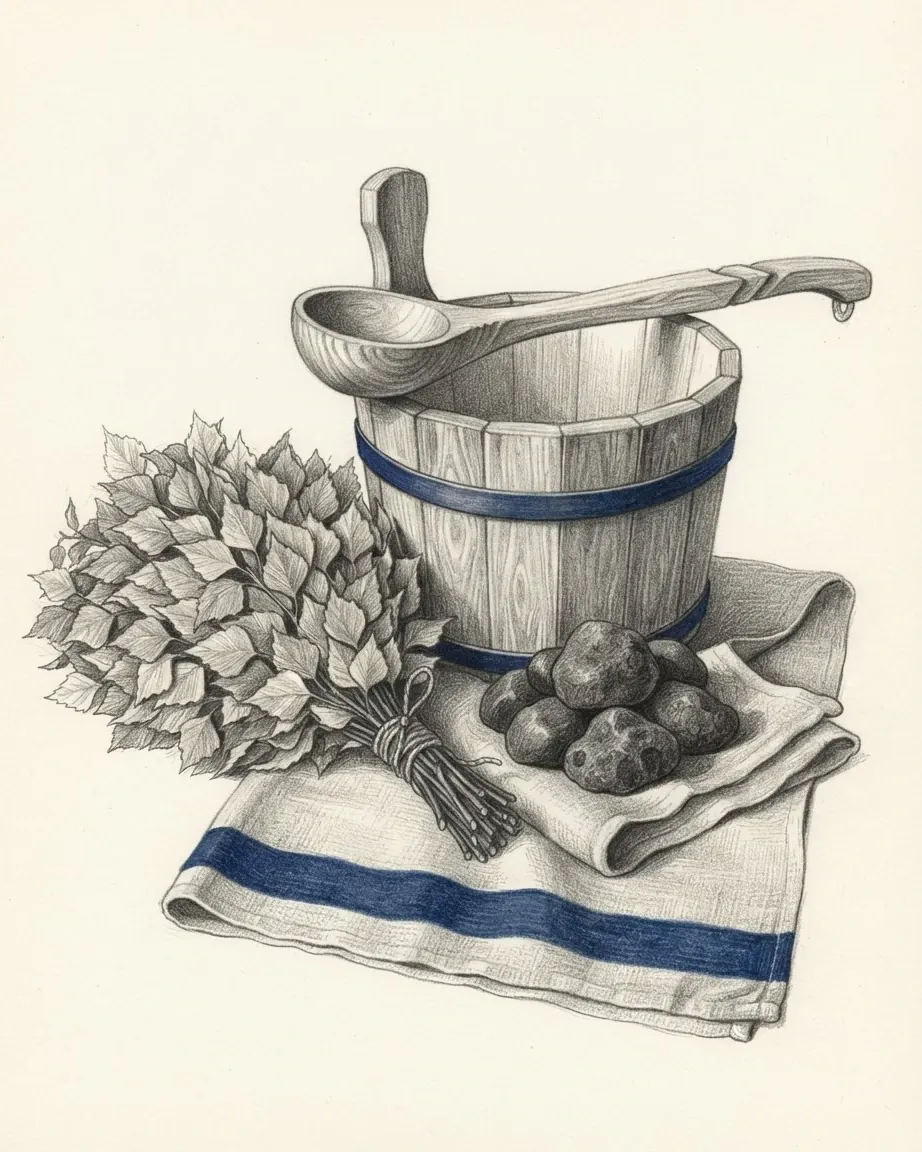
The one thing worth building in wherever the trip goes is time outdoors that is not sightseeing. Swimming in a lake, walking in forest, sitting on a rock by the sea, going to a sauna: the country is arranged around those and a visitor who only looks at buildings has misread it.
What it costs and how to manage it
Finland is expensive in the way its Nordic neighbours are, because wages and taxes are both high and the general price level follows them.
Accommodation and eating out are where it shows. The mitigations are the standard northern ones, which is to say lunch rather than dinner, where restaurants across the country serve a fixed-price weekday buffet or plate at a fraction of evening prices, and supermarkets and market halls make self-catering ordinary, which is normal here in a way it is not further south.
Alcohol carries the sharpest premium. Anything above low strength is sold through a state monopoly with restricted hours, and drinking out is priced accordingly, which is why the ferries to Estonia and Sweden do the trade they do.
What costs nothing is a substantial part of the offer. Everyman's right opens the forests and the shores, public saunas are cheap, museums are moderately priced and many are free on set days, and the outdoor infrastructure of marked trails, huts, fire pits and swimming places is maintained publicly and used without charge.
Why distance decides a Finnish itinerary
Distances are the planning constraint. The country runs about 1,100 kilometres from south to north, most of the population is in the southern fifth, and Helsinki to Rovaniemi takes a full day by road.
Trains are good and the sleeper north is the characteristic Finnish rail trip, carrying cars as well as passengers so that a visitor can arrive in Lapland with their own vehicle after a night's sleep. Intercity services in the south are fast and frequent, and the rail network thins out considerably above Oulu.
Domestic flights are the practical alternative for Lapland and are used as normal transport rather than as an indulgence. Buses cover the places the railway does not, on published timetables that are sparse in the north.
Driving is on the right and the vehicle code is FIN. Roads are good and empty and they run a long way, winter tyres are legally required in winter conditions, and the genuine hazards are elk and reindeer on rural roads at dawn and dusk, which are common enough that collisions are a normal insurance category, and warning signs on rural roads mean what they say.
What to do outdoors and how
Finland is a country where the outdoors is the attraction and the infrastructure for using it is public and free, which is a different arrangement from most European destinations.
National parks cover a substantial area and are equipped rather than merely designated. Marked trails, wilderness huts open to anyone, maintained fire pits with firewood provided, and duckboards across bog are standard, and the system is used heavily by Finns rather than reserved for visitors.
Everyman's right sits underneath all of it. Walking, camping for a night, and picking berries and mushrooms are permitted on land one does not own, subject to leaving it undamaged and staying away from homes and cultivated ground, so the practical distinction between a park and ordinary forest is smaller here than elsewhere.
The seasonal activities follow the calendar rather than the location. Summer is swimming, canoeing, hiking and berry picking; autumn is mushrooms and colour; winter is cross-country skiing, which is transport as much as sport in the north, along with ice fishing and ice swimming; and spring is the awkward month when the snow is going and the ground is not yet dry.
The extremes of daylight are the thing visitors most often underestimate, in both directions.
In midsummer the sun barely sets in the south and does not set at all north of the Arctic Circle, which is genuinely disorienting for the first two nights and requires curtains that most hotel rooms have and most rented cottages do not. Finns simply stay up, and the summer social calendar reflects it.
In midwinter the reverse applies. Southern Finland gets a few hours of low light and Lapland gets none at all for weeks, which is the condition the northern lights are visible in and which a visitor should plan around rather than fight. Indoor time, saunas, long meals and short daylight excursions are how the season is actually used.
The cold is manageable and the equipment is not optional. Temperatures well below freezing are normal in winter and considerably lower in the north, the clothing required is specific, and the rental operators and hotels in Lapland supply it as standard because visitors reliably arrive without it.
What to eat and drink
Finnish food is northern and seasonal, and better than its reputation, and the things worth eating are the ones that come out of the forest and the water.
Fish is the strength. Lake fish, Baltic herring and salmon appear in many forms, and smoked, cured and soup preparations are the traditional ones. Reindeer is the northern speciality and is farmed rather than hunted, usually served sautéed with mashed potato and lingonberry.
The forest supplies the rest. Berries, bilberry and cloudberry above all, and wild mushrooms are picked in quantity under everyman's right, and they appear in everything from sauces to desserts to spirits. The rye bread is dense and sour and the dairy is excellent.
Coffee consumption per person is among the highest anywhere and the coffee break is a scheduled social institution rather than a habit. Alcohol above low strength is sold through a state monopoly with restricted opening hours, which is worth planning around, and the beer and the spirits are good.
How Finland stopped using cash
The currency is the euro, and Finland is the only Nordic country in the eurozone. The country is close to cashless, with card and mobile payment accepted almost everywhere, and a visitor rarely needs notes.
The emergency number is 112 for all services and works throughout the country. There is also an emergency app that transmits location, which matters in a country where a caller in the north may not be able to describe where they are.
Finnish sockets run at 230 volts on Europlug and Schuko, so continental European appliances work unchanged and British and North American ones need an adapter.
Finnish and Swedish are the national languages and English is spoken to a very high standard almost universally, so a visitor will not need either. Two habits are worth adopting: silence in conversation is comfortable rather than awkward and does not need filling, and a sauna offered by a host is an invitation into the household rather than a tourist activity, so declining is fine and understanding what was offered is better. Finland: culture takes up why, and Finland: geography the country the routes cross.
Common questions
Questions about Finland
How do the Finnish seasons differ for a visitor?
It depends which Finland. The southern summer runs June to August with very long days and the lakes and archipelago at their best; the northern winter runs roughly December to March for snow and the northern lights. September and late April are the quiet shoulder periods, cheaper and not reliably warm.
How is Lapland reached from Helsinki?
By overnight train or by air. The country runs about 1,100 kilometres north to south and Helsinki to Rovaniemi is a full day by road, so the sleeper, which carries cars as well as passengers, and domestic flights are the normal options rather than driving.
Where in Finland does a car start to matter?
Not in the south, where intercity trains are fast and frequent and cities have good local transport. Further north a car helps, and winter tyres are legally required in winter conditions. Elk and reindeer on rural roads at dawn and dusk are a genuine hazard.
What is eaten in Finland?
Fish above all: lake fish, Baltic herring and salmon, smoked, cured or in soup. Reindeer is the northern speciality, farmed rather than hunted and usually served sautéed with mashed potato and lingonberry, and the berries and wild mushrooms picked under everyman's right appear throughout the cooking.