The flag of Cyprus
Σημαία της Κύπρου · since 2006
 Back to Cyprus
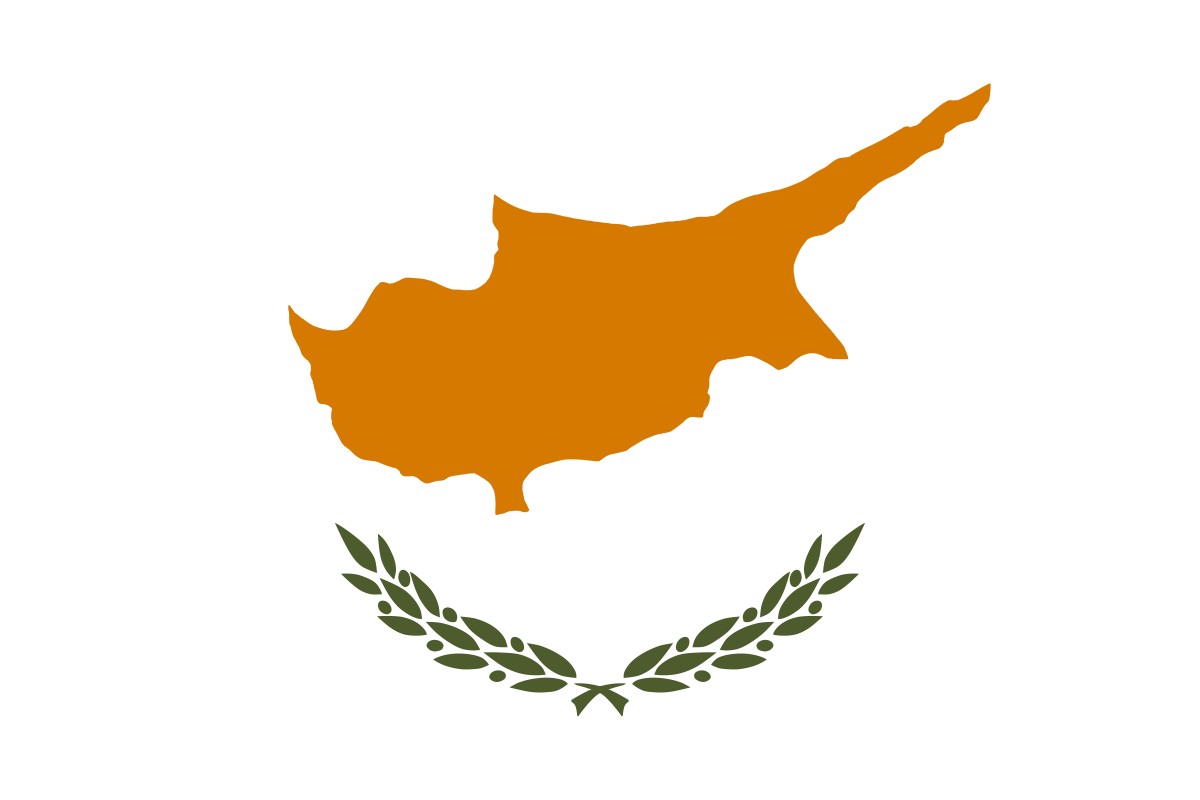
A white flag with the outline of the island in copper above two crossed olive branches. The constitution of 1960 asked for a flag of neutral design and colour, so it carries no blue, no red, no cross and no crescent, the colours and symbols of Greece and Turkey. The drawing and the colours were standardised in 2006.
At a glance
- Adopted
- 2006
- Proportion
- 2:3
- Colours
- Earlier flags
- 5
- Designers
- 2
The colours
The colours of the flag of Cyprus, in the order it has them
- 0111.1%
Copper
χάλκινοThe map of the island
- HEX
#D67900- RGB
214 121 0- CMYK
2 58 99 0- Pantone
1385 C- RAL
2000
- 0288.9%
White
λευκόThe field
- HEX
#FFFFFF- RGB
255 255 255- CMYK
0 0 0 0
No law gives these codes. HEX and RGB are the colour this site draws the flag in; CMYK, Pantone and RAL are the values most often published for it.
Construction
How the flag is drawn
A white field with the outline of the island of Cyprus in copper at the centre, and below it two olive branches in olive green, joined at the ends.
- Map
- The whole island in outline, filled in copper, in the centre of the field
- Olive branches
- Two, below the map, joined at the ends
- Earlier proportion
- 3:5 until 2006
Other forms
- Presidential standard
- A square version of the national flag, used as a car flag in 1962.
- Vertical flag
- The horizontal flag turned 90° clockwise, according to the London 2012 flag manual.
Meaning
What each part stands for
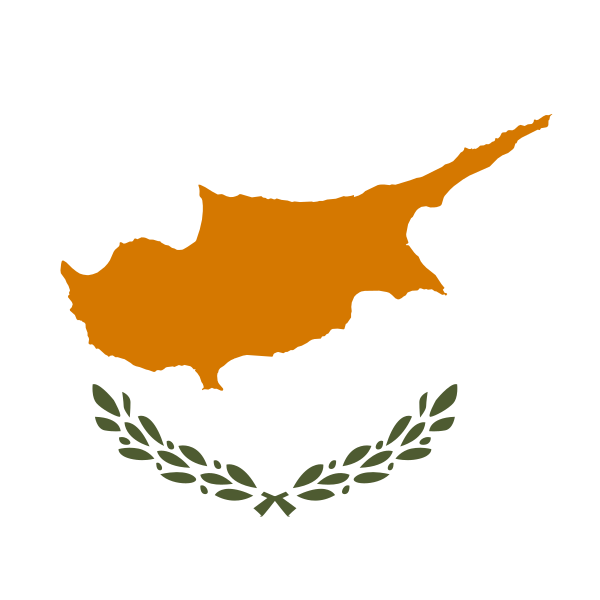
- Copper map
- The island's large deposits of copper ore, a metal whose Greek name means Cyprus metal
- Olive branches
- Peace between the Greek and Turkish Cypriot communities
- White field
- Peace, and in the Greek article also freedom
- No blue, no red, no cross, no crescent
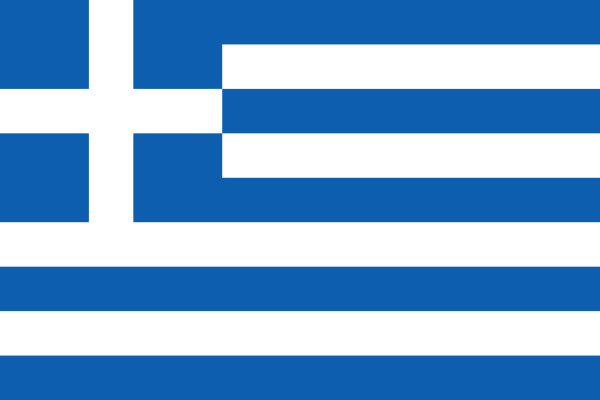
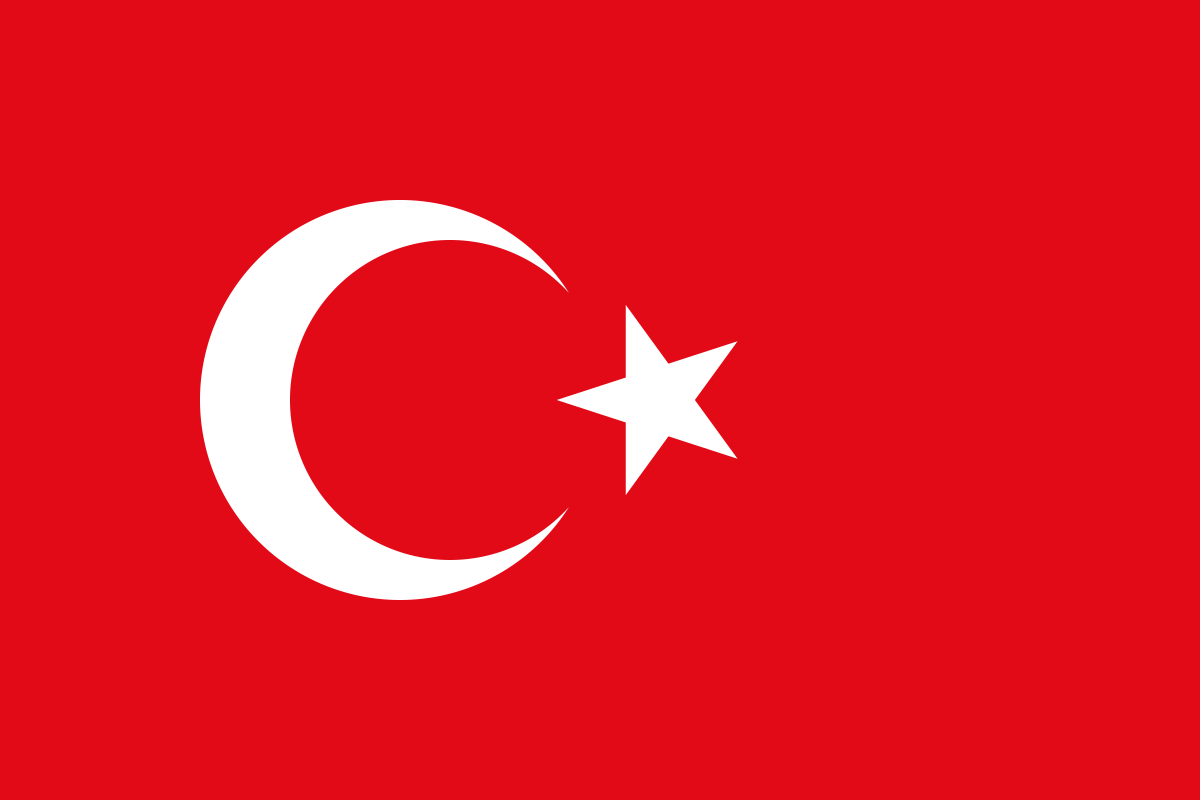
- The neutrality the constitution required: blue and the cross belong to the flag of Greece, red and the crescent to the flag of Turkey
Who drew it
- İsmet Güney
- Turkish Cypriot artist and teacher whose design was chosen in 1960
- Philippos De Caston
- Graphic designer who drew the standardised images of the flag and the emblem approved in 2006
History
How the flag of Cyprus got here
- 1881
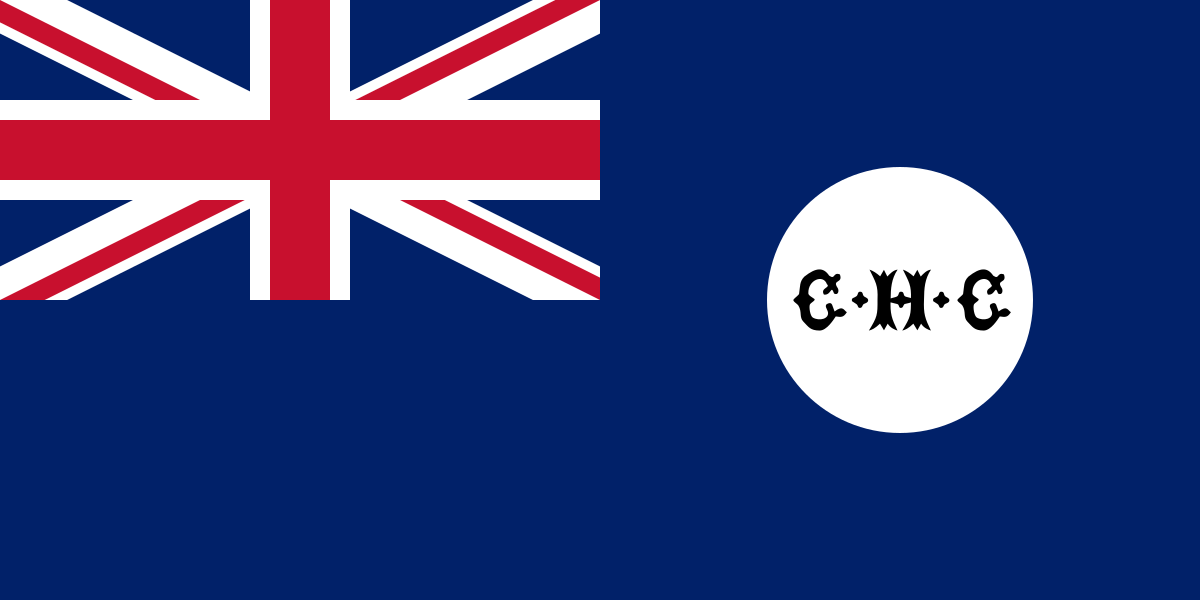
British Cyprus
1881 → 1922
A British blue ensign with a white disc in the fly bearing the letters C H C, for Cyprus High Commissioner.
- 1922
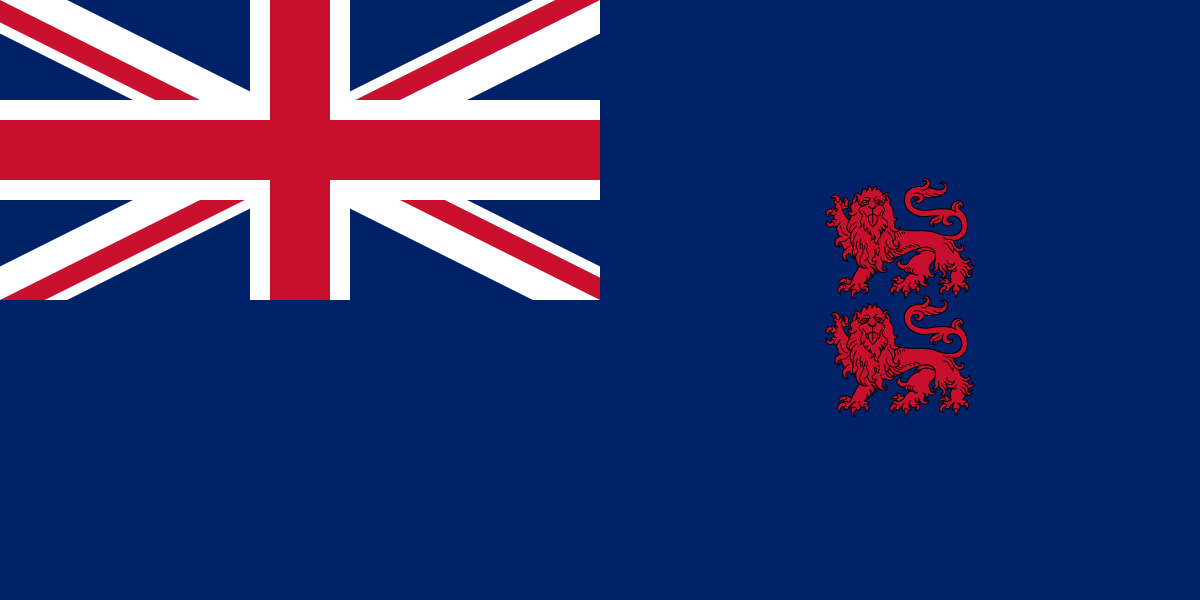
The colonial ensign with two lions
1922 → 1960
The blue ensign with two red lions, one above the other, in place of the white disc.
- 1959

The rejected British proposal
1959 → 1960
The colonial administration proposed a rust-brown K on a white field for independent Cyprus. President Makarios III and Vice-President Fazıl Küçük turned it down in favour of the design by İsmet Güney.
- 1960
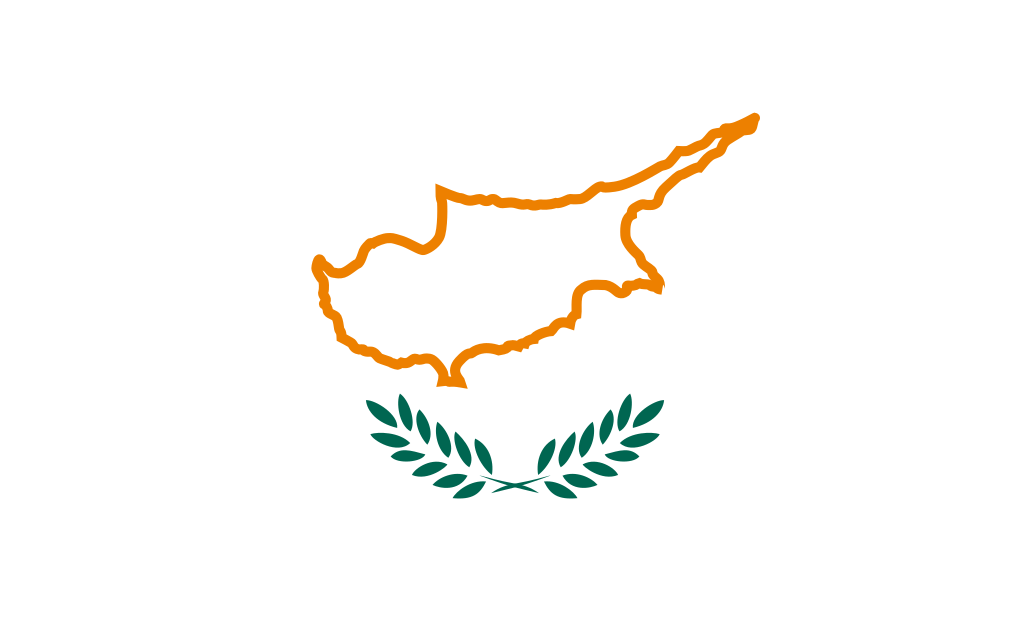
The first version
16 Aug 1960 → Aug 1960
The island drawn in outline only, a copper line in Pantone 144 C around a white map, above the two olive branches. Replaced within the month by the filled map.
- 1960
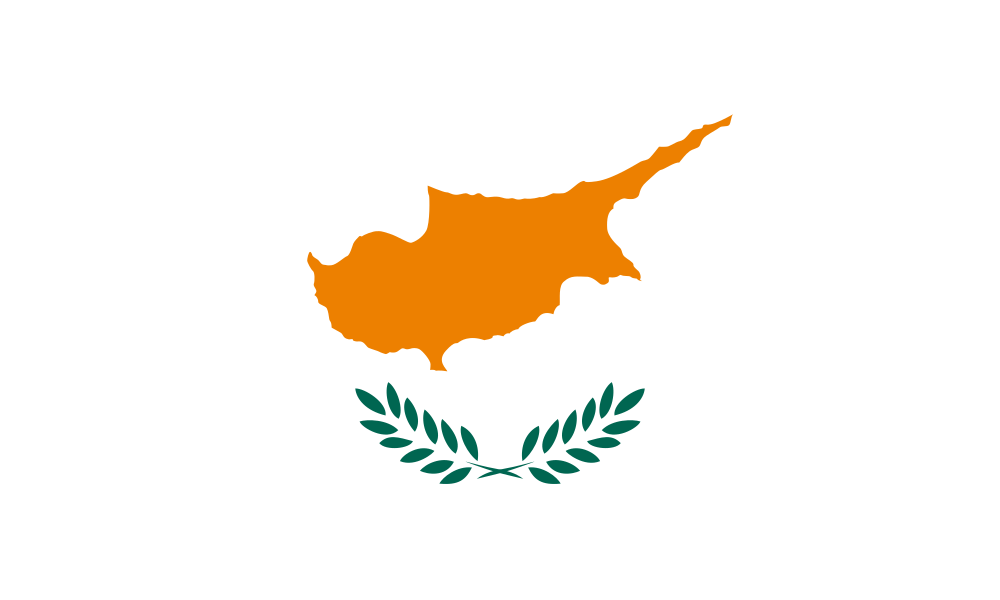
The flag of the Republic
Aug 1960 → 24 Apr 2006
The map filled in copper, Pantone 144 C, and the olive branches in olive green, Pantone 336 C, on a white field of 3:5. Flags made on the island varied in the size of the map and the shade of the copper, and in October 2005 the government announced that only flags to the official specification would be produced.
- 2006
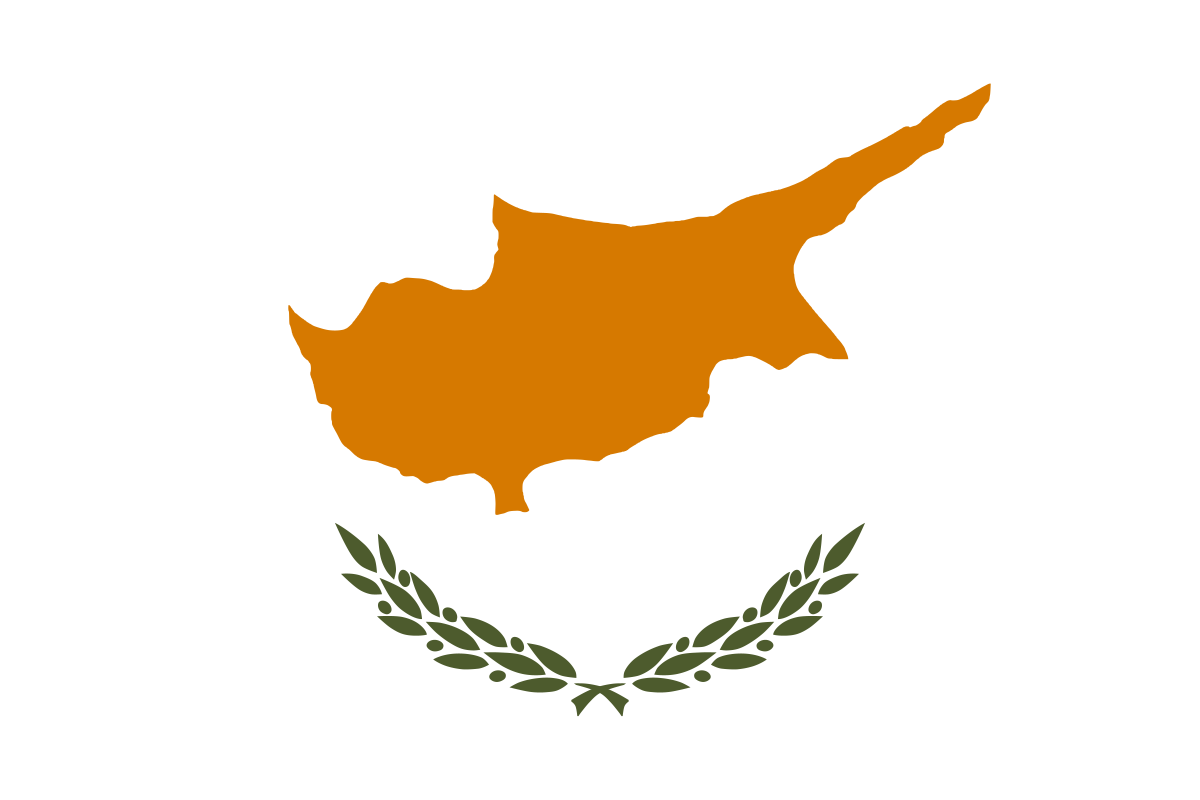
The standardised flagIn use
24 Apr 2006 → today
A cabinet decision enlarged the map, redrew the olive branches with more detail and closer to the island, set the colours to Pantone 1385 and 574 and changed the proportion to 2:3.
The law
What defines it, and who flies it
- 6 April 1960
Constitution of the Republic of Cyprus, Article 4
Asks for a flag of neutral design and colour, chosen jointly by the President and the Vice-President, and sets who may fly it and the flags of Greece and Turkey beside it. Gives no design.
- 20 April 2006
Decision No. 63.673 of the Council of Ministers
Enlarged the map, redrew the olive branches, fixed the colours in Pantone and changed the proportion from 3:5 to 2:3.
In use
Flown by the authorities of the Republic and every public corporation or public utility body, which may fly the Greek and Turkish flags beside it on holidays
Communal authorities and institutions may fly the Greek or the Turkish flag beside it on holidays
Any citizen may fly it, or the Greek or the Turkish flag, on their premises without restriction
Flown on land as the national and civil flag and at sea as the national and civil ensign
Related flags
The flags it is confused with or comes from
Coat of arms
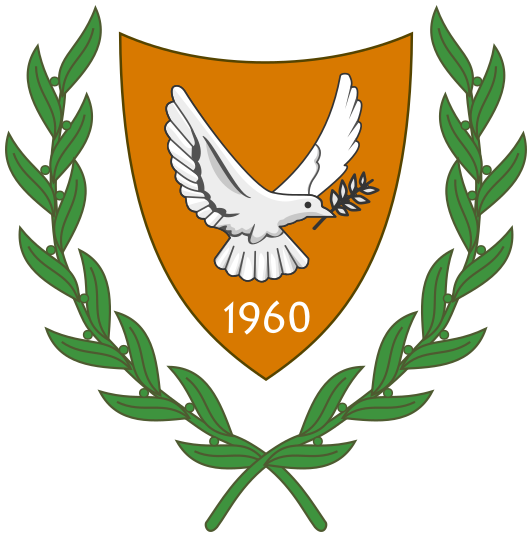
The arms of Cyprus