The flag of Slovenia
Zastava Republike Slovenije · since 1991
 Back to Slovenia
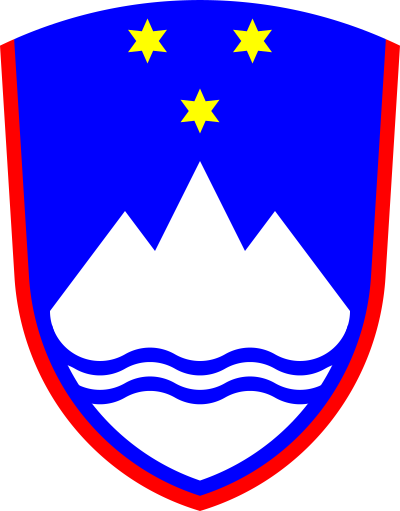
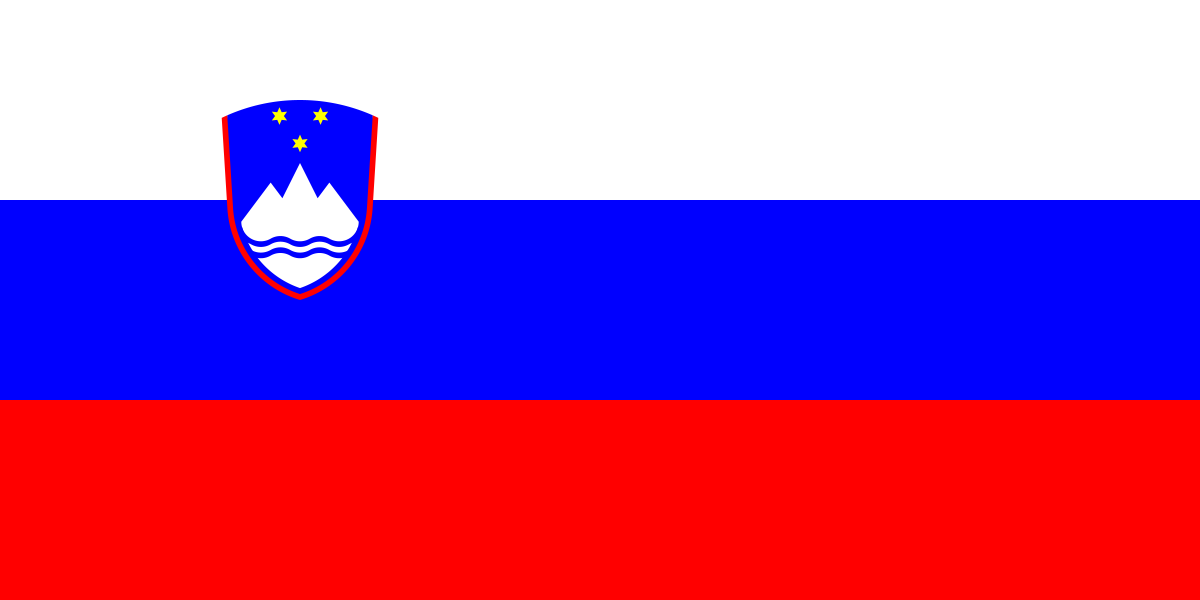
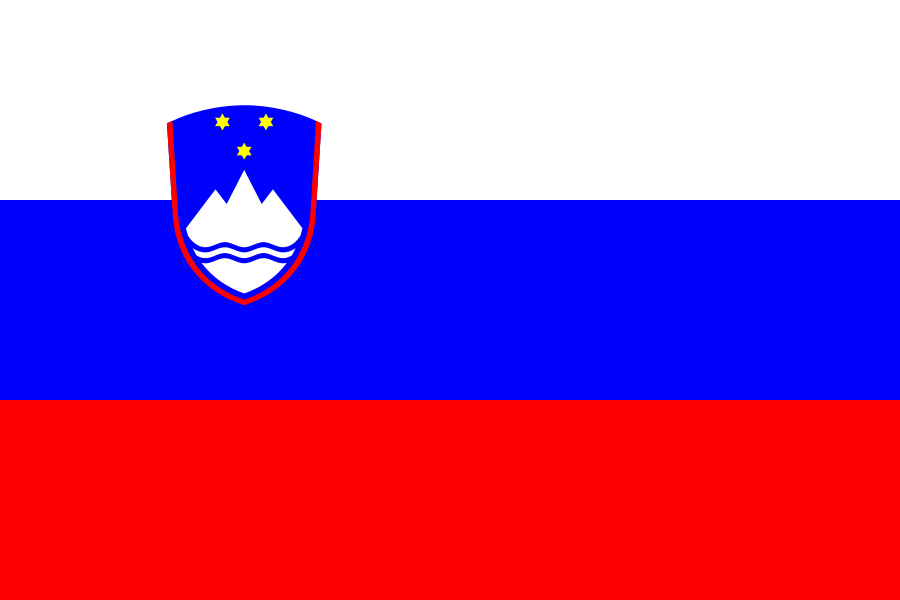
A white, blue and red horizontal tricolour with the coat of arms of Slovenia across the upper hoist, half in the white and half in the blue. The stripes are the Slovene national flag of 1848, taken from the arms of Carniola; the arms, with Mount Triglav, two wavy lines and three gold stars, were added on independence in 1991.
At a glance
- Adopted
- 1991
- Proportion
- 1:2
- First hoisted
- 1991
- Colours
- Earlier flags
- 4
- Designer
- 1
The colours
The colours of the flag of Slovenia, in the order it has them
- 0132.7%
White
belaTop stripe, Mount Triglav
- HEX
#FFFFFF- RGB
255 255 255- CMYK
0 0 0 0
- 0233.4%
Blue
modraMiddle stripe, the field of the shield
- HEX
#0000FF- RGB
0 0 255- CMYK
100 60 0 10- Pantone
Reflex Blue C- RAL
5005
- 0334%
Red
rdečaBottom stripe, the border of the shield
- HEX
#FF0000- RGB
255 0 0- CMYK
0 100 100 0- Pantone
Warm Red C- RAL
3020
No law gives these codes. HEX and RGB are the colour this site draws the flag in; CMYK, Pantone and RAL are the values most often published for it.
Construction
How the flag is drawn
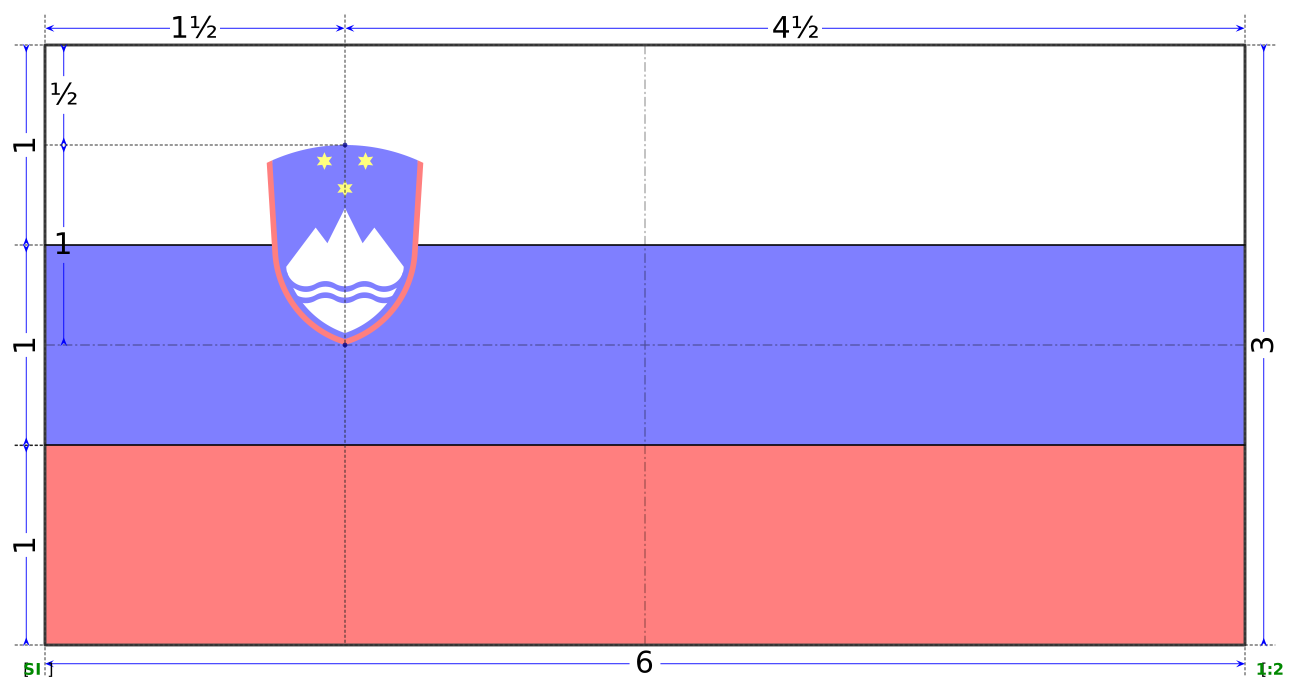
Three horizontal stripes of equal width, white over blue over red, with the coat of arms in the upper hoist: a blue shield bordered in red on two sides, bearing a white Mount Triglav over two wavy blue lines and under three gold six-pointed stars, its upper half in the white stripe and its lower half in the blue.
- Stripes
- Three, each a third of the width of the flag
- Arms position
- The centre of the arms on the line between white and blue, 1/4 of the flag's length from the hoist
- Arms height
- 1/3 of the width of the flag, the height of one stripe
Other forms
- Civil ensign
- The state flag in the proportion 2:3. Boats up to 24 m long fly the state flag.
- Naval jack
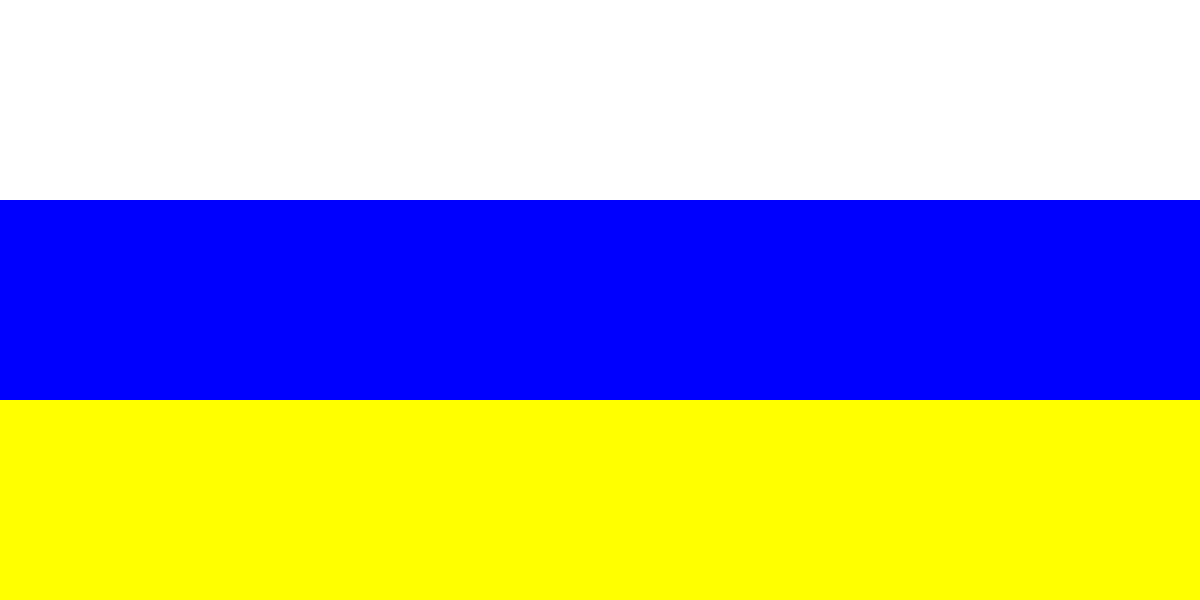
- White, blue and golden yellow in three equal horizontal stripes, 1:2, in the colours of the arms. First flown on 1 August 1996 at the commissioning of the patrol boat Ankaran.
- Slovene national flag
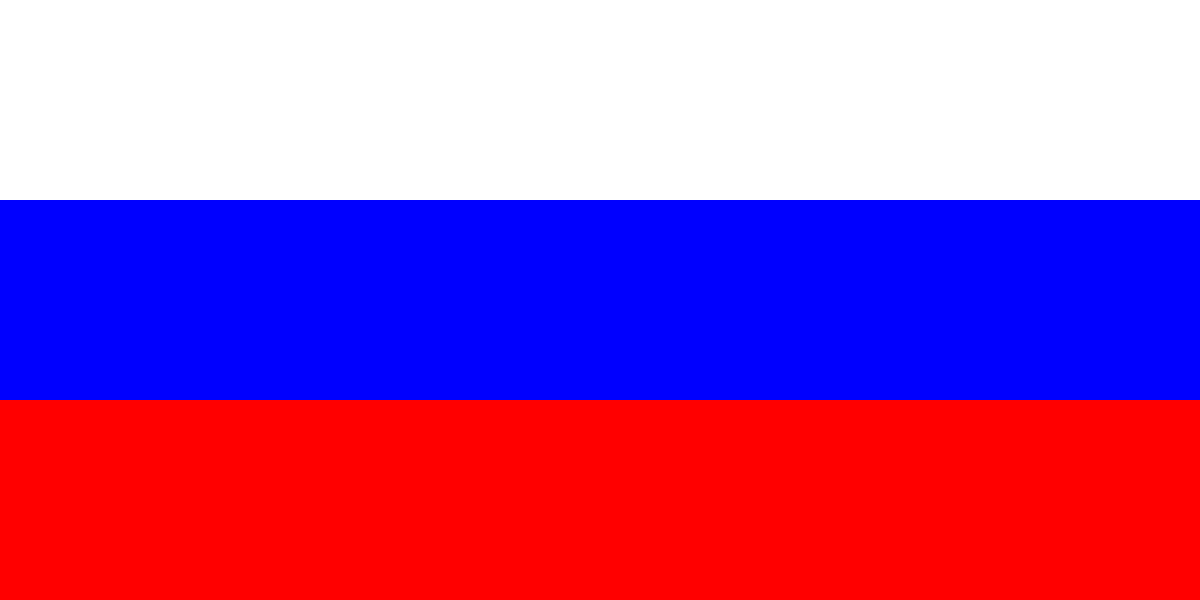
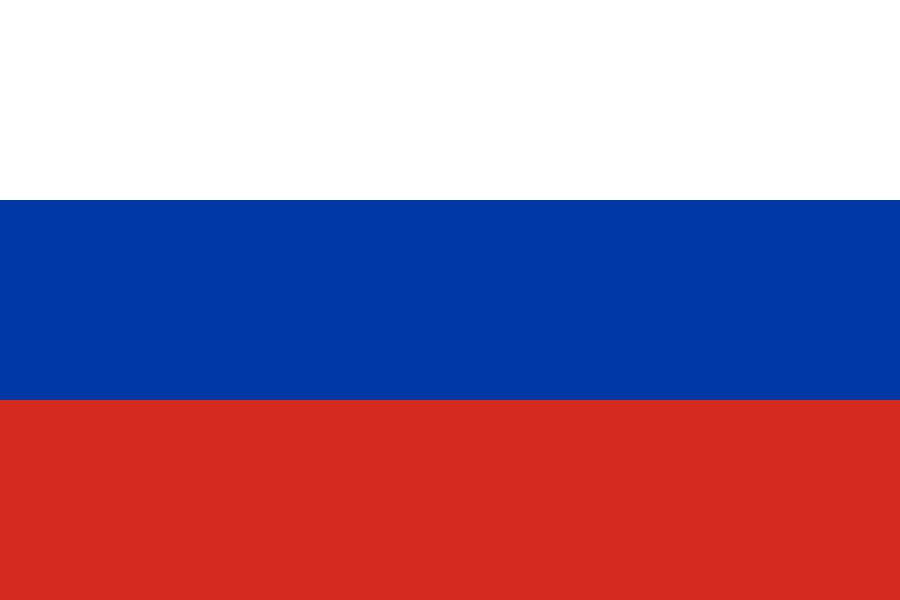
- The same tricolour without the arms, defined alongside the state flag by the 1994 act.
Meaning
What each part stands for
- White, blue and red
- Often called Pan-Slavic, but taken from the arms of Carniola as redrawn in 1836: a blue eagle on a white field with red talons and beak
- Mount Triglav
- The highest Slovene peak
- Two wavy lines
- The Adriatic Sea and the rivers
- Three gold stars
- From the arms of the Counts of Celje, the leading medieval dynasty of Slovene origin
Who drew it
- Marko Pogačnik
- Designer of the coat of arms
History
How the flag of Slovenia got here
- 1848
The Slovene national flag
Mar 1848 → 1918
First raised by Slovene students in Vienna in March 1848, and in Ljubljana on 7 April 1848 by the student Lovro Toman on the Zlata zvezda inn, in answer to the German flag on Ljubljana Castle. Recognised as the flag of the Duchy of Carniola until 1918.
- 1918
Kingdom of Serbs, Croats and Slovenes
1918 → 3 Oct 1929
The tricolour represented the Slovene nation until the law renaming the kingdom Yugoslavia allowed only the blue, white and red state flag.
- 1941
The Second World War
1941 → 1945
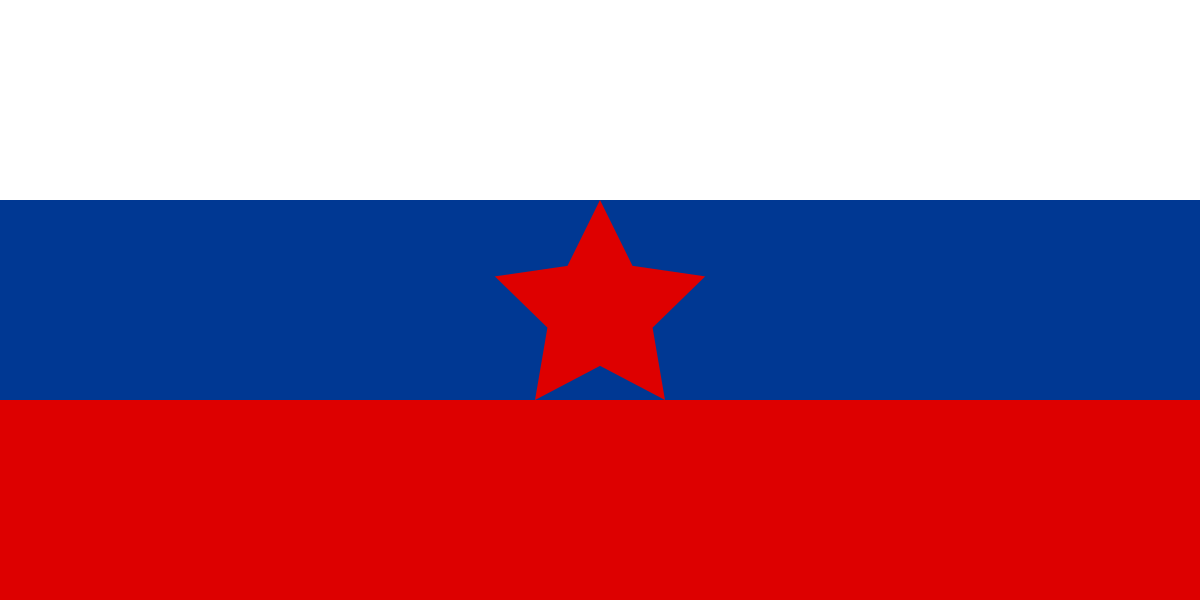
Both the Partisans, often with a red star, and the anti-communist Home Guard fought under the Slovene tricolour.
Image: R-41, CC BY-SA 3.0
- 1945
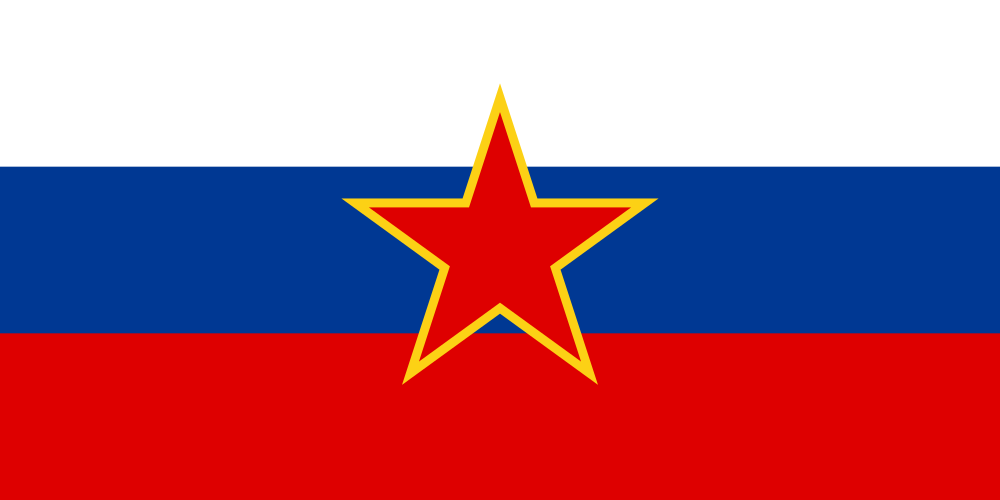
Socialist Republic of Slovenia
1945 → 25 Jun 1991
The tricolour with a red star, as the flag of a republic of Yugoslavia. It was lowered on 26 June 1991 as the new flag was raised.
- 1991
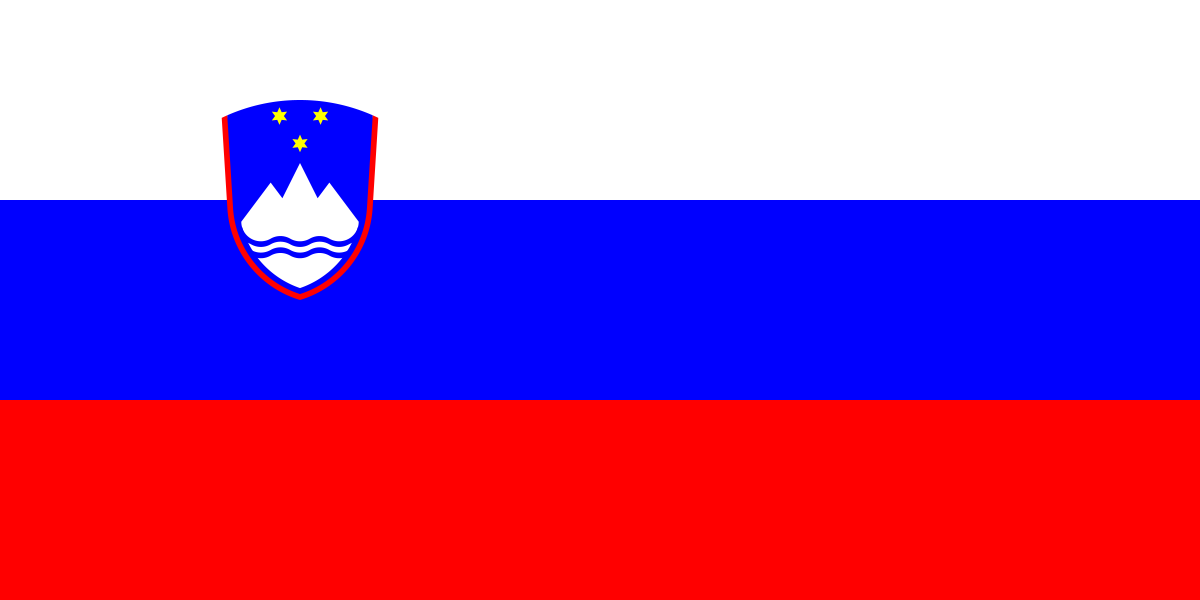
The flag of the Republic of SloveniaIn use
25 Jun 1991 → today
Given legal force on 25 June 1991 and raised the next day on Republic Square by five officers of the Territorial Defence. The 1994 act fixed the arms and the colours.
The law
What defines it, and who flies it
- Undated
Constitution of the Republic of Slovenia, Article 6
- 1994
Act on the Coat of Arms, Flag and Anthem of the Republic of Slovenia and on the Slovenian National Flag
Official Gazette No. 67/1994. Defines the state flag with the arms and the national flag without it, and includes the geometric, drawing and colour rules and the rules for flying the flag.
In use
Flown in the position of honour, to the left of other flags
Flown with the flag of the European Union, the Slovene flag on the left
Flown to the right of a foreign flag only when a foreign head of state or representative of an international organisation is on an official visit
Flown at half-mast in times of mourning
Related flags
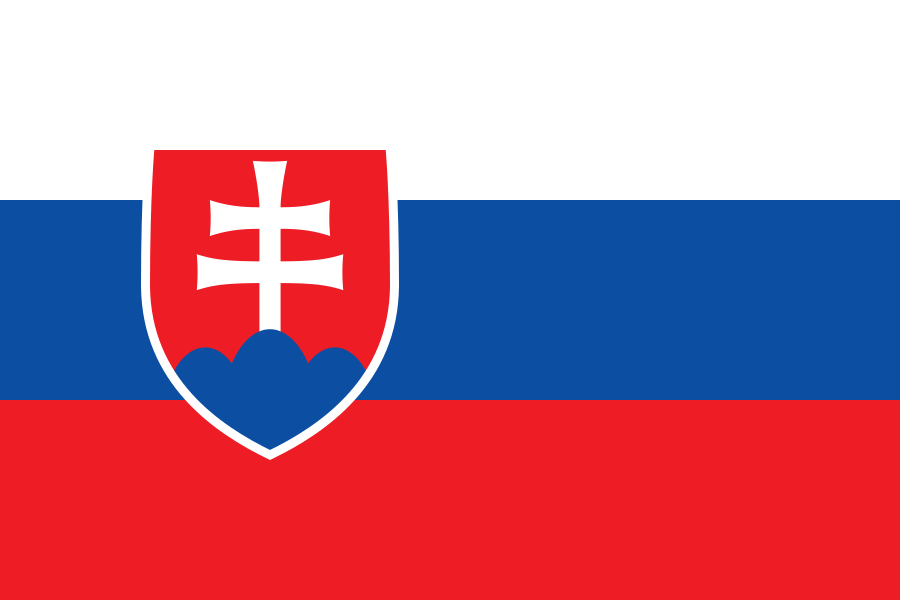
The flags it is confused with or comes from
Coat of arms
The arms of Slovenia