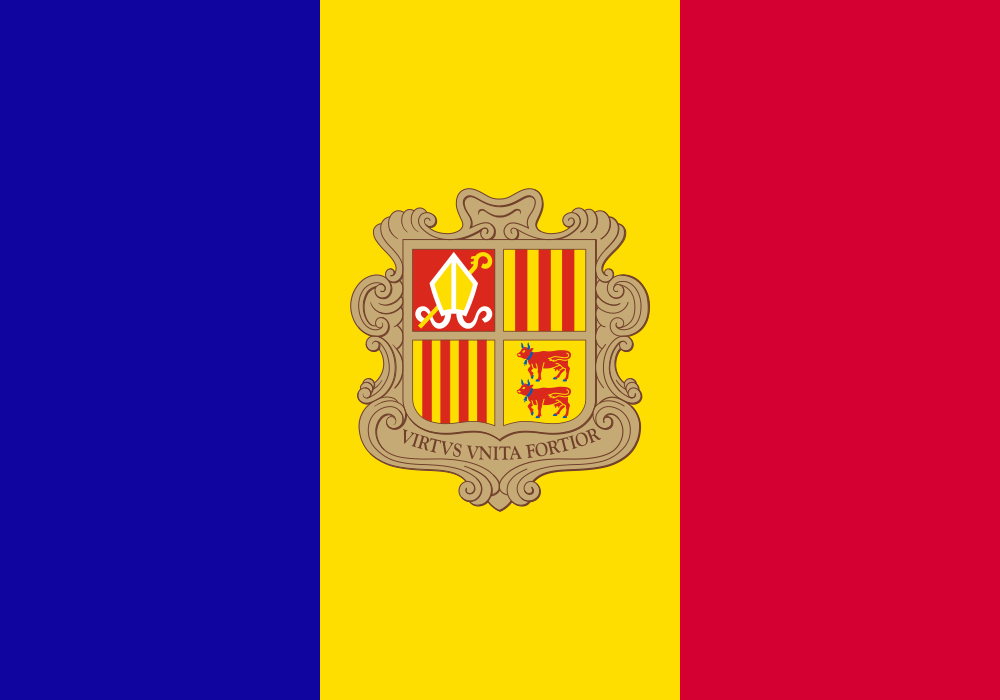
The flag of Andorra
Bandera d'Andorra · since 1971
 Back to Andorra
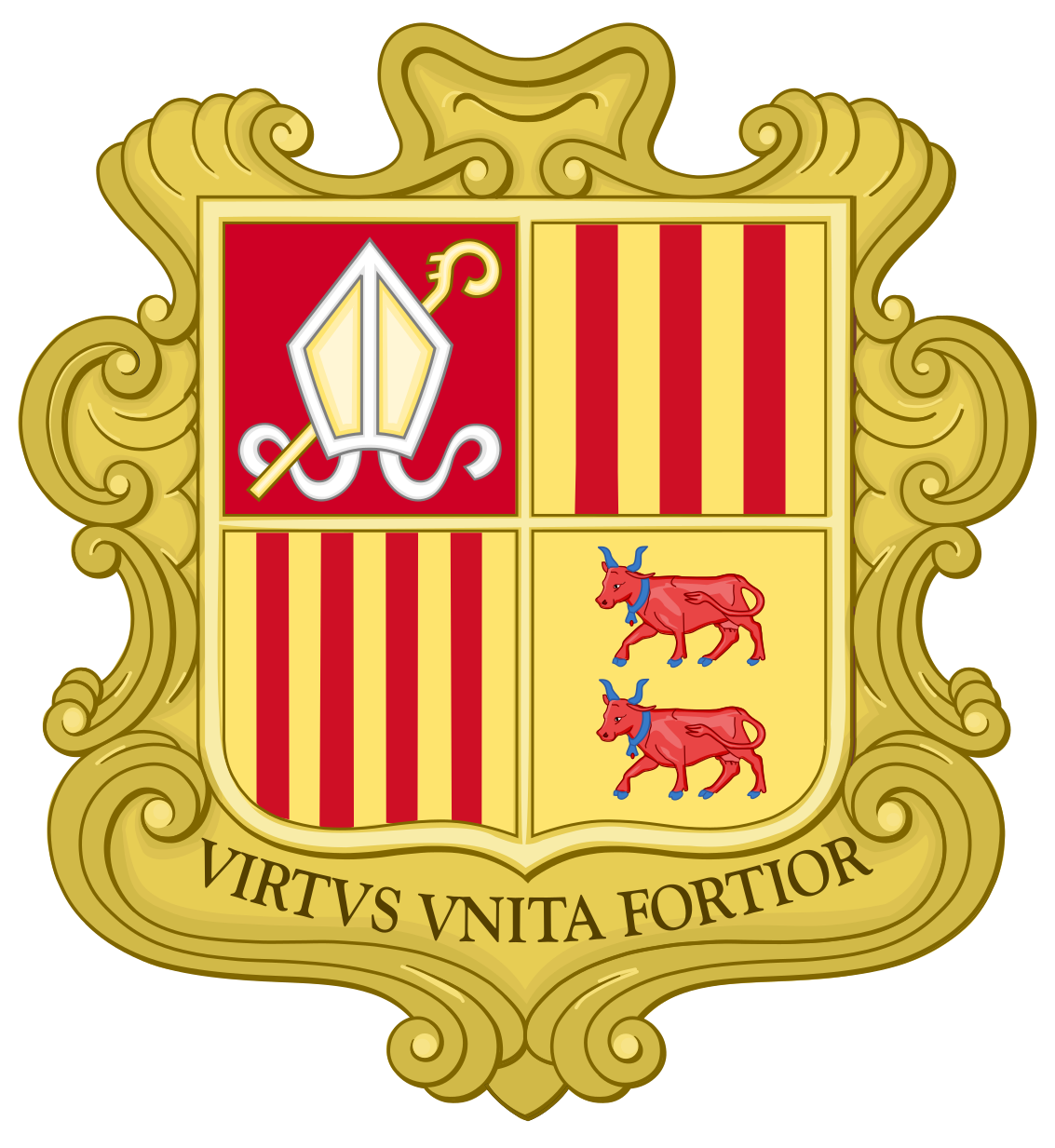
A vertical tricolour of blue, yellow and red with the coat of arms of Andorra on the yellow stripe, which is slightly wider than the other two. The colours date from 1866, when the blue of France was set beside the yellow and red of Foix and Catalonia; the stripes, their order and the arms were only fixed in law after the Constitution of 1993.
At a glance
- Adopted
- 1996
- Proportion
- 7:10
- Colours
- Earlier flags
- 4
- Designers
- 3
The colours
The colours of the flag of Andorra, in the order it has them
- 0134.2%
Blue
blauHoist stripe
- HEX
#10069F- RGB
16 6 159- CMYK
100 90 0 7- Pantone
072 C
- 0228.5%
Yellow
grocMiddle stripe
- HEX
#FEDD00- RGB
254 221 0- CMYK
3 9 92 0- Pantone
Yellow C
- 0334.2%
Red
vermellFly stripe
- HEX
#D50032- RGB
213 0 50- CMYK
9 100 76 2- Pantone
199 C
- 043.2%
Beige
Coat of arms
- HEX
#C5A976- RGB
197 169 118- CMYK
23 30 61 1- Pantone
466 C
No law gives these codes. HEX and RGB are the colour this site draws the flag in; CMYK, Pantone and RAL are the values most often published for it.
Construction
How the flag is drawn
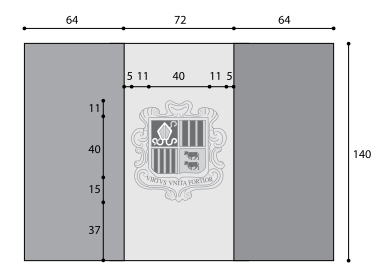
Three vertical stripes of blue, yellow and red, the yellow middle stripe slightly wider than the other two, with the coat of arms of Andorra in the centre of the yellow stripe.
- Stripes
- Three vertical stripes in the widths 8:9:8, blue at the hoist
- Coat of arms
- In the centre of the flag, on the yellow stripe
- Without arms
- The arms may be left out in small or specific formats, keeping the same stripes
Other forms
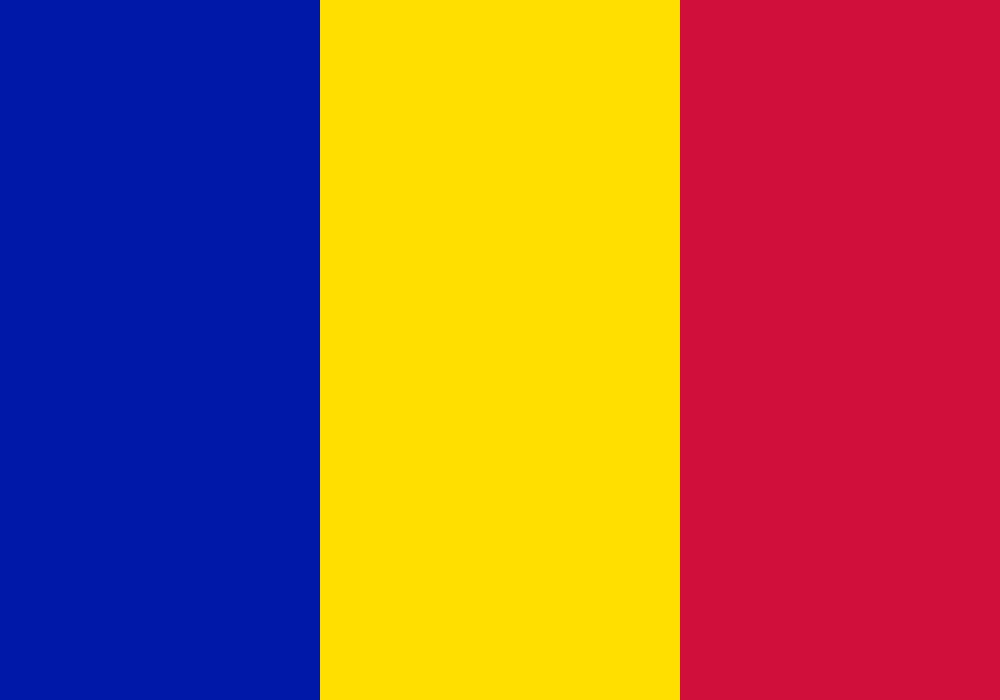
- Flag without arms
- The three stripes alone. The 1996 law allows the arms to be left out in small or specific formats, and the plain flag is permitted inside the country.
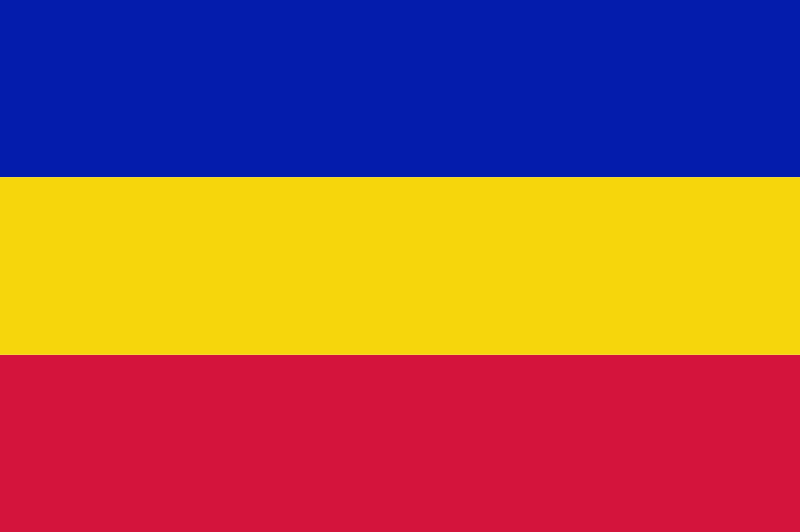
- Horizontal flag
- The stripes laid horizontally without arms, still used to dress balconies, walls and spaces where the vertical flag does not fit.
Meaning
What each part stands for
- Blue
- Taken from the flag of France in 1866, said to stand for France's share in the sovereignty of the country
- Yellow and red
- The traditional colours of the County of Foix and of Catalonia, the royal colours of the Crown of Aragon
- Coat of arms
- Its quarters stand for the bishop of Urgell, the Count of Foix, Catalonia and the Viscounty of Béarn. It follows the arms on the façade of the Casa de la Vall, bought by the Consell de la Terra in 1702
- Motto
- Virtus Unita Fortior, "virtue united is stronger"
Who drew it
- Guillem d'Areny-Plandolit
- Agreed the design in 1866 with Bonaventura Moles, Tomàs Palmitjavila and Napoleon III, while presenting the New Reform to the emperor
- Napoleon III
- Traditionally credited with the design and said to have given the first tricolour to the Andorran delegation
- Josep Oromí
- Drew the coat of arms later added to that first tricolour
History
How the flag of Andorra got here
- 1806
Yellow and red
1806 → 1866
Andorra had no official flag before 1866. It is thought to have used the medieval Catalan colours and those of the house of Foix, usually as vertical stripes of yellow and red, sometimes horizontal.
- 1866
The tricolour
11 Dec 1866 → 1942
Blue, yellow and red became official in 1866, agreed with Napoleon III when an Andorran delegation brought him the New Reform. The flag appeared at the Paris Exposition of 1867 with the arms in the middle, but the order of the colours, their orientation and the arms stayed unsettled for decades.
- 1898
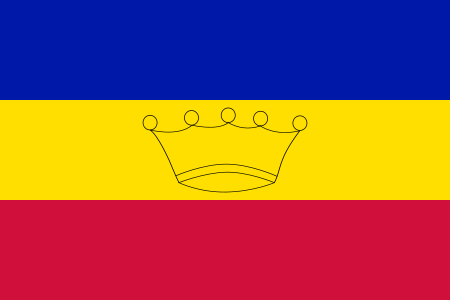
The horizontal flag with a crown
1898 → 1930
Horizontal stripes of blue, yellow and red with a crown in the centre, described by Harold Spender in 1898 hanging from the window of the General Council. It was used alongside the vertical flag and fell out of favour from the 1930s.
- 1942
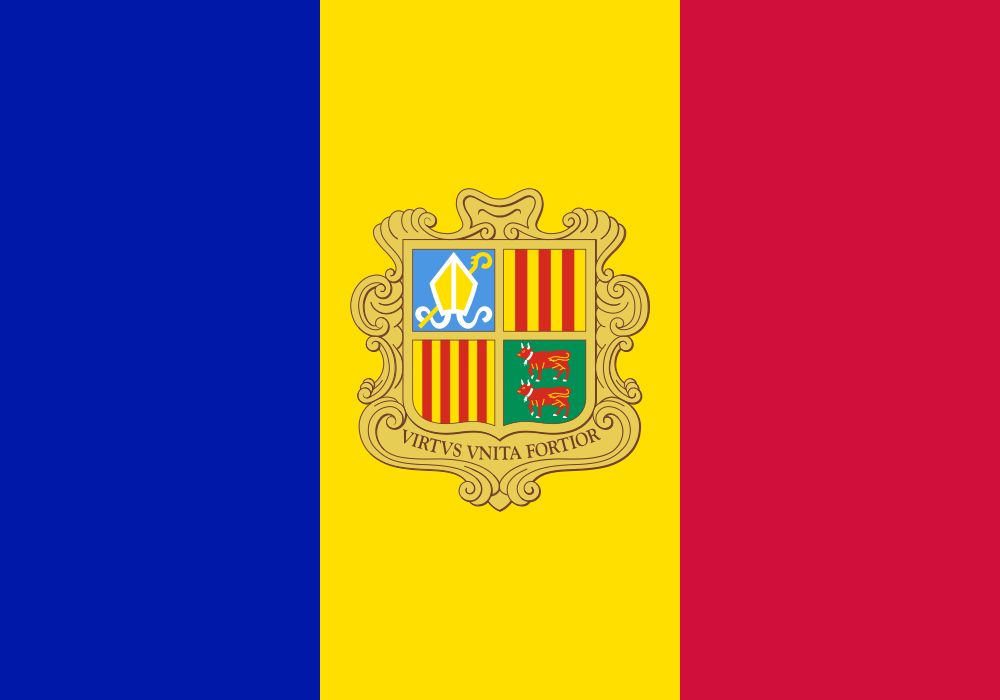
Declared official
1942 → 1996
The flag was declared official in 1942 together with the arms and the anthem, fixing the colours and the vertical stripes. The arms lost their crown, though the council kept a crowned flag into the 1940s, and the flags in use still differed from one another.
Image: User:Rode raaf (flag) and User:Heralder (coat of arms), CC BY-SA 4.0
- 1996
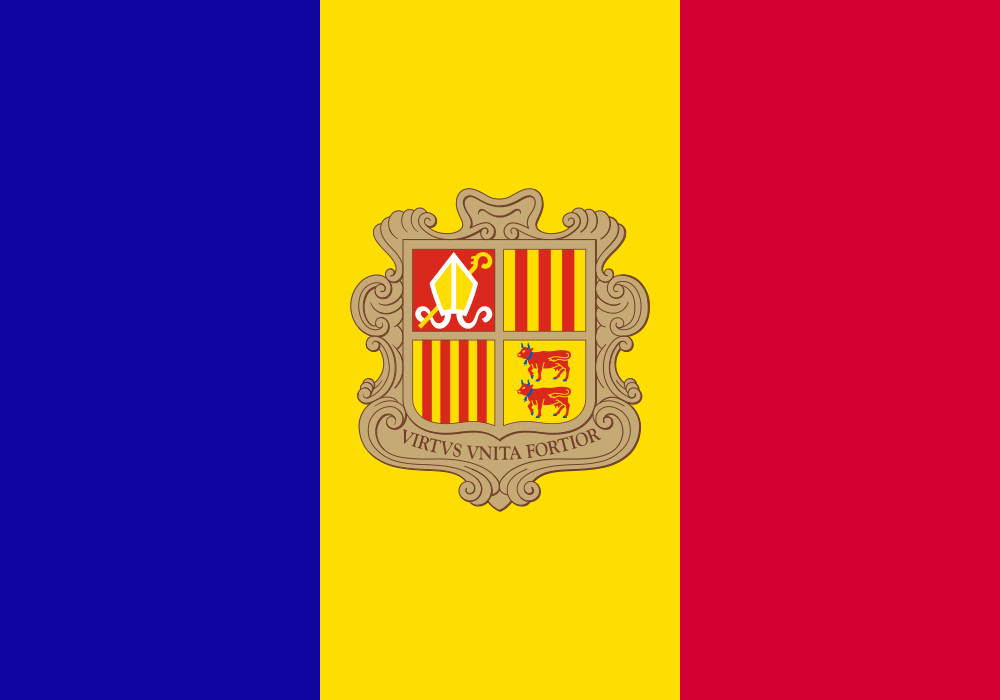
The flag of the PrincipalityIn use
1996 → today
After the Constitution of 1993 and entry into the United Nations, the flag was fixed in 1996 with vertical stripes and the arms in the centre. The regulations of 5 May 1999 set its exact colours.
The law
What defines it, and who flies it
- 1993
Constitution of the Principality of Andorra, Title I, Chapter I, Article 5
- 1996
Places the coat of arms in the centre of the flag, on the yellow stripe, and allows it to be left out in small or specific formats such as tapes.
- 5 May 1999
Graphic regulations for reproducing the coat of arms and the flag
Issued by the Oficina de Marques and approved by the government. Sets the proportions and the Pantone colours.
In use
The flag without arms may be used inside Andorra
The horizontal tricolour is hung on balconies and walls where the vertical flag does not fit
Related flags
The flags it is confused with or comes from
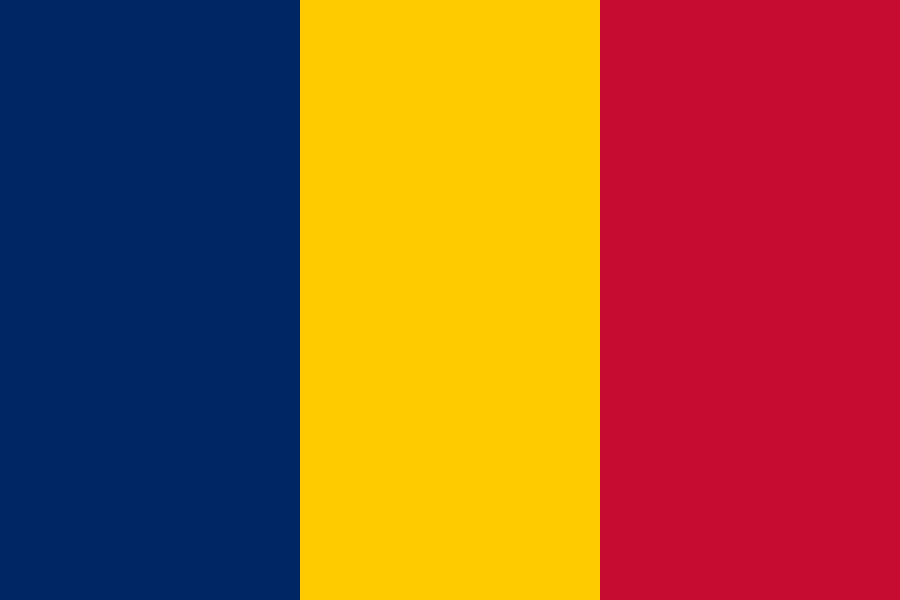 Chad
Chad- The same colours in the same order. The arms were included to avoid confusion with it.
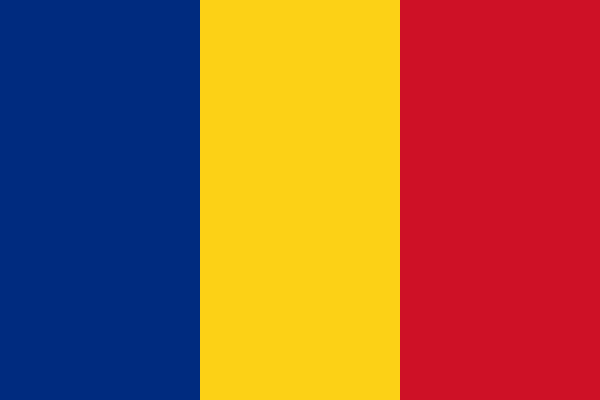 Romania
- A vertical blue, yellow and red tricolour that closely resembles the Andorran flag.
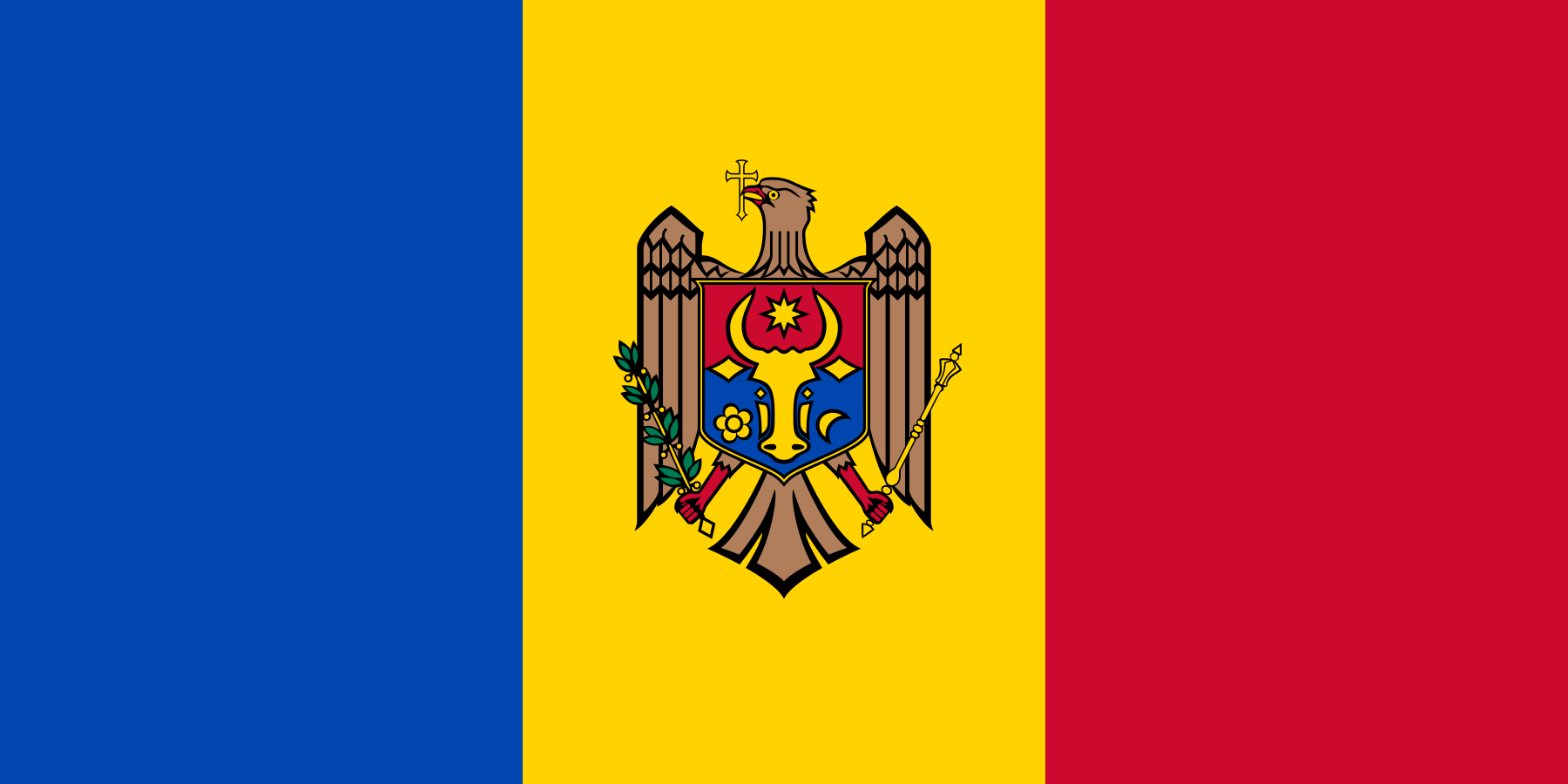 Moldova
- Blue, yellow and red with arms, and one of two national flags that show cattle.
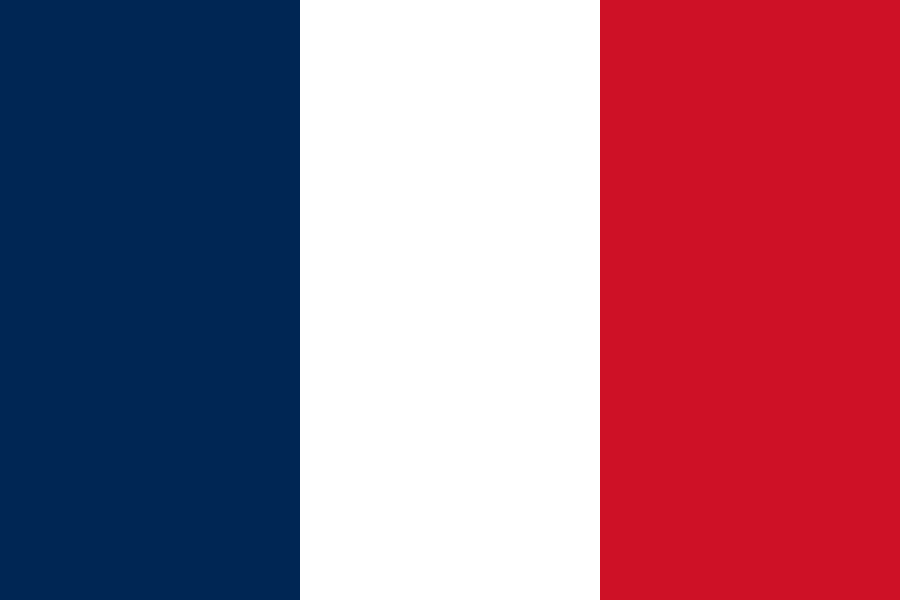 France
- The source of the blue, and of the pattern of three vertical stripes.
Coat of arms
The arms of Andorra