Visegrád Group
Regional · V4
Every member joined the European Union on 1 May 2004. Three states signed the declaration that created the group at Visegrád on 15 February 1991, in three identical originals, Polish, Czech and Hungarian, equally valid. A fourth member arrived when Czechoslovakia dissolved at the end of 1992. Nothing binds the members but declarations, and the one body they founded gives out grants.

4 countries
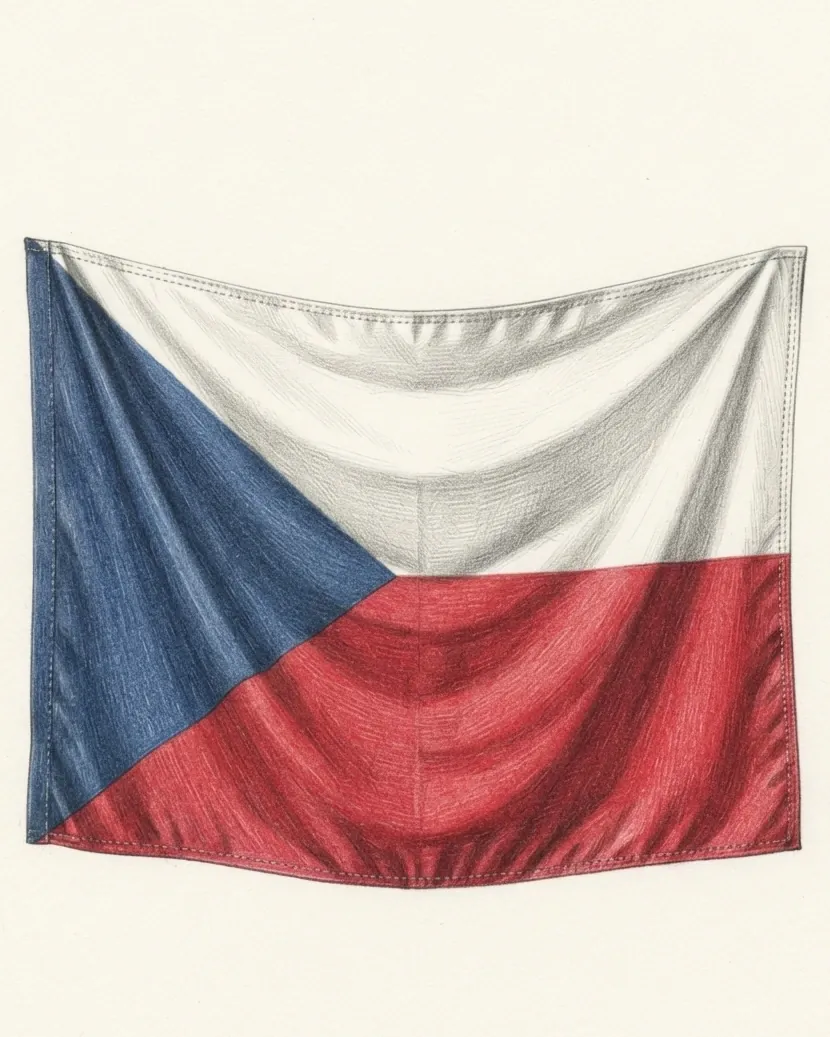
- Czechia10.9 million people on 78,871 landlocked square kilometres. A state created by negotiation in 1993, an industrial economy tied to Germany, and 17 World Heritage properties.
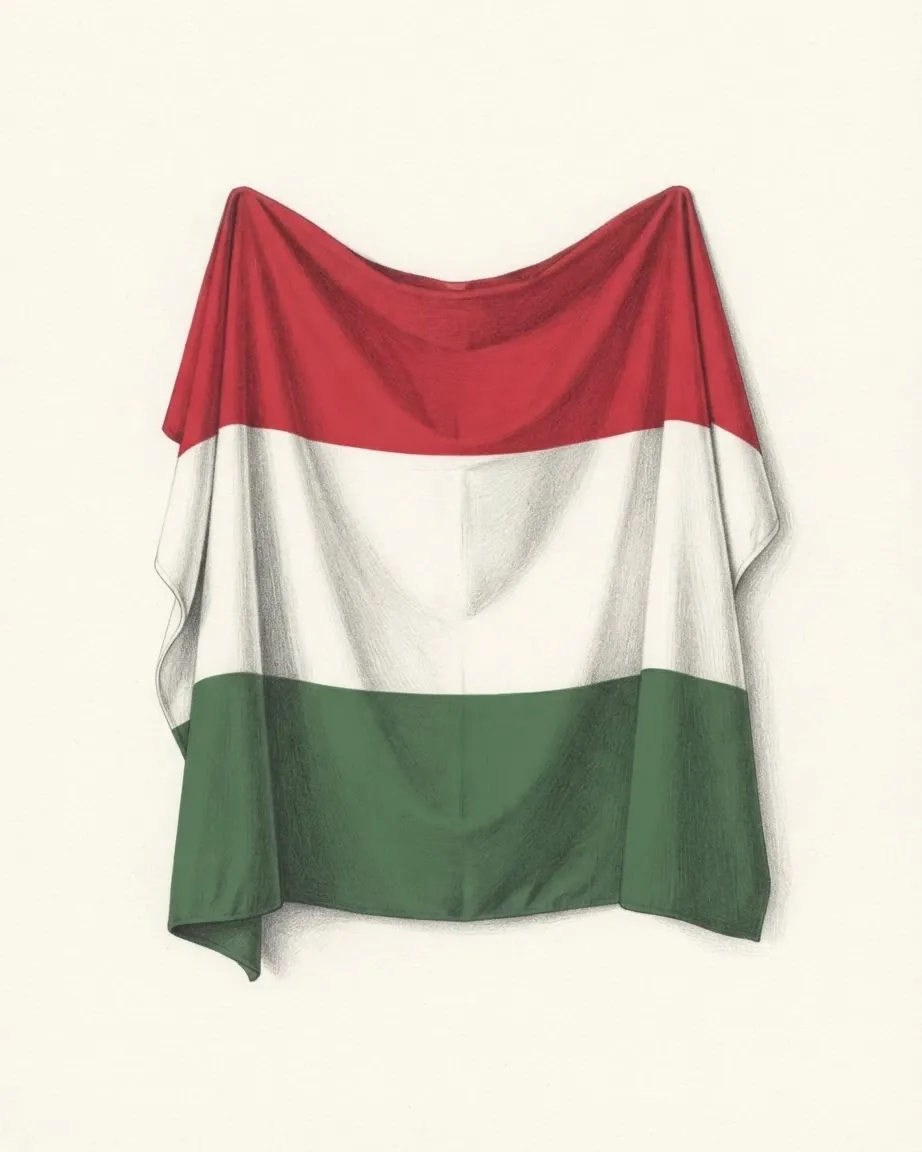
- HungaryJoined 1991.
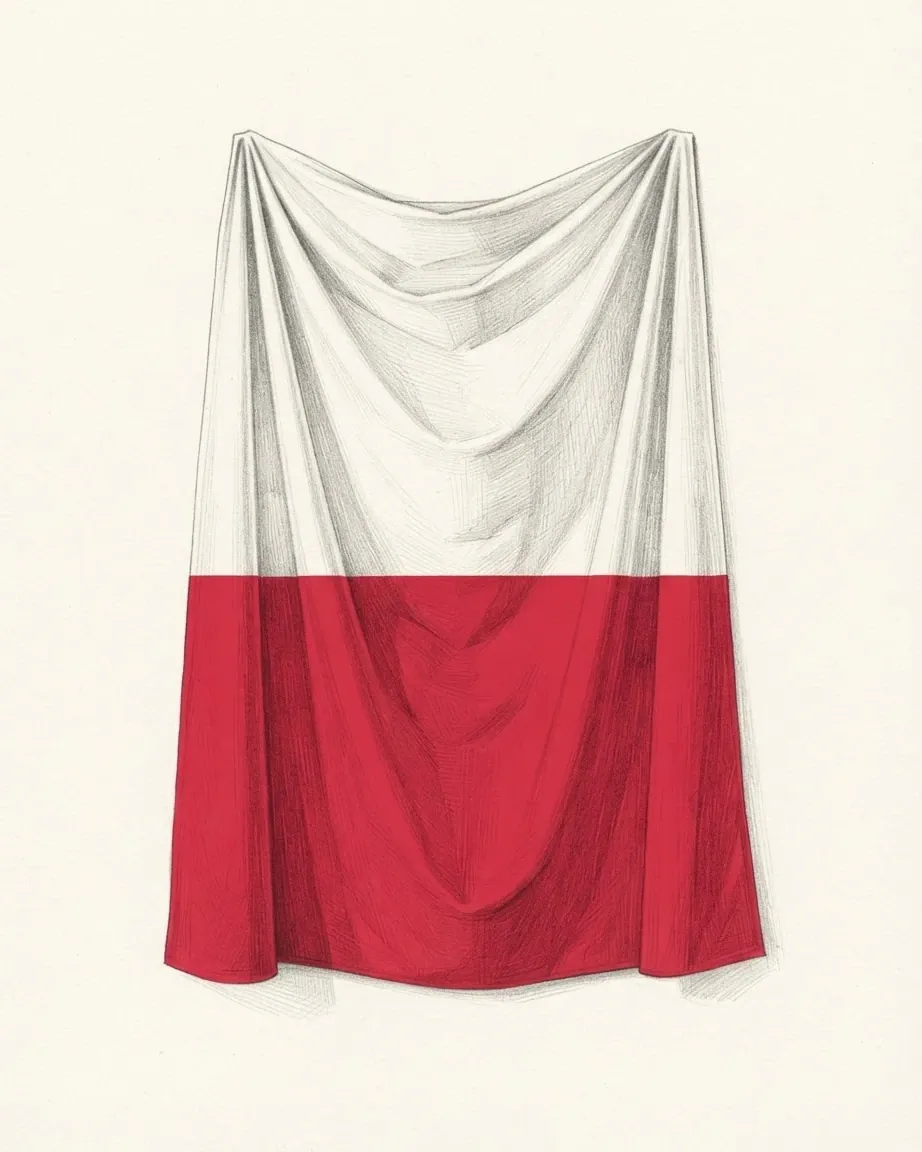
- PolandJoined 1991.
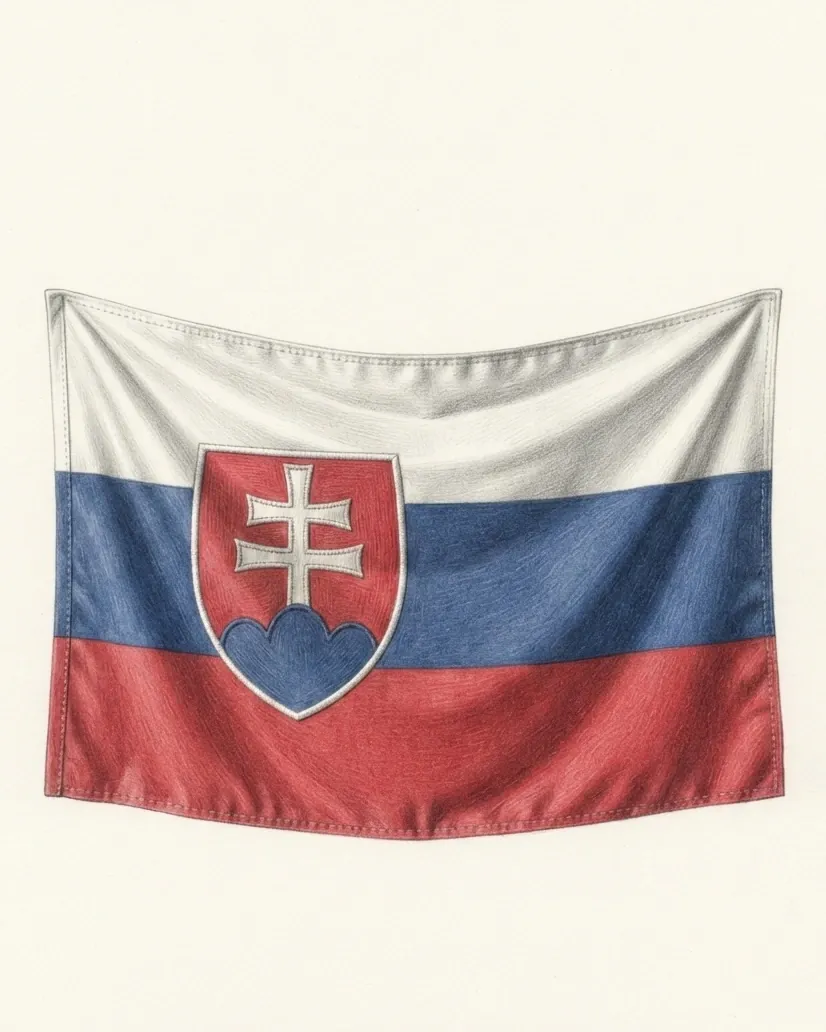
- SlovakiaA landlocked Central European country of five and a half million, independent since 1993, whose four car plants built 1,040,000 vehicles in 2016.
Common questions
Questions about V4
Which countries are in the Visegrád Group?
Czechia, Hungary, Poland and Slovakia. The declaration of 15 February 1991 carries three signatures, for the Czech and Slovak Federal Republic, the Republic of Poland and the Republic of Hungary, and the membership reached its present size when Czechoslovakia dissolved at the end of 1992. The group is also called the Visegrad Four, or V4, and its own site uses both names.
Is the Visegrád Group a treaty organisation?
No. Its founding document is a political declaration, its operations rest on periodical meetings of ministers, officials and experts, and it has no secretariat of its own. The International Visegrad Fund is the exception: it was set up by an agreement signed on 9 June 2000, it is an international organisation with a seat in Bratislava, and it is the only institutionalised form the cooperation has taken.
Why is the group named after a Hungarian town?
Because the declaration was signed there on 15 February 1991, and because of what the town had been. Visegrád stands on the Danube upstream of Budapest and was the seat of Charles Robert of Hungary, who through November 1335 held a congress there with the kings of Bohemia and Poland and an envoy of the Teutonic Order. The modern name is a deliberate reference to that meeting.
How does the Visegrád presidency work?
Each member holds it in turn for one year, and the handover falls on 1 July. The presiding state sets a motto and a programme, hosts the coordination meetings, and holds the annual meeting of the presidents of the parliaments agreed at Prague on 18 April 2007. Slovakia began its seventh term on 1 July 2026. The prime ministerial summit itself is held once a year, usually in June.
What does the International Visegrad Fund pay for?
Grants for projects run jointly by organisations in the member states, academic scholarships and artist residencies, with programmes extending to the Western Balkans and the Eastern Partnership countries. The four governments contribute equal shares, and the budget was reported at 11 million euro a year in June 2025. By the fund's twenty-fifth anniversary in June 2025 it had distributed more than 140 million euro across nearly 6,750 projects.
Sources
- Visegrad Declaration 1991 · The Visegrad Group. Full text of the declaration of 15 February 1991, the convergent objectives, the practical steps, and the closing line on three identical originals in Polish, Czech and Hungarian.
- About the Visegrad Group · The Visegrad Group. Joint accession to the European Union on 1 May 2004, and the statements that the format is not an alternative to European integration and does not compete with other central European structures.
- V4 Presidency · The Visegrad Group. Operations based on periodical meetings, the annual prime ministerial summit usually in June, the handover of the presidency on 1 July, the Slovak seventh term from 1 July 2026, and the V4 plus format.
- Declaration of Prime Ministers on cooperation of the Visegrád Group countries after their accession to the European Union · The Visegrad Group. The Kroměříž declaration of 12 May 2004, the statement that the 1991 objectives had been achieved, and the annex listing the areas of future cooperation.
- Visegrad Declarations · The Visegrad Group. The index of declarations, and the caption recording that the draft of the 1991 declaration was hand-written by Václav Havel.
- Interparliamentary cooperation of the Visegrád Group countries · Bureau of Research of the Sejm, lexicon of multilateral parliamentary cooperation. The first summit at Bratislava on 9 April 1990, Czechoslovakia as a party until 31 December 1992, the meetings of presidents of parliaments from 13 January 2003, and the agreement of 18 April 2007 in Prague.
- Gawlas, Sławomir: The 1335 Meeting of Kings in Visegrad · The Visegrad Book, published by the Visegrad Group. The congress through November 1335, the kings and the Teutonic plenipotentiary present, Visegrád as the seat of Charles Robert, and the arbitration of the Polish dispute over Pomerania.
- Visegrad Cooperation · European Network Remembrance and Solidarity. The modern name as a reference to the congress of 1335, and the fund described as the only institutionalised form of the cooperation.
- The Story Behind the Visegrad Fund: 25 Years of Connecting People · International Visegrad Fund. The Bratislava summit of May 1999, the establishing agreement signed on 9 June 2000 at Štiřín near Prague, the seat in Bratislava, equal representation, and the rotating executive directorship.
- International Visegrad Fund Celebrates 25 Years of Cooperation · Ministry of Foreign Affairs of the Czech Republic, 11 June 2025. The equal funding by the four governments, the annual budget of 11 million euro, nearly 6,750 projects and more than 140 million euro distributed by June 2025.
- EU countries and the euro · European Commission, Directorate-General for Economic and Financial Affairs. The euro area entry date of 1 January 2009 for Slovakia.