European Free Trade Association
Economic · EFTA
Denmark and the United Kingdom left for the European Communities in 1973 and took most of the association's trade with them. EFTA is a free trade area and not a customs union, so each member keeps its own tariff on the rest of the world. Three members take European Union single market rules through the European Economic Area; Switzerland works by bilateral treaty instead.
4 countries
Common questions
Questions about EFTA
Which countries are in EFTA?
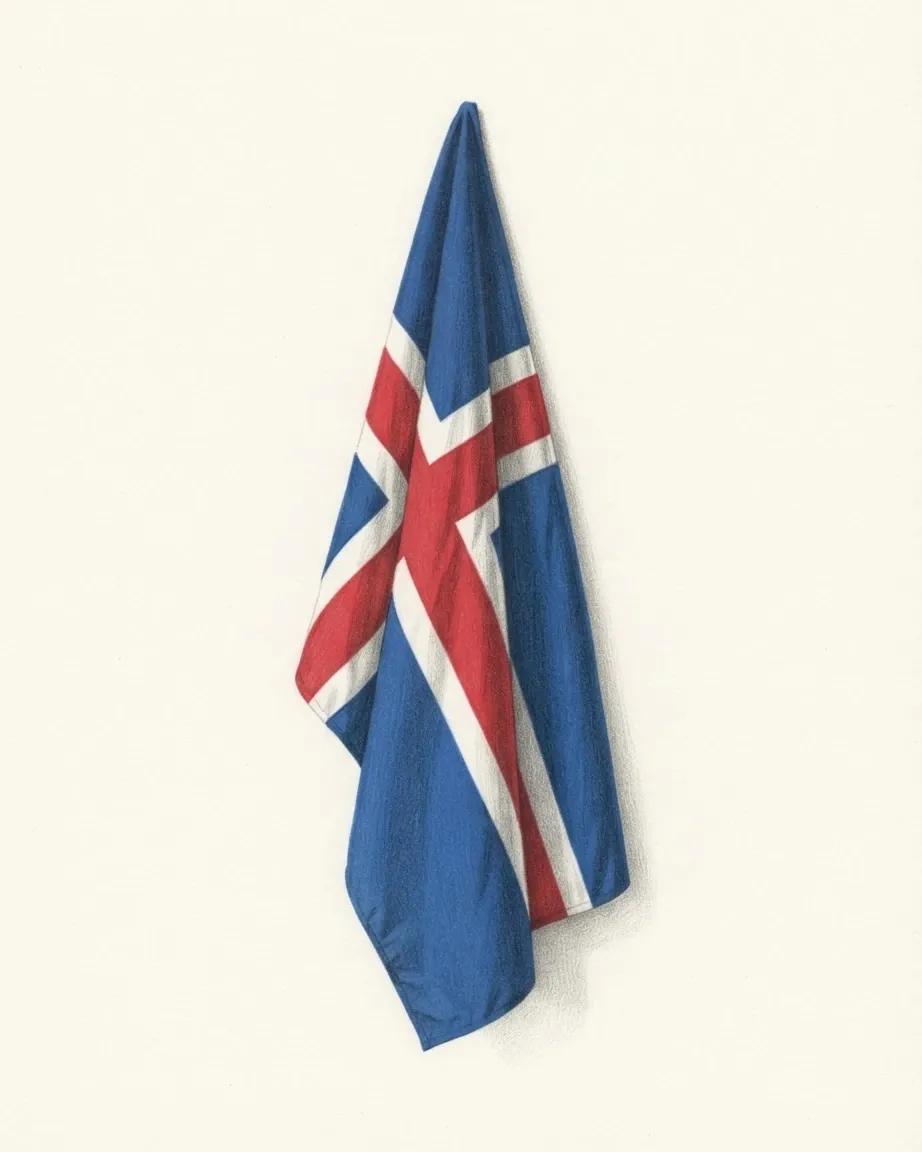
Iceland, Liechtenstein, Norway and Switzerland, which is the whole of the roster since 1 January 1995. Of the seven states that signed the convention at Stockholm in 1960, only Norway and Switzerland are still in it: Denmark and the United Kingdom left in 1973, Portugal in 1986, and Austria, Finland and Sweden in 1995, each of them on joining the European Communities or the European Union.
Is EFTA the same thing as the European Economic Area?
No, and the two lists do not match. EFTA is a free trade area among the 4 members here, governed by the convention signed at Vaduz on 21 June 2001. The European Economic Area extends the European Union single market to Iceland, Liechtenstein and Norway alongside the Union's own member states, under an agreement signed at Porto on 2 May 1992. Switzerland belongs to the first and not the second.
Why is Switzerland in EFTA but not in the European Economic Area?
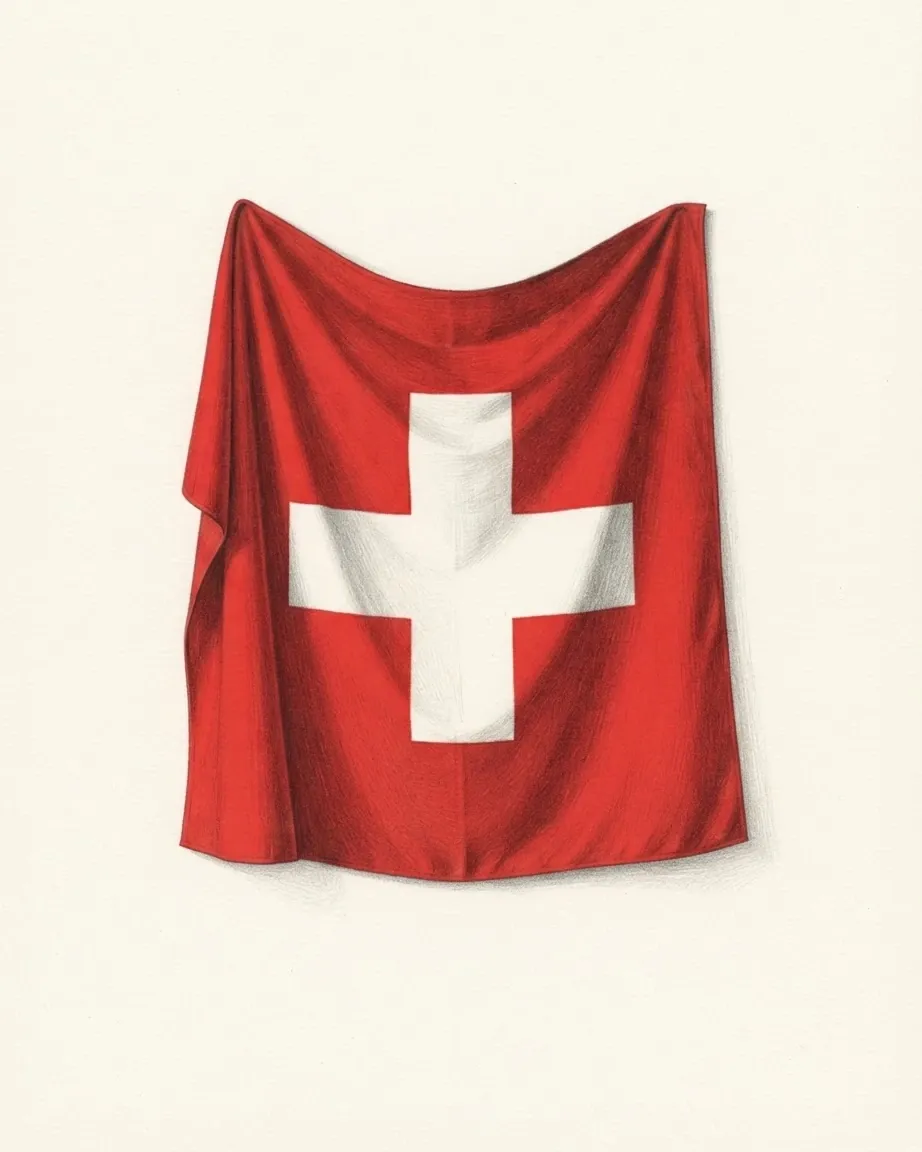
Because ratification was put to a vote and lost. Switzerland signed the Agreement on the European Economic Area, and the referendum of 6 December 1992 rejected it by 50.3%, with sixteen cantons against and seven in favour. Access to the single market was then built up in sectoral treaties instead, a first package signed on 21 June 1999 and a second on 26 October 2004. The EFTA Surveillance Authority and the EFTA Court have no jurisdiction over Switzerland as a result.
How does a country join EFTA?
Article 56 of the convention lets any state accede provided the EFTA Council decides to approve its accession, on the terms and conditions that decision sets out, after which the instrument of accession is deposited with the depositary. There is no list of criteria written into the text and no waiting period. Article 57 sets the exit at twelve months of notice in writing.
Does EFTA membership give access to the European Union single market?
Not by itself. The convention covers trade between the members and the free trade agreements the group negotiates jointly with countries outside Europe. Single market access rests on separate instruments: the Agreement on the European Economic Area for Iceland, Liechtenstein and Norway, and the sectoral treaties for Switzerland. A state could in principle accede to the convention and take neither.
Does the convention cover farm goods?
Only in part. Processed agricultural products are covered by the convention, and basic agricultural products are largely left to bilateral agreements between individual members rather than handled by the text itself. The European Economic Area draws a comparable line on the other side: it does not extend the European Union's common agricultural and fisheries policies to the states that belong to it from this group.
Sources
- Convention establishing the European Free Trade Association (Vaduz Convention) · EFTA. The consolidated text, Article 56 on accession and Article 57 on withdrawal at twelve months' notice.
- Short Overview of the EFTA Convention · EFTA. Signature at Vaduz on 21 June 2001, entry into force on 1 June 2002, and the extension to services, capital and intellectual property.
- The European Free Trade Association: History · EFTA. The Stockholm Convention of 4 January 1960, the founding signatories, and the accessions and departures to 1995.
- Agreement on the European Economic Area · EFTA. The main text of the agreement signed at Porto on 2 May 1992.
- The European Economic Area (EEA), Switzerland and the North · European Parliament fact sheet. What the Area covers and what it excludes, and the Swiss sectoral packages of 1999 and 2004.
- Popular votes and chronology · Swiss Federal Department of Foreign Affairs. The vote of 6 December 1992 and the result of 50.3% against.
- Withdrawal of Switzerland's membership application to the EU · Swiss Federal Department of Foreign Affairs. The formal withdrawal of the 1992 application on 27 July 2016.
- Liechtenstein Sectoral Adaptations under the EEA Agreement · European Commission report. The arrangement of 17 December 1999 and the annual floor of residence permits.
- EFTA Court: Questions and Answers · EFTA Court. The seat at Luxembourg from September 1996 and the states over which the Court has jurisdiction.
- Iceland: enlargement policy and negotiations status · Council of the European Union. The application of 16 July 2009, the suspension of talks in 2013 and the letter of 12 March 2015.
- Iceland says no: four takeaways from the EU accession referendum · Euronews. The count of 52.8% against resuming negotiations on a turnout of 82.5%.
- Free trade agreement between Switzerland and China · State Secretariat for Economic Affairs, Switzerland. Signature on 6 July 2013 and entry into force on 1 July 2014.
- Free Trade Agreement between Iceland and China · Government of Iceland. Signature on 15 April 2013 and entry into force on 1 July 2014.