Arctic Council
Regional
Arctic comes through Latin from the Greek arktikos, of the bear, for the constellation that turns above the northern pole. The Ottawa Declaration of 19 September 1996 founded a high level forum with nothing to ratify. Six organisations of Arctic indigenous peoples sit beside the 8 states as Permanent Participants, consulted in full before a decision that only the states take. A footnote excludes military security.
8 countries
- Canada
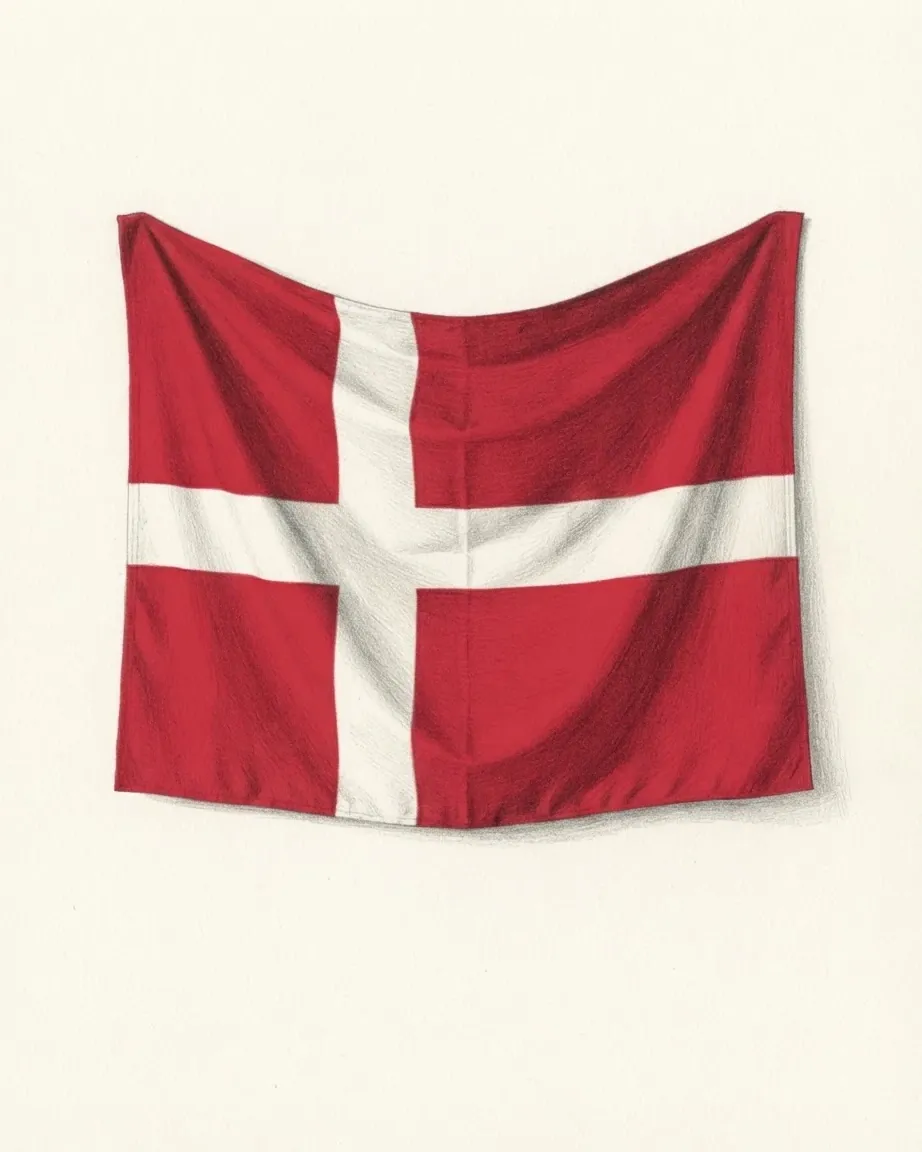
- Denmark5.8 million people on 42,925 square kilometres of peninsula and islands, highest point 171 metres. A 179-seat parliament, four of whose seats sit in the Arctic.
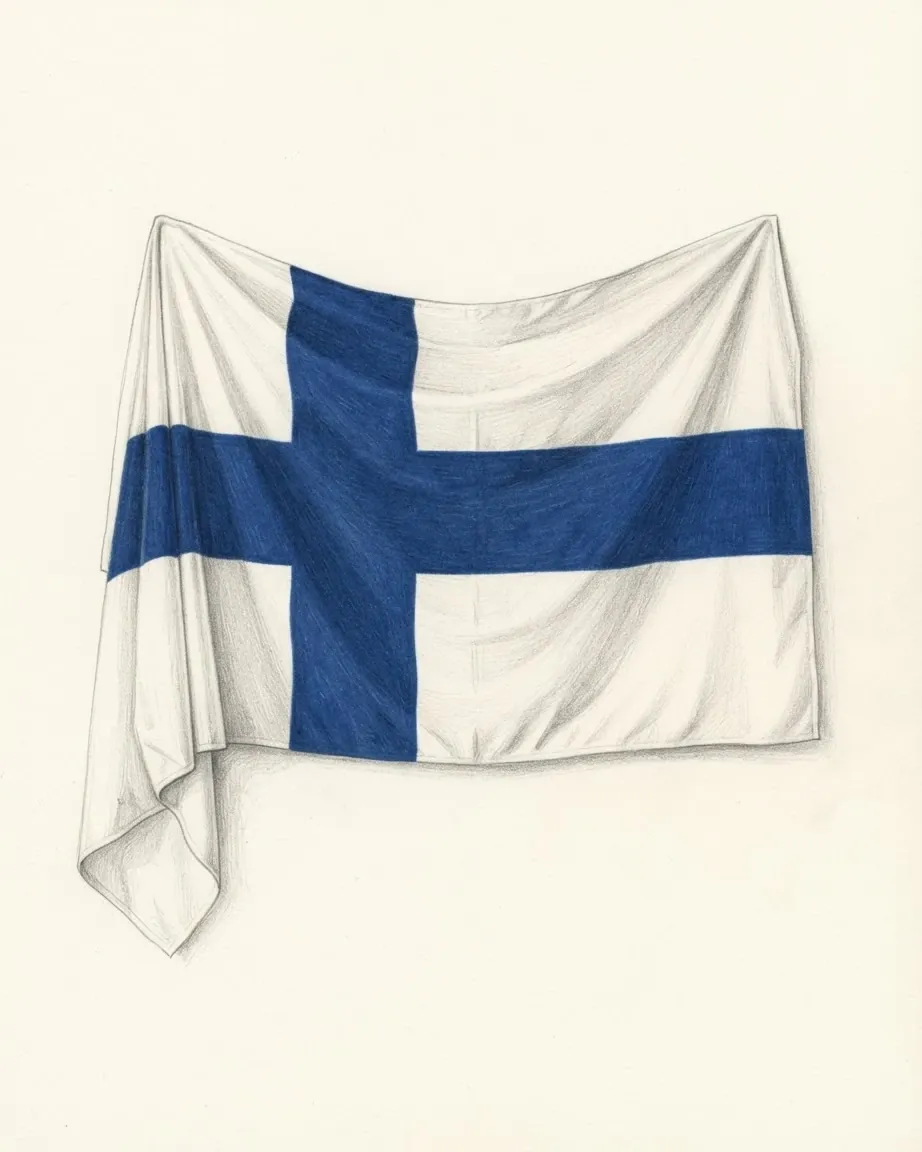
- FinlandJoined 1996.
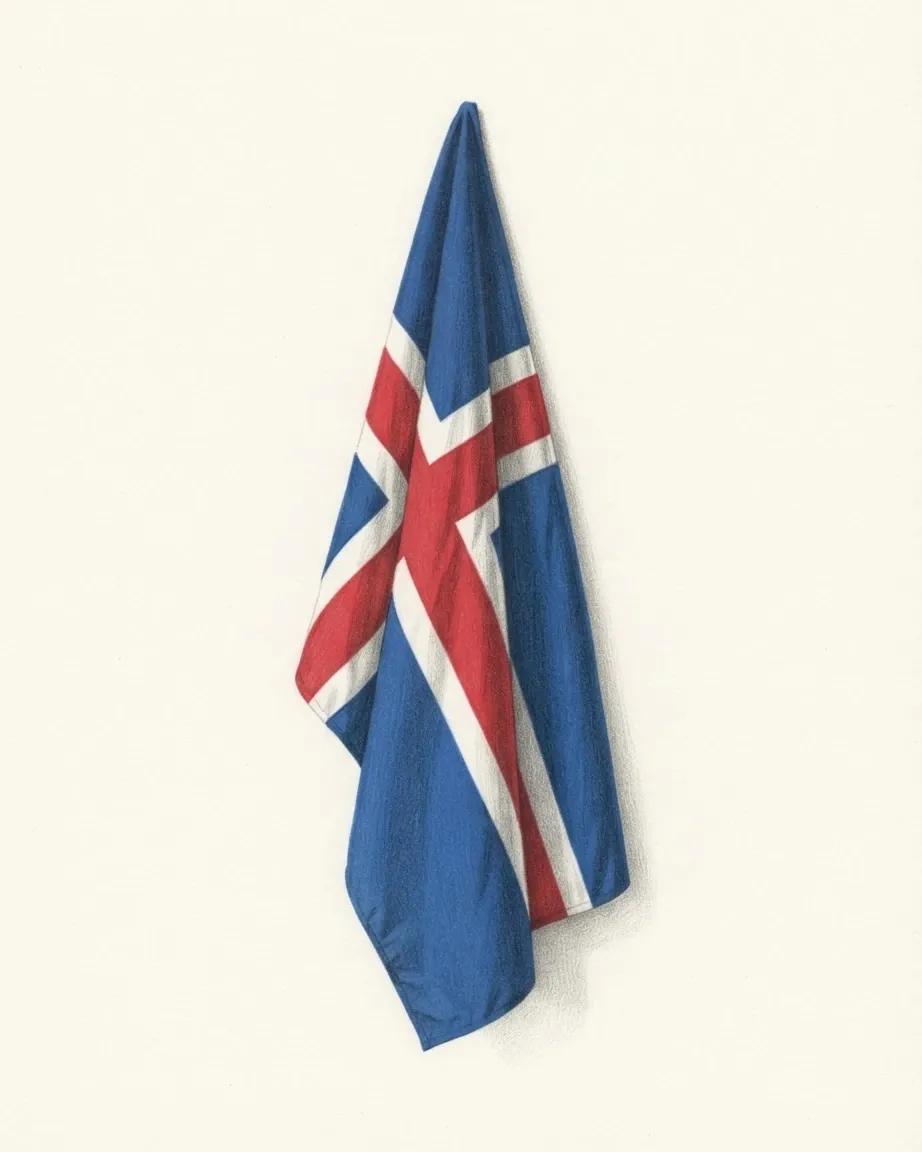
- IcelandAn empty island claimed in sixty years and written down as it happened: 376,248 people counted in 2022, on crust the Mid-Atlantic Ridge pulls apart by 19 millimetres a year.
- NorwayA Nordic monarchy of 5.6 million that wrote its constitution before it was independent and claimed its seabed six years before anyone found oil under it.
- RussiaJoined 1996.
- Sweden10.6 million people on 528,861 square kilometres from the Baltic to the Arctic. A monarchy whose 1974 constitution left the crown no power, and which kept its own currency.
- United StatesEstados Unidus
Common questions
Questions about Arctic Council
Which countries are in the Arctic Council?
Canada, the Kingdom of Denmark, Finland, Iceland, Norway, the Russian Federation, Sweden and the United States, the same list the Ottawa Declaration named on 19 September 1996. Nobody has joined or left since. Denmark's seat covers Greenland and the Faroe Islands, which is what gives the kingdom its Arctic coastline, and Iceland's only ground north of the Arctic Circle is the island of Grímsey.
Is the Arctic Council founded on a treaty?
No. The Ottawa Declaration is a declaration: there is nothing in it to ratify, the Council has no legal personality, and it cannot bind a member to anything. Three legally binding agreements have been negotiated under its auspices, on search and rescue in 2011, marine oil pollution in 2013 and scientific cooperation in 2017, but those are agreements between the Arctic States and the Council is not a party to any of them.
What are Permanent Participants, and do they vote?
Six organisations of Arctic indigenous peoples hold seats at the table under Article 2, with the right to be consulted in full before the Council acts. They do not vote, because nothing at the Council is put to a vote. Article 7 makes every decision a consensus of the member states, so the consultation is the whole of the standing and the decision belongs to the eight governments.
Does the Arctic Council deal with military security or territorial claims?
Neither. A footnote to the first article of the Ottawa Declaration keeps matters related to military security off the agenda, and it has never been amended. Overlapping continental shelf claims run through the Commission on the Limits of the Continental Shelf instead, where Canada, the Kingdom of Denmark and Russia have each filed submissions reaching the North Pole.
What happened to the Arctic Council after February 2022?
On 3 March 2022, with Russia holding the chair, the other seven states issued a joint statement pausing their participation in all meetings of the Council and its subsidiary bodies. Working group activity resumed by written procedure in August 2023 under the Norwegian chairship, virtual working group meetings followed from February 2024, and the fourteenth ministerial meeting on 12 May 2025 passed the chair to the Kingdom of Denmark.
Sources
- Declaration on the Establishment of the Arctic Council (Ottawa, Canada, 1996) · Global Affairs Canada. The signed text: Article 2 on Permanent Participants, Article 3 on observers, Article 7 on consensus, and the two footnotes.
- The Arctic Council: about · Arctic Council. The member states, the six Permanent Participants, the six working groups and the chairship of the Kingdom of Denmark for 2025 to 2027.
- Observers · Arctic Council. The thirteen observer states, the rule on speaking after members and Permanent Participants, and the limit on observer funding of a project.
- Agreements and cooperation · Arctic Council. The three legally binding agreements negotiated under the Council's auspices, of 2011, 2013 and 2017.
- Arctic Region: agreements signed at Arctic Council ministerials · United States Department of State. The ministerial meetings at which each agreement was signed: Nuuk 2011, Kiruna 2013 and Fairbanks 2017.
- The Ilulissat Declaration, Arctic Ocean Conference, 27 to 29 May 2008 · Centre for International Law, National University of Singapore. The five coastal states, the date of 28 May 2008 and the line on a new comprehensive international legal regime.
- Joint Statement on Arctic Council Cooperation Following Russia's Invasion of Ukraine · United States Department of State, 3 March 2022. The seven states pausing participation in all meetings of the Council and its subsidiary bodies.
- Press release: 14th Meeting of the Arctic Council and the Joint Romssa-Tromsø Statement · Arctic Council. The meeting of 12 May 2025, the resumption of working group activity by written procedure in August 2023 and virtually from February 2024, and the handover of the chairship.
- Orbis et Globus, Grímsey · Studio Granda with Kristinn E. Hrafnsson. The sphere installed in 2017, the position at 66° 33.9′ north and the annual drift of about 14.5 metres.