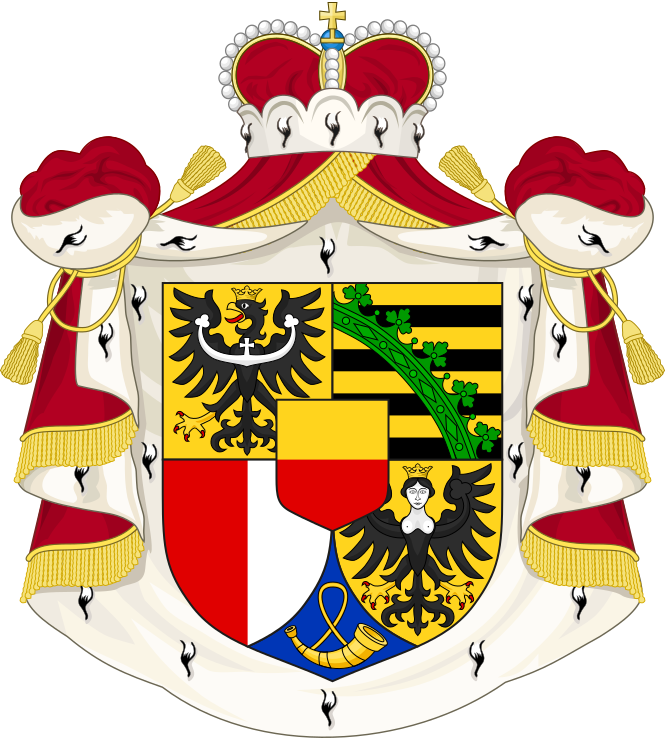
The flag of Liechtenstein
Flagge Liechtensteins · since 1921
 Back to Liechtenstein
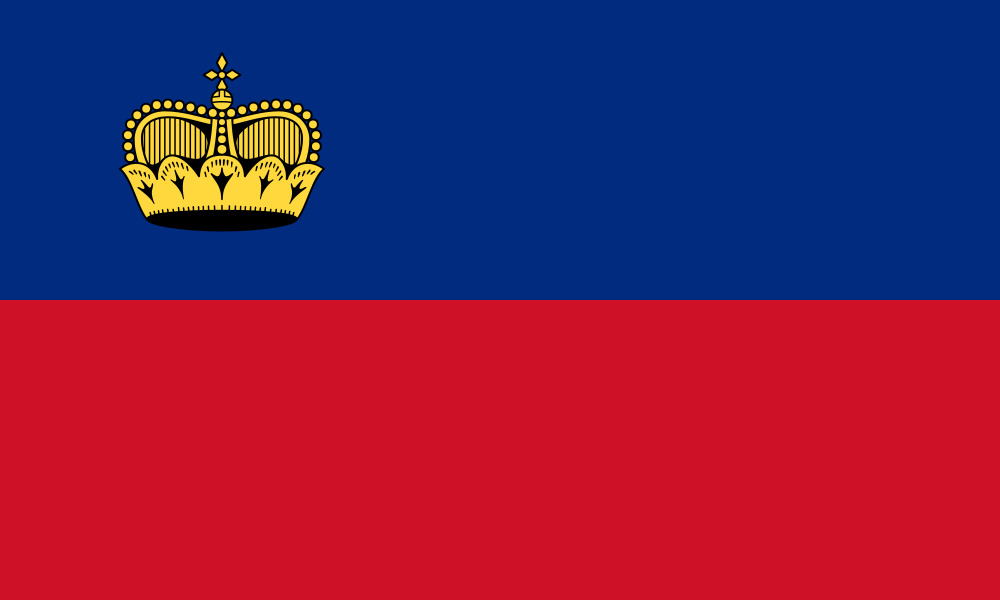
Two equal horizontal stripes, blue over red, with a gold princely crown in the blue at the hoist. Blue and red were the livery colours of the princely court from the 18th century, and the Constitution of 1921 gave the bicolour official status. The crown was added in 1937 after Liechtenstein found at the 1936 Olympic Games that its flag was identical to Haiti's, and its drawing was modernised by the law of 30 June 1982.
At a glance
- Adopted
- 1982
- Proportion
- 3:5
- Colours
- Earlier flags
- 4
The colours
The colours of the flag of Liechtenstein, in the order it has them
- 0147.9%
Blue
blauUpper stripe
- HEX
#002B7F- RGB
0 43 127- CMYK
100 89 27 8- Pantone
280 C- RAL
5010
- 0252.1%
Red
rotLower stripe
- HEX
#CE1126- RGB
206 17 38- CMYK
10 100 74 2- Pantone
186 C- RAL
3020
No law gives these codes. HEX and RGB are the colour this site draws the flag in; CMYK, Pantone and RAL are the values most often published for it.
Construction
How the flag is drawn
Two horizontal stripes of equal width, blue over red, with a gold princely crown in the upper hoist corner of the blue stripe.

- Stripes
- Two of equal width, blue over red
- Crown
- Gold, in the canton of the blue stripe
- Banner
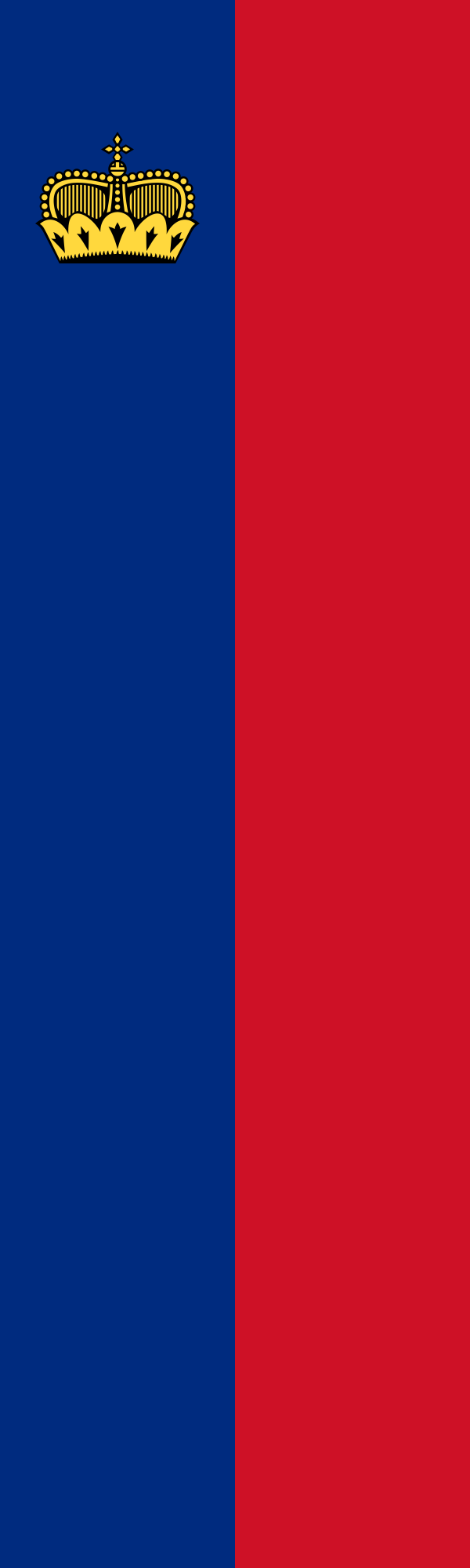
- Hung vertically at 4:1, blue and red side by side, with the crown kept upright in the blue
- Other ratio
- A 2:3 version is also made
Other forms
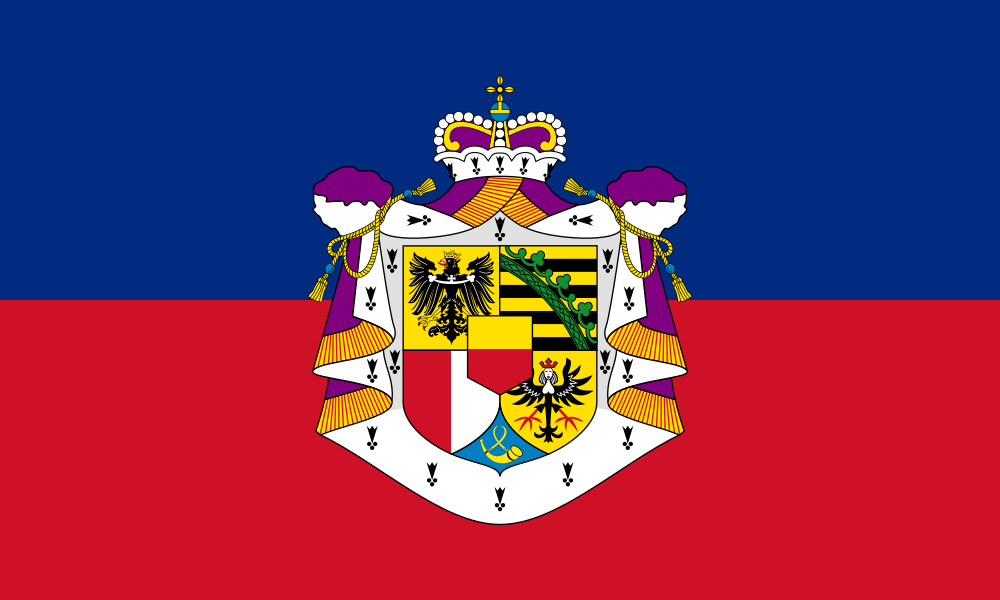
- State flag
- The bicolour with the coat of arms at the centre, adopted in 1982.
- Banner
- The long vertical form at 4:1, used like the flag, with the crown upright at the top of the blue.
- Pennant
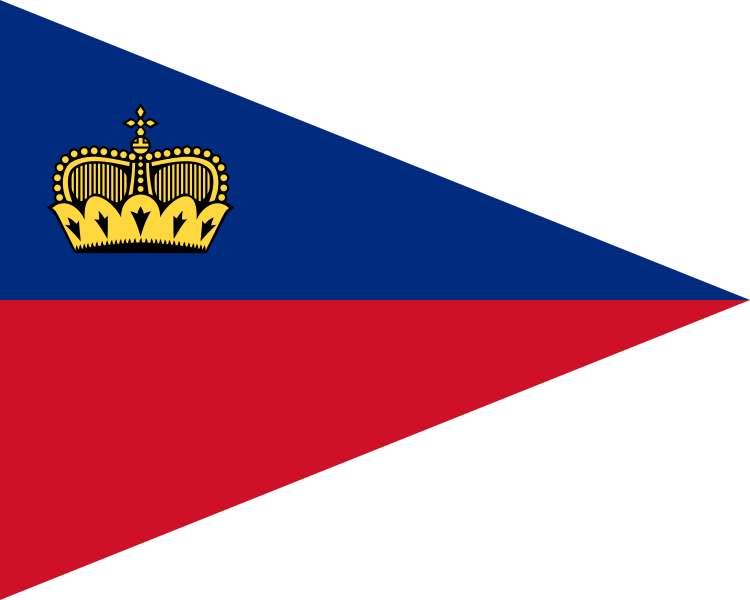
- The Wimpel, a small triangular form prescribed by the 1982 law.
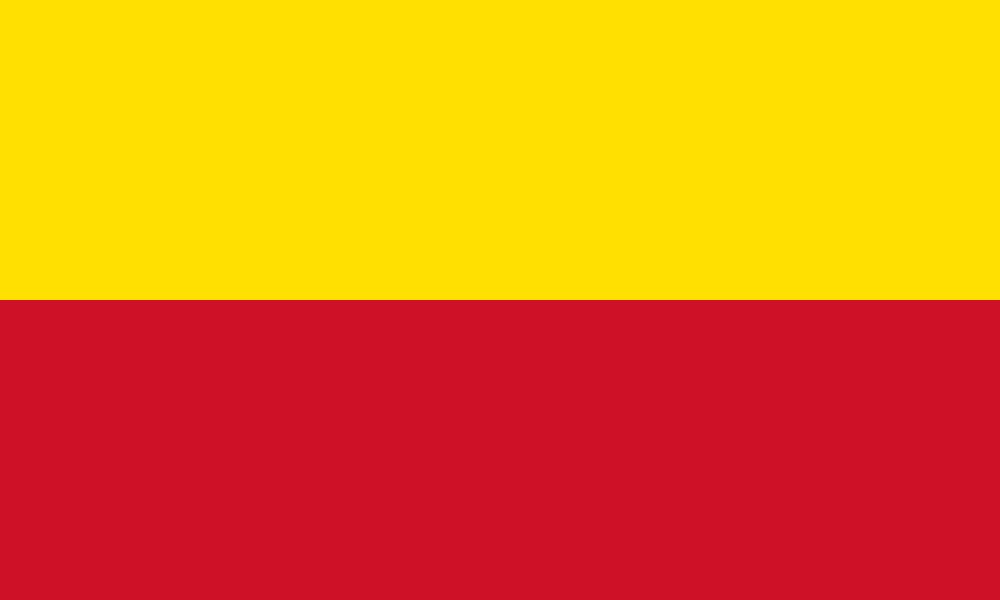
- Flag of the princely house
- Two equal horizontal stripes, gold over red.
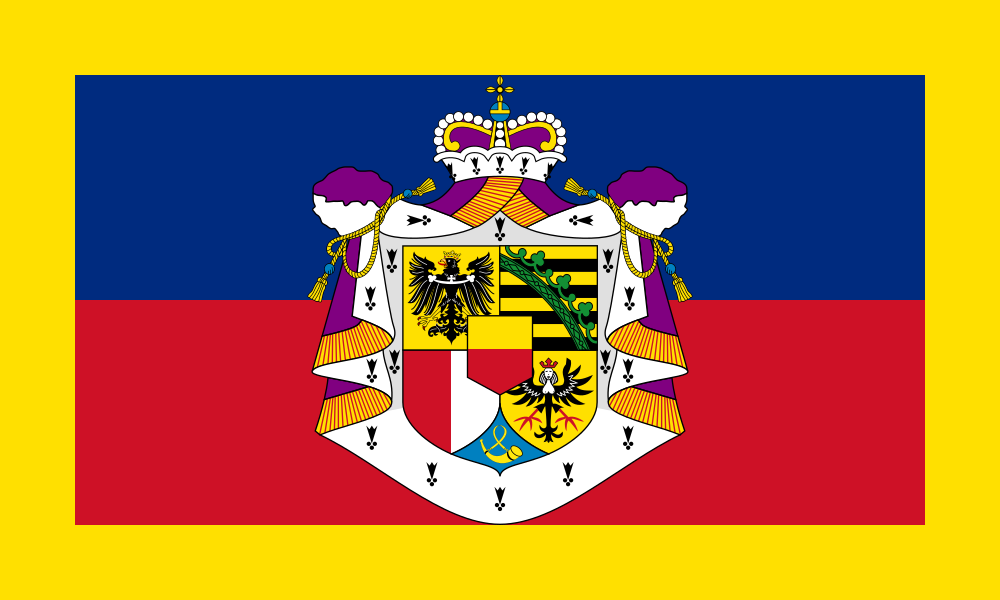
- Standard of the Prince
- In its present form since 1982.
Meaning
What each part stands for
- Blue
- "The colour of a radiant sky", in the words of the head of government Joseph Hoop presenting the new flag in 1937
- Red
- "The colour of the embers in the fireplace during evening gatherings"
- Gold crown
- That people, country and princely house are united in heart and spirit; it also marks Liechtenstein as a principality
History
How the flag of Liechtenstein got here
- 1719
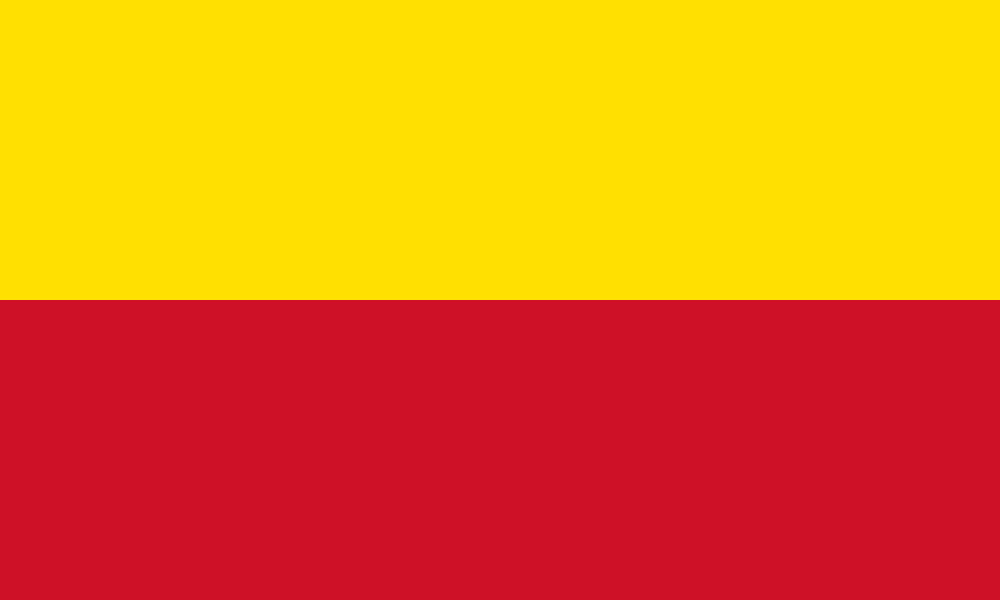
Gold and red
1719 → 1852
The principality, created on 23 January 1719 from the county of Vaduz and the lordship of Schellenberg, used the gold and red of the princely arms in two horizontal bands. Prince Joseph Wenzel I introduced the blue and red livery in 1764.
- 1852
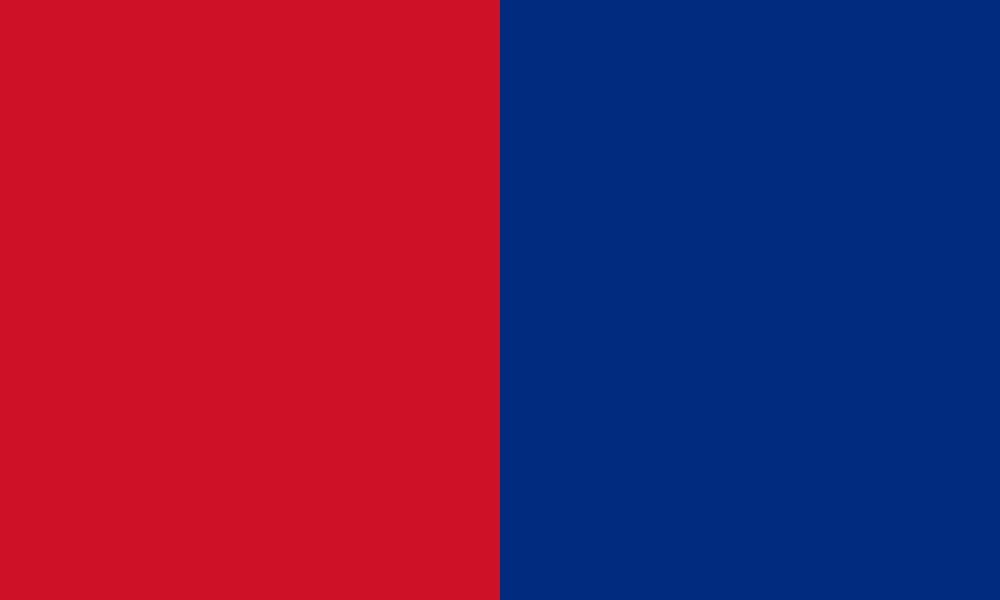
Blue and red
1852 → 1921
The livery colours replaced the gold and red of the arms on the flag.
- 1921
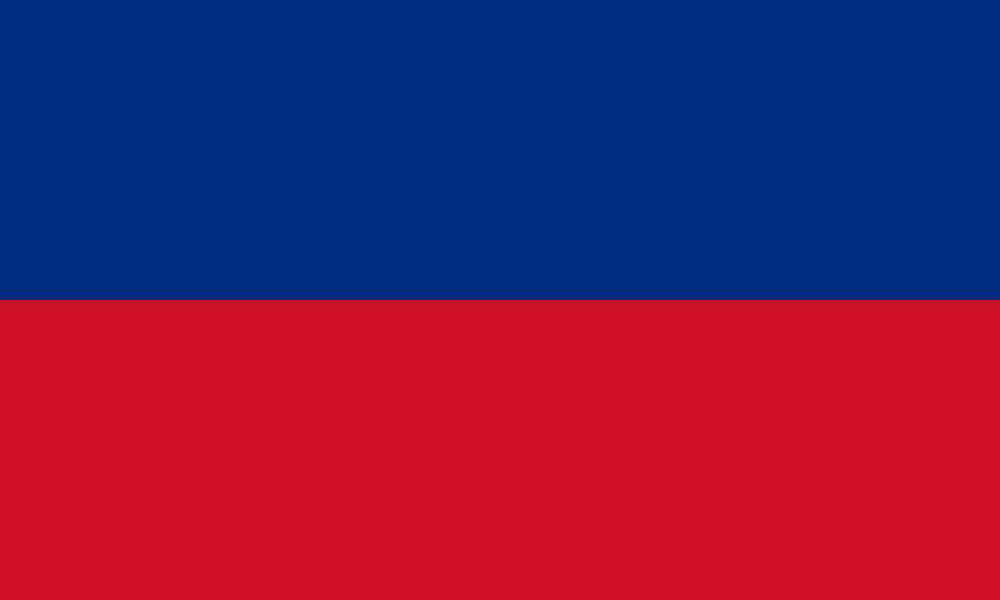
The constitutional flag
5 Oct 1921 → 1937
The Constitution of 1921 gave the plain blue and red bicolour official status. At the Olympic Games of 1936 it turned out to be identical to the flag of Haiti.
- 1937
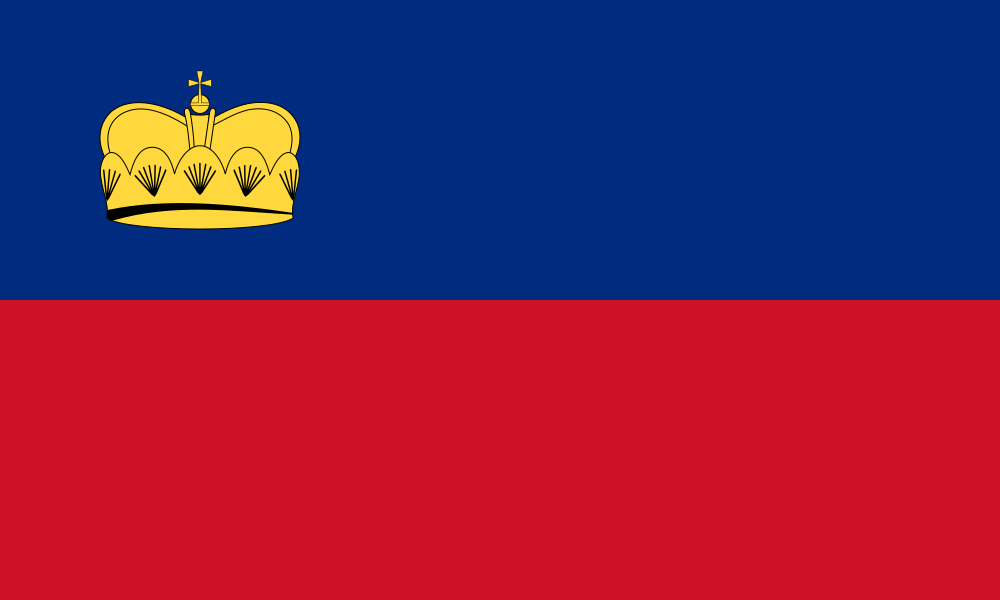
The crown is added
1937 → 30 Jun 1982
The government added the princely crown to the canton, to set the flag apart from Haiti's and to mark the principality. The crown was slightly modified on 4 June 1957.
- 1982
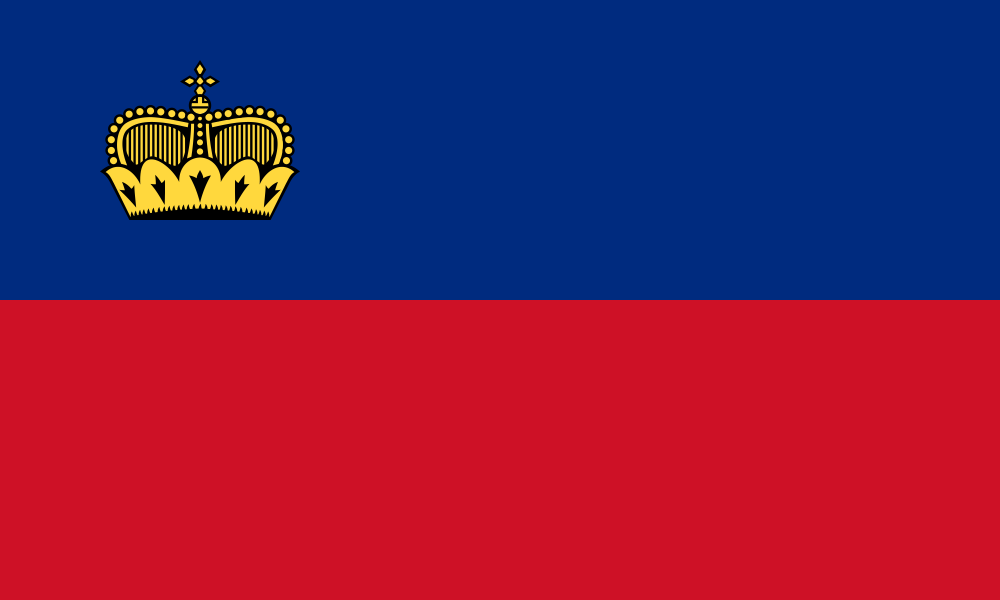
The modernised crownIn use
30 Jun 1982 → today
The law of 30 June 1982 redrew the crown and set out the forms of the flag.
The law
What defines it, and who flies it
- 5 October 1921
Constitution of the Principality of Liechtenstein
Gave the blue and red bicolour official status as the national flag.
- 30 June 1982
Law on the Coat of Arms, Colours, Seal and Emblems of the Principality of Liechtenstein
Published in the Landesgesetzblatt 1982 No. 58, with colour illustrations. Prescribes four forms: the Flagge and the Fahne, both horizontal at 3:5, the vertical Banner at 4:1, and the triangular Wimpel.
- 8 May 1984
Decree on flying the flag
With colour illustrations.
In use
The national flag and ensign; the plain bicolour without the crown remains the civil form adopted in 1921
Each of the eleven municipalities also has its own flag, flown as a vertical banner
Related flags
The flags it is confused with or comes from
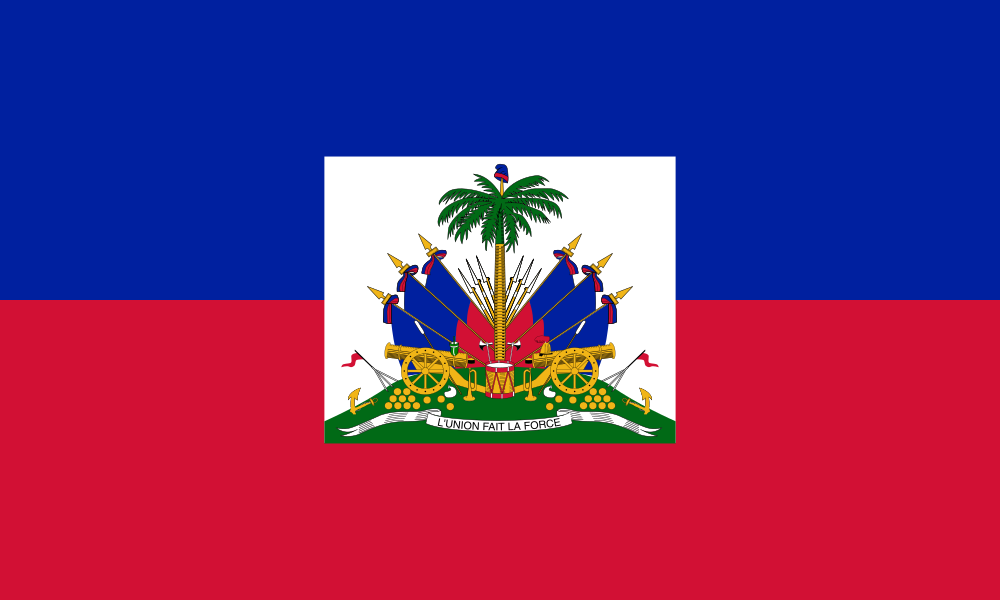 Haiti
Haiti- The plain blue and red bicolour was identical to the flag of Haiti, found out at the 1936 Olympic Games; the crown was added to tell them apart.
Coat of arms
The arms of Liechtenstein