The flag of Guernsey
Flag of Guernsey · since 1985
 Back to Guernsey
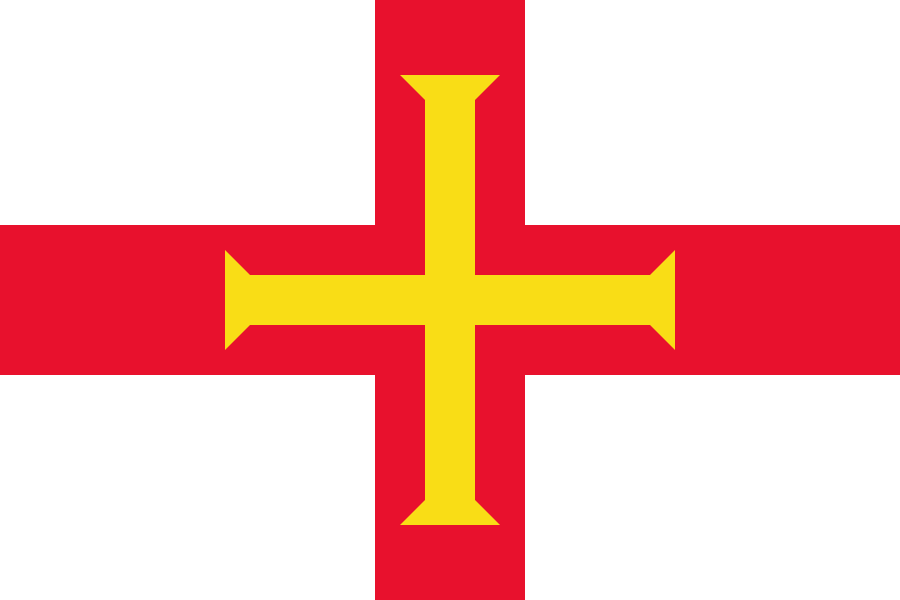
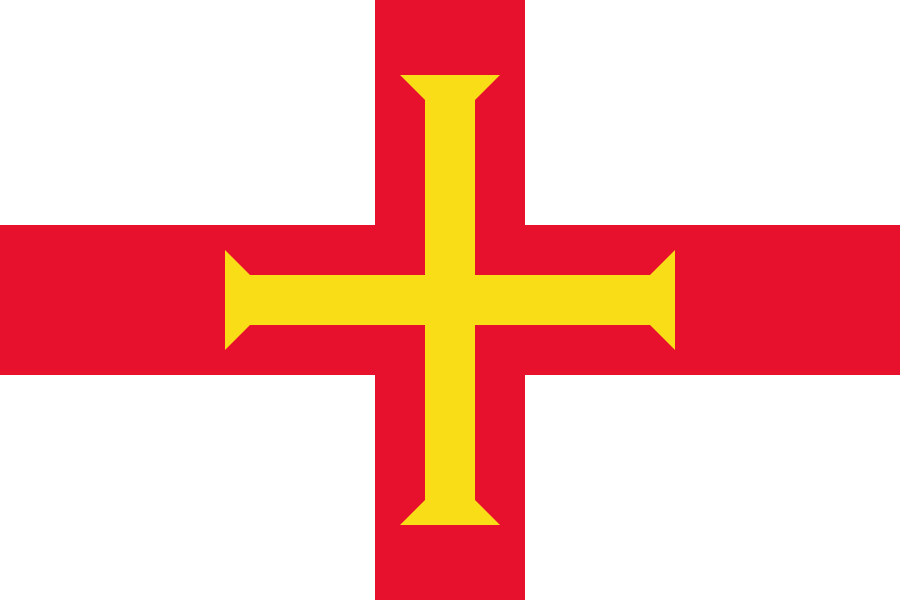
The red cross of Saint George on white with a gold Norman cross laid over it. Until 1985 Guernsey flew the plain flag of England, and after its competitors were taken for a second English team at the Commonwealth Games the island chose a flag of its own. The gold cross is taken from a banner of William the Conqueror on the Bayeux Tapestry, for the island's past in the Duchy of Normandy.
At a glance
- Adopted
- 1985
- Proportion
- 2:3
- First hoisted
- 1985
- Colours
- Earlier flags
- 1
- Designer
- 1
The colours
The colours of the flag of Guernsey, in the order it has them
- 0163.2%
White
The field
- HEX
#FFFFFF- RGB
255 255 255- CMYK
0 0 0 0
- 0228.9%
Red
The cross of Saint George
- HEX
#E8112D- RGB
232 17 45- CMYK
0 93 81 9- Pantone
185 C- RAL
3026
- 037.8%
Gold
The Guernsey cross
- HEX
#F9DD16- RGB
249 221 22- CMYK
0 11 91 2- Pantone
107 C- RAL
1018
No law gives these codes. HEX and RGB are the colour this site draws the flag in; CMYK, Pantone and RAL are the values most often published for it.
Construction
How the flag is drawn
A white field with the red cross of Saint George reaching all four edges, and on the red cross a smaller gold cross pattée with its arms not touching the edges.
- Red cross
- The cross of Saint George, reaching all four edges
- Gold cross
- The Guernsey cross, an equal-armed cross with flared ends, laid over the centre of the red cross
- On the civil ensign
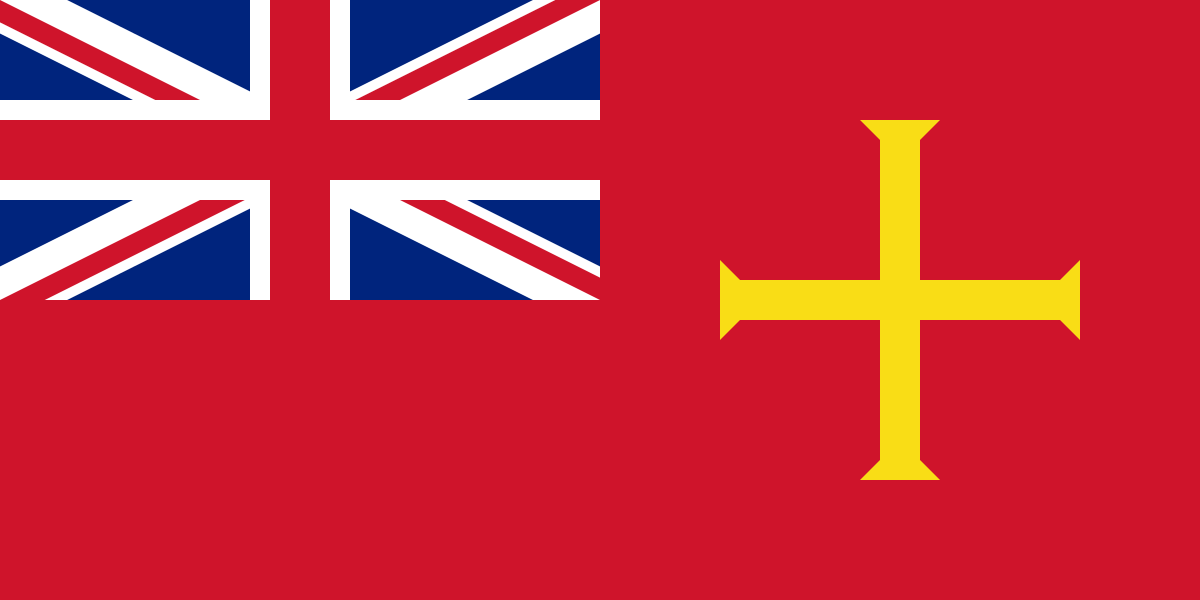
- The gold cross in the fly, three fifths of the flag's height, according to the illustration attached to the Order in Council
- Other ratio
- The Flag Institute registers the flag at 3:5
Other forms
- Civil ensign
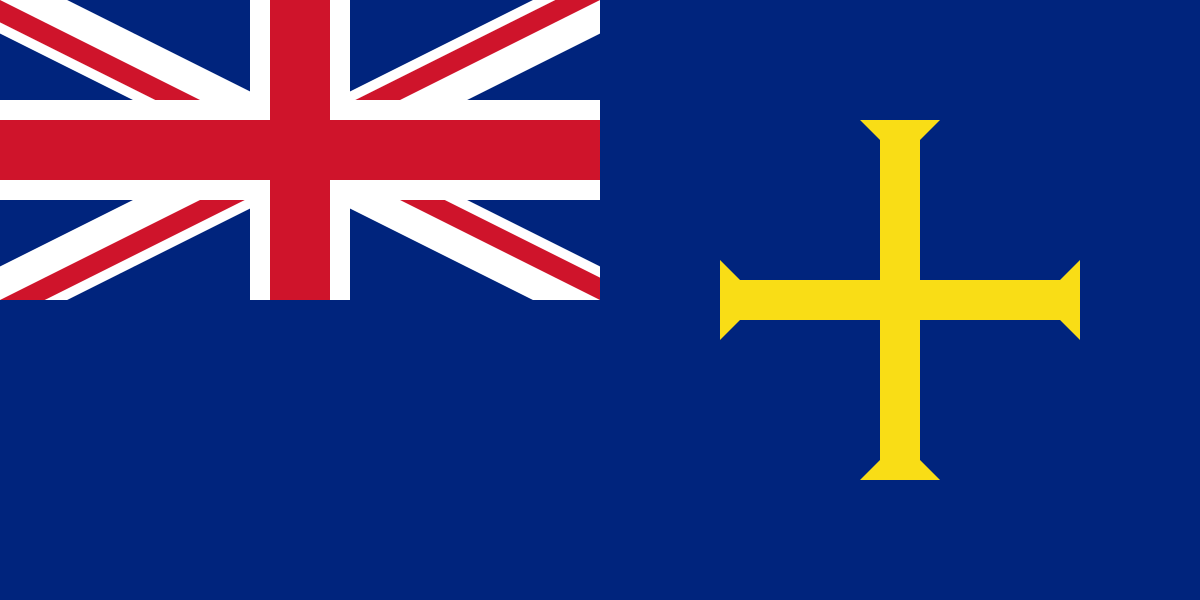
- The British Red Ensign with the gold Guernsey cross in the fly, created by the same warrant in 1985. Guernsey residents who are British subjects may fly it on their own vessels anywhere; island companies only in waters adjacent to the Channel Islands.
- Government ensign
- A Blue Ensign with the gold cross in the fly, adopted by the States of Guernsey in 2000 for government vessels.
- Flag of the Lieutenant Governor
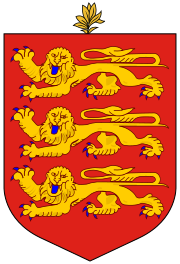
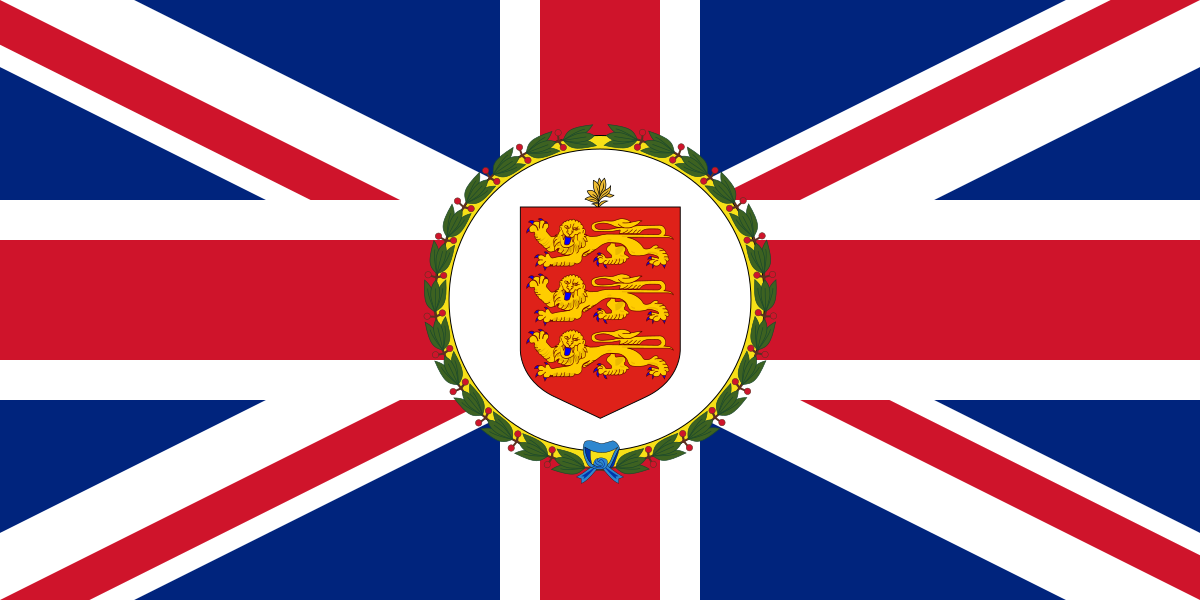
- The same pattern as the Lieutenant Governor's flag of Jersey, with the arms of Guernsey, which are told apart from those of Jersey and England by a gold sprig of leaves at the top of the shield.
Meaning
What each part stands for
- Red cross of Saint George
- The island's long constitutional relationship with the English Crown. It also forms the basis of the flags of Alderney and Sark, a common theme across the Bailiwick
- Gold cross
- The cross on the banner of William the Conqueror on the Bayeux Tapestry, said to have been given to him by Pope Alexander II and flown at the Battle of Hastings. It recalls the time when Guernsey was part of the Duchy of Normandy
- No green and no arms
- The committee ruled out green, a football colour with no historical basis, and the arms of Guernsey, which could not be made out at a distance and would have stressed English symbols over Norman ones
Who drew it
- Sir Graham Dorey
- Deputy Bailiff who chaired the Guernsey Flag Investigation Committee that designed the flag
History
How the flag of Guernsey got here
- 1936
The flag of England
1936 → 30 Apr 1985
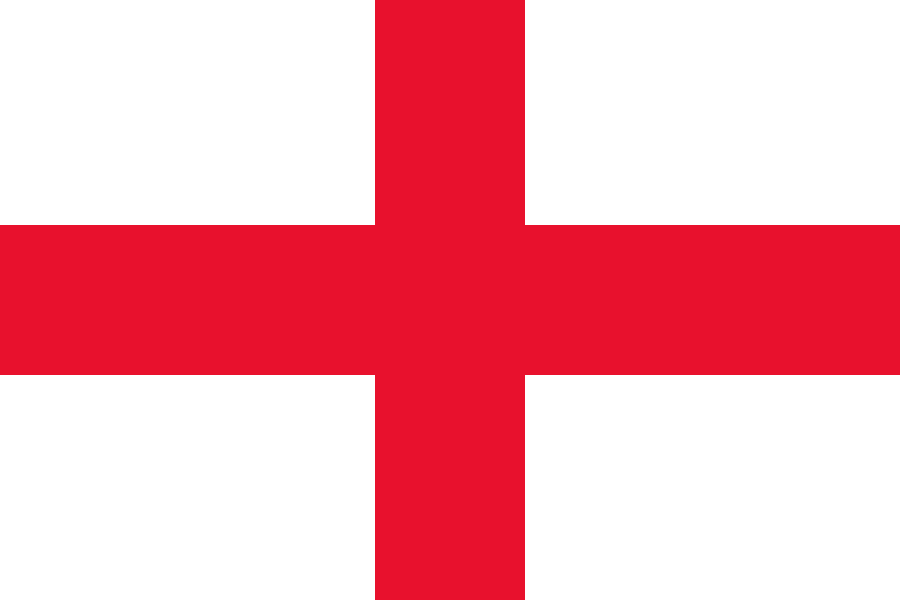
Edward VIII allowed Guernsey to use the cross of Saint George in 1936. During the German occupation official British symbols were banned, but the flag of England was allowed for civilian use. Official studies of 1906 and 1935 had looked for a historical flag of the island's own, and confusion at the 1982 Commonwealth Games prompted the change.
- 1985
The Guernsey crossIn use
30 Apr 1985 → today
The States adopted the flag on 15 March 1985, a Royal Warrant confirmed it on 30 April, and it was first flown officially on Liberation Day, 9 May 1985. It inspired the flag of Alderney in 1993.
The law
What defines it, and who flies it
- 15 March 1985
Resolution of the States of Guernsey
Adopted the flag and the civil ensign.
- 30 April 1985
Royal Warrant and Order in Council
Blazon: Argent a Cross Gules thereon a Guernsey Cross, being a representation of the Cross on the banner of William of Normandy, Gold. Also created the civil ensign and limited its use by companies to waters adjacent to the Channel Islands.
In use
Flown from all buildings of the States of Guernsey, except on designated days when the Union Flag replaces it, mostly royal birthdays and anniversaries, Commonwealth Day and Remembrance Sunday
Flown on all public buildings on the anniversary of the Battle of Hastings
Raised on the Grosse Rocque every August bank holiday in place of the Union Flag, and left flying there for a year
The Union Flag still flies every day over Castle Cornet, for its links with the British Army
Related flags
The flags it is confused with or comes from
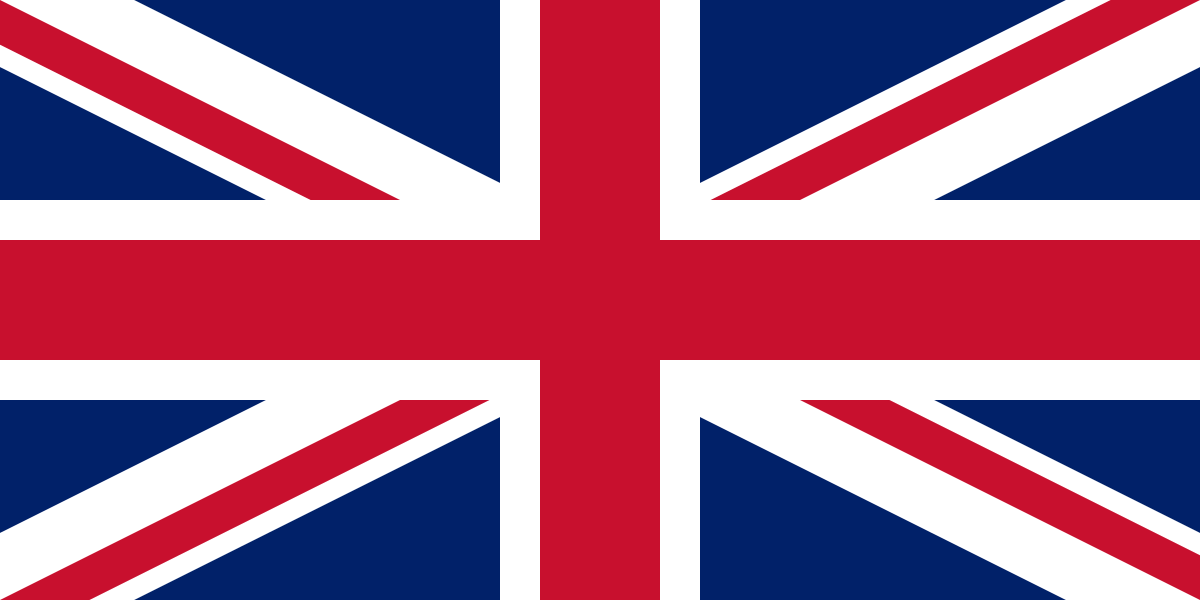 United Kingdom
- The red cross is the flag of England, which Guernsey used on its own until 1985, and the Union Flag replaces the island flag on designated days.
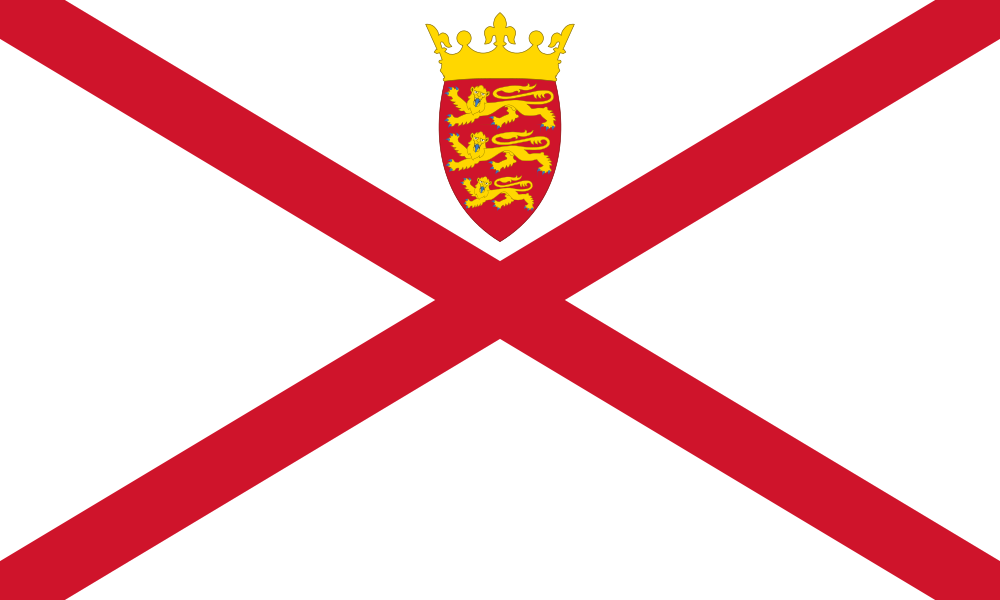 Jersey
- The Lieutenant Governor's flags of the two bailiwicks share one pattern and differ only in the arms.
Coat of arms
The arms of Guernsey