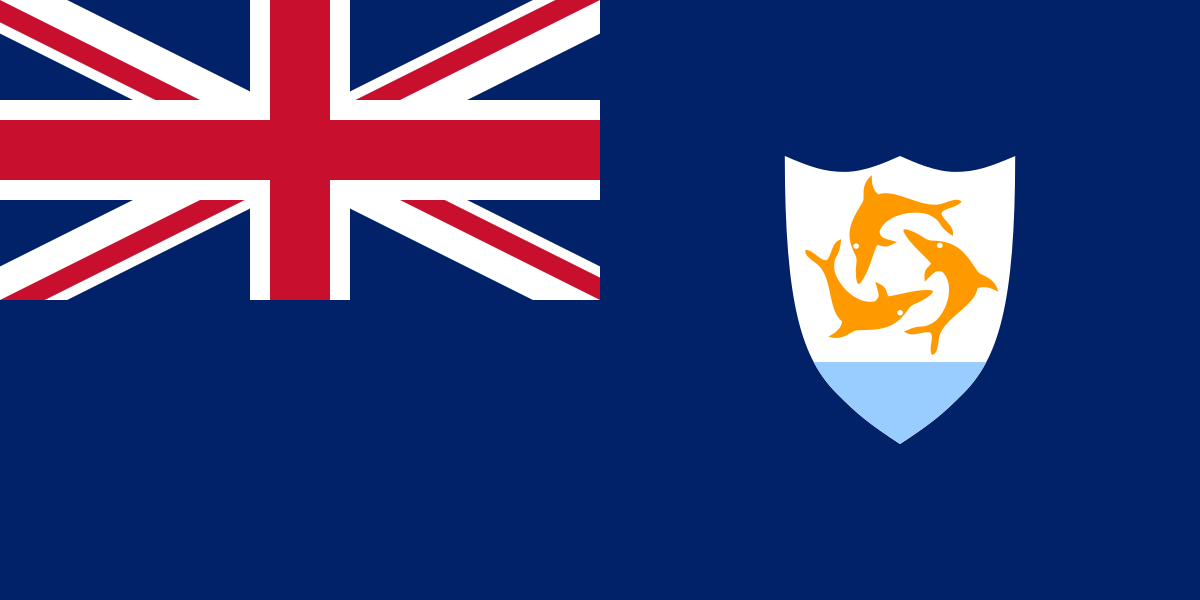
The flag of Anguilla
Flag of Anguilla · since 1990
 Back to Anguilla
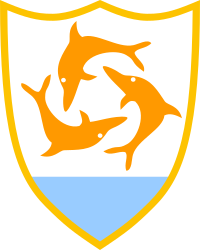
A British Blue Ensign with the shield of Anguilla in the fly: three orange dolphins leaping in a circle on white above a turquoise-blue base. It was first hoisted on 30 May 1990 and authorised by Royal Warrant on 27 November 1990. The shield is taken from the Three Dolphins flag of the 1967 revolution, which many Anguillians still fly as their own.
At a glance
- Adopted
- 1990
- Proportion
- 1:2
- First hoisted
- 1990
- Colours
- Earlier flags
- 3
- Designers
- 2
The colours
The colours of the flag of Anguilla, in the order it has them
- 0178.3%
Blue
The field of the ensign and the blue of the Union Flag
- HEX
#012169- RGB
1 33 105- CMYK
100 65 0 64- Pantone
281 C
- 0212.3%
White
The Union Flag's crosses and fimbriation, the field of the shield
- HEX
#FFFFFF- RGB
255 255 255
- 039.4%
Red
The crosses of the Union Flag
- HEX
#C8102E- RGB
200 16 46- CMYK
0 92 77 22- Pantone
186 C
No law gives these codes. HEX and RGB are the colour this site draws the flag in; CMYK, Pantone and RAL are the values most often published for it.
Construction
How the flag is drawn
A dark blue field with the Union Flag in the upper hoist quarter and, centred in the fly, a shield of the arms of Anguilla: a white field with three orange dolphins in a circle, above a turquoise-blue base, with no border.
- Canton
- The Union Flag, filling the upper quarter at the hoist
- Badge height
- 13/24 of the flag's height since 1999, 4/9 before
- Shield
- Straight-sided for the first 15/26 of its depth, proportions 5 to 4 according to BR20
- Base of the shield
- Turquoise-blue, occupying 4/13 of the shield
Other forms
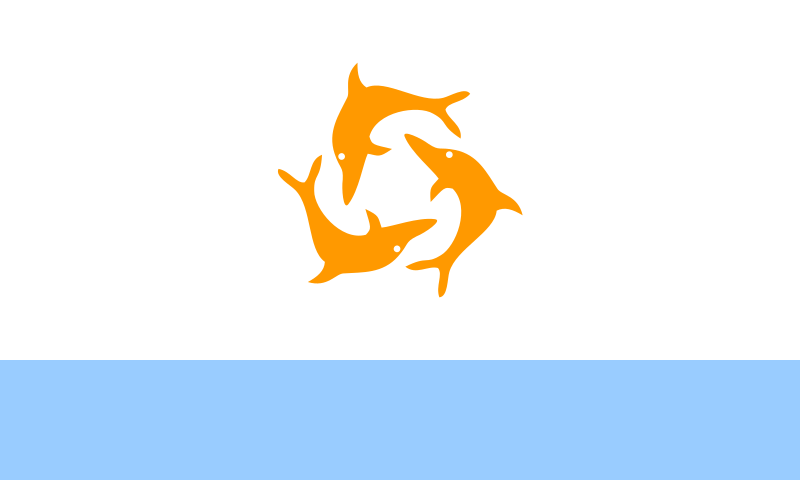
- Three Dolphins flag
- The shield's design as a flag of its own: white with three orange dolphins above a broad turquoise band. Adopted in 1967 and still flown unofficially, often more than the official flag, in homes and shops.
- Flag of the Governor
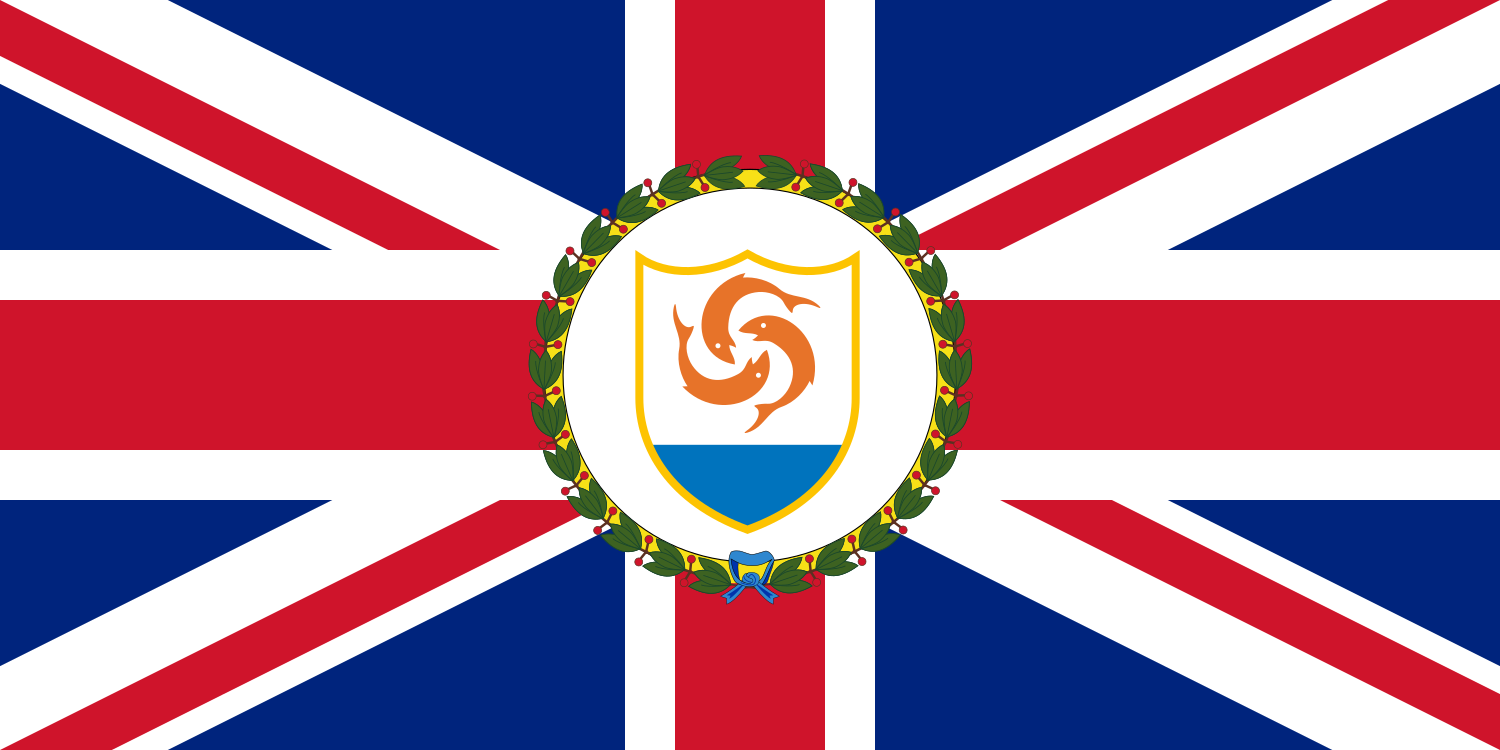
- The Union Flag defaced with the arms of Anguilla inside a laurel garland, flown at Government House when the governor is in residence and on a car or boat on an official visit.
- Civil ensign
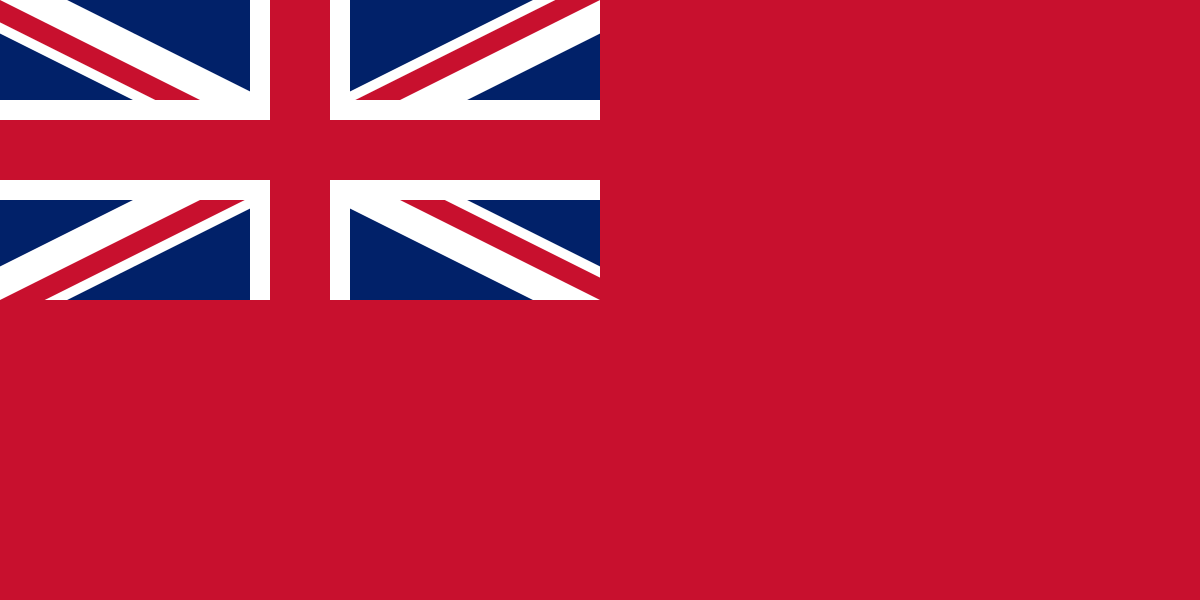
- The undifferenced British Red Ensign; no Anguillan version has been authorised.
Meaning
What each part stands for
- Three dolphins
- Endurance, unity and strength; set in a circle for continuity
- White field of the shield
- Peace and tranquillity
- Turquoise-blue base
- The surrounding sea, and faith, youth and hope
- Blue Ensign and Union Flag
- The island's affiliation to Britain, which the design combines with the Three Dolphins flag
Who drew it
- Brian Canty
- Governor of Anguilla, who proposed the flag and drew the sketches sent to London for approval
- College of Arms
- Responsible for the final design of the arms and of the defaced Blue Ensign
History
How the flag of Anguilla got here
- Undated
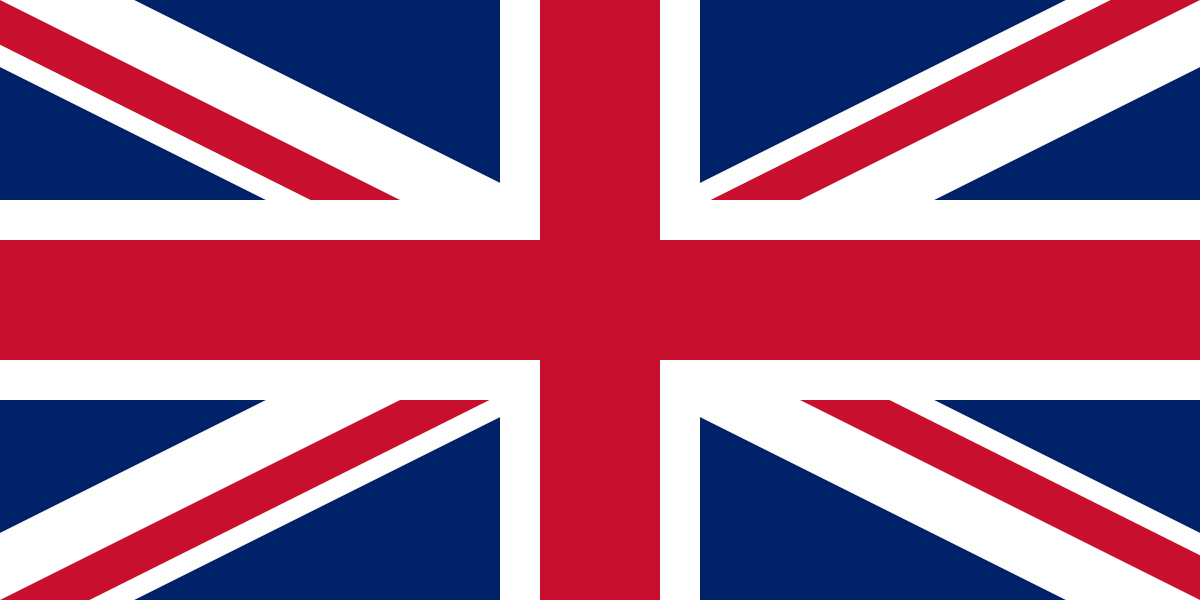
The Union Flag
Undated → 1967
Until 1967 the only flag flown in Anguilla was the Union Flag of Great Britain.
- 1967
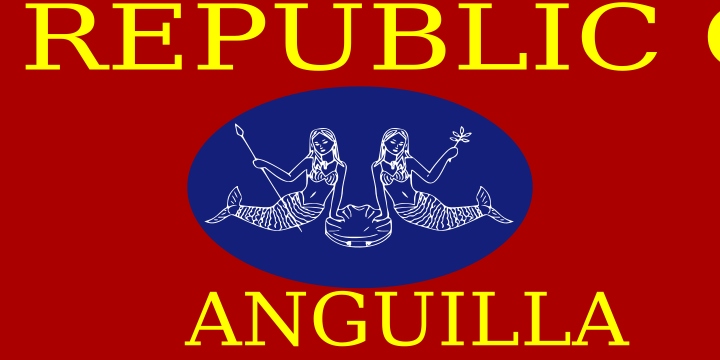
The mermaid flag
1967 → Sept 1967
Sent by Anguillians living in San Francisco and hoisted when the flag of the associated state was torn down: two mermaids and a shell in a blue oval, on red in the first version and on purple in the version more often seen. It was never widely accepted.
- 1967
The Three Dolphins flag
Sept 1967 → 30 May 1990
White with three orange dolphins over a turquoise band, adopted during the revolution and used alongside the Union Flag for many years after British rule was restored in 1969.
- 1990
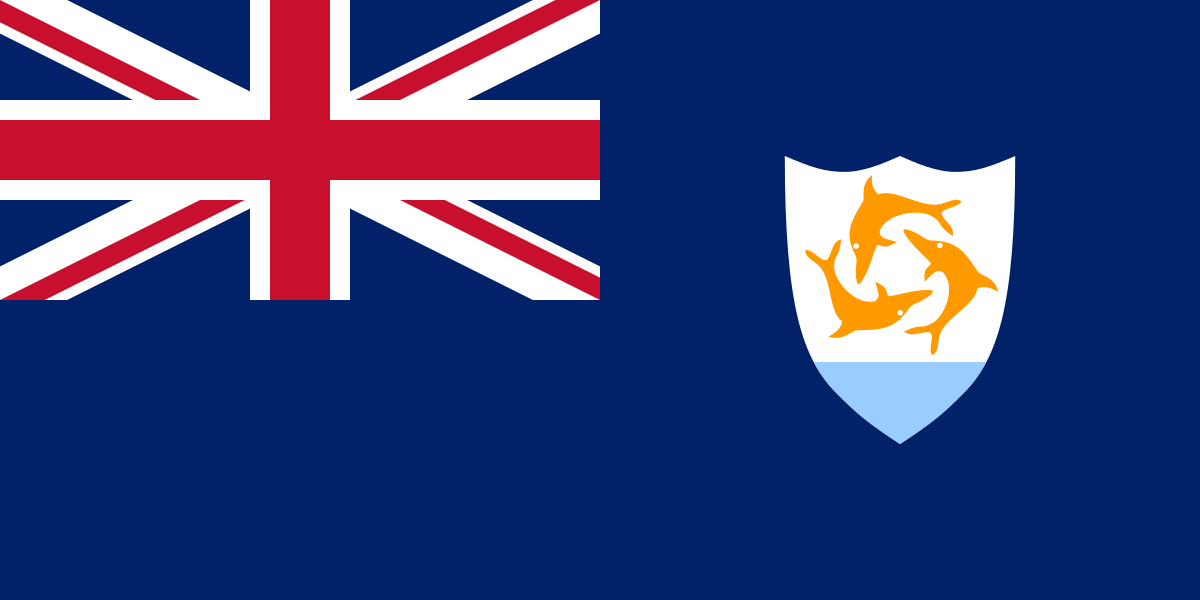
The Blue Ensign with the dolphin shieldIn use
30 May 1990 → today
First hoisted on 30 May 1990 and authorised by Royal Warrant on 27 November 1990. A change to the Royal Navy flag book reported on 25 January 1999 enlarged the badge and removed the shield's gold border.
The law
What defines it, and who flies it
- 27 November 1990
Royal Warrant granting arms to Anguilla
Grants the arms and authorises the Blue Ensign defaced with the shield, recorded at the College of Arms in I Series Volume 84, page 312.
- 25 January 1999
BR20, Flags of All Nations, Change No. 5
The Royal Navy flag book's amendment that enlarged the badge and removed the gold border from the shield.
In use
The Blue Ensign is used on land and at sea by vessels of the Government of Anguilla
The Three Dolphins flag is flown ashore as an all-purpose civil flag, in place of or beside the Blue Ensign
The governor's flag flies at Government House when the governor is in residence
Related flags
The flags it is confused with or comes from
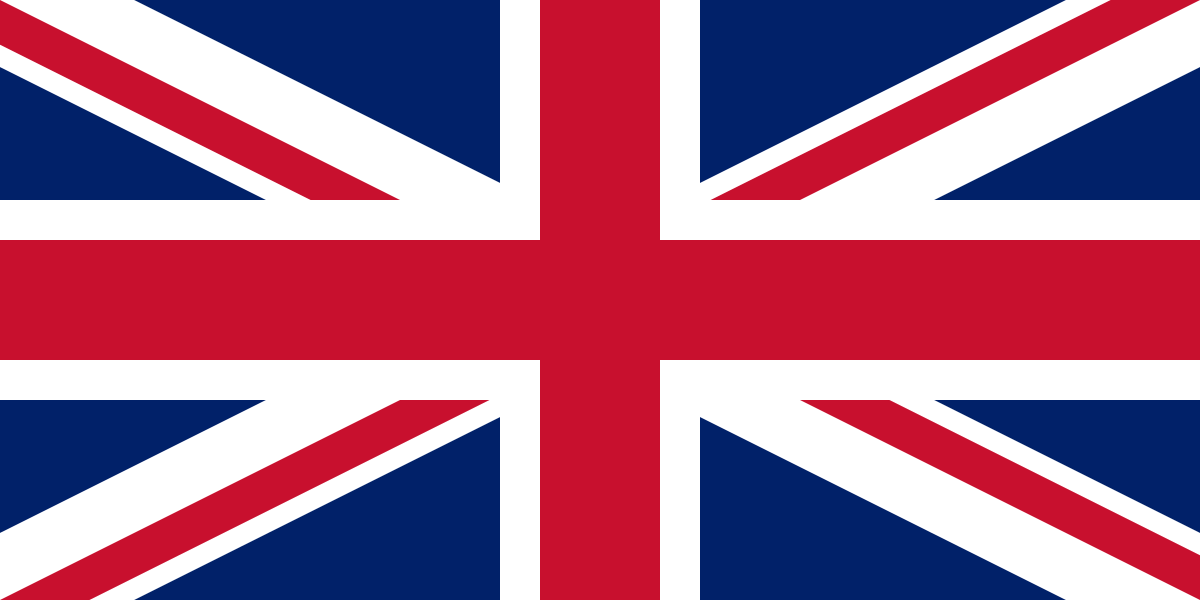 United Kingdom
- The Union Flag in the canton, and the Blue Ensign pattern used across British overseas territories.
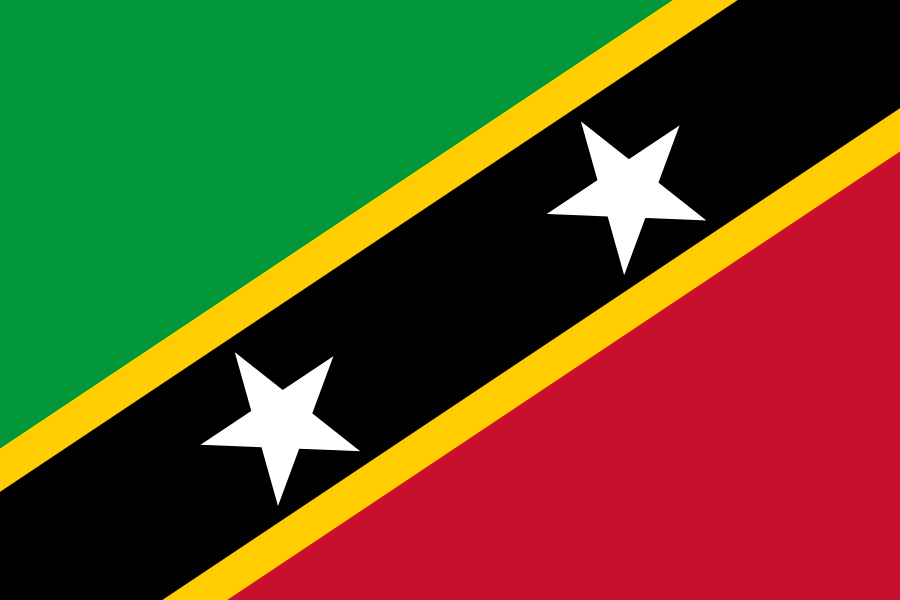 Saint Kitts and Nevis
- Anguilla flew the flags of the colony and associated state it shared with St Kitts and Nevis until the revolution of 1967.
Coat of arms
The arms of Anguilla