Eastern Europe
On 8 December 1991, in the Belovezhskaya Pushcha, the leaders of Belarus, Russia and Ukraine signed an agreement recording that the Soviet Union had ceased to exist. Moldova acceded to the successor arrangement by the Alma-Ata Protocol thirteen days later. All of them had been union republics until that winter. Cyrillic is the alphabet of three; Moldova has written Romanian in Latin script since 1989.
4 countries
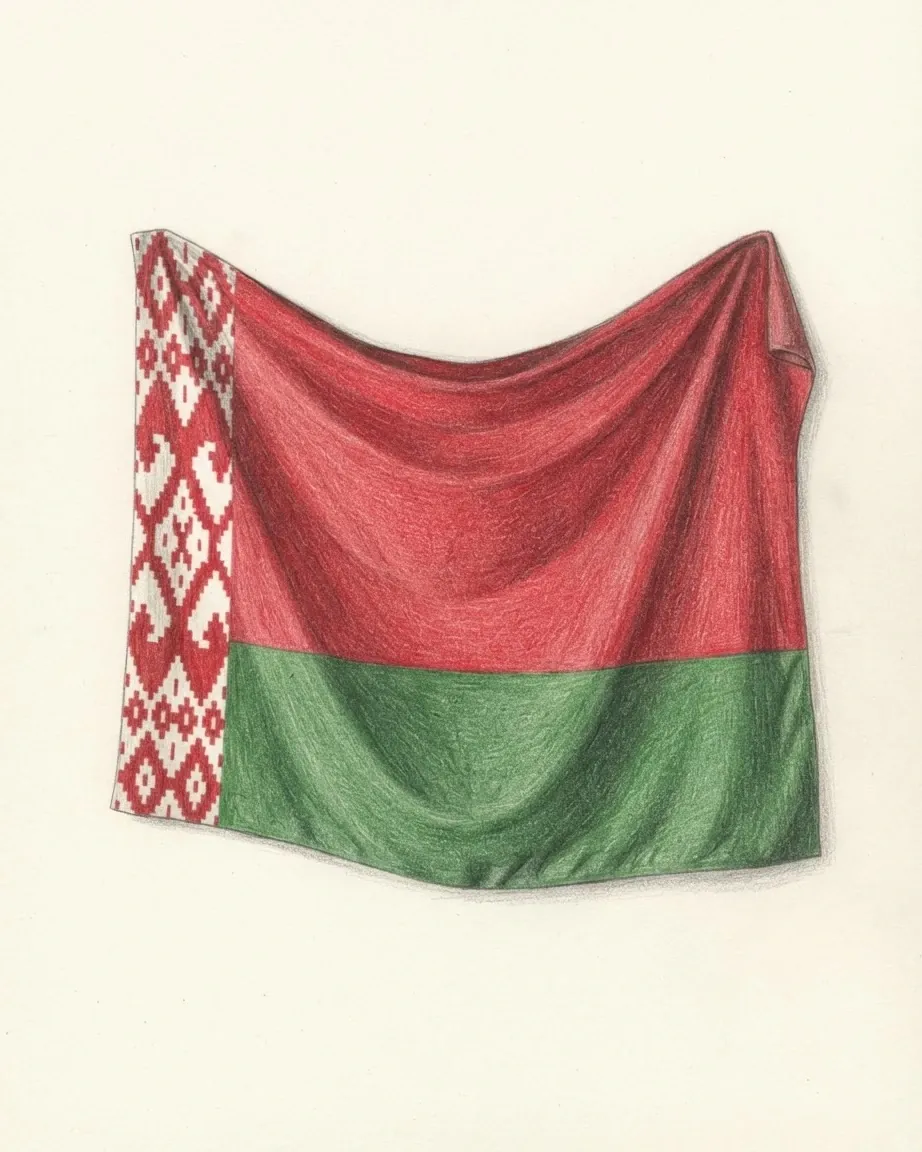
- Belarus9,056,080 people on 207,600 square kilometres as of 2026, independent since 1991 and bound to Russia by the Union State treaties of 1996 to 1999.
- Moldova2,409,207 residents counted in 2024 on the land between the Prut and the Dniester. Romania across one river, Transnistria across the other, and an EU bid since 2022.
- Russia146,119,928 people on 1 January 2025 across eleven time zones, in a federation whose name uses rossiiskiy, the Russian word for the state and all its citizens.
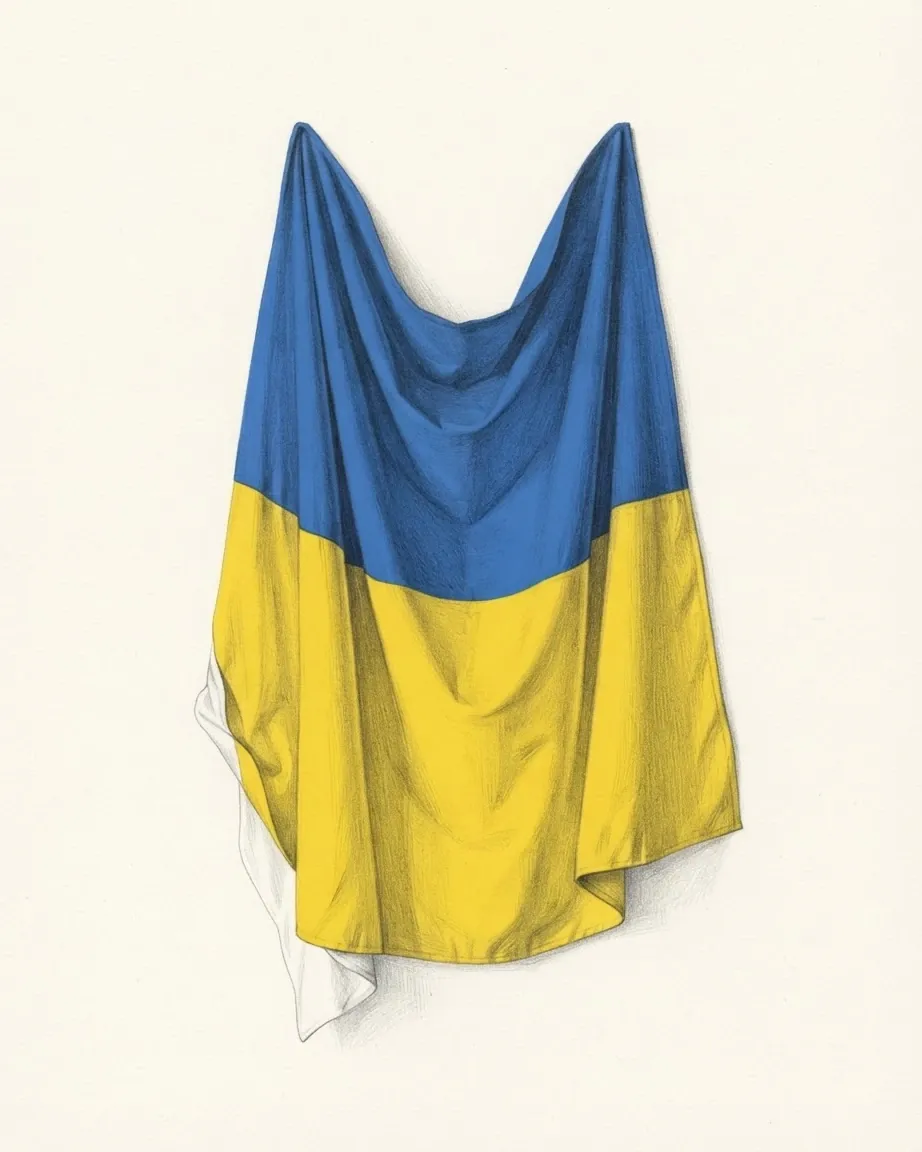
- UkraineAn Eastern European country of 41.17 million people on 1 January 2022, independent since 1991, whose borders were assembled between 1939 and 1954.
Common questions
Questions about Eastern Europe
Which countries are in Eastern Europe?
Belarus, Moldova, Russia and Ukraine, on the reading this catalogue applies, which takes the region as the European republics that left the Soviet Union in 1991 and files the Baltic states separately. The M49 standard published by the UN Statistics Division draws it wider, adding Bulgaria, Czechia, Hungary, Poland, Romania and Slovakia to the same subregion. Both lists are in print, and neither is settled here.
Is Russia in Europe?
Both this catalogue and the M49 standard file it under Europe, on the long-standing convention that the boundary between the continents follows the Ural mountains and the Caucasus. Most of Russian territory lies east of that line: the coordinates in the country's own record, 66.42 degrees north and 94.25 degrees east, sit beyond the Yenisei in central Siberia. The filing is a convention about where a state is administered from rather than a measurement.
Are Estonia, Latvia and Lithuania part of Eastern Europe?
Not in this catalogue, which files them under the Baltic. M49 files them under Northern Europe. A reading of the region as the Soviet successor states in Europe would include them, and their governments set that reading aside: they describe the years from 1940 as occupation and the acts of 1990 and 1991 as restoring the republics of the interwar period.
Why is Poland not filed under Eastern Europe here?
Because this catalogue files Poland, Czechia, Hungary, Slovakia and Germany under Central Europe, and Bulgaria and Romania under the Balkans. M49 disagrees and puts the first four in Eastern Europe beside the members here. The competing term has an institution behind it: the Visegrád Group was formed on 15 February 1991 by governments that wanted Central Europe used instead of the Cold War label.
What language is official in Moldova, Moldovan or Romanian?
Romanian, in the record as it now stands. The constitution of 1994 named the state language Moldovan and the declaration of independence of 27 August 1991 named it Romanian. The Constitutional Court held on 5 December 2013 that the declaration prevails where the two texts disagree, and a law of 16 March 2023 replaced the word throughout legislation. It is written in the Latin alphabet, restored by the language law of 31 August 1989.
Why does .su still work?
Because a country code is not withdrawn from the root zone automatically when the state it was assigned to ends. The code was registered for the Soviet Union on 19 September 1990, fifteen months before the union dissolved, and it remains delegated and resolving. Russia's own .ru was registered on 7 April 1994, and the Cyrillic code that sits beside it was registered on 12 May 2010.