Turkish
Language · official in 2 countries and territories
Since 1928 Türkçe has been written in a Latin alphabet, which replaced the Perso-Arabic script of Ottoman Turkish. Turkish is a Turkic language of the Oghuz group, built by agglutination and governed by vowel harmony. It is official in 2 countries on record: the national language of Türkiye and one of two official languages of Cyprus.

The language on record
- Own name
- Türkçe
- ISO 639-1
- TR
- ISO 639-3
- TUR
- Script
- Latin
- Family
- Oghuz
- Official in
- 2 countries
Where Turkish is official
Türkiye, where Turkish is the national language, and Cyprus, where it shares official status with Greek.
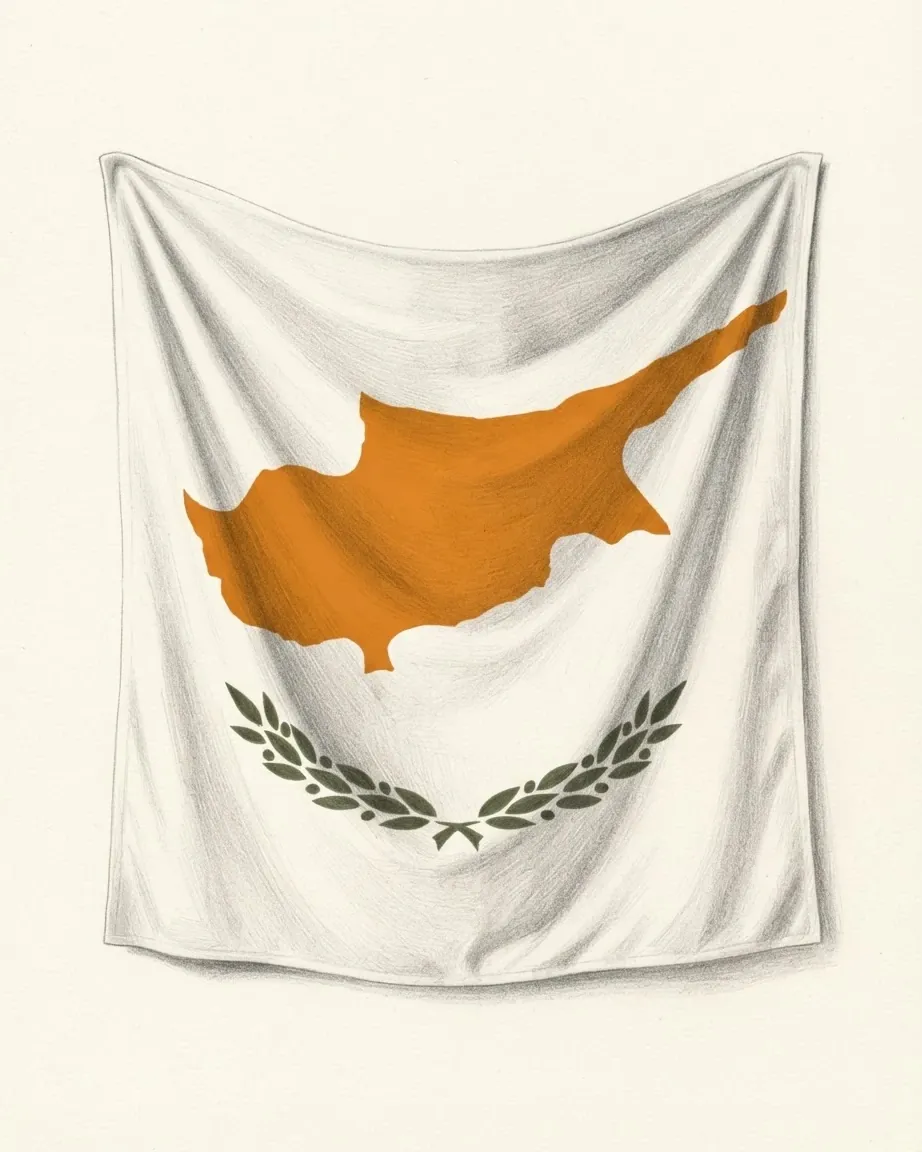
Official beside Turkish
About Turkish
How Oghuz reached Anatolia
The oldest Old Turkic texts are the Orkhon inscriptions in present-day Mongolia, from the Second Turkic Khaganate of 682 to 744 CE. The Seljuqs brought Oghuz, the direct ancestor of Turkish, into Anatolia in the 11th century. Under the Ottoman Empire, from about 1299 to 1922, the literary and official language was Ottoman Turkish, laden with Persian and Arabic loans.
What the language reform changed
After the script change the Turkish Language Association, Türk Dil Kurumu, was founded in 1932 to replace Arabic and Persian loanwords with Turkish ones, and by banning imported words in the press it removed several hundred of them. The change split the generations: people born before the 1940s tend to keep the older words, younger people the new coinages. Over 80% of the vocabulary is now native Turkic. The association's 2011 dictionary, the Güncel Türkçe Sözlük, has 93,000 entries.
Why suffixes change their vowels
Native words usually take only front vowels, e, i, ö and ü, or only back vowels, a, ı, o and u. Suffixes follow the word they attach to, and some also match for rounding, giving four forms. Loanwords need not obey the rule. The basic order is subject, object, verb, and there is no grammatical gender.
Beyond Türkiye and Cyprus, Turkish has official status in 38 municipalities in Kosovo, two in North Macedonia and two in Iraq. Cyprus has asked the European Union to add it as an official language.
Common questions
Questions about Turkish
Can Turkish speakers understand Azerbaijani?
Yes. Turkish and Azerbaijani are mutually intelligible.
What is Ottoman Turkish?
The literary and official language of the Ottoman Empire, written in Perso-Arabic script and full of Persian and Arabic words. Divan poetry even adopted Persian metres.
Where does Turkish put the accent?
Most native words are accented on the last syllable, though suffixes can shift it, and loanwords vary widely. Whether the accent is stress or pitch is described both ways.