The flag of Spain
Bandera de España · since 1981
 Back to Spain
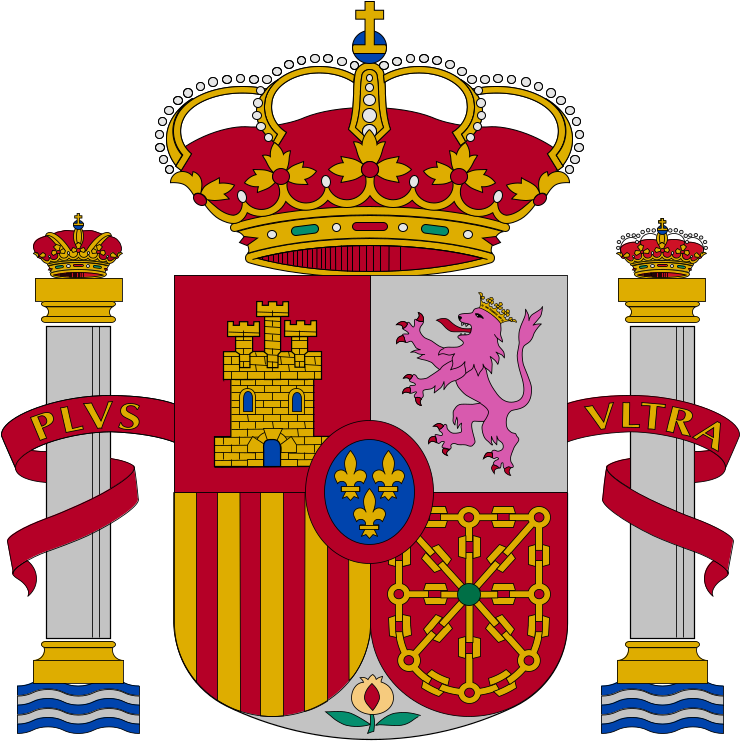
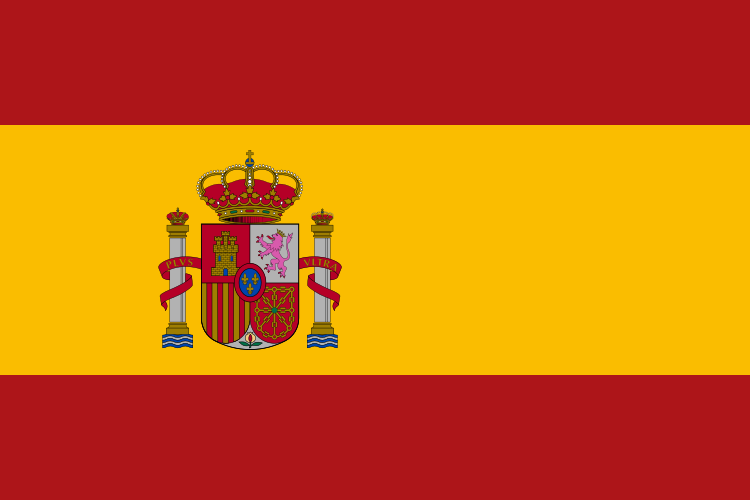
Red, yellow and red in horizontal stripes, the yellow twice the width of each red, with the national coat of arms towards the hoist. The design began as a naval ensign chosen by Charles III in 1785 so that Spanish warships could be told apart at sea from the white flags of the other Bourbon kingdoms. It has been the flag of Spain ever since, except under the Second Republic, and its arms have changed with each regime; the present arms date from 1981.
At a glance
- Adopted
- 1981
- Proportion
- 2:3
- Colours
- Earlier flags
- 11
- Designer
- 1
The colours
The colours of the flag of Spain, in the order it has them
- 0153.9%
Red
rojo banderaTop and bottom stripes
- HEX
#AD1519- RGB
173 21 25- CMYK
0 88 86 32- Pantone
2350 C- RAL
3020
- 0246.1%
Yellow
amarillo gualda banderaMiddle stripe, on which the arms stand
- HEX
#FABD00- RGB
250 189 0- CMYK
0 24 100 2- Pantone
7408 C- RAL
1023
No law gives these codes. HEX and RGB are the colour this site draws the flag in; CMYK, Pantone and RAL are the values most often published for it.
Construction
How the flag is drawn
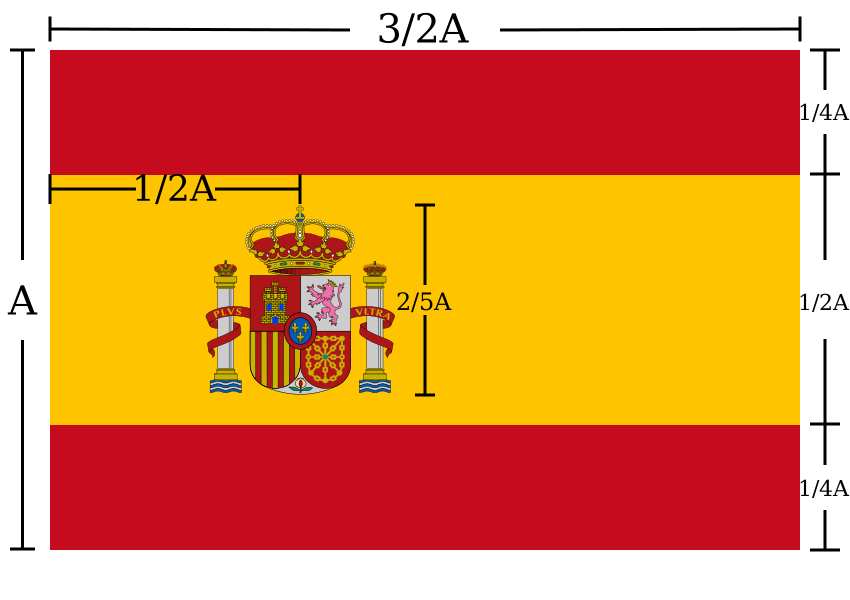
Three horizontal stripes, red, yellow and red, the yellow twice the width of each red. The national coat of arms stands on the yellow stripe, nearer the hoist.
- Stripes
- Red, yellow and red in the ratio 1:2:1
- Coat of arms height
- 2/5 of the flag's height, on both sides of the flag
- Coat of arms position
- On a flag of 2:3, the axis of the arms is half the flag's height from the hoist. On a shorter or square flag, the arms are at the centre
Other forms
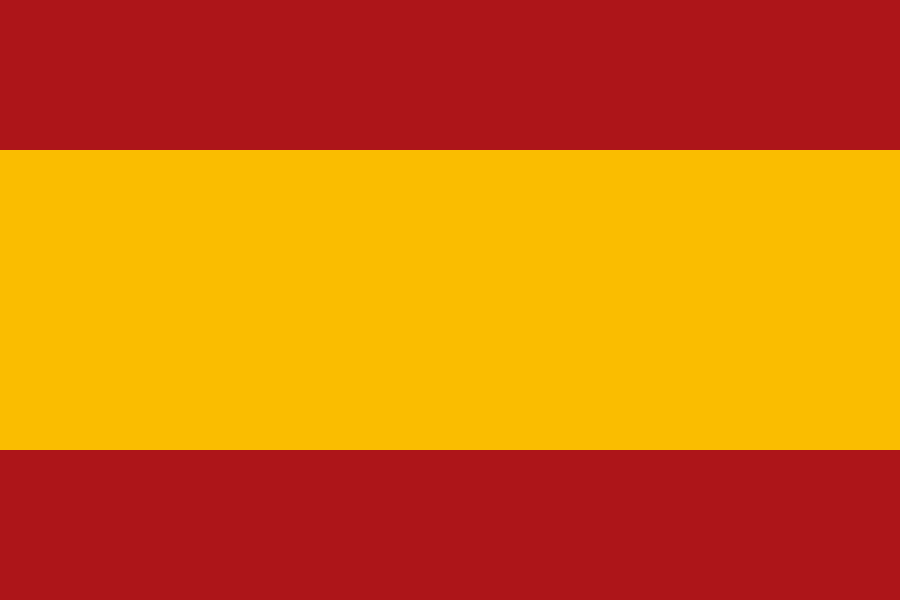
- Flag without the coat of arms
- The plain red, yellow and red stripes, the flag as the Constitution defines it. Allowed wherever the arms are not required, and the usual civil ensign.
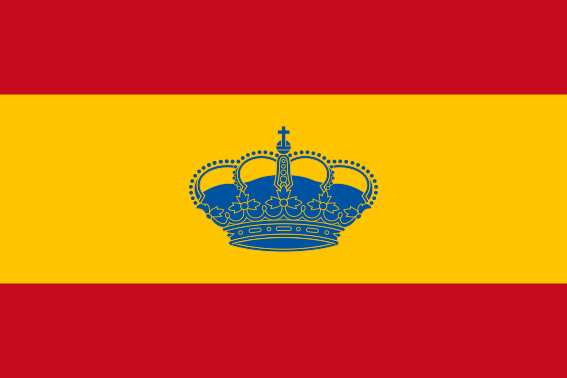
- Yacht ensign
- The flag with the royal crown in blue at the centre of the yellow stripe. First set by royal decree in 1875; the current version dates from the restoration of the monarchy.
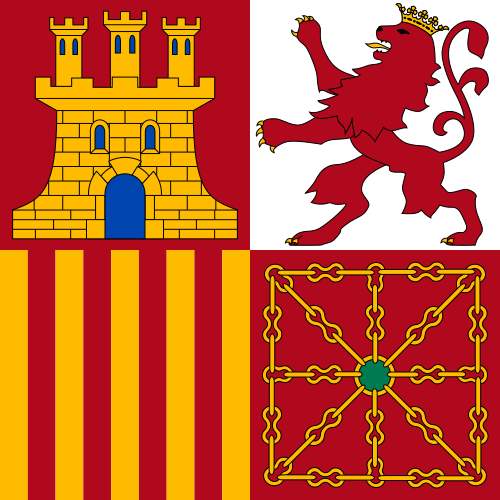
- Naval jack
- A square flag quartered for Castile, León, Aragon and Navarre, hoisted at the bow of Navy ships in port. The current version dates from the early 1980s.
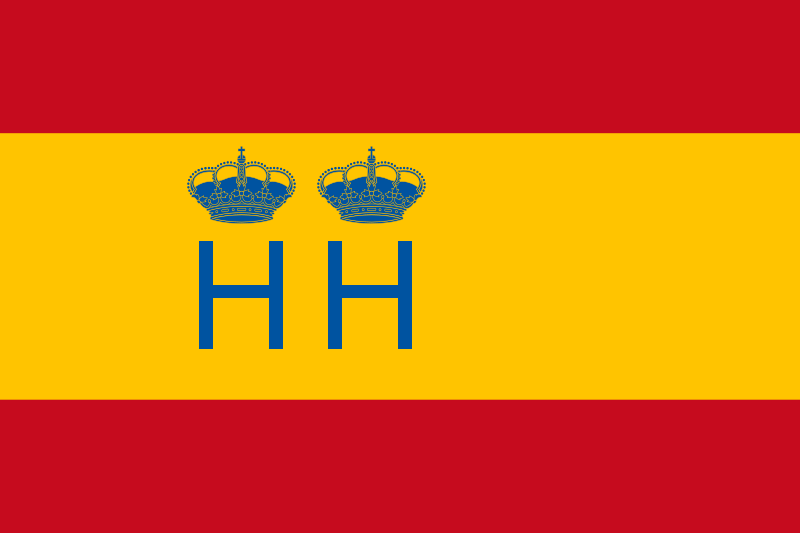
- Customs Service ensign
- The ensign of the Servicio de Vigilancia Aduanera.
Meaning
What each part stands for
- Red and yellow
- Chosen in 1785 to be seen at a distance and in calm weather, to stand out from sails, sky and sea, and to drop the dynastic white shared with France and the other Bourbon kingdoms
- Colours and arms together
- Some authors read the design as a fusion of the kingdoms that formed Spain: the colours of Aragon and the arms of Castile
- Gualda
- The old name for the yellow, after the weld dye, which gave the flag its popular name rojigualda. The Constitution says amarillo after an amendment by Camilo José Cela
Who drew it
- Antonio Valdés y Fernández Bazán
- Minister of the Navy, whose office drew up twelve designs in 1785; Charles III chose from them and adjusted the stripes
History
How the flag of Spain got here
- 1516
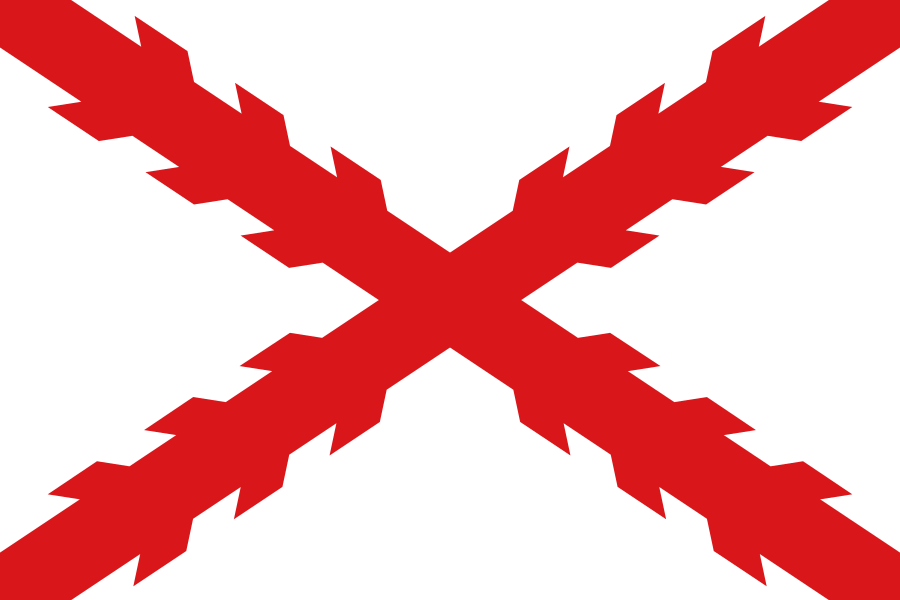
The Cross of Burgundy
1516 → 1843
The red saltire of Burgundy came to Spain with the marriage of Joanna of Castile to Philip of Austria and became the vexillological symbol of Spain, carried by the tercios and regiments on land and at times at sea.
- 1701
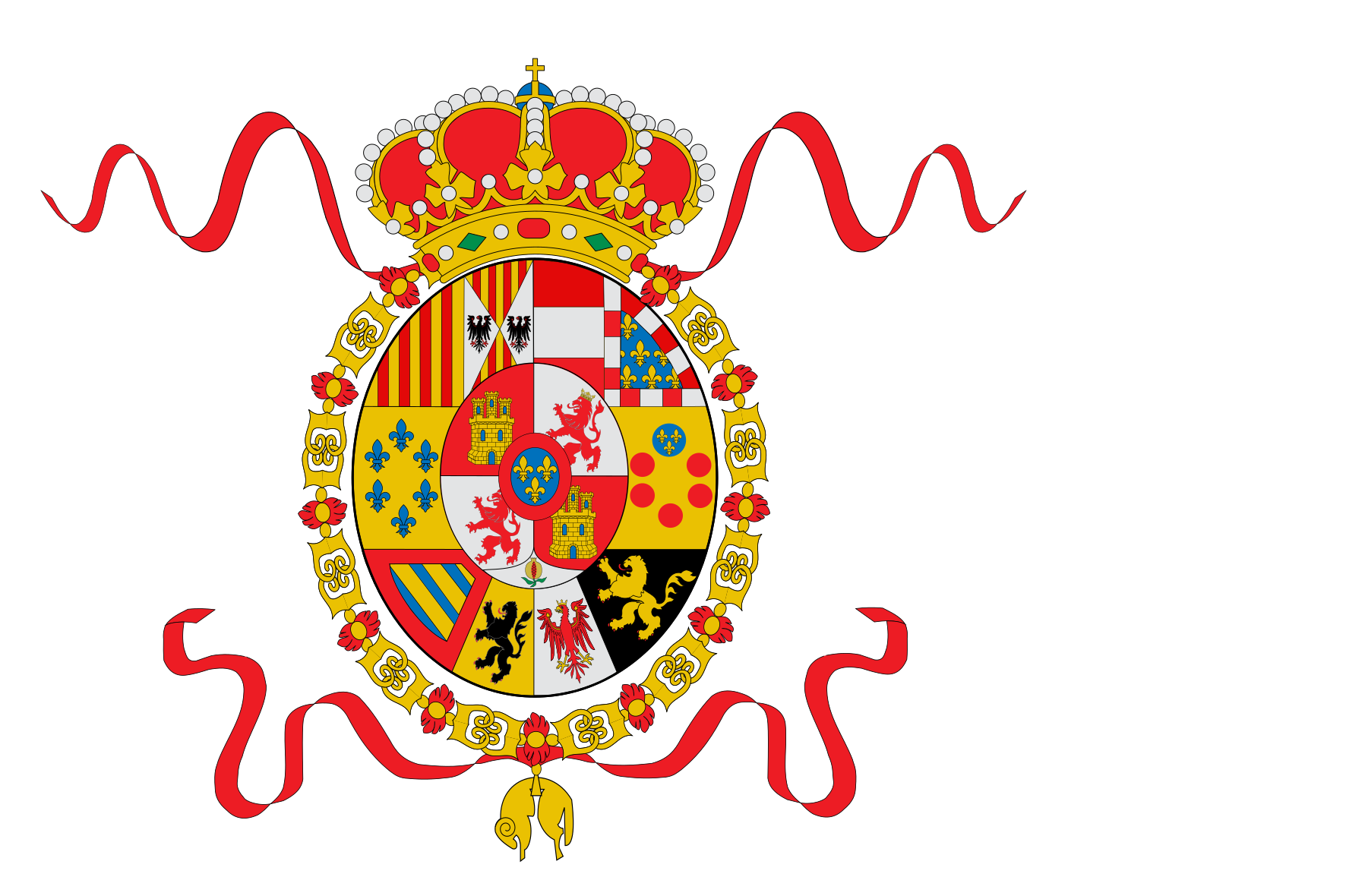
The white Bourbon ensign
1701 → 28 May 1785
With Philip V the royal arms on a white field replaced the earlier designs. France, Naples, Tuscany, Parma and Sicily, all Bourbon, flew white as well, and warships could not be told apart.
Image: Durero, CC BY-SA 4.0
- 1785
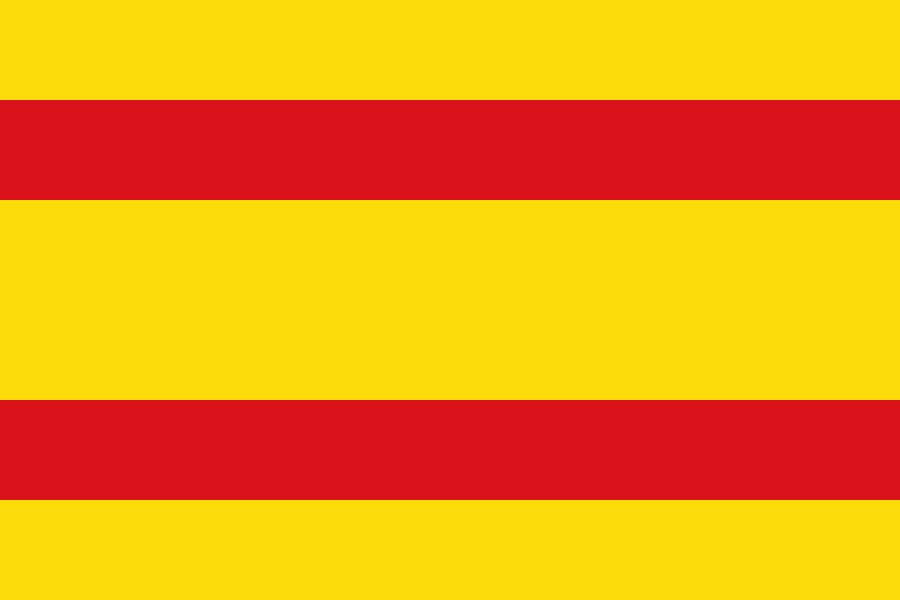
The merchant flag of 1785
28 May 1785 → 19 Jul 1927
The same royal decree gave other Spanish ships a flag without arms: a yellow middle stripe a third of the width, and each outer third divided red and yellow. It lasted until 1927, when merchant ships took the war ensign without arms.
- 1785
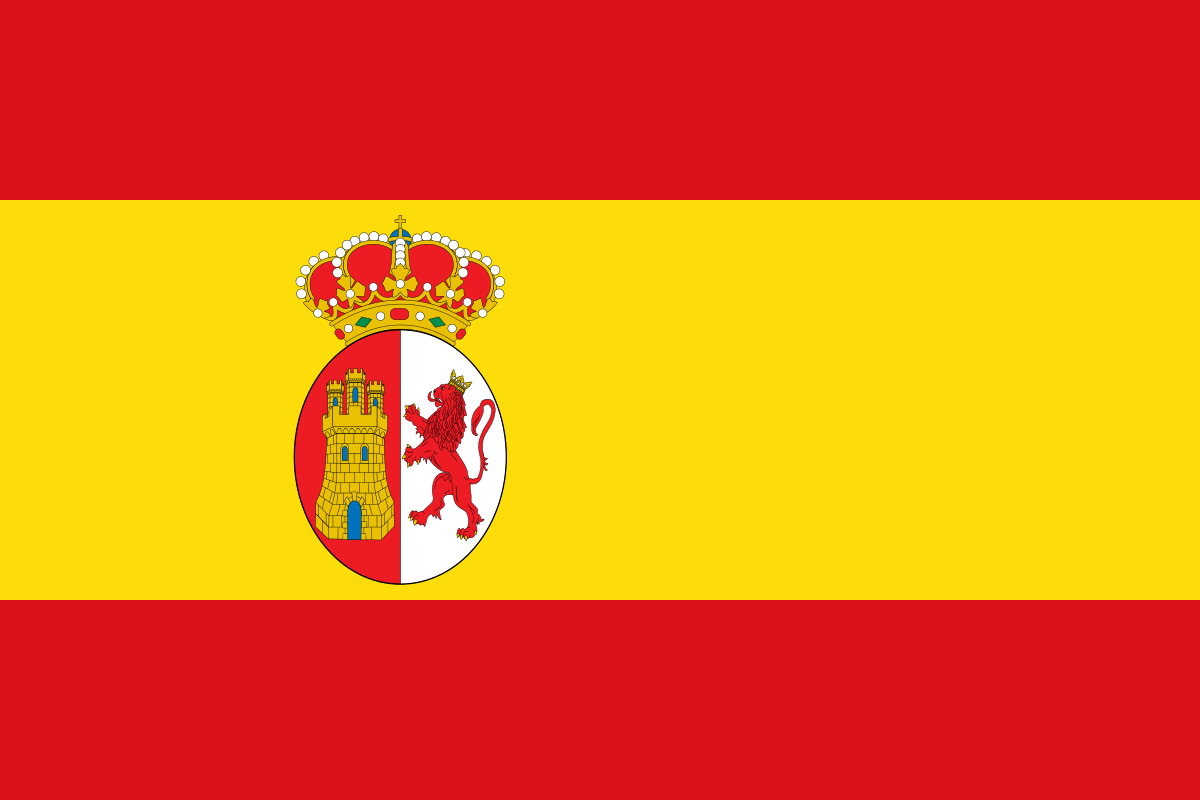
The war ensign of Charles III
28 May 1785 → 1873
The royal decree of 28 May 1785 gave warships red, yellow and red, the yellow half the width, with the arms reduced to Castile and León under the royal crown. From 1793 it flew over coastal fortresses and naval yards; from 1808 volunteers carried the colours inland. The decree of 13 October 1843 extended it to every unit of the army.
Image: previous version User:Ignaciogavira ; current version HansenBCN , designs from SanchoPanzaXXI, CC BY-SA 3.0
- 1873
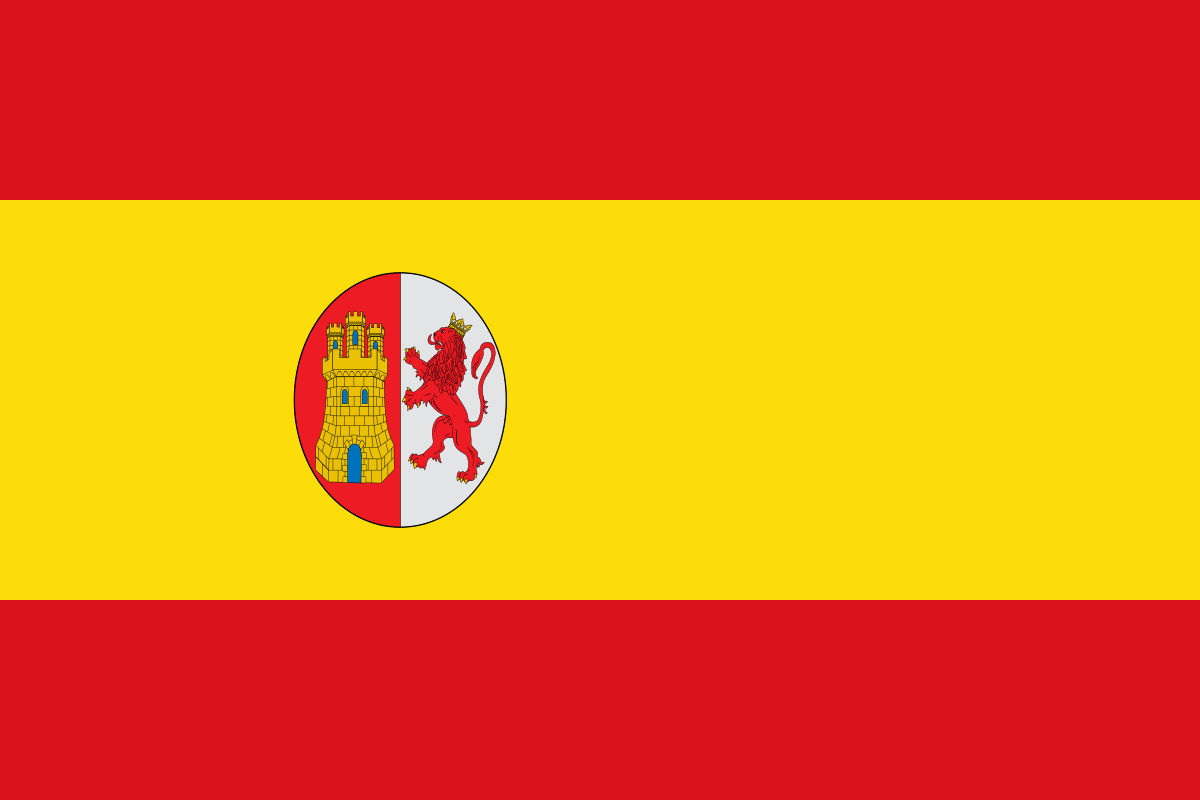
The First Republic
1873 → 1874
The colours stayed. The royal symbols were taken out of the arms, and a plan to replace the lower red stripe with purple came to nothing.
Image: Ignacio Gavira (original image), B1mbo (modifications), CC BY-SA 2.5
- 1875
The restored monarchy
1875 → 27 Apr 1931
The ensign of 1785 returned. A royal decree of 1908 required it on all public buildings on national holidays.
Image: previous version User:Ignaciogavira ; current version HansenBCN , designs from SanchoPanzaXXI, CC BY-SA 3.0
- 1931
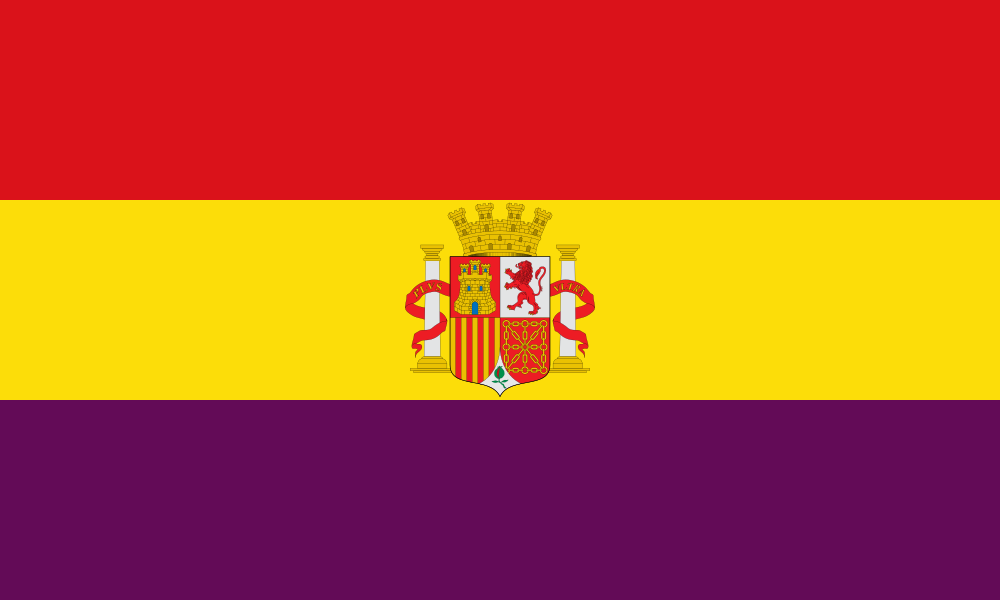
The Second Republic
27 Apr 1931 → 1939
A decree of 27 April 1931 made the flag three equal stripes of red, yellow and dark purple, with the arms from the five-peseta coins of 1869 and 1870 at the centre. The Republic kept it through the Civil War.
Image: SanchoPanzaXXI, CC BY-SA 4.0
- 1936
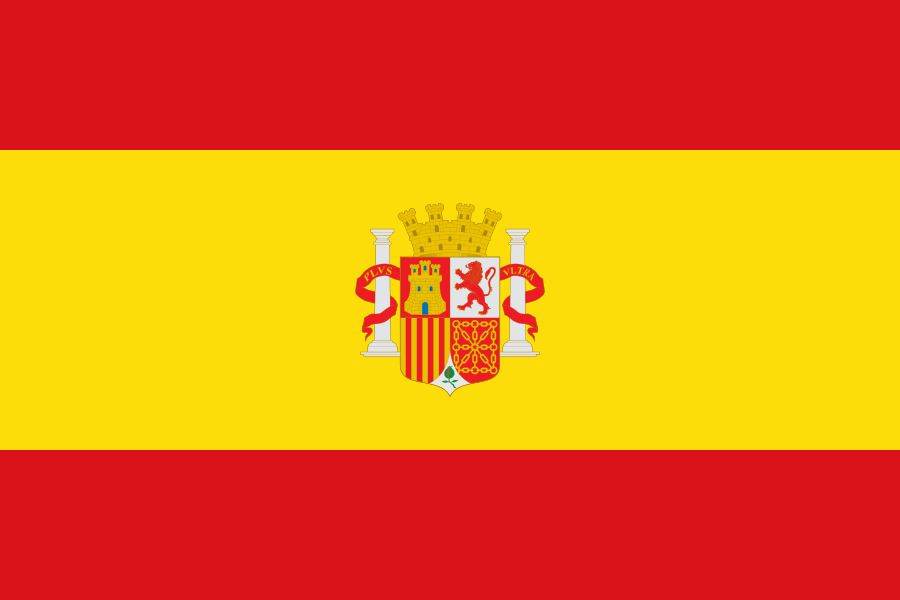
The bicolour restored by the rebels
29 Aug 1936 → Feb 1938
A decree signed by General Cabanellas on 29 August 1936 re-established red and yellow for the rebel side, still with the republican arms.
Image: Durero, CC BY-SA 4.0
- 1938
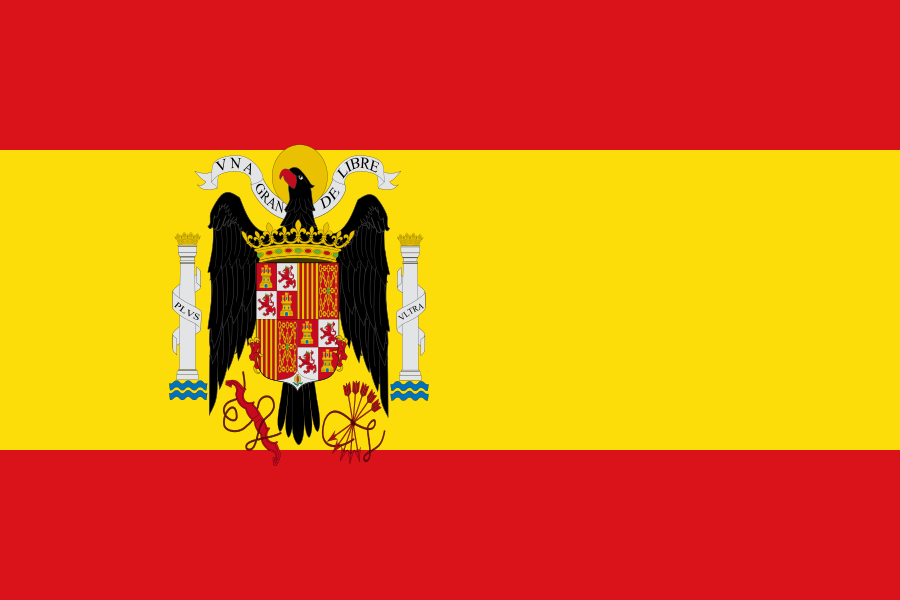
The eagle of Saint John
Feb 1938 → 11 Oct 1945
New arms supported by the eagle of Saint John, adopted in February 1938 and the flag of Spain after 1 April 1939.
Image: SanchoPanzaXXI, CC BY-SA 4.0
- 1945
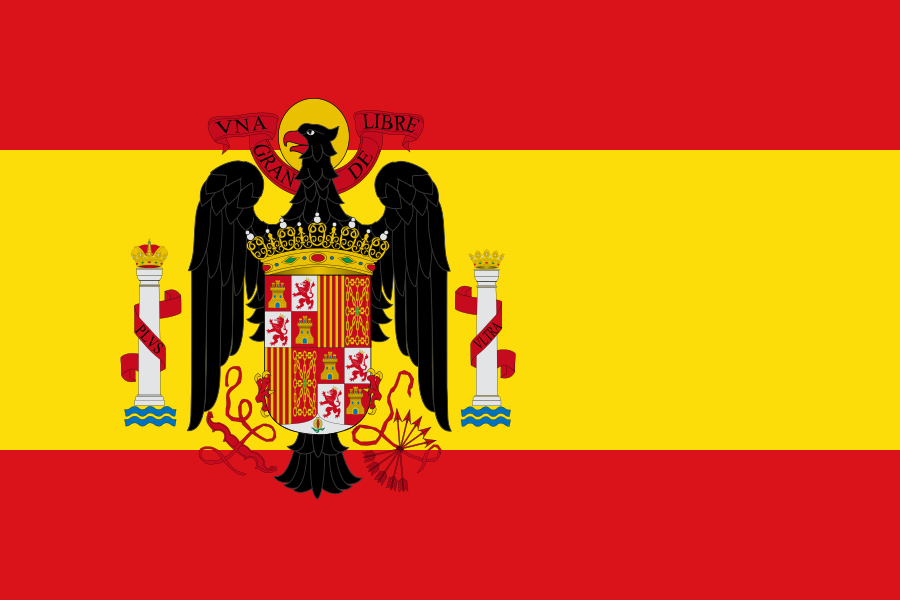
The regulations of 1945
11 Oct 1945 → 21 Jan 1977
A decree of 11 October 1945 approved new regulations for ensigns and flags and a revised version of the arms.
Image: SanchoPanzaXXI, CC BY-SA 4.0
- 1977
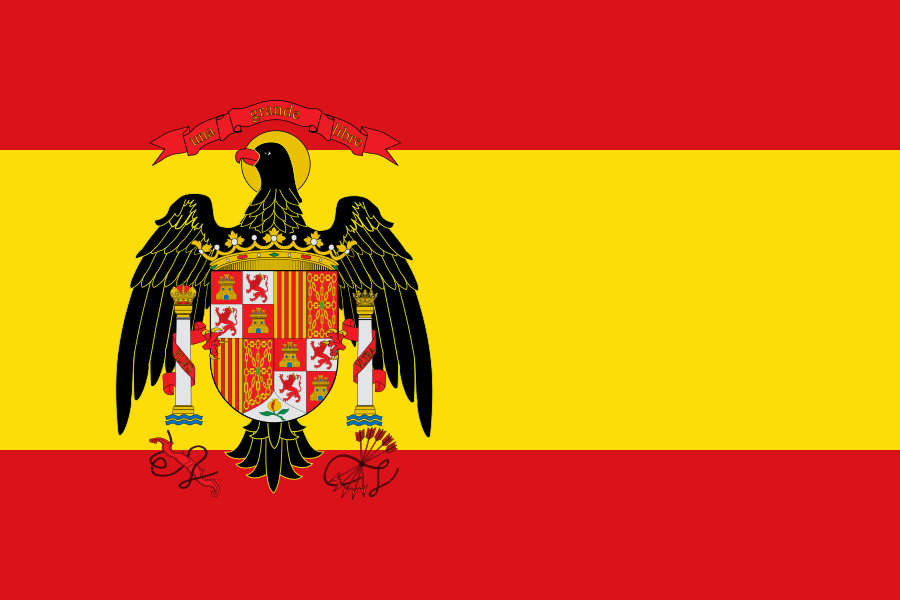
The transition
21 Jan 1977 → 5 Oct 1981
Royal Decree 1511/1977 replaced the regulations of 1945 and brought another version of the arms. The Constitution of 1978 defined the flag by its stripes alone.
Image: Miguillen, CC BY-SA 4.0
- 1981
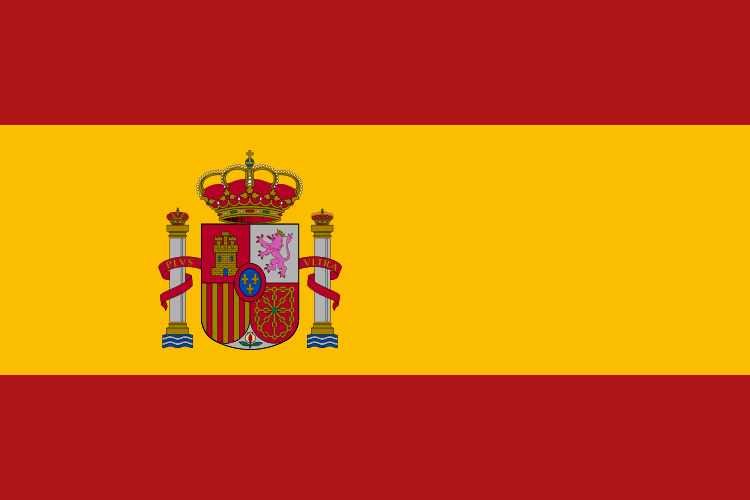
The present armsIn use
5 Oct 1981 → today
Act 33/1981 set the present coat of arms, and Royal Decree 2964/1981 of 18 December published its official model and its place on the yellow stripe.
The law
What defines it, and who flies it
- 29 December 1978
Spanish Constitution, Article 4.1
Three horizontal stripes, red, yellow and red, the yellow twice the width of each red. Says nothing of the coat of arms.
- 21 January 1977
Royal Decree 1511/1977
Regulations on flags, standards and badges. Its rule 3 sets the size and position of the coat of arms.
- 27 February 1981
Royal Decree 441/1981
Defines the red and the yellow technically, in CIELAB and CIE 1931 values.
- 5 October 1981
Act 33/1981 on the coat of arms of Spain
Describes the present coat of arms in heraldic terms.
- 28 October 1981
Act 39/1981 on the use of the flag of Spain and other flags and ensigns
Allows the coat of arms on the yellow stripe and makes it compulsory on public buildings, military establishments and diplomatic missions. Sets the flag's place among other flags.
- 18 December 1981
Royal Decree 2964/1981
Publishes the official model of the coat of arms and its position on the flag.
In use
The arms are compulsory on the buildings of central, regional, provincial and municipal government, on military buildings, ships and aircraft, and at diplomatic missions and consulates
Always in a prominent place of honour, and never smaller than the flags beside it
With an odd number of flags it takes the centre; with an even number, the left of the two central places as seen by the observer
Foreign flags beside it are placed in alphabetical order of the country names in the host's language
Government offices fly it day and night, lit after dark
In mourning it is lowered to a third of the pole, or a flag fixed to its staff carries a black ribbon 10 cm wide
A flag of 14 × 21 m has flown permanently in the Plaza de Colón in Madrid since October 2002
Coat of arms
The arms of Spain