Travel in Mongolia: festivals, long tracks and a moving capital
1 957 words · 9 min · updated 2026-10-02
 Back to Mongolia
Mongolia's visiting season is set by a climate that runs from +35 °C in summer to −40 °C on winter nights, by the British government's account, and by a festival calendar that follows the herds: Naadam from 11 to 13 July, camel races in the southern Gobi in March, an ice festival on Lake Khövsgöl and Kazakh eagle hunters in Bayan-Ölgii. Between those dates and places lie long distances on roads that are about 10% tarmacked outside the capital, and a border zone up to 100 kilometres deep that foreigners enter only with a permit.
In short
- Visa for British tourists
- Up to 30 days visa-free until 31 December 2026
- Registration
- Required with the Immigration Agency
- Main airport
- Chinggis Khaan International, about 52 km south of Ulaanbaatar
- Border zone
- Up to 100 km inside the border, by permit
- Naadam
- 11 to 13 July
- Tourists in 2024
- 808,956 (government figure)
- Rail link
- Trans-Mongolian Railway, Russia to China
When the seasons and festivals fall
The summer is short and the winter long. The British government's travel advice gives a range from +35 °C in summer to −40 °C on winter nights, with weather that changes without warning and warnings through the year for floods, dust storms, heavy snow, high winds and heat. At Ulaanbaatar almost all the rain falls in July and August. Average temperatures stay below freezing from November to March, and around Ulaanbaatar the frost-free season runs on average from mid-May to late August.
The festival calendar follows the herding year.
| Festival | When | Where |
|---|---|---|
| Thousand Camel Festival | 6 and 7 March | Bulgan sum, Ömnögovi |
| Ice festival | Winter | Lake Khövsgöl |
| Tsagaan Sar, the lunar new year | Late January or February | Throughout the country |
| Naadam | 11 to 13 July | Ulaanbaatar, with smaller games in every province |
Naadam in Ulaanbaatar opens in the national stadium, where the wrestling and archery are completed on the first day, while the horse races run in the countryside outside the city into the second. The Thousand Camel Festival in the southern Gobi, organised by a local group working to protect the Bactrian camel, holds two kinds of camel race, camel polo and contests in training unbroken camels and twisting rope from camel wool. In Bayan-Ölgii, Kazakh hunters at the eagle festival fly trained eagles at small prey and hold horse games, and Ölgii marks Nowruz, the Kazakh new year, with a parade, a concert and a feast.
How visitors enter and register
The British government's advice, read on 2 October 2026, says British citizens may visit Mongolia for tourism for up to 30 days without a visa until 31 December 2026, with a passport valid for at least six months after arrival. In 2023 Mongolia had opened visa-free entry to citizens of 34 countries, including the European Union states and the United Kingdom, until the end of 2025. Visitors must be registered with the Mongolian Immigration Agency: hotels do it through an app, and independent travellers register themselves remotely and receive a digital residence permit showing their passport number, address, photograph and fingerprints.
Only some frontier posts take foreigners. The British advice lists eight for British passport holders: Chinggis Khaan International Airport, Zamyn Üüd for road and rail to China, Bulgan and Bichigt for road crossings to China, Tsagaannuur, Altanbulag and Ereen-Tsav for road crossings to Russia, and Sükhbaatar for the train to Russia. The authorities can treat a zone up to 100 kilometres deep inside the border as a border area, which foreigners may enter only with permission from the State Frontier Guard Authority. Cash of 10,000 US dollars or more must be declared on arrival. Travellers coming from Russia can enter only overland, by bus, train, taxi or private car, because international flights from Russia are suspended.
How travellers cover the distances
Distance governs every itinerary. Mongolia measures 2,392 kilometres from west to east, and outside the capital about 10% of the roads are tarmacked, by the British count, with little signposting; elsewhere a road is often several dirt tracks running side by side across the steppe. Paved roads link Ulaanbaatar with the nearby provincial centres and the Russian border, and an east and west highway has been under construction since the early 2000s.
The Trans-Mongolian Railway crosses the country from north to south, from Ulan-Ude on the Trans-Siberian line through Sükhbaatar, Darkhan, Ulaanbaatar and Choir to Zamyn Üüd and Erenhot. Trains crossing into China stop for a few hours while the wheels are changed for the narrower Chinese gauge. Most journeys inside the country go by road, and Britannica describes domestic flights as infrequent, with most provincial airports having only dirt strips for turboprop aircraft.
Chinggis Khaan International Airport lies about 52 kilometres south of Ulaanbaatar. MIAT Mongolian Airlines flies internationally, and Aero Mongolia and Hunnu Air serve domestic and short international routes. An open skies agreement was signed with the United States in August 2023. When read on 2 October 2026, the British advice also warned of fuel shortages, including aviation fuel, that could disrupt flights and road travel.
Self-drivers need a 1968 international driving permit with their licence, and the British advice lists low driving standards, speeding, poorly kept vehicles and difficult terrain among the hazards. A vehicle brought in overland has to be declared to customs and taken out again; one that is sold or abandoned in Mongolia incurs customs tax, and a car that breaks down beyond repair has to be shipped out or sold to a mechanic with the tax still paid.
What Ulaanbaatar holds for a visitor
The capital began as a moving monastery, and its old name, Urga, comes from Örgöö, the palace-ger at its centre. Örgöö was founded in 1639 as a camp of gers around Zanabazar, the first Javzandamba, and moved more than twenty times along the Selenge, the Orkhon and the Tuul before settling in 1778 on its present site beside the Tuul, below Bogd Khan Mountain. The Wikipedia article on the city lists four peaks around it, Songino Khairkhan, Chingeltei, Bayanzurkh and Bogd Khan, at about 1,350 metres above the sea.
After the Treaty of Kyakhta in 1727 Urga became a stage on the overland trade between Russia and China, first Siberian furs for Chinese cloth and later tea. By the early 20th century it had a Russian quarter with a consulate built in 1863 and a Chinese trading town, Maimaicheng, and a Moscow trade expedition of the 1910s estimated its population at 60,000. Monks numbered 13,000 in 1810 and 20,000 in 1919. The city was renamed Ulaanbaatar in 1924.
Gandan Monastery, founded in the 19th century, survived the destruction of the 1930s and holds a golden statue of Migjid Janraisig 26.5 metres high. The Choijin Lama temple, built for the Bogd Khan's brother between 1903 and 1905 by Britannica's dates and completed in 1908 by the Wikipedia article on the city, was turned into a museum in 1942 and so escaped. The Green Palace, the Bogd Khan's winter residence, keeps Zanabazar's sculptures of Tara. The National Museum covers the country from prehistory to the democratic period, the Natural History Museum shows dinosaur fossils and eggs from the Gobi, and the Zanabazar Museum of Fine Arts holds One Day in Mongolia by Baldugiin Sharav.
The British advice warns that winter air pollution in the city can aggravate breathing conditions, that pickpockets work crowded places, especially during Tsagaan Sar and Naadam, and that roads in the city are heavily congested.
Where the old capitals and holy places are
The Orkhon Valley, about 360 kilometres south-west of Ulaanbaatar, is the main destination outside the capital. Erdene Zuu monastery, founded in 1585 beside the site of Karakorum at Kharkhorin, was returned to religious use after decades as a museum. Its three main temples date from the 16th century. The valley also holds the Uyghur ruins of Khar Balgas, Turkic memorial sites and the Tuvkhun hermitage, and herders still graze it.
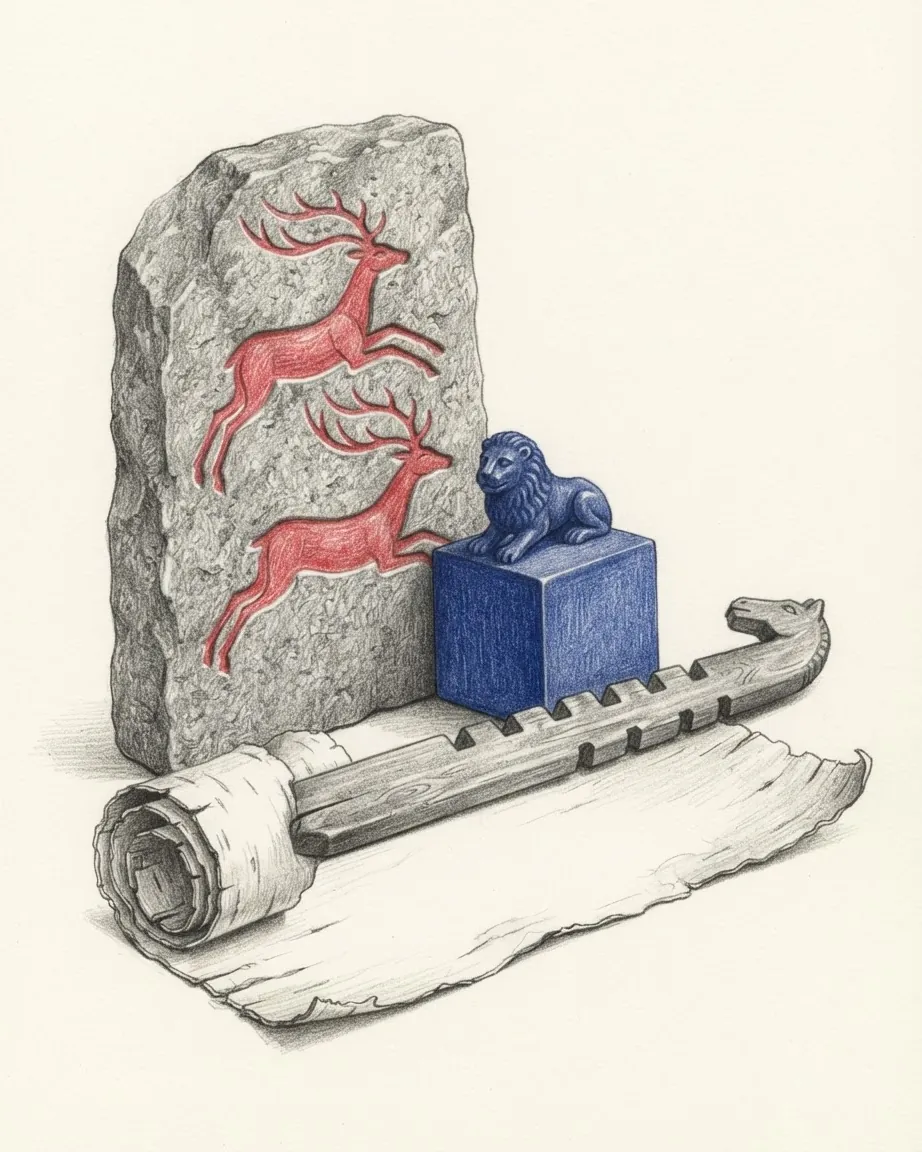
The deer stone complexes of the Late Bronze Age stand on the slopes of the Khangai, at Khoid Tamir, Jargalantyn Am, Urtyn Bulag and Uushigiin Övör, and the Petroglyphic Complexes of the Mongolian Altai were inscribed in 2011. Pilgrims to Burkhan Khaldun in the Khentii, which UNESCO links to Genghis Khan, start some 20 kilometres from the mountain at a bridge over the Kherlen, ride on horseback to the Beliin ovoo and go on to the ovoo of heaven at the summit. UNESCO notes that the mountain's sense of isolation is part of its value and could be lost to unmanaged tourism.
Which wild places draw visitors
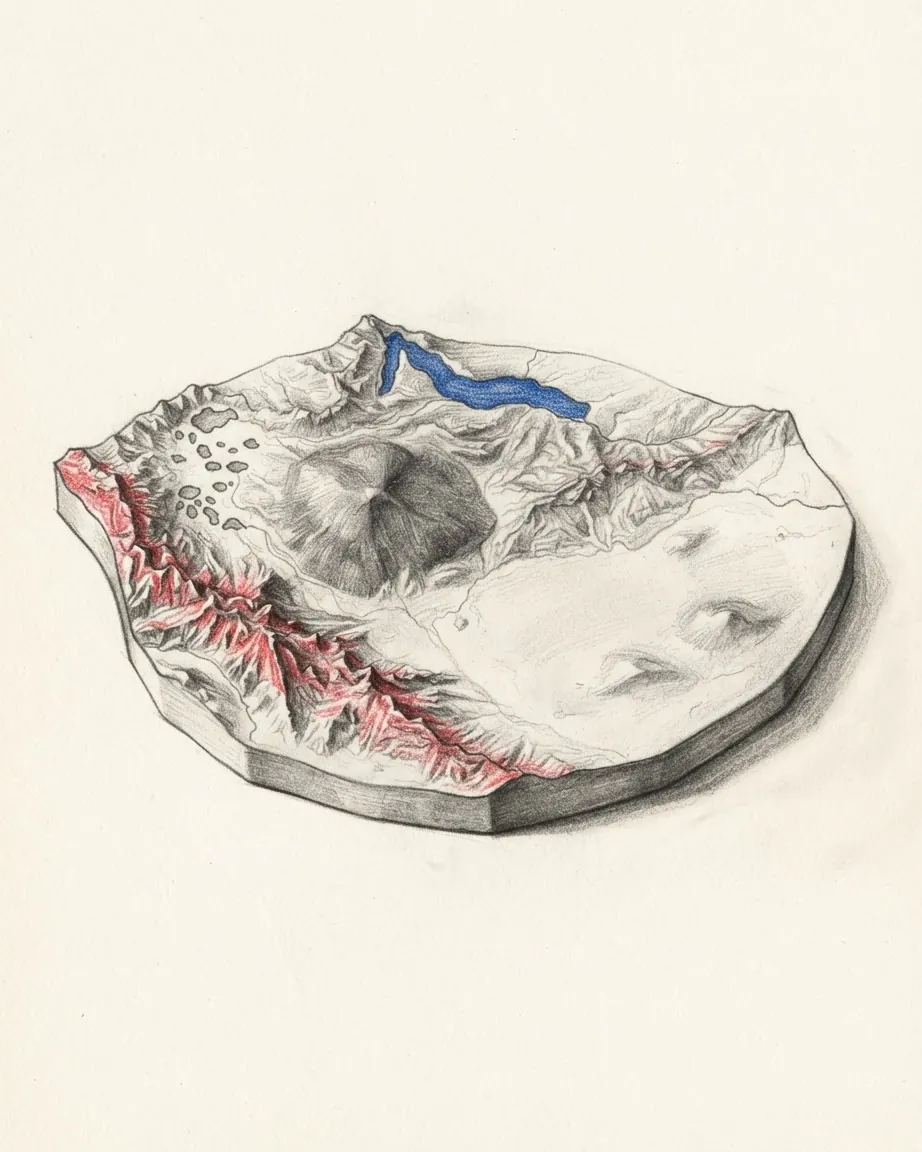
The Gobi appears on almost every tour itinerary. Gobi Gurvansaikhan National Park in Ömnögovi includes Yolyn Am, a gorge under cliffs where lammergeiers roost and where a small glacier survives into summer, and the Gurvan Saikhan range in which it lies is known for dinosaur finds at Bayanzag and Nemegt. Lake Khövsgöl, a deep freshwater lake in the northern mountains, is the setting of the winter ice festival. In the far north the Tsaatan herd reindeer.
In the west, the Uvs Nuur Basin, a World Heritage property shared with Russia, spans cold desert, steppe and tundra around a saline lake. Visitors come for trekking, climbing, birdwatching, horse and camel riding, rafting and fishing for trout in the northern rivers, and Britannica notes licensed game hunting for those willing to pay the high fees. It is illegal to buy, sell, kill or capture a protected wild animal without a licence.
Wifi is widely available in Ulaanbaatar's hotels and restaurants and local SIM cards are easy to buy, but network coverage ends in large areas of the countryside, and the British advice recommends carrying satellite communication, water and supplies on rural routes. Hospitals expect 80% of treatment costs to be paid in advance, and care outside Ulaanbaatar is limited, with doctors who may not speak English. Altitude sickness is a risk in parts of the country, and the medicines sold in pharmacies come mostly from China and Russia.
What travellers see of herding life
Visits to herding families are one of the draws Britannica lists, and the life they show is seasonal. UNESCO's file on nomad migration, inscribed in 2024, describes families moving between pastures that are classed by the grass on them, the lie of the land, the climate and the season, so that the ground has time to recover. The head of the household chooses the day. Before the move the family cleans the old site, builds carts and readies the animals, and on the move the wife leads, dressed in her best clothes. Children learn the routes, the care of the herds and the dismantling and pitching of the ger from an early age.
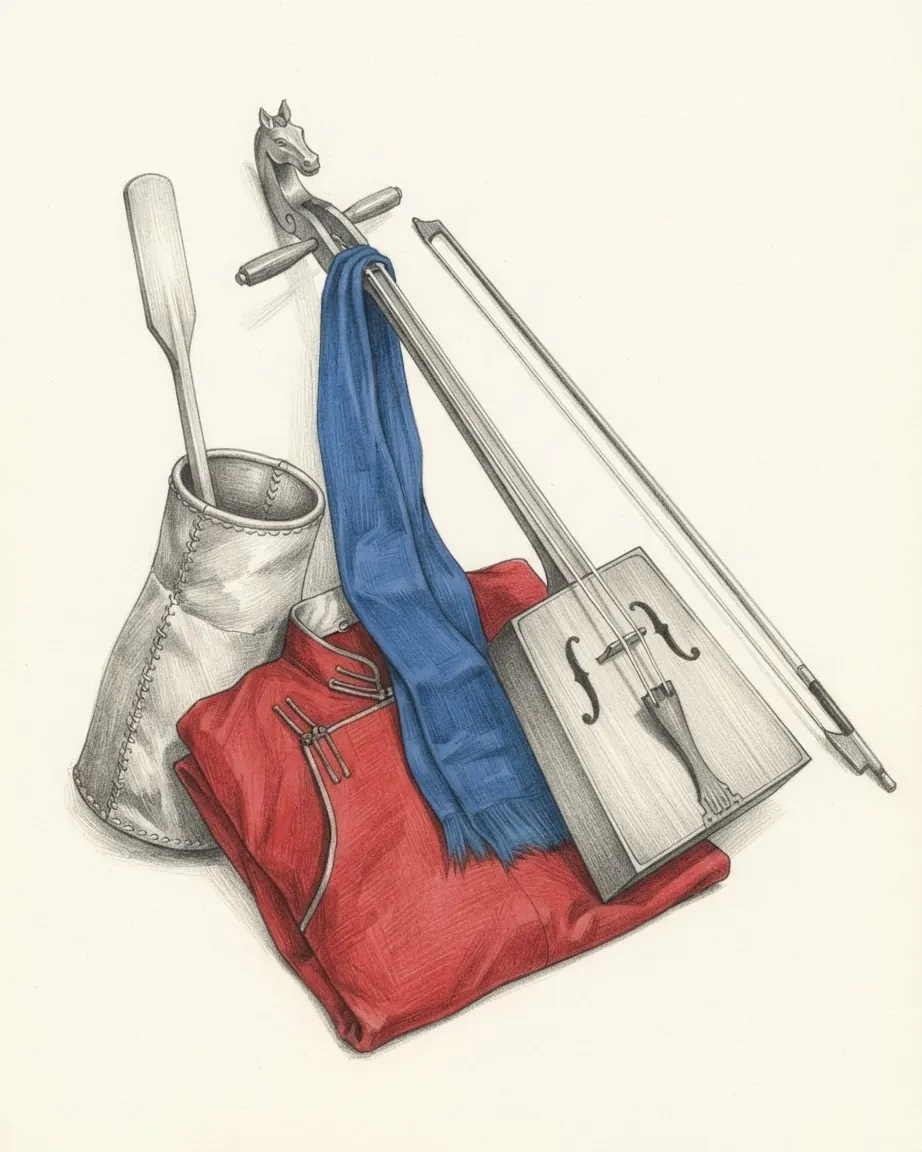
Herders also work to a calendar visitors can see. Mares are milked for airag, which is churned in a cowhide vessel more than 500 times, and the long song is sung at the branding of foals. Naadam is held each July in every province as well as in the capital.
What local rules and customs visitors meet
Visitors are expected to carry their passport; police do not accept a copy. Photographing or filming police and soldiers is illegal. In monasteries the British advice asks visitors to seek permission before taking photographs and not to touch sacred images. Drug possession of any kind is illegal.
Ger etiquette is part of most visits outside the capital. The door faces south and guests should not step on the threshold. Tea, airag or arkhi is offered in a bowl, received in the right hand with the left supporting the elbow.
How many people visit Mongolia
The socialist state allowed very little tourism, and the industry expanded after 1990. Visitor numbers reached 450,000 in 2010, about three times the figure for 2000. The government reported 808,956 tourists in 2024, the first year of its Go Mongolia campaign, and revenue of 1.6 billion US dollars, by the figures in the Wikipedia article on tourism in Mongolia. Britannica names China and Russia as the main sources of visitors, followed by South Korea, Japan and the United States.
Common questions
Questions about Mongolia
Do British citizens need a visa for Mongolia?
Not for a tourist stay of up to 30 days until 31 December 2026, according to the British government's travel advice read on 2 October 2026. The passport must be valid for six months after arrival, and every visitor has to be registered with the Mongolian Immigration Agency, which hotels do through an app.
What dates does Naadam fall on?
Naadam runs from 11 to 13 July. The main games open in Ulaanbaatar's stadium with wrestling and archery on the first day and horse races in the countryside into the second, and provinces hold their own smaller festivals.
How do travellers get from Ulaanbaatar to the Gobi?
Mostly by road, on tracks rather than tarmac: outside the capital about 10% of roads are paved, by the British count. Domestic flights exist but Britannica describes them as infrequent and most provincial airfields as dirt strips. Tour operators arrange most travel outside Ulaanbaatar.
Can visitors go near Mongolia's borders?
Only with permission. The British advice says the authorities can treat a zone up to 100 kilometres inside the border as a border area, and foreigners need a permit from the State Frontier Guard Authority to enter it. Eight crossings are open to British passport holders.
Which UNESCO sites can visitors reach in Mongolia?
Seven properties are inscribed. The Orkhon Valley with Kharkhorin and Erdene Zuu is about 360 kilometres south-west of Ulaanbaatar; Burkhan Khaldun lies in the Khentii; the deer stones are on the Khangai; and the Uvs Nuur Basin, the Altai petroglyphs, the Landscapes of Dauria and the Xiongnu cemeteries complete the list.