Russian
Language · official in 3 countries and territories
Russky yazyk takes its name from Rus, the name found in Russian literary monuments of the 11th to 14th centuries. Russian is an East Slavic language written in a Cyrillic alphabet of 33 letters, and its stress is rarely marked though often unpredictable. It is official in 3 countries on record: Russia, Belarus and Kazakhstan.

The language on record
- Own name
- русский
- ISO 639-1
- RU
- ISO 639-3
- RUS
- Script
- Cyrillic
- Family
- East Slavic
- Official in
- 3 countries
Where Russian is official
Russia, plus Belarus, where it is a second state language beside Belarusian, and Kazakhstan, where it is not a state language but has equal standing in administration.
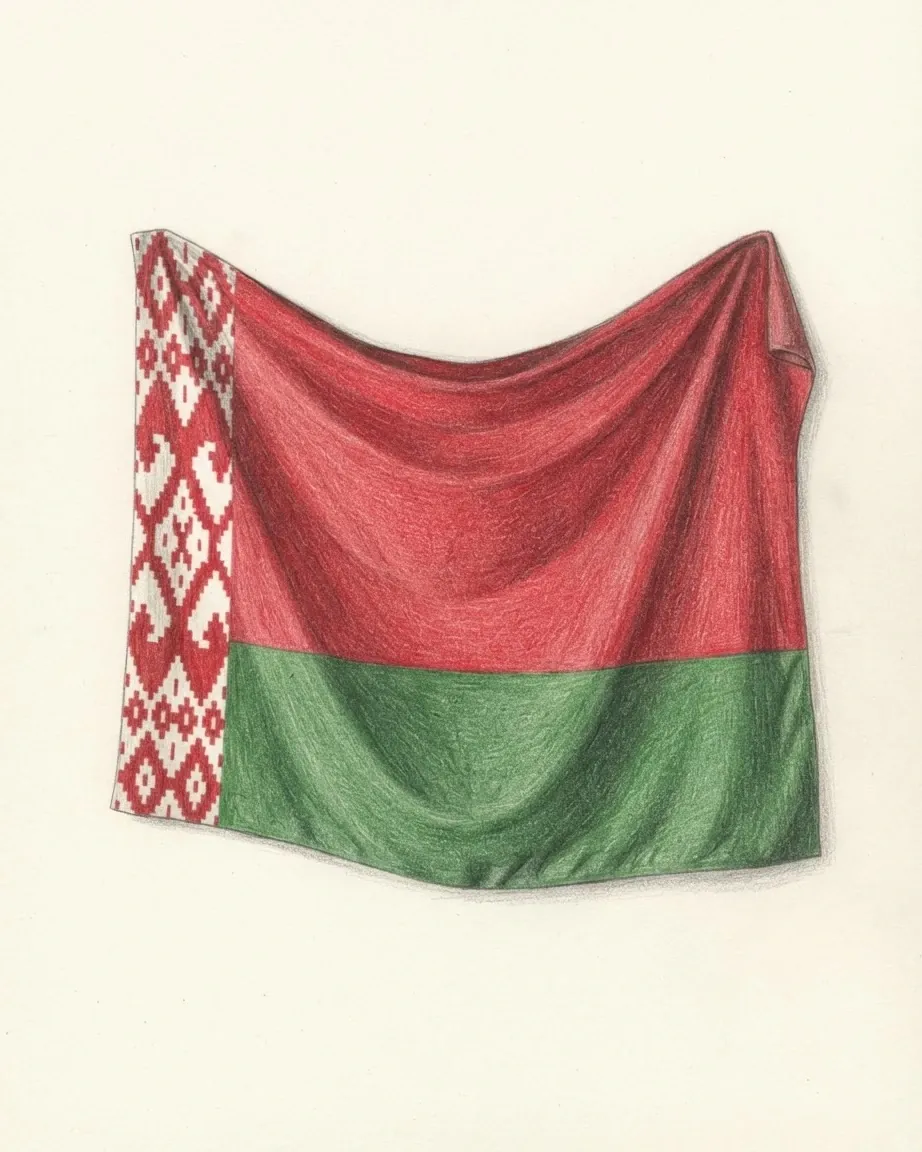
Official beside Russian
About Russian
Where does Russian hold official standing
Russian was the de facto official language of the Soviet Union, and de jure in its final years. In Belarus the constitution makes it a second state language beside Belarusian; 77% of the population was fluent in it in 2006. In Kazakhstan it is not a state language, but article 7 of the constitution gives it equal status with Kazakh in state and local administration. In 2009, 84.8% of people there aged 15 and over could read and write it well, and a draft media law of October 2023 set out to raise the share of Kazakh on television and radio. Kyrgyzstan also keeps Russian official, and Tajikistan's constitution names it the language of inter-ethnic communication.
How the literary standard formed
Feudal division and Mongol rule held back a common language. The chancery language of Moscow gave the first push towards a standard between the 15th and 17th centuries, and Contemporary Standard Russian arose with the state's modernising reforms of the early 18th century, on a Moscow dialect with a northern base. Church Slavonic, long the language of the church, left many words borrowed or calqued from Greek. Polish, Dutch, German, French and English added more.
What the spelling leaves out
Most consonants come in hard and soft pairs, and the difference is usually shown by the vowel that follows, not by the consonant. Stress is not normally written. An optional acute accent separates words spelled alike, such as замо́к, lock, and за́мок, castle, and it is compulsory in dictionaries and books for children and learners. The first spelling reform came in 1708 to 1710 and the last major one in 1917 and 1918, which dropped letters such as yat.
Common questions
Questions about Russian
What is the difference between russky and rossiysky?
Both once meant Russian as a name for the language. From the early 19th century russky became the ethnic word, and rossiysky came to refer to the state.
How long does Russian take an English speaker to learn?
The Defense Language Institute in Monterey rates it a level III language, needing about 1,100 hours of immersion teaching to reach intermediate fluency.
Is Russian official in Kyrgyzstan?
The language article lists it as official there, but the Kyrgyzstan record on this site does not, so Kyrgyzstan is not in the list.
Are Russian and Belarusian mutually intelligible?
To a high degree. Russian, Belarusian and Ukrainian understand one another well, and mixtures such as trasianka in Belarus and surzhyk in eastern Ukraine sit between them.