Commonwealth of Nations
Cultural · Commonwealth
From 22 to 27 April 1949 the prime ministers of eight countries met in London to settle whether a republic could stay. The declaration they issued accepted the Crown as a symbol of free association rather than a sovereignty held in common, and the word British went out of the name. Four members were never British territory. Six have left since, and four of those returned.

56 countries
- Antigua and Barbuda
- Australia
- BahamasThe Bahamas
- Bangladeshবাংলাদেশ
- Barbados
- Belize
- Botswana
- Brunei
- Cameroon
- Canada
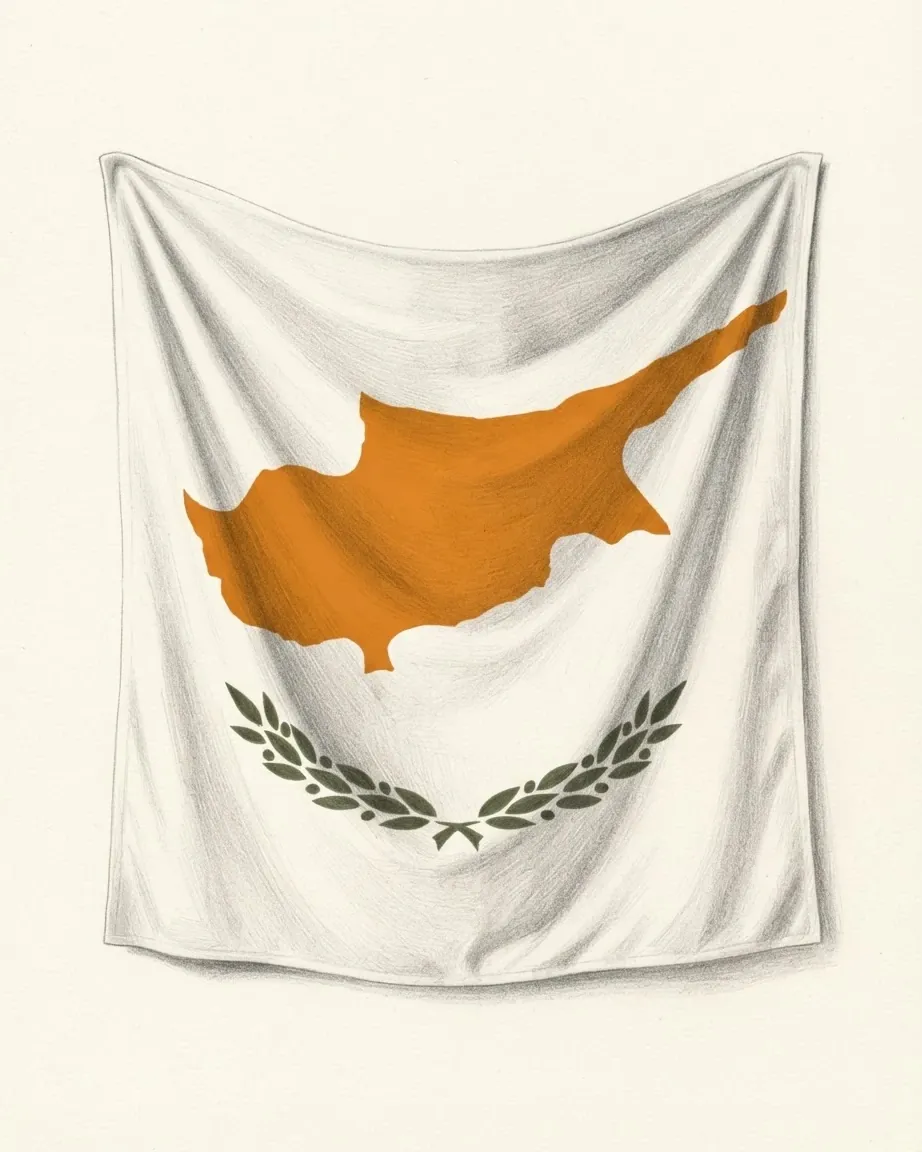
- CyprusCyprus has been independent since 16 August 1960 and in the European Union since 2004, and its government controls about 59% of an island administered in four pieces.
- Dominica
- Eswatini
- Fiji
- Gabon
- GambiaThe Gambia
- Ghana
- Grenada
- Guyana
- India
- Jamaica
- Kenya
- Kiribati
- Lesotho
- Malawi
- Malaysia
- Maldivesދިވެހިރާއްޖެ
- Malta553,214 people on 316 square kilometres between Sicily and North Africa. A Semitic language in Latin script, Catholicism in Article 2 of the constitution, and a Westminster parliament.
- Mauritius
- MozambiqueMoçambique
- Namibia
- Nauru
- New Zealand
- Nigeria
- Pakistan
- Papua New Guinea
- Rwanda
- Saint Kitts and Nevis
- Saint Lucia
- Saint Vincent and the Grenadines
- Samoa
- Seychelles
- Sierra Leone
- Singapore
- Solomon Islands
- South AfricaSuid-Afrika
- Sri Lankaශ්රී ලංකාව
- Tanzania
- Togo
- Tonga
- Trinidad and Tobago
- Tuvalu
- Uganda
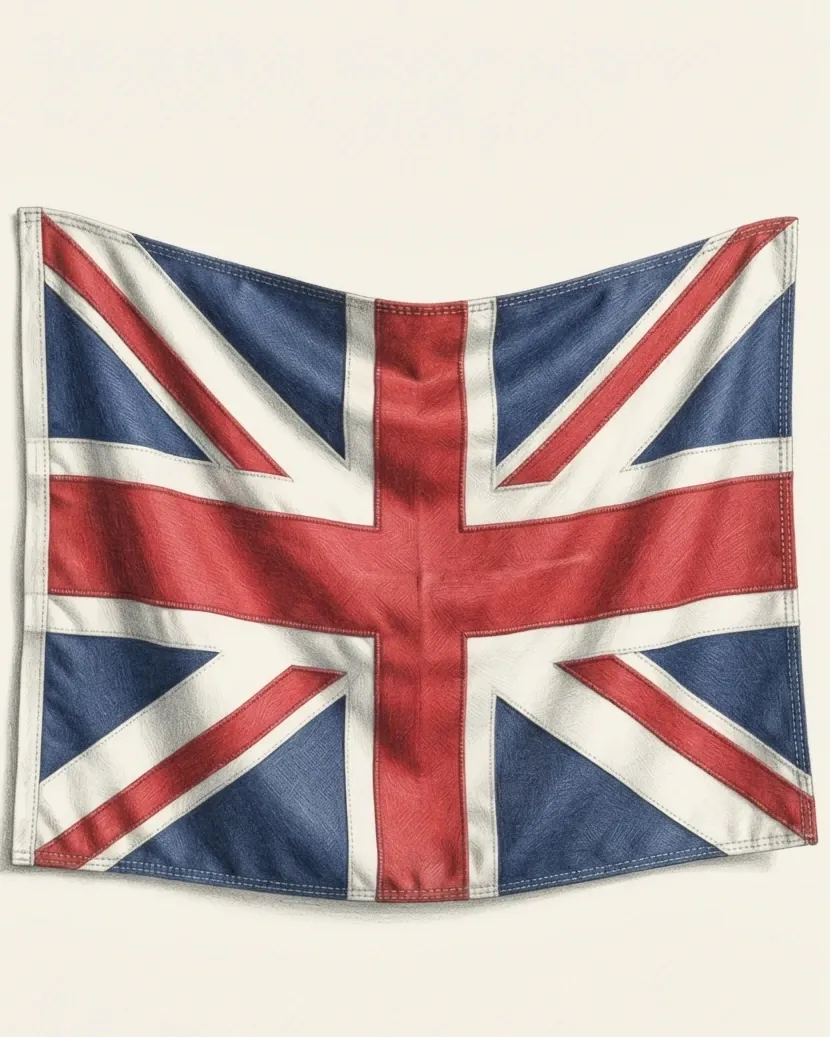
- United Kingdom67.3 million people across four countries on 242,495 square kilometres. An uncodified constitution, an economy four fifths services, and 35 World Heritage properties.
- Vanuatu
- Zambia
Common questions
Questions about Commonwealth
Which countries are in the Commonwealth?
The 56 on this page, on the roster the Commonwealth Secretariat published and this catalogue read on 2 September 2026. Most were territories of the British Empire. Four were not: Mozambique, admitted on 13 November 1995, Rwanda on 29 November 2009, and Gabon and Togo together on 25 June 2022.
Does a member have to recognise the British monarch?
No. That was settled by the declaration of April 1949, which accepted the Crown as the symbol of a free association rather than as a sovereignty held in common, so that India could adopt a republican constitution and remain. Since Barbados became a republic on 30 November 2021, fifteen members share a head of state with the United Kingdom and the rest do not.
Can a country join with no history of British rule?
It can, though the criteria still treat it as the exception. Heads of government at Edinburgh in October 1997 set the general rule that an applicant should have had a constitutional association with an existing member, and a committee reporting to Kampala in November 2007 added a substantial relationship with the association or a group of its members as an alternative. Mozambique, Rwanda, Gabon and Togo were admitted on that footing.
Which countries have left the Commonwealth?
Ireland ceased to be a member on 18 April 1949 and Zimbabwe withdrew on 7 December 2003, after a suspension of 19 March 2002. Four others left and returned: South Africa, out from 31 May 1961 and back on 1 June 1994; Pakistan, out from 30 January 1972 and back in 1989; The Gambia, out from 3 October 2013 and back on 8 February 2018; and Maldives, out from 13 October 2016 and back on 1 February 2020. Fiji's membership lapsed in 1987 and resumed in 1997.
What is the Head of the Commonwealth?
A symbolic office attached to the association rather than to any state, created by the declaration of April 1949 to give India a form of words it could accept. It is not hereditary and carries no fixed term, and the association states that future holders are chosen by heads of government. The choice has been exercised once, by the leaders meeting at Windsor in April 2018.
Is the Commonwealth the same thing as the Commonwealth Games?
The games are one of the association's activities rather than the association itself. They were first held at Hamilton in Ontario in 1930 as the British Empire Games, and the teams entered are drawn from members and from their territories and dependencies, which is a wider list than the 56 member countries here.
Sources
- Our member countries · Commonwealth Secretariat. The roster this hub uses, read on 2 September 2026, and the count of small states with a population of 1.5 million or less.
- London Declaration, 1949 · Commonwealth Secretariat. The meeting of 22 to 27 April 1949, the eight governments, and the wording accepting the King as the symbol of the free association.
- Harare Declaration, 1991 · Commonwealth Secretariat. The declaration of 20 October 1991 and the political principles it states.
- Millbrook Commonwealth Action Programme on the Harare Declaration, 1995 · Commonwealth Secretariat. Auckland, 12 November 1995, and the creation of the Commonwealth Ministerial Action Group.
- The Commonwealth Charter · Commonwealth Secretariat. The charter signed on 11 March 2013 and the earlier declarations it gathers.
- About us · Commonwealth Secretariat. The statement that the office of Head of the Commonwealth is not hereditary, carries no fixed term, and is filled by choice of the leaders.
- Our history · Commonwealth Secretariat. The Imperial Conference of 1926, the Secretariat from 1965, and the admissions of Mozambique, Rwanda, Gabon and Togo.
- Member states of the Commonwealth · Encyclopaedia Britannica. The list of members with dates of admission, withdrawal and readmission.
- Member states of the Commonwealth of Nations · The dated table of withdrawals, lapses, suspensions and returns for Ireland, South Africa, Pakistan, Fiji, Zimbabwe, The Gambia and Maldives.
- Commonwealth of Nations membership criteria · The Edinburgh rule of October 1997 and the criteria the Committee on Commonwealth Membership reported to Kampala in November 2007.
- Statute of Westminster, 1931 · The National Archives. The act of 11 December 1931 and the legislative equality of the dominions.