The flag of Portugal
Bandeira de Portugal · since 1911
 Back to Portugal
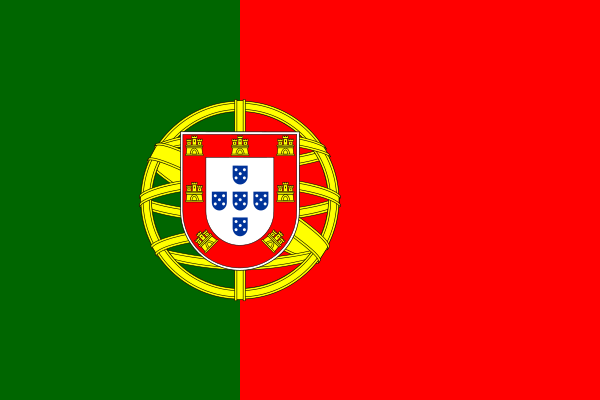
A green and red vertical bicolour, the green taking two fifths of the length, with the armillary sphere and the shield of Portugal set over the line between them. The green and red were the colours of the Republican Party, and the flag was chosen after the revolution of 5 October 1910 to break with the blue and white of the monarchy. The shield of five blue escutcheons and seven castles has been on every Portuguese flag since the Middle Ages except the first.
At a glance
- Adopted
- 1911
- Proportion
- 2:3
- First hoisted
- 1910
- Colours
- Earlier flags
- 14
- Designers
- 3
The colours
The colours of the flag of Portugal, in the order it has them
- 0137.6%
Dark green
verde escuroHoist field
- HEX
#006600- RGB
0 102 0- CMYK
100 35 100 30- Pantone
349 CVC- RAL
6029
- 0262.4%
Scarlet
escarlateFly field, the bordure of the shield
- HEX
#FF0000- RGB
255 0 0- CMYK
0 100 100 0- Pantone
485 CVC- RAL
3028
No law gives these codes. HEX and RGB are the colour this site draws the flag in; CMYK, Pantone and RAL are the values most often published for it.
Construction
How the flag is drawn
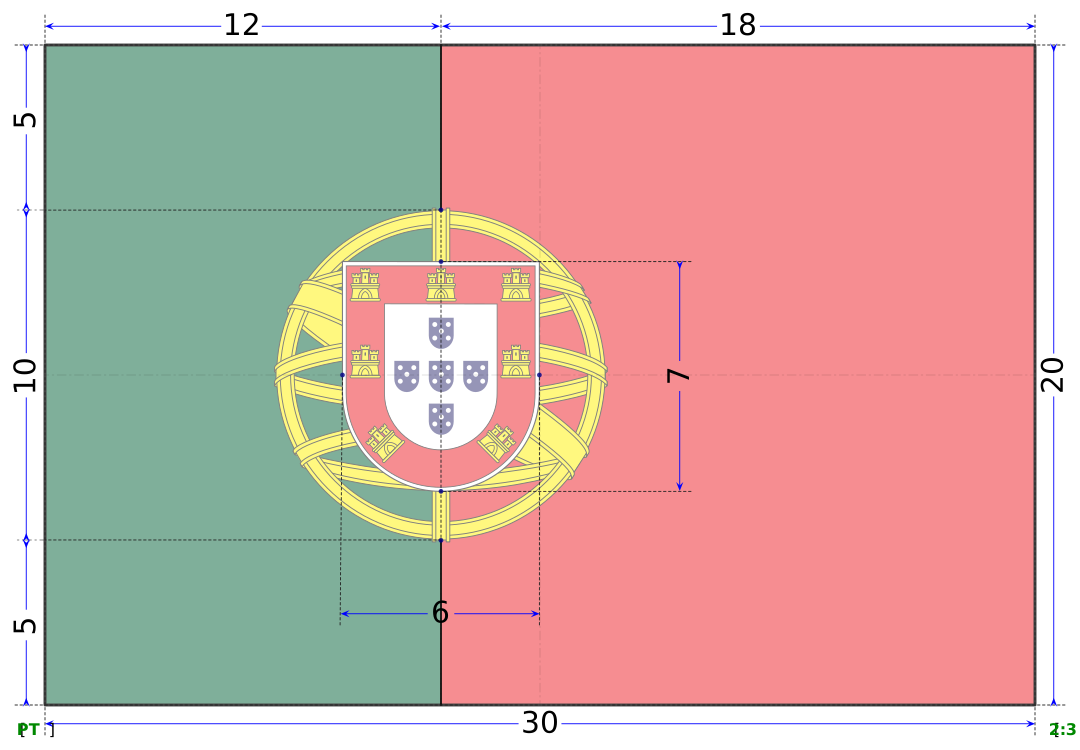
A field divided vertically, dark green at the hoist over two fifths of the length and scarlet over the remaining three fifths, with the lesser national arms centred on the line between them: a yellow armillary sphere lined in black, and on it a red-bordered shield with seven yellow castles round a white field bearing five blue escutcheons in a cross, each with five white bezants.
- Field
- Green over 2/5 of the length at the hoist, red over the remaining 3/5
- Armillary sphere
- Diameter half the height of the flag, equidistant from the top and bottom edges, centred on the colour boundary
- Sphere
- Drawn in perspective with six arcs: the ecliptic, the equator and two meridians as great circles, and the two tropics as small circles
- Shield
- Height 7/10 and width 6/10 of the sphere's diameter, centred vertically on the sphere
- Bordure
- Seven castles: three in chief, one on each flank, and two turned 45° on the curved base
- Tropic of Capricorn
- A segment is left out between the shield and the ecliptic in the official drawing
Other forms
- National colours
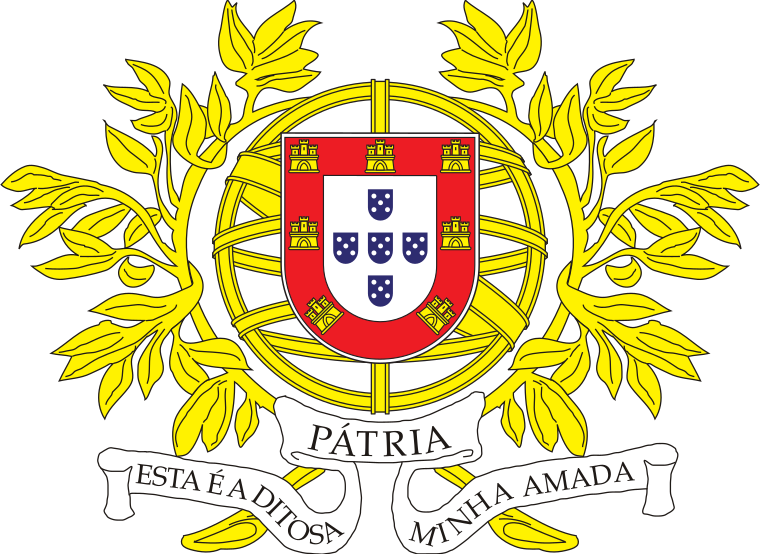
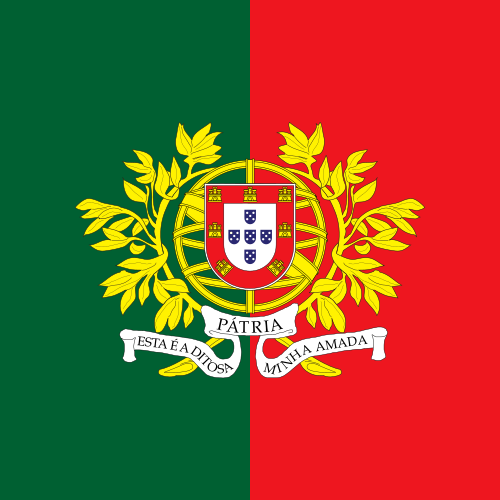
- The military units' parade flag, adopted in 1911: square, green and red in equal halves, the arms surrounded by yellow laurel and a white scroll with the verse "Esta é a ditosa pátria minha amada" from Os Lusíadas.
- Naval jack
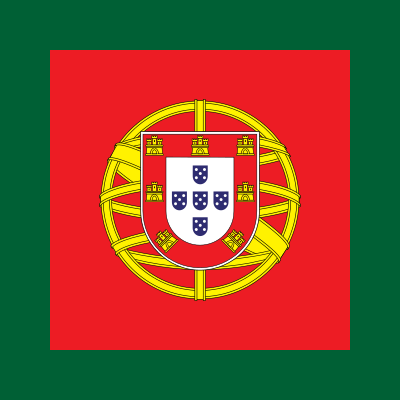
- Square, a red field with a green border 1/8 of the side wide and the lesser arms in the centre, flown at the prow of Navy ships at anchor.
- Commissioning pennant
- A long triangle, green at the hoist and red at the fly, flown on the main mast of ships commanded by officers.
- Presidential flag
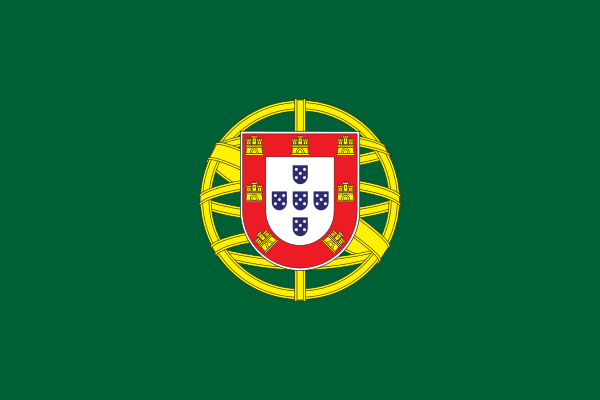
- The national flag with a field of dark green only.

Meaning
What each part stands for
- Green and red
- Chosen as the colours of the republican flags of the 1891 revolt in Porto and of the revolution of 5 October 1910. The commission's report gave them no national meaning; the reading of green as hope and red as the blood of those who died for Portugal took hold under the Estado Novo
- Armillary sphere
- The emblem of Manuel I and of the voyages of discovery, which the commission revived as the standard of the adventurous spirit of the Portuguese
- Five blue escutcheons
- Popularly the five wounds of Christ and the five Moorish kings of the legend of Ourique, a legend first written down in the 14th century
- Seven castles
- Traditionally the conquest of the Algarve under Afonso III. More likely from his family ties with Castile, and the number was fixed only in 1578
Who drew it
- Columbano Bordalo Pinheiro
- Painter, author of the drawings of the flag, on the commission appointed on 15 October 1910
- João Chagas
- Journalist, member of the commission
- Abel Botelho
- Writer, member of the commission and author of its report of 29 October 1910
History
How the flag of Portugal got here
- 1095
Count Henry
1095 → 1143
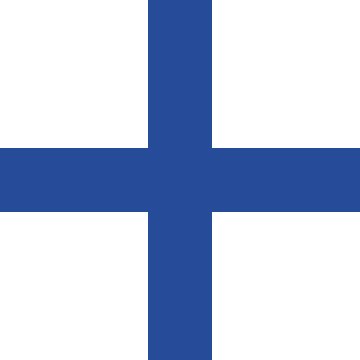
A blue cross on white, on the shield of Henry of Burgundy. The design is a reconstruction with no reliable source, made popular under the Estado Novo.
- 1143
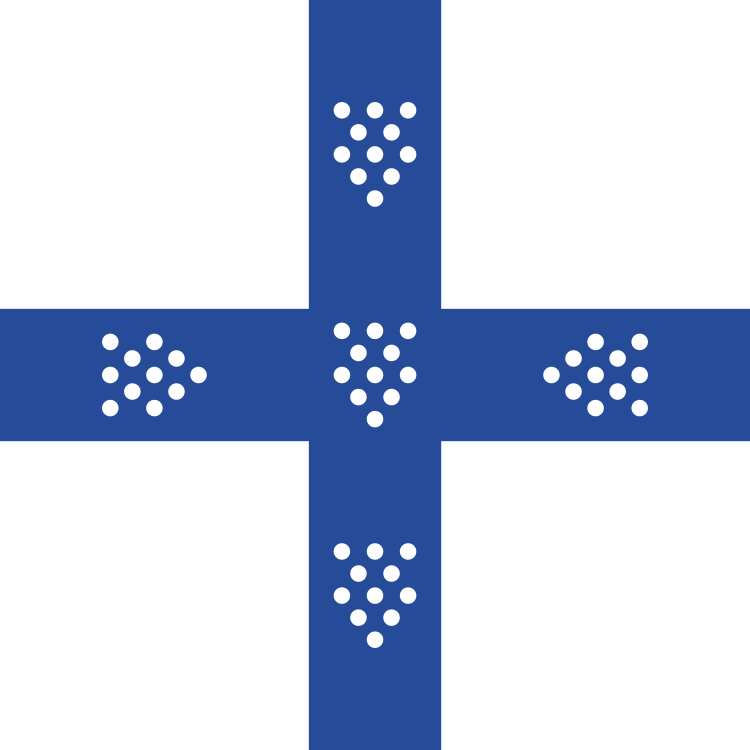
Afonso I
1143 → 1185
The cross charged with five sets of silver bezants after Afonso Henriques became king, reportedly for his new right to issue coin.
Image: Nuno Tavares, CC BY-SA 4.0
- 1185
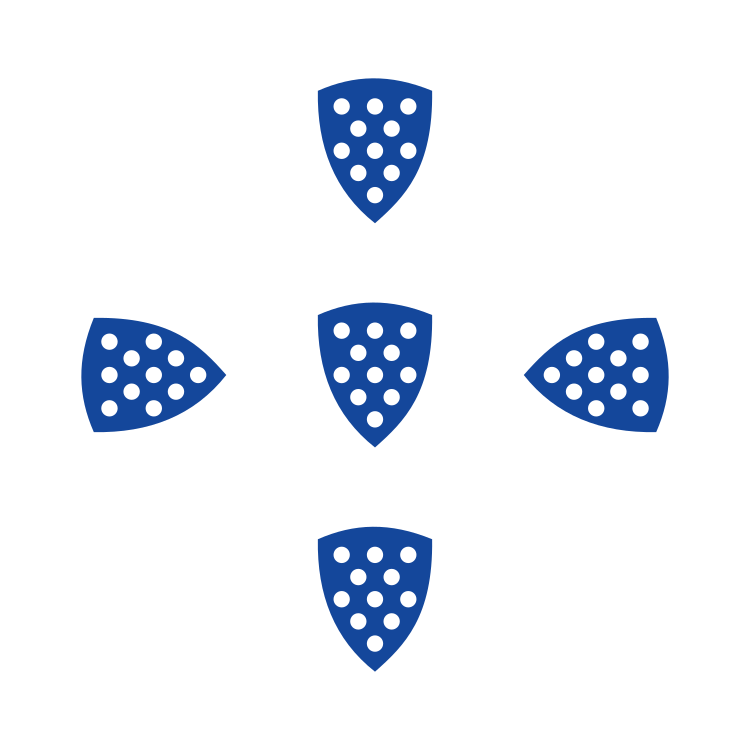
The quinas
1185 → 1248
Under Sancho I the blue cross became five blue escutcheons, each with eleven bezants, arranged in a cross on white.
Image: Nuno Tavares, CC BY-SA 4.0
- 1248
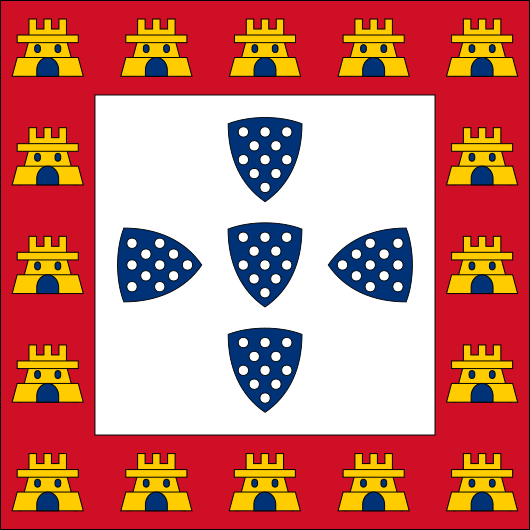
The red bordure
1248 → 1385
Afonso III added a red bordure with an unfixed number of yellow castles.
Image: Nuno Tavares, CC BY-SA 4.0
- 1385
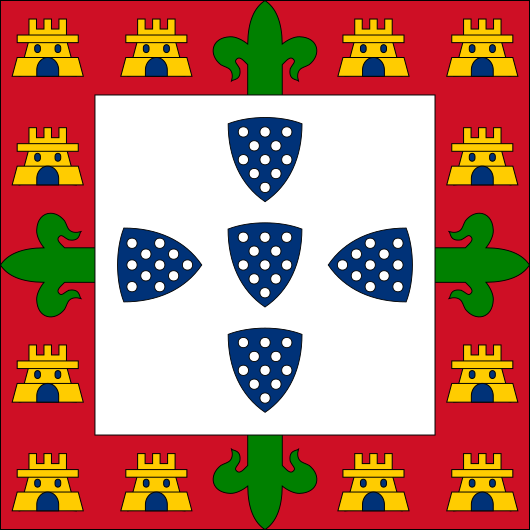
The Aviz cross
1385 → 1485
John I set the green fleur-de-lys points of the Order of Aviz on the bordure, cutting the castles to twelve.
Image: Nuno Tavares, CC BY-SA 4.0
- 1485
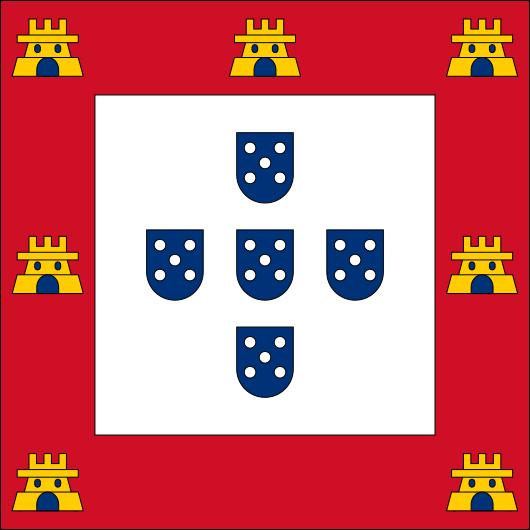
John II
1485 → 1495
The Aviz cross removed, five bezants in saltire on each escutcheon and seven castles. The last square banner of arms used as the flag.
Image: Nuno Tavares, CC BY-SA 4.0
- 1495
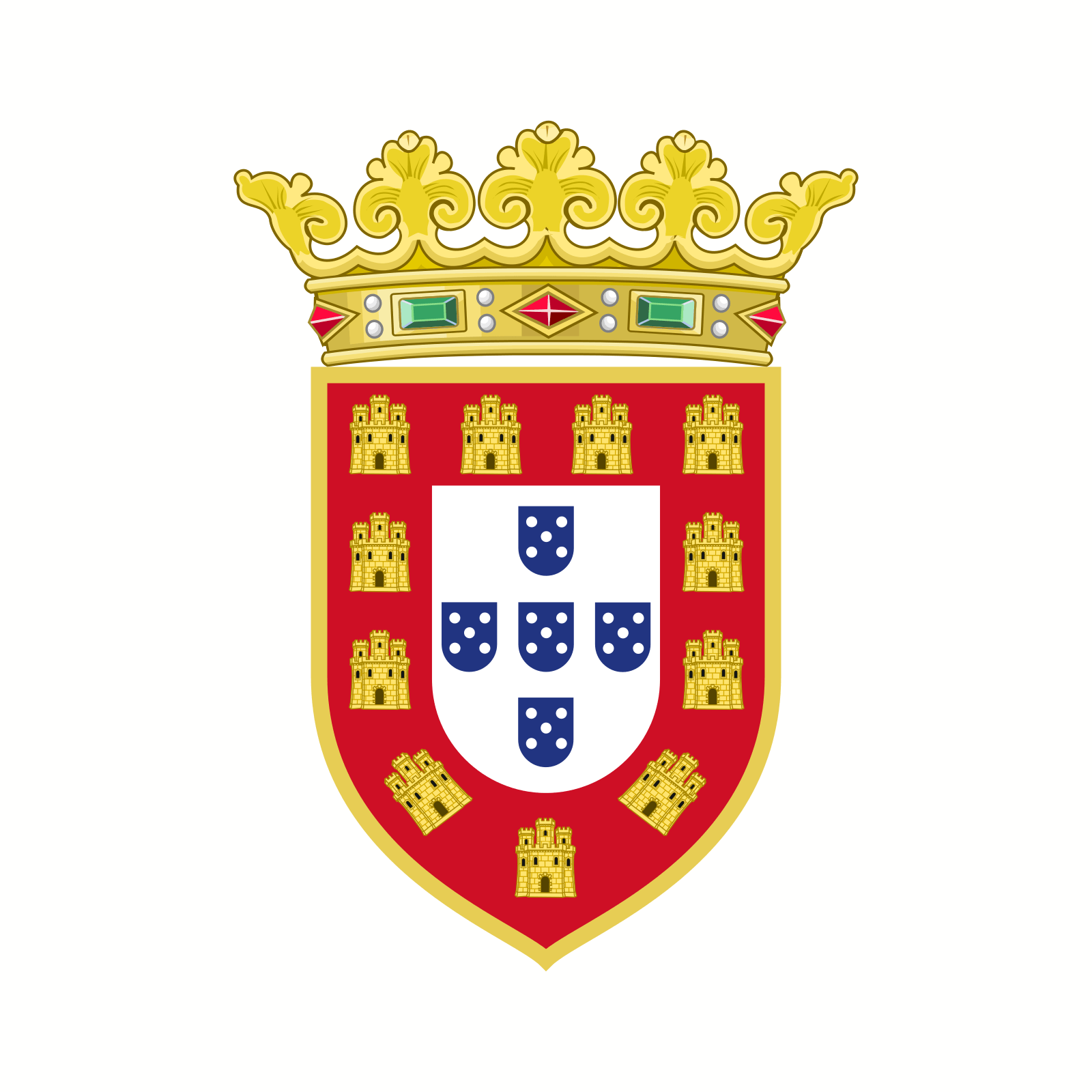
The white field
1495 → 1521
Manuel I made the flag a white 2:3 rectangle with the crowned arms in the centre.
- 1521
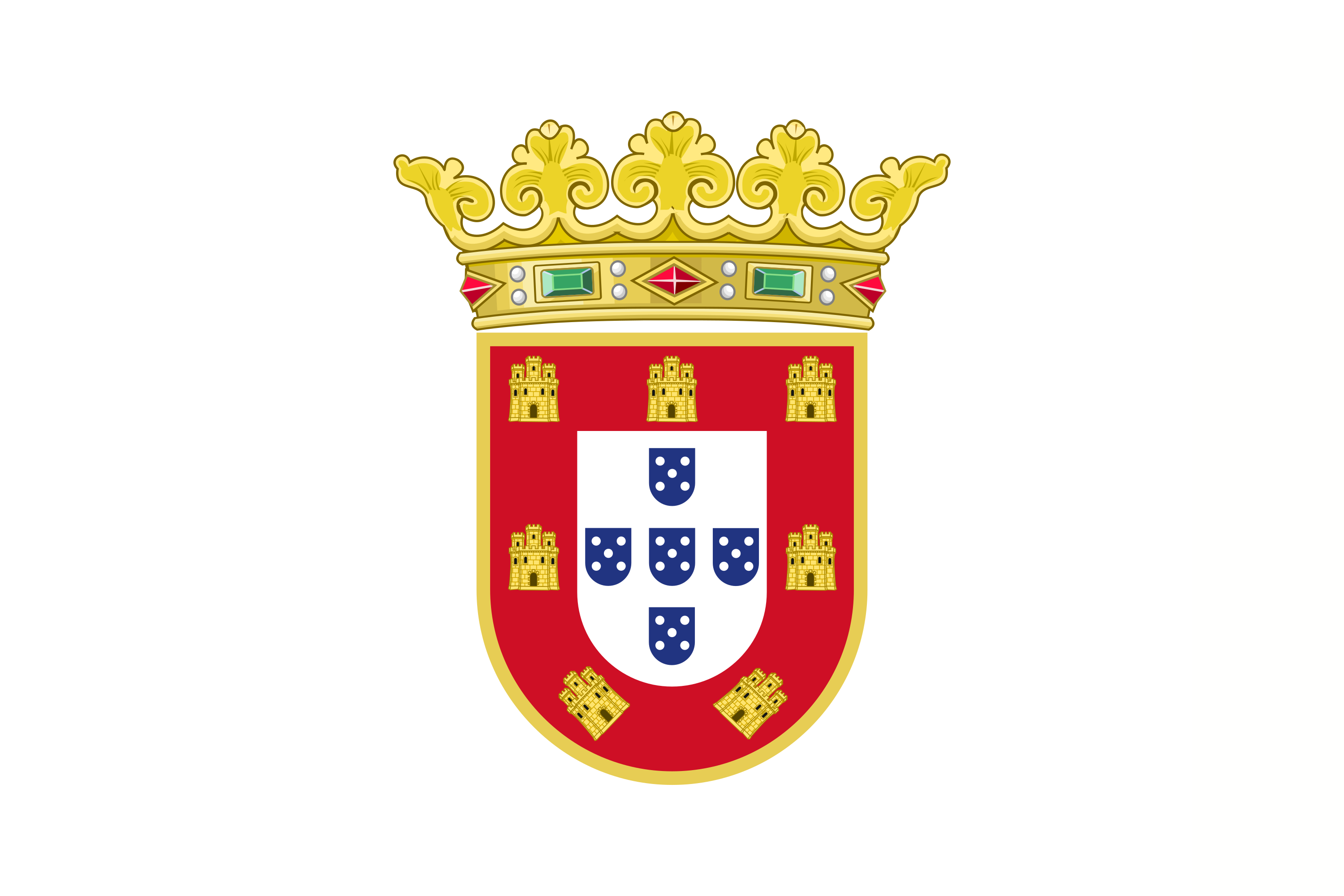
John III
1521 → 1578
The arms on a round-bottomed shield.
- 1578
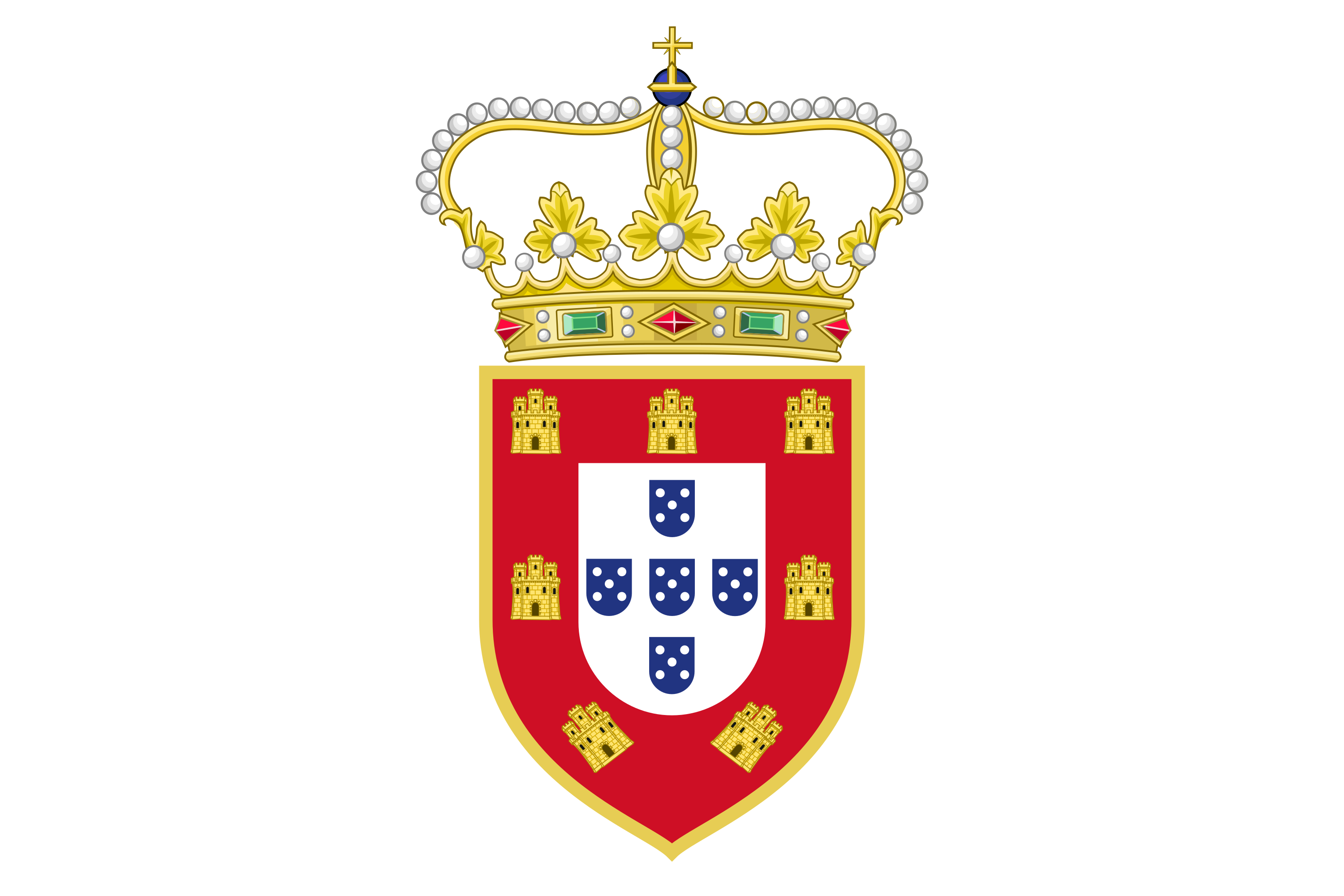
The closed crown
1578 → 1640
Under Sebastian the castles were fixed at seven for good and the crown closed. The flag was kept through the union with Spain.
- 1640
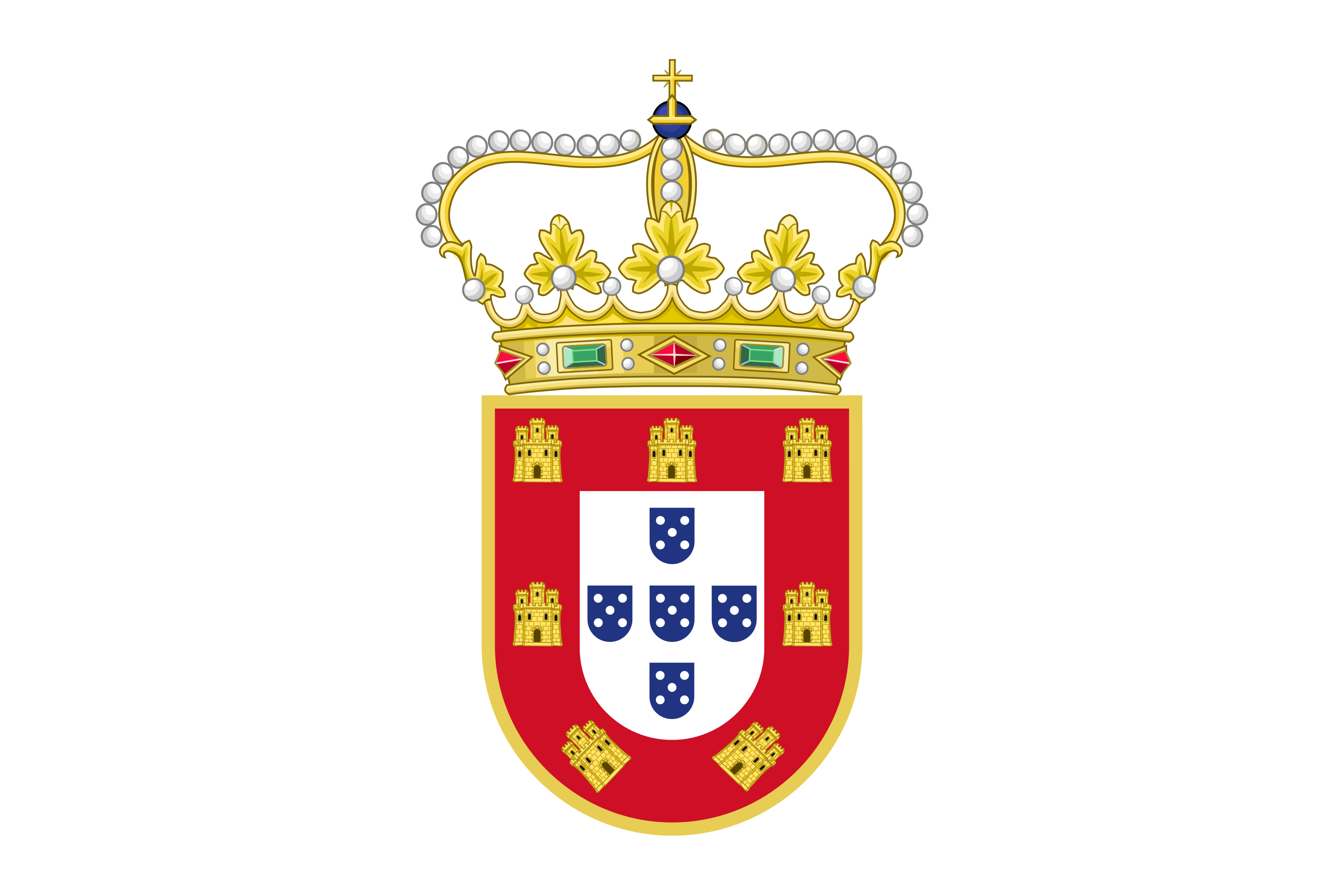
The Restoration
1640 → 1667
John IV rounded the shield after independence was restored.
- 1667
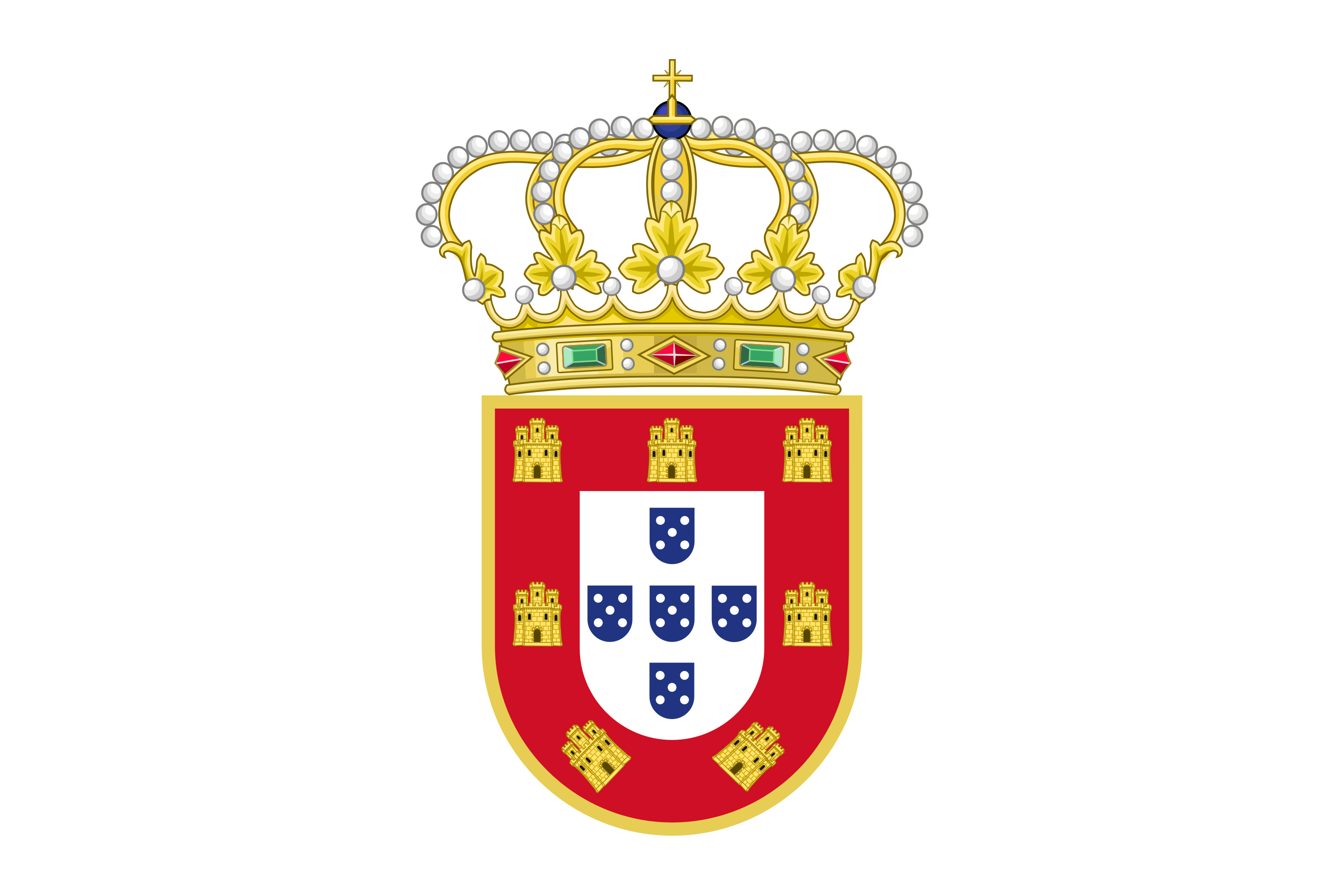
Peter II
1667 → 1707
A five-arched crown.
- 1707
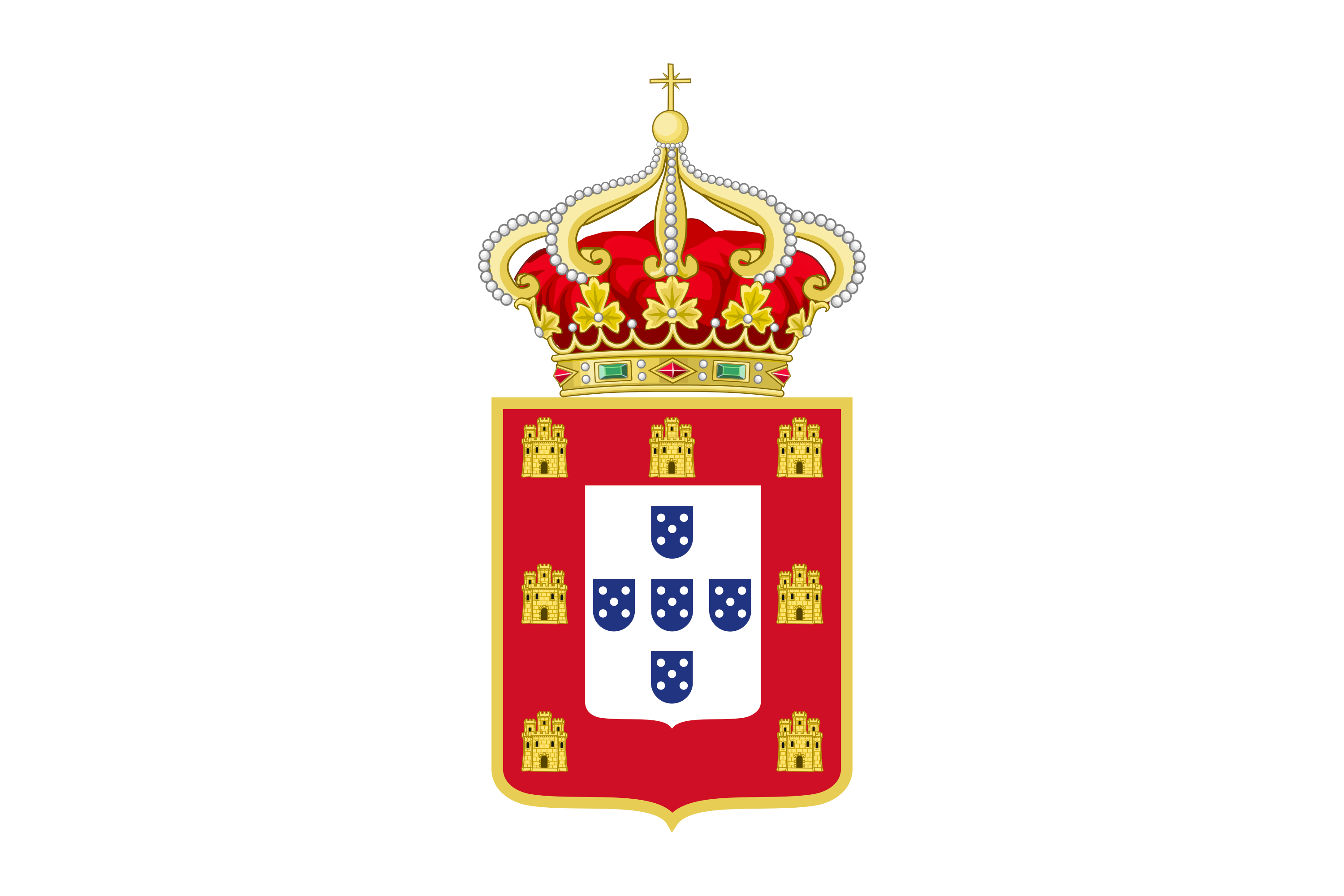
John V
1707 → 1816
A red cap added under the crown. The flag lasted through the reigns of Joseph I and Maria I.
- 1816
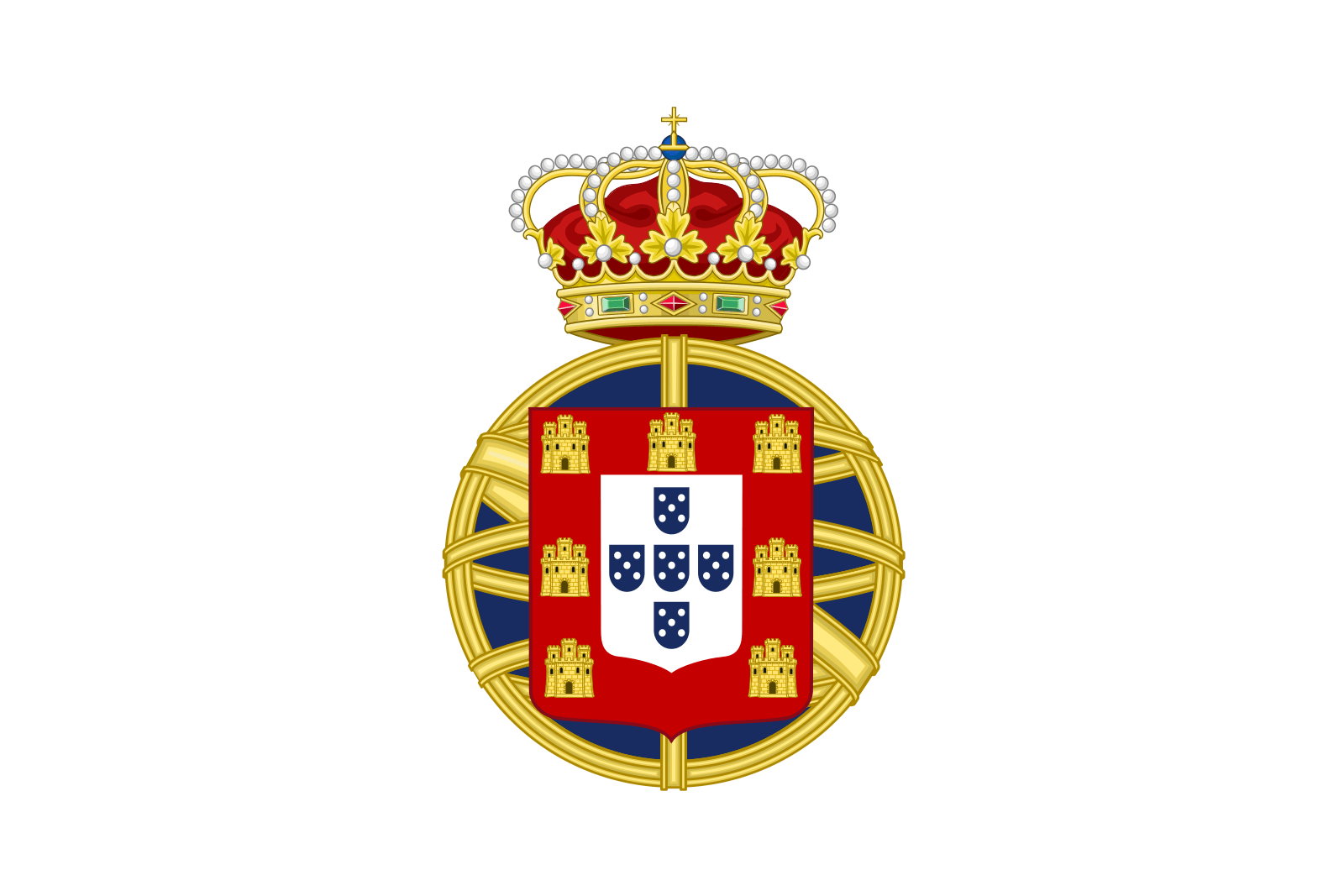
United Kingdom of Portugal, Brazil and the Algarves
1816 → 1826
The shield set on a yellow armillary sphere on blue, for Brazil. Kept after Brazilian independence until the death of John VI in 1826.
Image: 117-M-I-K-E, CC BY-SA 4.0
- 1830
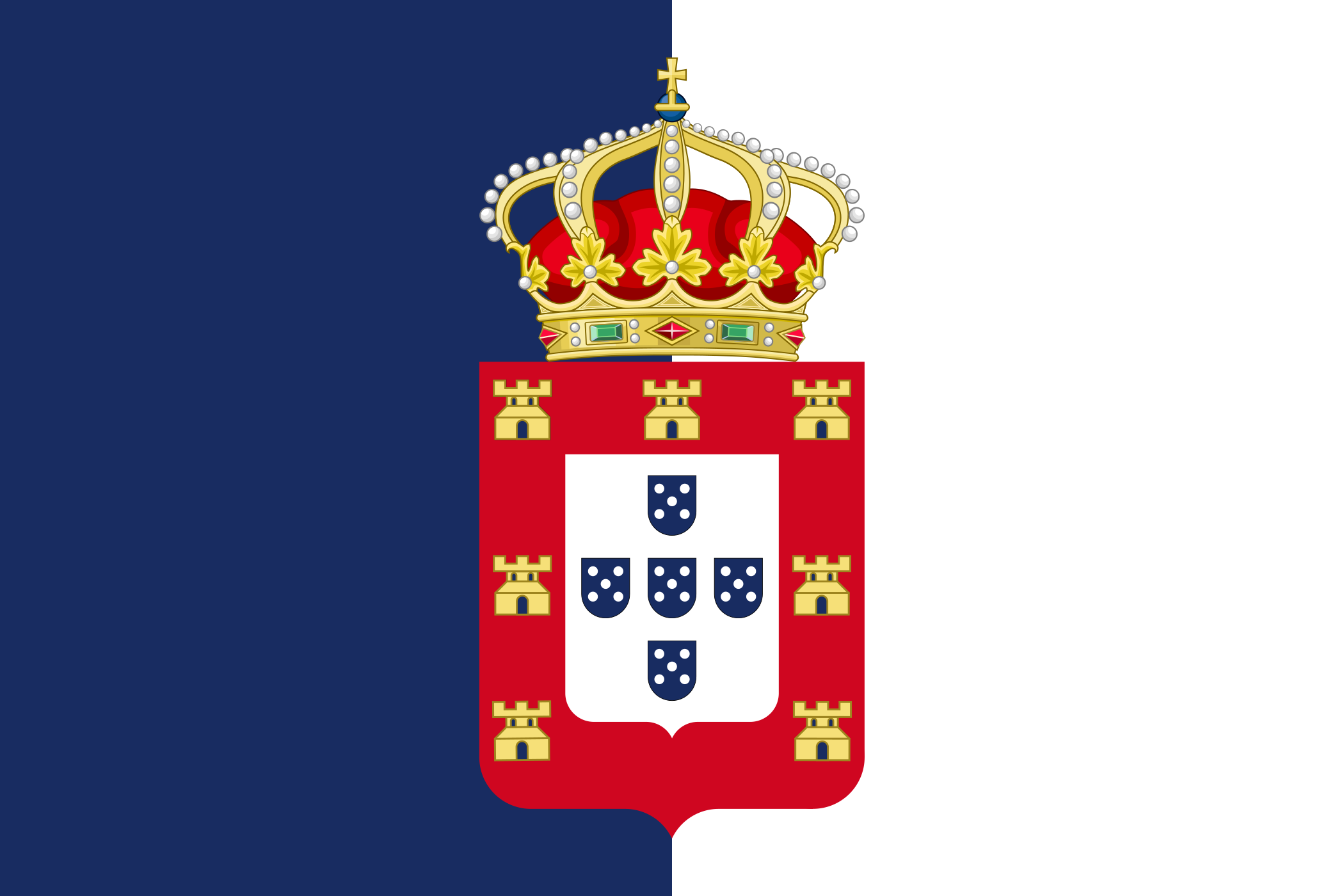
Blue and white
1830 → 1910
The liberal government on Terceira divided the field into blue at the hoist and white at the fly, with the arms over the line and the sphere removed. Hoisted in Lisbon after 1834 and flown until the end of the monarchy.
- 1910
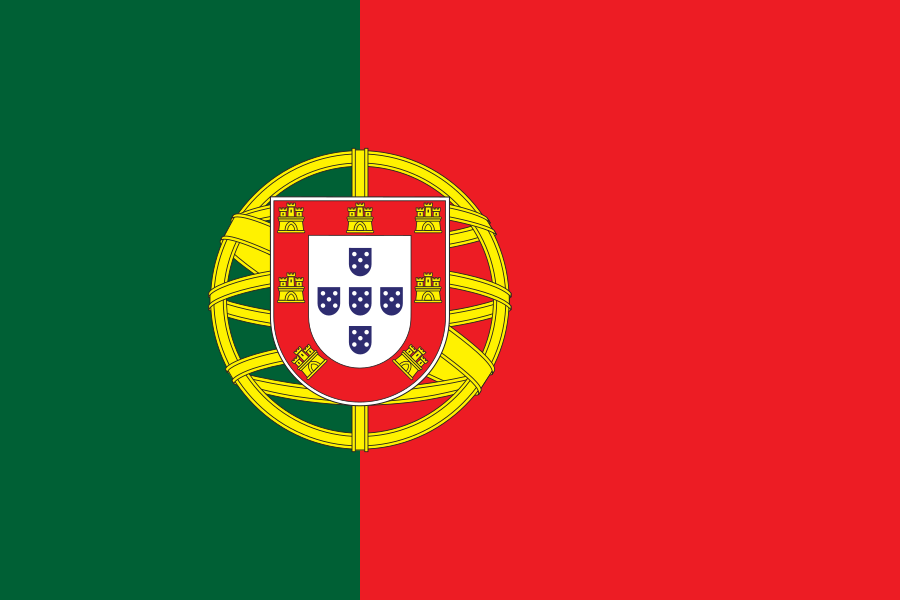
The flag of the RepublicIn use
1 Dec 1910 → today
Approved by the Provisional Government on 29 November 1910 and first hoisted at the Monument to the Restorers on 1 December, then sanctioned by the decree of 19 June 1911 and specified in the report published on 30 June 1911.
The law
What defines it, and who flies it
- 19 June 1911
Decree of the Constituent National Assembly of 19 June 1911
Sanctioned the flag in law. Published in Diário do Governo No. 141 of 20 June 1911.
- 30 June 1911
Report of the commission on the dimensions and details of the national flag, Diário do Governo No. 150
Sets the proportions, the dark green and scarlet field and the sphere and shield. Often cited as "Decree No. 150", although it carries no number and is not a decree. Gives no colour codes.
- Undated
Constitution of the Portuguese Republic, Article 11(1)
Names the national flag as the one adopted by the Republic established by the revolution of 5 October 1910.
- 30 March 1987
Decree-Law No. 150/87
The general rules on when and where the flag is flown.
In use
Flown from 9:00 to sunset on Sundays and national holidays throughout the country, and lit if flown at night
May fly daily on the headquarters of the bodies of sovereignty, and on public buildings, monuments and the headquarters of public institutions
Flown at half-mast for the days of national mourning, hoisted to the top before it is lowered to half-mast; any flag flown with it goes to half-mast too
Never smaller than other flags flown with it, and on the highest pole where the poles differ
Disrespect to the flag is punishable under Article 332 of the Penal Code by up to two years in prison
Related flags
The flags it is confused with or comes from
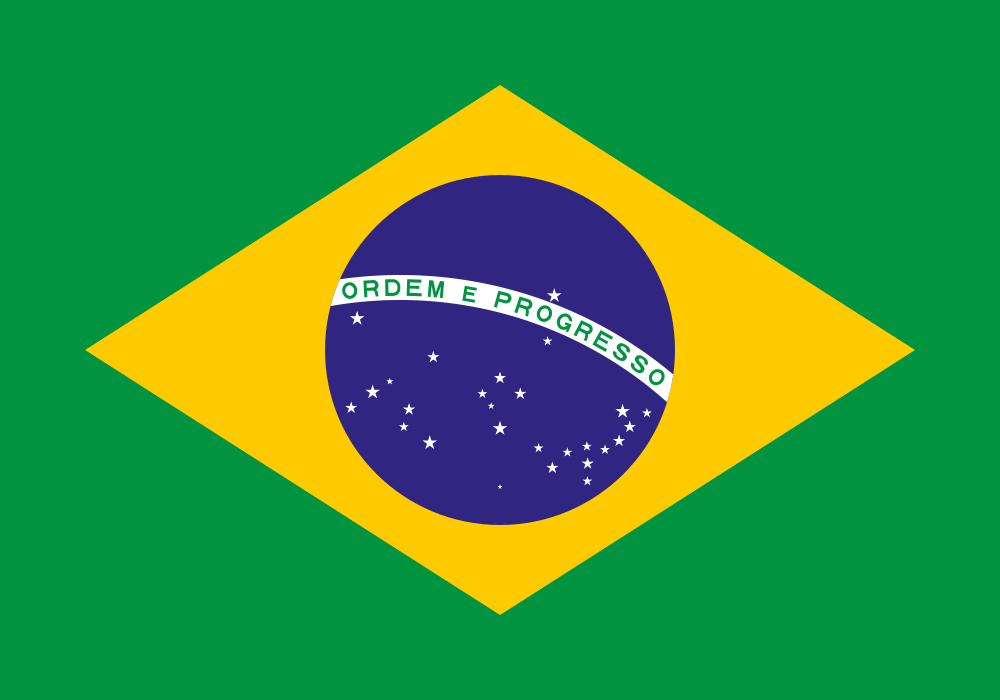 Brazil
- The armillary sphere entered the Portuguese arms under the United Kingdom of Portugal, Brazil and the Algarves to stand for Brazil, and was a key element of the flags of the Brazilian kingdom and empire.
Coat of arms
The arms of Portugal