The flag of Canada
National Flag of Canada · since 1965
 Back to Canada
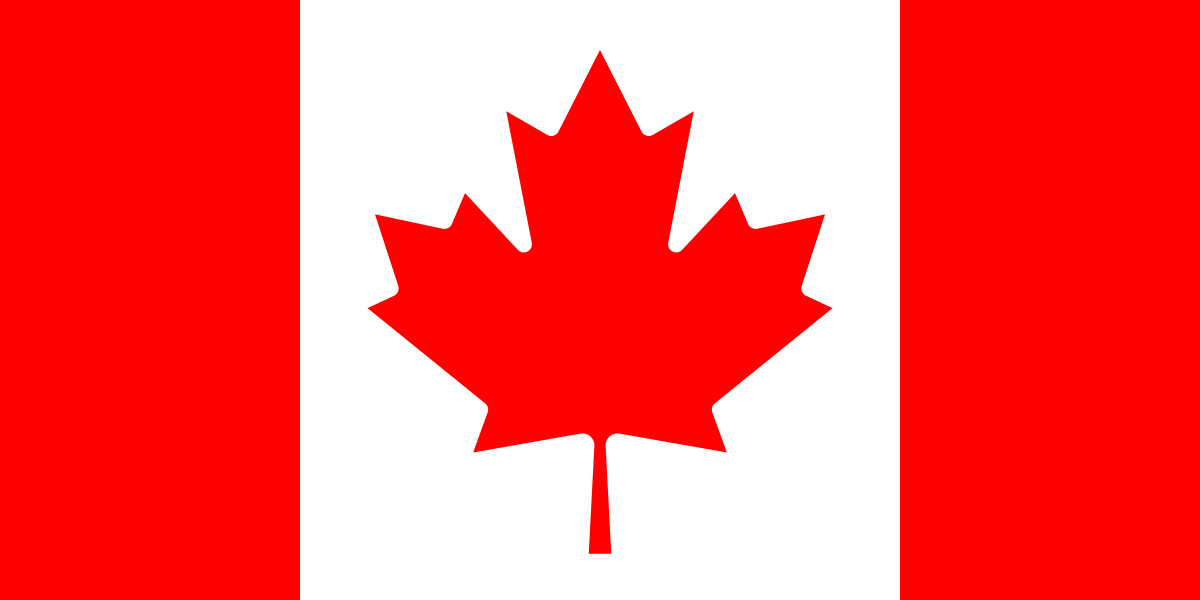
A red flag twice as long as it is high, with a white square in the centre carrying a stylised red maple leaf of eleven points. It replaced the Canadian Red Ensign, which carried the Union Flag, on 15 February 1965 after the Great Flag Debate of 1964, and it is the first flag adopted by both houses of Parliament and proclaimed by the monarch as Canada's national flag.
At a glance
- Adopted
- 1965
- Proportion
- 1:2
- First hoisted
- 12:00
- Colours
- Earlier flags
- 3
- Designers
- 3
The colours
The colours of the flag of Canada, in the order it has them
- 0163.8%
Red
redThe two outer bands and the maple leaf
- HEX
#FF0000- RGB
255 0 0- CMYK
0 100 100 0- Pantone
032 C
- 0236.2%
White
whiteThe central square
- HEX
#FFFFFF- RGB
255 255 255- CMYK
0 0 0 0
No law gives these codes. HEX and RGB are the colour this site draws the flag in; CMYK, Pantone and RAL are the values most often published for it.
Construction
How the flag is drawn
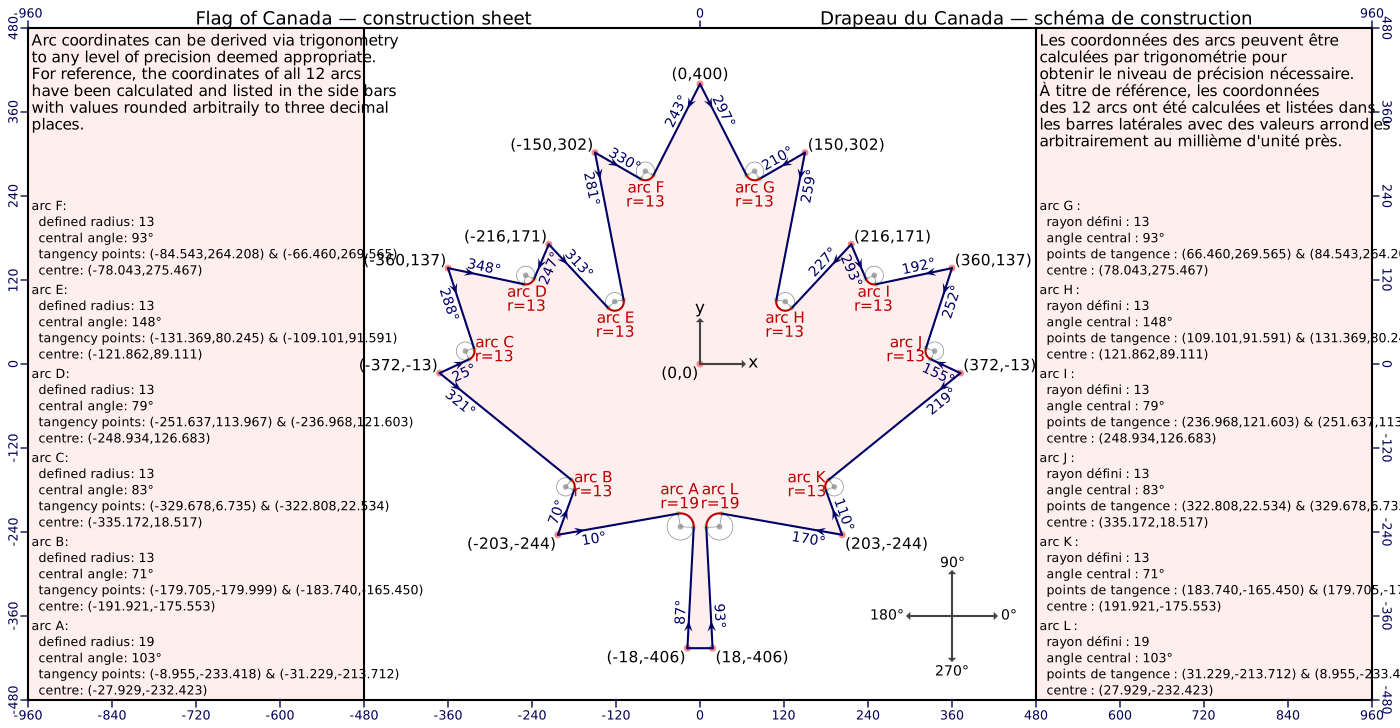
A vertical triband of red, white and red in the widths 1:2:1, the white band forming a square in the centre of the flag, with a single red stylised maple leaf of eleven points centred on the white square.
- Bands
- Red, white, red, in the widths 1:2:1; each red band is half the width of the white
- White square
- As wide as the flag is high, in the centre of the flag
- Maple leaf
- One stylised leaf of eleven points, centred on the white square. The original design had thirteen points and was cut to eleven after wind tunnel tests showed the current leaf to be the least blurred in high wind
- Symmetry
- Horizontally symmetric, so both sides look the same
Other forms
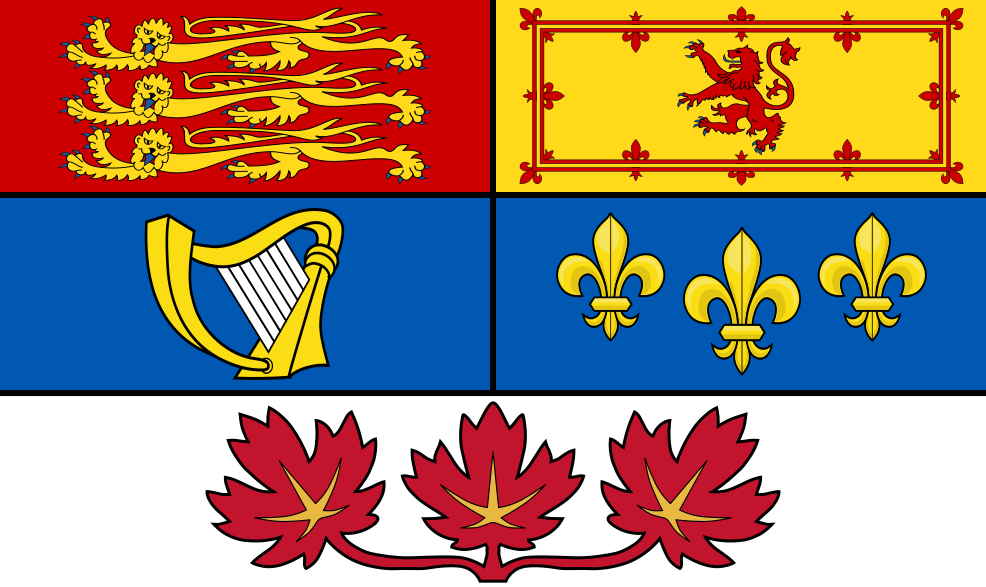
- Sovereign's Flag for Canada
- A banner of the arms of Canada, used to mark the presence of the Canadian sovereign rather than as a national flag.
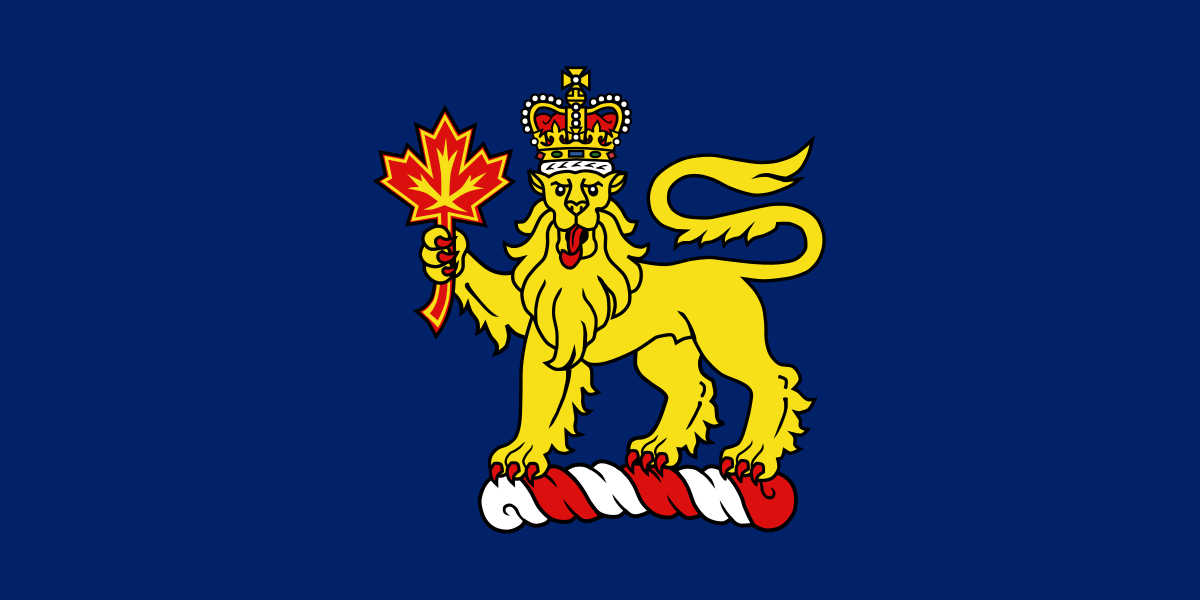
- Flag of the governor general
- The governor general's personal standard, flown wherever the governor general is in residence.
Meaning
What each part stands for
- Red and white
- Made the official colours of Canada by George V in the Royal Arms of Canada of 1921, the red from the Cross of Saint George and the white from the French royal emblem. The government notes that many Canadians read them as the white of winter snow and the red of autumn maple leaves
- Maple leaf
- A Canadian emblem since the nineteenth century: on the arms of Ontario and Quebec from 1868, on all Canadian coins from 1876 to 1901, and on the badges of Canadian forces in both world wars
- Eleven points
- Carry no meaning. The number and arrangement were chosen because they stayed clearest in wind
- A single leaf and no Union Flag
- Stanley's memorandum warned that a new flag must avoid national or racial symbols of a divisive kind, so it carries neither the Union Flag nor a fleur-de-lis
Who drew it
- George F. G. Stanley
- Historian and Dean of Arts at the Royal Military College of Canada, who proposed a red and white flag with a single maple leaf in a memorandum of 23 March 1964
- John Matheson
- Member of Parliament who worked with Stanley on the design and steered it through the parliamentary committee
- Jacques Saint-Cyr
- Designed the stylised eleven-point maple leaf used on the flag
History
How the flag of Canada got here
- 1868
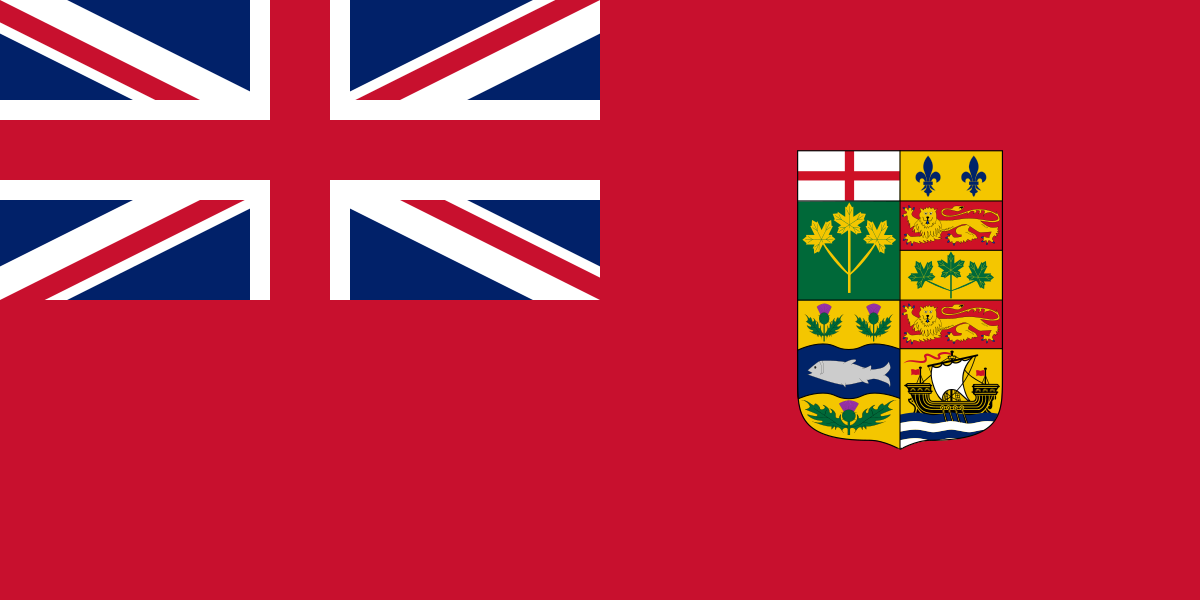
Canadian Red Ensign with the composite shield
1868 → 1921
The British Red Ensign with a shield of the provincial arms in the fly, used unofficially on land and sea from about 1870; arms were added to the shield as provinces joined, and the Admiralty approved it for use at sea in 1892.
- 1921
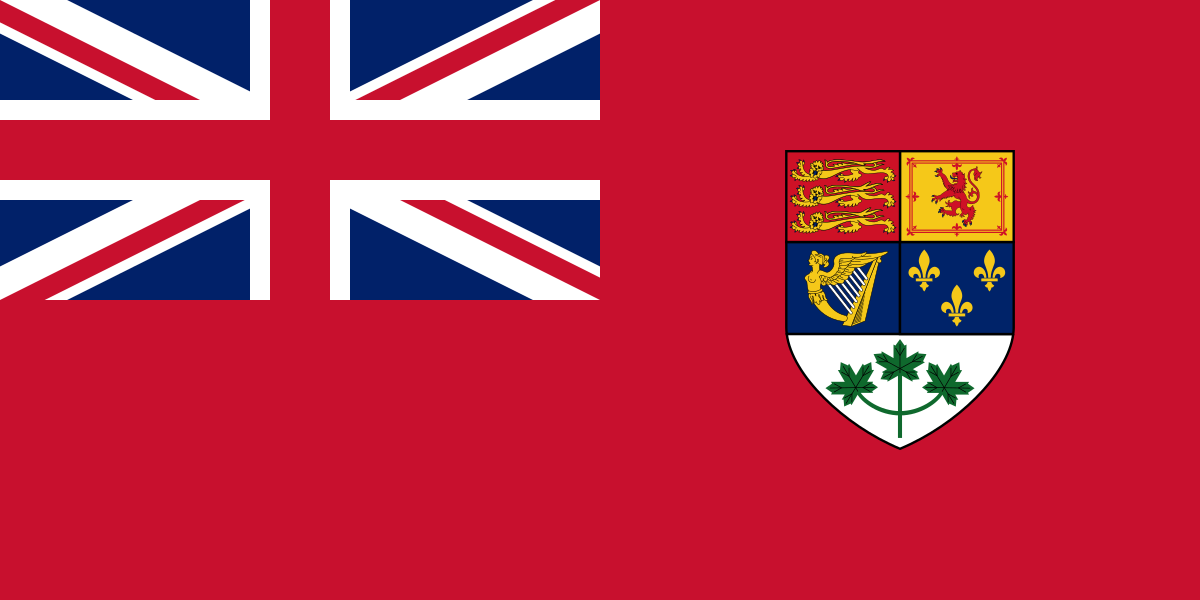
Canadian Red Ensign with the arms of Canada
1921 → 1957
The composite shield was replaced by the arms of Canada granted in 1921. An Order in Council of 1924 approved it for government buildings abroad, and one of 1945 approved it wherever a distinctive Canadian flag was wanted.
- 1957
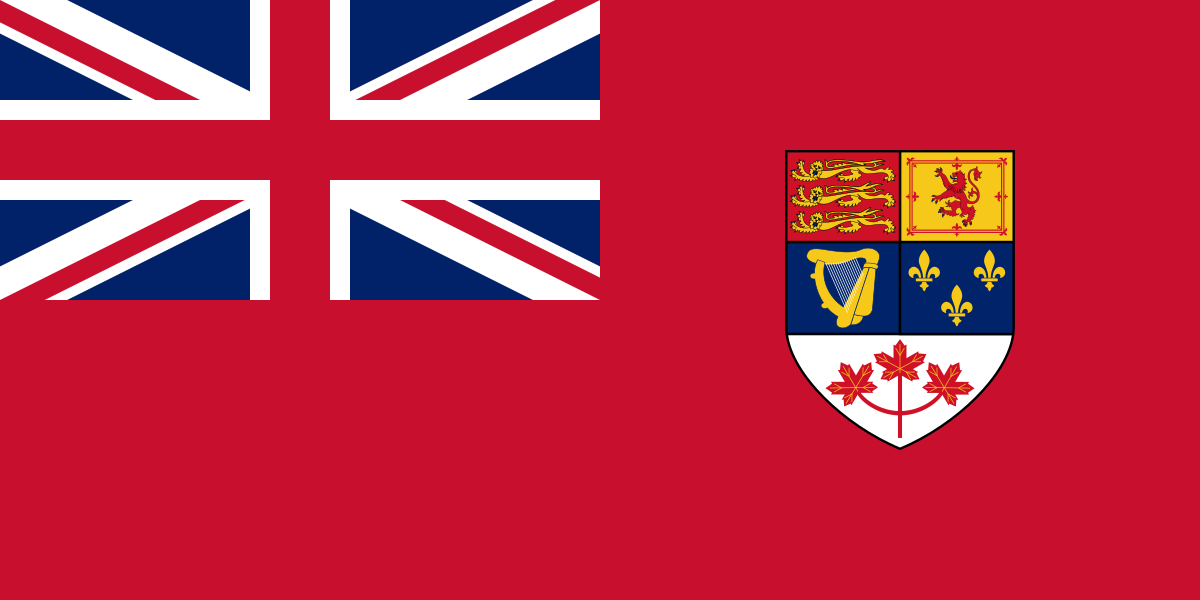
Canadian Red Ensign, last version
1957 → 15 Feb 1965
The ensign in use up to the Great Flag Debate, lowered on Parliament Hill at noon on 15 February 1965.
- 1965
The Maple LeafIn use
15 Feb 1965 → today
Adopted after a 15 to 0 vote of an all-party committee in 1964, passed by the Commons on 15 December 1964, proclaimed on 28 January 1965 and raised on Parliament Hill on 15 February 1965.
The law
What defines it, and who flies it
- 15 December 1964
Resolution of the House of Commons
Adopted the design by 163 votes to 78 after six months of debate and 308 speeches. The Senate approved it two days later.
- 28 January 1965
Royal proclamation of the National Flag of Canada
Signed by Queen Elizabeth II. The blazon is gules on a Canadian pale argent a maple leaf of the first.
- 1984
National Flag of Canada Manufacturing Standards Act
Unifies the manufacturing standards for flags for indoor and outdoor use.
- 2023
CAN/CGSB-98.1-2023, 98.2-2023 and 98.3-2023
National Standards of Canada for outdoor, indoor and one-event flags, maintained by the Canadian General Standards Board. They set design, colour, material and performance requirements.
In use
May be flown on any day and at any time of day by federal buildings, airports, military bases, diplomatic offices and private citizens
No law governs how the flag is treated; Canadian Heritage publishes National Flag of Canada Etiquette, last updated on 24 February 2022, on precedence and display
Takes precedence over every other flag except the Sovereign's Flag, the governor general's flag, the personal flags of the royal family and the flags of the lieutenant governors
Flown at half-mast to mark a period of mourning
Flown beside the Royal Union Flag at federal installations on Commonwealth Day, Victoria Day and 11 December, the anniversary of the Statute of Westminster, with the national flag in the place of honour
National Flag of Canada Day has been marked on 15 February every year since 1996
Related flags
The flags it is confused with or comes from
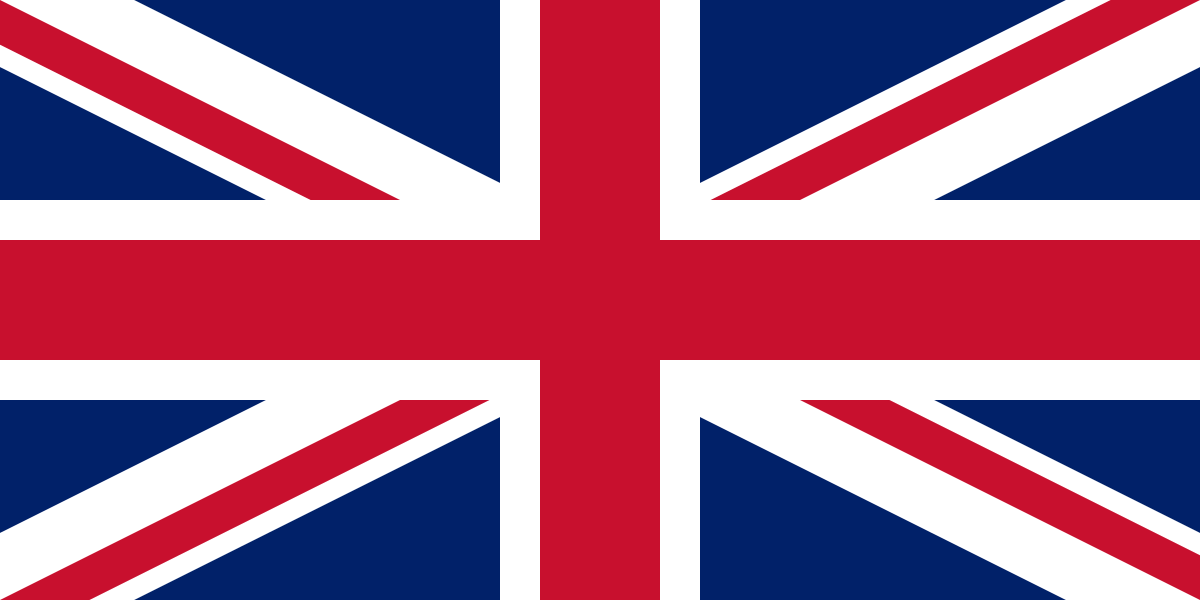 United Kingdom
- The Union Flag was flown in Canada until 1965 and sat in the canton of the Canadian Red Ensign; the Royal Union Flag remains an official flag in Canada, flown beside the Maple Leaf on three days a year.
Coat of arms
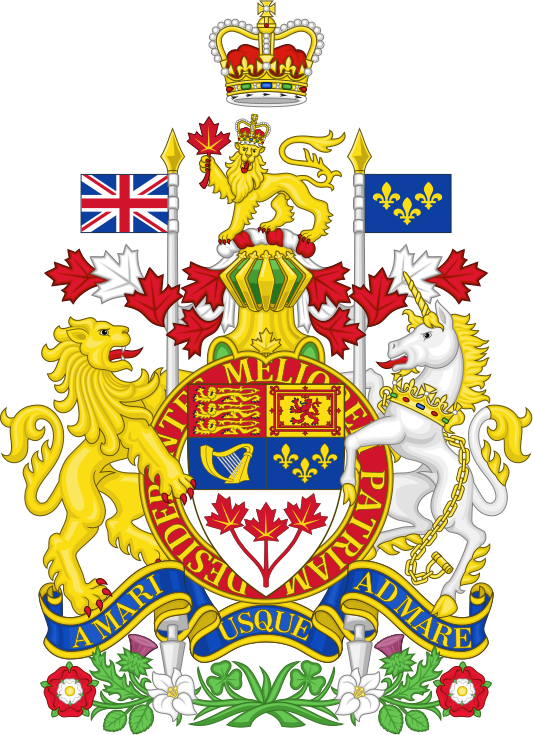
The arms of Canada